Least Concern Species
Widespread and abundant species that are not currently at significant risk of extinction.
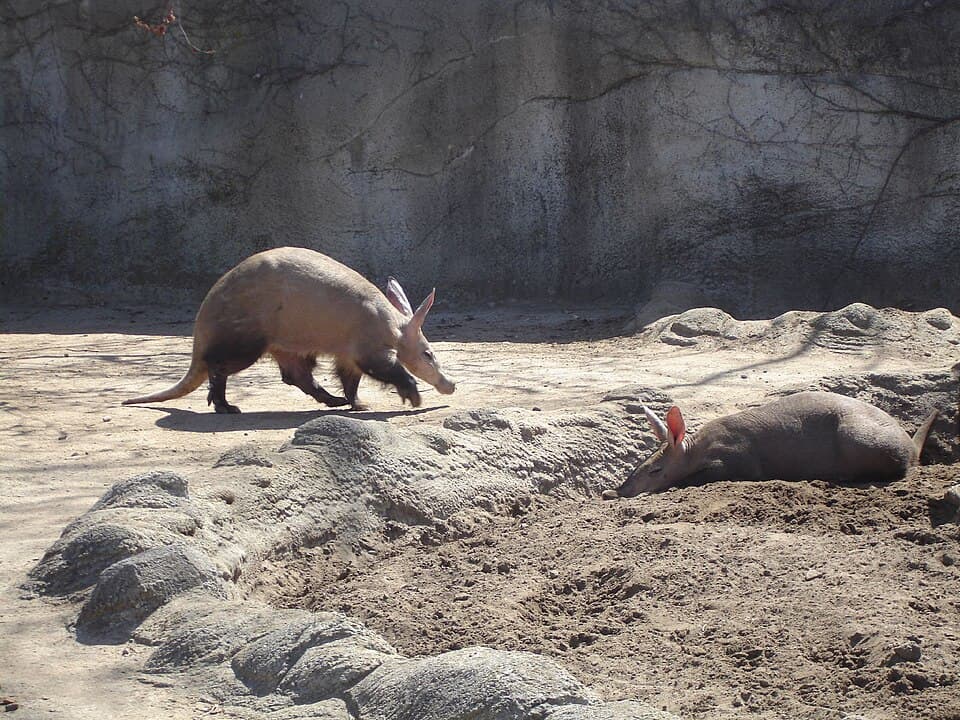
Aardvark
Orycteropus afer
MammalThe aardvark is a nocturnal, burrowing mammal found across sub-Saharan Africa, best known for its long snout and powerful digging claws used to raid termite mounds.
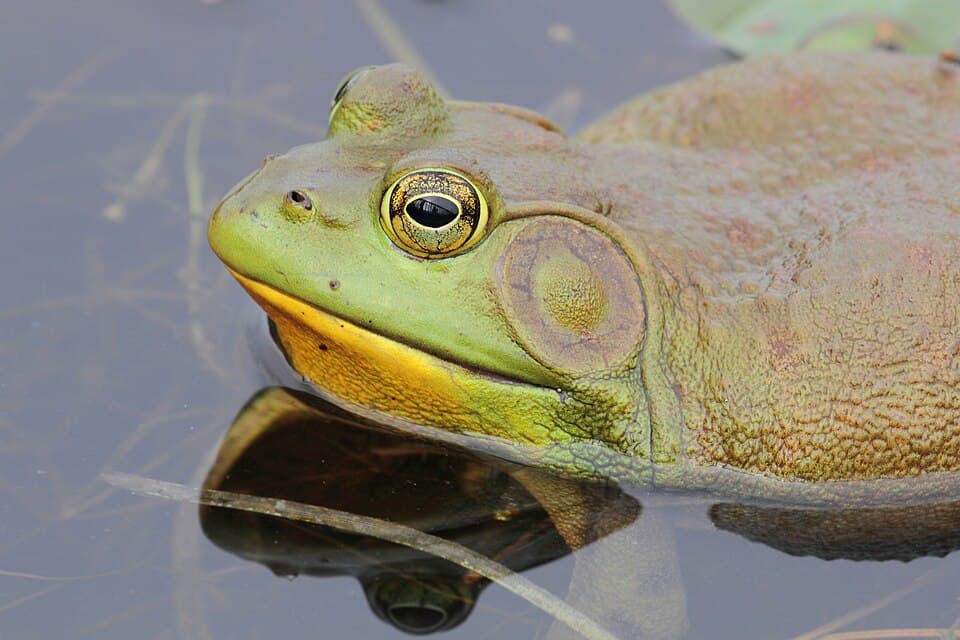
American Bullfrog
Lithobates catesbeianus
AmphibianThe American bullfrog is the largest true frog native to North America, named for its deep, resonant call that resembles a bull's bellow. Highly adaptable and voracious, it will eat almost any animal small enough to fit in its mouth, from insects to other frogs, and has become one of the world's most widely introduced invasive amphibians outside its native range.
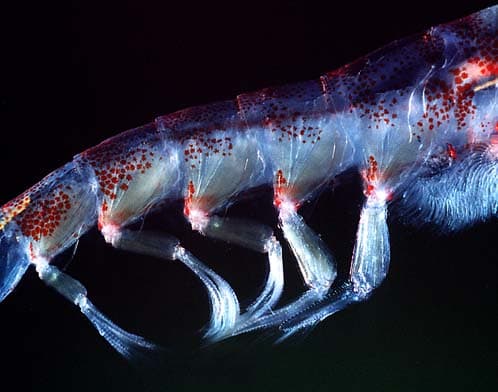
Antarctic Krill
Euphausia superba
Marine AnimalAntarctic krill is a small, shrimp-like crustacean that forms the foundation of the entire Antarctic food web, supporting whales, seals, penguins, and countless fish species. Despite its tiny individual size, its total biomass is estimated to be one of the largest of any animal species on Earth, gathering in massive swarms that can stretch for kilometers and be seen from space.
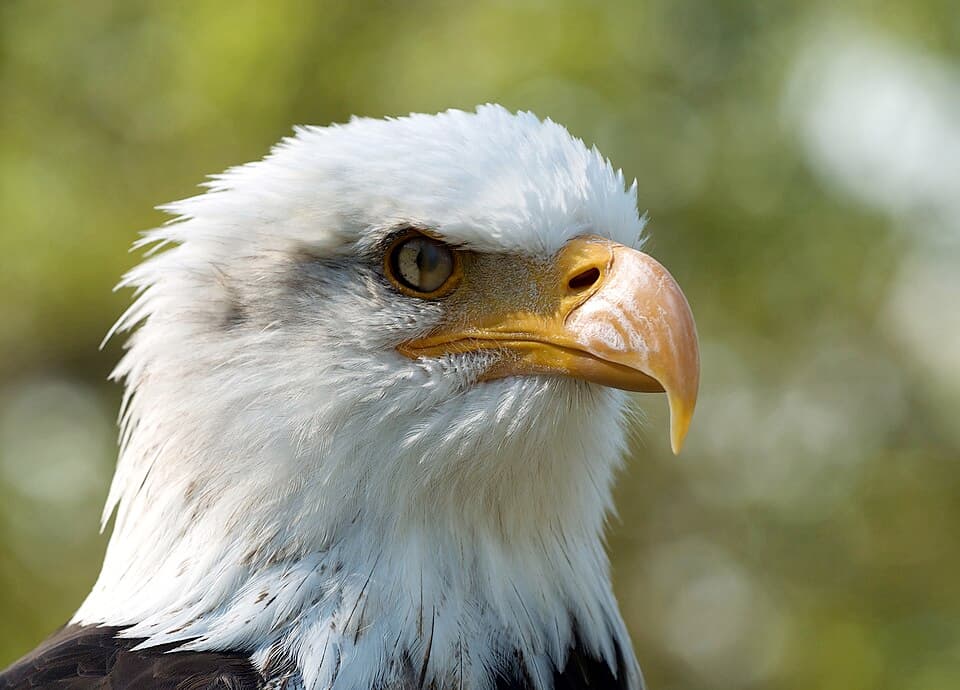
Bald Eagle
Haliaeetus leucocephalus
BirdThe bald eagle is a large bird of prey and the national bird of the United States, typically found near large bodies of open water with an abundant fish supply, from Alaska and Canada down through the contiguous United States. The species was once endangered in the U.S. due to hunting, habitat loss, and the pesticide DDT, which thinned its eggshells and caused widespread breeding failures; after DDT was banned and decades of conservation effort, bald eagle populations recovered enough for the species to be removed from the U.S. endangered species list in 2007.
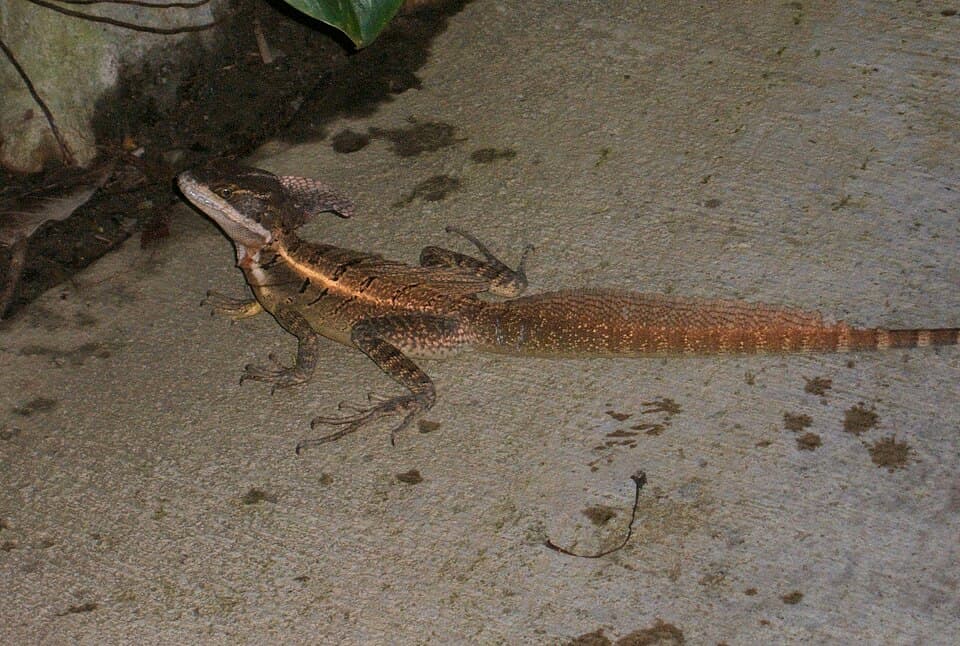
Basilisk Lizard
Basiliscus basiliscus
ReptileThe basilisk lizard, nicknamed the 'Jesus Christ lizard,' is famous for its remarkable ability to run upright across the surface of water for short distances without sinking. Native to the rainforests of Central and northern South America, it relies on this unusual skill primarily to escape predators.
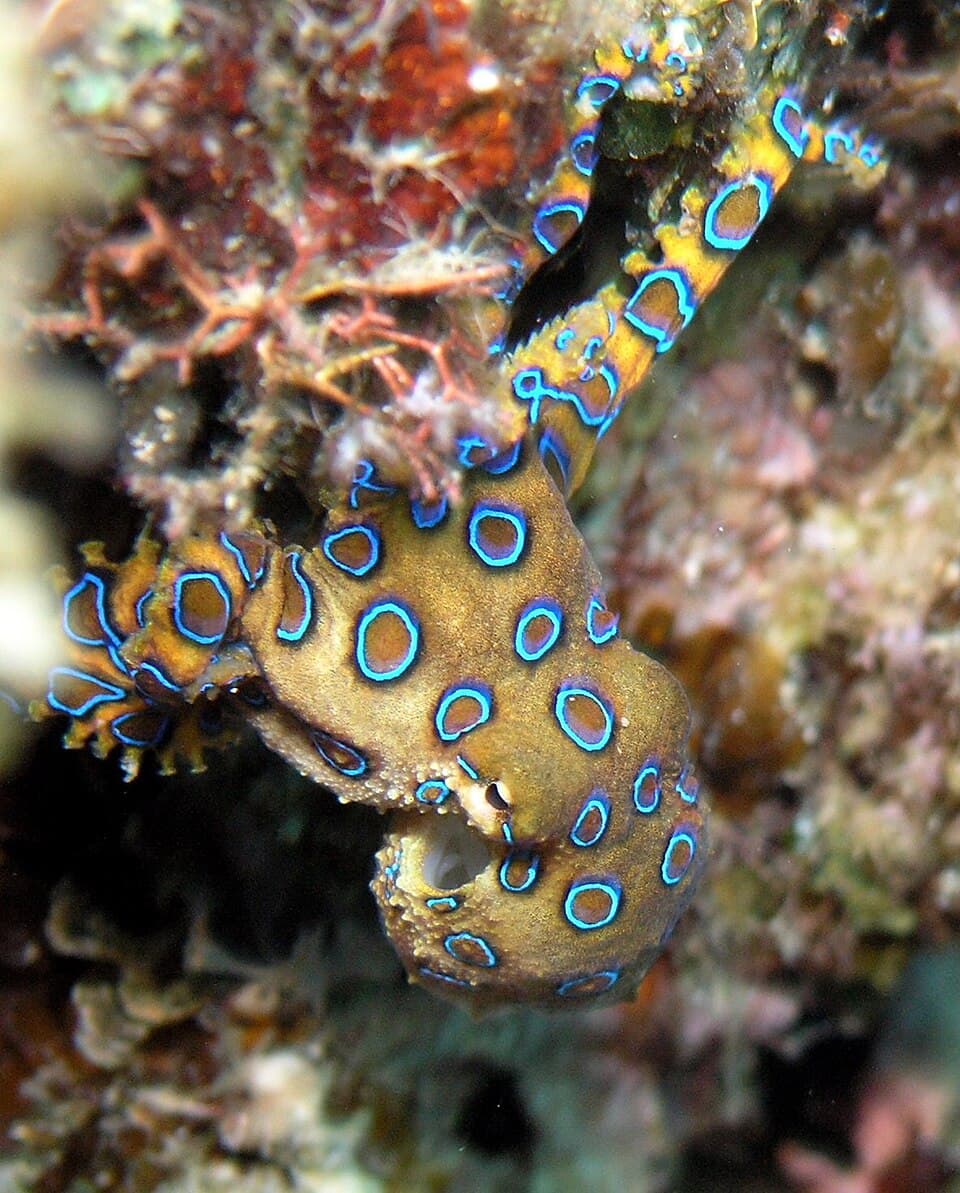
Blue-Ringed Octopus
Hapalochlaena lunulata
Marine AnimalThe blue-ringed octopus is one of the most venomous marine animals in the world despite being barely larger than a golf ball, found in tide pools and shallow reefs across the Indo-Pacific. Its venom contains tetrodotoxin, a toxin powerful enough to cause paralysis in humans, though the octopus itself is docile and only bites when directly provoked or handled.
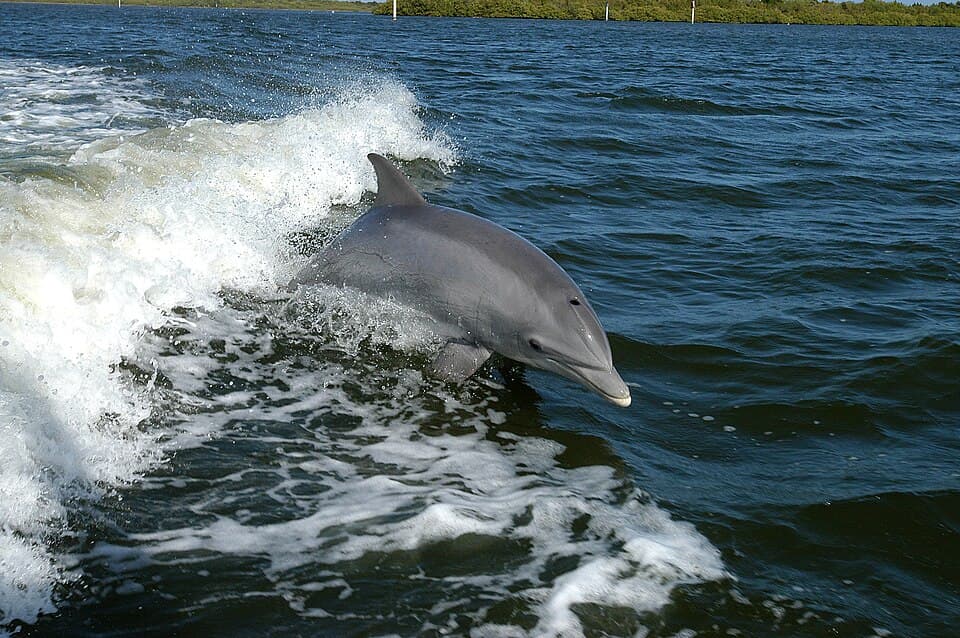
Bottlenose Dolphin
Tursiops truncatus
MammalThe bottlenose dolphin is one of the most widely-recognized and intelligent marine mammals, found in temperate and tropical oceans worldwide.
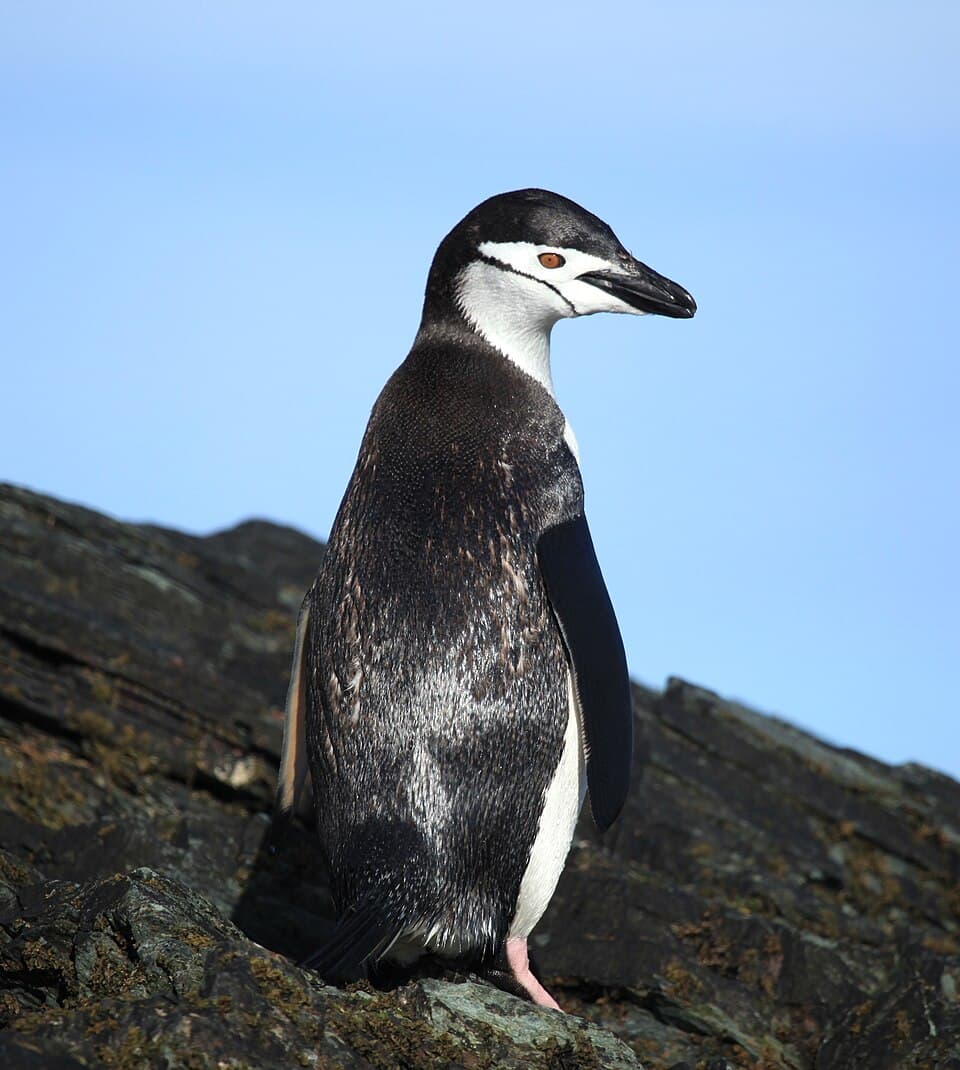
Chinstrap Penguin
Pygoscelis antarcticus
BirdThe chinstrap penguin is named for the narrow black band running under its chin, giving it the appearance of wearing a tiny helmet strap. Among the most numerous penguin species in the world, it breeds in enormous colonies across the Antarctic Peninsula and surrounding sub-Antarctic islands.
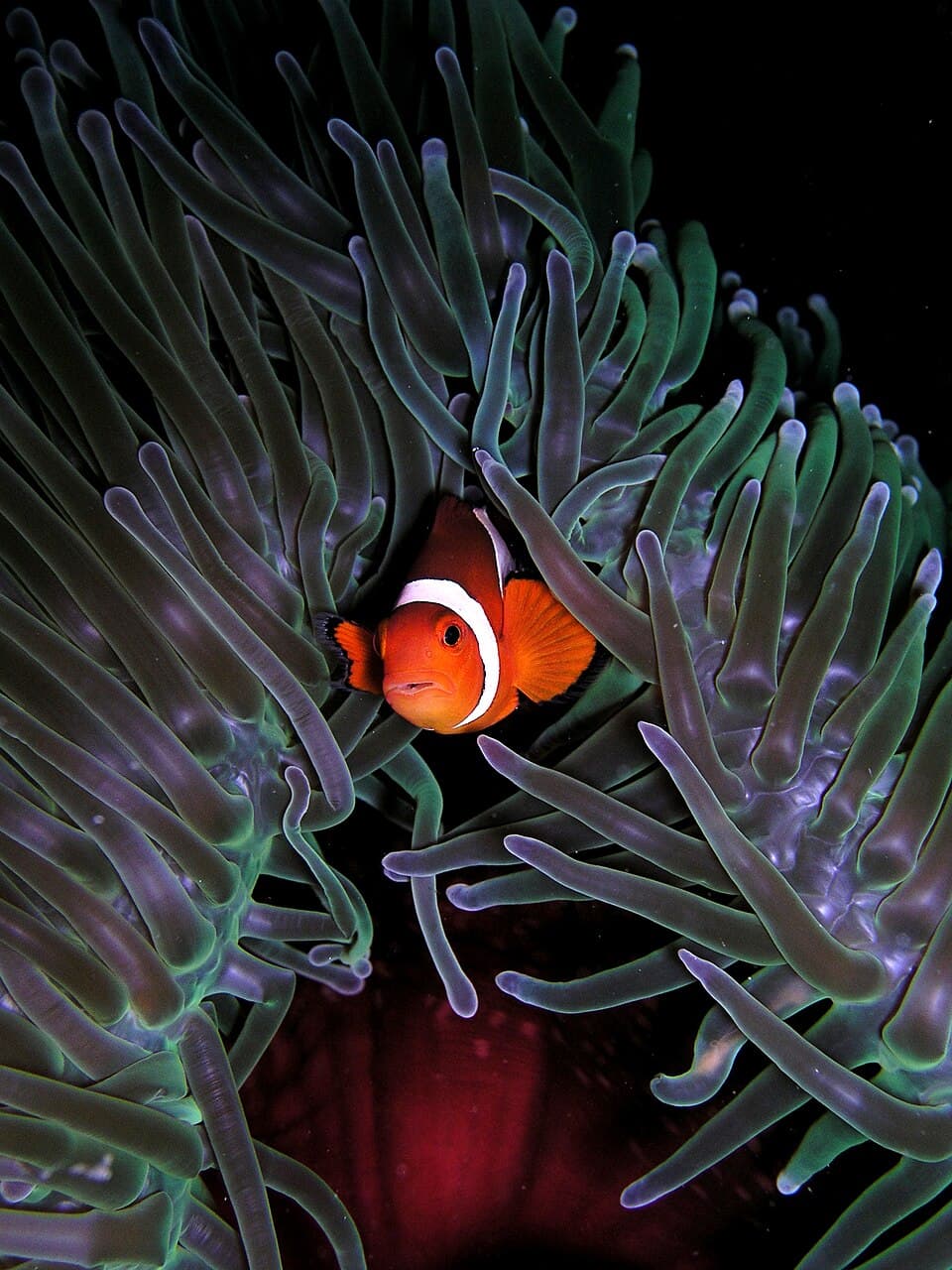
Clownfish
Amphiprion ocellaris
FishThe clownfish is a small, brightly-colored reef fish famous for its symbiotic relationship with sea anemones, whose stinging tentacles it is immune to.
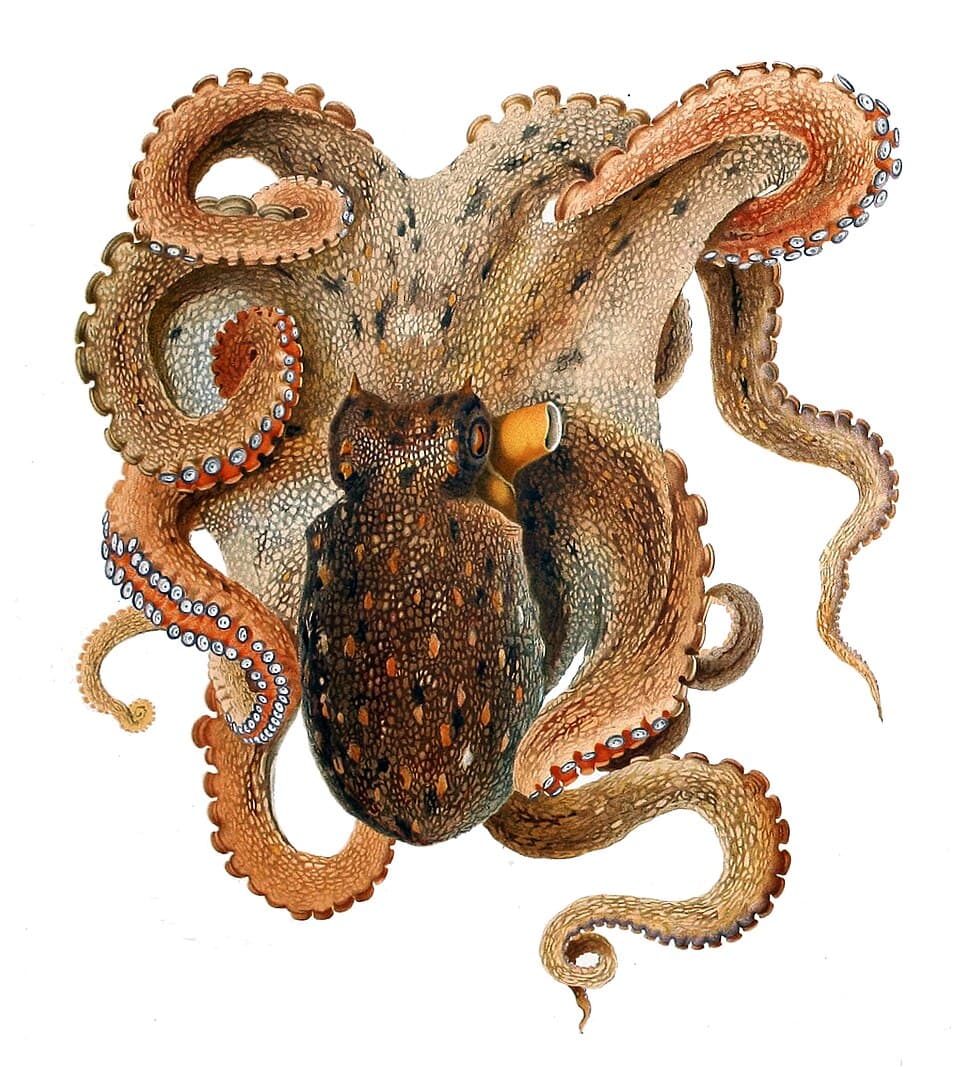
Common Octopus
Octopus vulgaris
Marine AnimalThe common octopus is a remarkably intelligent, boneless marine invertebrate found in coastal waters worldwide, renowned for its problem-solving abilities and rapid camouflage.
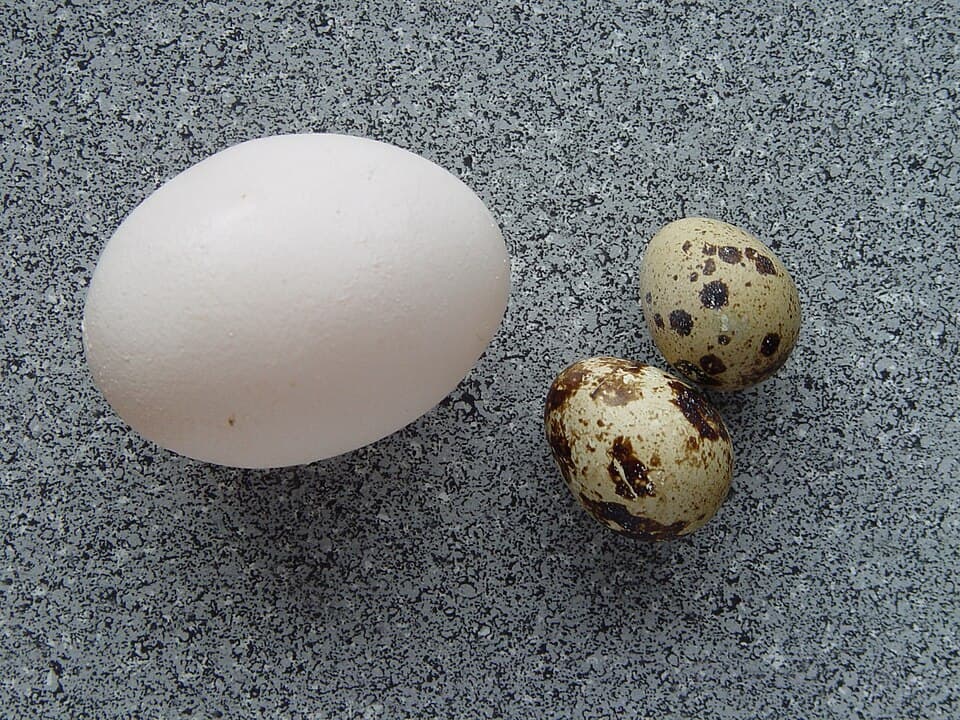
Common Quail
Coturnix coturnix
BirdThe common quail is a small, secretive ground-dwelling bird that migrates annually between Europe, Africa, and Asia, more often heard than seen in dense grassland.
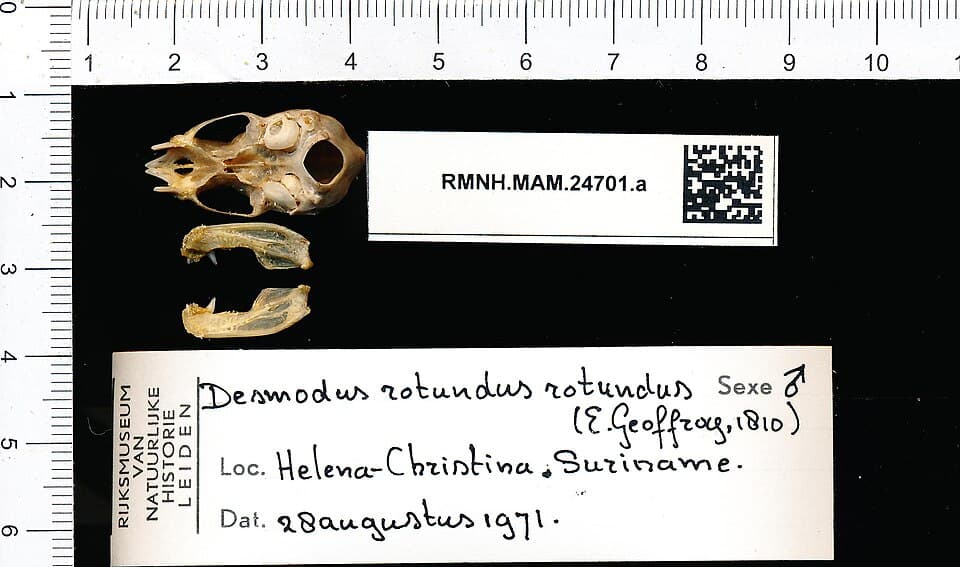
Common Vampire Bat
Desmodus rotundus
MammalThe common vampire bat is one of only three bat species that feeds exclusively on blood, mainly targeting livestock across Latin America under cover of darkness.
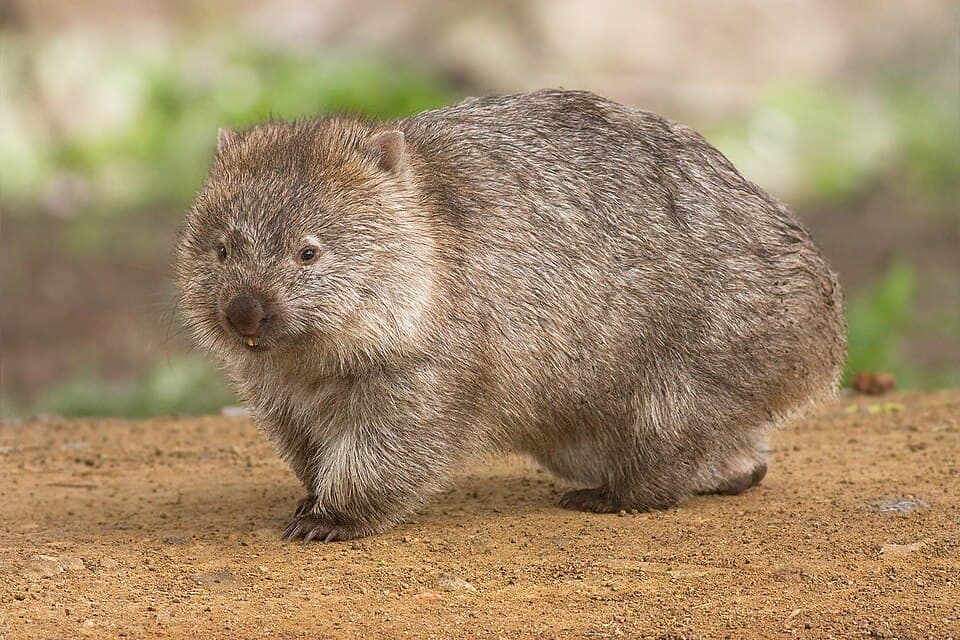
Common Wombat
Vombatus ursinus
MammalThe common wombat is a stocky, burrowing marsupial native to Australia, known for digging some of the most extensive burrow systems of any animal its size. Despite its slow, waddling gait, it can sprint in short bursts when threatened and is a powerful, capable digger built like a small bulldozer.

Dromedary Camel
Camelus dromedarius
MammalThe dromedary, or one-humped camel, is a large desert mammal domesticated thousands of years ago and superbly adapted to surviving extreme heat and long stretches without water.
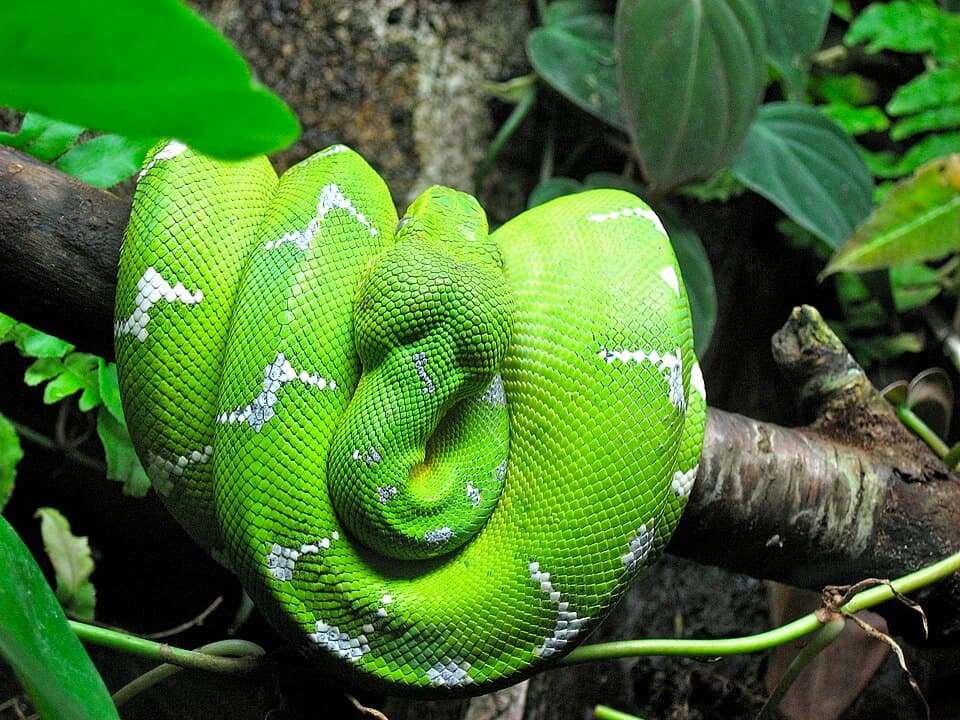
Emerald Tree Boa
Corallus caninus
ReptileThe emerald tree boa is a non-venomous constrictor found in the rainforest canopy of the Amazon and Orinoco basins, spending nearly its entire life coiled in trees and rarely descending to the ground. It's a striking example of convergent evolution: the unrelated green tree python of New Guinea and Australia — a completely different snake family from a different part of the world — has evolved an almost identical bright green color, white markings, and coiling posture to fill a very similar ecological niche.
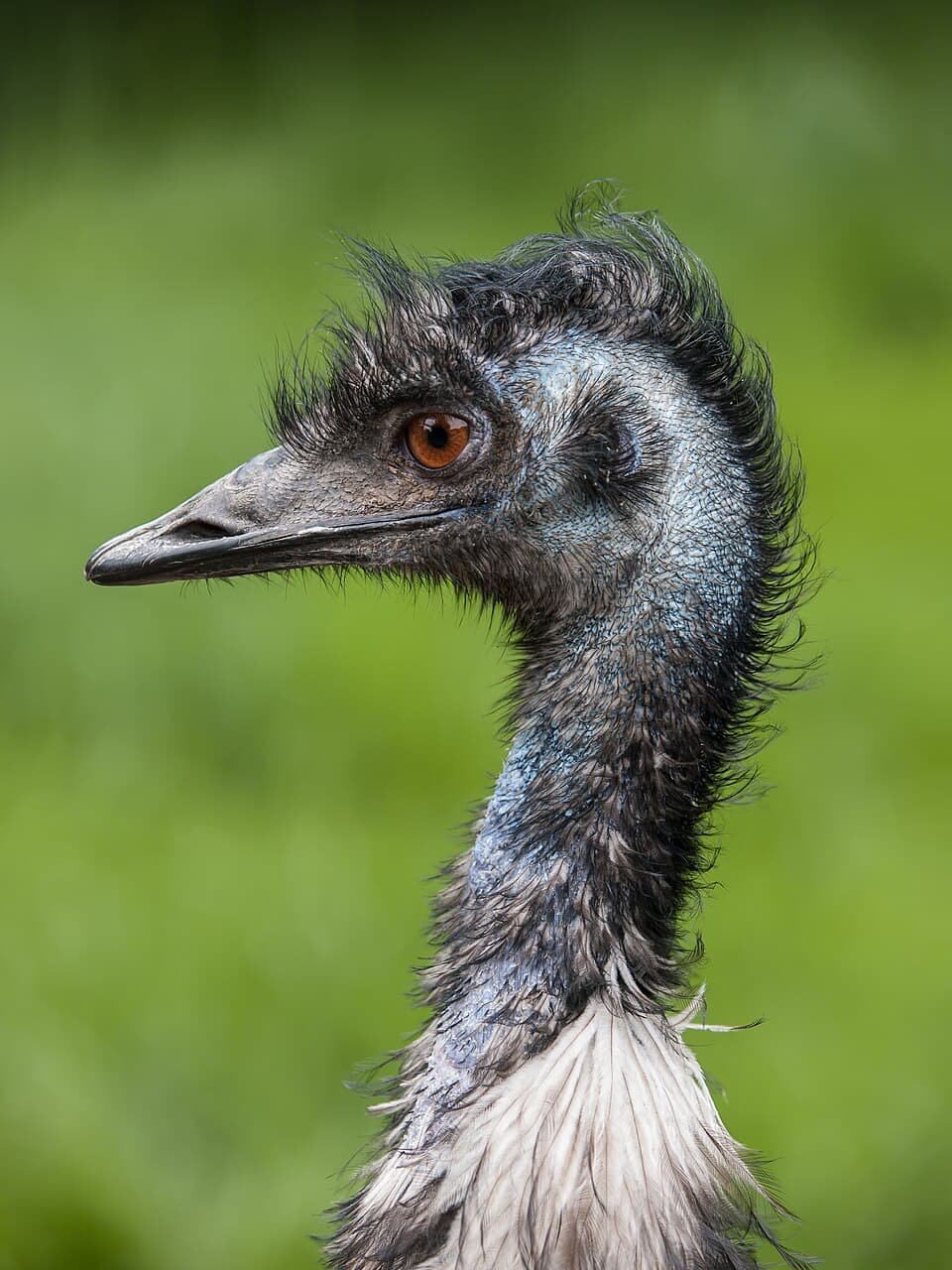
Emu
Dromaius novaehollandiae
BirdThe emu is the second-largest living bird in the world by height, a flightless giant native to the open plains and deserts of Australia. Despite being unable to fly, it's an exceptionally fast and powerful runner, capable of covering long distances across the outback in search of food and water.
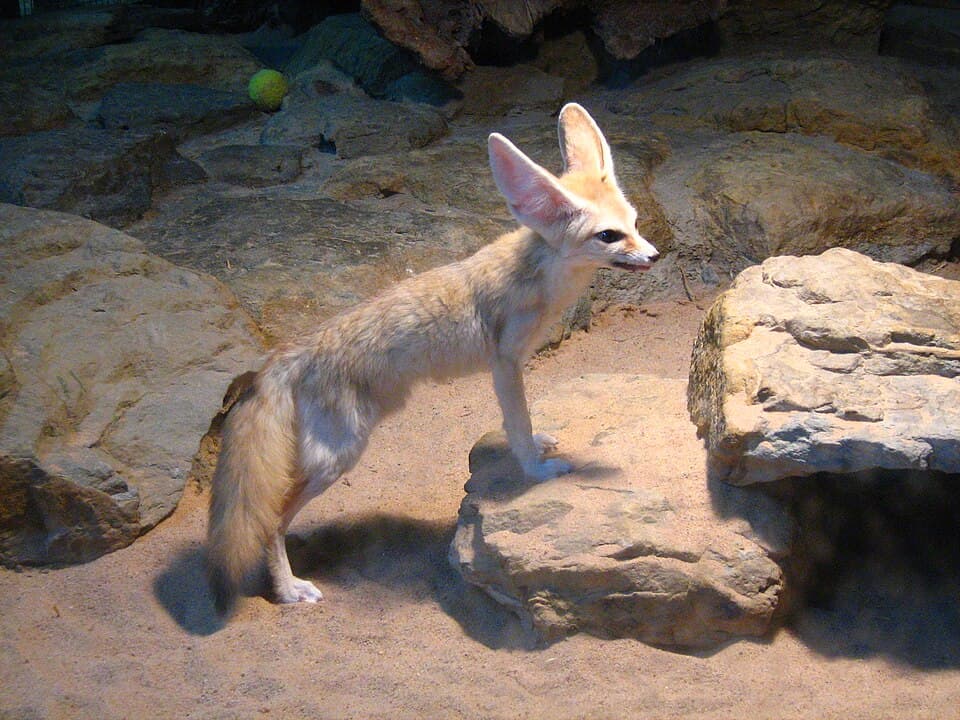
Fennec Fox
Vulpes zerda
MammalThe fennec fox is the smallest fox species in the world, adapted to the extreme heat of the Sahara Desert with famously oversized ears.
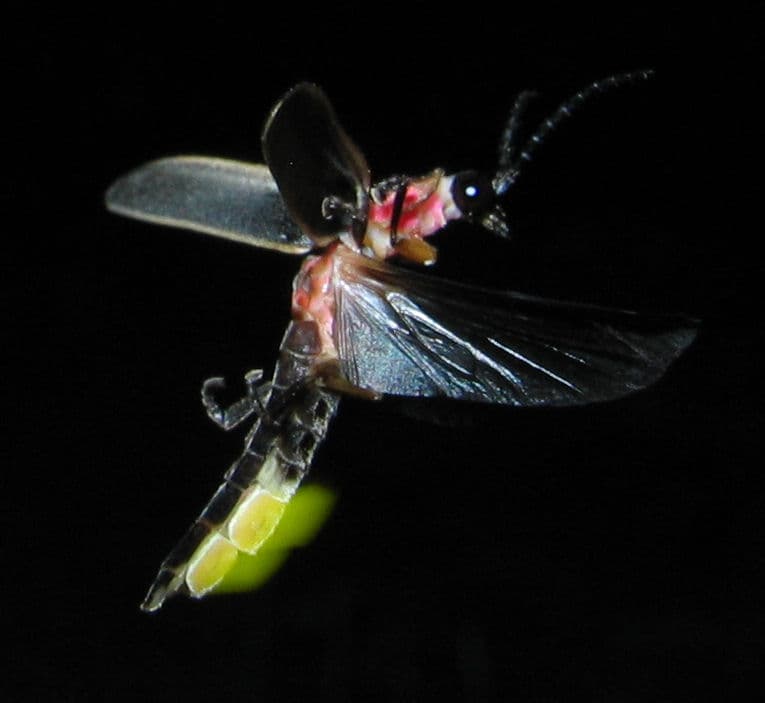
Firefly
Photinus pyralis
InsectThe firefly is a soft-bodied beetle famous for its ability to produce light through a chemical reaction in its abdomen, a phenomenon called bioluminescence used mainly to attract mates on warm summer evenings. Despite the name, it isn't a fly at all -- it's a beetle, most closely related to click beetles and other Coleoptera.
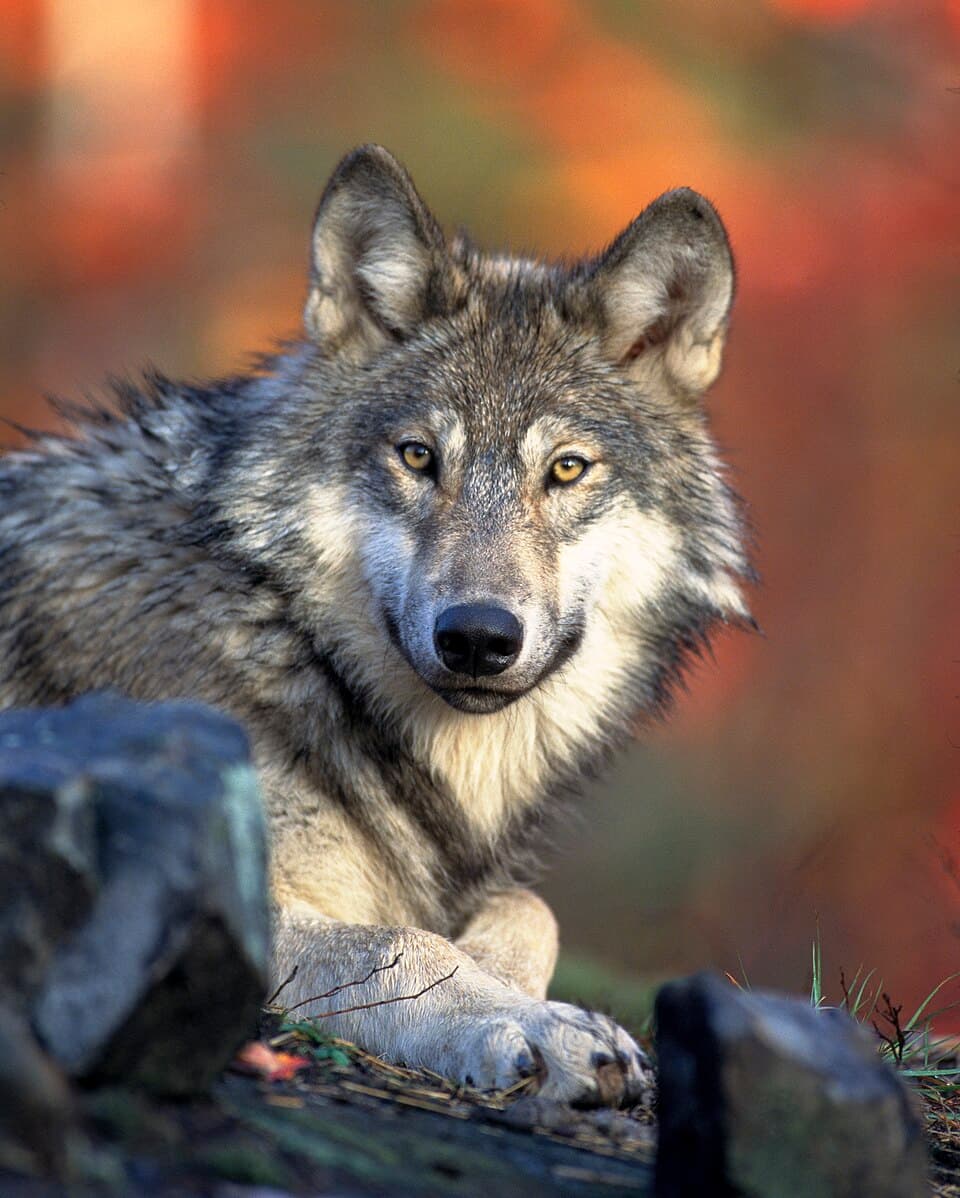
Gray Wolf
Canis lupus
MammalThe gray wolf is the largest wild member of the dog family, once ranging across nearly the entire Northern Hemisphere and living in tightly-coordinated family packs.
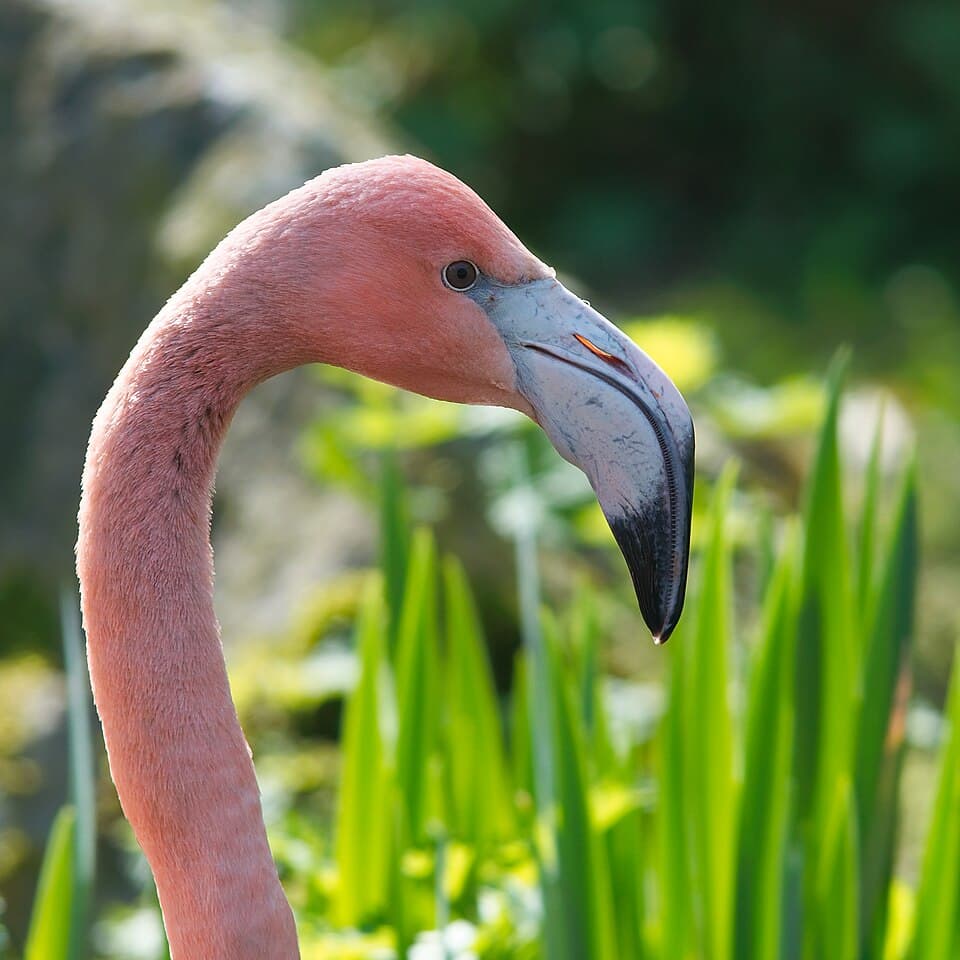
Greater Flamingo
Phoenicopterus roseus
BirdThe greater flamingo is the largest and most widespread flamingo species, found wading in large flocks through shallow saline lakes and lagoons.
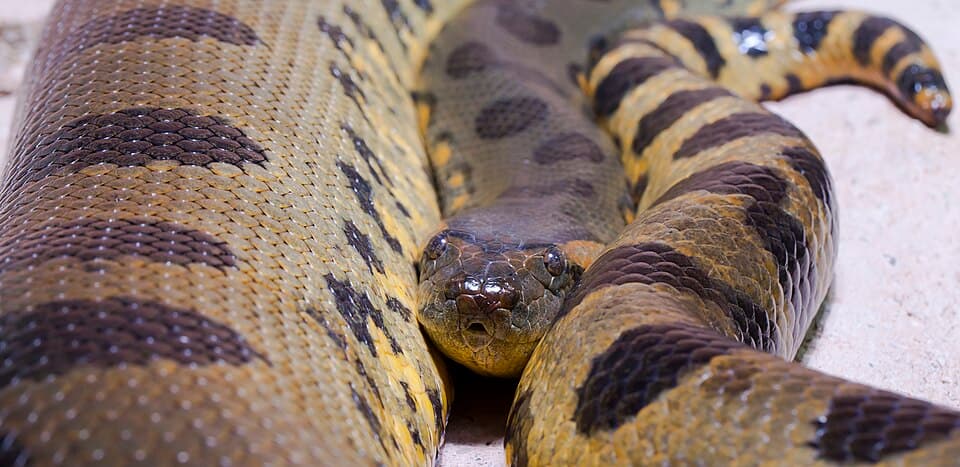
Green Anaconda
Eunectes murinus
ReptileThe green anaconda is the heaviest snake species in the world, a massive non-venomous constrictor found in the swamps, rivers, and flooded grasslands of South America. Unlike many large snakes, it spends much of its time submerged in water, where its bulk is supported and it can ambush prey coming to drink.
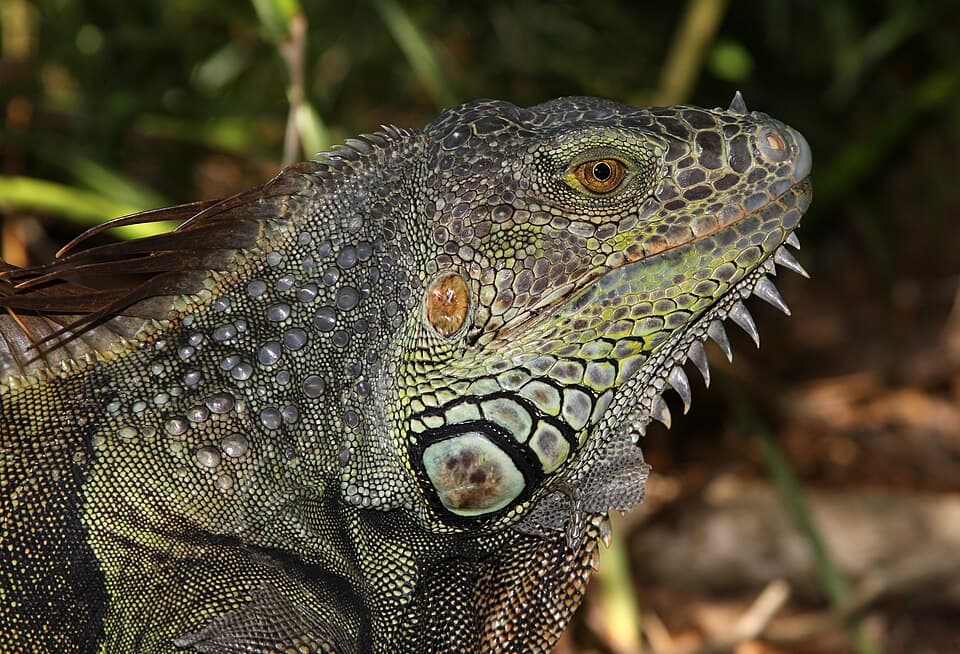
Green Iguana
Iguana iguana
ReptileThe green iguana is a large arboreal lizard native to Central and South America, often found basking on branches overhanging rivers and streams.
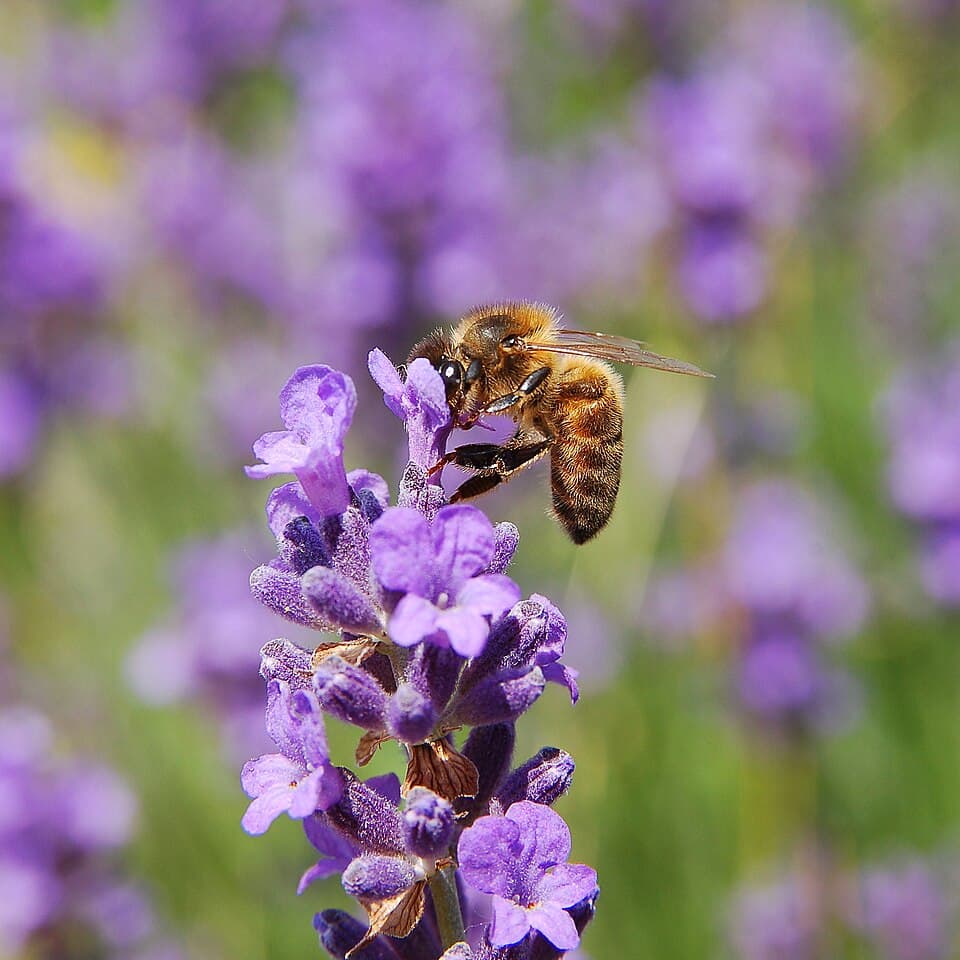
Honeybee
Apis mellifera
InsectThe honeybee is a highly social insect essential to global agriculture, pollinating a huge share of the crops humans depend on while producing honey and wax.
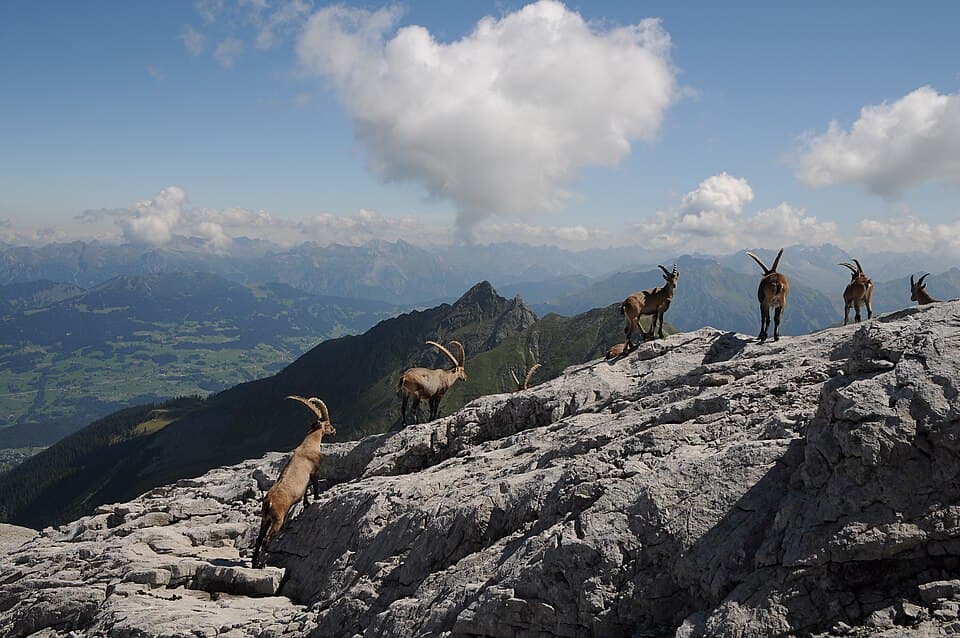
Ibex
Capra ibex
MammalThe Alpine ibex is a wild goat species famous for its massive, ridged, backward-curving horns and remarkable ability to scale near-vertical cliff faces in the mountains of the European Alps. Once hunted to near extinction, the entire modern population descends from a small group protected in a single Italian nature reserve in the 19th century.
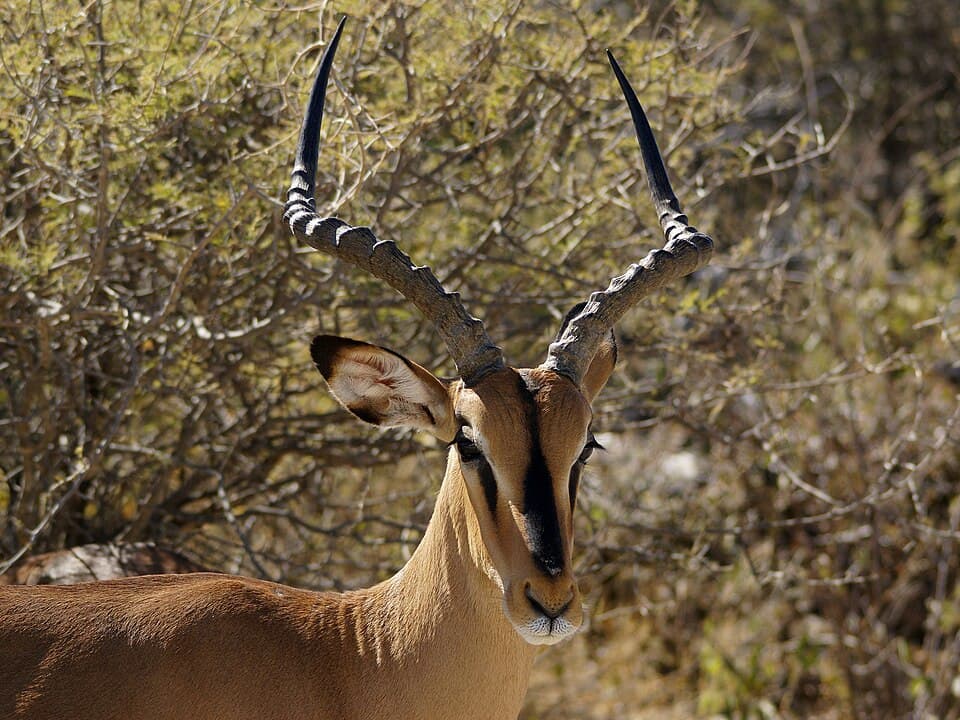
Impala
Aepyceros melampus
MammalThe impala is a medium-sized antelope found across eastern and southern African savannas, famous for its explosive leaping ability when startled.
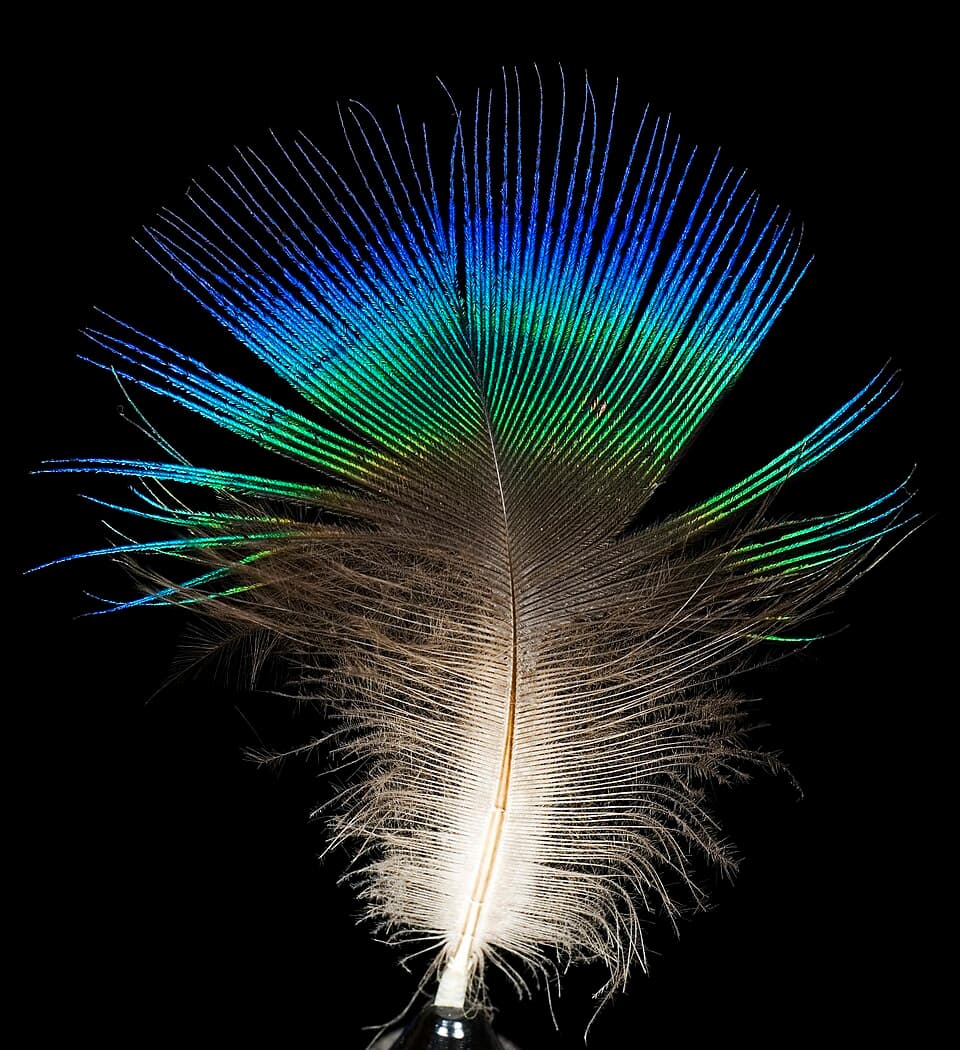
Indian Peafowl
Pavo cristatus
BirdThe Indian peafowl, commonly called a peacock, is a large ground-dwelling bird native to South Asia, world-famous for the male's spectacular iridescent tail display.
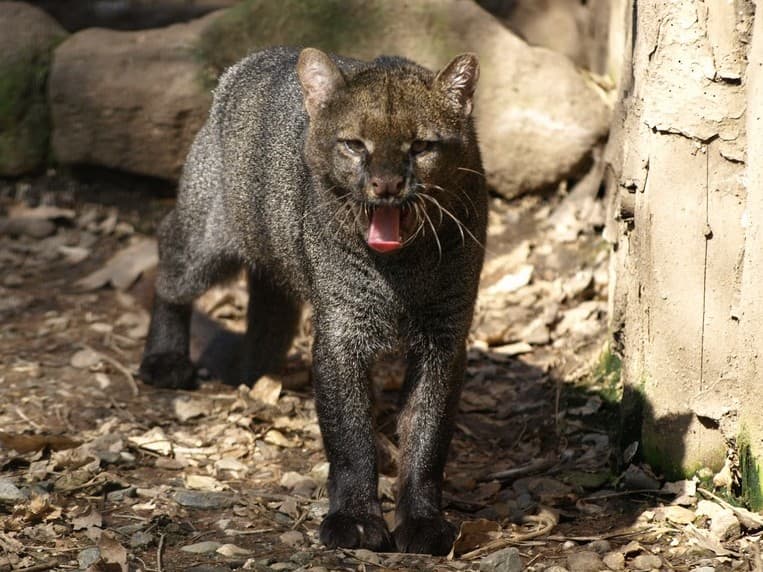
Jaguarundi
Herpailurus yagouaroundi
MammalThe jaguarundi is a small, elusive wildcat found from South America through Central America, notable for a long, slender, weasel-like body unlike the more compact build of most wild cats. Despite living alongside the much larger jaguar across parts of its range, the two are only distantly related within the cat family.
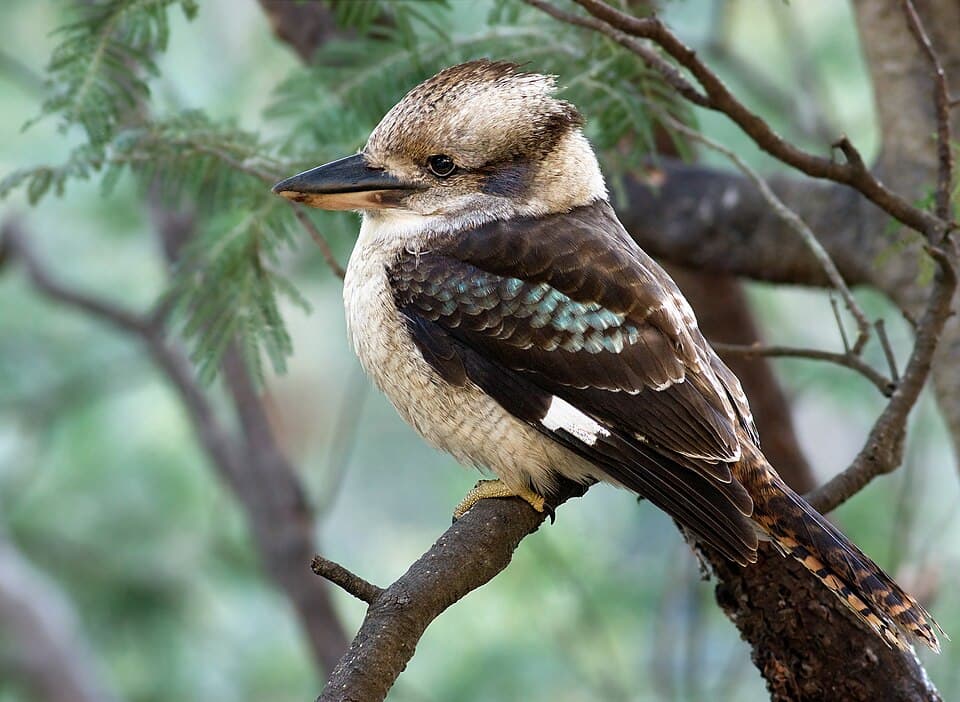
Laughing Kookaburra
Dacelo novaeguineae
BirdThe laughing kookaburra is the largest member of the kingfisher family, famous for a call that sounds remarkably like raucous human laughter, often used to establish territory at dawn and dusk. Native to eastern Australia, it's one of the country's most recognizable and culturally iconic birds.
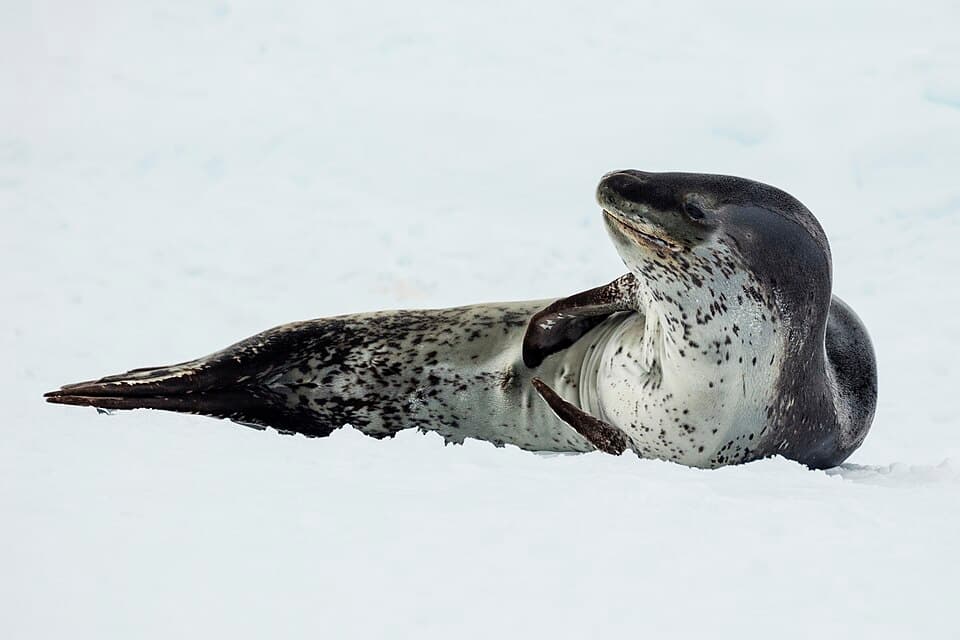
Leopard Seal
Hydrurga leptonyx
MammalThe leopard seal is one of Antarctica's top predators, named for the dark spotted pattern across its pale coat and a fierce reputation to match. Unlike most seals, which primarily eat fish, the leopard seal is a formidable hunter capable of taking down penguins and even other seal species.
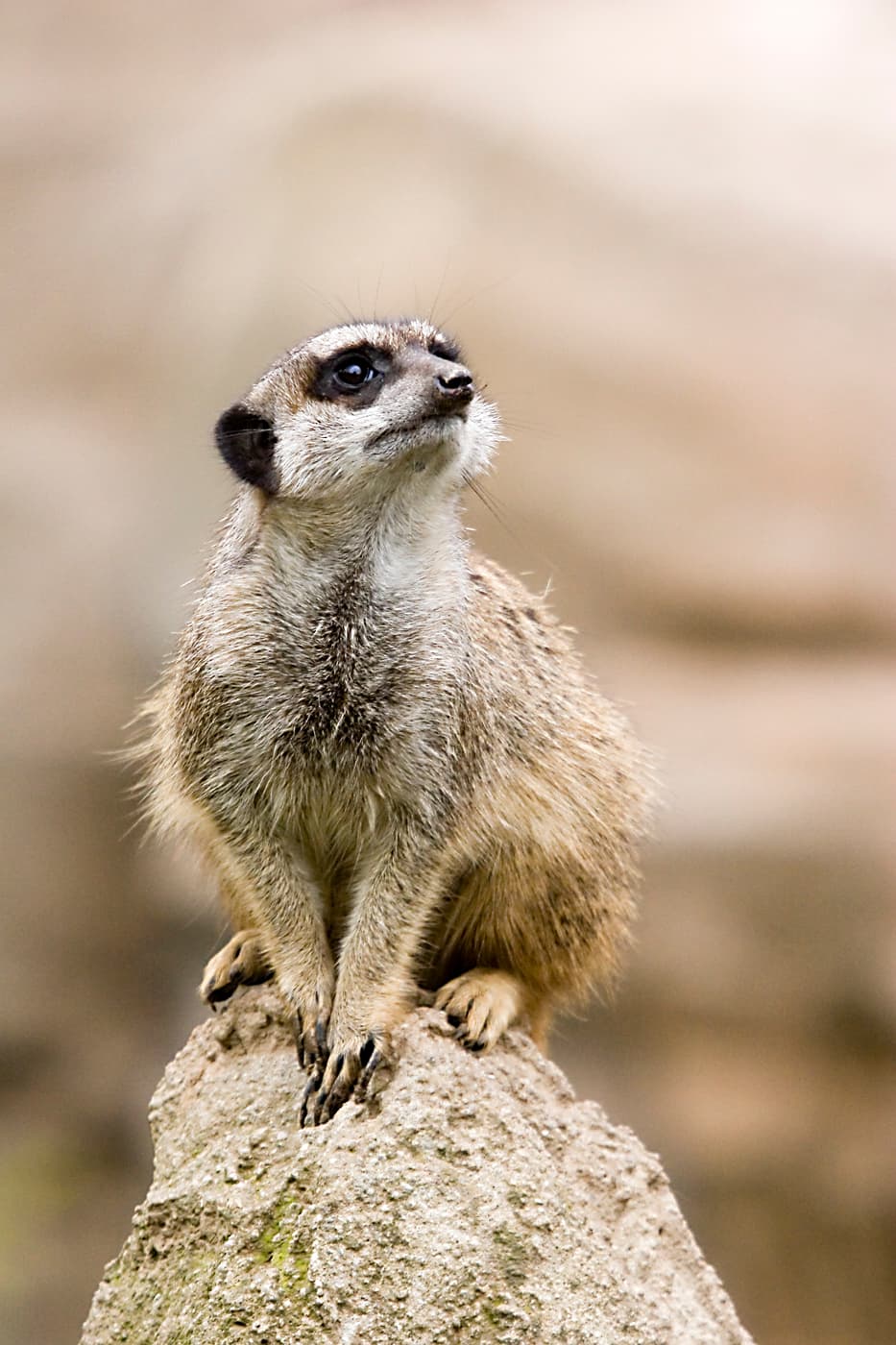
Meerkat
Suricata suricatta
MammalThe meerkat is a small, highly social mongoose relative native to the deserts and grasslands of southern Africa, famous for standing upright on its hind legs to scan the horizon for predators. Living in tightly bonded family groups called mobs, meerkats rely on constant cooperation and vigilance to survive in an environment full of danger from the air and ground alike.
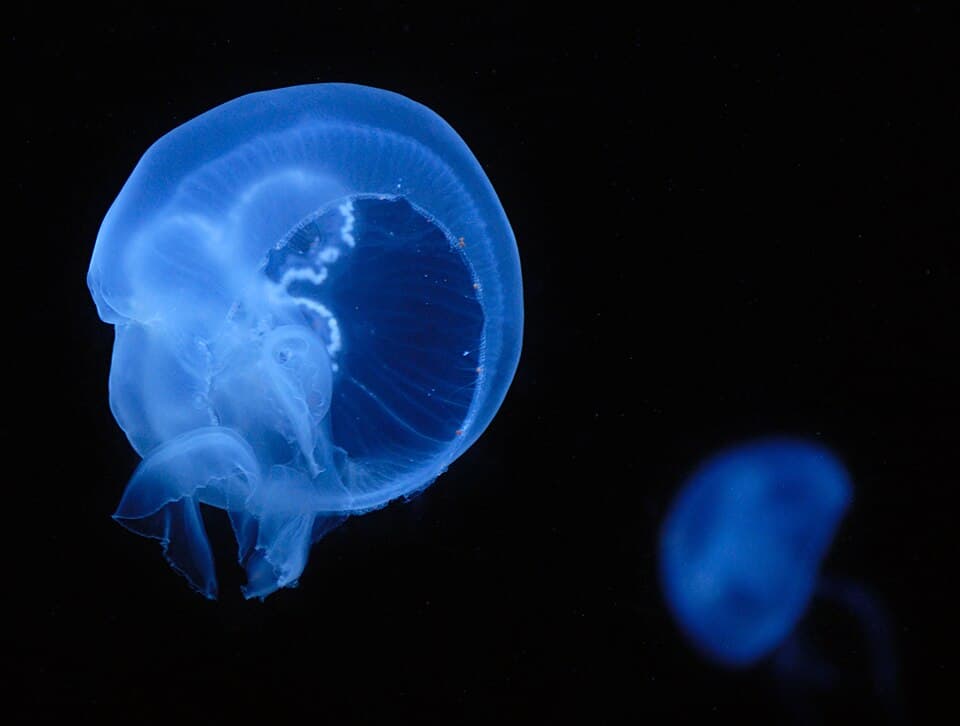
Moon Jellyfish
Aurelia aurita
Marine AnimalThe moon jellyfish is one of the most common and widely-distributed jellyfish species, drifting through coastal waters worldwide in large seasonal blooms.
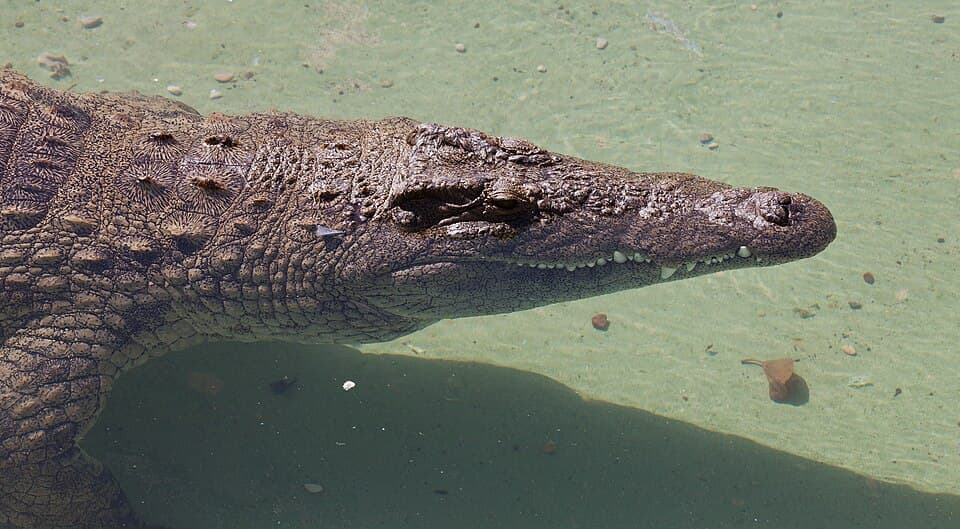
Nile Crocodile
Crocodylus niloticus
ReptileThe Nile crocodile is Africa's largest crocodilian and one of the continent's most feared apex predators, ambushing prey at the water's edge across rivers, lakes, and wetlands.
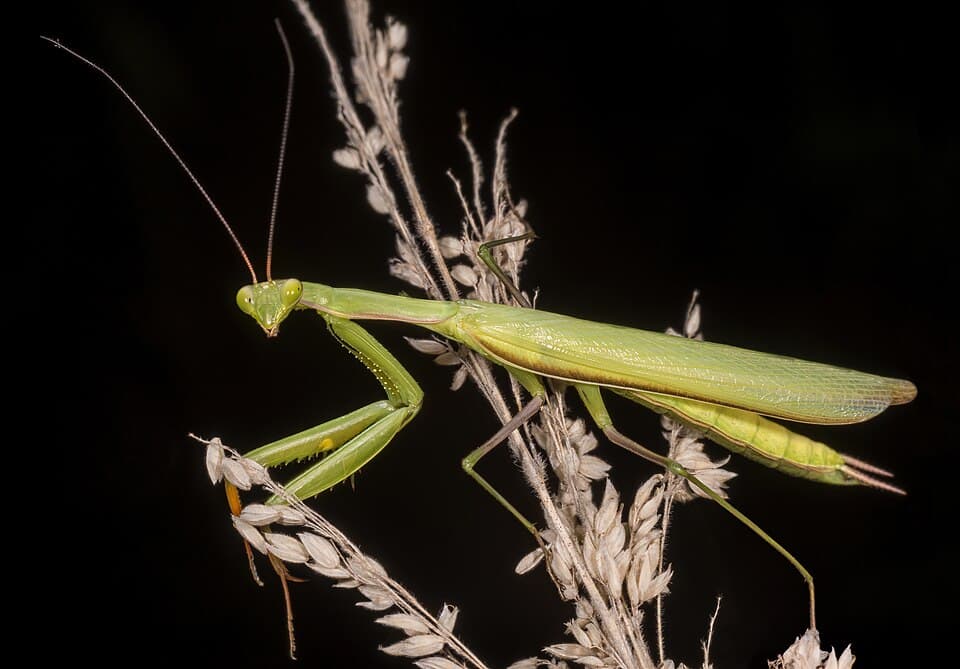
Praying Mantis
Mantis religiosa
InsectThe praying mantis is an ambush predator instantly recognizable by its front legs held together as if in prayer, folded and spiked for snatching prey in a lightning-fast strike. Its triangular head can rotate nearly 180 degrees, giving it an almost unmatched field of view among insects for spotting movement.
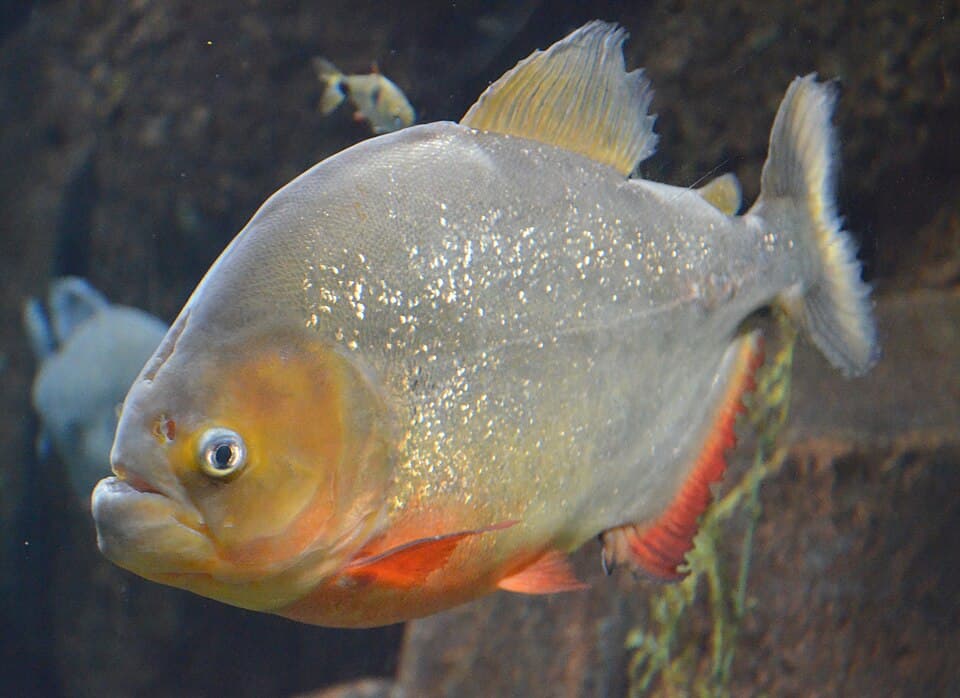
Red-Bellied Piranha
Pygocentrus nattereri
FishThe red-bellied piranha is one of the most notorious freshwater fish in the world, native to rivers and floodplains across the Amazon and Orinoco basins in South America. Despite its fearsome reputation, it is primarily a scavenger and opportunistic feeder, and unprovoked attacks on humans are extremely rare.
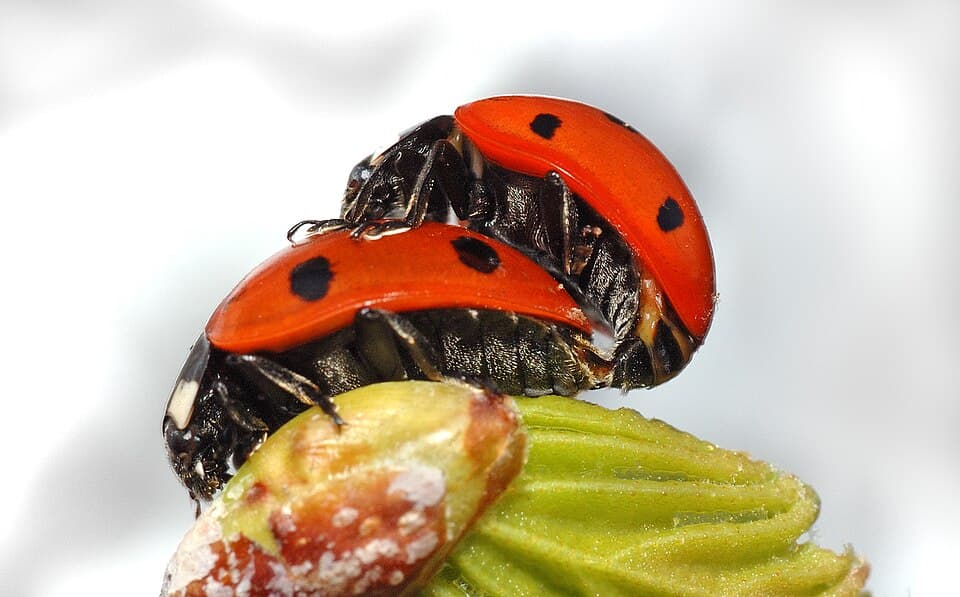
Seven-Spot Ladybird
Coccinella septempunctata
InsectThe seven-spot ladybird is one of the most recognizable beetles in the world, named for the seven black spots that mark its glossy red wing covers. Both adults and larvae are voracious predators of aphids, making the species a natural form of pest control long valued by farmers and gardeners.
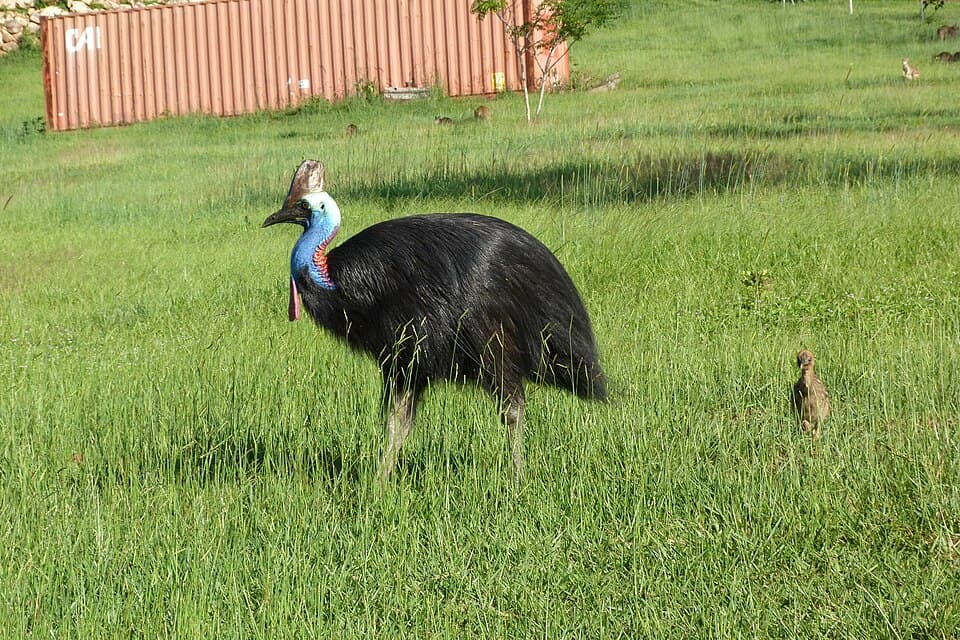
Southern Cassowary
Casuarius casuarius
BirdThe southern cassowary is one of the largest and most dangerous birds in the world, a flightless giant native to the tropical rainforests of northern Australia and New Guinea. Despite its bulk, it is an excellent swimmer and can sprint through dense forest at considerable speed, using a large bony helmet-like casque atop its head to push through thick vegetation.
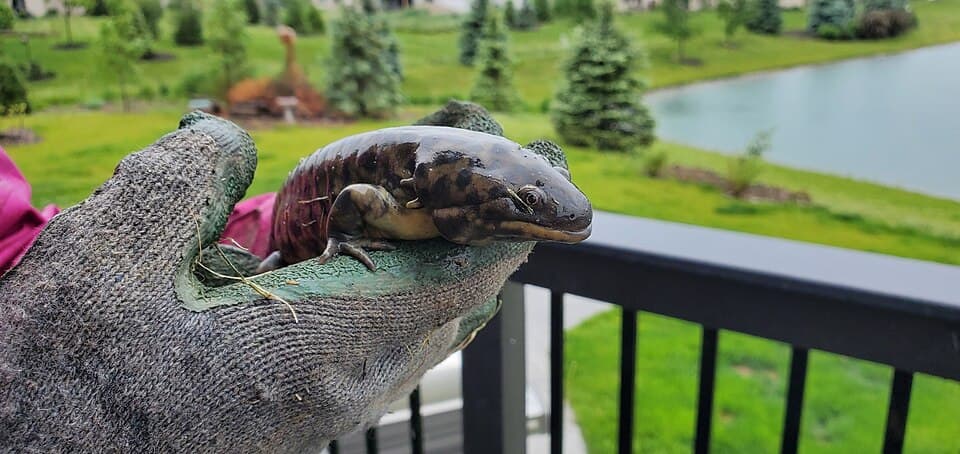
Tiger Salamander
Ambystoma tigrinum
AmphibianThe tiger salamander is one of the largest land-dwelling salamanders in North America, named for the yellow or olive blotches and stripes marking its dark body. Most of its life is spent hidden underground in burrows, either ones it digs itself or ones abandoned by other animals, only emerging at night or during its brief breeding season.
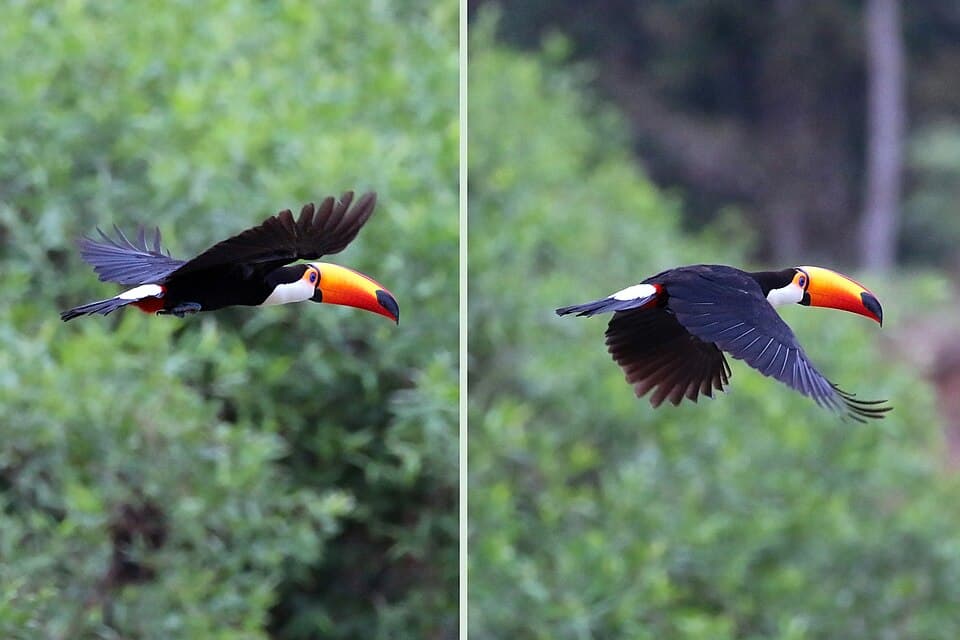
Toco Toucan
Ramphastos toco
BirdThe toco toucan is the largest toucan species, instantly recognizable by its enormous bright orange bill, native to the forests and savannas of South America.
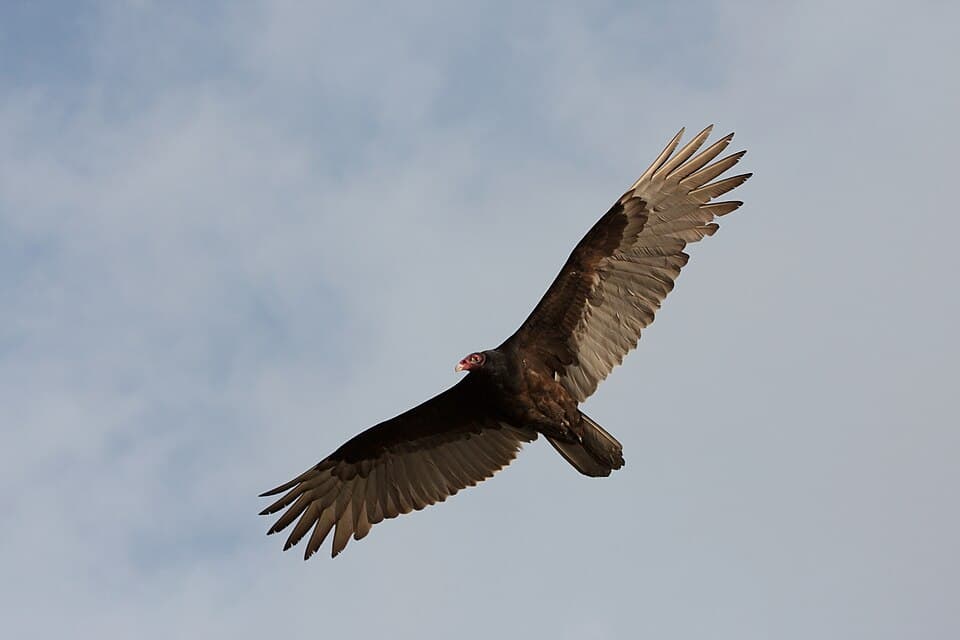
Turkey Vulture
Cathartes aura
BirdThe turkey vulture is a widespread scavenger found across the Americas, playing a critical ecological role by cleaning up carrion using one of the keenest senses of smell in the bird world.
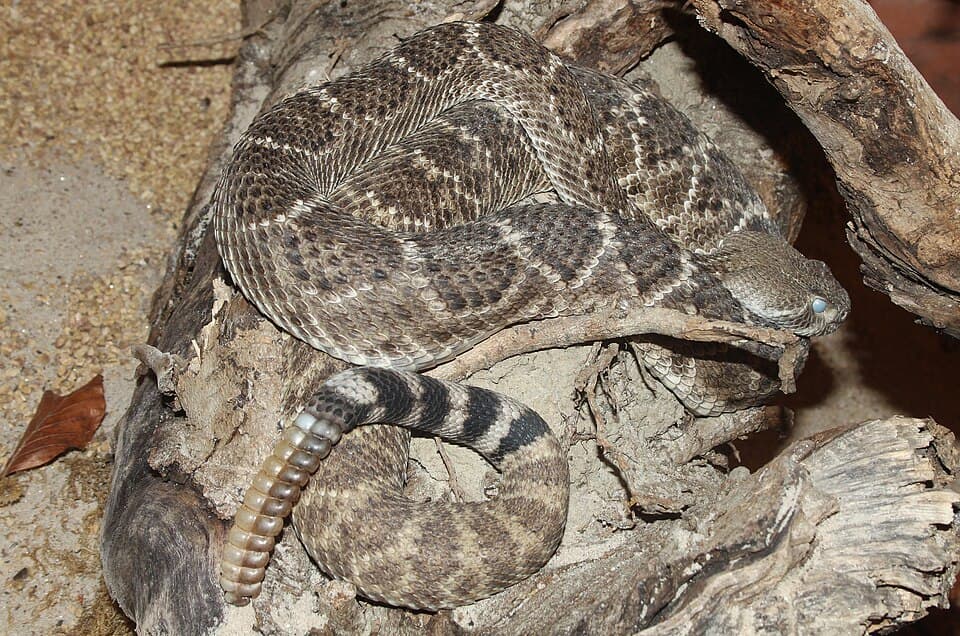
Western Diamondback Rattlesnake
Crotalus atrox
ReptileThe western diamondback rattlesnake is one of the most dangerous and widely-distributed venomous snakes in North America, easily identified by the diamond pattern along its back.
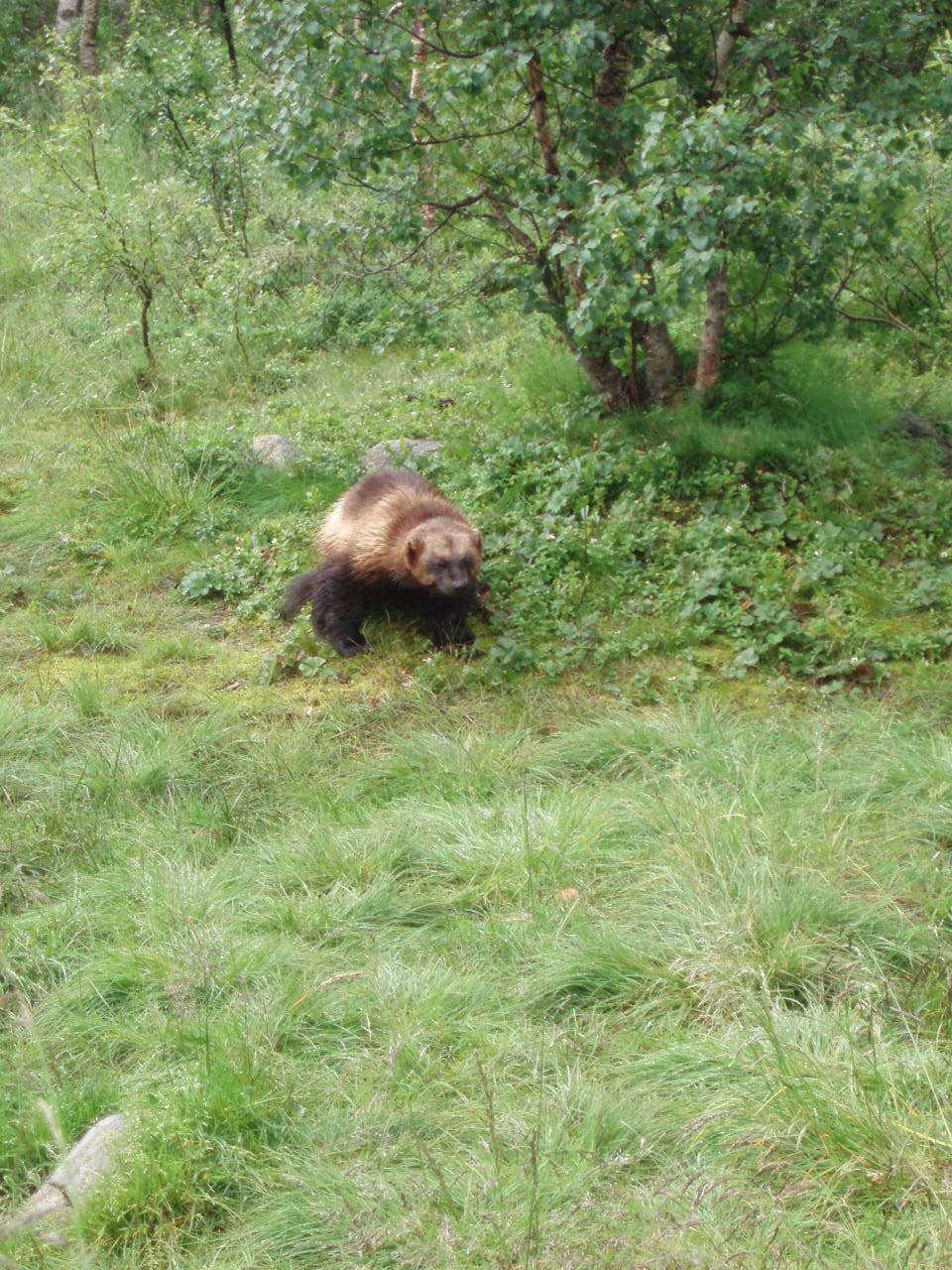
Wolverine
Gulo gulo
MammalThe wolverine is the largest land-dwelling member of the weasel family, a solitary and famously tenacious predator and scavenger of far northern forests and tundra. Despite its bear-like appearance, it is much smaller than its reputation suggests, roughly the size of a medium dog, but is capable of driving much larger animals like wolves away from a carcass.
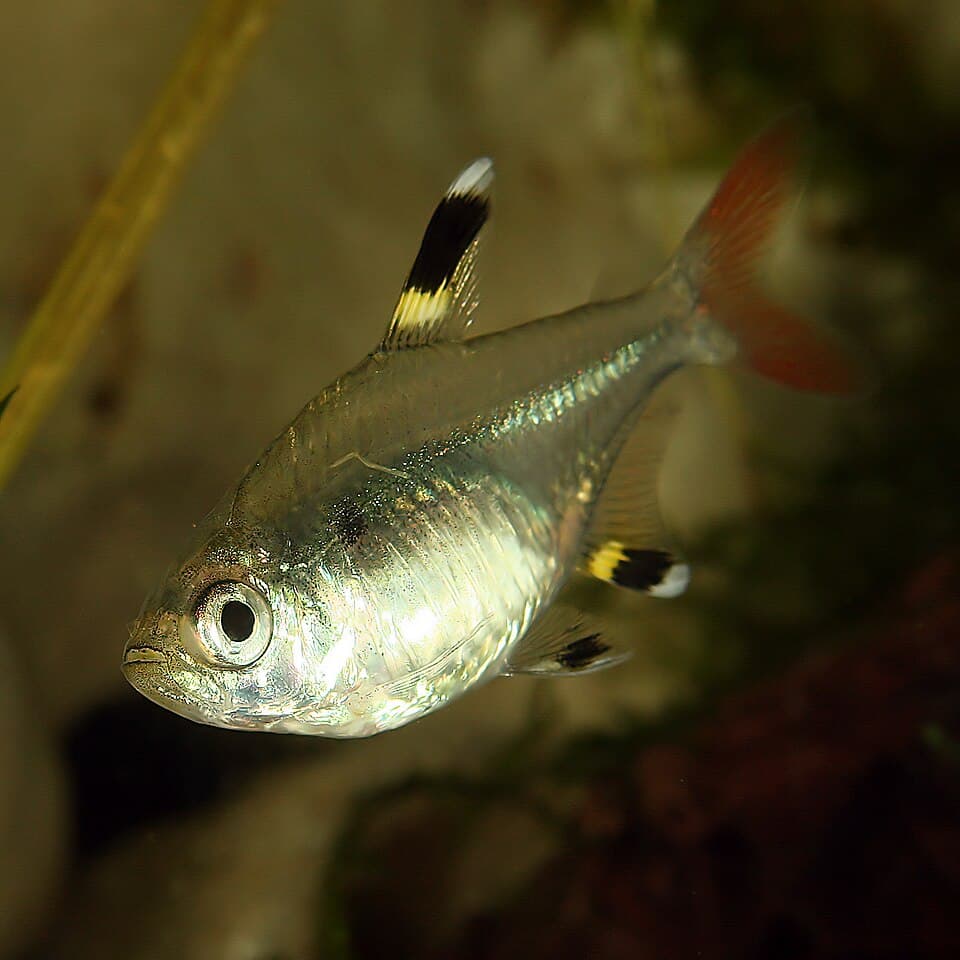
X-Ray Tetra
Pristella maxillaris
FishThe X-ray tetra is a small freshwater fish native to slow-moving rivers and streams in South America, named for its almost completely transparent body that reveals its skeleton and internal organs. Its see-through appearance has made it one of the most recognizable and popular small fish in the freshwater aquarium hobby worldwide.
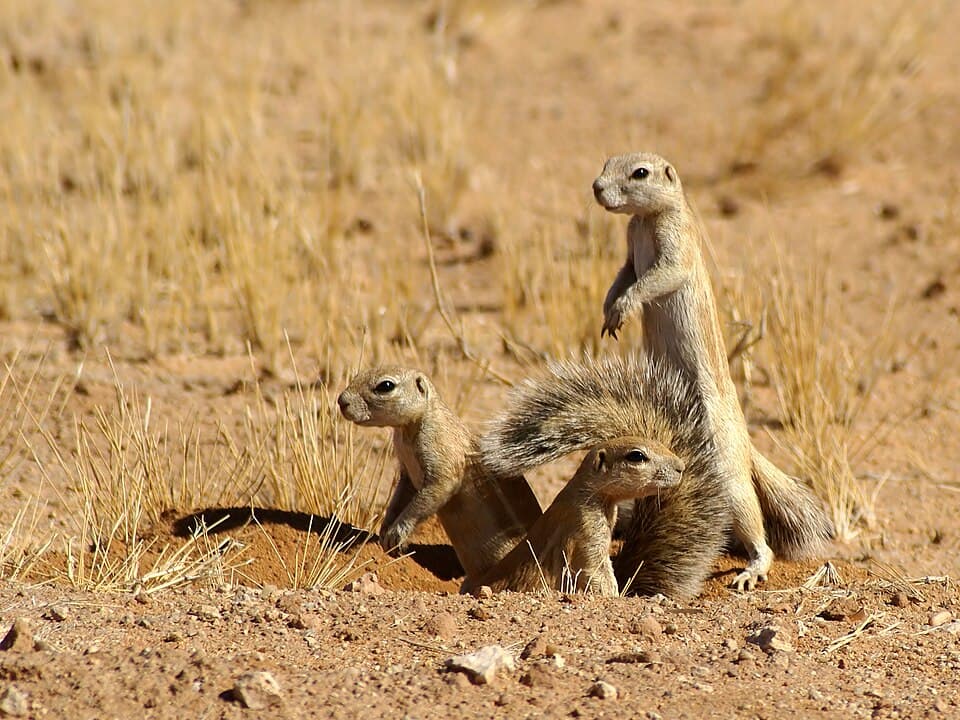
Xerus (African Ground Squirrel)
Xerus inauris
MammalThe Cape ground squirrel, or xerus, is a burrowing rodent of southern Africa's arid plains, easily recognized by holding its bushy tail overhead like a built-in parasol.
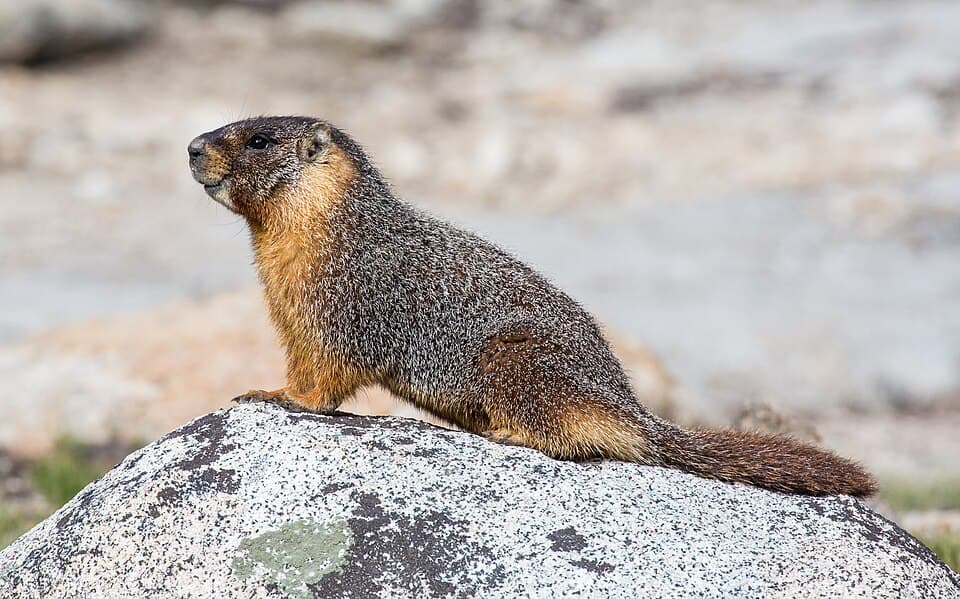
Yellow-bellied Marmot
Marmota flaviventris
MammalThe yellow-bellied marmot is a large ground squirrel found in the mountains of western North America, spending nearly eight months of the year in deep hibernation.
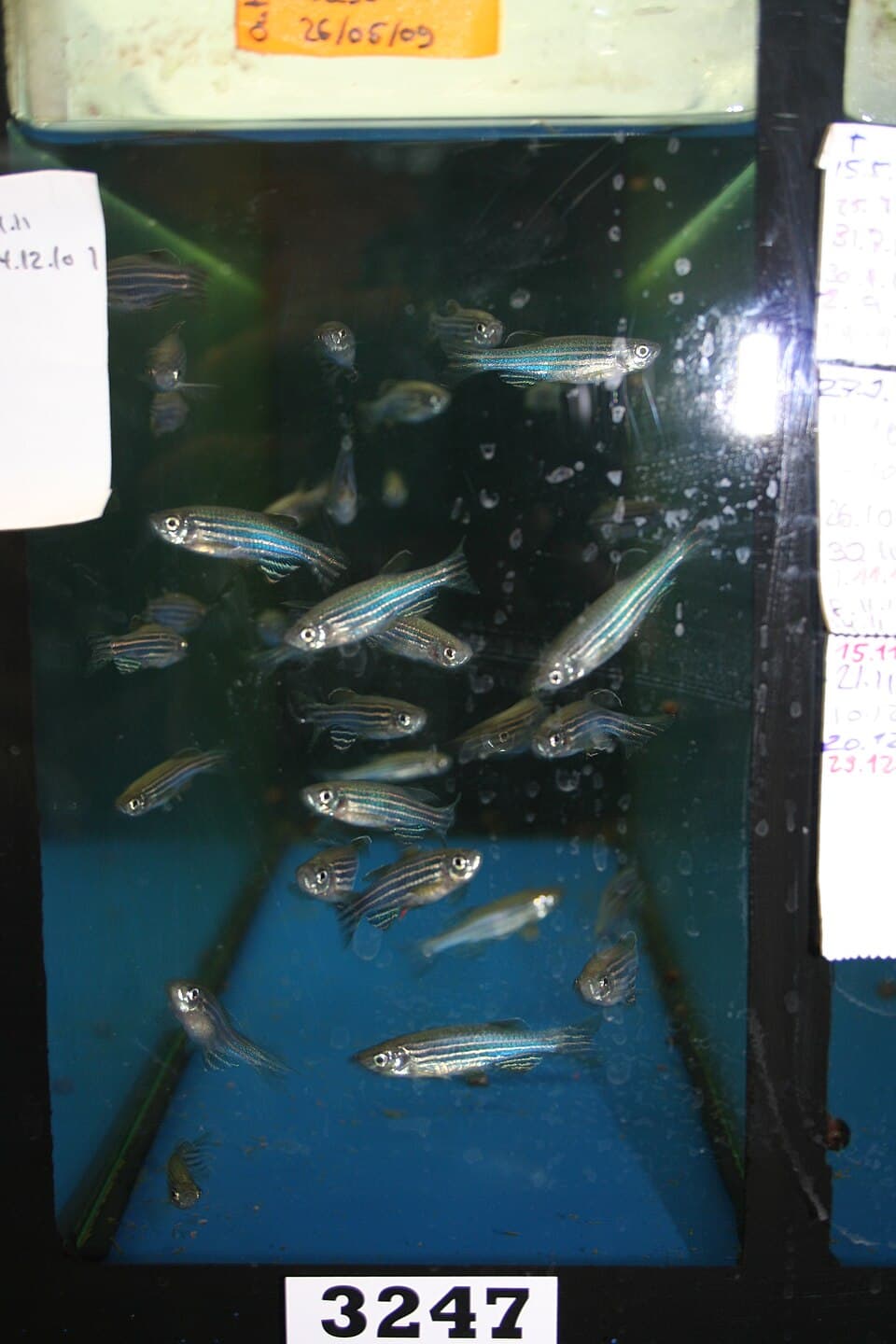
Zebra Danio
Danio rerio
FishThe zebra danio is a small freshwater fish native to streams and rice paddies across South Asia, named for the five uniform, horizontal blue stripes running along its silvery body. Beyond its popularity as an aquarium fish, it has become one of the most important model organisms in modern biological and medical research.
Where This Status Sits on the IUCN Red List
Extinction risk increases left to right. Species counts reflect animals currently featured on this site, not global totals.
| Status | Extinction Risk | Species Featured |
|---|---|---|
| Least Concern (this page) | Widespread and abundant species that are not currently at significant risk of extinction. | 45 |
| Near Threatened | Species that may become threatened in the near future without continued conservation attention. | 8 |
| Vulnerable | Species facing a high risk of extinction in the wild due to habitat loss, hunting, or other pressures. | 17 |
| Endangered | Species facing a very high risk of extinction in the wild in the near future. | 15 |
| Critically Endangered | Species facing an extremely high risk of extinction, often down to only a handful of populations left in the wild. | 5 |
| Extinct | Species with no known living individuals remaining, lost forever from the wild. | 5 |
Least Concern Species FAQs
How many least concern species are listed here?
This page currently features 45 species, and more are added regularly as the dataset grows.
What is the most popular animal in this list?
Bottlenose Dolphin is currently the most popular animal in Least Concern Species.
Are any of these animals endangered?
None of the species currently listed are classified as threatened, though conservation status can change over time.
Explore Other Conservation Statuses
Near Threatened Species
Species that may become threatened in the near future without continued conservation attention.
Vulnerable Species
Species facing a high risk of extinction in the wild due to habitat loss, hunting, or other pressures.
Endangered Species
Species facing a very high risk of extinction in the wild in the near future.
Critically Endangered Species
Species facing an extremely high risk of extinction, often down to only a handful of populations left in the wild.
Extinct Species
Species with no known living individuals remaining, lost forever from the wild.