Amphibians
Cold-blooded vertebrates that typically begin life in water and move to land, including frogs, toads, and salamanders.
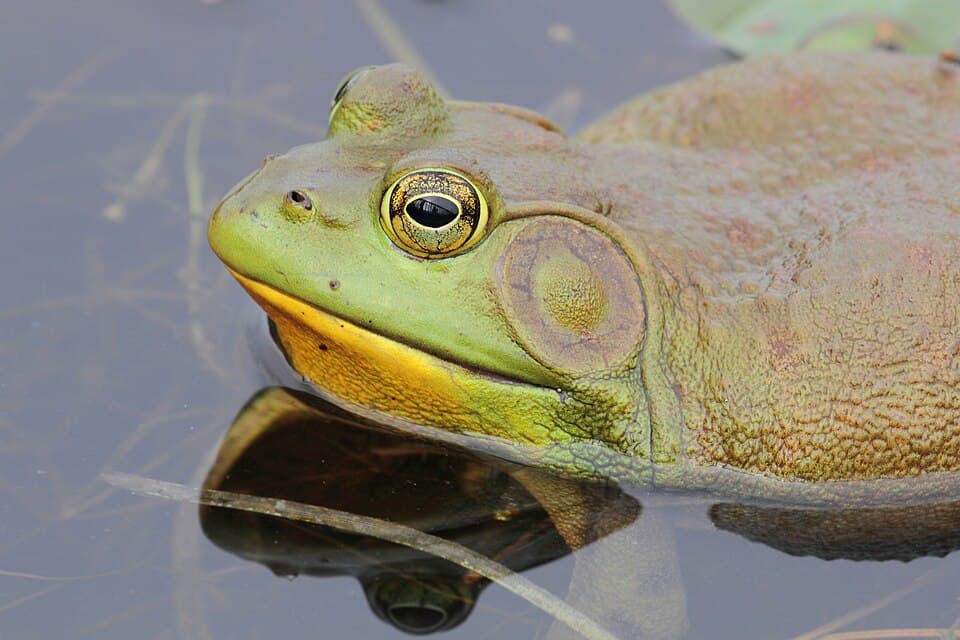
American Bullfrog
Lithobates catesbeianus
AmphibianThe American bullfrog is the largest true frog native to North America, named for its deep, resonant call that resembles a bull's bellow. Highly adaptable and voracious, it will eat almost any animal small enough to fit in its mouth, from insects to other frogs, and has become one of the world's most widely introduced invasive amphibians outside its native range.
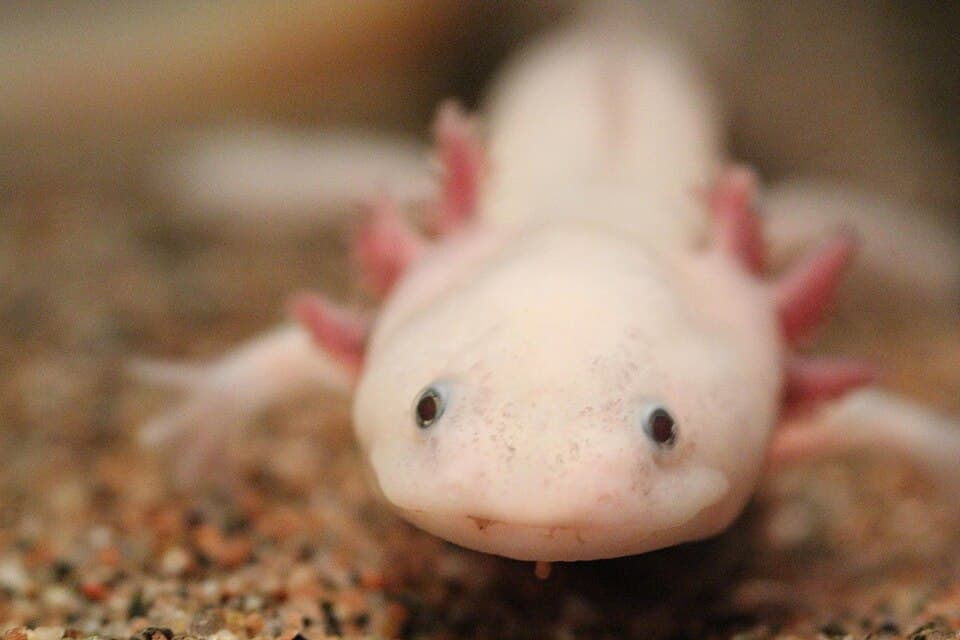
Axolotl
Ambystoma mexicanum
AmphibianThe axolotl is a remarkable salamander from a single lake system in Mexico that never fully undergoes metamorphosis, instead retaining its larval, gilled form and living its entire life underwater. This permanent juvenile state, called neoteny, along with its extraordinary ability to regrow lost limbs, organs, and even parts of its brain, has made it one of the most studied animals in modern regenerative biology research.
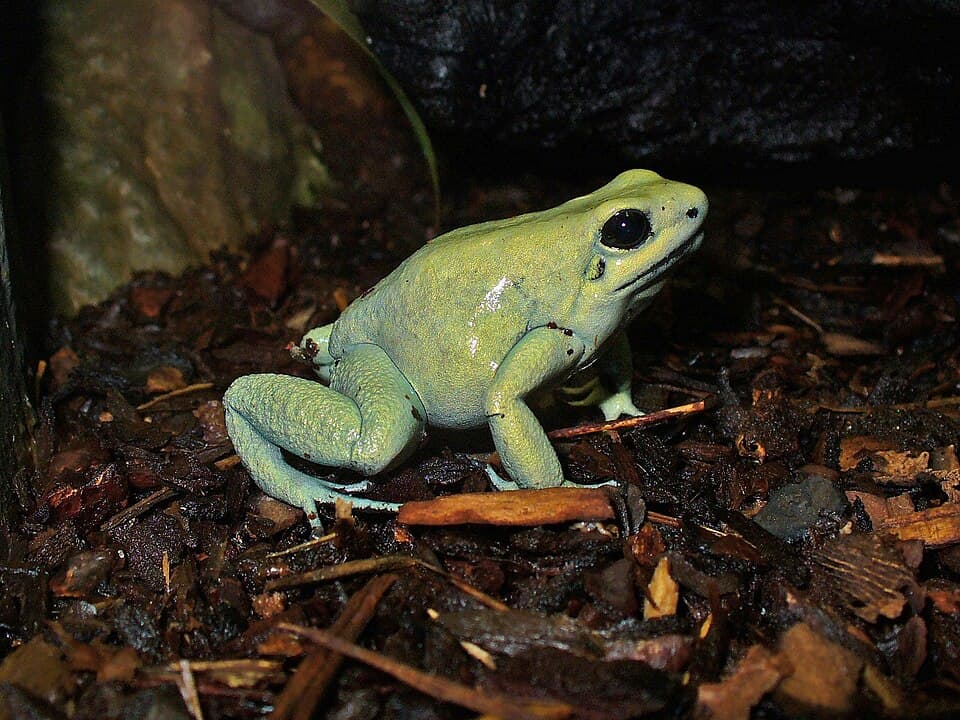
Golden Poison Frog
Phyllobates terribilis
AmphibianThe golden poison frog is widely regarded as the most toxic animal on Earth by weight, native to a small stretch of Colombian rainforest.
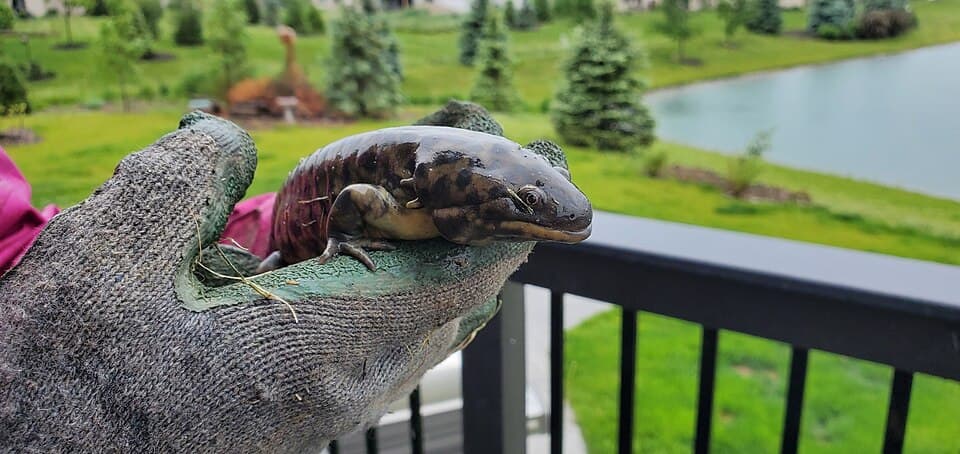
Tiger Salamander
Ambystoma tigrinum
AmphibianThe tiger salamander is one of the largest land-dwelling salamanders in North America, named for the yellow or olive blotches and stripes marking its dark body. Most of its life is spent hidden underground in burrows, either ones it digs itself or ones abandoned by other animals, only emerging at night or during its brief breeding season.
Amphibians FAQs
How many amphibians are listed here?
This page currently features 4 species, and more are added regularly as the dataset grows.
What is the most popular animal in this list?
Axolotl is currently the most popular animal in Amphibians.
Are any of these animals endangered?
Yes — 2 of the 4 species listed are classified as vulnerable, endangered, or critically endangered.
Explore Other Categories
Mammals
Warm-blooded vertebrates with fur or hair that nurse their young with milk, ranging from tiny shrews to the blue whale.
Birds
Feathered, egg-laying vertebrates found on every continent, from flightless penguins to long-distance migratory raptors.
Fish
Gilled, water-dwelling vertebrates spanning freshwater rivers to the deep ocean, from tiny minnows to whale sharks.
Reptiles
Cold-blooded, scaled vertebrates including snakes, lizards, turtles, and crocodilians found on every continent but Antarctica.
Insects
The most diverse animal group on Earth, six-legged invertebrates found in nearly every habitat on the planet.
Marine Animals
Animals adapted to life in the ocean, spanning mammals, fish, and invertebrates that call the sea home.
Dinosaurs
Prehistoric reptiles that dominated life on land for over 160 million years before going extinct roughly 66 million years ago.