Mammals
Warm-blooded vertebrates with fur or hair that nurse their young with milk, ranging from tiny shrews to the blue whale.
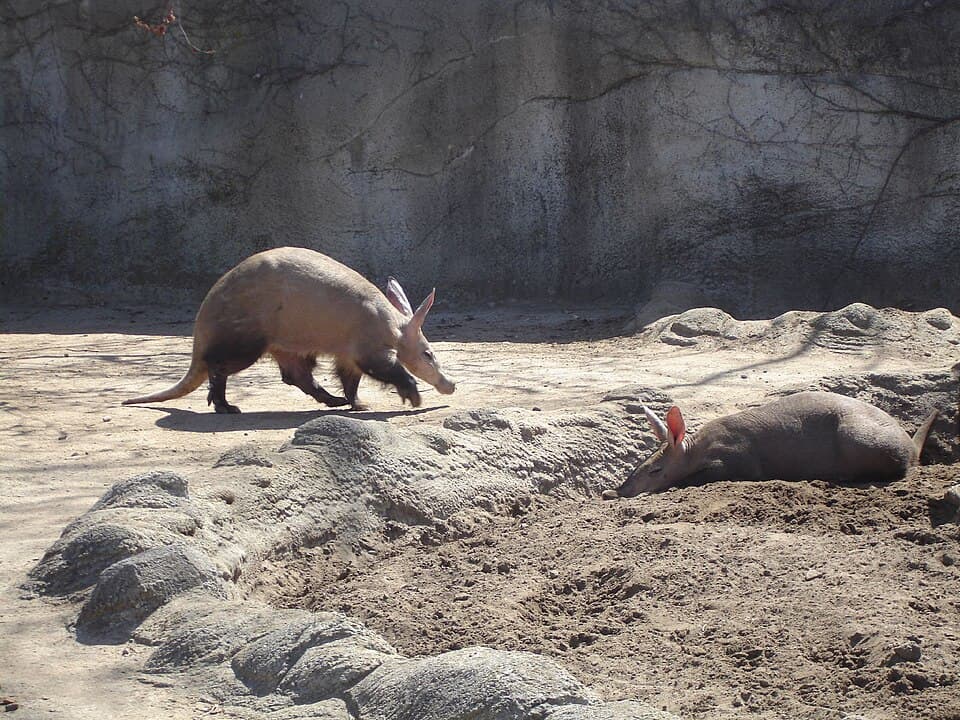
Aardvark
Orycteropus afer
MammalThe aardvark is a nocturnal, burrowing mammal found across sub-Saharan Africa, best known for its long snout and powerful digging claws used to raid termite mounds.
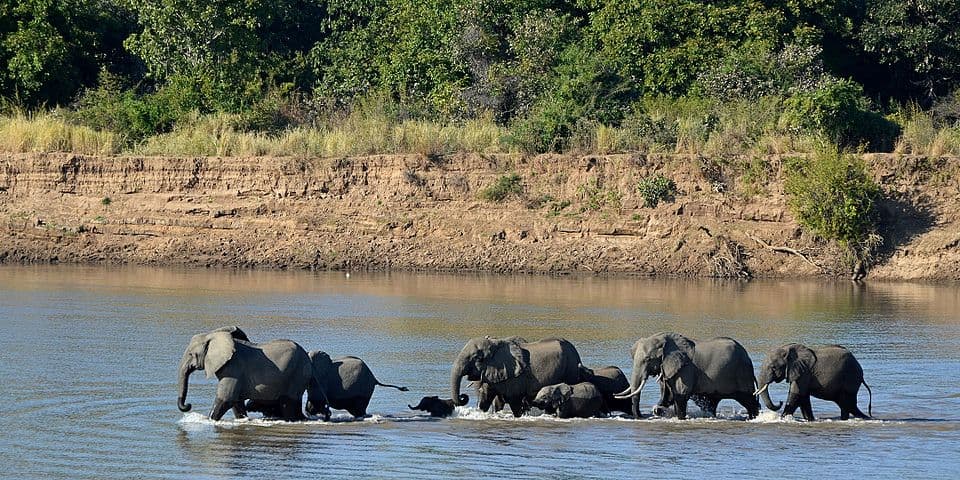
African Elephant
Loxodonta africana
MammalThe African elephant is the largest living land animal, roaming savannas, forests, and semi-arid regions across sub-Saharan Africa in tightly-bonded matriarchal herds. This entry refers specifically to the African bush elephant, the larger of two African species recognized by the IUCN since 2021 — the other, the African forest elephant, is smaller, has straighter tusks, and lives in the dense rainforests of Central and West Africa. Elephant populations were decimated by ivory poaching through the 20th century, and though international trade bans and anti-poaching efforts have slowed the decline in many regions, habitat loss and human-wildlife conflict continue to threaten the species today.
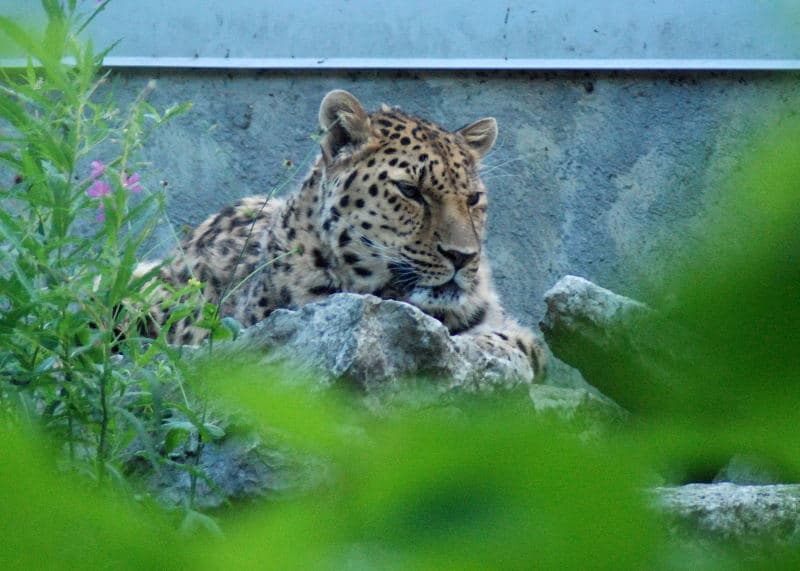
Amur Leopard
Panthera pardus orientalis
MammalThe Amur leopard is the rarest big cat in the world, a leopard subspecies adapted to the cold, snowy forests of the Russian Far East and northeastern China. Decades of poaching and habitat loss reduced the wild population to a critical low, though recent conservation efforts have helped numbers slowly recover from the brink.
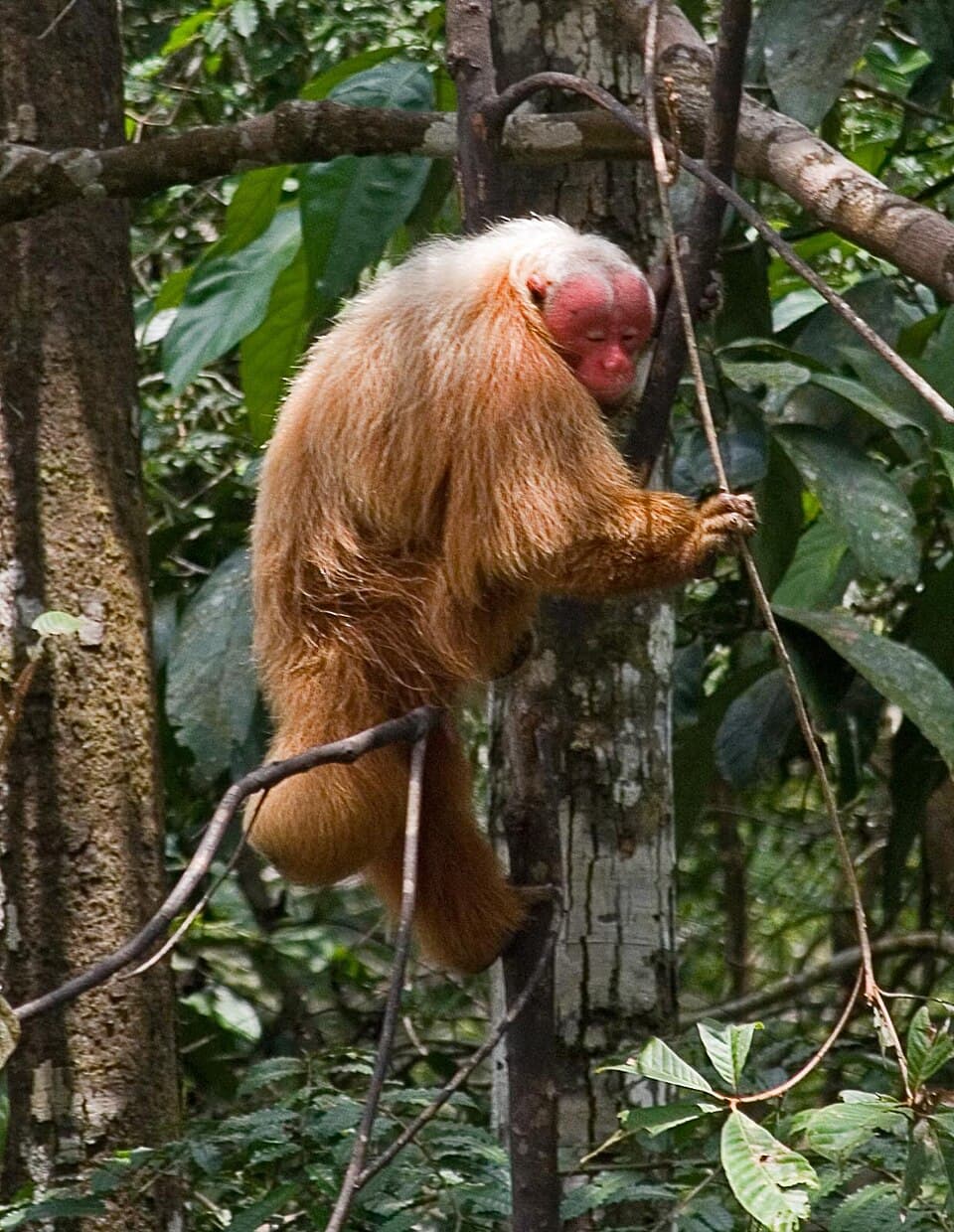
Bald Uakari
Cacajao calvus
MammalThe bald uakari is a small Amazonian monkey best known for its strikingly bare, bright red face, found in seasonally-flooded forests along the Amazon and its tributaries.
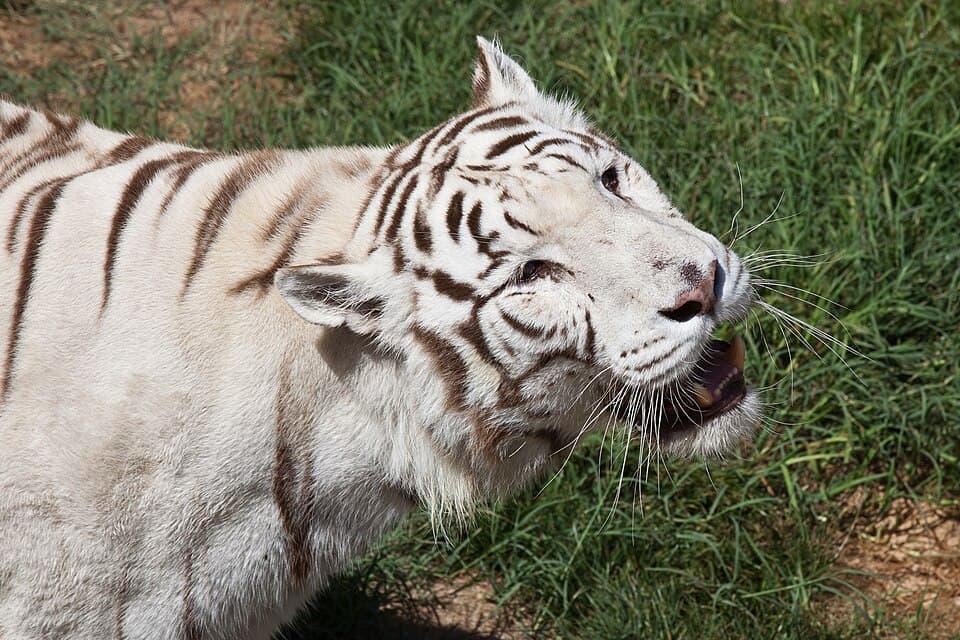
Bengal Tiger
Panthera tigris tigris
MammalThe Bengal tiger is the most numerous tiger subspecies, with India alone holding the large majority of the world's wild tiger population, and it is the largest wild cat native to Asia's forests, mangroves, and grasslands. Smaller populations also survive in Bangladesh, Nepal, and Bhutan, including in the Sundarbans, a vast mangrove delta shared by India and Bangladesh where tigers are unusually strong swimmers and sometimes hunt aquatic prey. India launched Project Tiger in 1973 to protect the subspecies through a network of dedicated reserves, and the country's wild tiger population has grown substantially since, even as poaching for the illegal wildlife trade and habitat fragmentation remain serious ongoing threats.
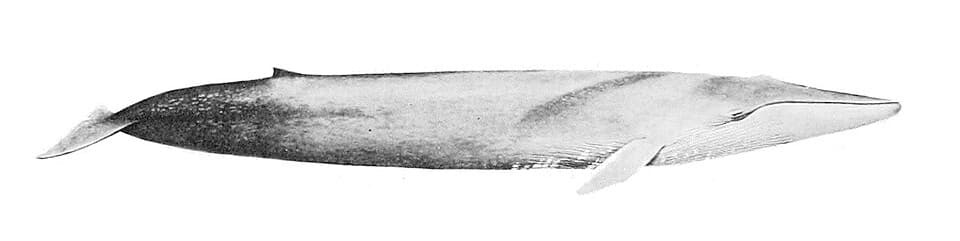
Blue Whale
Balaenoptera musculus
MammalThe blue whale is the largest animal known to have ever existed — larger than any dinosaur — filtering enormous quantities of tiny krill from the ocean through comb-like baleen plates as it roams nearly every ocean on Earth except the high Arctic. Populations were driven to the edge of extinction by 20th-century commercial whaling before international protections took hold; an estimated 10,000 to 25,000 remain today, a small fraction of pre-whaling numbers.
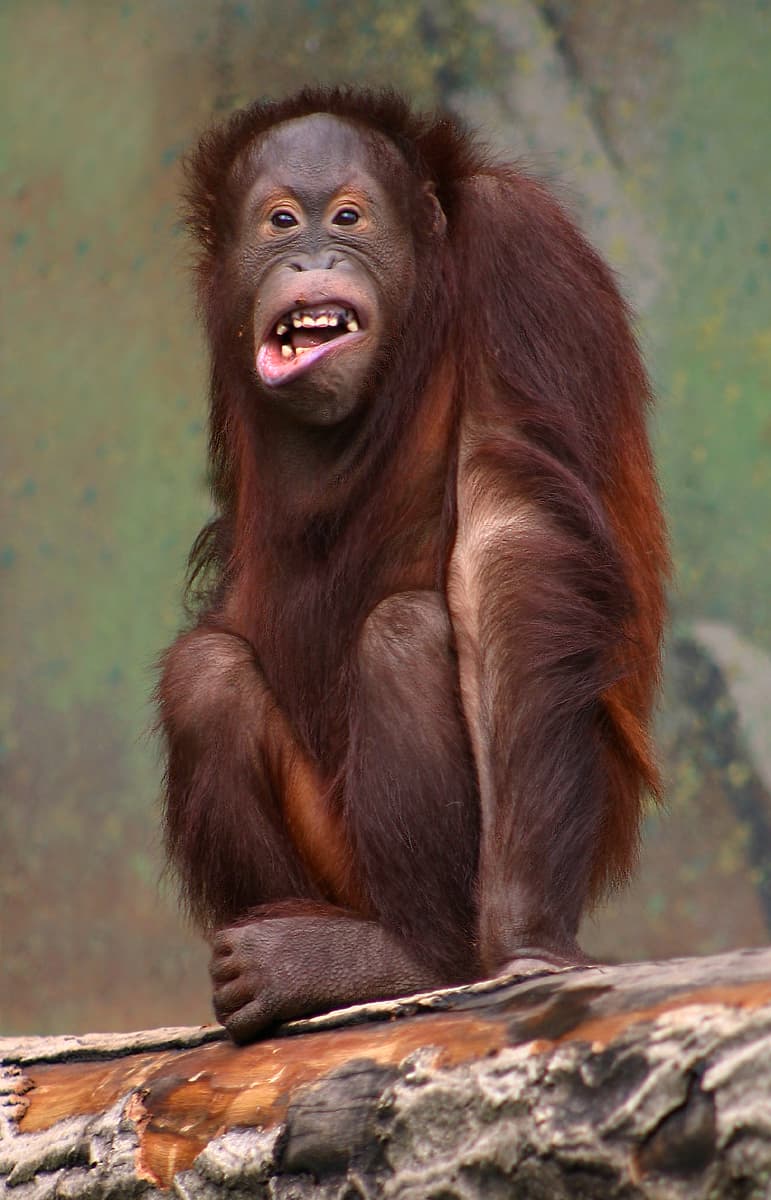
Bornean Orangutan
Pongo pygmaeus
MammalThe Bornean orangutan is a critically-endangered great ape found only on the island of Borneo, spending nearly its entire life moving through the rainforest canopy.
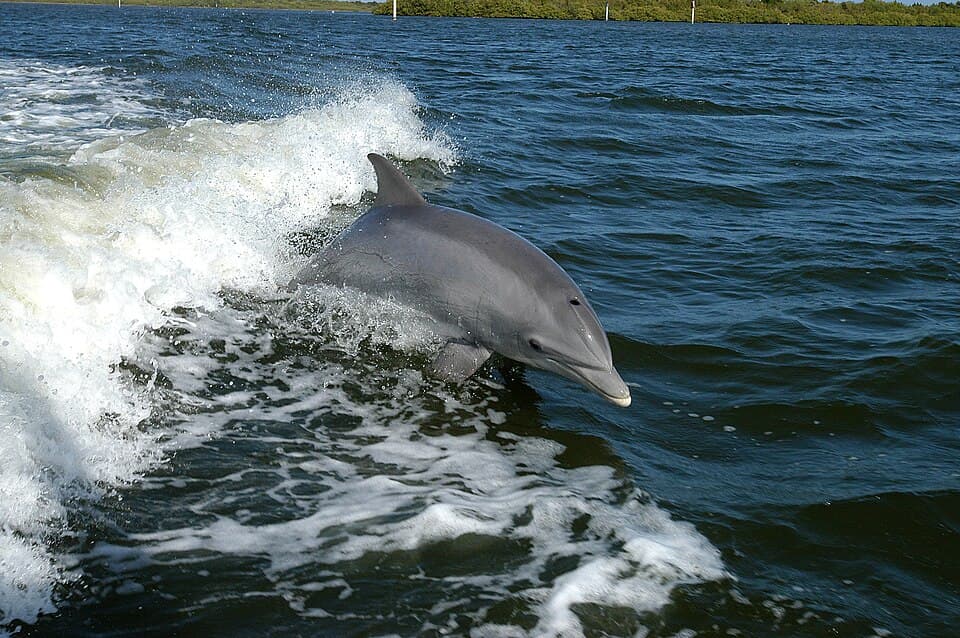
Bottlenose Dolphin
Tursiops truncatus
MammalThe bottlenose dolphin is one of the most widely-recognized and intelligent marine mammals, found in temperate and tropical oceans worldwide.
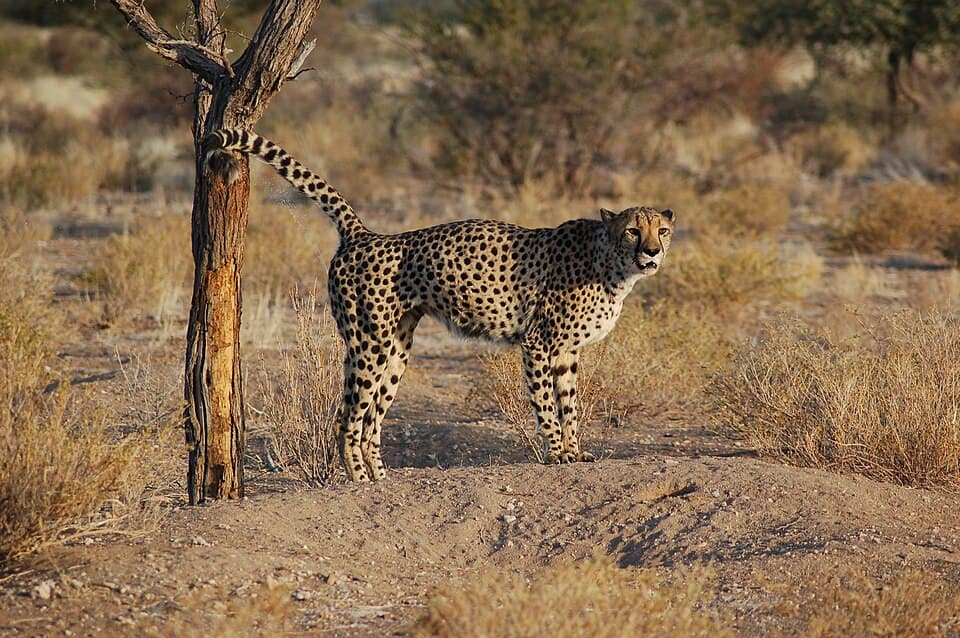
Cheetah
Acinonyx jubatus
MammalThe cheetah is the fastest land animal on Earth, built for explosive short sprints across the open grasslands and semi-desert of Africa, with a small, remnant population also surviving in Iran. Its speed comes at a genetic cost: cheetahs went through a severe population bottleneck thousands of years ago, leaving today's cheetahs with unusually low genetic diversity, which makes the species more vulnerable to disease on top of the threats it already faces from habitat loss and human-wildlife conflict.
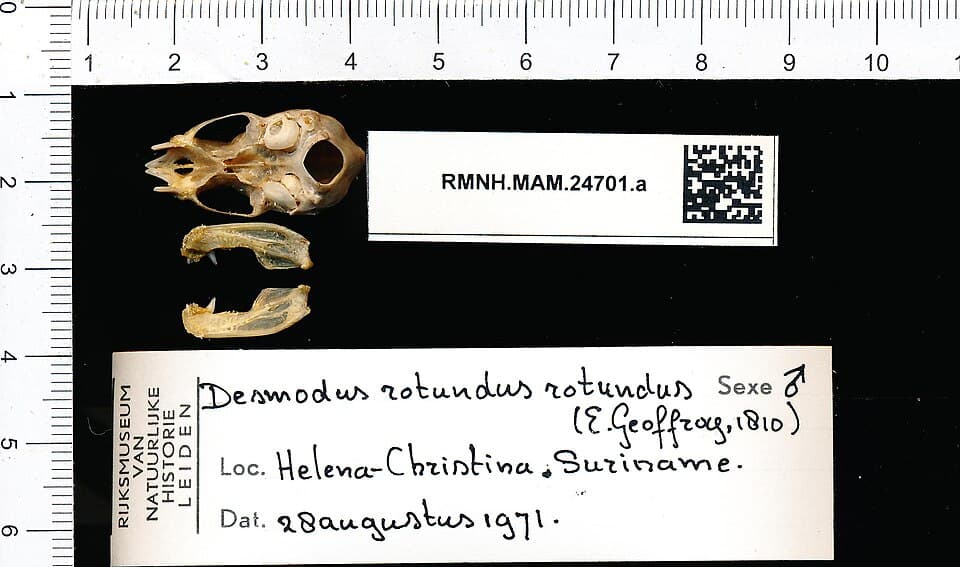
Common Vampire Bat
Desmodus rotundus
MammalThe common vampire bat is one of only three bat species that feeds exclusively on blood, mainly targeting livestock across Latin America under cover of darkness.
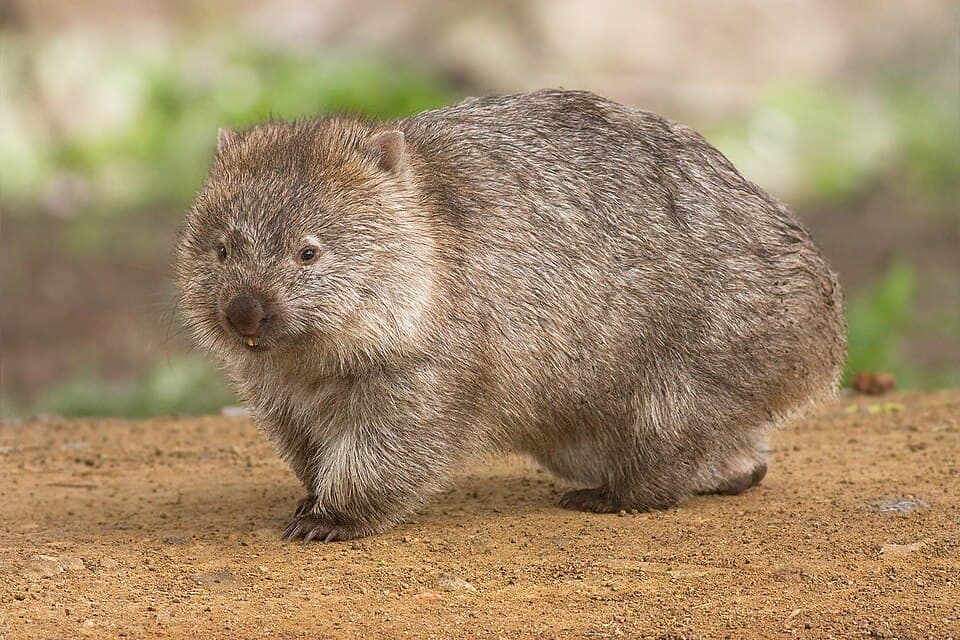
Common Wombat
Vombatus ursinus
MammalThe common wombat is a stocky, burrowing marsupial native to Australia, known for digging some of the most extensive burrow systems of any animal its size. Despite its slow, waddling gait, it can sprint in short bursts when threatened and is a powerful, capable digger built like a small bulldozer.
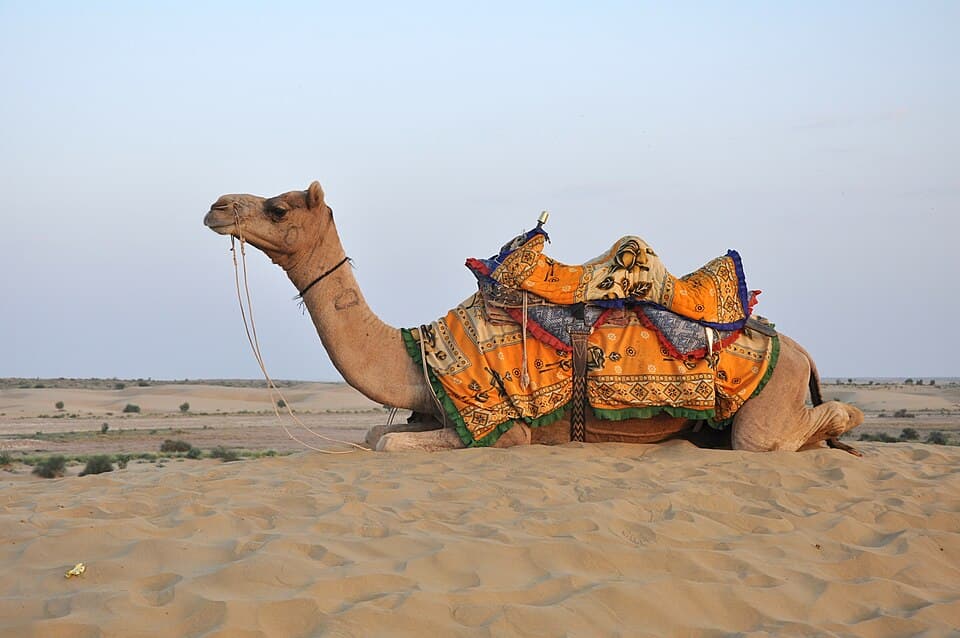
Dromedary Camel
Camelus dromedarius
MammalThe dromedary, or one-humped camel, is a large desert mammal domesticated thousands of years ago and superbly adapted to surviving extreme heat and long stretches without water.
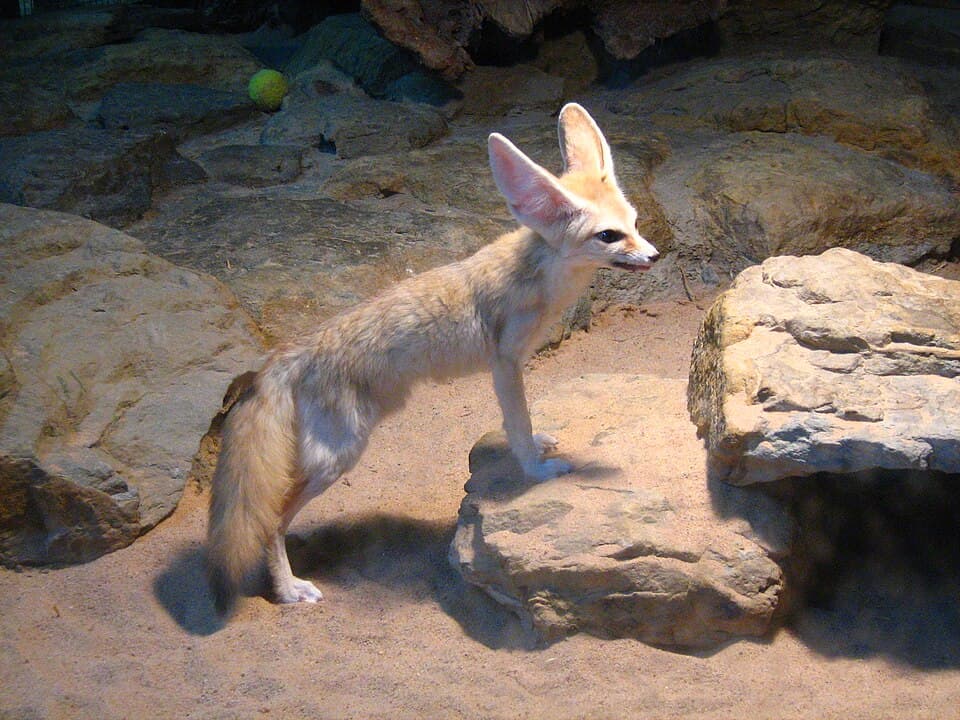
Fennec Fox
Vulpes zerda
MammalThe fennec fox is the smallest fox species in the world, adapted to the extreme heat of the Sahara Desert with famously oversized ears.
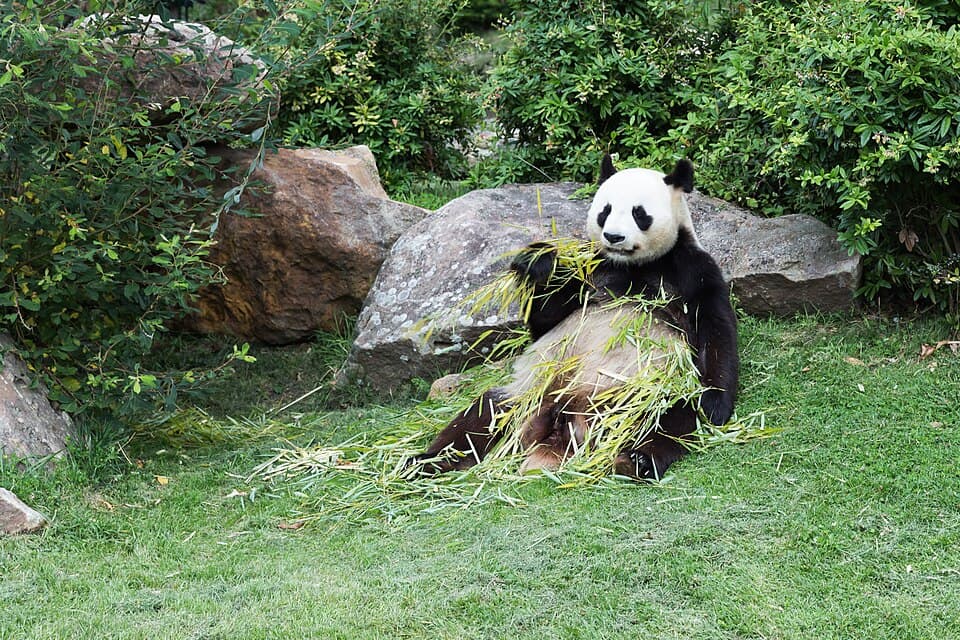
Giant Panda
Ailuropoda melanoleuca
MammalThe giant panda is a bear native to a handful of mountain forest ranges in central China, primarily in Sichuan province, famous worldwide for a diet made up almost entirely of bamboo despite retaining the short digestive tract of a carnivore. Because that digestive system extracts relatively little energy from tough, fibrous bamboo, pandas must eat enormous quantities to survive, spending up to 12 hours a day feeding and consuming as much as 38kg of bamboo in a single day. Long a symbol of Chinese culture and a fixture of international 'panda diplomacy,' the species was reclassified from Endangered to Vulnerable by the IUCN in 2016 after decades of habitat protection and captive-breeding programs helped stabilize its wild population — one of conservation's clearer recent success stories, even as bamboo forest fragmentation remains an ongoing threat.
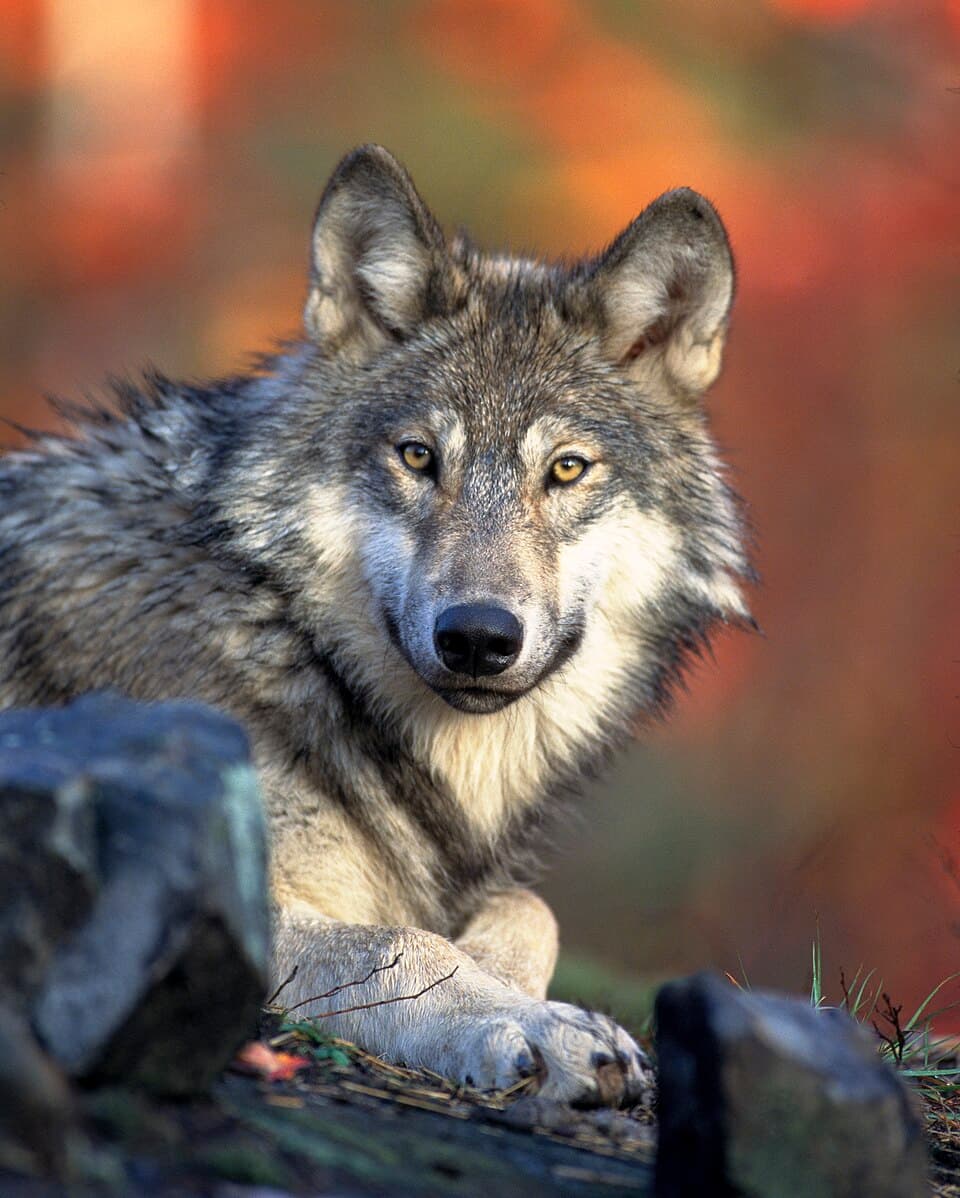
Gray Wolf
Canis lupus
MammalThe gray wolf is the largest wild member of the dog family, once ranging across nearly the entire Northern Hemisphere and living in tightly-coordinated family packs.
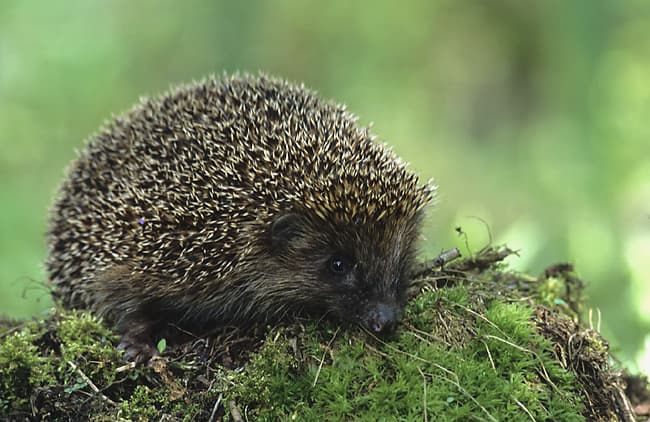
Hedgehog
Erinaceus europaeus
MammalThe hedgehog is a small, spine-covered mammal found across Europe, instantly recognizable for its defensive habit of rolling into a tight, spiky ball when threatened. Despite its tiny size, it's a surprisingly effective predator of garden pests, making it a welcome visitor in gardens across its range.
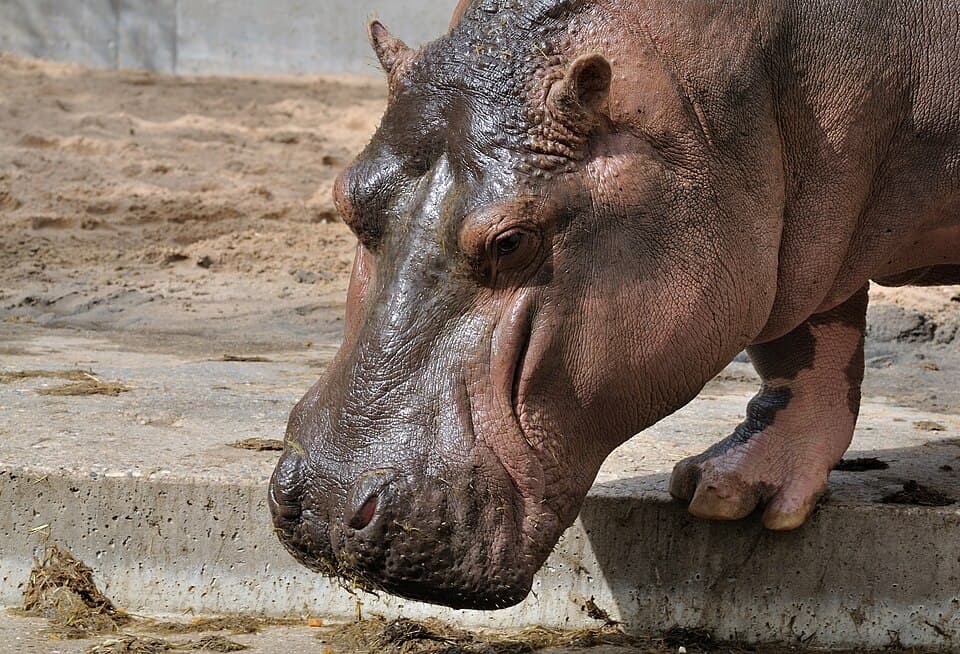
Hippopotamus
Hippopotamus amphibius
MammalThe hippopotamus is one of the largest land mammals, spending most of the day submerged in African rivers and lakes to keep its huge body cool.
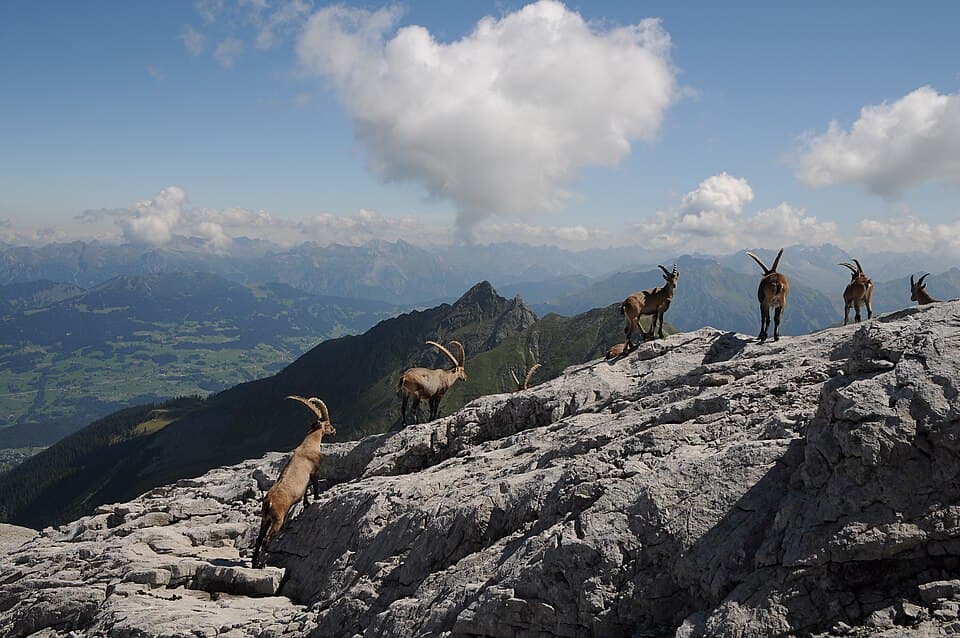
Ibex
Capra ibex
MammalThe Alpine ibex is a wild goat species famous for its massive, ridged, backward-curving horns and remarkable ability to scale near-vertical cliff faces in the mountains of the European Alps. Once hunted to near extinction, the entire modern population descends from a small group protected in a single Italian nature reserve in the 19th century.
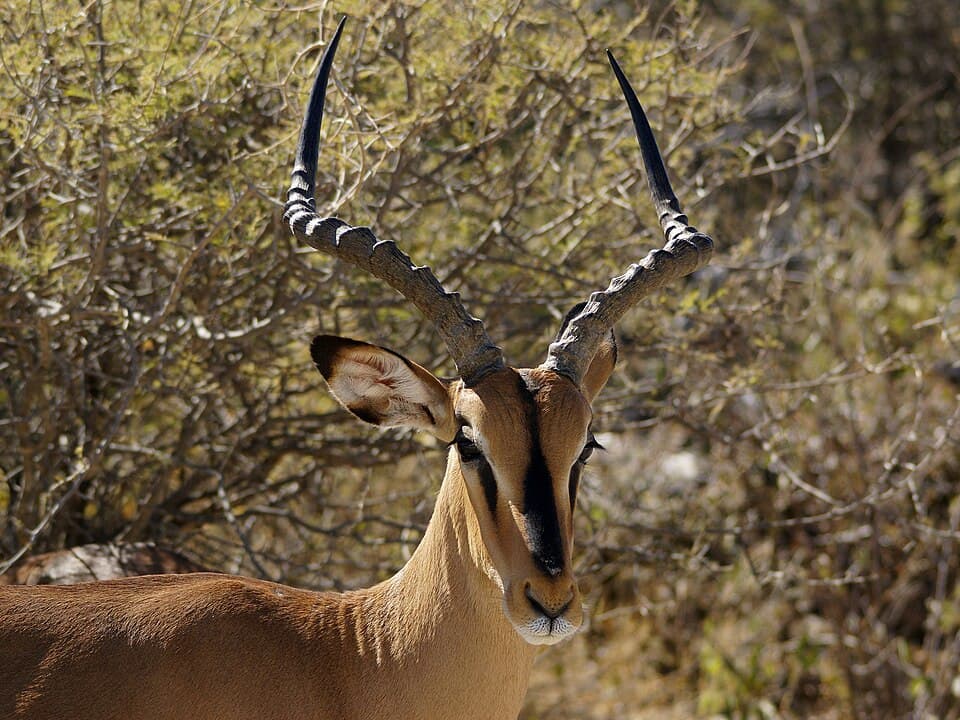
Impala
Aepyceros melampus
MammalThe impala is a medium-sized antelope found across eastern and southern African savannas, famous for its explosive leaping ability when startled.
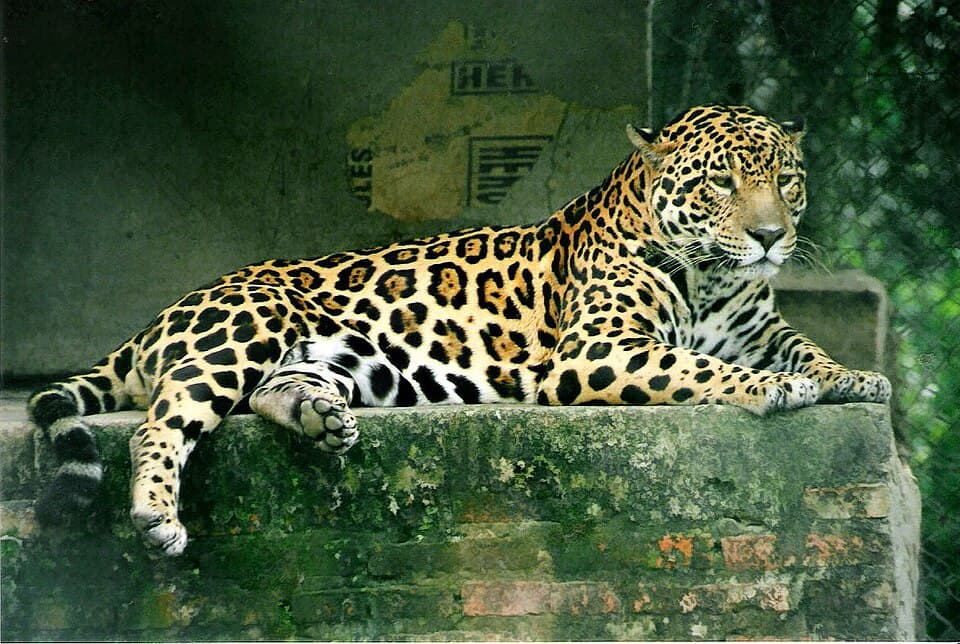
Jaguar
Panthera onca
MammalThe jaguar is the largest big cat in the Americas and the only living member of the genus Panthera found in the New World, prowling the rainforests of Central and South America.
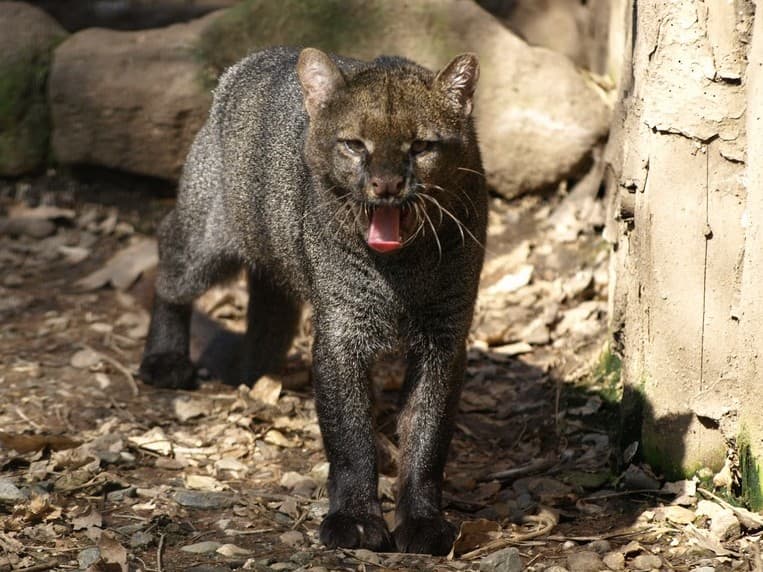
Jaguarundi
Herpailurus yagouaroundi
MammalThe jaguarundi is a small, elusive wildcat found from South America through Central America, notable for a long, slender, weasel-like body unlike the more compact build of most wild cats. Despite living alongside the much larger jaguar across parts of its range, the two are only distantly related within the cat family.
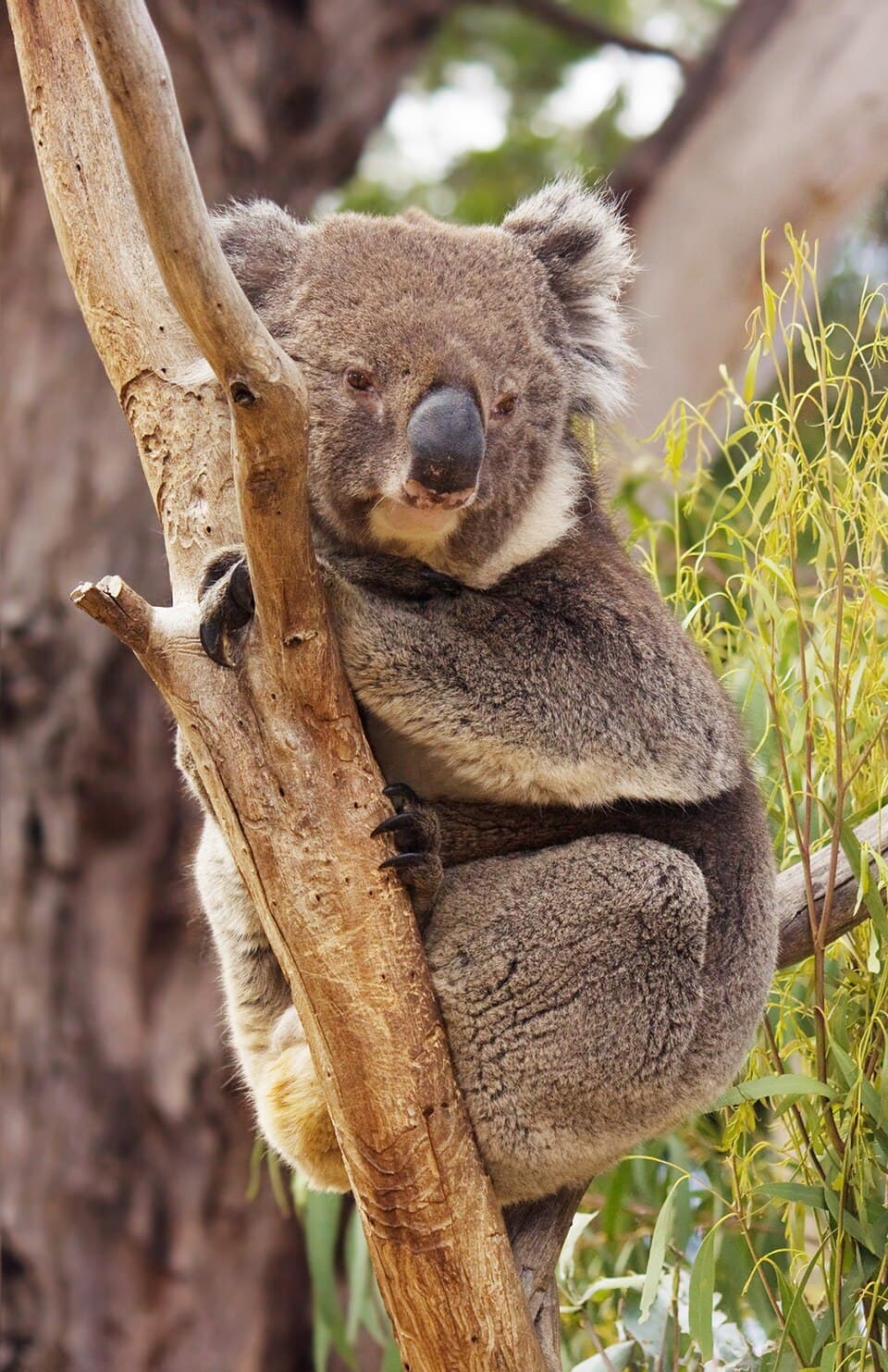
Koala
Phascolarctos cinereus
MammalThe koala is a tree-dwelling marsupial native to Australia, spending nearly its entire life in eucalyptus trees on a diet that would be toxic to most other mammals.
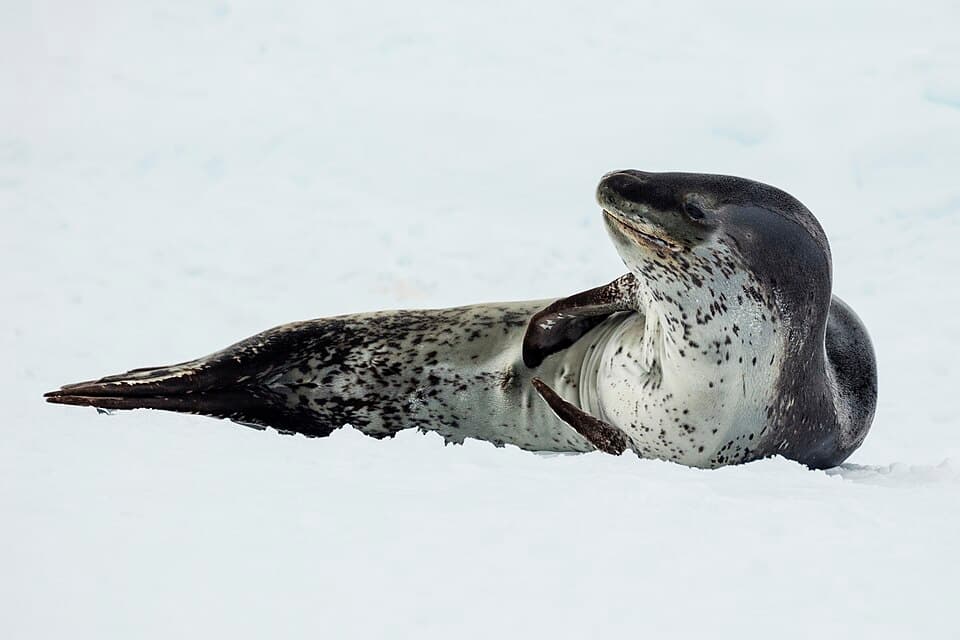
Leopard Seal
Hydrurga leptonyx
MammalThe leopard seal is one of Antarctica's top predators, named for the dark spotted pattern across its pale coat and a fierce reputation to match. Unlike most seals, which primarily eat fish, the leopard seal is a formidable hunter capable of taking down penguins and even other seal species.
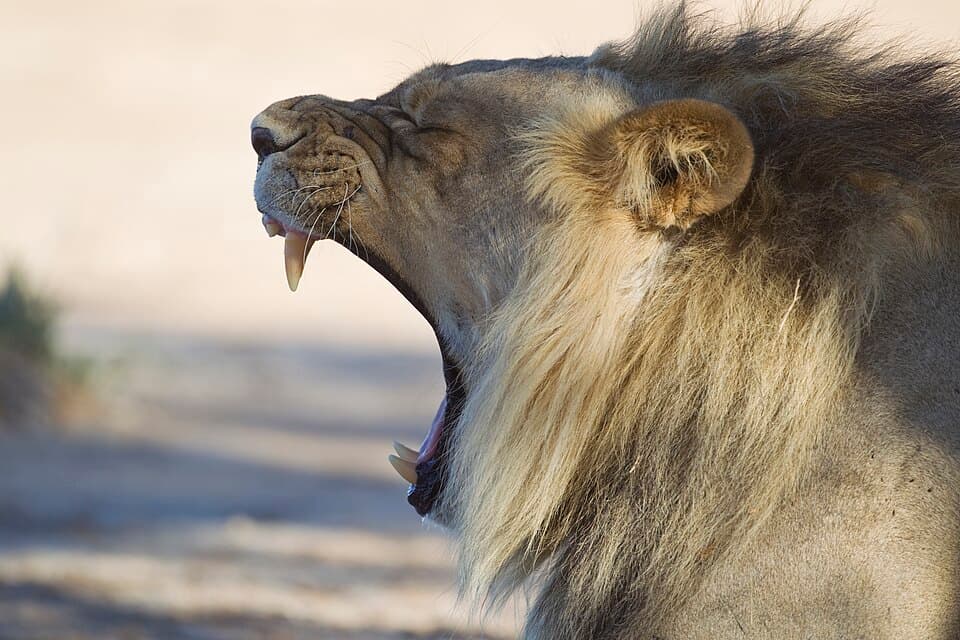
Lion
Panthera leo
MammalThe lion is one of the world's most recognizable big cats, known as the 'king of the jungle' despite living mainly on open savanna, and is the only cat species that lives in large social groups called prides.
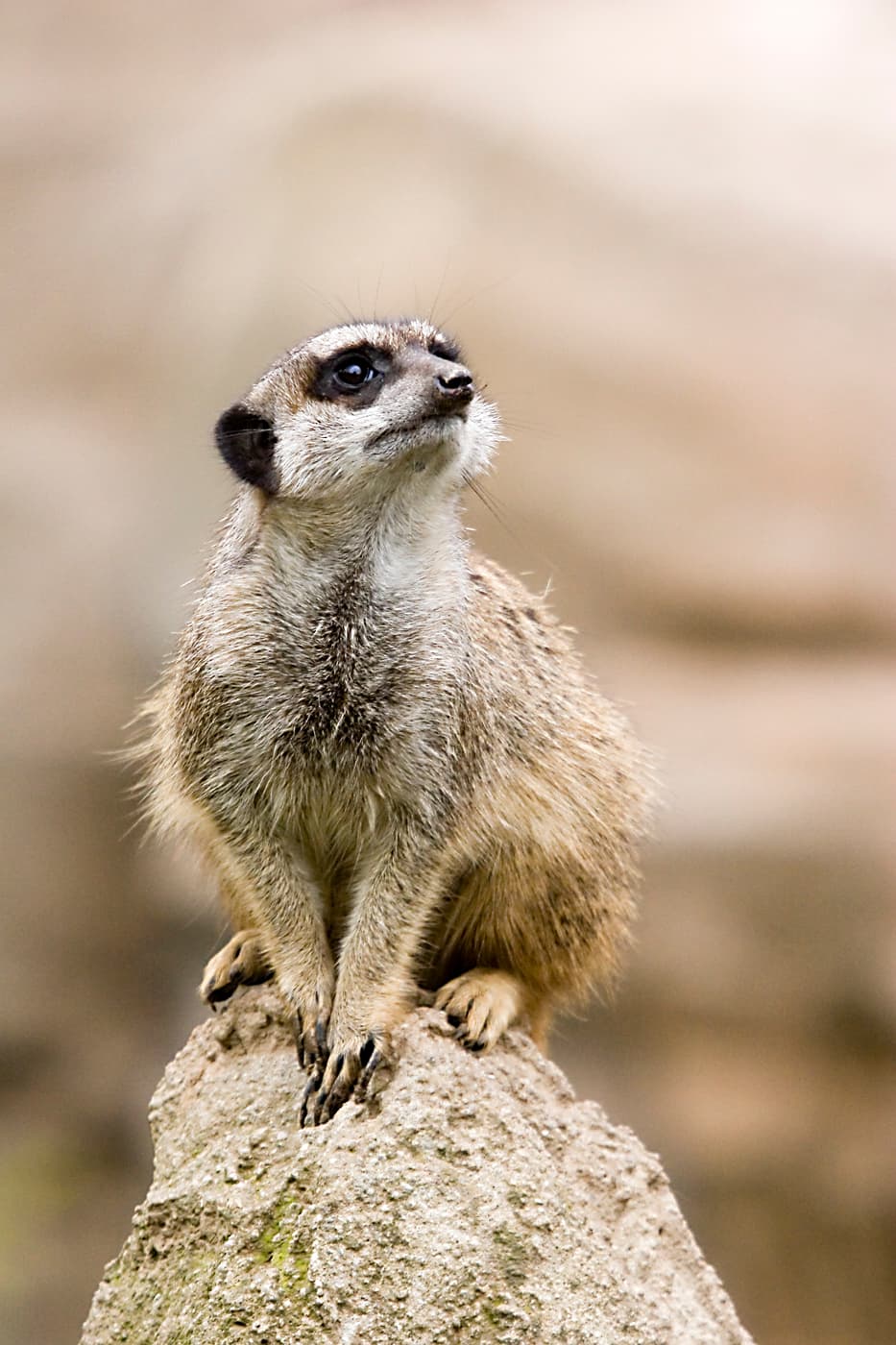
Meerkat
Suricata suricatta
MammalThe meerkat is a small, highly social mongoose relative native to the deserts and grasslands of southern Africa, famous for standing upright on its hind legs to scan the horizon for predators. Living in tightly bonded family groups called mobs, meerkats rely on constant cooperation and vigilance to survive in an environment full of danger from the air and ground alike.
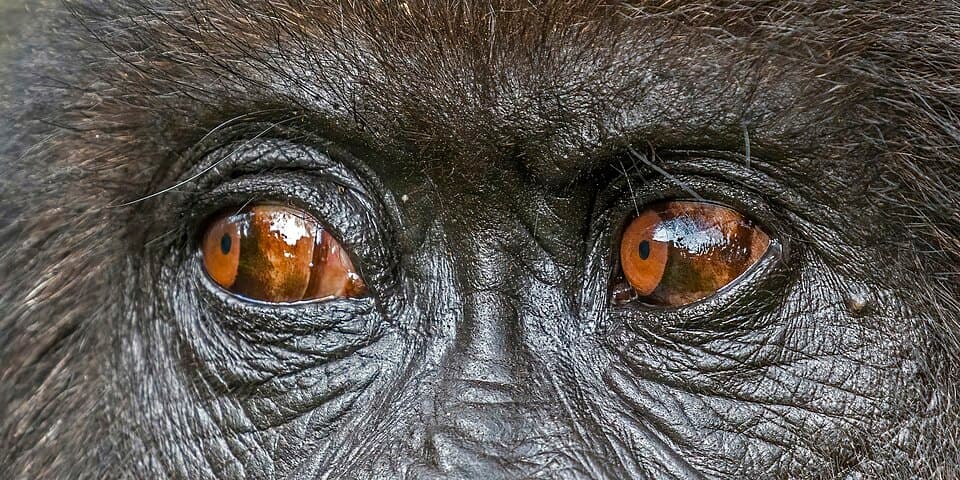
Mountain Gorilla
Gorilla beringei beringei
MammalThe mountain gorilla is a critically-studied great ape subspecies living in the misty forested slopes of the Virunga Mountains and Bwindi in central Africa, and one of conservation's most notable recovery stories.
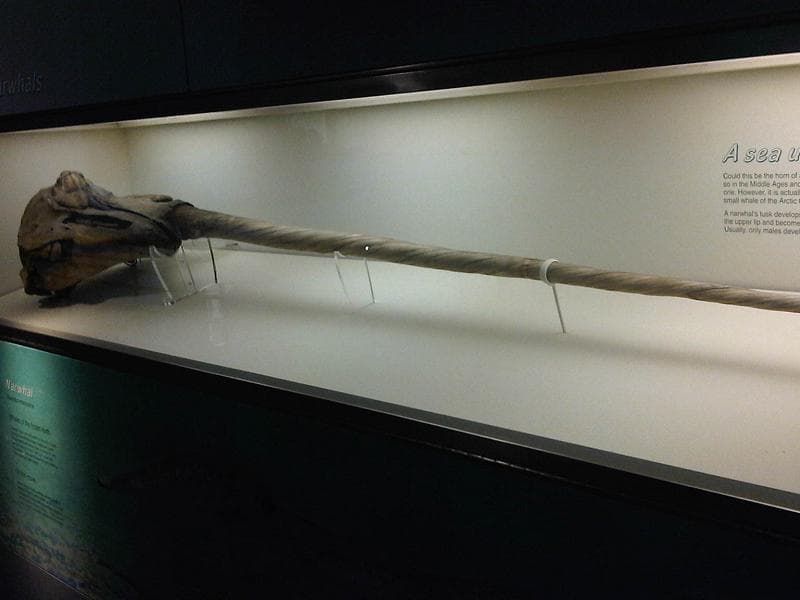
Narwhal
Monodon monoceros
MammalThe narwhal is an Arctic whale famous for the male's long spiraled tusk, which is actually an enormous protruding canine tooth, earning it the nickname 'unicorn of the sea'.
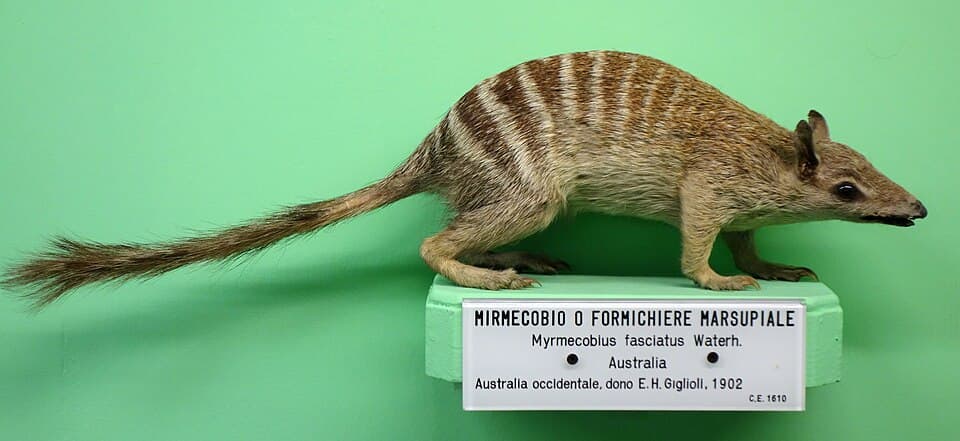
Numbat
Myrmecobius fasciatus
MammalThe numbat is a small, striped marsupial from Western Australia and one of the very few marsupials active exclusively during the day. Unlike most marsupials, it feeds almost entirely on termites, using an extremely long, sticky tongue to extract thousands of them from tunnels and rotting wood each day.
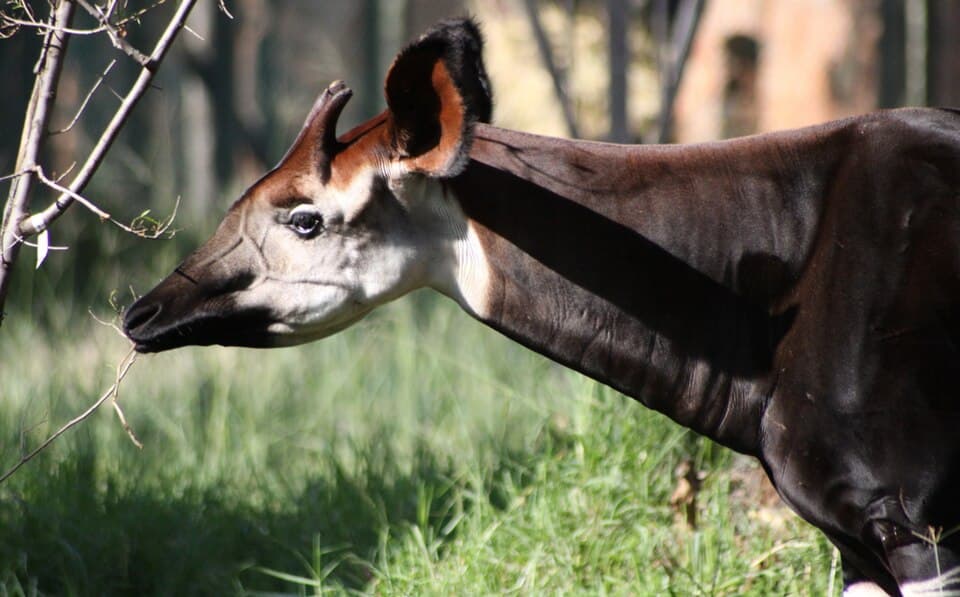
Okapi
Okapia johnstoni
MammalThe okapi is a shy, elusive relative of the giraffe found only in the dense rainforests of the Democratic Republic of the Congo. Despite its zebra-striped legs, it is not related to zebras at all -- the stripes are thought to help camouflage it in dappled forest light and help calves follow their mother through dense vegetation.
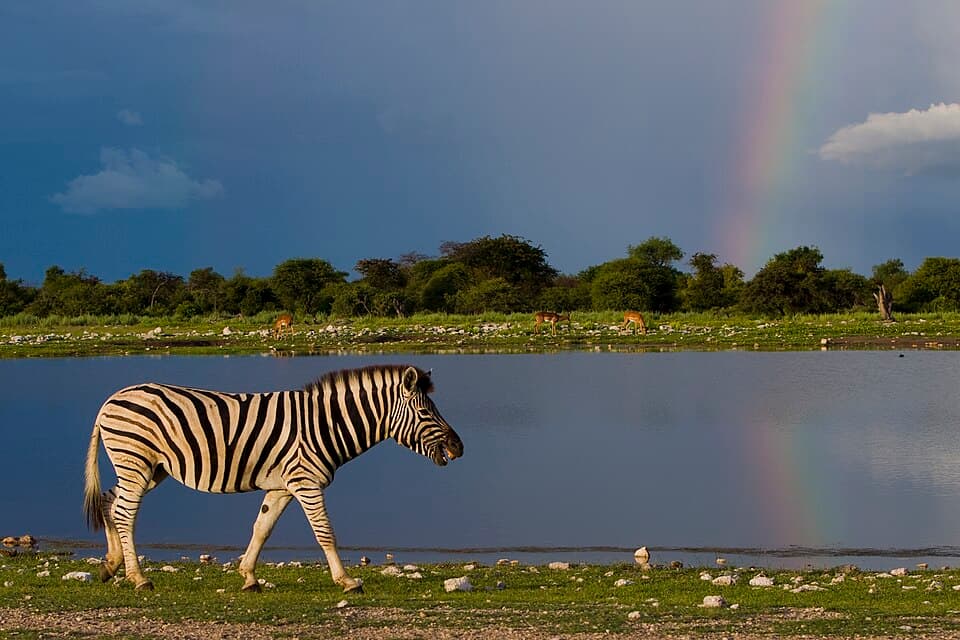
Plains Zebra
Equus quagga
MammalThe plains zebra is the most common and widespread zebra species, roaming the grasslands of eastern and southern Africa in large, ever-shifting herds.
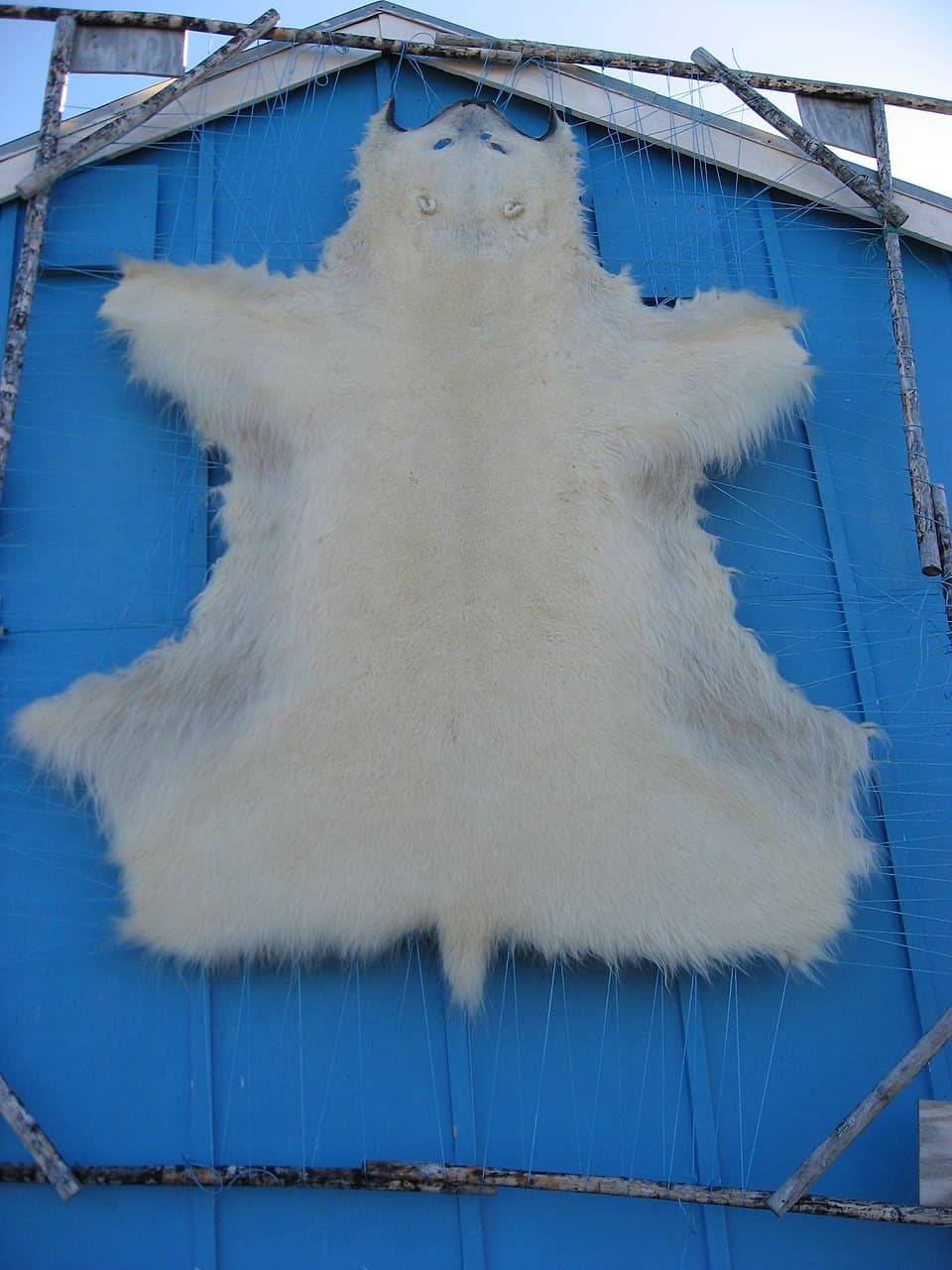
Polar Bear
Ursus maritimus
MammalThe polar bear is the largest land carnivore on Earth, superbly adapted to hunting seals across the sea ice of the Arctic Circle.
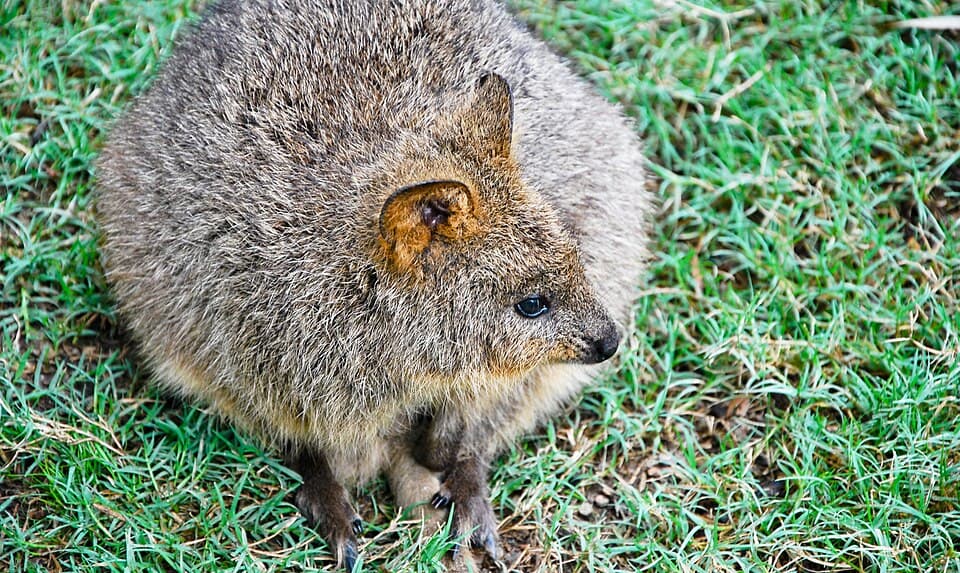
Quokka
Setonix brachyurus
MammalThe quokka is a small macropod, part of the same broad family as kangaroos and wallabies, found in a few fragmented pockets on mainland southwest Australia and, in far greater numbers, on a handful of predator-free islands off Western Australia. It is widely nicknamed 'the world's happiest animal' online for a permanent smile-like expression created by the shape of its mouth, which has made it a popular subject for tourist selfies on Rottnest Island, its best-known stronghold. Despite that island abundance, quokkas are classified as Vulnerable overall, since introduced predators like foxes and cats have devastated the harder-to-protect mainland population over the past century.
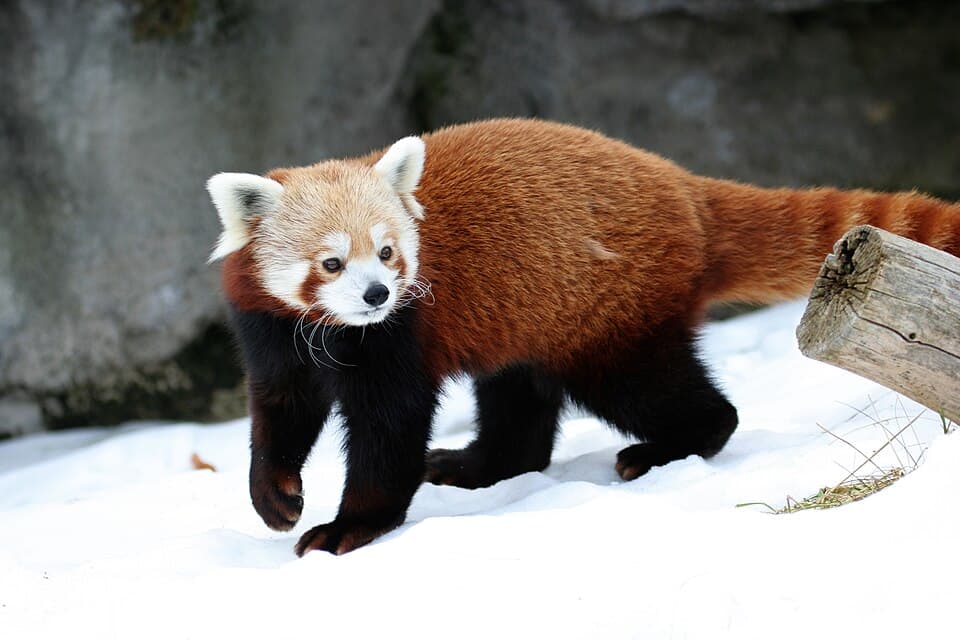
Red Panda
Ailurus fulgens
MammalThe red panda is a small, tree-dwelling mammal native to the temperate forests of the eastern Himalayas and southwestern China, spanning Nepal, Bhutan, India, and Myanmar. Despite the shared name and bamboo-heavy diet, it is unrelated to the giant panda — the two evolved their bamboo-eating habits and thumb-like wrist bone independently, a striking example of convergent evolution.
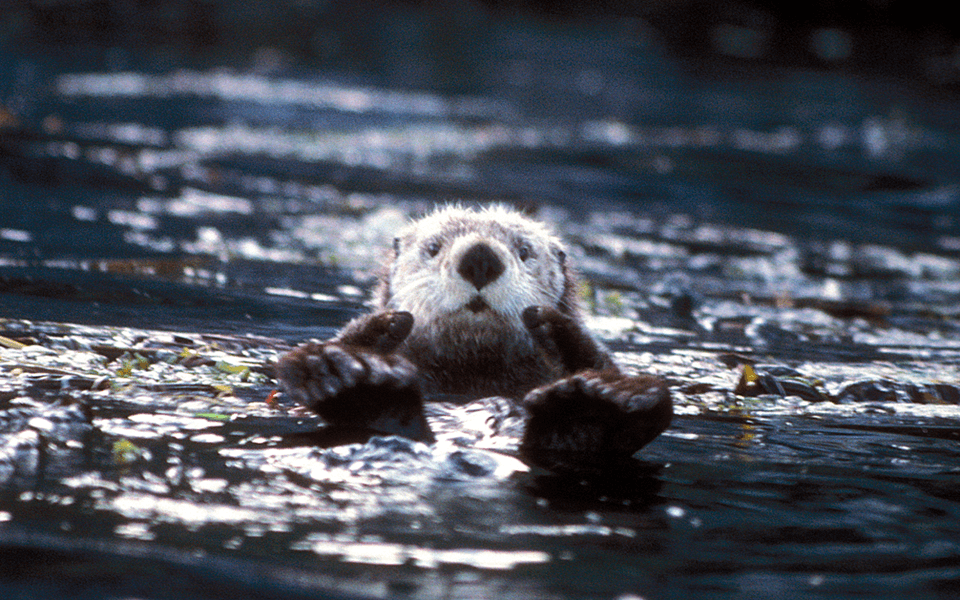
Sea Otter
Enhydra lutris
MammalThe sea otter is the heaviest member of the weasel family and one of the few mammals known to use tools, cracking open shellfish with rocks while floating on its back.
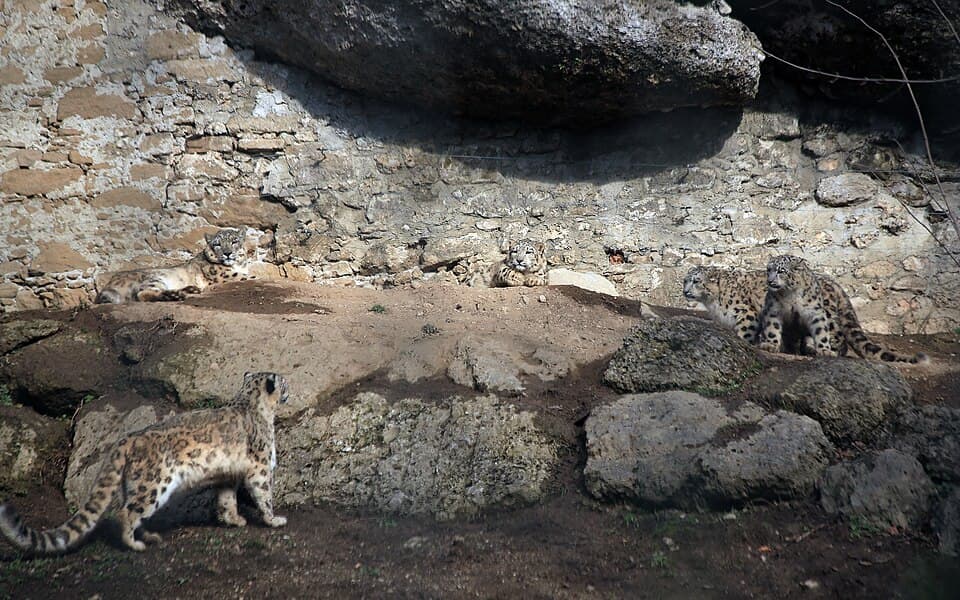
Snow Leopard
Panthera uncia
MammalThe snow leopard is an elusive big cat adapted to life in the high, cold mountains of Central and South Asia — including the Himalayas, the Tibetan Plateau, and ranges across roughly a dozen countries from Afghanistan to Mongolia — so rarely seen in the wild that it's often called the 'ghost of the mountains'.
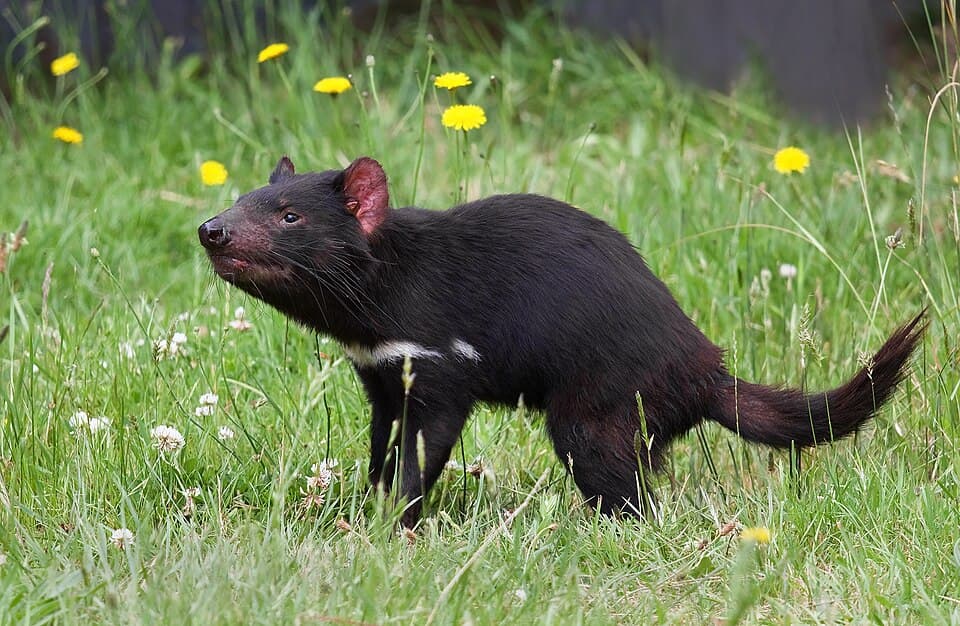
Tasmanian Devil
Sarcophilus harrisii
MammalThe Tasmanian devil is the largest surviving carnivorous marsupial in the world, now found only on the Australian island of Tasmania after going extinct on the mainland centuries ago. Despite its stocky, unassuming build, it has one of the strongest bites relative to body size of any living mammal, capable of crushing bone.
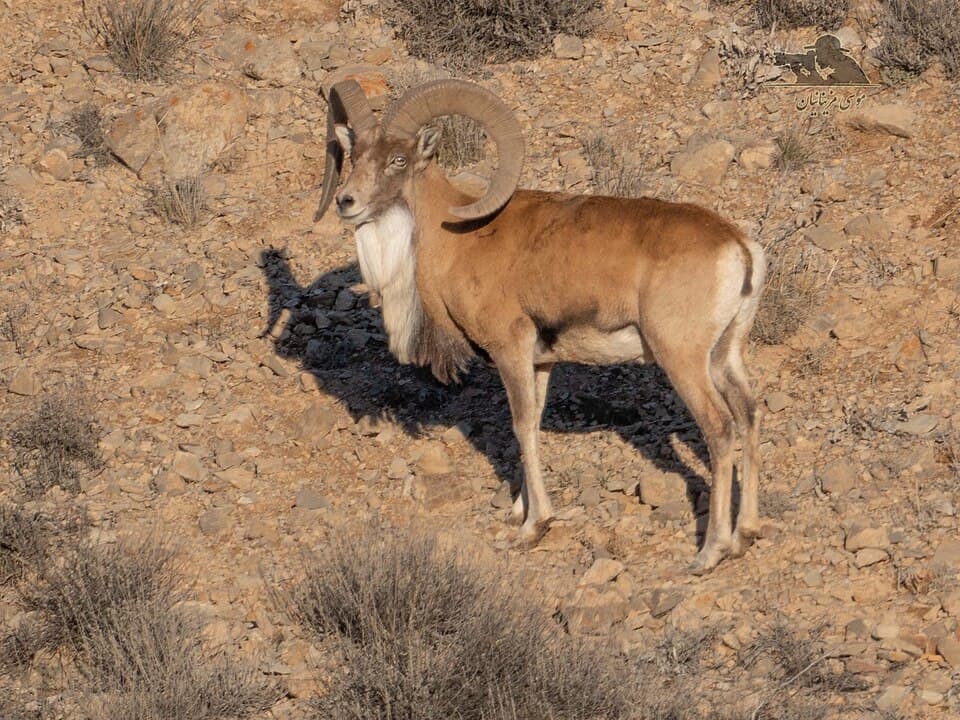
Urial
Ovis vignei
MammalThe urial is a wild sheep species native to the dry hills and mountains of Central and South Asia, recognized by the male's large curling horns.
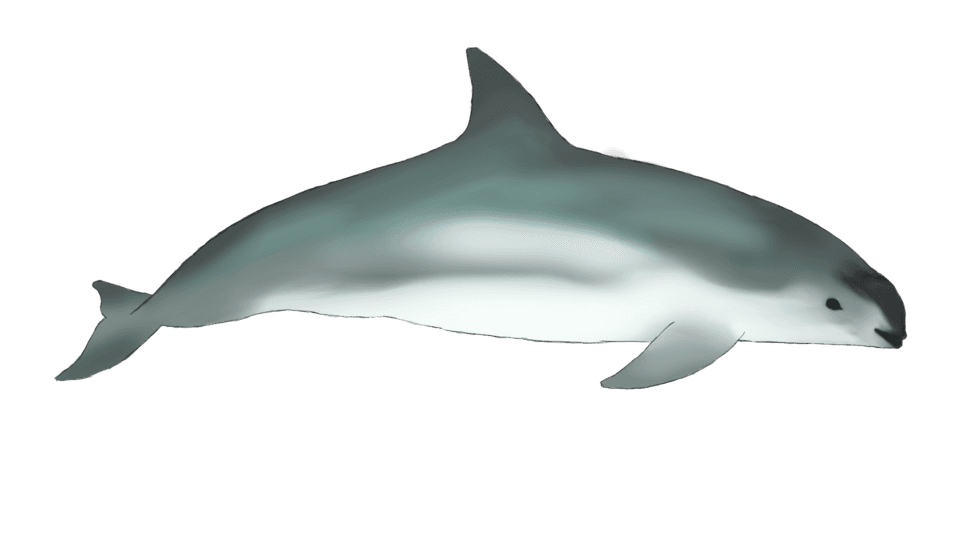
Vaquita
Phocoena sinus
MammalThe vaquita is the world's smallest and most endangered cetacean, found only in a small area of the northern Gulf of California in Mexico. Fewer than a handful of confirmed individuals are believed to remain in the wild, making it one of the most critically threatened marine mammals on Earth.
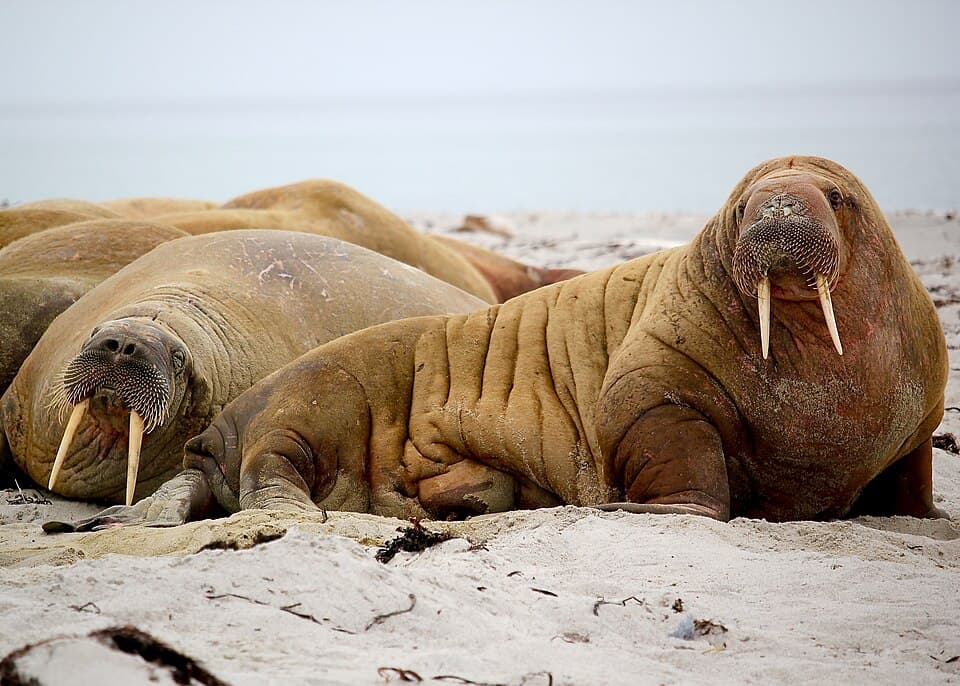
Walrus
Odobenus rosmarus
MammalThe walrus is a massive Arctic marine mammal easily identified by its long ivory tusks, thick blubber layer, and distinctive whiskered snout.
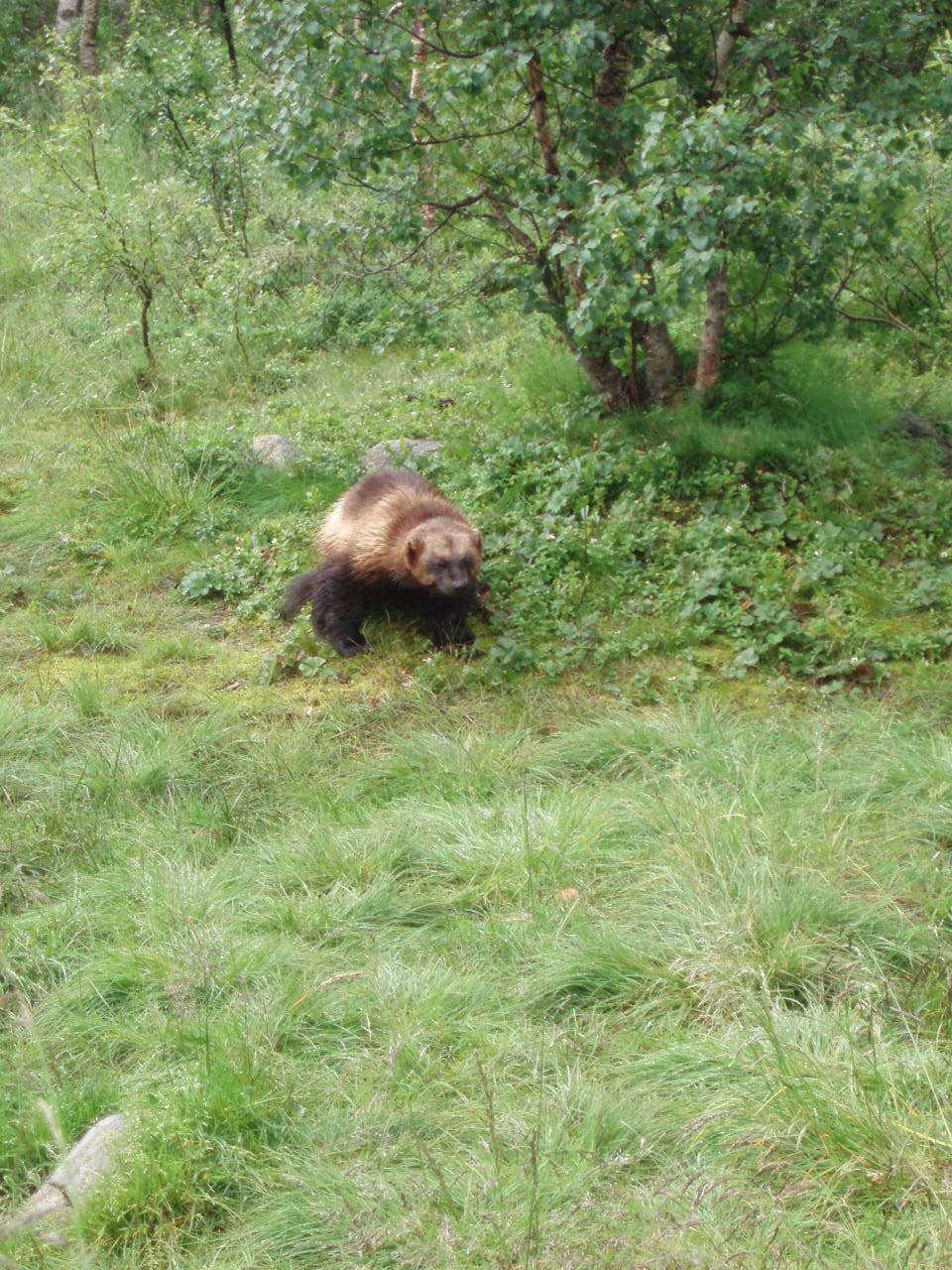
Wolverine
Gulo gulo
MammalThe wolverine is the largest land-dwelling member of the weasel family, a solitary and famously tenacious predator and scavenger of far northern forests and tundra. Despite its bear-like appearance, it is much smaller than its reputation suggests, roughly the size of a medium dog, but is capable of driving much larger animals like wolves away from a carcass.
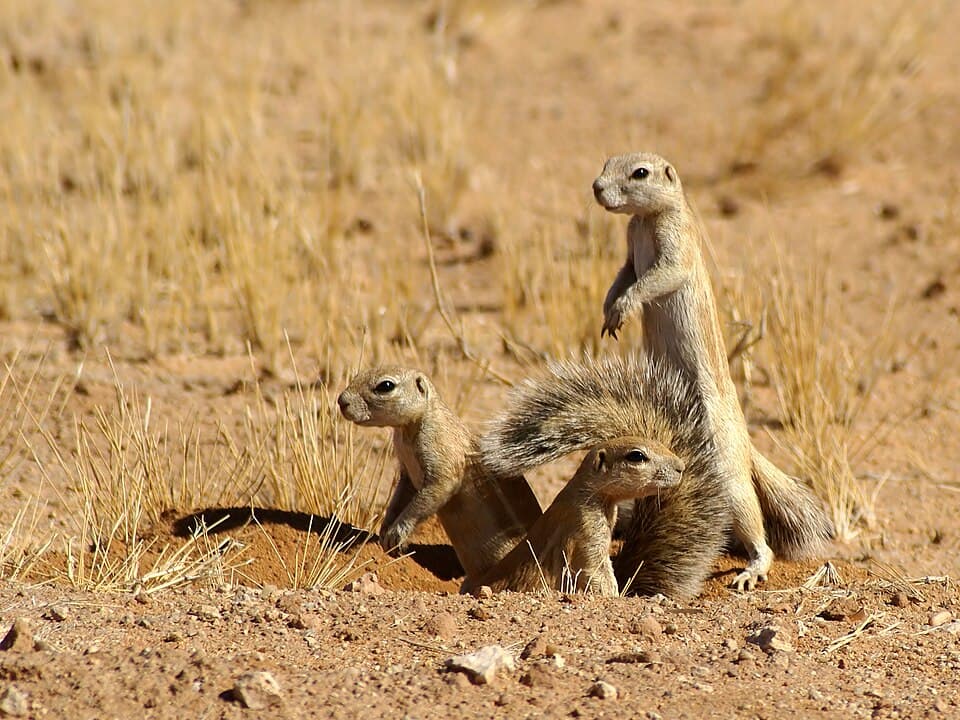
Xerus (African Ground Squirrel)
Xerus inauris
MammalThe Cape ground squirrel, or xerus, is a burrowing rodent of southern Africa's arid plains, easily recognized by holding its bushy tail overhead like a built-in parasol.
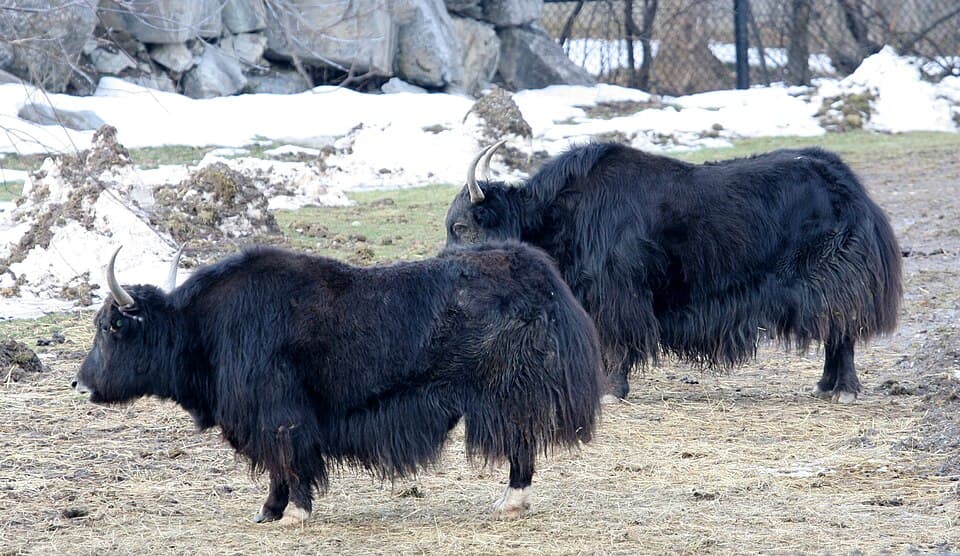
Yak
Bos grunniens
MammalThe yak is a large, long-haired bovine adapted to the extreme cold and thin air of the high Himalayan plateau, able to live at altitudes above 4,000 meters (13,000 feet) that few other large mammals can tolerate. Most yaks today are domesticated and have been kept for thousands of years across Tibet, Nepal, and the surrounding mountains as a source of milk, meat, wool, and transport, while small wild populations still survive on the remote Tibetan Plateau.
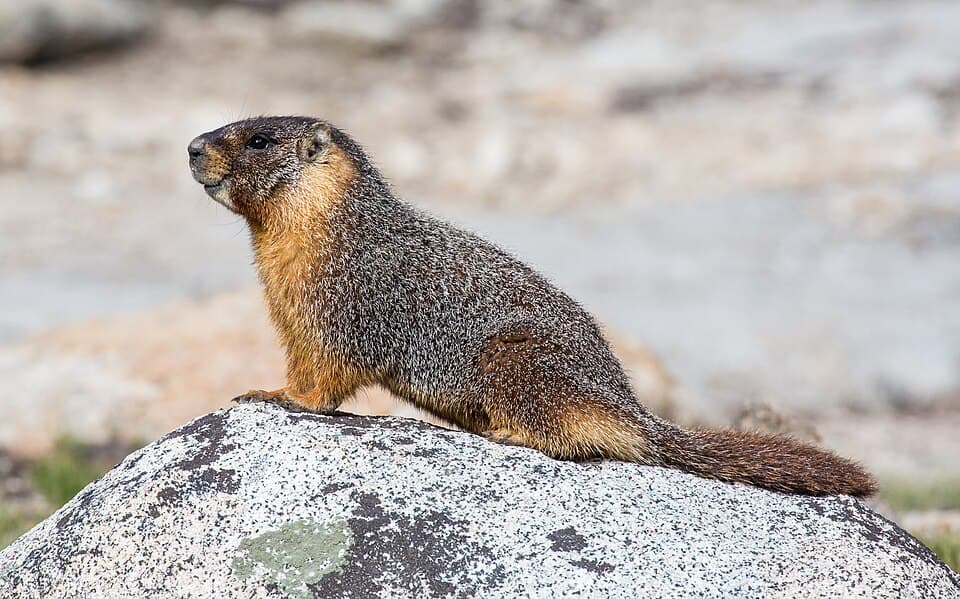
Yellow-bellied Marmot
Marmota flaviventris
MammalThe yellow-bellied marmot is a large ground squirrel found in the mountains of western North America, spending nearly eight months of the year in deep hibernation.
Mammals FAQs
How many mammals are listed here?
This page currently features 43 species, and more are added regularly as the dataset grows.
What is the most popular animal in this list?
Lion is currently the most popular animal in Mammals.
Are any of these animals endangered?
Yes — 24 of the 43 species listed are classified as vulnerable, endangered, or critically endangered.
Explore Other Categories
Birds
Feathered, egg-laying vertebrates found on every continent, from flightless penguins to long-distance migratory raptors.
Fish
Gilled, water-dwelling vertebrates spanning freshwater rivers to the deep ocean, from tiny minnows to whale sharks.
Reptiles
Cold-blooded, scaled vertebrates including snakes, lizards, turtles, and crocodilians found on every continent but Antarctica.
Amphibians
Cold-blooded vertebrates that typically begin life in water and move to land, including frogs, toads, and salamanders.
Insects
The most diverse animal group on Earth, six-legged invertebrates found in nearly every habitat on the planet.
Marine Animals
Animals adapted to life in the ocean, spanning mammals, fish, and invertebrates that call the sea home.
Dinosaurs
Prehistoric reptiles that dominated life on land for over 160 million years before going extinct roughly 66 million years ago.