Overview
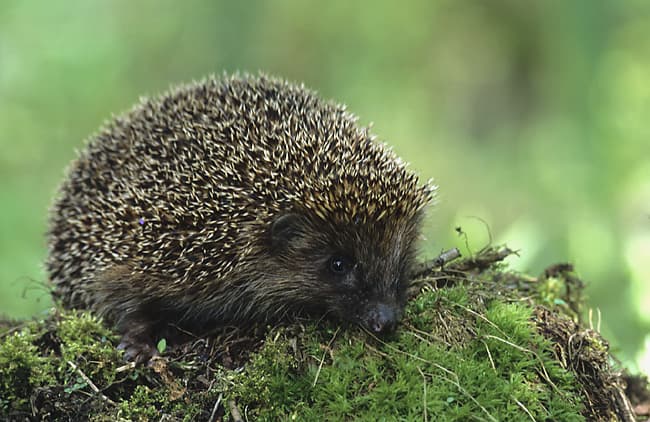
The hedgehog is a small, spine-covered mammal found across Europe, instantly recognizable for its defensive habit of rolling into a tight, spiky ball when threatened. Despite its tiny size, it's a surprisingly effective predator of garden pests, making it a welcome visitor in gardens across its range.
Appearance
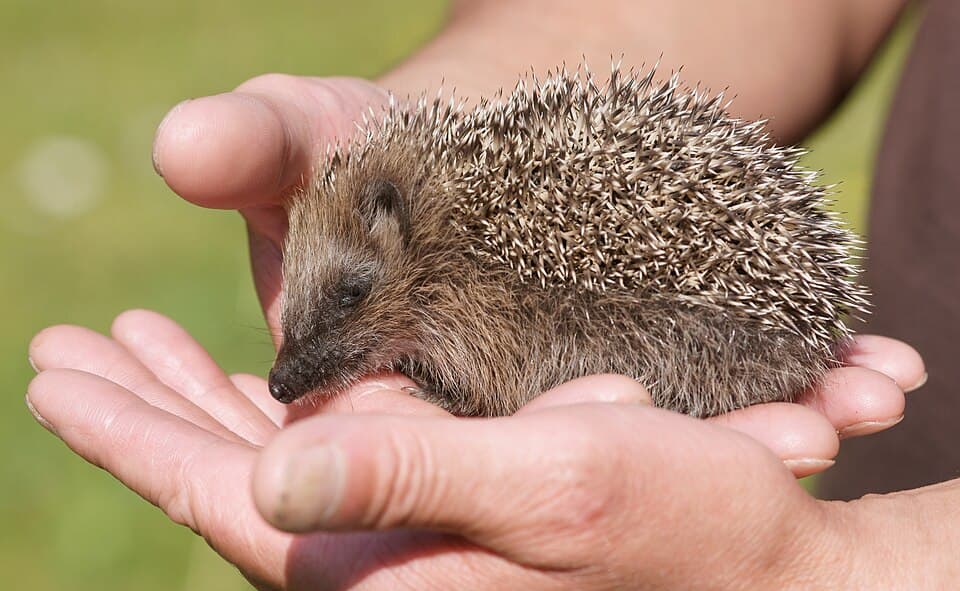
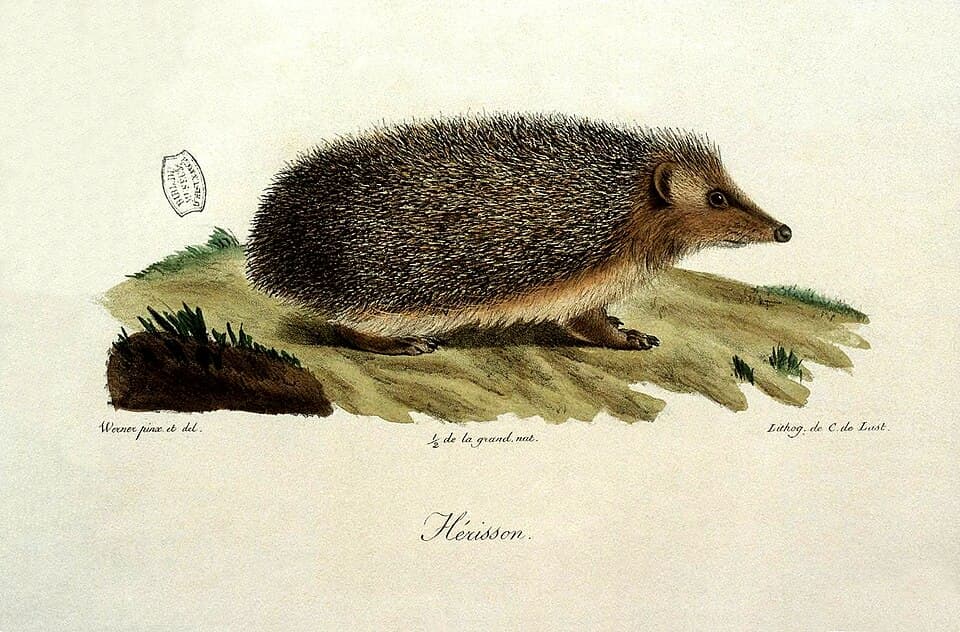
Its back and sides are covered in thousands of stiff, hollow spines made of keratin, while its face, legs, and underside are covered in soft fur. When threatened, powerful muscles along its back let it curl into a nearly seamless ball, presenting spines in every direction.
Habitat & Distribution
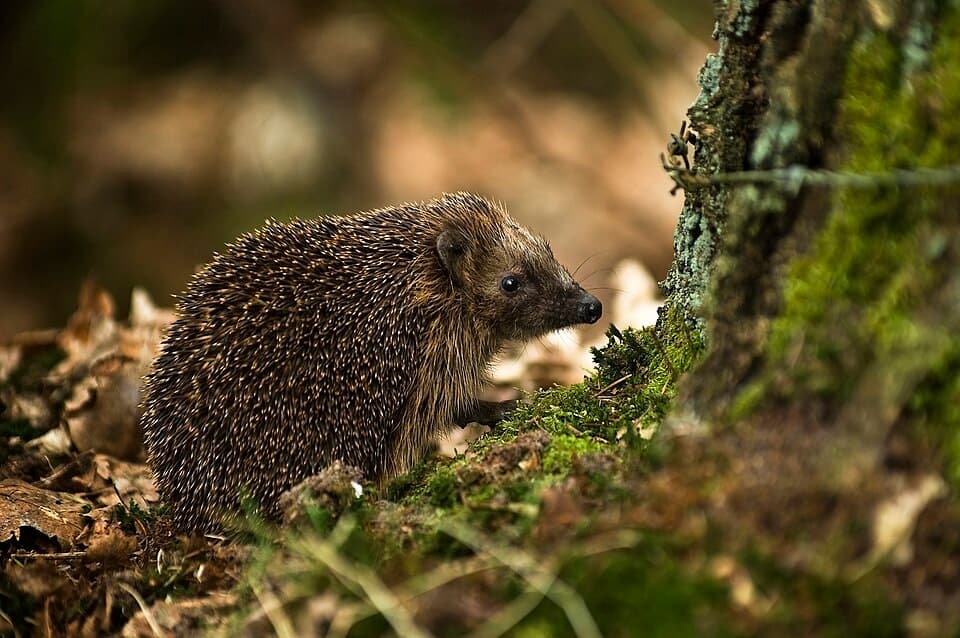
The hedgehog is found in forest, grassland habitats.
Diet & Behavior
Diet: Omnivore — Animals with flexible diets that eat both plants and animals, adapting to whatever food is available in their environment.
Hedgehogs are solitary, nocturnal foragers that spend the night searching leaf litter and undergrowth for insects, worms, and slugs, covering surprising distances -- sometimes several kilometers -- in a single night. During the colder months, they enter true hibernation, slowing their heart rate and body temperature dramatically to survive when food becomes scarce.
Predators
- Badgers
- Foxes
- Owls
- Domestic dogs
Prey
- Insects
- Earthworms
- Slugs and snails
- Occasionally eggs or carrion
Interesting Facts
- 1
A hedgehog can have several thousand spines covering its back, made of the same material as human hair and nails.
- 2
It can travel several kilometers in a single night while foraging for food.
- 3
Hedgehogs are true hibernators, dramatically lowering their body temperature and heart rate to survive winter.
- 4
Rolling into a tight ball exposes spines in every direction, an effective defense against most predators except a few, like badgers, strong enough to unroll them.
- 5
Recent population declines across parts of Europe have led to growing conservation concern for a species once considered common and widespread.
Gallery
Hedgehog FAQs
Why do hedgehogs roll into a ball?
Rolling into a tight ball is a hedgehog's main defense, using muscles along its back to pull its spiny skin around its vulnerable face, legs, and belly, presenting sharp spines to a predator from every angle.
Do hedgehogs really hibernate?
Yes -- hedgehogs are true hibernators, dramatically slowing their heart rate and dropping their body temperature during the colder months when insect prey becomes scarce.
What do hedgehogs eat?
Hedgehogs are omnivores that primarily eat insects, earthworms, and slugs, along with occasional plant matter, eggs, or carrion when available.
Are hedgehog populations declining?
Yes -- hedgehog populations have declined sharply across parts of their European range in recent decades, driven by habitat loss, road mortality, and declining insect prey, leading to a reassessment of their conservation status.
What does a hedgehog eat?
The hedgehog is an omnivore. Animals with flexible diets that eat both plants and animals, adapting to whatever food is available in their environment.
Where does the hedgehog live?
The hedgehog is found in forest, grassland habitats across europe.
Is the hedgehog endangered?
The hedgehog has a conservation status of Near Threatened. Species that may become threatened in the near future without continued conservation attention.
How long do hedgehogs live?
A hedgehog's typical lifespan is 2–5 years in the wild.
How much does a hedgehog weigh?
An adult hedgehog typically weighs 0.4–1.2 kg.