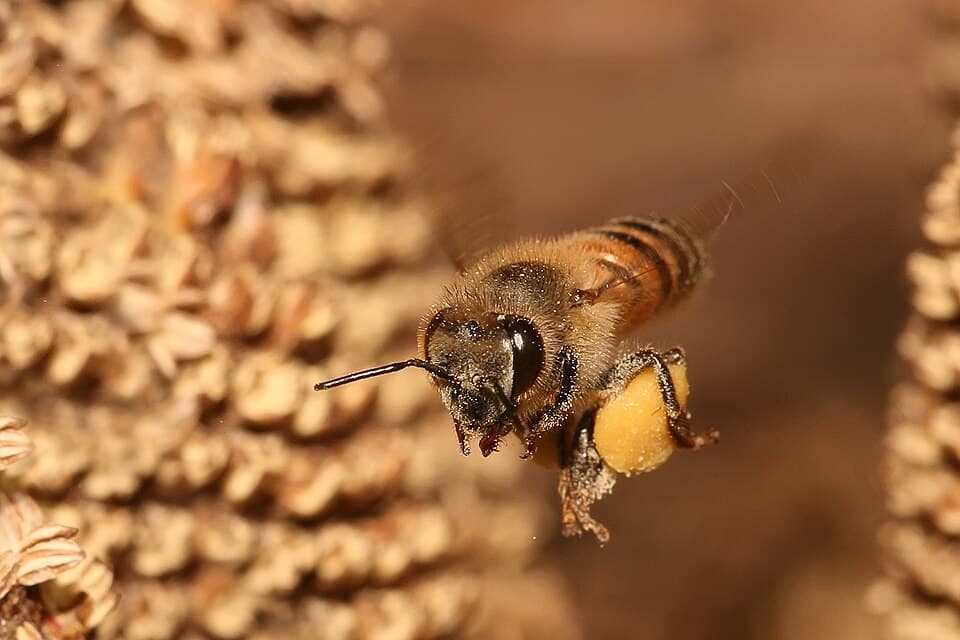
Photo: Luc Viatour · CC BY-SA 3.0 · via Wikimedia Commons
Overview
The honeybee is a highly social insect essential to global agriculture, pollinating a huge share of the crops humans depend on while producing honey and wax.
Appearance
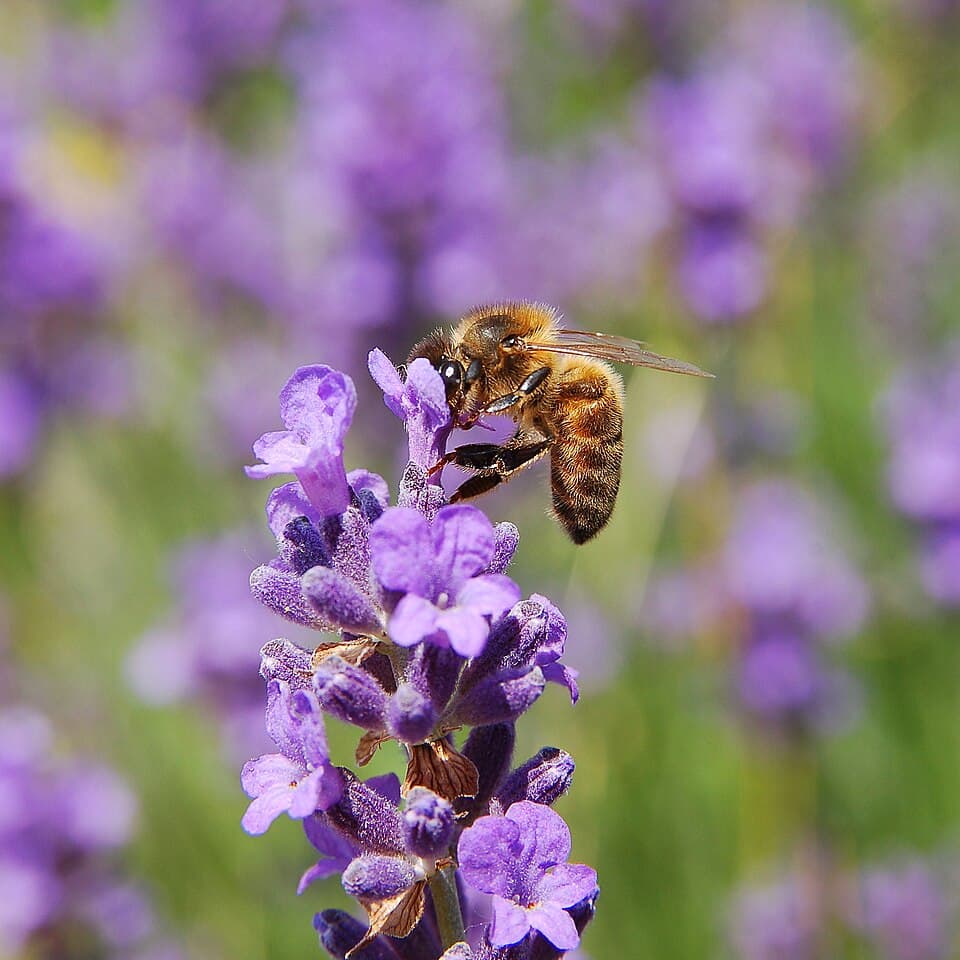
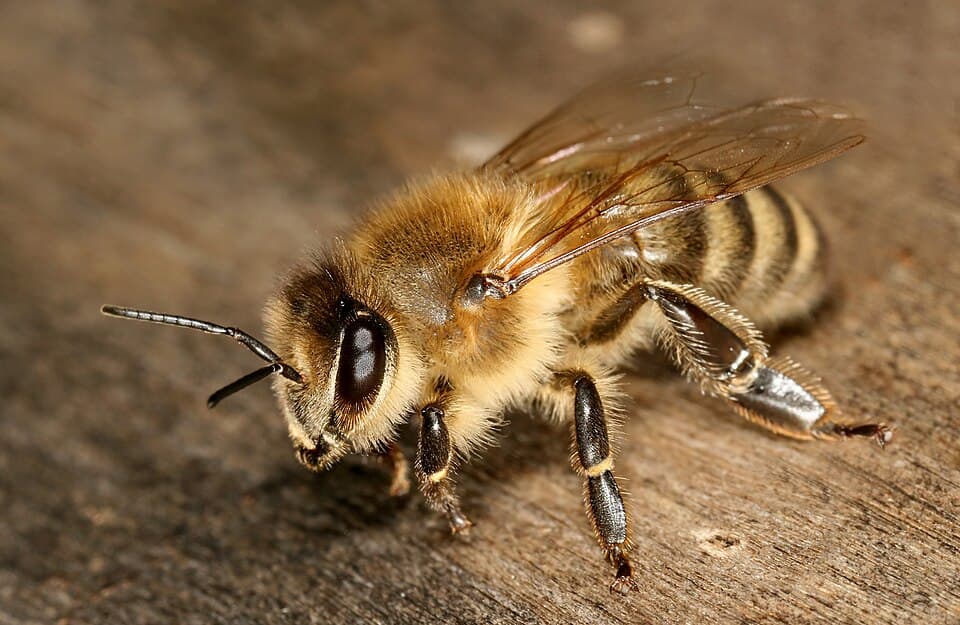
It has a fuzzy golden-brown and black striped body, translucent wings, and specialized leg structures for collecting pollen.
Habitat & Distribution
The honeybee is found in grassland, forest habitats.
Diet & Behavior
Diet: Herbivore — Plant-eating animals that graze or browse on grasses, leaves, and other vegetation, from tiny insects to giant elephants.
Honeybees live in large colonies organized around a single queen, communicate the location of food sources through a precise 'waggle dance', and cooperatively regulate hive temperature.
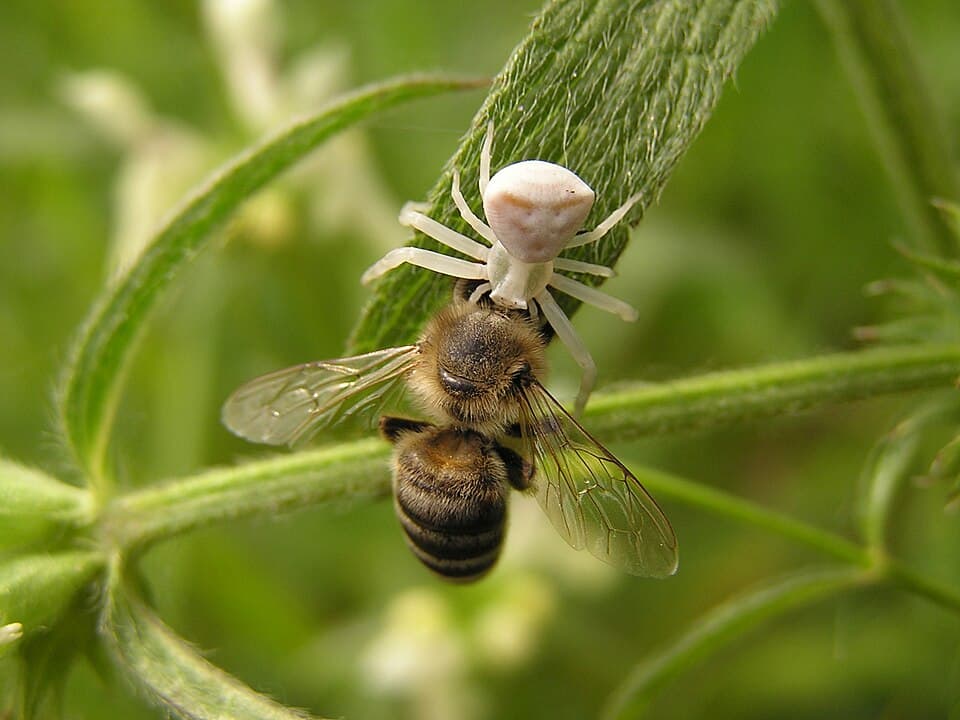
Predators
- Birds
- Bears
- Wasps
Prey
This species does not prey on other animals.
Interesting Facts
- 1
A honeybee colony can contain up to 60,000 individuals.
- 2
Bees communicate food locations to each other through a waggle dance.
- 3
To make one jar of honey, bees may visit around two million flowers.
Gallery
Honeybee FAQs
What does a honeybee eat?
The honeybee is a herbivore. Plant-eating animals that graze or browse on grasses, leaves, and other vegetation, from tiny insects to giant elephants.
Where does the honeybee live?
The honeybee is found in grassland, forest habitats across africa, europe, and asia.
Is the honeybee endangered?
The honeybee has a conservation status of Least Concern. Widespread and abundant species that are not currently at significant risk of extinction.
How long do honeybees live?
A honeybee's typical lifespan is 0.08–0.4 years in the wild.
How much does a honeybee weigh?
An adult honeybee typically weighs 0.0001 kg.