Dinosaurs
Prehistoric reptiles that dominated life on land for over 160 million years before going extinct roughly 66 million years ago.
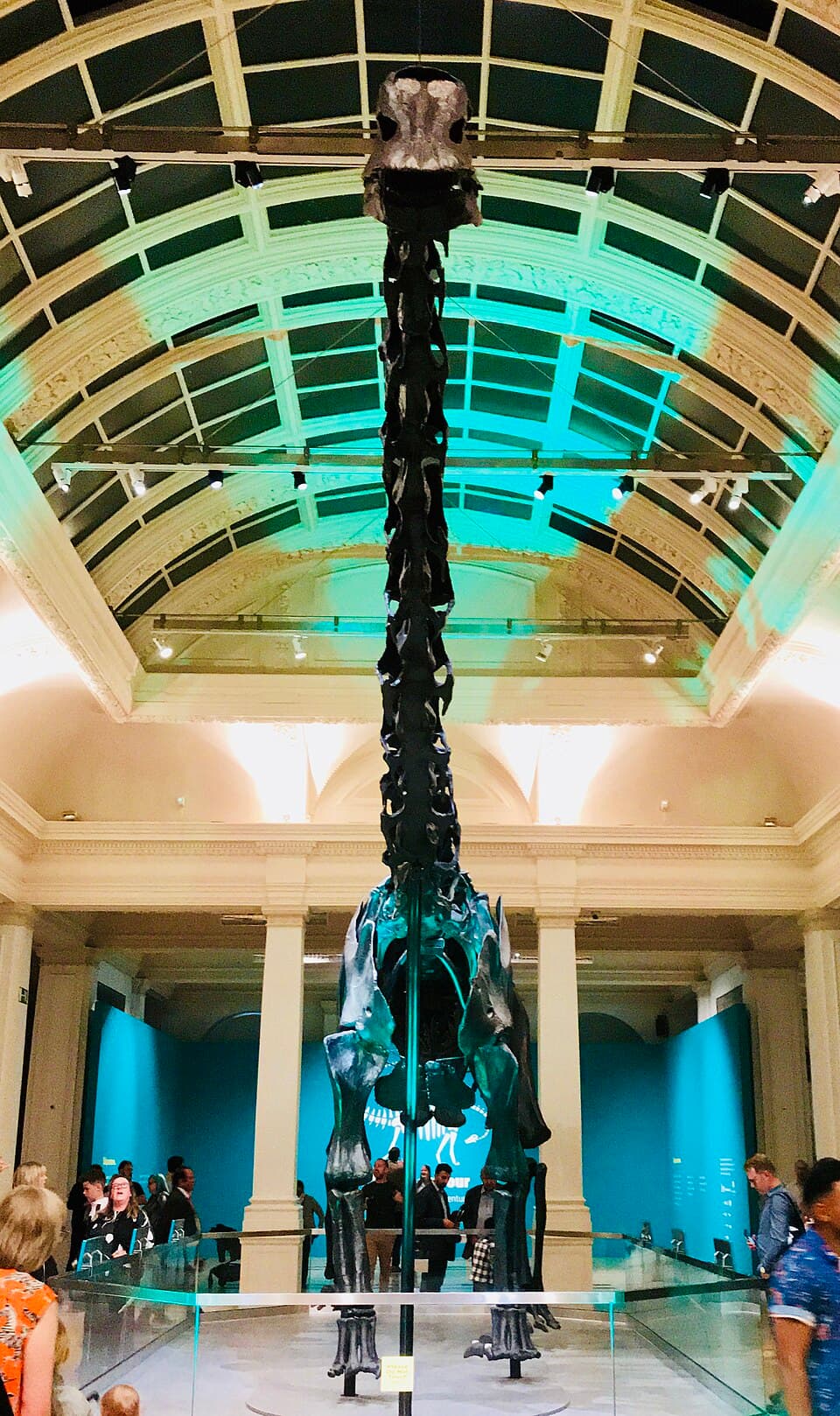
Diplodocus
Diplodocus carnegii
DinosaurDiplodocus was one of the longest dinosaurs to ever walk the Earth, an enormous long-necked, long-tailed herbivore that roamed what is now western North America during the Late Jurassic period. Despite its massive length, it was relatively lightly built for its size, with a skeleton adapted to minimize weight while still supporting its huge frame.
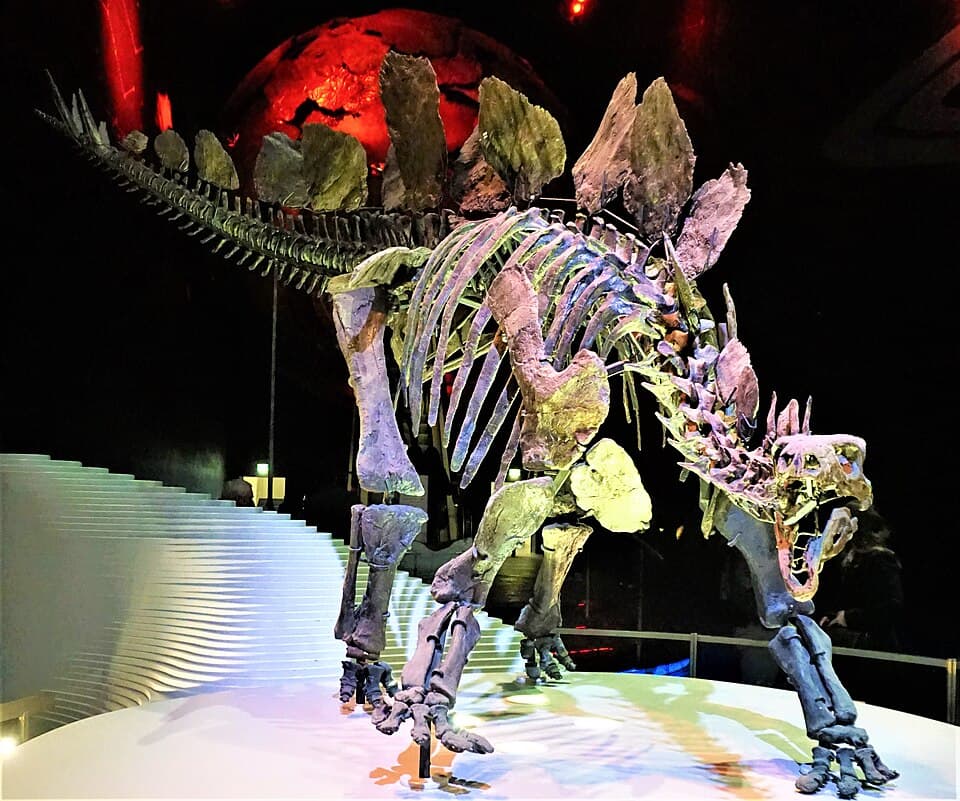
Stegosaurus
Stegosaurus stenops
DinosaurStegosaurus is one of the most recognizable dinosaurs ever discovered, instantly identifiable by the row of large, upright bony plates running along its back and the sharp spikes at the end of its tail. Despite its considerable size, it had a remarkably small, low-slung head with a brain roughly the size of a walnut relative to its huge body.
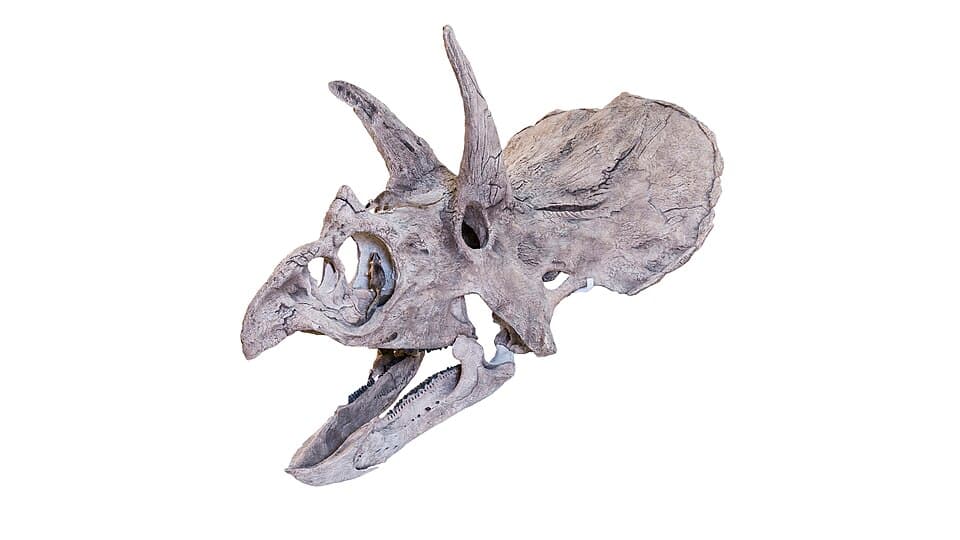
Triceratops
Triceratops horridus
DinosaurTriceratops was one of the last non-avian dinosaurs to exist before the mass extinction event 66 million years ago, instantly recognizable by the massive bony frill extending from the back of its skull and the three prominent horns on its face. It lived across what is now western North America, sharing its environment with predators like Tyrannosaurus rex.
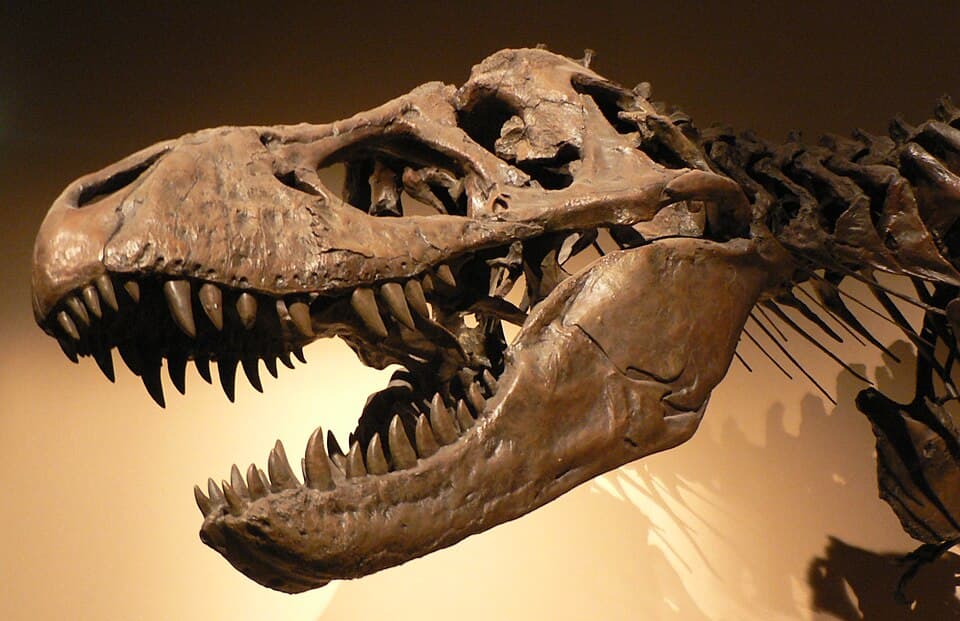
Tyrannosaurus Rex
Tyrannosaurus rex
DinosaurTyrannosaurus rex was one of the largest land predators to ever exist, dominating the ecosystems of western North America at the very end of the Cretaceous period roughly 66-68 million years ago.
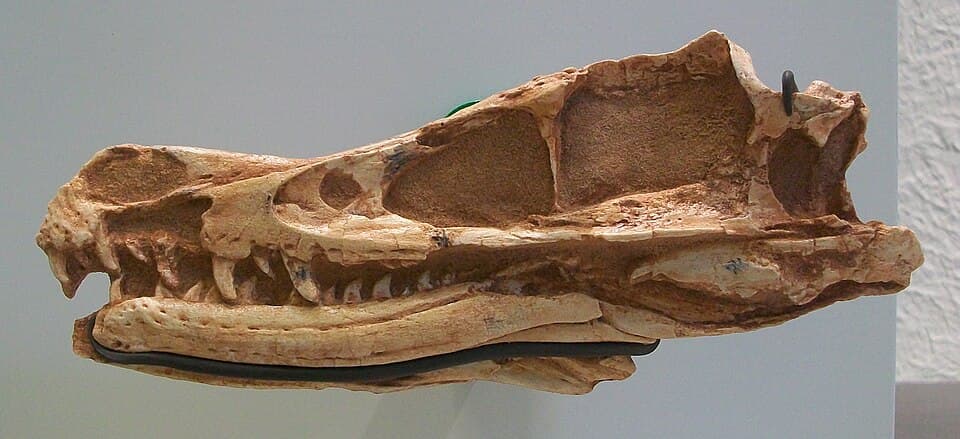
Velociraptor
Velociraptor mongoliensis
DinosaurVelociraptor was a small, fast, feathered predatory dinosaur that lived in the arid deserts of what is now Mongolia during the Late Cretaceous period, around 75 to 71 million years ago — far smaller than its famous Hollywood depiction. It belongs to the Dromaeosauridae, a family of small-to-medium theropod dinosaurs closely related to modern birds, and most of what scientists know about it comes from fossils recovered in Mongolia's Gobi Desert, including one of the most famous dinosaur fossils ever found: the 'Fighting Dinosaurs,' discovered in 1971, which captures a Velociraptor locked in combat with a Protoceratops at the moment both animals died.
Dinosaurs FAQs
How many dinosaurs are listed here?
This page currently features 5 species, and more are added regularly as the dataset grows.
What is the most popular animal in this list?
Tyrannosaurus Rex is currently the most popular animal in Dinosaurs.
Are any of these animals endangered?
None of the species currently listed are classified as threatened, though conservation status can change over time.
Explore Other Categories
Mammals
Warm-blooded vertebrates with fur or hair that nurse their young with milk, ranging from tiny shrews to the blue whale.
Birds
Feathered, egg-laying vertebrates found on every continent, from flightless penguins to long-distance migratory raptors.
Fish
Gilled, water-dwelling vertebrates spanning freshwater rivers to the deep ocean, from tiny minnows to whale sharks.
Reptiles
Cold-blooded, scaled vertebrates including snakes, lizards, turtles, and crocodilians found on every continent but Antarctica.
Amphibians
Cold-blooded vertebrates that typically begin life in water and move to land, including frogs, toads, and salamanders.
Insects
The most diverse animal group on Earth, six-legged invertebrates found in nearly every habitat on the planet.
Marine Animals
Animals adapted to life in the ocean, spanning mammals, fish, and invertebrates that call the sea home.