Reptiles
Reptiles are ectothermic vertebrates — commonly called "cold-blooded," though the more accurate description is that they rely on external heat sources rather than generating their own body warmth — covered in protective scales made of keratin, the same protein found in hair and fingernails. Living reptiles are grouped into four major orders: Squamata, by far the largest, containing all snakes and lizards; Testudines, the turtles and tortoises; Crocodilia, the crocodiles and alligators; and Rhynchocephalia, represented today by a single surviving species, the tuatara of New Zealand. Reptiles as a group have an ancient lineage stretching back more than 300 million years, predating the dinosaurs and surviving multiple mass extinction events that wiped out the vast majority of other life on Earth at the time.
Why "Cold-Blooded" Is a Bit of a Misnomer
Reptiles don't generate their own body heat the way mammals and birds do — instead, they regulate their temperature by moving between warm and cool areas, basking in direct sunlight to raise their body temperature or retreating to shade or burrows to cool down. This comes with a real tradeoff: a reptile's activity level is closely tied to the surrounding temperature, making them sluggish in cold conditions, but it also means they need far less food than a warm-blooded animal of similar size, since they aren't constantly burning energy just to maintain a stable internal temperature. In regions with cold winters, many reptiles enter a dormant state called brumation, similar to hibernation but with periodic waking to drink water, slowing their metabolism dramatically until temperatures rise again.
Eggs, Live Birth, and Temperature-Determined Sex
Most reptiles reproduce by laying eggs with leathery or hard shells, but a significant number of species, including many snakes and some lizards, instead retain their eggs internally and give birth to live young. One of the more striking reproductive traits found across many turtles and crocodilians is temperature-dependent sex determination: rather than sex being fixed by chromosomes at fertilization, the temperature at which eggs incubate determines whether the offspring hatch male or female. This has made some reptile populations especially vulnerable to a warming climate, since a shift in average nest temperature can skew an entire generation's sex ratio.
Shedding Skin: A Sign of Growth, Not Sickness
Because a reptile's scaly outer skin doesn't stretch to accommodate growth the way mammalian skin does, reptiles periodically shed their outer skin layer in a process called ecdysis. Snakes typically shed their entire skin in one continuous piece, often turned inside out, while most lizards shed in smaller patches over several days. Shedding frequency generally slows as a reptile matures, since younger, faster-growing animals need to shed far more often than adults that have largely stopped increasing in size.
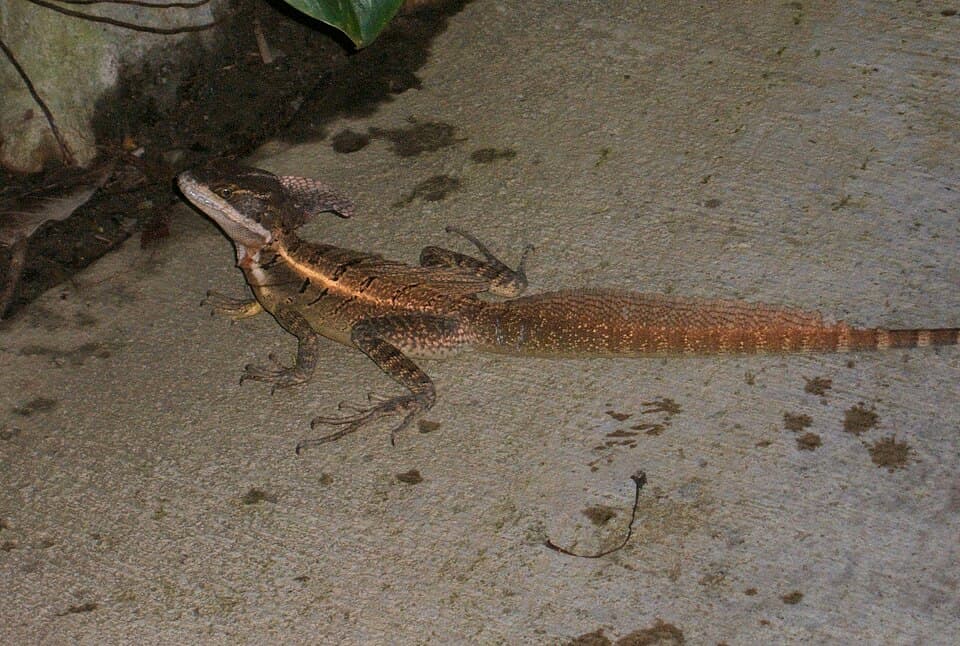
Basilisk Lizard
Basiliscus basiliscus
ReptileThe basilisk lizard, nicknamed the 'Jesus Christ lizard,' is famous for its remarkable ability to run upright across the surface of water for short distances without sinking. Native to the rainforests of Central and northern South America, it relies on this unusual skill primarily to escape predators.
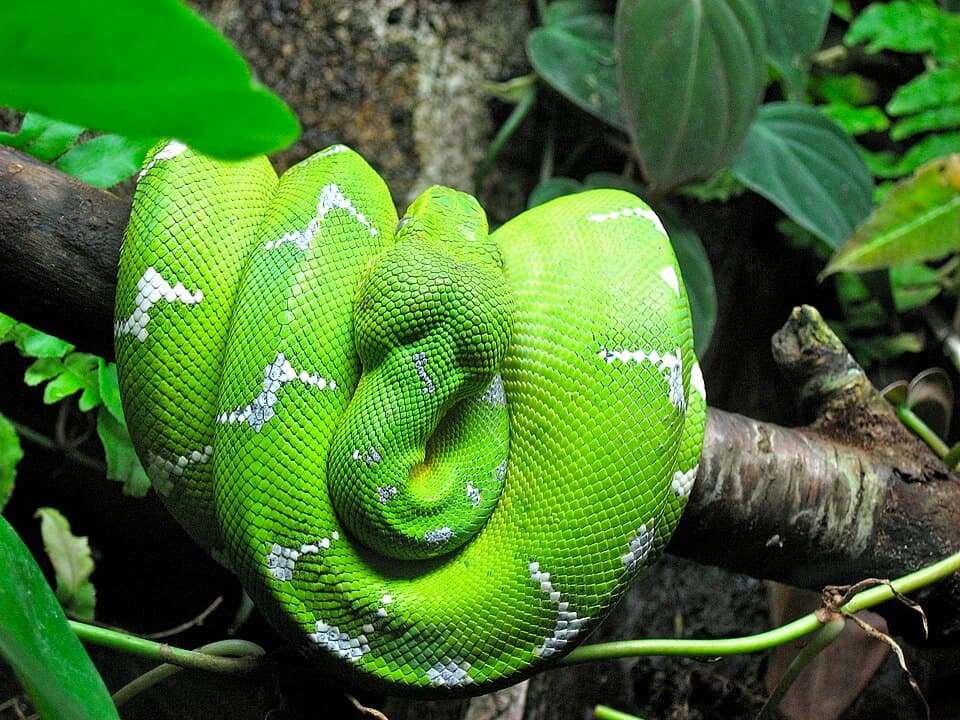
Emerald Tree Boa
Corallus caninus
ReptileThe emerald tree boa is a non-venomous constrictor found in the rainforest canopy of the Amazon and Orinoco basins, spending nearly its entire life coiled in trees and rarely descending to the ground. It's a striking example of convergent evolution: the unrelated green tree python of New Guinea and Australia — a completely different snake family from a different part of the world — has evolved an almost identical bright green color, white markings, and coiling posture to fill a very similar ecological niche.
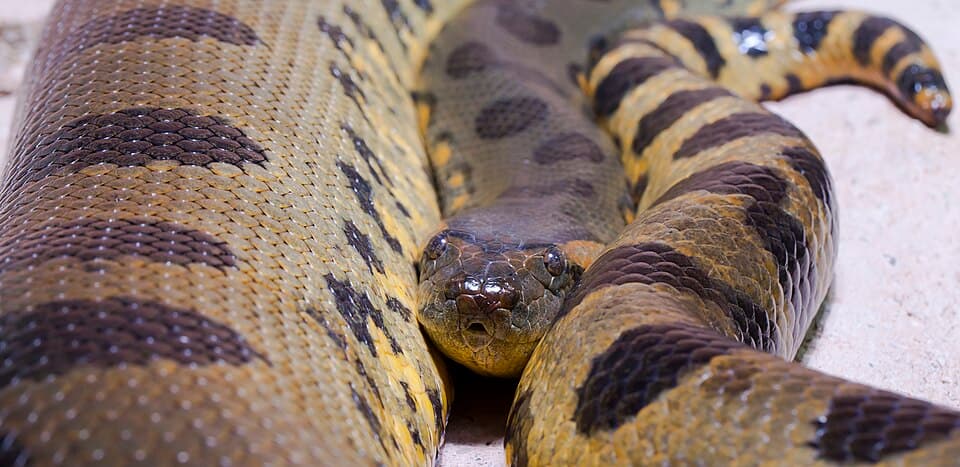
Green Anaconda
Eunectes murinus
ReptileThe green anaconda is the heaviest snake species in the world, a massive non-venomous constrictor found in the swamps, rivers, and flooded grasslands of South America. Unlike many large snakes, it spends much of its time submerged in water, where its bulk is supported and it can ambush prey coming to drink.
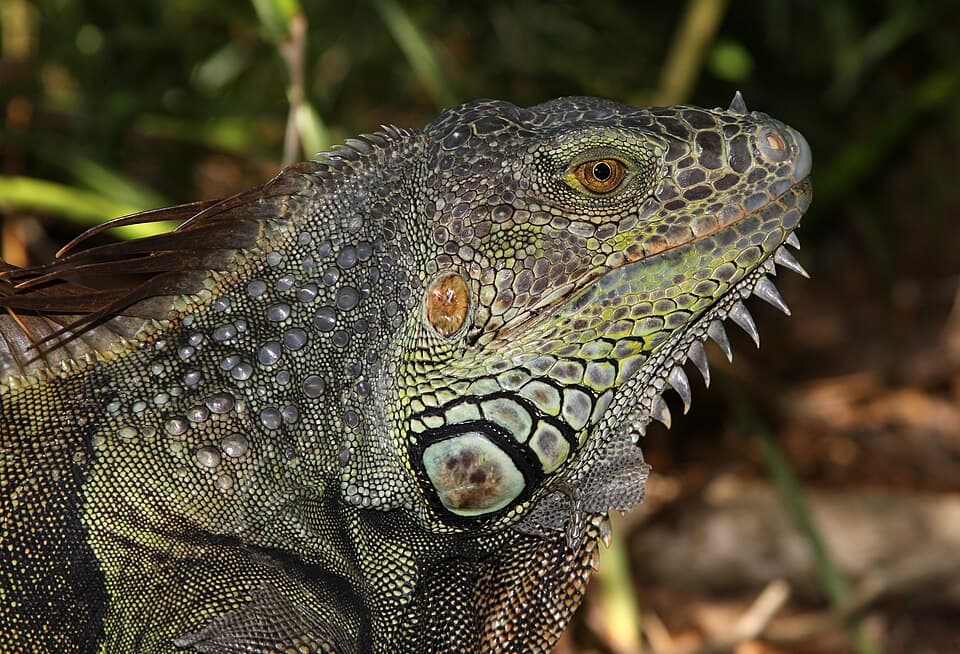
Green Iguana
Iguana iguana
ReptileThe green iguana is a large arboreal lizard native to Central and South America, often found basking on branches overhanging rivers and streams.
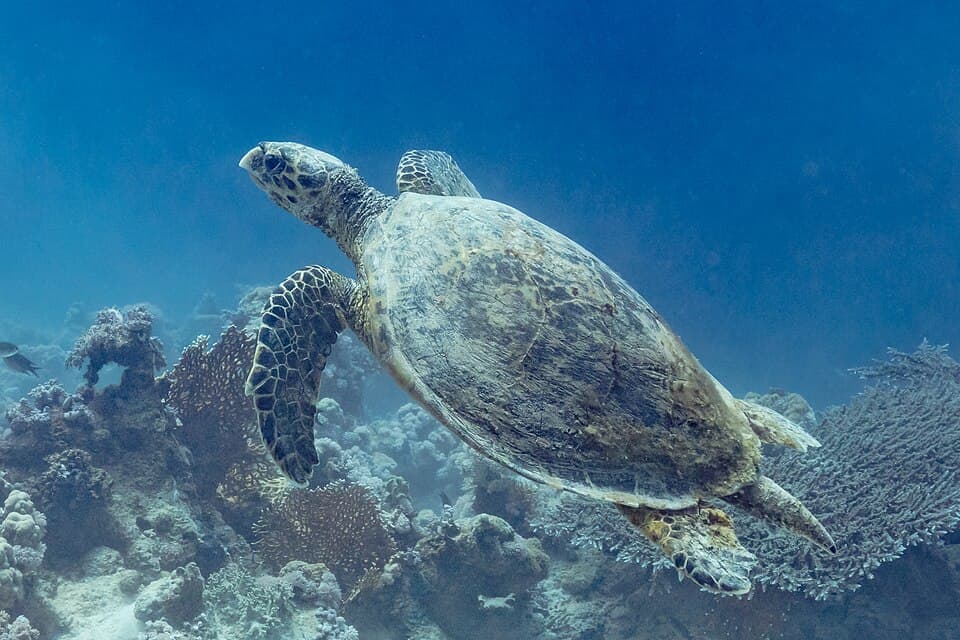
Hawksbill Sea Turtle
Eretmochelys imbricata
ReptileThe hawksbill sea turtle is a critically endangered marine reptile named for its narrow, pointed beak, which resembles a bird of prey's hooked bill. It plays a vital ecological role on coral reefs by feeding primarily on sponges, helping maintain the balance of reef ecosystems by preventing sponges from overgrowing and smothering coral.
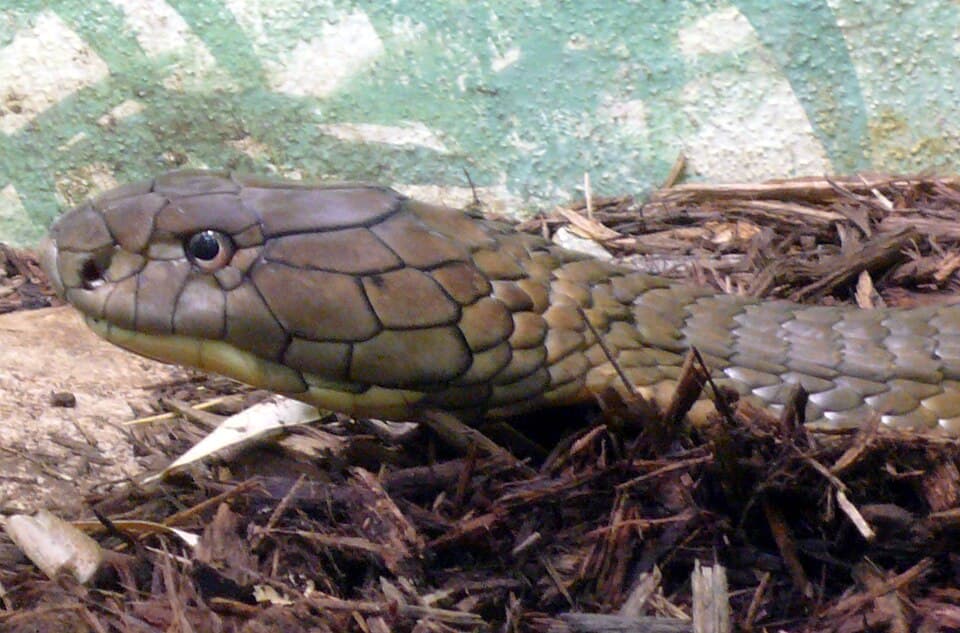
King Cobra
Ophiophagus hannah
ReptileThe king cobra is the world's longest venomous snake, found across the forests, bamboo thickets, and mangrove swamps of South and Southeast Asia, from India and southern China to the Philippines and Indonesia. It is unusual among snakes for building and guarding a nest for its eggs, and despite its size and reputation, it is a shy, diurnal hunter that generally avoids humans rather than confronting them.
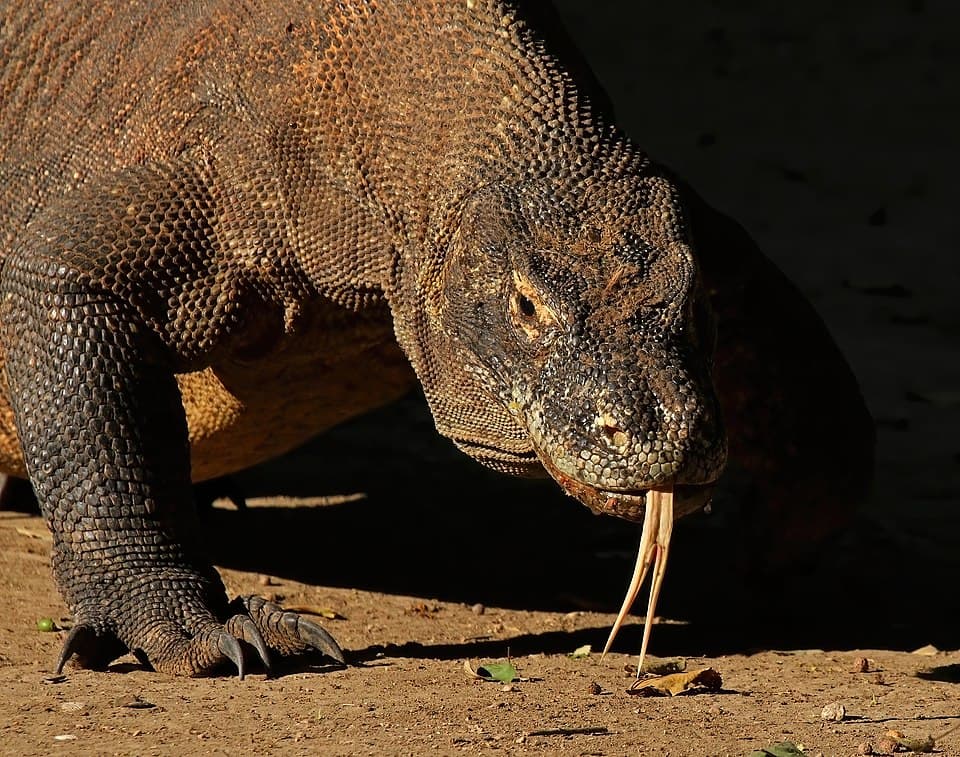
Komodo Dragon
Varanus komodoensis
ReptileThe Komodo dragon is the largest living lizard species in the world, found only on a handful of Indonesian islands including Komodo, Rinca, and Flores. A powerful apex predator, it can take down prey as large as water buffalo using a combination of a powerful bite, sharp serrated teeth, and a toxic bite that impairs its victim.
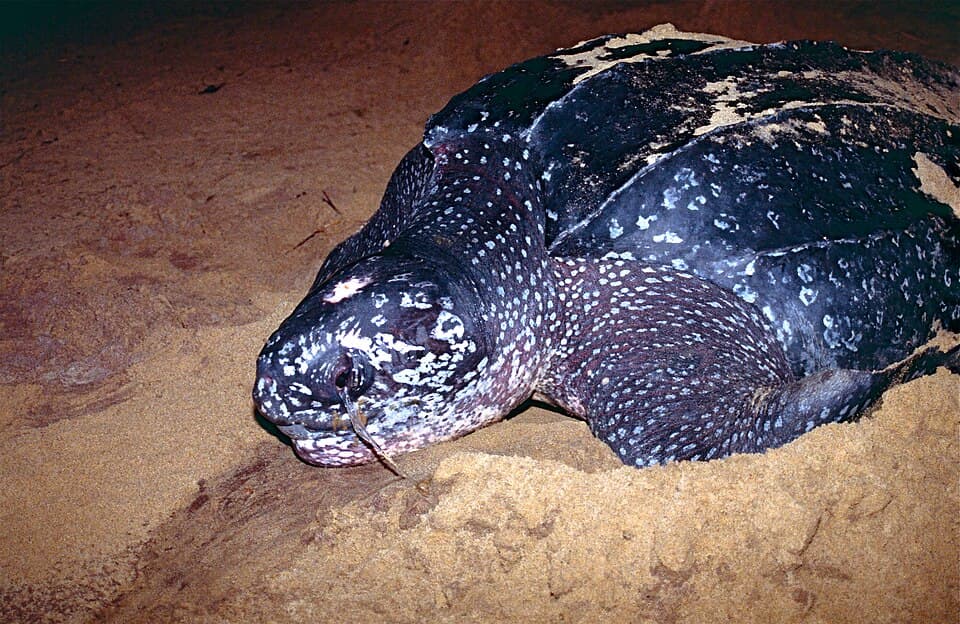
Leatherback Sea Turtle
Dermochelys coriacea
ReptileThe leatherback is the largest sea turtle species in the world and the only one without a hard bony shell, ranging farther into cold water than any other reptile.
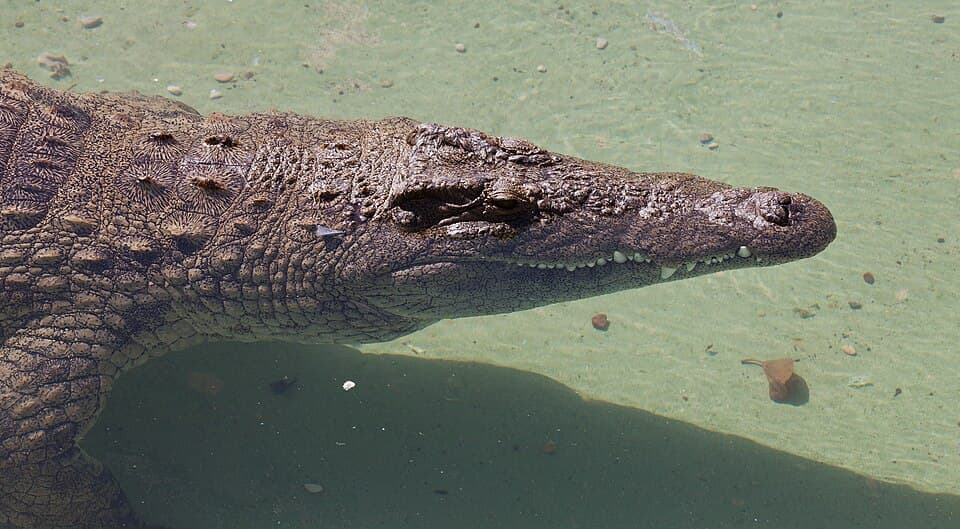
Nile Crocodile
Crocodylus niloticus
ReptileThe Nile crocodile is Africa's largest crocodilian and one of the continent's most feared apex predators, ambushing prey at the water's edge across rivers, lakes, and wetlands.
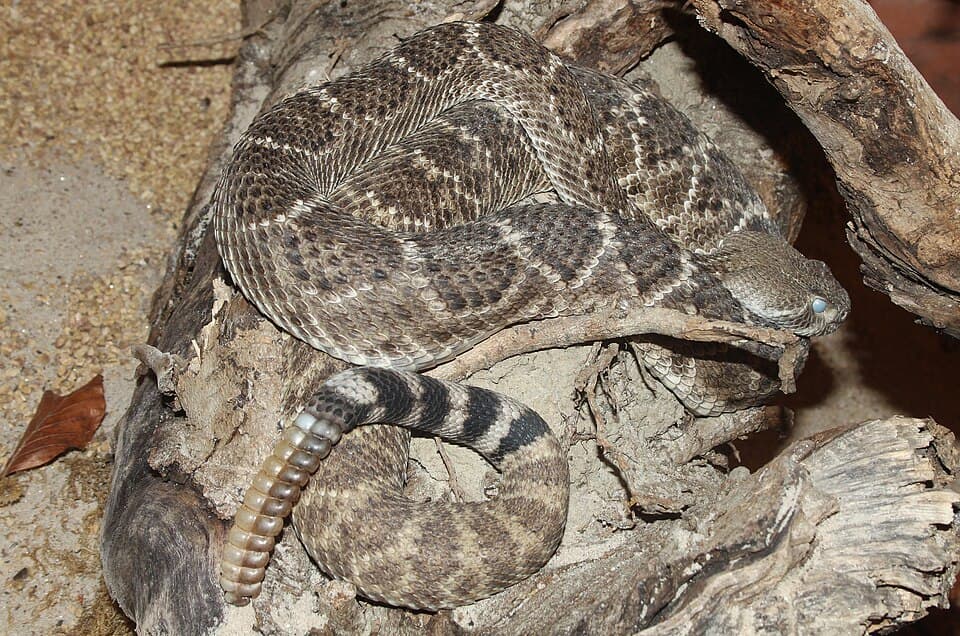
Western Diamondback Rattlesnake
Crotalus atrox
ReptileThe western diamondback rattlesnake is one of the most dangerous and widely-distributed venomous snakes in North America, easily identified by the diamond pattern along its back.
Reptiles FAQs
How many reptiles are listed here?
This page currently features 10 species, and more are added regularly as the dataset grows.
What is the most popular animal in this list?
Green Anaconda is currently the most popular animal in Reptiles.
Are any of these animals endangered?
Yes — 4 of the 10 species listed are classified as vulnerable, endangered, or critically endangered.
Explore Other Categories
Mammals
Warm-blooded vertebrates with fur or hair that nurse their young with milk, ranging from tiny shrews to the blue whale.
Birds
Feathered, egg-laying vertebrates found on every continent, from flightless penguins to long-distance migratory raptors.
Fish
Gilled, water-dwelling vertebrates spanning freshwater rivers to the deep ocean, from tiny minnows to whale sharks.
Amphibians
Cold-blooded vertebrates that typically begin life in water and move to land, including frogs, toads, and salamanders.
Insects
The most diverse animal group on Earth, six-legged invertebrates found in nearly every habitat on the planet.
Marine Animals
Animals adapted to life in the ocean, spanning mammals, fish, and invertebrates that call the sea home.
Dinosaurs
Prehistoric reptiles that dominated life on land for over 160 million years before going extinct roughly 66 million years ago.