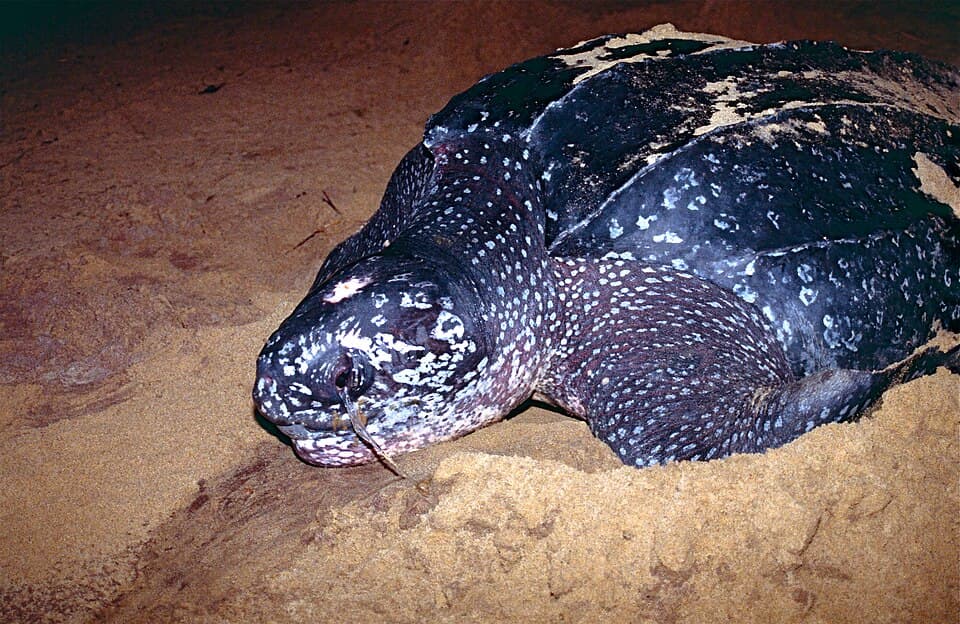
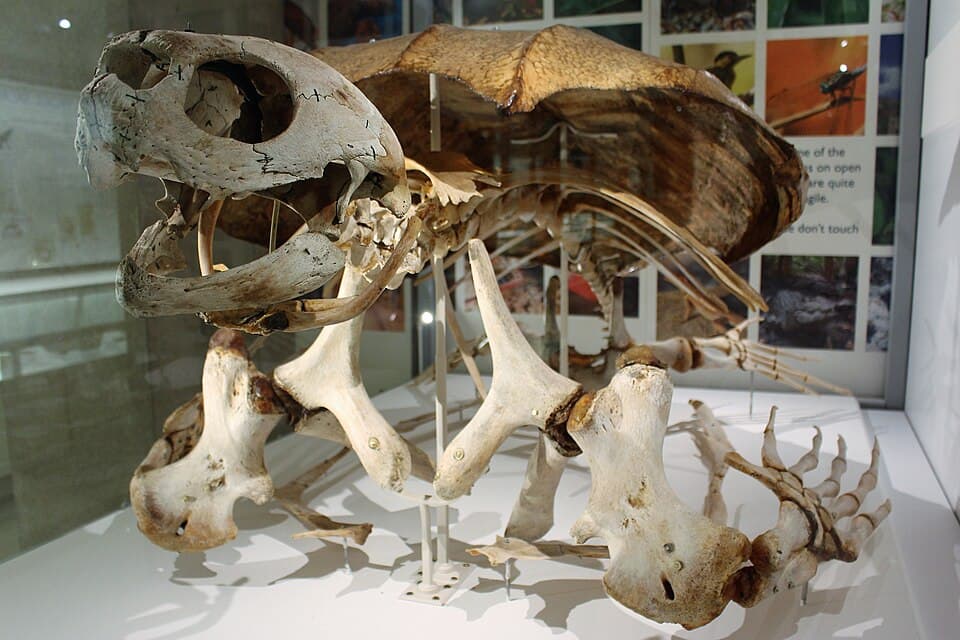
Photo: Bernard DUPONT from FRANCE · CC BY-SA 2.0 · via Wikimedia Commons
Overview
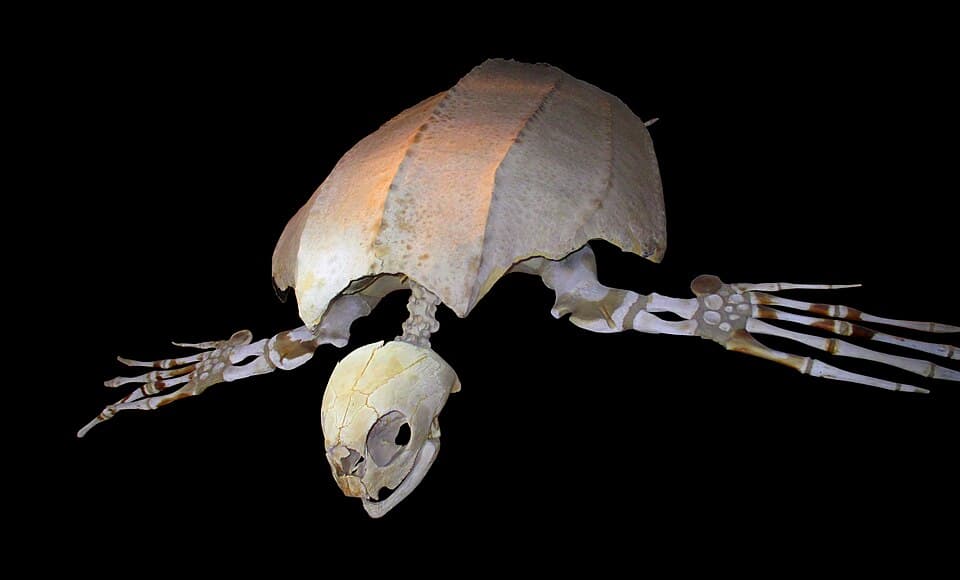
The leatherback is the largest sea turtle species in the world and the only one without a hard bony shell, ranging farther into cold water than any other reptile.
Appearance
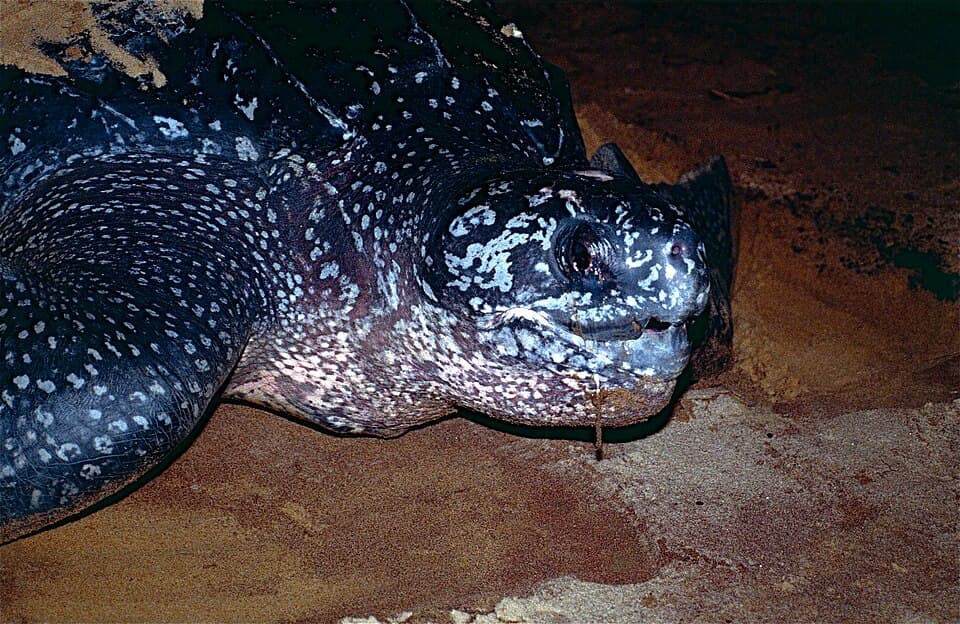
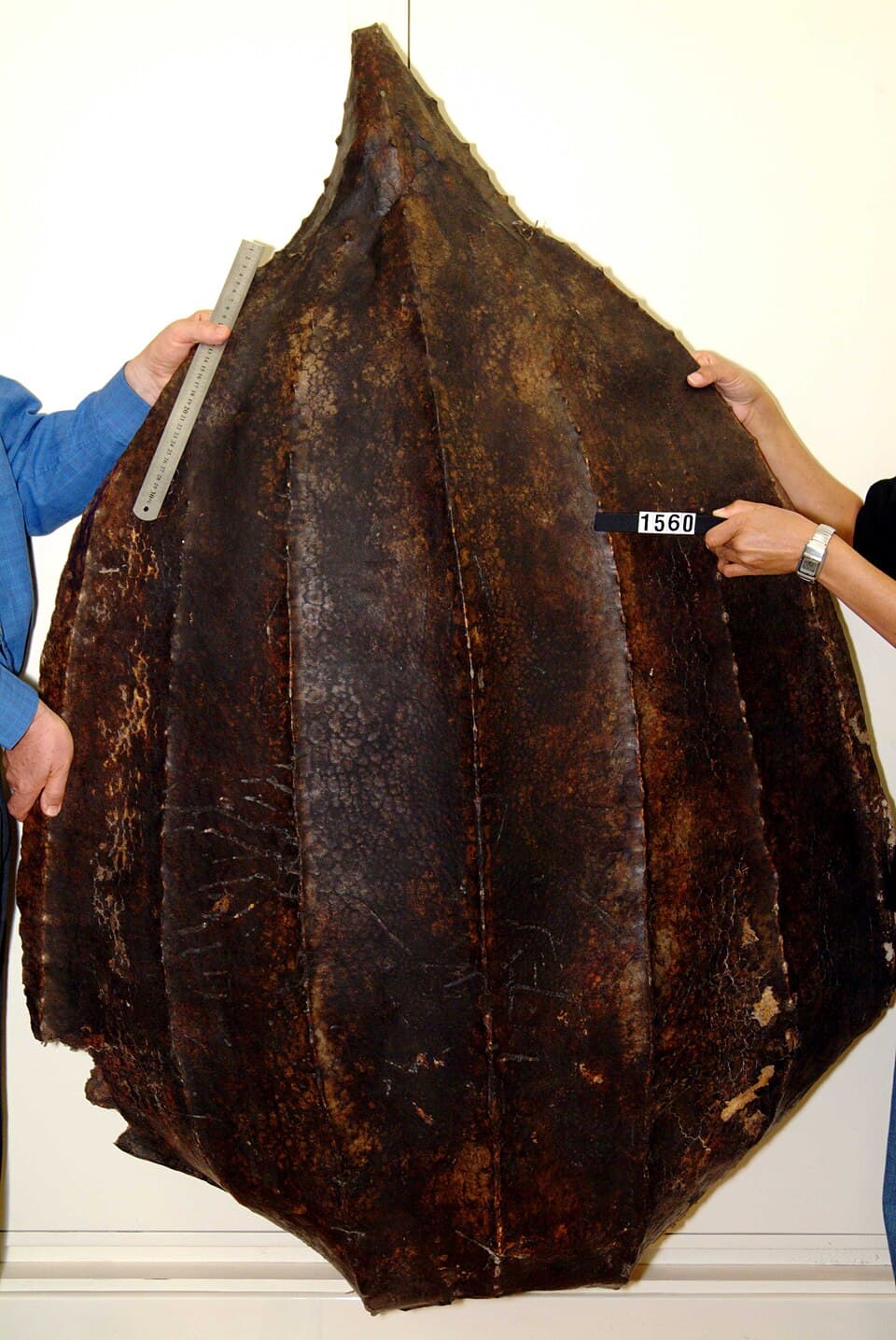
Instead of a hard shell, it has a rubbery, leather-like carapace ridged with seven raised lines running its length.
Habitat & Distribution
The leatherback sea turtle is found in ocean habitats.
Diet & Behavior
Diet: Carnivore — Meat-eating animals that hunt, scavenge, or fish for prey, ranging from big cats to snakes and birds of prey.
Leatherbacks migrate thousands of kilometers between feeding and nesting grounds and can dive deeper than 1,000 meters chasing jellyfish, their primary food source.
Predators
- Sharks (hatchlings and juveniles)
- Humans (historically, eggs)
Prey
- Jellyfish
Interesting Facts
- 1
It can dive deeper than 1,000 meters, deeper than most whales.
- 2
Its body can maintain a warmer temperature than the surrounding cold ocean water.
- 3
A leatherback's diet is almost entirely jellyfish.
Gallery
Leatherback Sea Turtle FAQs
What does a leatherback sea turtle eat?
The leatherback sea turtle is a carnivore. Its diet includes jellyfish.
Where does the leatherback sea turtle live?
The leatherback sea turtle is found in ocean habitats across africa, asia, north america, and south america.
Is the leatherback sea turtle endangered?
The leatherback sea turtle has a conservation status of Vulnerable. Species facing a high risk of extinction in the wild due to habitat loss, hunting, or other pressures.
How long do leatherback sea turtles live?
A leatherback sea turtle's typical lifespan is 30–50 years in the wild.
How fast can a leatherback sea turtle run?
The leatherback sea turtle can reach speeds of up to 35 km/h.
How much does a leatherback sea turtle weigh?
An adult leatherback sea turtle typically weighs 250–700 kg.