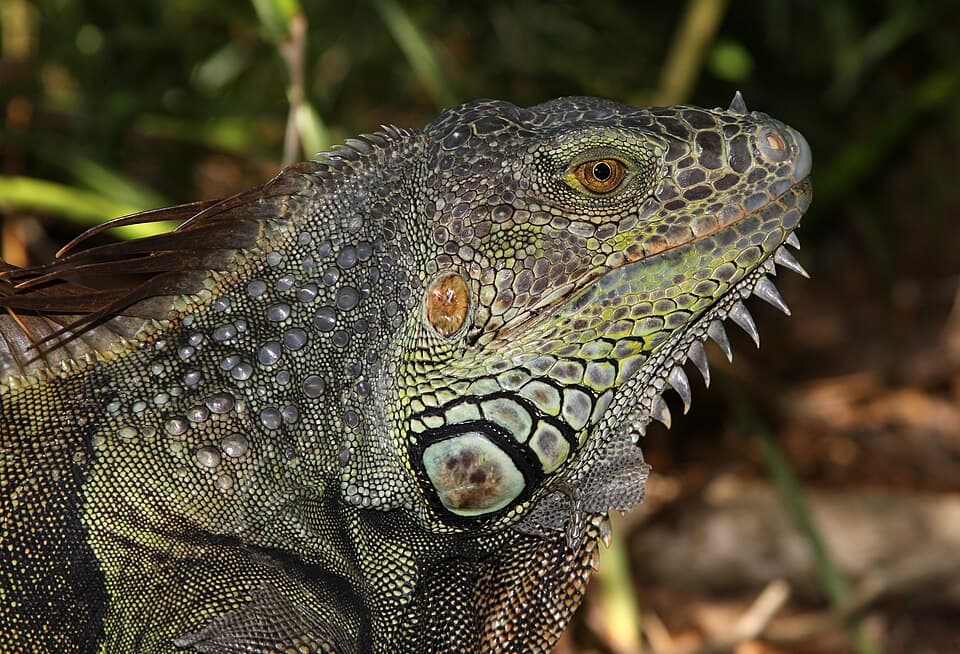
Photo: Ianaré Sévi · CC BY-SA 3.0 · via Wikimedia Commons
Overview
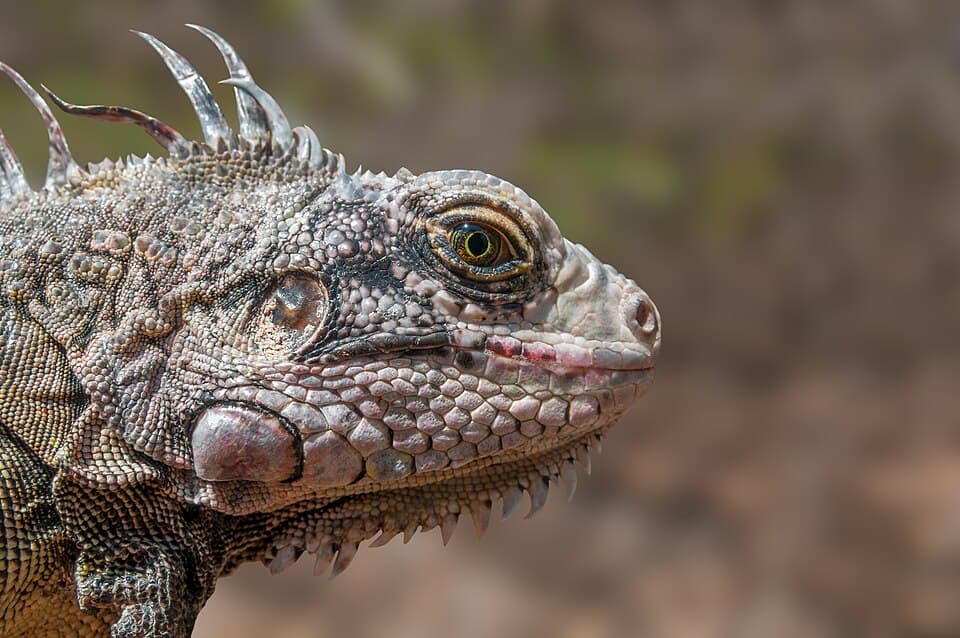
The green iguana is a large arboreal lizard native to Central and South America, often found basking on branches overhanging rivers and streams.
Appearance
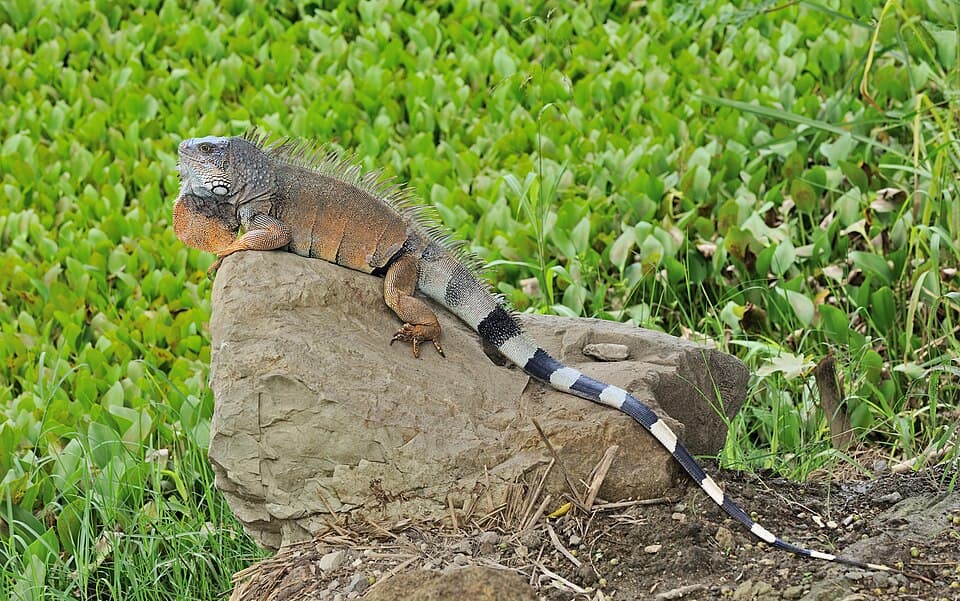
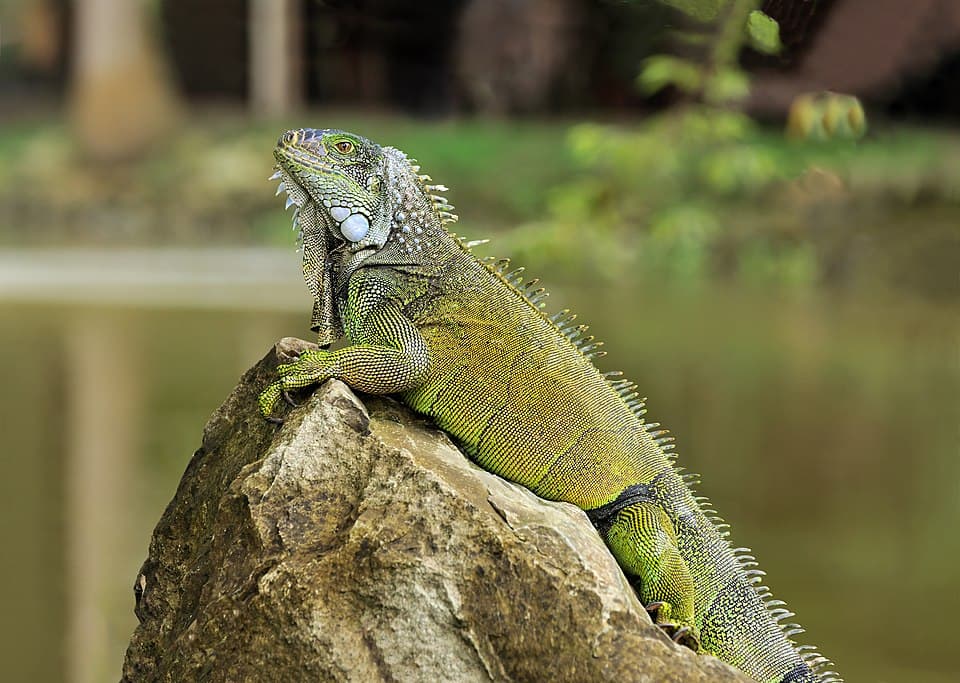
It has a long body covered in green to olive scales, a row of spines running down its back and tail, and a distinctive dewlap under its chin.
Habitat & Distribution
The green iguana is found in rainforest, wetlands habitats.
Diet & Behavior
Diet: Herbivore — Plant-eating animals that graze or browse on grasses, leaves, and other vegetation, from tiny insects to giant elephants.
Iguanas are strong swimmers and will drop from tree branches into water to escape predators, spending much of the day basking to regulate body temperature.
Predators
- Hawk
- Snake
- Large cats
Prey
This species does not prey on other animals.
Interesting Facts
- 1
A green iguana can hold its breath and stay submerged for up to 30 minutes.
- 2
Its tail can detach if grabbed by a predator and will regrow over time.
- 3
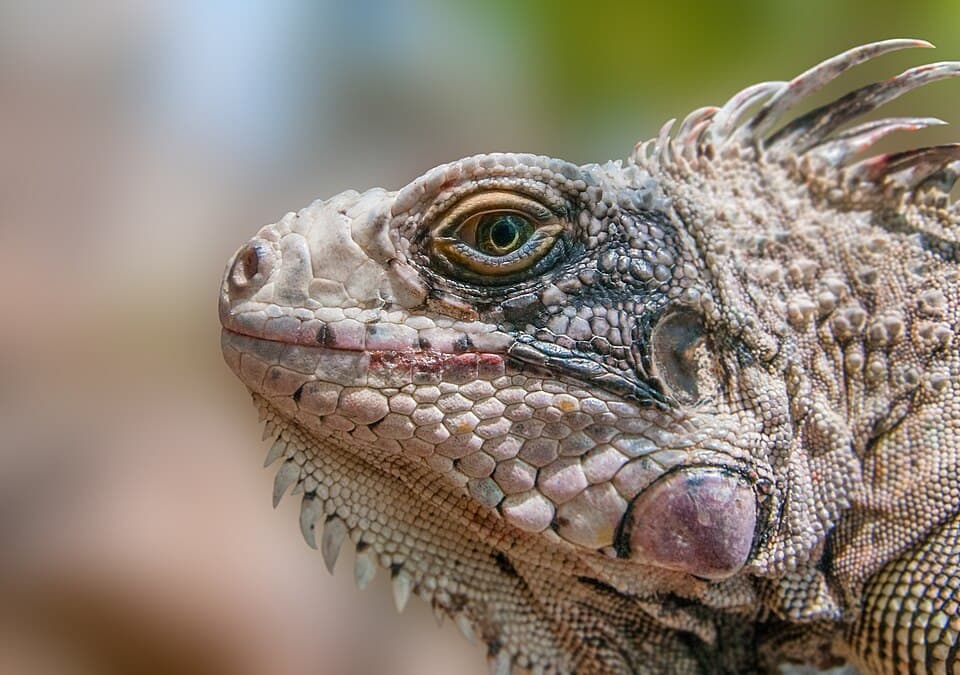
Despite the name, green iguanas can also be blue, orange, or lavender.
Gallery
Green Iguana FAQs
What does a green iguana eat?
The green iguana is a herbivore. Plant-eating animals that graze or browse on grasses, leaves, and other vegetation, from tiny insects to giant elephants.
Where does the green iguana live?
The green iguana is found in rainforest, wetlands habitats across south america and north america.
Is the green iguana endangered?
The green iguana has a conservation status of Least Concern. Widespread and abundant species that are not currently at significant risk of extinction.
How long do green iguanas live?
A green iguana's typical lifespan is 15–20 years in the wild.
How much does a green iguana weigh?
An adult green iguana typically weighs 4–8 kg.