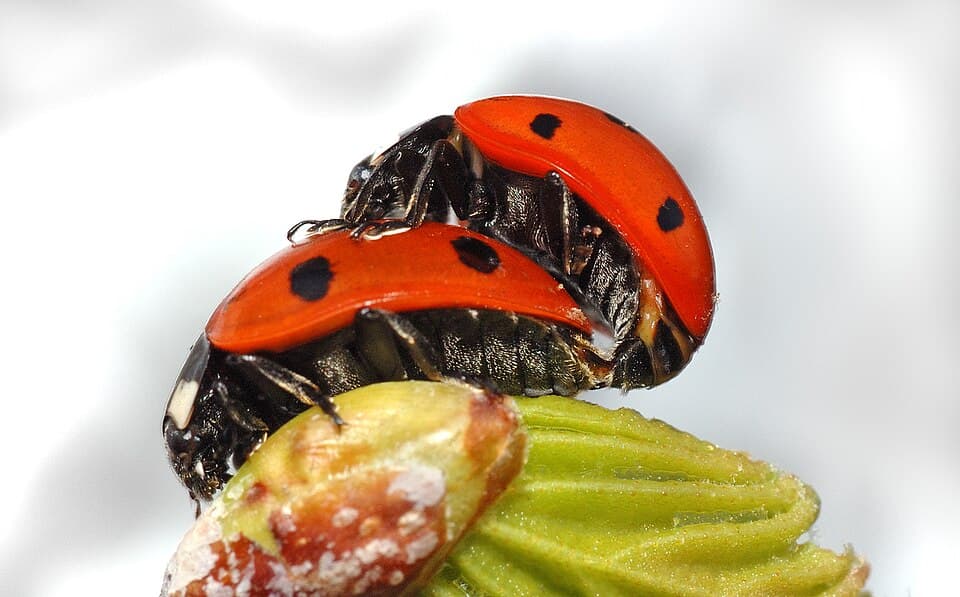
Photo: André Karwath aka Aka · CC BY-SA 2.5 · via Wikimedia Commons
Overview
The seven-spot ladybird is one of the most recognizable beetles in the world, named for the seven black spots that mark its glossy red wing covers. Both adults and larvae are voracious predators of aphids, making the species a natural form of pest control long valued by farmers and gardeners.
Appearance
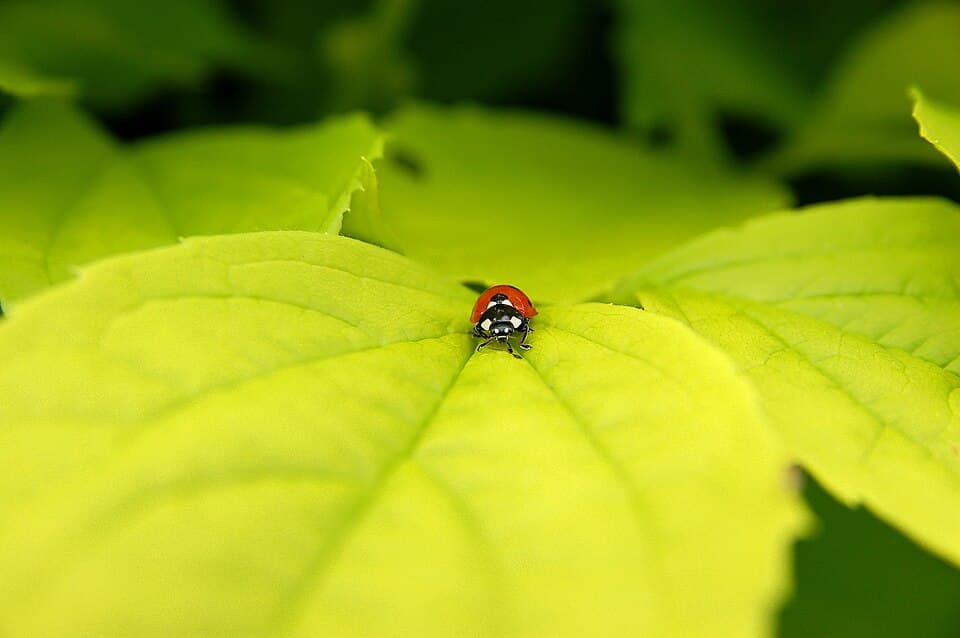
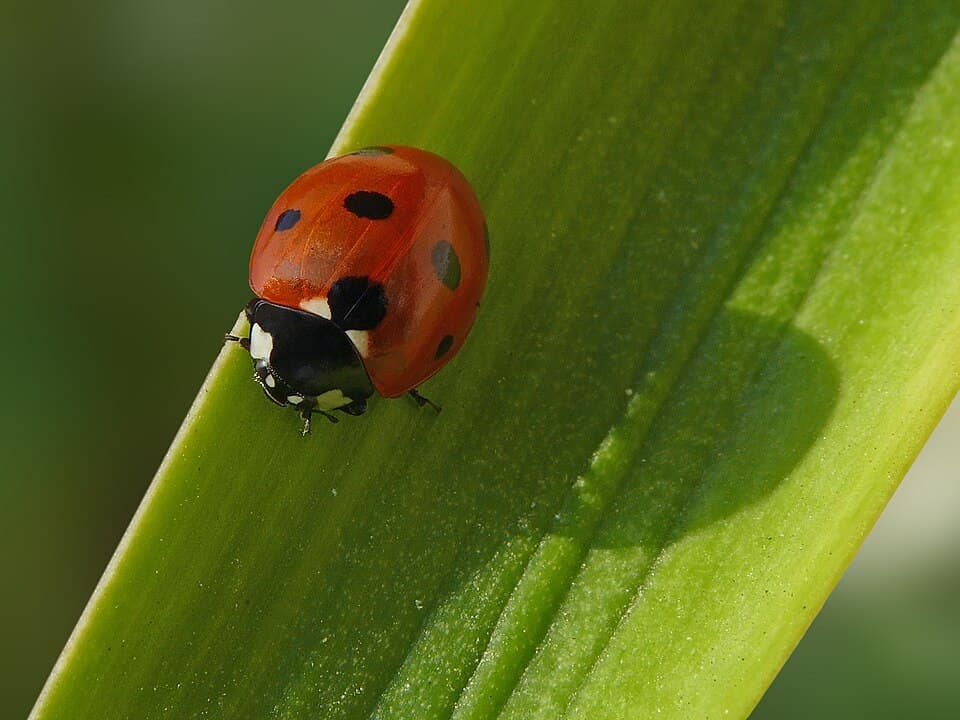
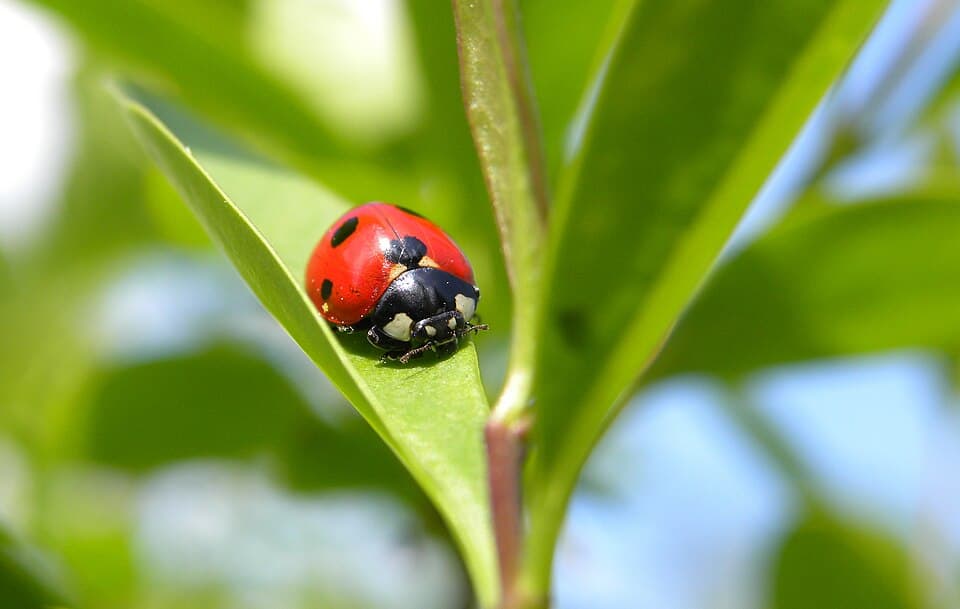
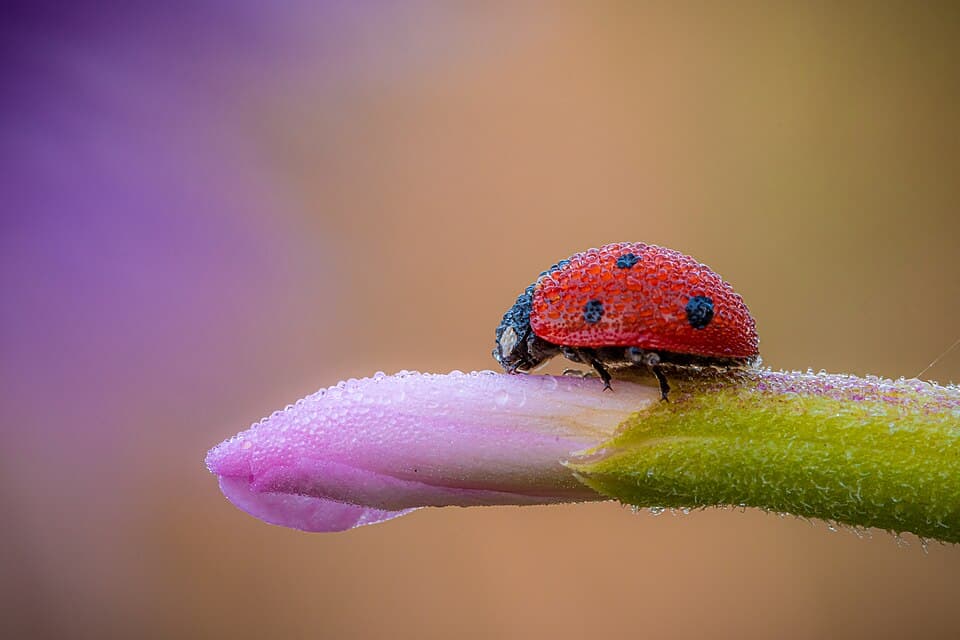
It has a rounded, dome-shaped body with a bright red or orange back marked by seven black spots -- three on each wing cover and one shared spot at the center where they meet. Its head and thorax are black with small white or pale markings near the eyes.
Habitat & Distribution
The seven-spot ladybird is found in grassland, forest habitats.
Diet & Behavior
Diet: Carnivore — Meat-eating animals that hunt, scavenge, or fish for prey, ranging from big cats to snakes and birds of prey.
A single seven-spot ladybird can eat several thousand aphids over its lifetime, making it one of the most effective natural pest controllers among insects. In colder climates, adults gather in large groups to hibernate together through winter, sometimes in the same sheltered spot year after year.
Predators
- Birds
- Spiders
- Frogs
Prey
- Aphids
- Other small soft-bodied insects
Interesting Facts
- 1
A single seven-spot ladybird can eat several thousand aphids over the course of its life.
- 2
Its bright red-and-black coloring is a warning signal to predators, since it can secrete a foul-tasting yellow fluid from its leg joints when threatened.
- 3
In autumn, adults often gather in large groups to hibernate together, sometimes returning to the very same spot the following year.
- 4
Both the adult beetle and its larva are effective predators of aphids, not just the adult stage.
- 5
The number of spots is fixed by species, not age, unlike a common myth that a ladybird's spots indicate how old it is.
Gallery
Seven-Spot Ladybird FAQs
What do ladybirds eat?
Seven-spot ladybirds are predators that primarily eat aphids, along with other small, soft-bodied insects, making them valuable for natural pest control in gardens and farms.
Do a ladybird's spots indicate its age?
No -- this is a common myth. The number of spots on a seven-spot ladybird is fixed by its species and doesn't change or indicate age.
Why are ladybirds red with black spots?
The bold red-and-black pattern is a warning signal called aposematism, advertising to predators that the ladybird can release a foul-tasting defensive fluid if attacked.
Are ladybirds harmful to humans?
No, seven-spot ladybirds are completely harmless to humans. They can't bite or sting people and are considered beneficial due to their appetite for garden pests.
What does a seven-spot ladybird eat?
The seven-spot ladybird is a carnivore. Its diet includes aphids, other small soft-bodied insects.
Where does the seven-spot ladybird live?
The seven-spot ladybird is found in grassland, forest habitats across europe and asia.
Is the seven-spot ladybird endangered?
The seven-spot ladybird has a conservation status of Least Concern. Widespread and abundant species that are not currently at significant risk of extinction.
How long do seven-spot ladybirds live?
A seven-spot ladybird's typical lifespan is 0.5–1 years in the wild.
How much does a seven-spot ladybird weigh?
An adult seven-spot ladybird typically weighs 0.00002–0.00006 kg.