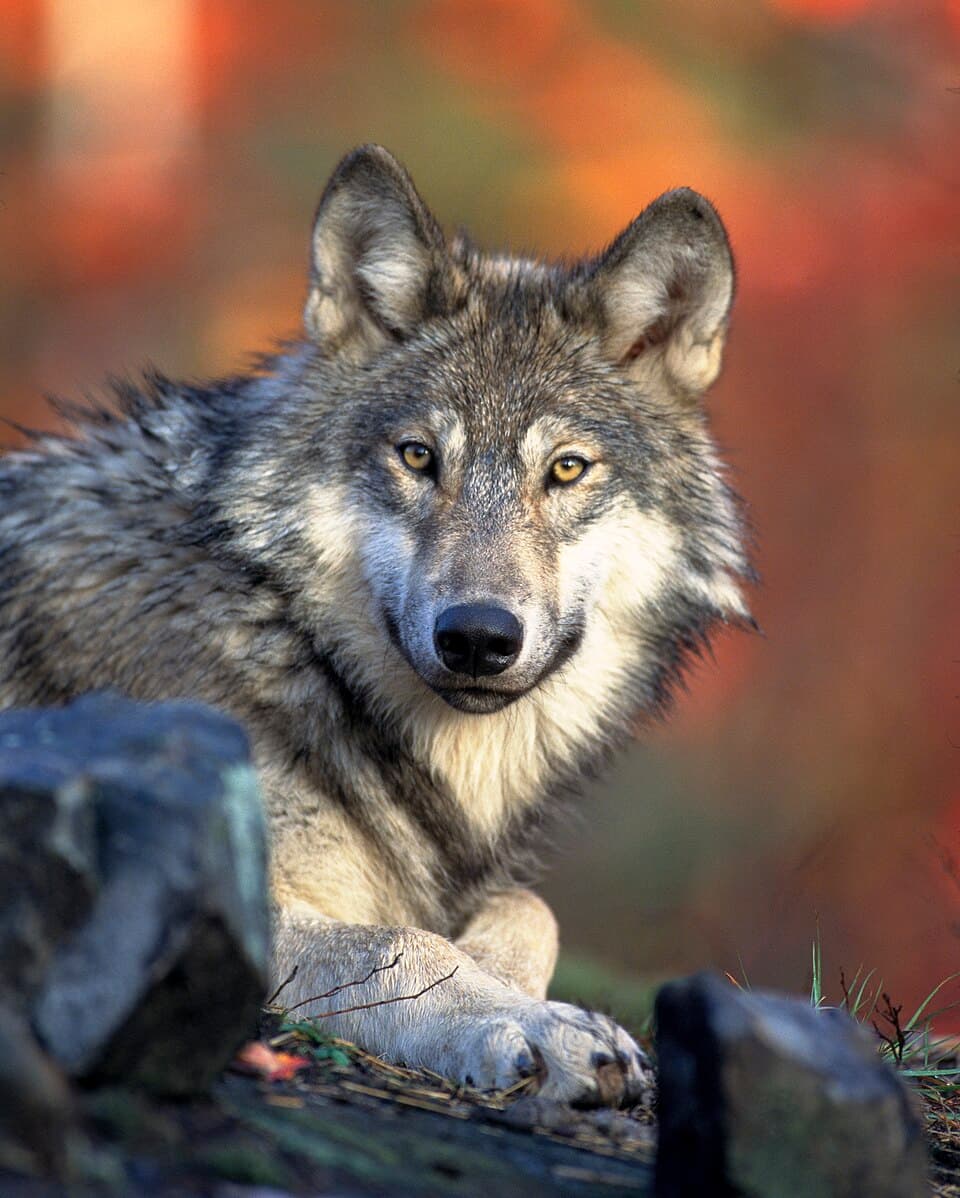
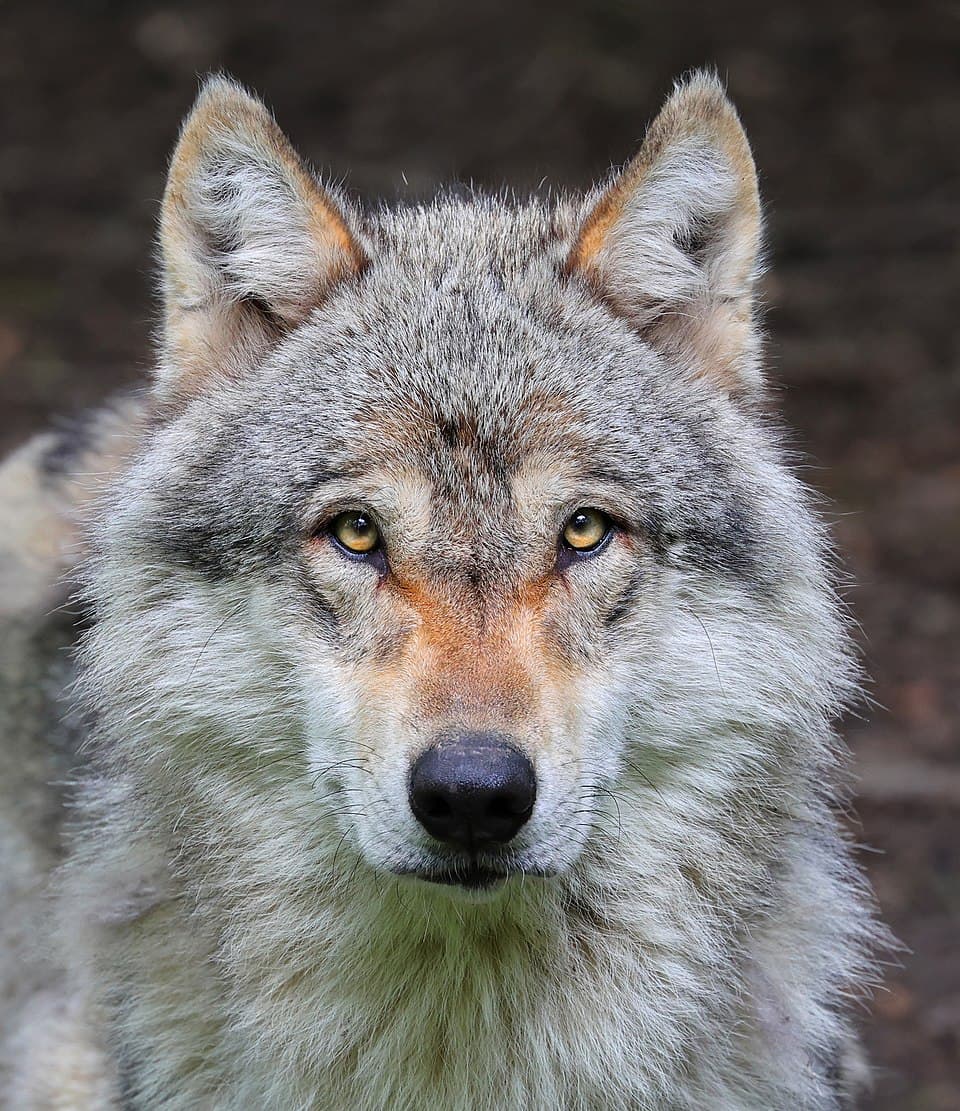
Photo: Gary Kramer · Public domain · via Wikimedia Commons
Overview
The gray wolf is the largest wild member of the dog family, once ranging across nearly the entire Northern Hemisphere and living in tightly-coordinated family packs.
Appearance
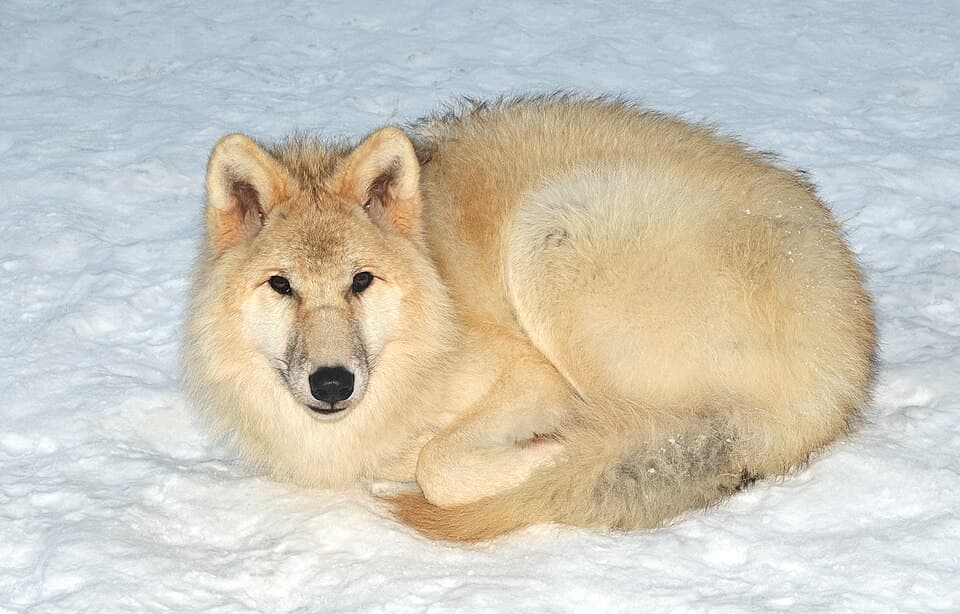
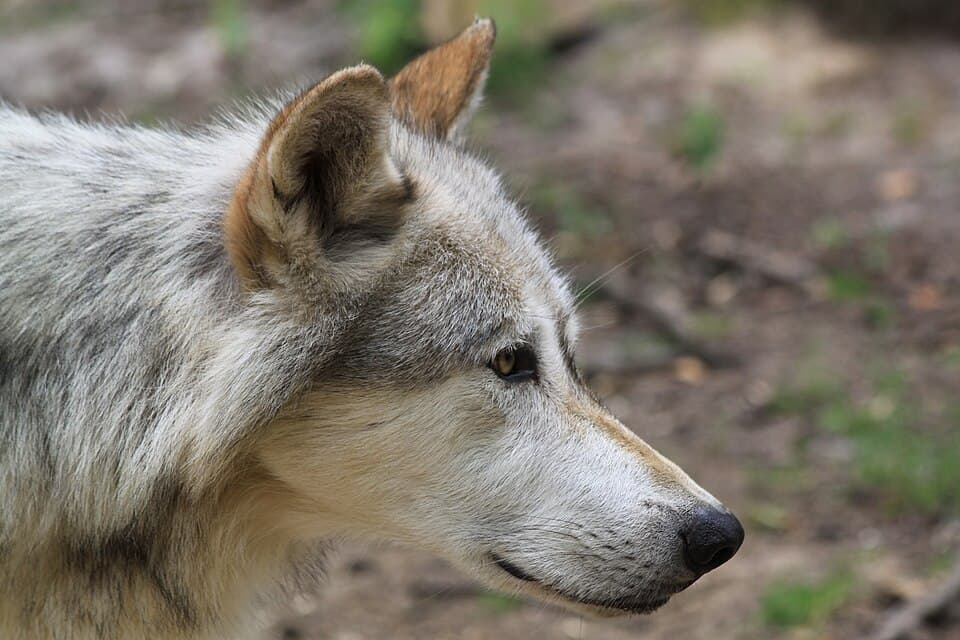
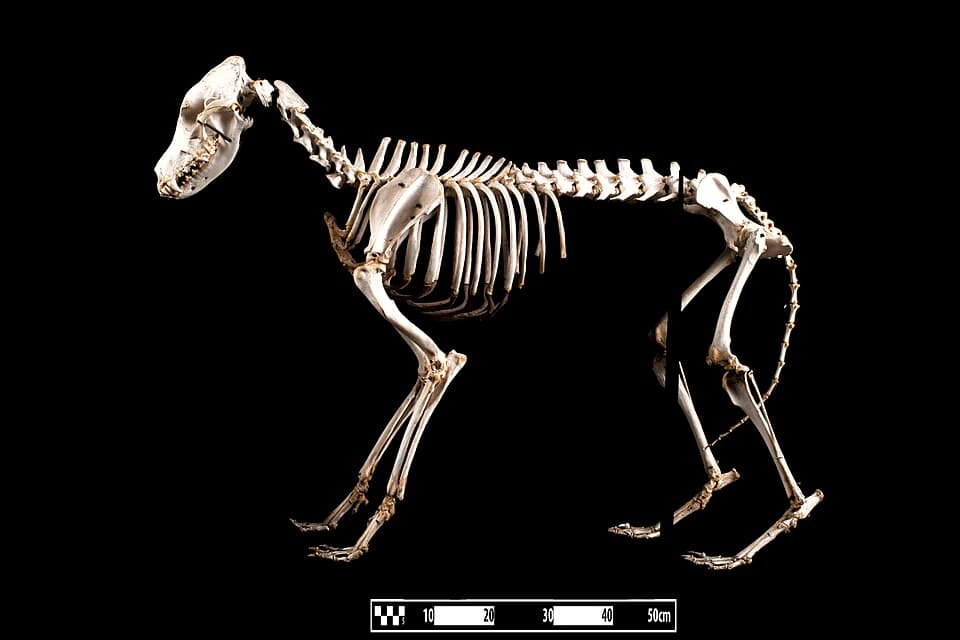
It has a dense double coat ranging from white to gray to black, a bushy tail, and long legs built for covering large distances.
Habitat & Distribution
The gray wolf is found in forest, arctic, grassland habitats.
Diet & Behavior
Diet: Carnivore — Meat-eating animals that hunt, scavenge, or fish for prey, ranging from big cats to snakes and birds of prey.
Wolves live and hunt in packs led by a breeding pair, communicate through howls that can carry for kilometers, and cooperatively raise pups as a family unit.
Predators
- Humans
Prey
- Deer
- Elk
- Moose
- Bison
Interesting Facts
- 1
A wolf pack is typically a family unit led by a breeding pair, not simply the 'strongest' wolves.
- 2
Wolf howls can be heard from as far as 10 kilometers away.
- 3
A wolf's sense of smell is around 100 times more sensitive than a human's.
Gallery
Gray Wolf FAQs
What does a gray wolf eat?
The gray wolf is a carnivore. Its diet includes deer, elk, moose, bison.
Where does the gray wolf live?
The gray wolf is found in forest, arctic, grassland habitats across north america, europe, and asia.
Is the gray wolf endangered?
The gray wolf has a conservation status of Least Concern. Widespread and abundant species that are not currently at significant risk of extinction.
How long do gray wolfs live?
A gray wolf's typical lifespan is 6–13 years in the wild.
How fast can a gray wolf run?
The gray wolf can reach speeds of up to 60 km/h.
How much does a gray wolf weigh?
An adult gray wolf typically weighs 30–80 kg.