Photo: Unknown · CC0 · via Wikimedia Commons
Overview
The common vampire bat is one of only three bat species that feeds exclusively on blood, mainly targeting livestock across Latin America under cover of darkness.
Appearance
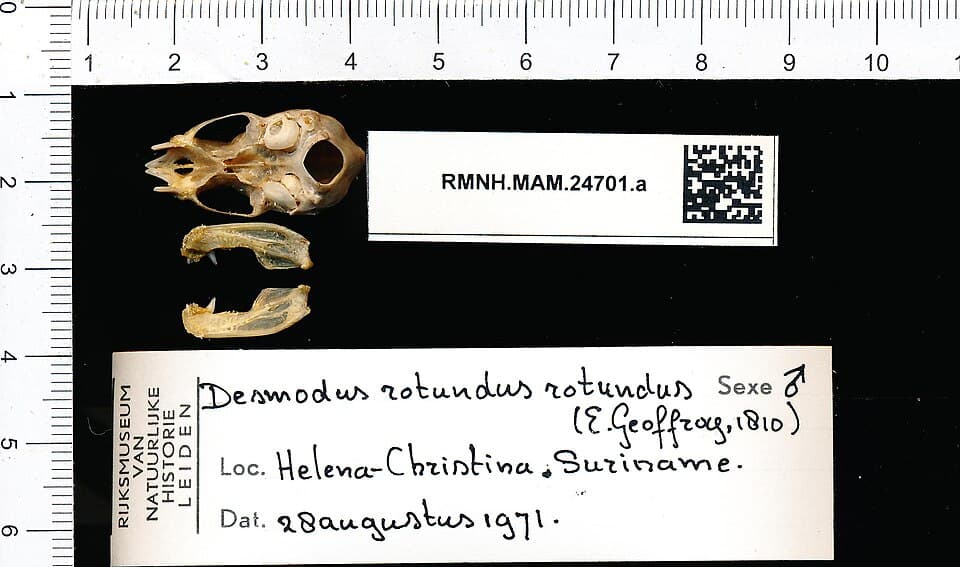
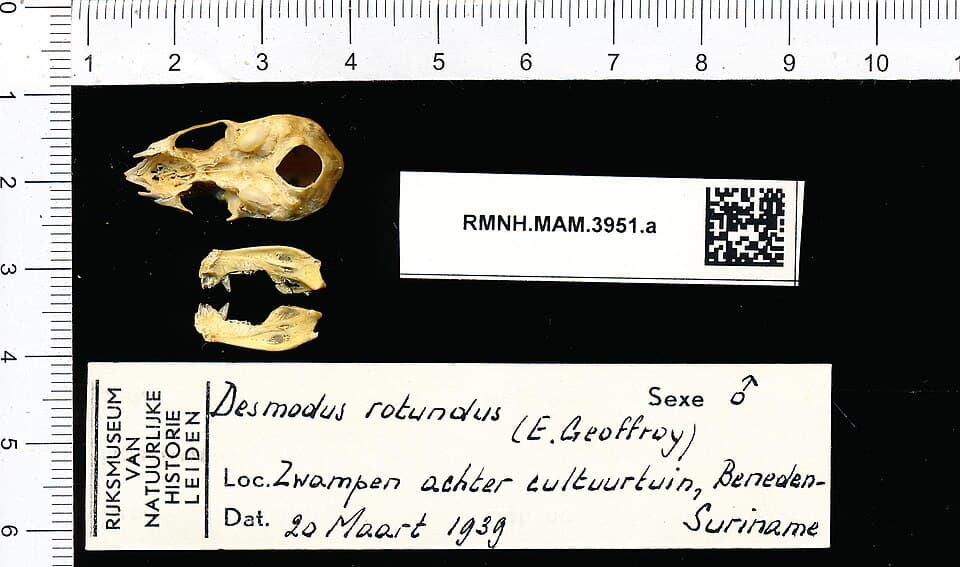
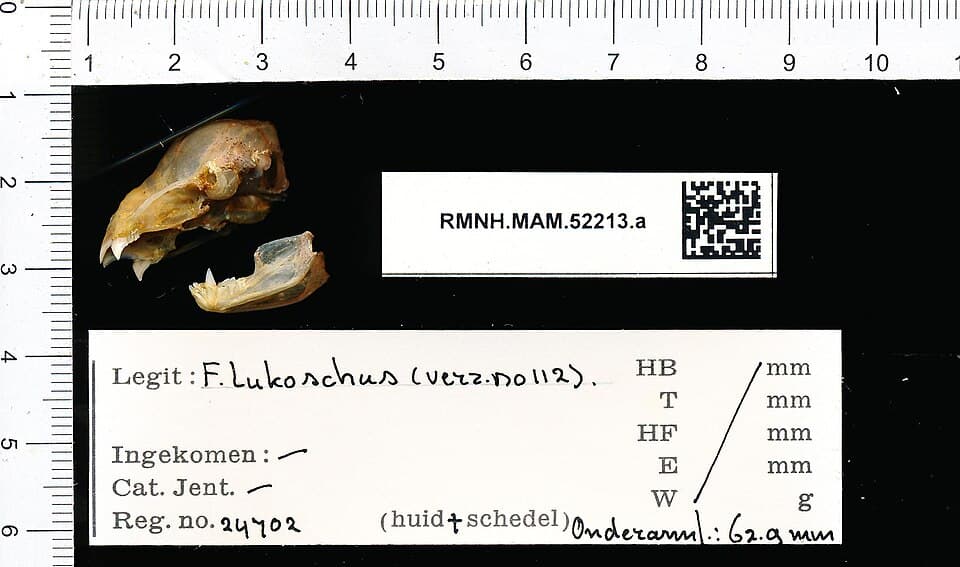
It has a compact grayish-brown body, a short snout with heat-sensing pits, and reduced, razor-sharp incisors adapted for making a small, precise incision.
Habitat & Distribution
The common vampire bat is found in forest, rainforest habitats.
Diet & Behavior
Diet: Carnivore — Meat-eating animals that hunt, scavenge, or fish for prey, ranging from big cats to snakes and birds of prey.
Vampire bats can walk and even run on the ground unlike most bats, and are known to regurgitate blood to feed roost-mates that failed to find a meal that night.
Predators
- Owl
- Snake
Prey
- Blood (livestock, wild mammals)
Interesting Facts
- 1
It's one of the very few mammals that can walk, run, and even jump on the ground.
- 2
A vampire bat will share blood meals with hungry roost-mates by regurgitating food.
- 3
Its bite is so precise the wound often goes unnoticed by the sleeping host.
Gallery
Common Vampire Bat FAQs
What does a common vampire bat eat?
The common vampire bat is a carnivore. Its diet includes blood (livestock, wild mammals).
Where does the common vampire bat live?
The common vampire bat is found in forest, rainforest habitats across south america and north america.
Is the common vampire bat endangered?
The common vampire bat has a conservation status of Least Concern. Widespread and abundant species that are not currently at significant risk of extinction.
How long do common vampire bats live?
A common vampire bat's typical lifespan is 9–20 years in the wild.
How much does a common vampire bat weigh?
An adult common vampire bat typically weighs 0.015–0.05 kg.