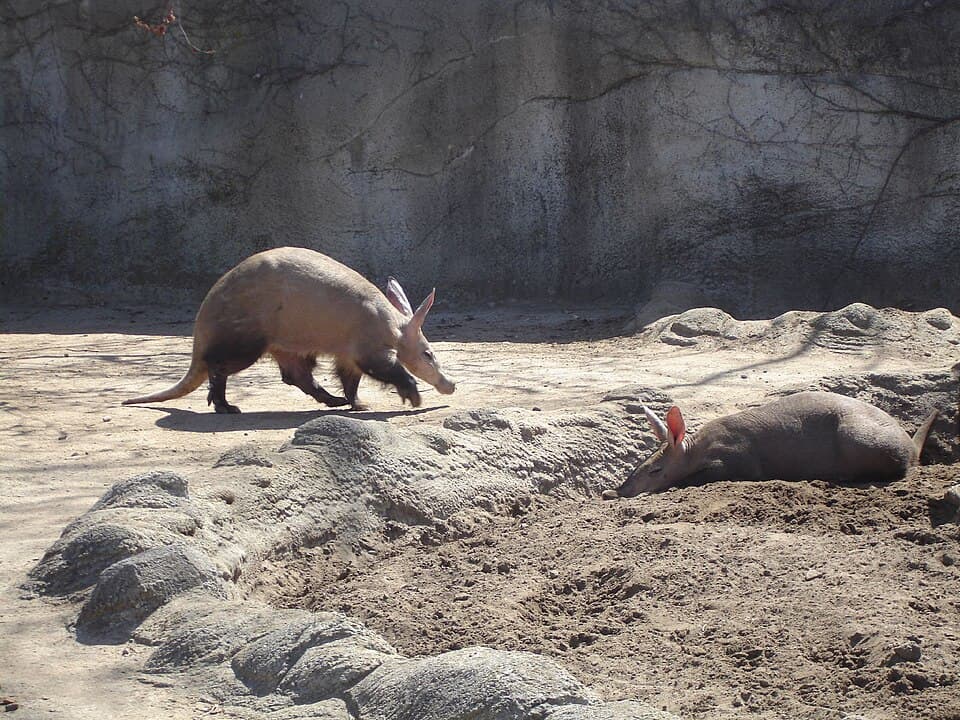
Photo: MontageMan · CC BY 2.0 · via Wikimedia Commons
Overview
The aardvark is a nocturnal, burrowing mammal found across sub-Saharan Africa, best known for its long snout and powerful digging claws used to raid termite mounds.
Appearance
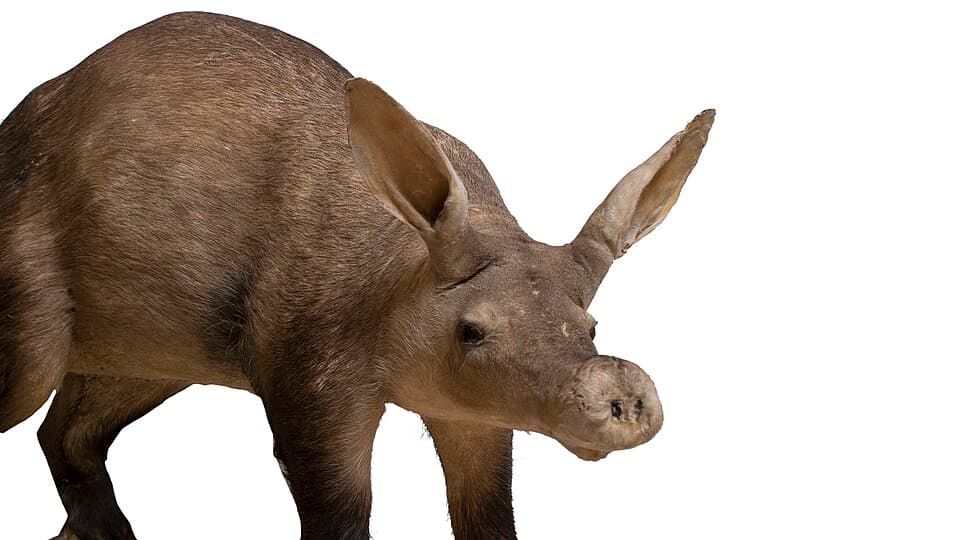
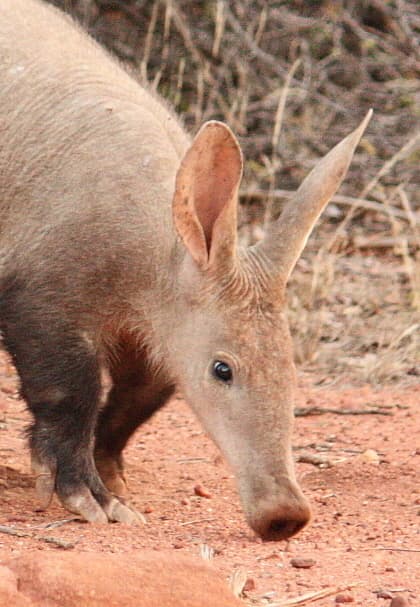
It has a thick, sparsely-haired grayish-brown body, a long tubular snout, rabbit-like ears, and a thick tapering tail used for balance while digging.
Habitat & Distribution
The aardvark is found in grassland, forest habitats.
Diet & Behavior
Diet: Carnivore — Meat-eating animals that hunt, scavenge, or fish for prey, ranging from big cats to snakes and birds of prey.
Aardvarks are solitary and almost entirely nocturnal, spending daylight hours in burrows and emerging at night to forage for termites and ants using an excellent sense of smell.
Predators
- Lion
- Leopard
- Hyena
- Python
Prey
- Termites
- Ants
Interesting Facts
- 1
An aardvark can dig a new burrow in a matter of minutes using its shovel-like claws.
- 2
Its name means 'earth pig' in Afrikaans, though it isn't related to pigs at all.
- 3
An aardvark's tongue can be up to 30cm long and is coated in sticky saliva for catching insects.
Gallery
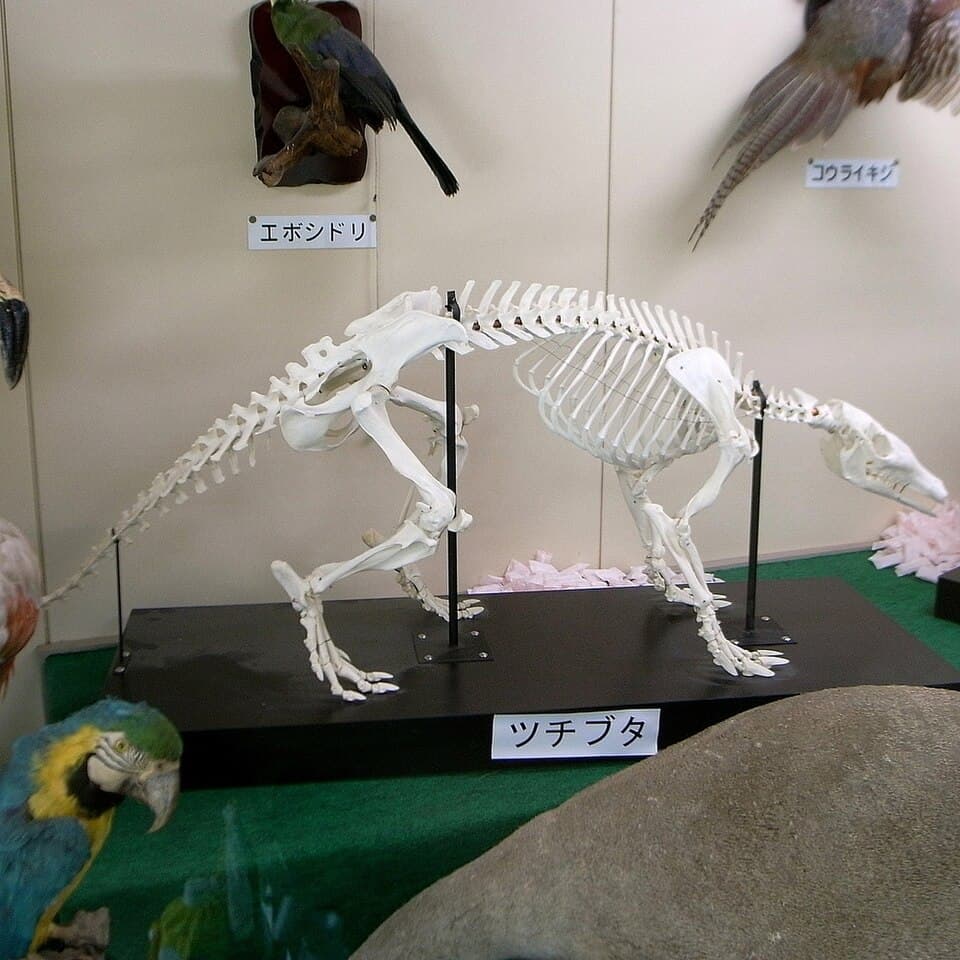
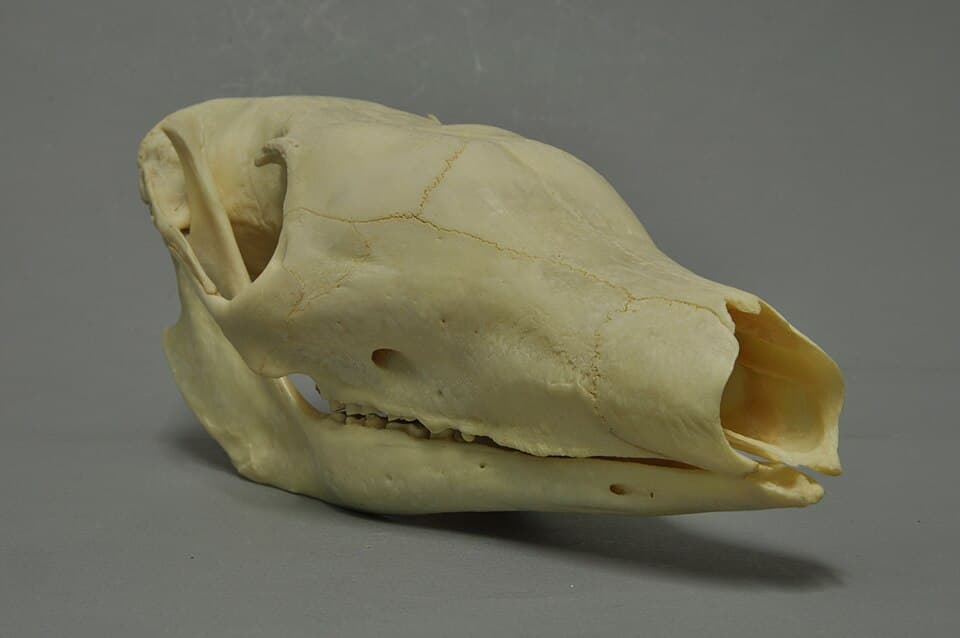
Aardvark FAQs
What does a aardvark eat?
The aardvark is a carnivore. Its diet includes termites, ants.
Where does the aardvark live?
The aardvark is found in grassland, forest habitats across africa.
Is the aardvark endangered?
The aardvark has a conservation status of Least Concern. Widespread and abundant species that are not currently at significant risk of extinction.
How long do aardvarks live?
A aardvark's typical lifespan is 18–23 years in the wild.
How fast can a aardvark run?
The aardvark can reach speeds of up to 25 km/h.
How much does a aardvark weigh?
An adult aardvark typically weighs 40–82 kg.