Photo: Diliff · CC BY-SA 3.0 · via Wikimedia Commons
Overview
The yellow-bellied marmot is a large ground squirrel found in the mountains of western North America, spending nearly eight months of the year in deep hibernation.
Appearance
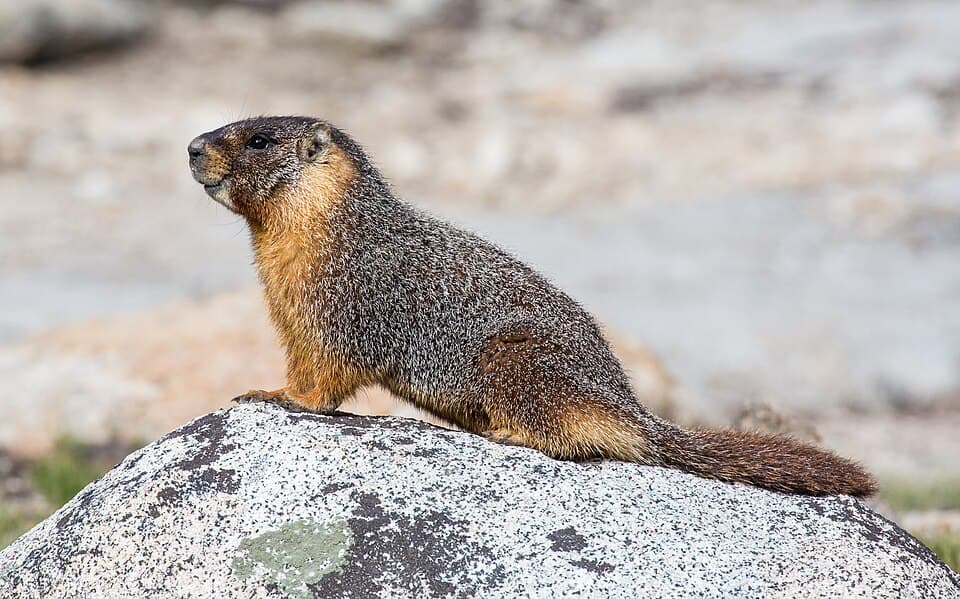
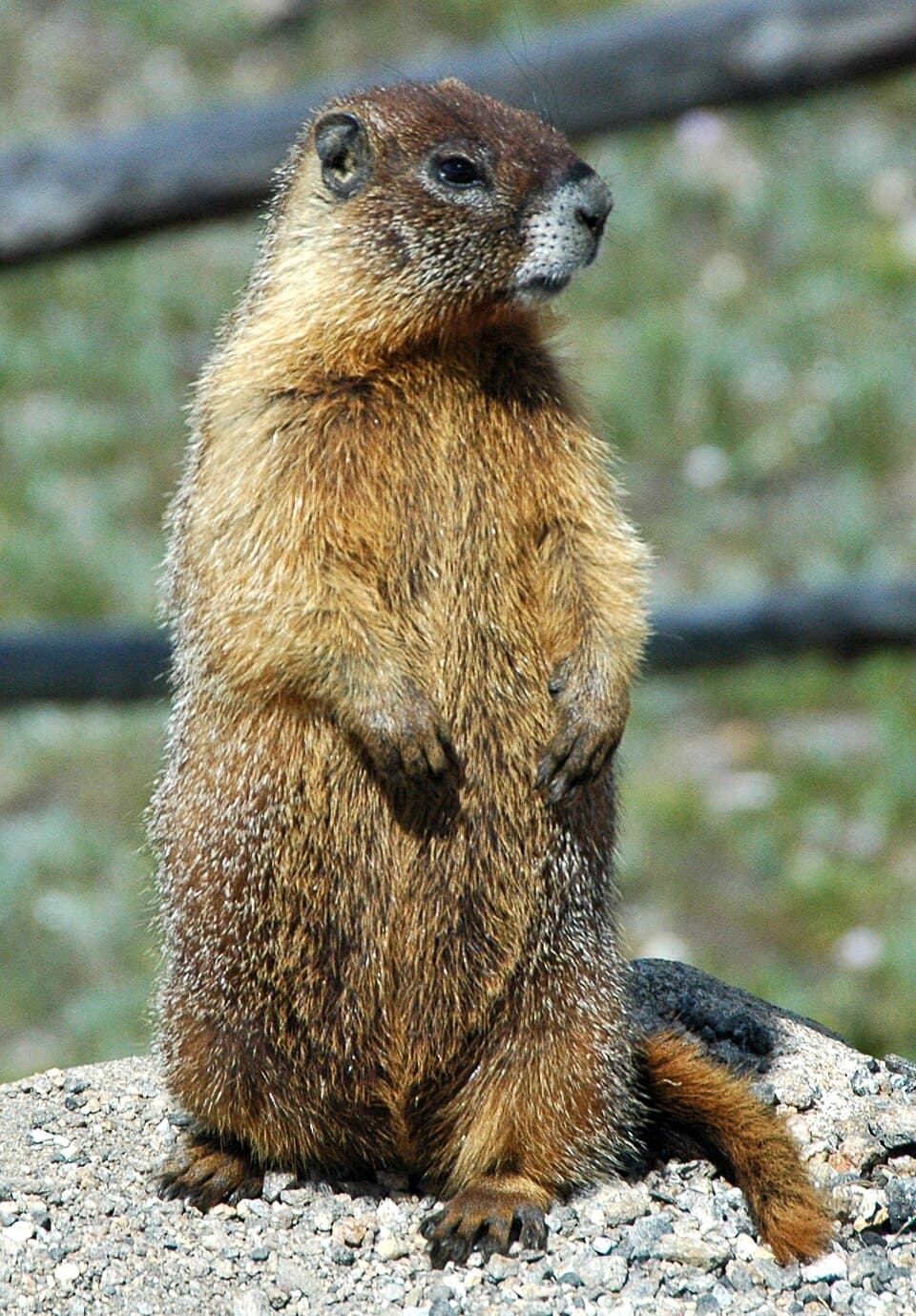
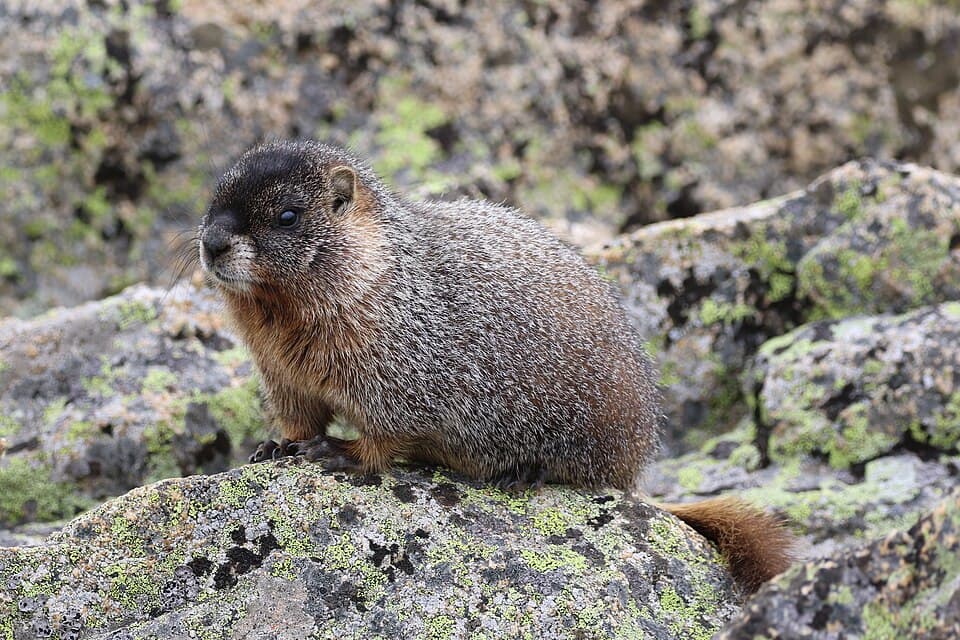
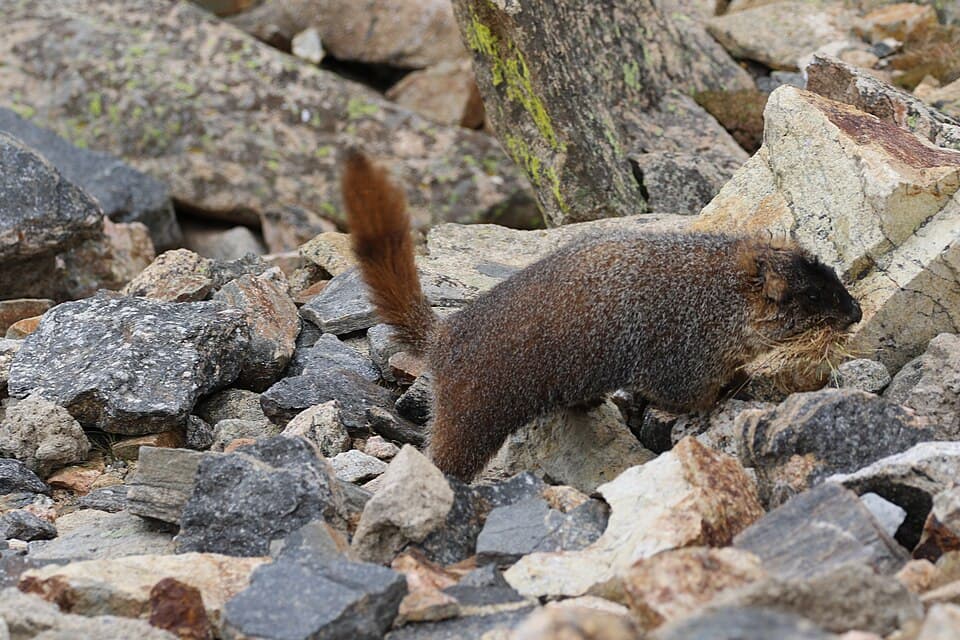
It has a stocky brown body with a distinctive yellow-orange belly, small rounded ears, and a bushy tail.
Habitat & Distribution
The yellow-bellied marmot is found in mountain, grassland habitats.
Diet & Behavior
Diet: Herbivore — Plant-eating animals that graze or browse on grasses, leaves, and other vegetation, from tiny insects to giant elephants.
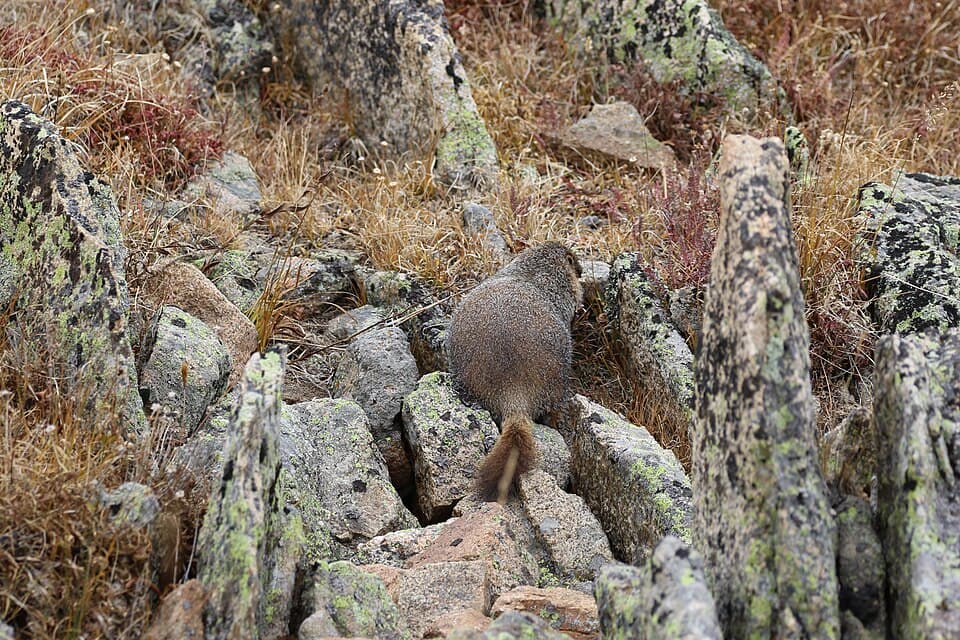
Marmots live in colonies among rocky outcrops, post sentries to whistle warnings at approaching predators, and hibernate for up to eight months through winter.
Predators
- Coyote
- Eagle
- Badger
Prey
This species does not prey on other animals.
Interesting Facts
- 1
It can hibernate for up to eight months of the year.
- 2
Colony members post lookouts that give a sharp whistle to warn of approaching predators, earning them the nickname 'whistle pigs'.
- 3
It can lose up to half its body weight during winter hibernation.
Gallery
Yellow-bellied Marmot FAQs
What does a yellow-bellied marmot eat?
The yellow-bellied marmot is a herbivore. Plant-eating animals that graze or browse on grasses, leaves, and other vegetation, from tiny insects to giant elephants.
Where does the yellow-bellied marmot live?
The yellow-bellied marmot is found in mountain, grassland habitats across north america.
Is the yellow-bellied marmot endangered?
The yellow-bellied marmot has a conservation status of Least Concern. Widespread and abundant species that are not currently at significant risk of extinction.
How long do yellow-bellied marmots live?
A yellow-bellied marmot's typical lifespan is 13–15 years in the wild.
How much does a yellow-bellied marmot weigh?
An adult yellow-bellied marmot typically weighs 1.5–5.2 kg.