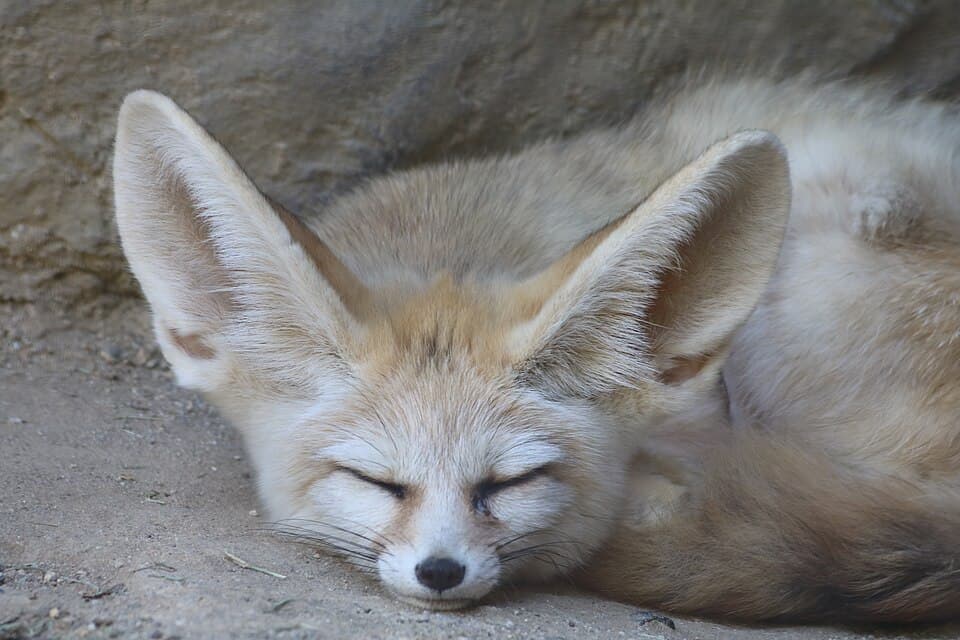
Photo: kathrin_gaisser · CC BY-SA 2.0 · via Wikimedia Commons
Overview
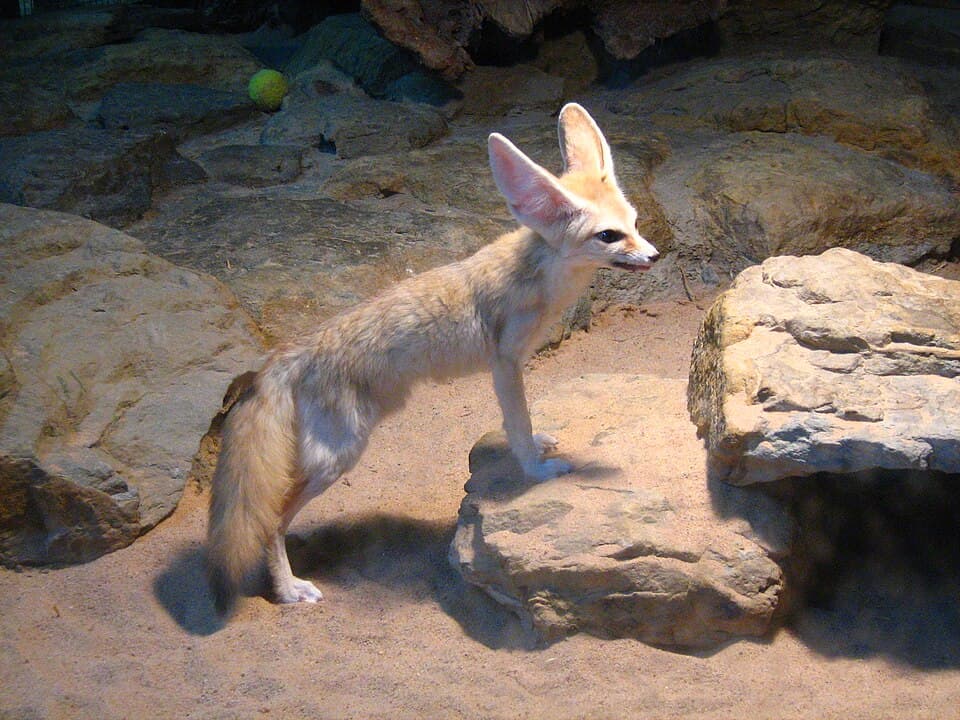
The fennec fox is the smallest fox species in the world, adapted to the extreme heat of the Sahara Desert with famously oversized ears.
Appearance
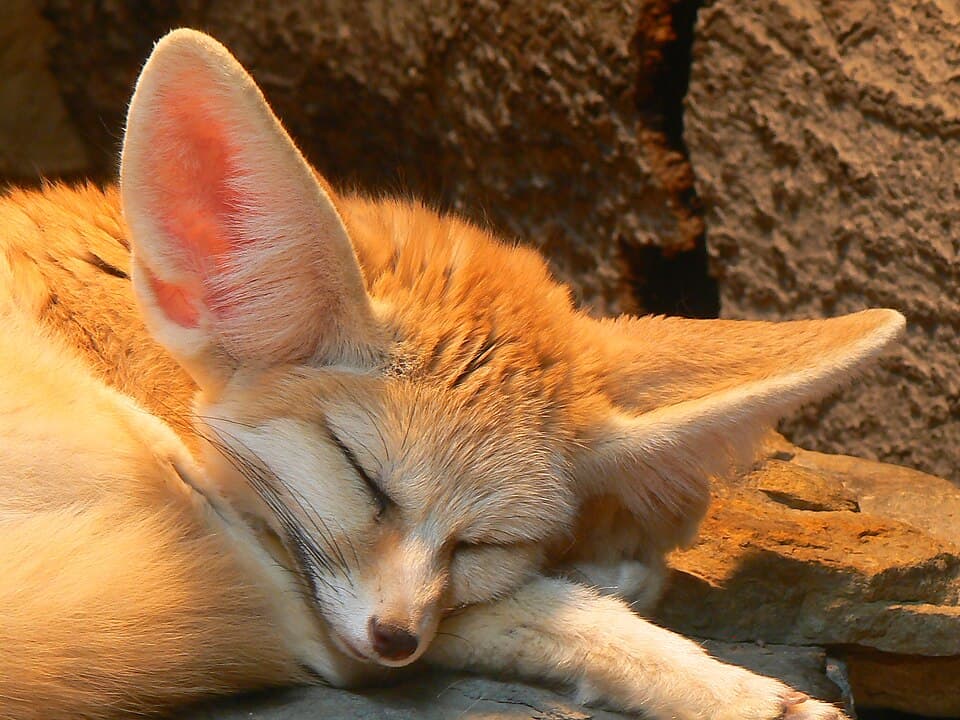
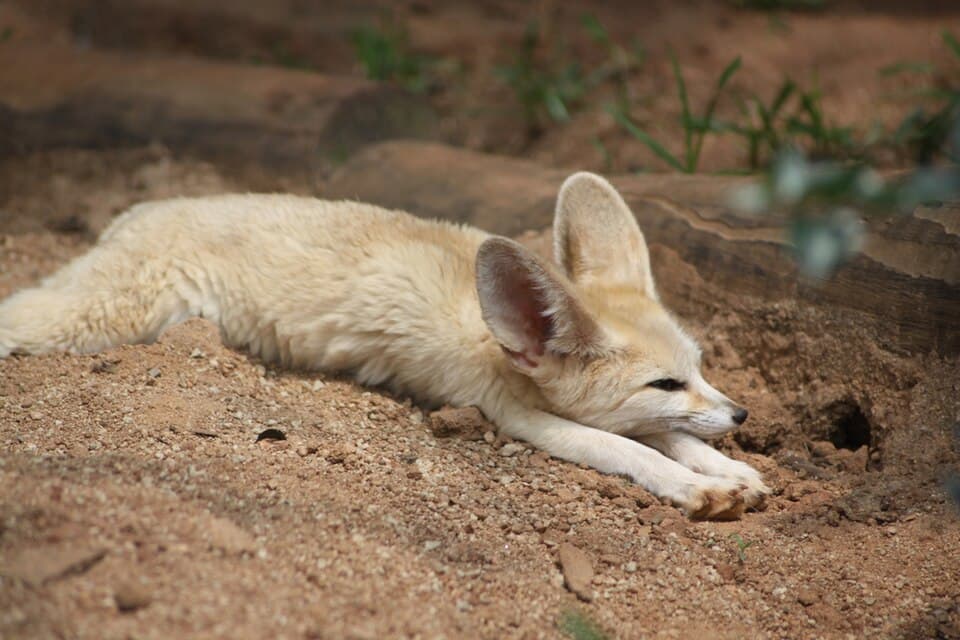
It has a small cream-colored body, a bushy black-tipped tail, and disproportionately large ears used to radiate heat and detect prey underground.
Habitat & Distribution
The fennec fox is found in desert habitats.
Diet & Behavior
Diet: Omnivore — Animals with flexible diets that eat both plants and animals, adapting to whatever food is available in their environment.
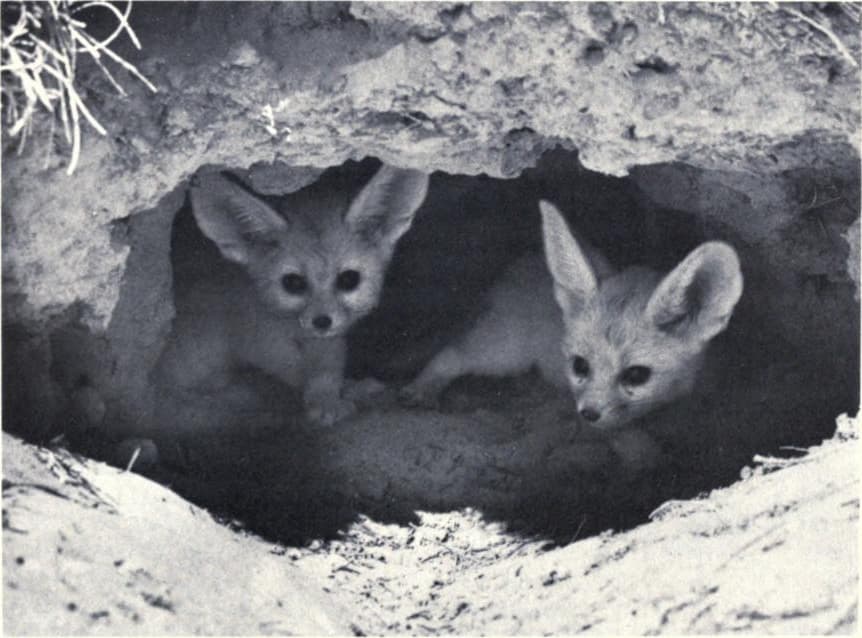
Fennec foxes are nocturnal to avoid daytime desert heat, dig extensive burrow systems, and live in small family groups.
Predators
- Eagle owl
- Jackal
- Caracal
Prey
- Insects
- Rodents
- Plants
Interesting Facts
- 1
Its oversized ears help dissipate body heat in the desert.
- 2
Fennec foxes can go long periods without drinking free water, getting moisture from food.
- 3
Thick fur on its paw pads protects it from hot desert sand.
Gallery
Fennec Fox FAQs
What does a fennec fox eat?
The fennec fox is an omnivore. Animals with flexible diets that eat both plants and animals, adapting to whatever food is available in their environment.
Where does the fennec fox live?
The fennec fox is found in desert habitats across africa.
Is the fennec fox endangered?
The fennec fox has a conservation status of Least Concern. Widespread and abundant species that are not currently at significant risk of extinction.
How long do fennec foxs live?
A fennec fox's typical lifespan is 10–13 years in the wild.
How fast can a fennec fox run?
The fennec fox can reach speeds of up to 32 km/h.
How much does a fennec fox weigh?
An adult fennec fox typically weighs 0.68–1.6 kg.