Photo: Yathin S Krishnappa · CC BY-SA 3.0 · via Wikimedia Commons
Overview
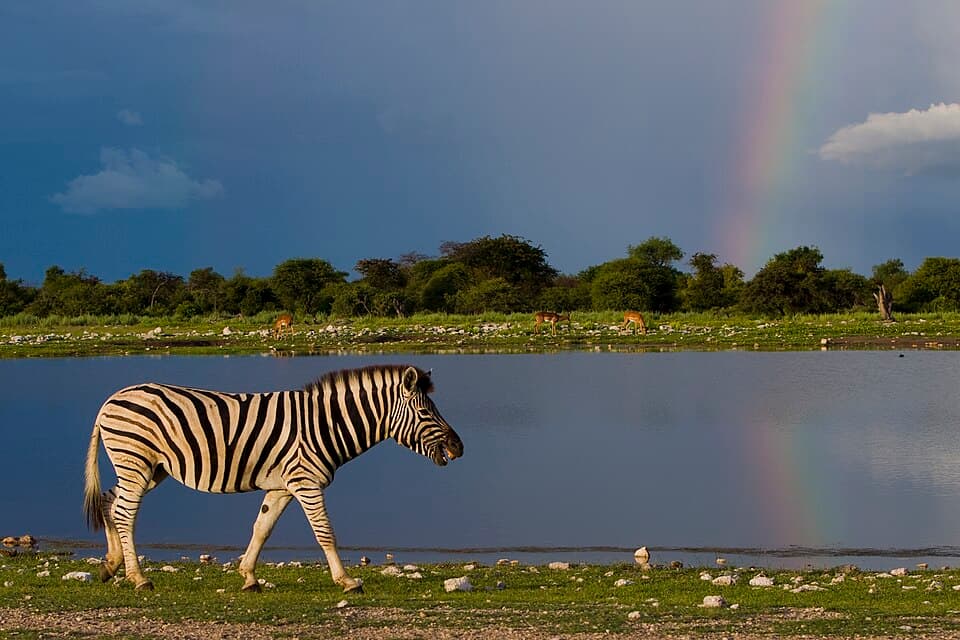
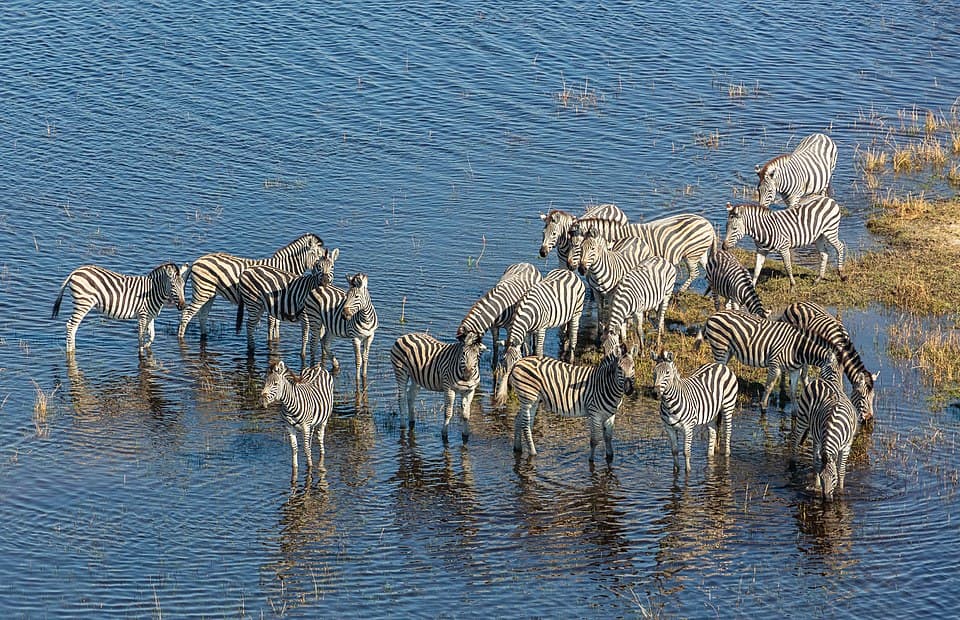
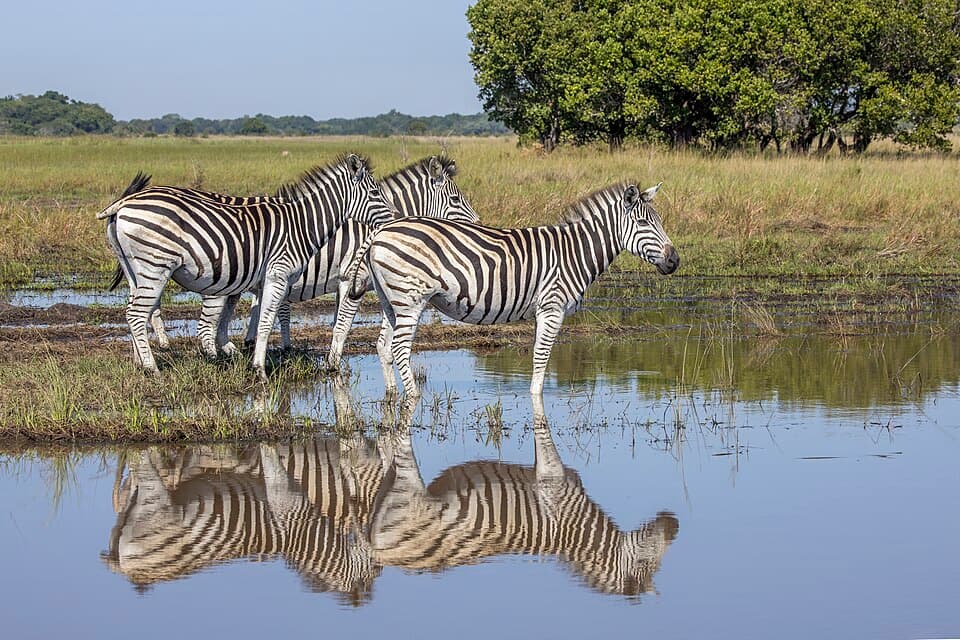
The plains zebra is the most common and widespread zebra species, roaming the grasslands of eastern and southern Africa in large, ever-shifting herds.
Appearance
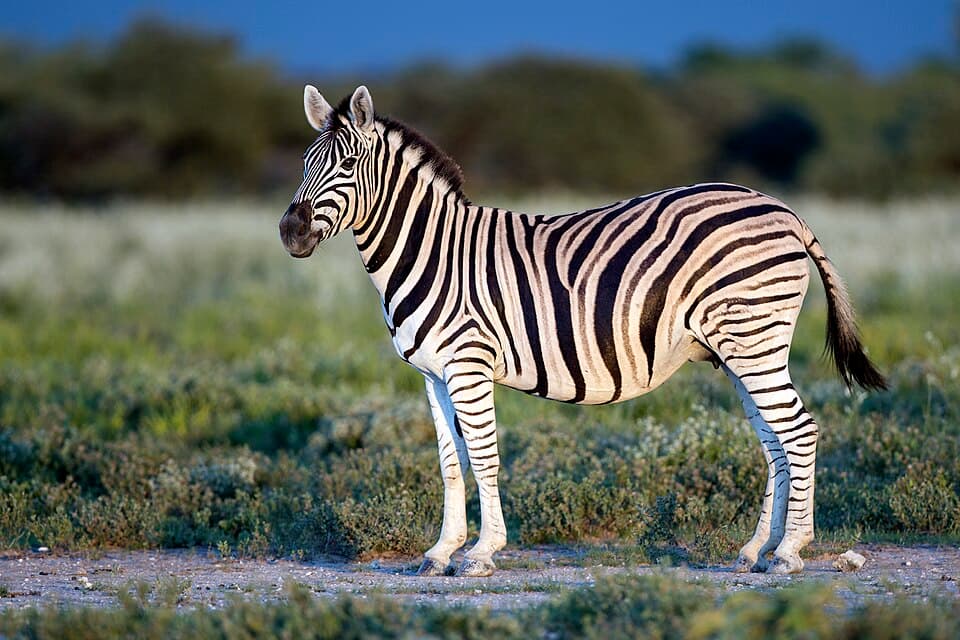
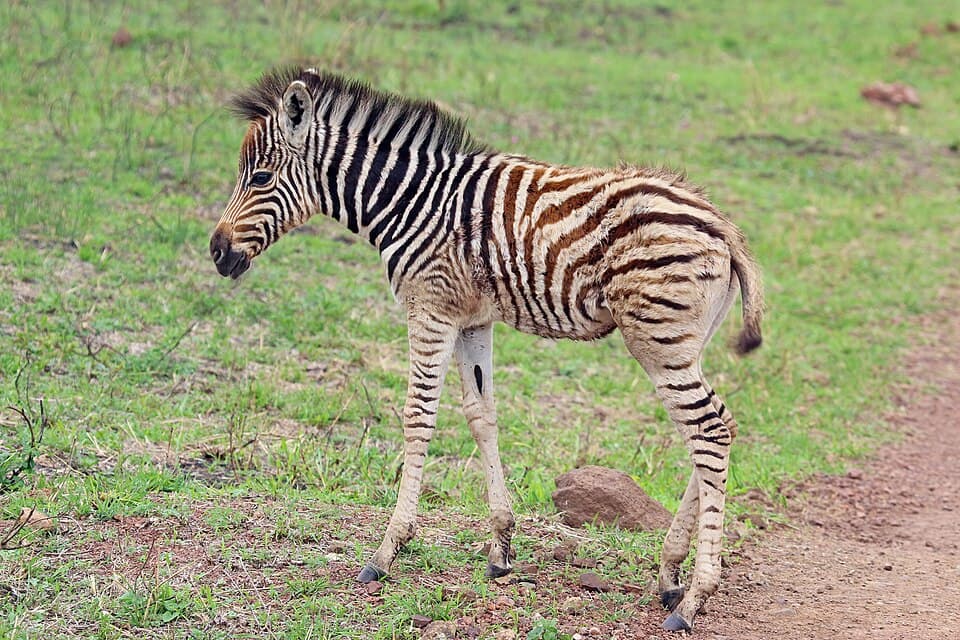
It has a white coat covered in bold black stripes, with a pattern unique to every individual, similar to a human fingerprint.
Habitat & Distribution
The plains zebra is found in grassland habitats.
Diet & Behavior
Diet: Herbivore — Plant-eating animals that graze or browse on grasses, leaves, and other vegetation, from tiny insects to giant elephants.
Zebras live in family groups within larger herds, often migrate alongside wildebeest for safety in numbers, and their stripes are thought to help confuse predators and deter biting flies.
Predators
- Lion
- Hyena
- Crocodile
Prey
This species does not prey on other animals.
Interesting Facts
- 1
No two zebras share the same exact stripe pattern.
- 2
Stripes may help confuse predators when a herd runs together, and deter biting flies.
- 3
Zebras often migrate alongside wildebeest for shared protection from predators.
Gallery
Plains Zebra FAQs
What does a plains zebra eat?
The plains zebra is a herbivore. Plant-eating animals that graze or browse on grasses, leaves, and other vegetation, from tiny insects to giant elephants.
Where does the plains zebra live?
The plains zebra is found in grassland habitats across africa.
Is the plains zebra endangered?
The plains zebra has a conservation status of Near Threatened. Species that may become threatened in the near future without continued conservation attention.
How long do plains zebras live?
A plains zebra's typical lifespan is 20–25 years in the wild.
How fast can a plains zebra run?
The plains zebra can reach speeds of up to 65 km/h.
How much does a plains zebra weigh?
An adult plains zebra typically weighs 175–385 kg.