
Photo: Emőke Dénes · CC BY-SA 4.0 · via Wikimedia Commons
Overview
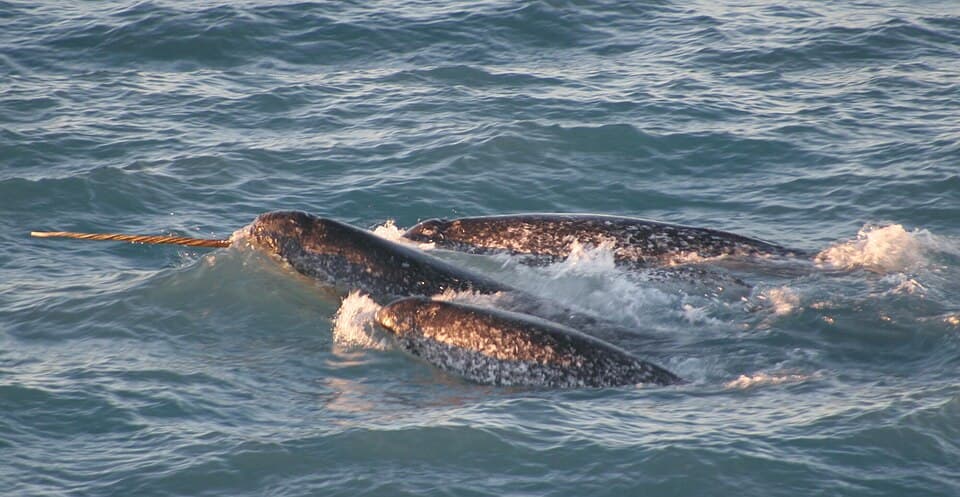
The narwhal is an Arctic whale famous for the male's long spiraled tusk, which is actually an enormous protruding canine tooth, earning it the nickname 'unicorn of the sea'.
Appearance
It has a mottled gray body and, in most males, a single long spiraled tusk projecting forward from the upper jaw.
Habitat & Distribution
The narwhal is found in arctic, ocean habitats.
Diet & Behavior
Diet: Carnivore — Meat-eating animals that hunt, scavenge, or fish for prey, ranging from big cats to snakes and birds of prey.
Narwhals live in pods and migrate seasonally with sea ice, diving to extreme depths in search of fish, and the purpose of the tusk is still debated among researchers.
Predators
- Orca
- Polar bear
- Walrus (opportunistically)
Prey
- Fish
- Squid
- Shrimp
Interesting Facts
- 1
A narwhal's tusk is actually an overgrown canine tooth containing millions of nerve endings.
- 2
They can dive deeper than 1,500 meters in search of food.
- 3
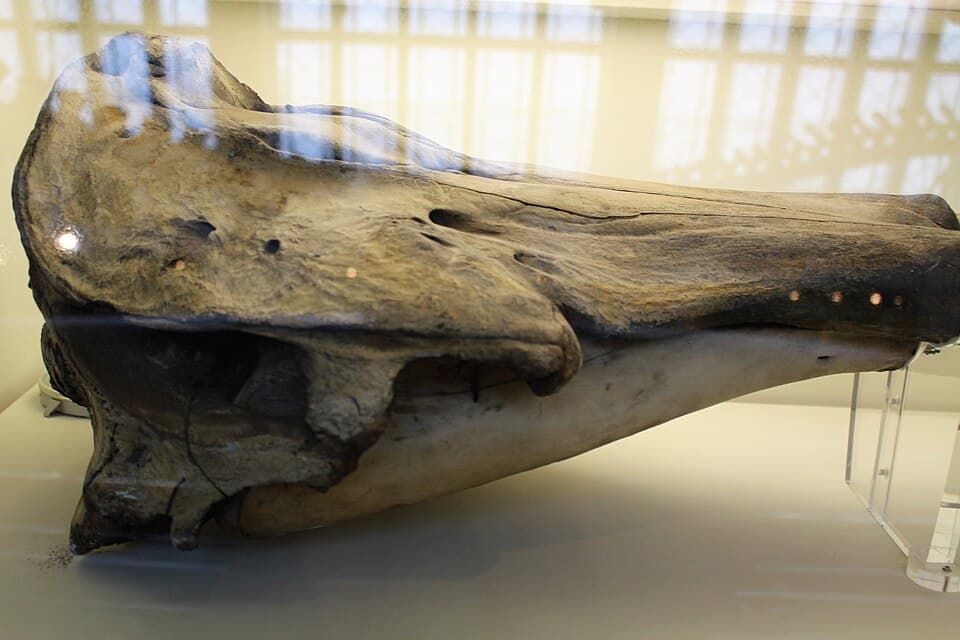
Occasionally, narwhals grow two tusks instead of one.
Gallery

Narwhal FAQs
What does a narwhal eat?
The narwhal is a carnivore. Its diet includes fish, squid, shrimp.
Where does the narwhal live?
The narwhal is found in arctic, ocean habitats across north america and europe.
Is the narwhal endangered?
The narwhal has a conservation status of Near Threatened. Species that may become threatened in the near future without continued conservation attention.
How long do narwhals live?
A narwhal's typical lifespan is 30–50 years in the wild.
How much does a narwhal weigh?
An adult narwhal typically weighs 800–1,600 kg.