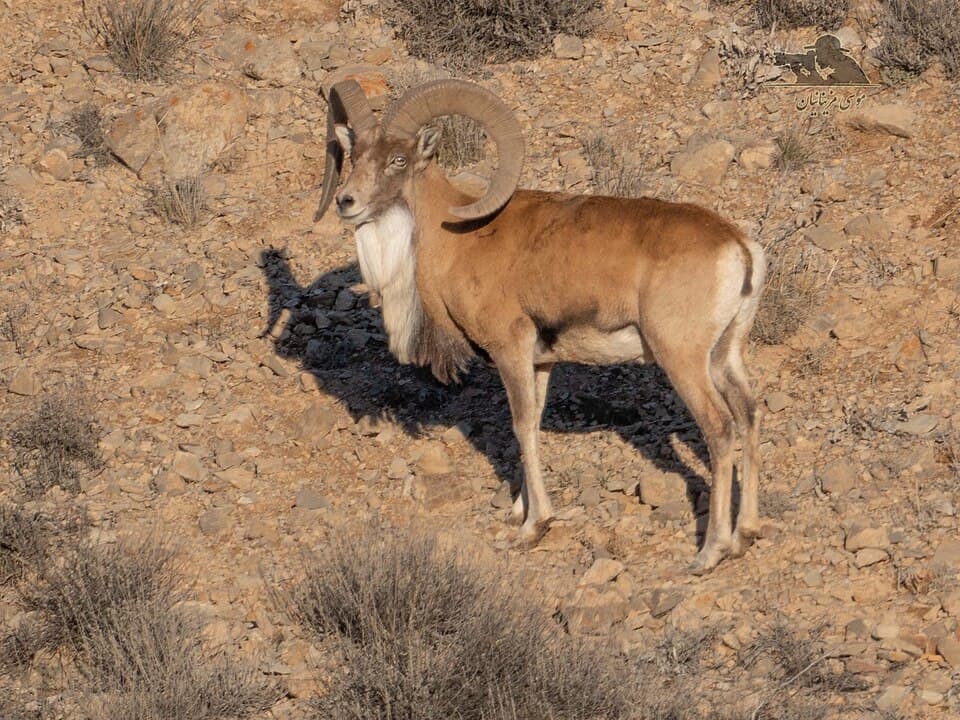
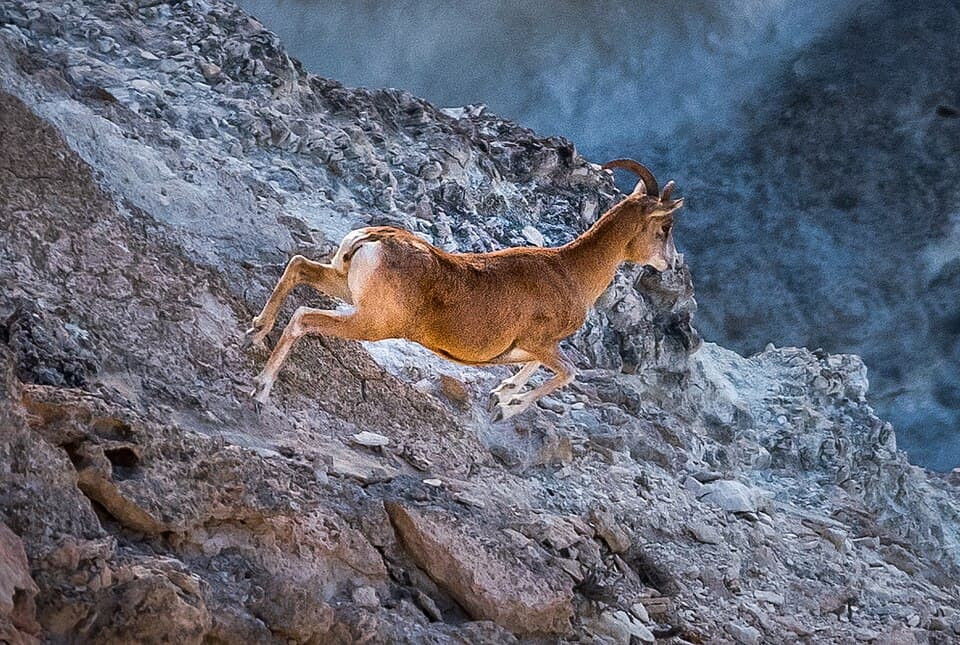
Photo: موسی مزینانیان · CC BY 4.0 · via Wikimedia Commons
Overview
The urial is a wild sheep species native to the dry hills and mountains of Central and South Asia, recognized by the male's large curling horns.
Appearance
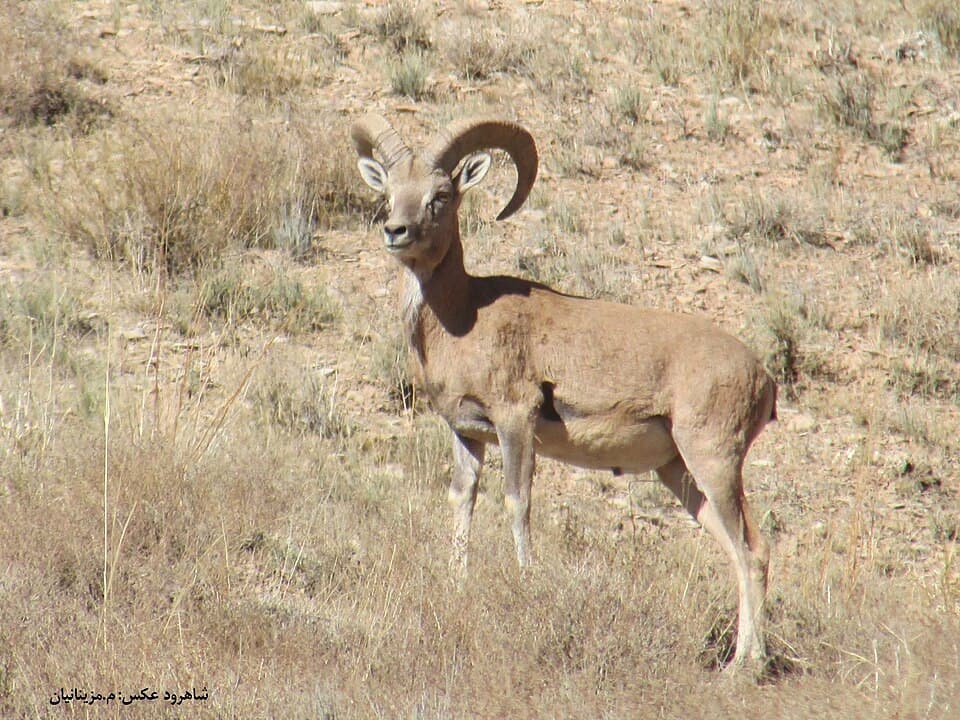
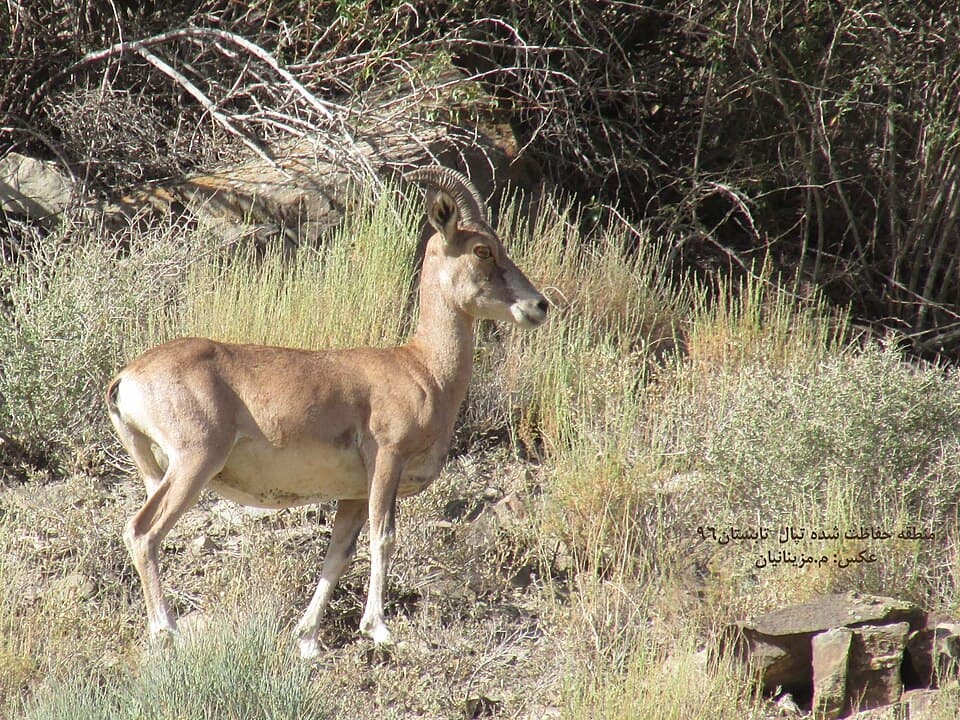
It has a reddish-brown to gray coat that lightens in winter, and males carry large, forward-curling ridged horns.
Habitat & Distribution
The urial is found in mountain, grassland habitats.
Diet & Behavior
Diet: Herbivore — Plant-eating animals that graze or browse on grasses, leaves, and other vegetation, from tiny insects to giant elephants.
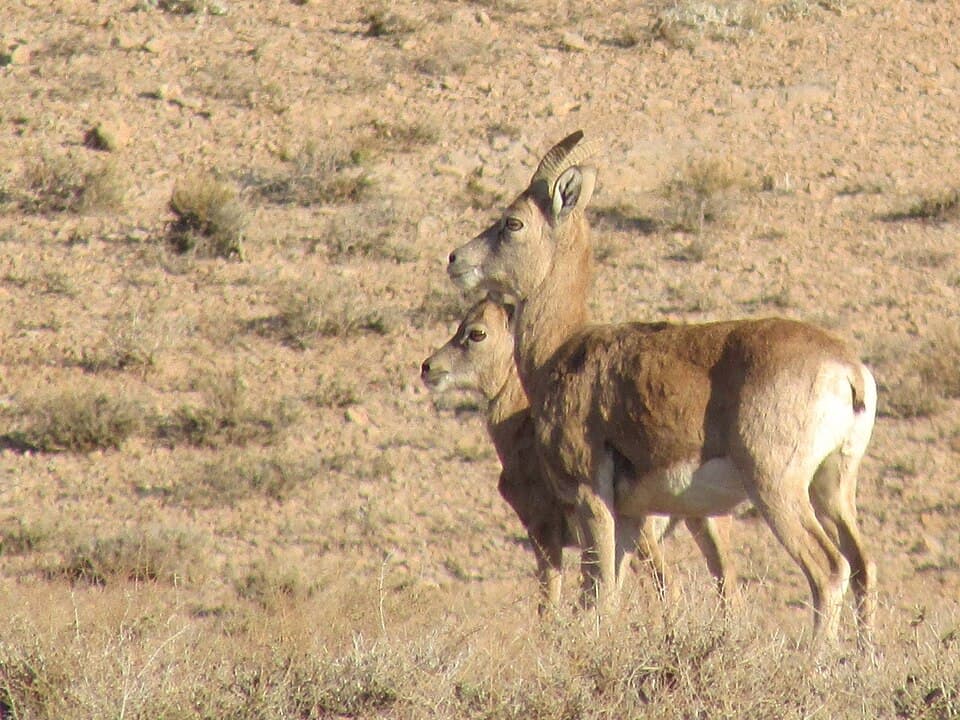
Urial live in small herds segregated by sex for most of the year, and males compete for mating rights through dramatic horn-clashing contests.
Predators
- Wolf
- Snow leopard
- Lynx
Prey
This species does not prey on other animals.
Interesting Facts
- 1
Males clash horns in dramatic head-butting contests during the mating season.
- 2
Their coat changes color seasonally, darkening in summer and paling in winter.
- 3
The urial is considered an ancestor of many domestic sheep breeds.
Gallery
Urial FAQs
What does a urial eat?
The urial is a herbivore. Plant-eating animals that graze or browse on grasses, leaves, and other vegetation, from tiny insects to giant elephants.
Where does the urial live?
The urial is found in mountain, grassland habitats across asia.
Is the urial endangered?
The urial has a conservation status of Vulnerable. Species facing a high risk of extinction in the wild due to habitat loss, hunting, or other pressures.
How long do urials live?
A urial's typical lifespan is 10–13 years in the wild.
How much does a urial weigh?
An adult urial typically weighs 32–87 kg.