Critically Endangered Species
Species facing an extremely high risk of extinction, often down to only a handful of populations left in the wild.
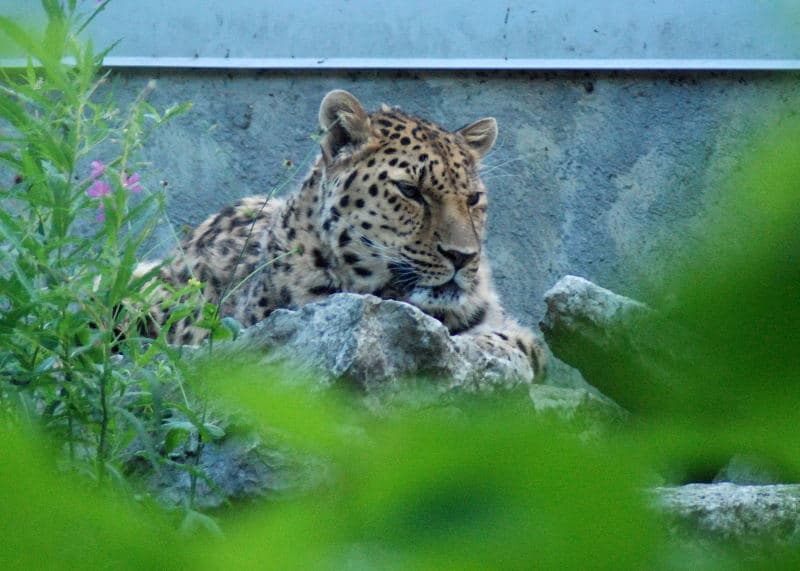
Amur Leopard
Panthera pardus orientalis
MammalThe Amur leopard is the rarest big cat in the world, a leopard subspecies adapted to the cold, snowy forests of the Russian Far East and northeastern China. Decades of poaching and habitat loss reduced the wild population to a critical low, though recent conservation efforts have helped numbers slowly recover from the brink.
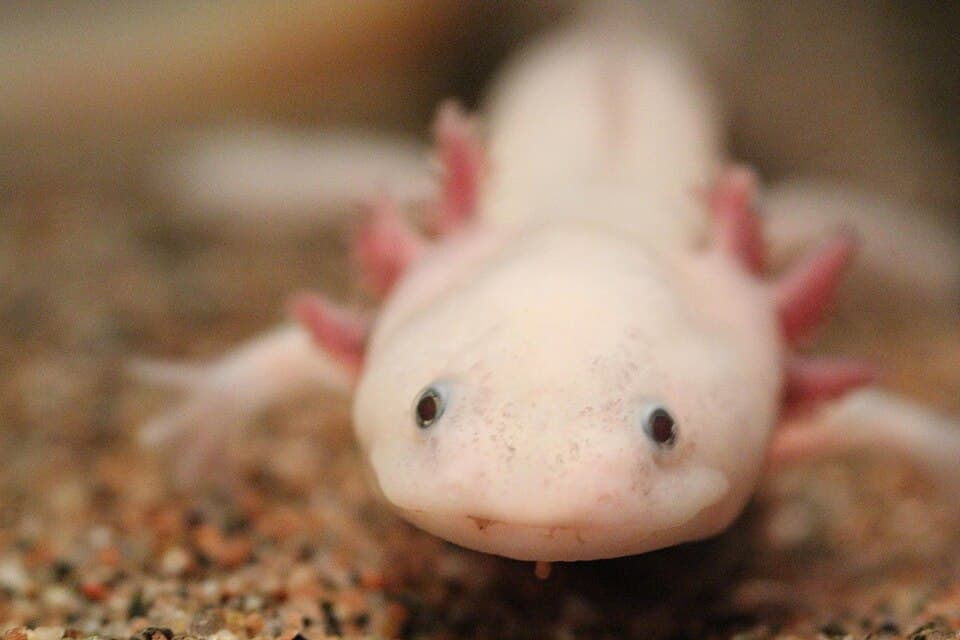
Axolotl
Ambystoma mexicanum
AmphibianThe axolotl is a remarkable salamander from a single lake system in Mexico that never fully undergoes metamorphosis, instead retaining its larval, gilled form and living its entire life underwater. This permanent juvenile state, called neoteny, along with its extraordinary ability to regrow lost limbs, organs, and even parts of its brain, has made it one of the most studied animals in modern regenerative biology research.
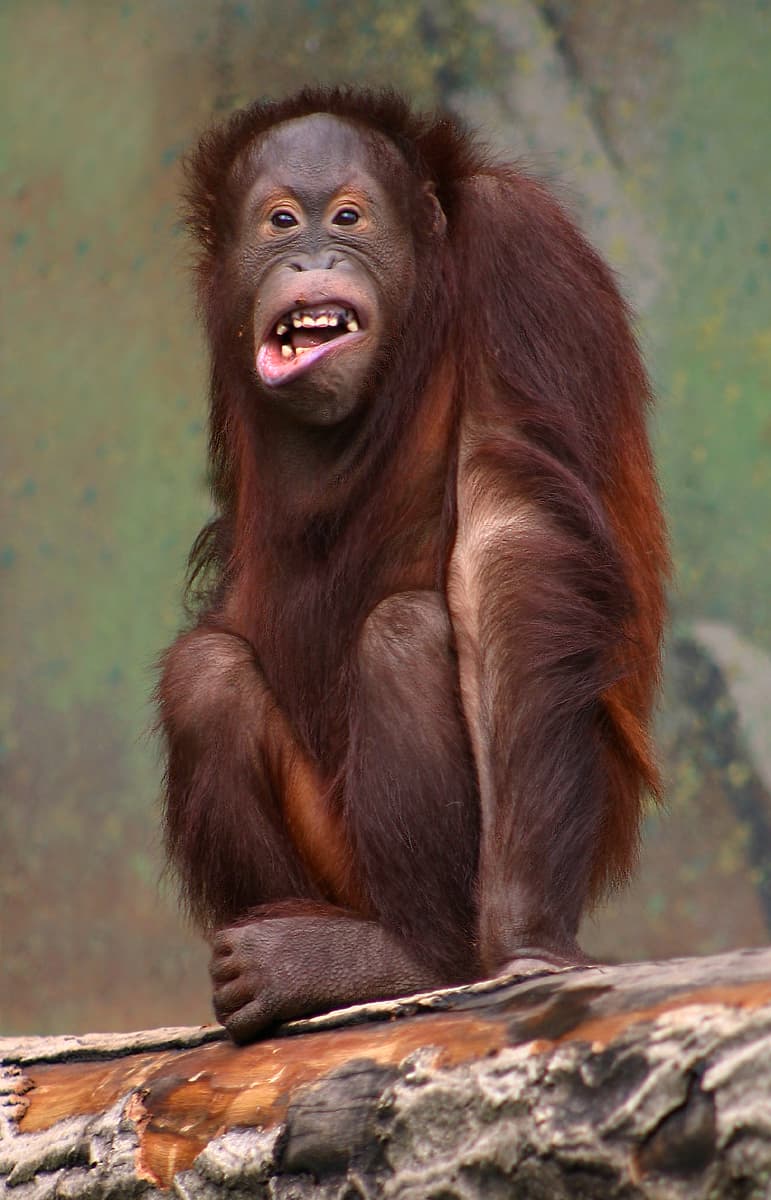
Bornean Orangutan
Pongo pygmaeus
MammalThe Bornean orangutan is a critically-endangered great ape found only on the island of Borneo, spending nearly its entire life moving through the rainforest canopy.
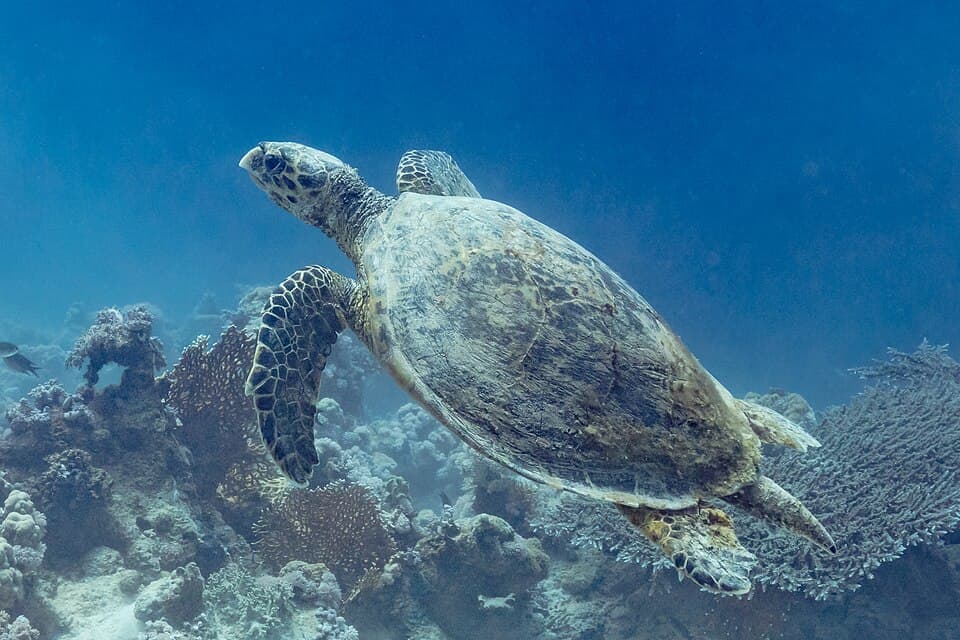
Hawksbill Sea Turtle
Eretmochelys imbricata
ReptileThe hawksbill sea turtle is a critically endangered marine reptile named for its narrow, pointed beak, which resembles a bird of prey's hooked bill. It plays a vital ecological role on coral reefs by feeding primarily on sponges, helping maintain the balance of reef ecosystems by preventing sponges from overgrowing and smothering coral.
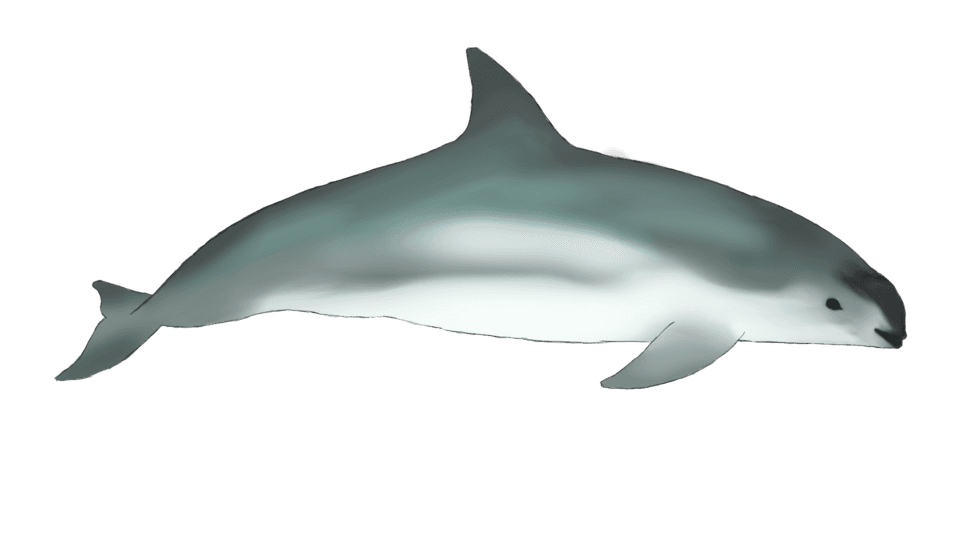
Vaquita
Phocoena sinus
MammalThe vaquita is the world's smallest and most endangered cetacean, found only in a small area of the northern Gulf of California in Mexico. Fewer than a handful of confirmed individuals are believed to remain in the wild, making it one of the most critically threatened marine mammals on Earth.
Where This Status Sits on the IUCN Red List
Extinction risk increases left to right. Species counts reflect animals currently featured on this site, not global totals.
| Status | Extinction Risk | Species Featured |
|---|---|---|
| Least Concern | Widespread and abundant species that are not currently at significant risk of extinction. | 45 |
| Near Threatened | Species that may become threatened in the near future without continued conservation attention. | 8 |
| Vulnerable | Species facing a high risk of extinction in the wild due to habitat loss, hunting, or other pressures. | 17 |
| Endangered | Species facing a very high risk of extinction in the wild in the near future. | 15 |
| Critically Endangered (this page) | Species facing an extremely high risk of extinction, often down to only a handful of populations left in the wild. | 5 |
| Extinct | Species with no known living individuals remaining, lost forever from the wild. | 5 |
Critically Endangered Species FAQs
How many critically endangered species are listed here?
This page currently features 5 species, and more are added regularly as the dataset grows.
What is the most popular animal in this list?
Axolotl is currently the most popular animal in Critically Endangered Species.
Are any of these animals endangered?
Yes — 5 of the 5 species listed are classified as vulnerable, endangered, or critically endangered.
Explore Other Conservation Statuses
Least Concern Species
Widespread and abundant species that are not currently at significant risk of extinction.
Near Threatened Species
Species that may become threatened in the near future without continued conservation attention.
Vulnerable Species
Species facing a high risk of extinction in the wild due to habitat loss, hunting, or other pressures.
Endangered Species
Species facing a very high risk of extinction in the wild in the near future.
Extinct Species
Species with no known living individuals remaining, lost forever from the wild.