Vulnerable Species
Species facing a high risk of extinction in the wild due to habitat loss, hunting, or other pressures.
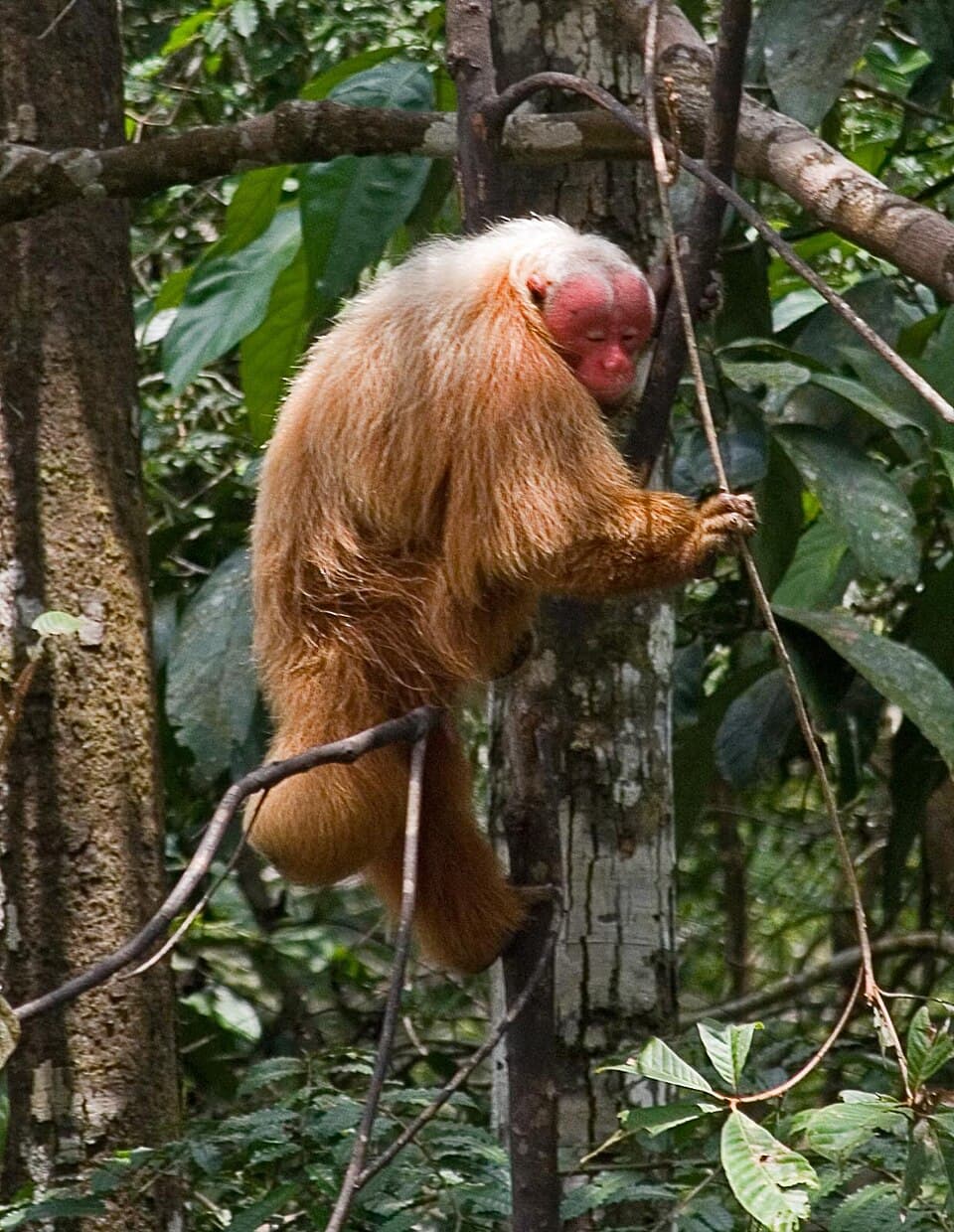
Bald Uakari
Cacajao calvus
MammalThe bald uakari is a small Amazonian monkey best known for its strikingly bare, bright red face, found in seasonally-flooded forests along the Amazon and its tributaries.
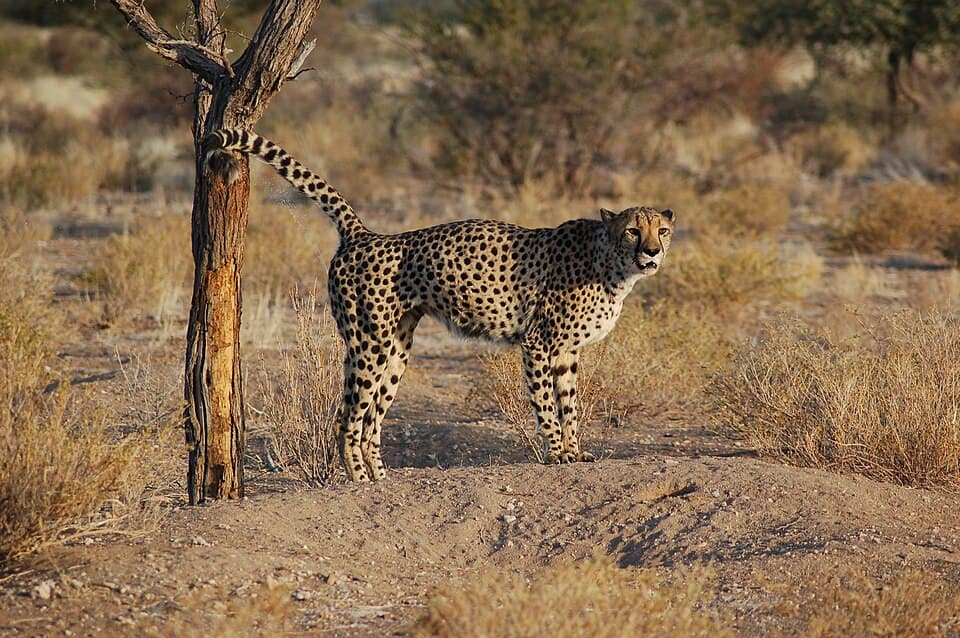
Cheetah
Acinonyx jubatus
MammalThe cheetah is the fastest land animal on Earth, built for explosive short sprints across the open grasslands and semi-desert of Africa, with a small, remnant population also surviving in Iran. Its speed comes at a genetic cost: cheetahs went through a severe population bottleneck thousands of years ago, leaving today's cheetahs with unusually low genetic diversity, which makes the species more vulnerable to disease on top of the threats it already faces from habitat loss and human-wildlife conflict.
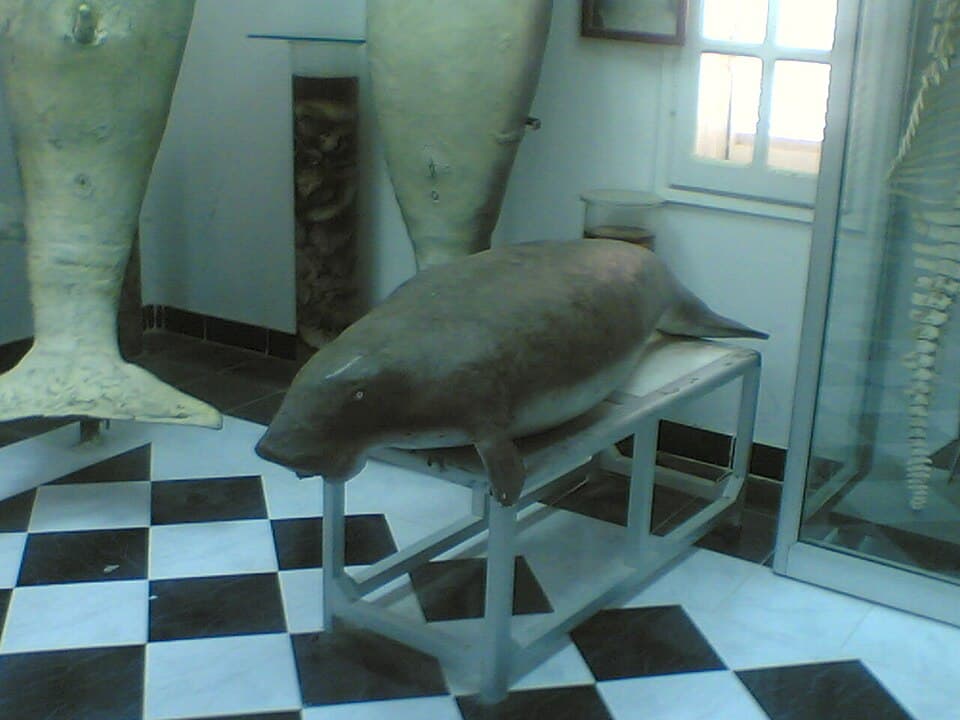
Dugong
Dugong dugon
Marine AnimalThe dugong is a large marine mammal closely related to manatees, spending its entire life grazing on seagrass meadows in the shallow coastal waters of the Indian and western Pacific Oceans. It is the only strictly herbivorous marine mammal that lives exclusively in the sea, unlike manatees, which sometimes venture into freshwater rivers.
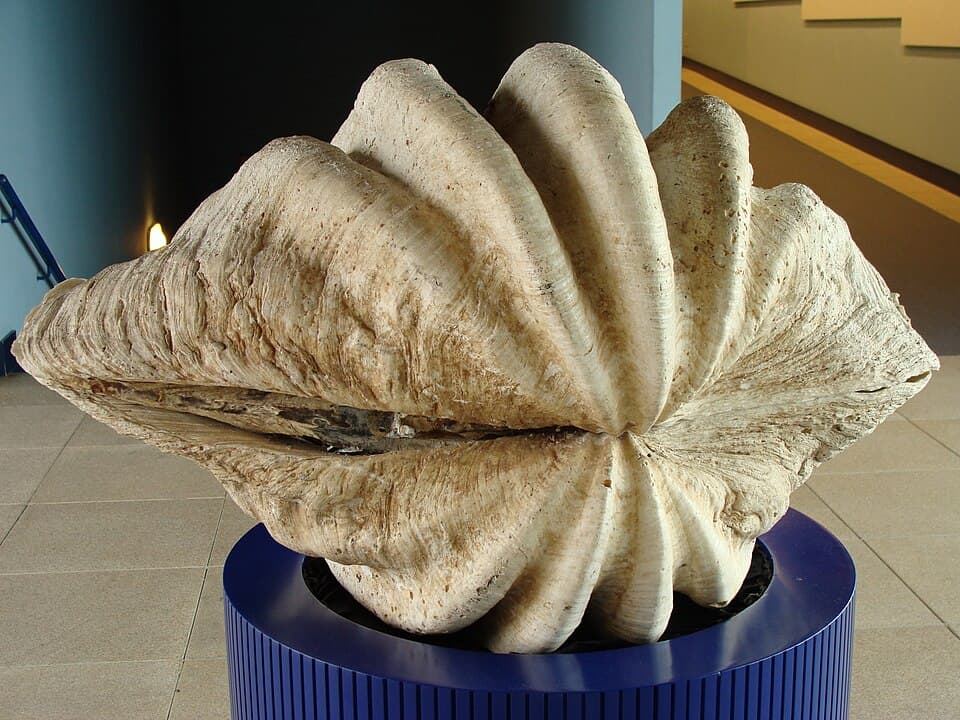
Giant Clam
Tridacna gigas
Marine AnimalThe giant clam is the largest living bivalve mollusk in the world, capable of growing shells over a meter across and living for a century or more anchored to the same spot on a coral reef. Rather than actively hunting for food, it hosts millions of photosynthetic algae within its colorful mantle tissue, drawing most of its energy from sugars the algae produce using sunlight.
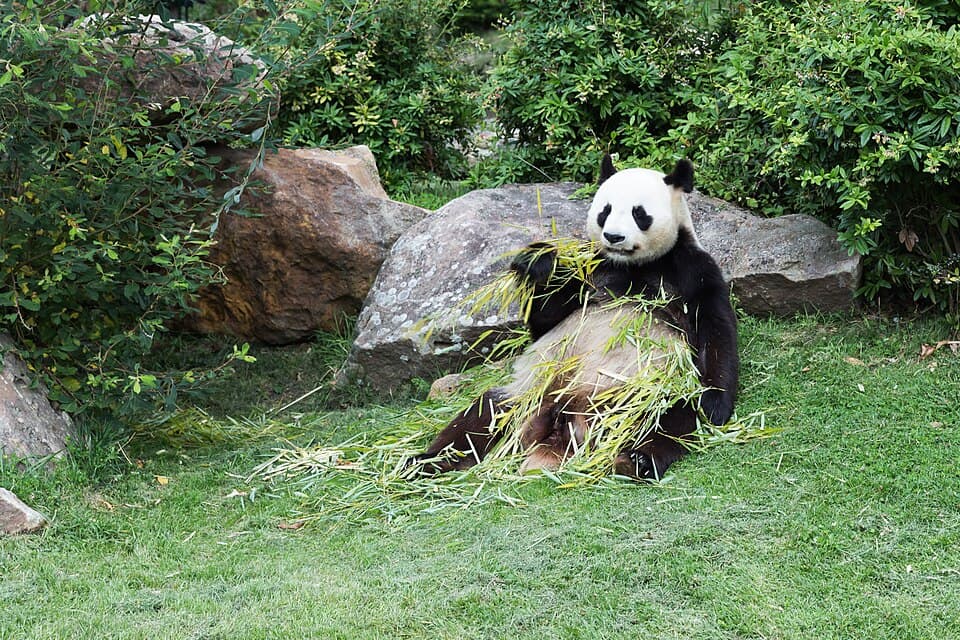
Giant Panda
Ailuropoda melanoleuca
MammalThe giant panda is a bear native to a handful of mountain forest ranges in central China, primarily in Sichuan province, famous worldwide for a diet made up almost entirely of bamboo despite retaining the short digestive tract of a carnivore. Because that digestive system extracts relatively little energy from tough, fibrous bamboo, pandas must eat enormous quantities to survive, spending up to 12 hours a day feeding and consuming as much as 38kg of bamboo in a single day. Long a symbol of Chinese culture and a fixture of international 'panda diplomacy,' the species was reclassified from Endangered to Vulnerable by the IUCN in 2016 after decades of habitat protection and captive-breeding programs helped stabilize its wild population — one of conservation's clearer recent success stories, even as bamboo forest fragmentation remains an ongoing threat.
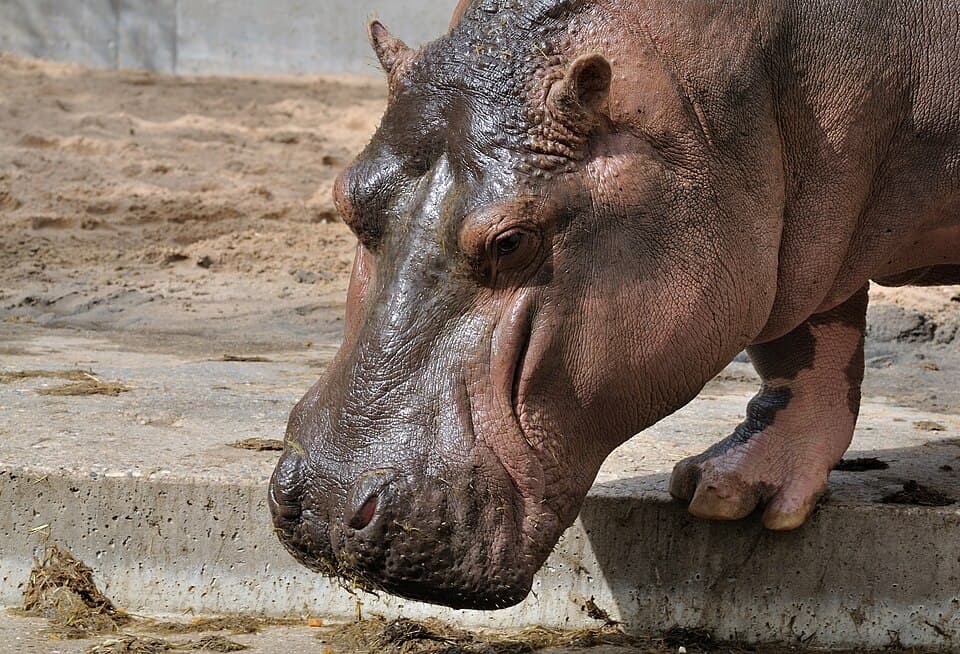
Hippopotamus
Hippopotamus amphibius
MammalThe hippopotamus is one of the largest land mammals, spending most of the day submerged in African rivers and lakes to keep its huge body cool.
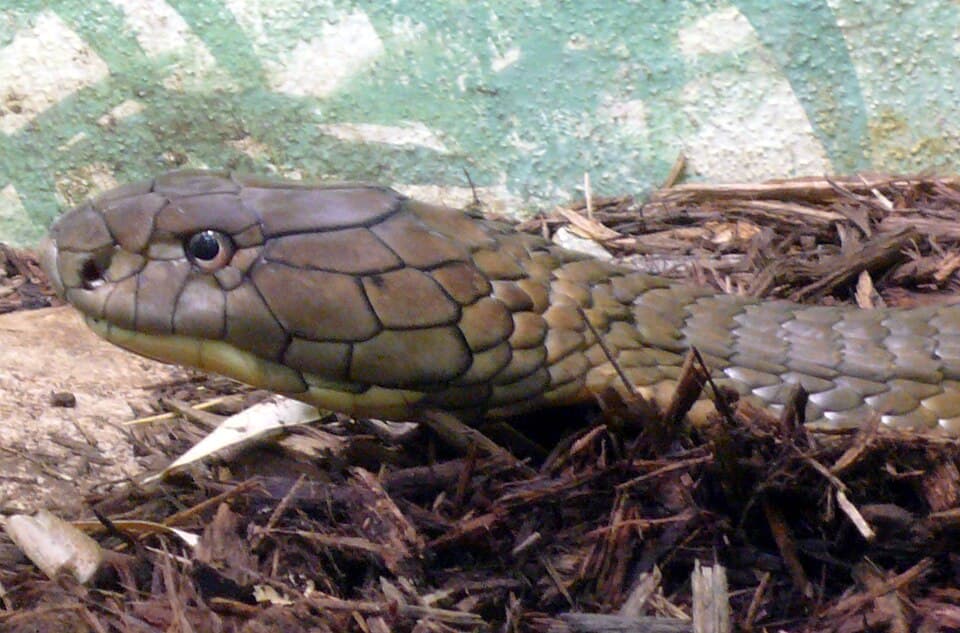
King Cobra
Ophiophagus hannah
ReptileThe king cobra is the world's longest venomous snake, found across the forests, bamboo thickets, and mangrove swamps of South and Southeast Asia, from India and southern China to the Philippines and Indonesia. It is unusual among snakes for building and guarding a nest for its eggs, and despite its size and reputation, it is a shy, diurnal hunter that generally avoids humans rather than confronting them.
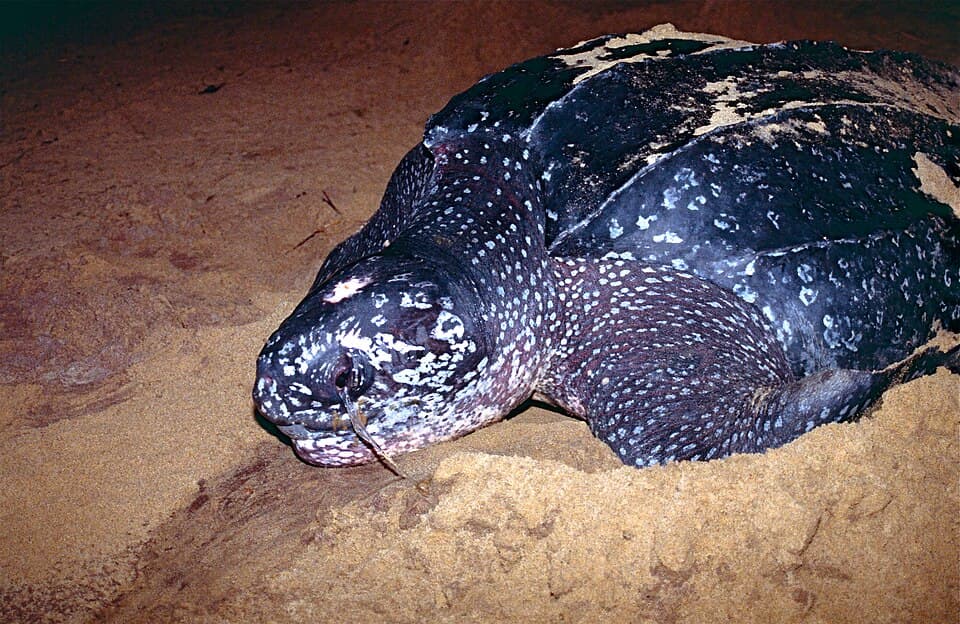
Leatherback Sea Turtle
Dermochelys coriacea
ReptileThe leatherback is the largest sea turtle species in the world and the only one without a hard bony shell, ranging farther into cold water than any other reptile.
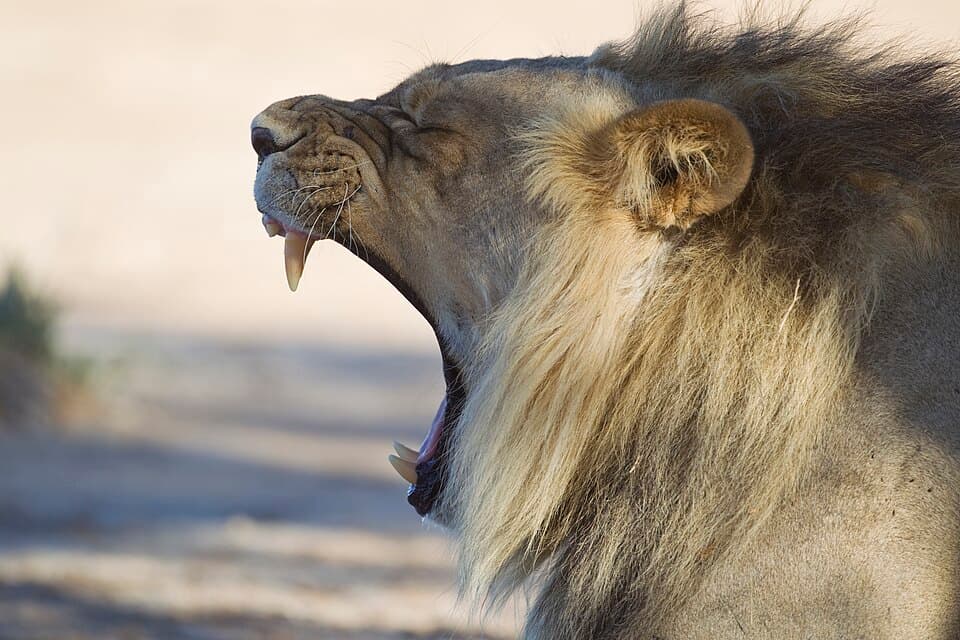
Lion
Panthera leo
MammalThe lion is one of the world's most recognizable big cats, known as the 'king of the jungle' despite living mainly on open savanna, and is the only cat species that lives in large social groups called prides.
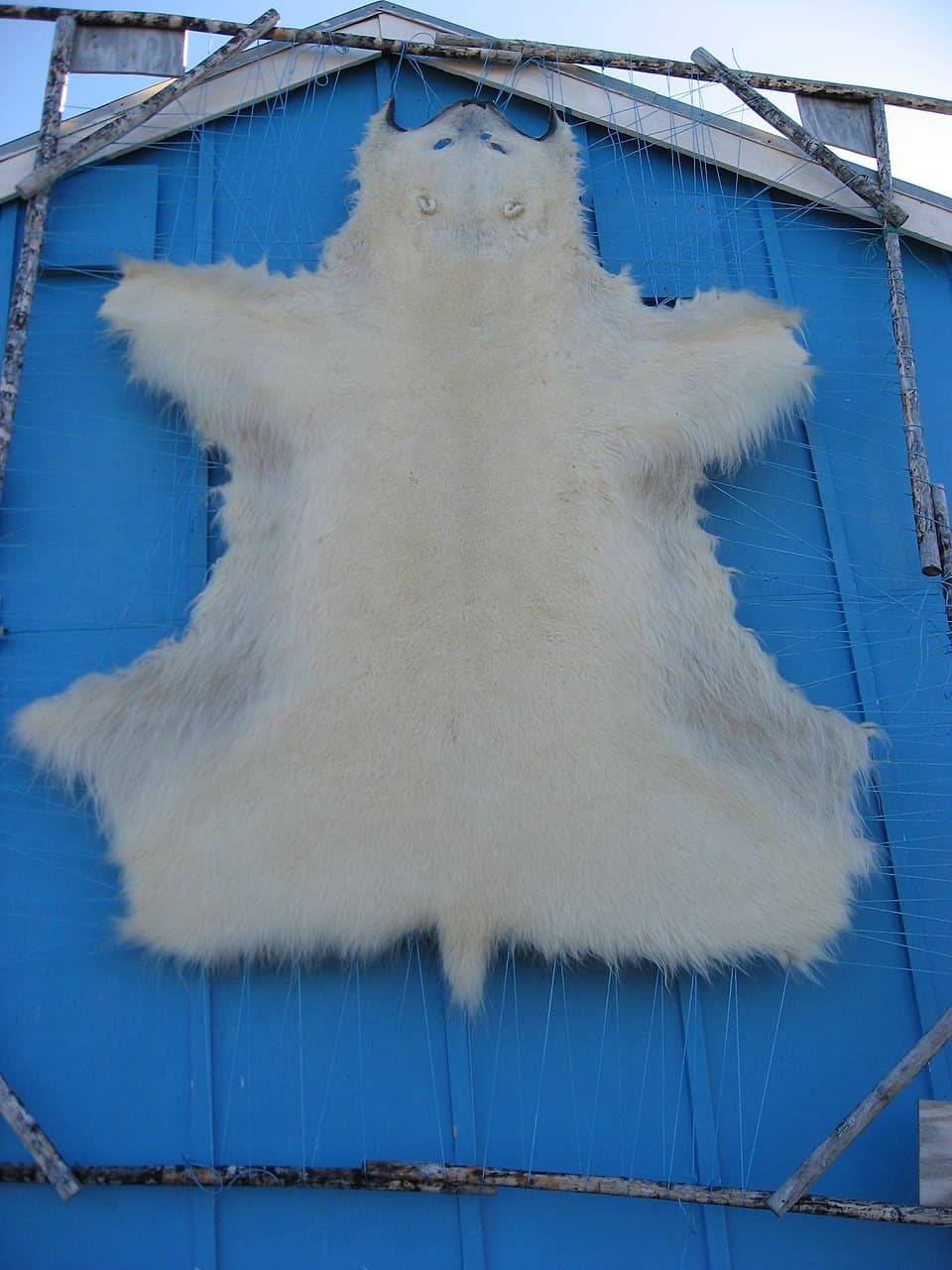
Polar Bear
Ursus maritimus
MammalThe polar bear is the largest land carnivore on Earth, superbly adapted to hunting seals across the sea ice of the Arctic Circle.
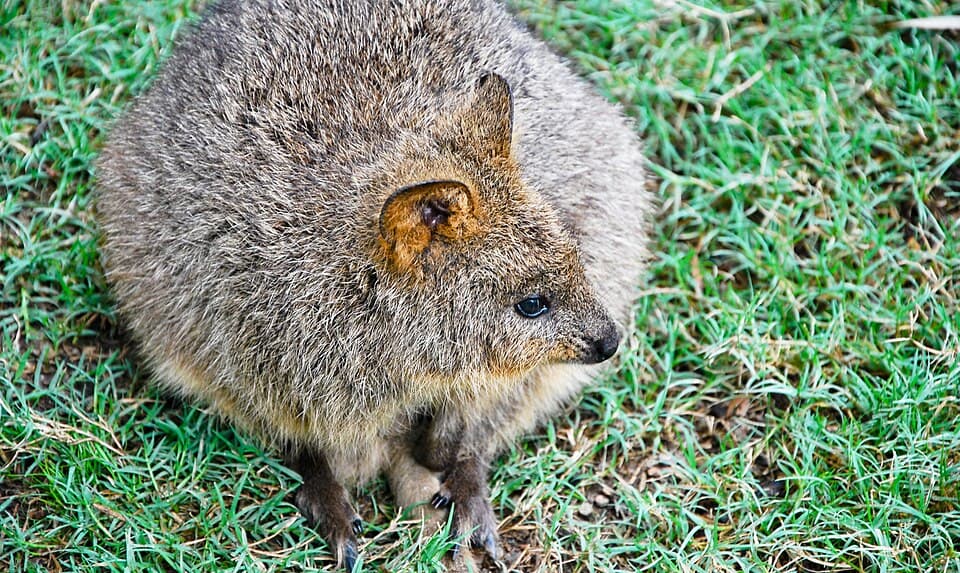
Quokka
Setonix brachyurus
MammalThe quokka is a small macropod, part of the same broad family as kangaroos and wallabies, found in a few fragmented pockets on mainland southwest Australia and, in far greater numbers, on a handful of predator-free islands off Western Australia. It is widely nicknamed 'the world's happiest animal' online for a permanent smile-like expression created by the shape of its mouth, which has made it a popular subject for tourist selfies on Rottnest Island, its best-known stronghold. Despite that island abundance, quokkas are classified as Vulnerable overall, since introduced predators like foxes and cats have devastated the harder-to-protect mainland population over the past century.
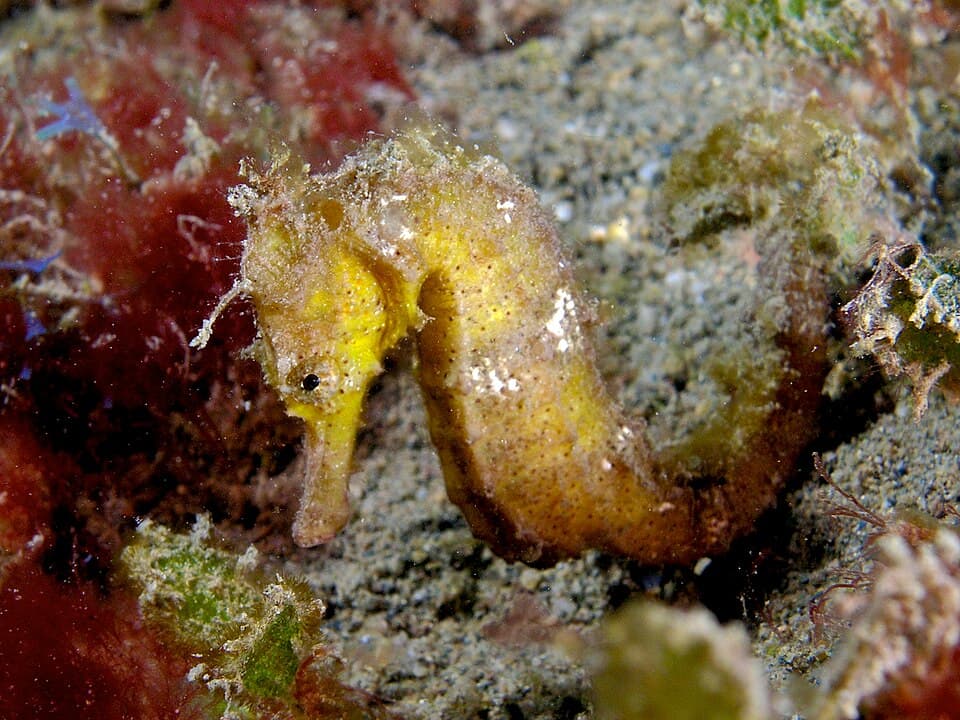
Seahorse
Hippocampus kuda
FishThe seahorse is one of the ocean's most distinctive fish, with an upright, horse-like body shape unlike almost any other fish species. Rather than swimming powerfully, it drifts through seagrass beds and coral reefs, anchoring itself in place with a flexible, prehensile tail wrapped around plant stems or coral.
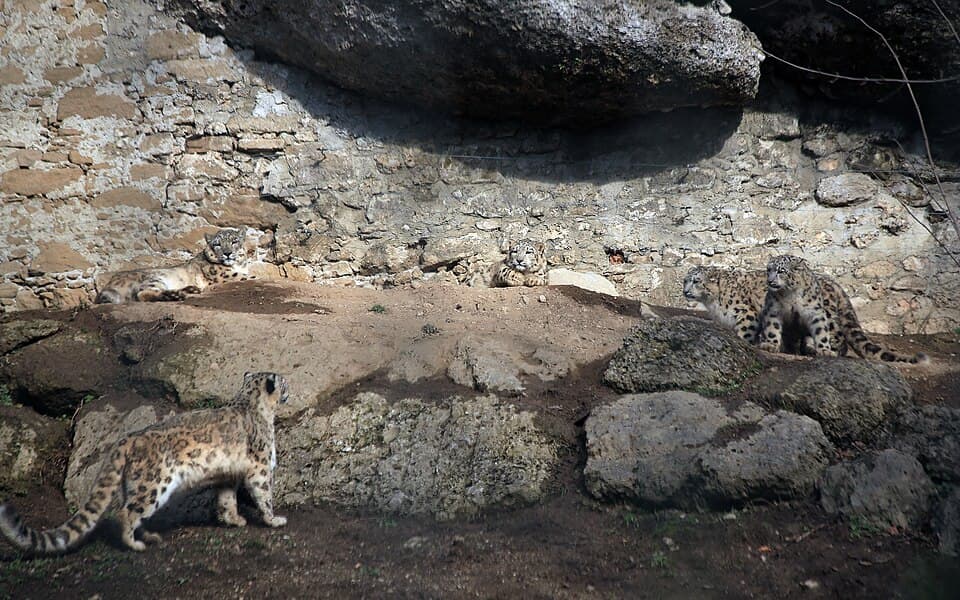
Snow Leopard
Panthera uncia
MammalThe snow leopard is an elusive big cat adapted to life in the high, cold mountains of Central and South Asia — including the Himalayas, the Tibetan Plateau, and ranges across roughly a dozen countries from Afghanistan to Mongolia — so rarely seen in the wild that it's often called the 'ghost of the mountains'.
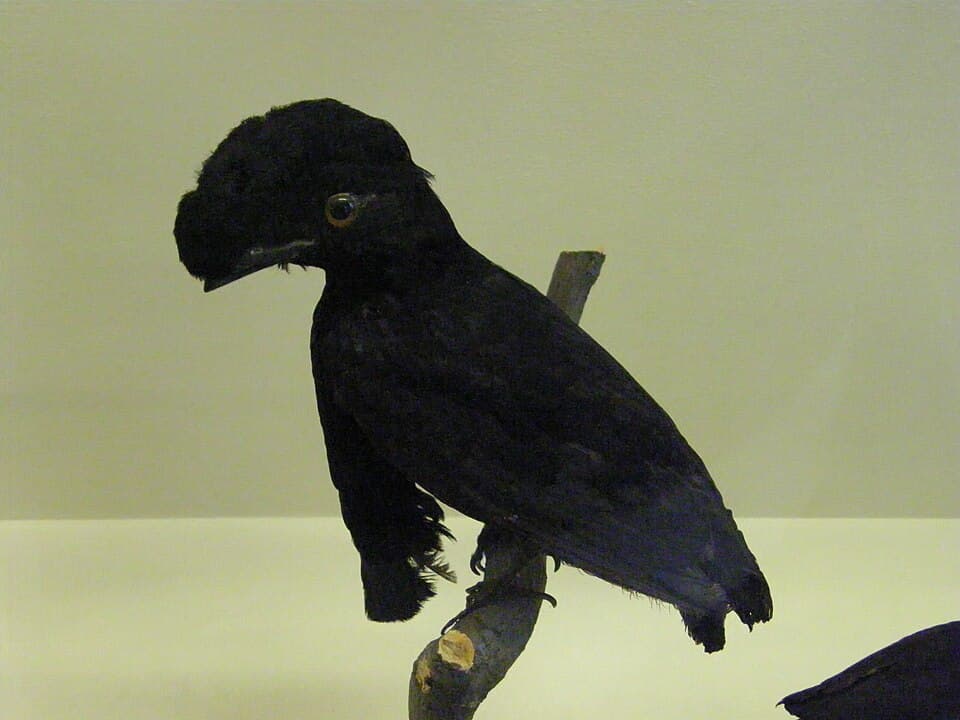
Umbrellabird
Cephalopterus penduliger
BirdThe umbrellabird is a striking rainforest bird named for the umbrella-like crest of feathers that arches forward over its head, along with a long, inflatable wattle of feathered skin hanging from its throat. Males use both features in elaborate courtship displays, along with deep, booming calls that can carry through dense forest.
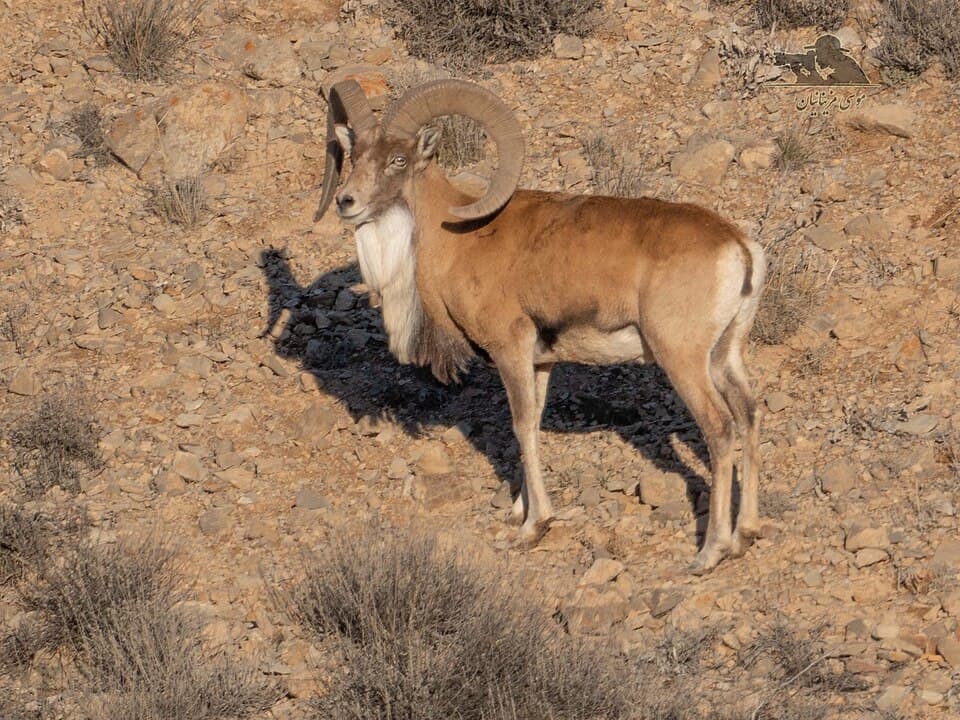
Urial
Ovis vignei
MammalThe urial is a wild sheep species native to the dry hills and mountains of Central and South Asia, recognized by the male's large curling horns.
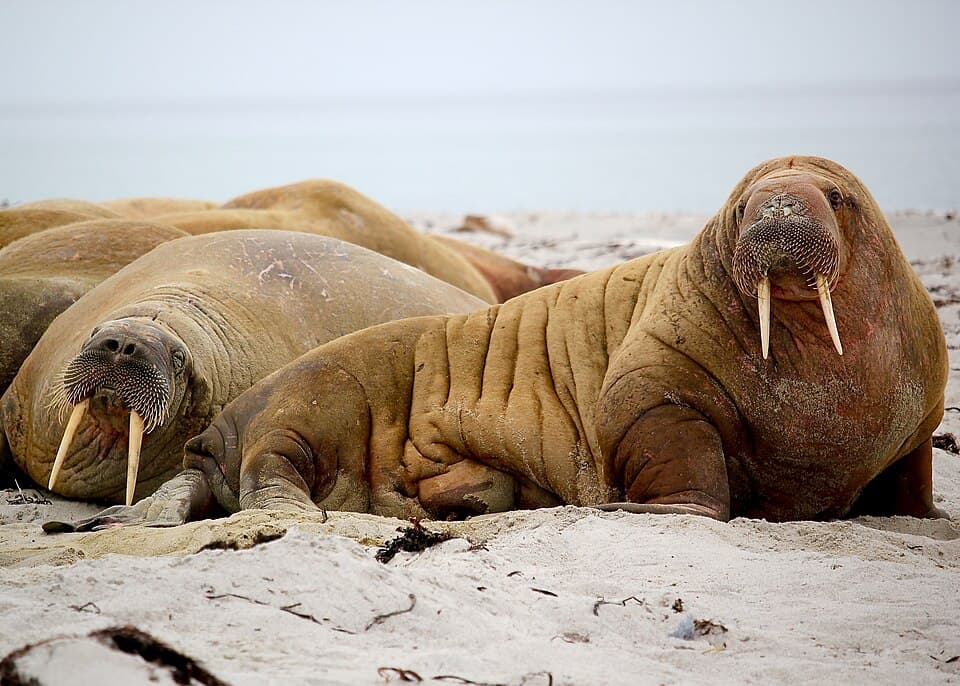
Walrus
Odobenus rosmarus
MammalThe walrus is a massive Arctic marine mammal easily identified by its long ivory tusks, thick blubber layer, and distinctive whiskered snout.
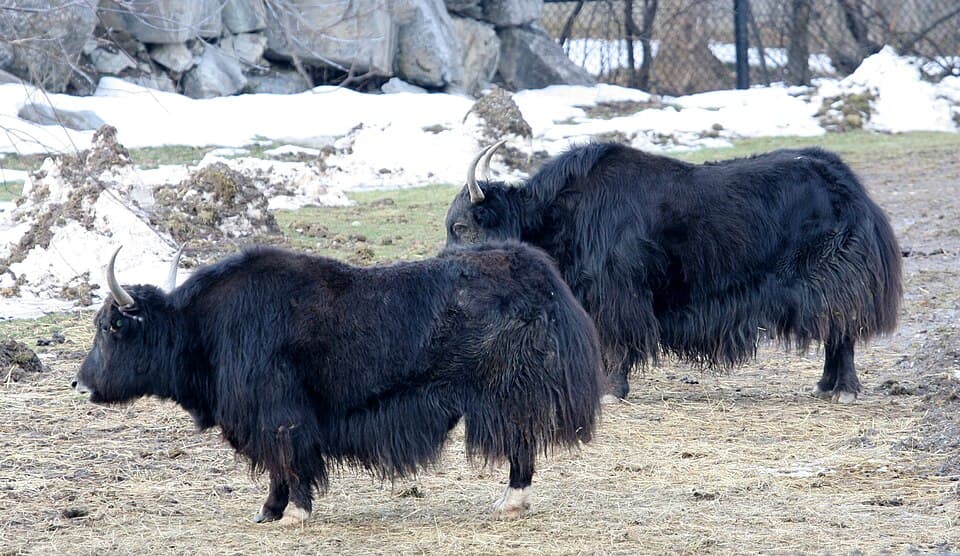
Yak
Bos grunniens
MammalThe yak is a large, long-haired bovine adapted to the extreme cold and thin air of the high Himalayan plateau, able to live at altitudes above 4,000 meters (13,000 feet) that few other large mammals can tolerate. Most yaks today are domesticated and have been kept for thousands of years across Tibet, Nepal, and the surrounding mountains as a source of milk, meat, wool, and transport, while small wild populations still survive on the remote Tibetan Plateau.
Where This Status Sits on the IUCN Red List
Extinction risk increases left to right. Species counts reflect animals currently featured on this site, not global totals.
| Status | Extinction Risk | Species Featured |
|---|---|---|
| Least Concern | Widespread and abundant species that are not currently at significant risk of extinction. | 45 |
| Near Threatened | Species that may become threatened in the near future without continued conservation attention. | 8 |
| Vulnerable (this page) | Species facing a high risk of extinction in the wild due to habitat loss, hunting, or other pressures. | 17 |
| Endangered | Species facing a very high risk of extinction in the wild in the near future. | 15 |
| Critically Endangered | Species facing an extremely high risk of extinction, often down to only a handful of populations left in the wild. | 5 |
| Extinct | Species with no known living individuals remaining, lost forever from the wild. | 5 |
Vulnerable Species FAQs
How many vulnerable species are listed here?
This page currently features 17 species, and more are added regularly as the dataset grows.
What is the most popular animal in this list?
Lion is currently the most popular animal in Vulnerable Species.
Are any of these animals endangered?
Yes — 17 of the 17 species listed are classified as vulnerable, endangered, or critically endangered.
Explore Other Conservation Statuses
Least Concern Species
Widespread and abundant species that are not currently at significant risk of extinction.
Near Threatened Species
Species that may become threatened in the near future without continued conservation attention.
Endangered Species
Species facing a very high risk of extinction in the wild in the near future.
Critically Endangered Species
Species facing an extremely high risk of extinction, often down to only a handful of populations left in the wild.
Extinct Species
Species with no known living individuals remaining, lost forever from the wild.