Extinct Species
A species is classified as extinct when there is no reasonable doubt that its last living individual has died — a status that, unlike other conservation categories such as vulnerable or endangered, cannot be reversed through conservation action once it occurs. Extinction has shaped life on Earth throughout its history: mass extinction events driven by asteroid impacts, volcanic activity, and dramatic climate shifts wiped out the vast majority of species that ever existed, long before humans appeared. In more recent geological time, extinction has increasingly been driven by human activity — habitat destruction, overhunting, and the introduction of invasive predators, competitors, and diseases to ecosystems with no natural defense against them. The animals featured on this page, including prehistoric species like the Tyrannosaurus rex and Velociraptor known only from the fossil record, offer a window into how dramatically life on Earth has changed across hundreds of millions of years, and a reminder of how permanent extinction is once it happens.
How Scientists Determine a Species Is Extinct
Declaring a species extinct is a careful, evidence-based process, not an assumption made after a period of no sightings. The IUCN requires exhaustive surveys of a species' known and likely habitat, conducted at appropriate times of year and over a timeframe suited to its life cycle, before a species can be formally listed as extinct — a threshold set deliberately high because a mistaken declaration can end conservation funding and legal protection for a species that may still survive in small, undetected numbers. Species that have not been seen for a long time but cannot be confirmed extinct are sometimes referred to informally as 'possibly extinct' or 'data deficient' rather than extinct outright.
The Difference Between Extinct and Extinct in the Wild
Extinct and Extinct in the Wild are related but distinct classifications on the IUCN Red List. A species is Extinct in the Wild when it survives only in captivity, cultivation, or as a population maintained well outside its historical range, with no known individuals remaining in their natural habitat — meaning there is still a path back to the wild through reintroduction programs, unlike true extinction, which is permanent and irreversible. Several species have moved from Extinct in the Wild back toward a wild population through sustained captive-breeding and reintroduction efforts, illustrating why the distinction matters for conservation planning.
Notable Causes Behind Historical Extinctions
While the fossil record documents extinction as a constant feature of life on Earth long before humans existed, the pace of extinction driven directly by human activity over the last few centuries is dramatically faster than the natural background rate. Overhunting drove some of the most well-documented modern extinctions, habitat destruction has eliminated species before they could even be fully studied, and the introduction of non-native predators, competitors, and diseases to islands and isolated ecosystems has proven especially devastating, since island species often evolved without defenses against threats that never previously existed in their environment.
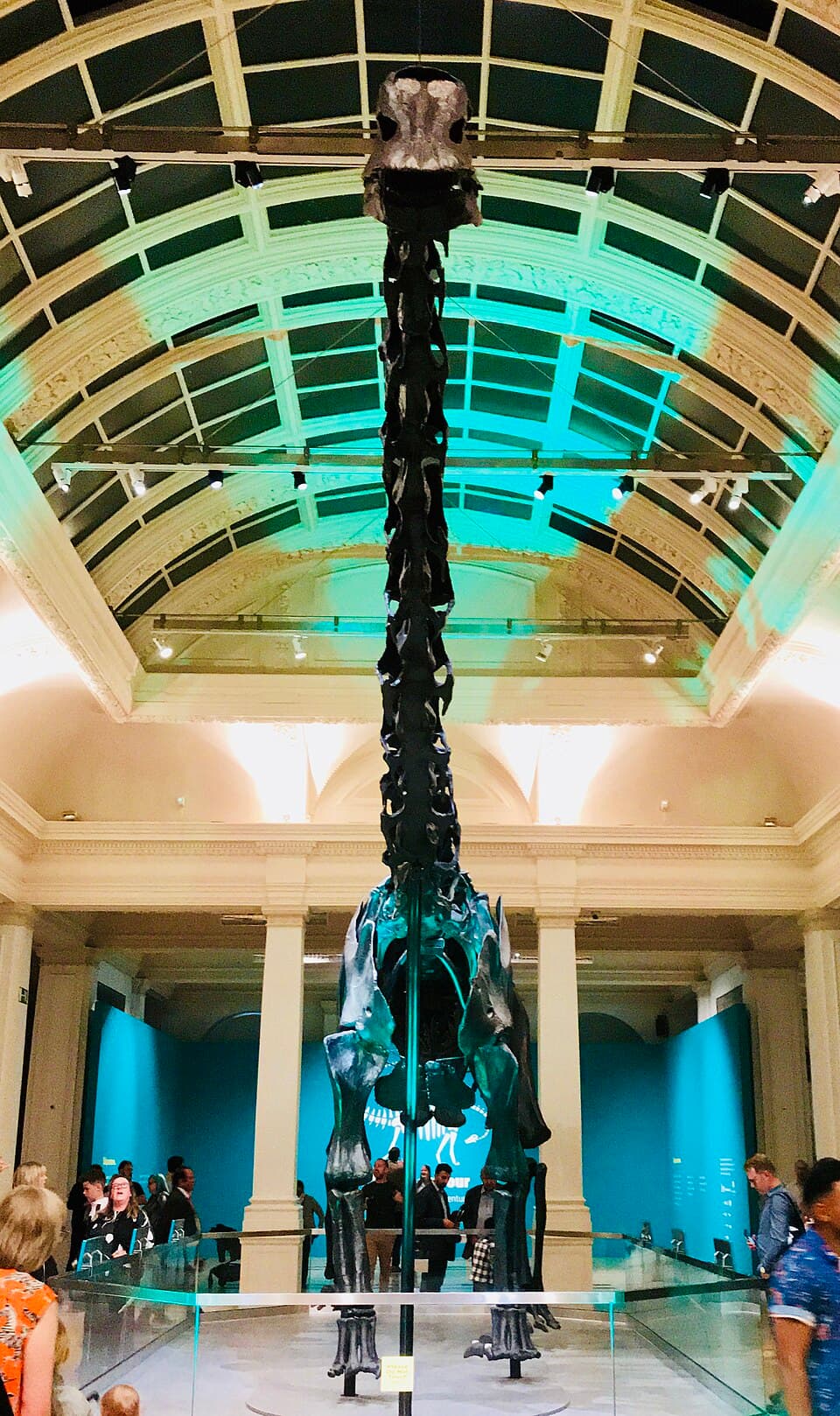
Diplodocus
Diplodocus carnegii
DinosaurDiplodocus was one of the longest dinosaurs to ever walk the Earth, an enormous long-necked, long-tailed herbivore that roamed what is now western North America during the Late Jurassic period. Despite its massive length, it was relatively lightly built for its size, with a skeleton adapted to minimize weight while still supporting its huge frame.
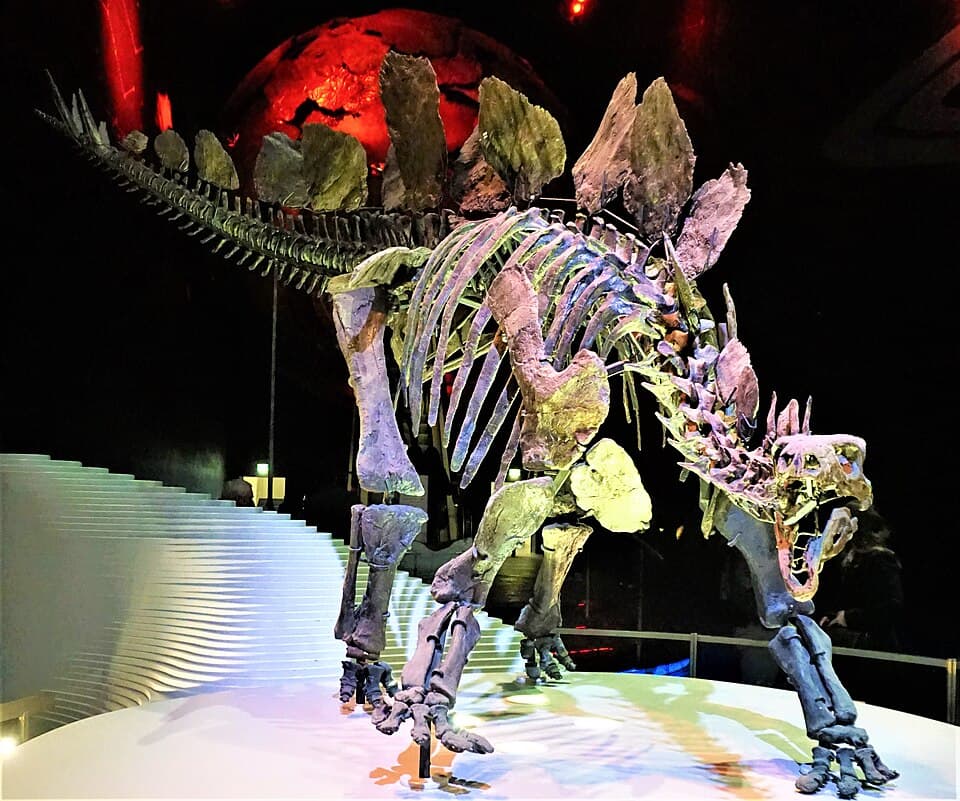
Stegosaurus
Stegosaurus stenops
DinosaurStegosaurus is one of the most recognizable dinosaurs ever discovered, instantly identifiable by the row of large, upright bony plates running along its back and the sharp spikes at the end of its tail. Despite its considerable size, it had a remarkably small, low-slung head with a brain roughly the size of a walnut relative to its huge body.
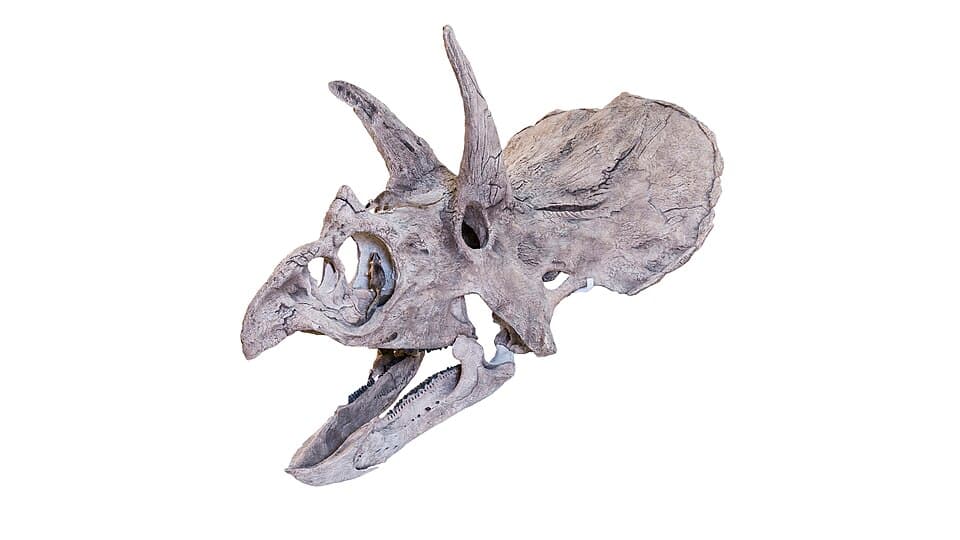
Triceratops
Triceratops horridus
DinosaurTriceratops was one of the last non-avian dinosaurs to exist before the mass extinction event 66 million years ago, instantly recognizable by the massive bony frill extending from the back of its skull and the three prominent horns on its face. It lived across what is now western North America, sharing its environment with predators like Tyrannosaurus rex.
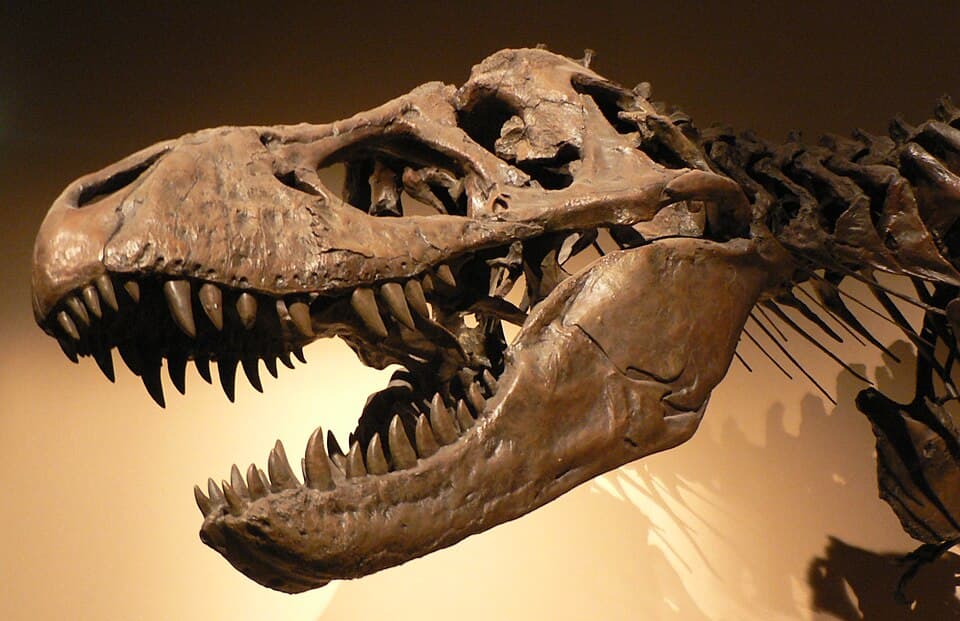
Tyrannosaurus Rex
Tyrannosaurus rex
DinosaurTyrannosaurus rex was one of the largest land predators to ever exist, dominating the ecosystems of western North America at the very end of the Cretaceous period roughly 66-68 million years ago.
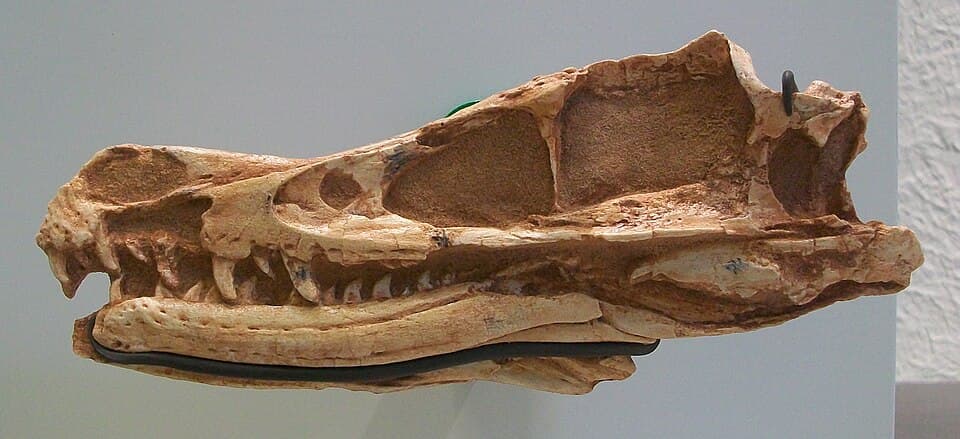
Velociraptor
Velociraptor mongoliensis
DinosaurVelociraptor was a small, fast, feathered predatory dinosaur that lived in the arid deserts of what is now Mongolia during the Late Cretaceous period, around 75 to 71 million years ago — far smaller than its famous Hollywood depiction. It belongs to the Dromaeosauridae, a family of small-to-medium theropod dinosaurs closely related to modern birds, and most of what scientists know about it comes from fossils recovered in Mongolia's Gobi Desert, including one of the most famous dinosaur fossils ever found: the 'Fighting Dinosaurs,' discovered in 1971, which captures a Velociraptor locked in combat with a Protoceratops at the moment both animals died.
Where This Status Sits on the IUCN Red List
Extinction risk increases left to right. Species counts reflect animals currently featured on this site, not global totals.
| Status | Extinction Risk | Species Featured |
|---|---|---|
| Least Concern | Widespread and abundant species that are not currently at significant risk of extinction. | 45 |
| Near Threatened | Species that may become threatened in the near future without continued conservation attention. | 8 |
| Vulnerable | Species facing a high risk of extinction in the wild due to habitat loss, hunting, or other pressures. | 17 |
| Endangered | Species facing a very high risk of extinction in the wild in the near future. | 15 |
| Critically Endangered | Species facing an extremely high risk of extinction, often down to only a handful of populations left in the wild. | 5 |
| Extinct (this page) | Species with no known living individuals remaining, lost forever from the wild. | 5 |
Extinct Species FAQs
How many extinct species are listed here?
This page currently features 5 species, and more are added regularly as the dataset grows.
What is the most popular animal in this list?
Tyrannosaurus Rex is currently the most popular animal in Extinct Species.
Are any of these animals endangered?
None of the species currently listed are classified as threatened, though conservation status can change over time.
Explore Other Conservation Statuses
Least Concern Species
Widespread and abundant species that are not currently at significant risk of extinction.
Near Threatened Species
Species that may become threatened in the near future without continued conservation attention.
Vulnerable Species
Species facing a high risk of extinction in the wild due to habitat loss, hunting, or other pressures.
Endangered Species
Species facing a very high risk of extinction in the wild in the near future.
Critically Endangered Species
Species facing an extremely high risk of extinction, often down to only a handful of populations left in the wild.