Endangered Species
Endangered (EN) is one of the IUCN Red List's formal conservation status categories, sitting between Vulnerable and Critically Endangered on the scale of extinction risk. A species earns this classification not simply for being rare, but because it meets specific, quantitative thresholds — around population decline, range size, or number of mature individuals — that indicate a serious, ongoing risk of extinction in the wild if current trends continue unchecked. The animals featured on this page span a wide range of causes and circumstances, from large mammals squeezed by shrinking habitat to species targeted by the illegal wildlife trade, but all share this same formal designation.
How the IUCN Red List Determines Endangered Status
The International Union for Conservation of Nature (IUCN) evaluates species against five criteria, labeled A through E, and a species only needs to meet the threshold for one of them to qualify as Endangered. Criterion A looks at population decline, generally a reduction of around 70% or more over ten years or three generations, whichever is longer. Criterion B examines geographic range, flagging species restricted to a small area that is severely fragmented, declining, or fluctuating. Criterion C considers a small and declining population, typically fewer than 2,500 mature individuals combined with a continuing decline. Criterion D covers an extremely small or restricted population regardless of trend, and Criterion E is a direct quantitative extinction-risk analysis showing a meaningful probability of extinction within a set number of years or generations. Assessments are reviewed periodically as new population data becomes available, so a species can move up or down the scale over time rather than being permanently locked into one category.
Major Threats Driving Species to Endangered Status
Habitat loss and fragmentation, driven by agriculture, logging, and urban development, is the single largest driver, since it reduces the space and resources a population needs to sustain itself. Overexploitation — poaching for the illegal wildlife trade, unsustainable hunting, and accidental bycatch in fishing operations — has pushed many additional species toward Endangered status even where their habitat remains largely intact. Climate change adds a compounding pressure, shifting the temperature and precipitation ranges species depend on faster than many can adapt to or migrate away from. Invasive species, introduced deliberately or accidentally through human activity, can outcompete, prey on, or spread disease to native wildlife that evolved without natural defenses against them. Pollution, from agricultural runoff to plastic waste and industrial chemicals, adds further pressure, particularly on freshwater and marine species. Most Endangered species face more than one of these threats at once, which is part of why effective recovery plans typically need to address several pressures simultaneously rather than a single cause.
From Endangered Toward Recovery
A species' Red List status is not necessarily permanent. Sustained conservation action — habitat protection and restoration, captive breeding and reintroduction programs, anti-poaching enforcement, and international trade restrictions — has allowed a number of species to be downlisted from Endangered to Vulnerable or Near Threatened as their populations stabilize and grow. Reassessment happens periodically as new population survey data becomes available, so status changes reflect measured outcomes rather than assumptions. Recovery tends to be slow, particularly for species with long generation times or very small remaining populations, which is why sustained, well-funded, long-term programs tend to succeed where short-term interventions do not.
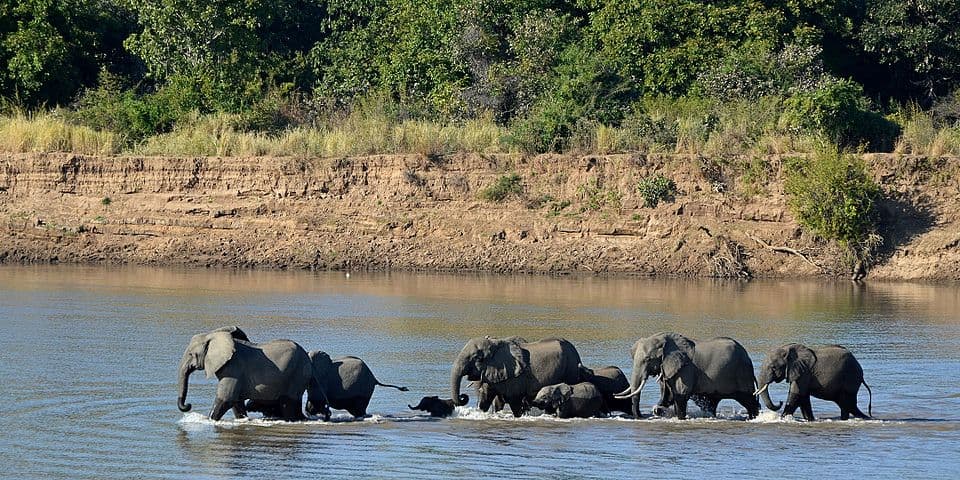
African Elephant
Loxodonta africana
MammalThe African elephant is the largest living land animal, roaming savannas, forests, and semi-arid regions across sub-Saharan Africa in tightly-bonded matriarchal herds. This entry refers specifically to the African bush elephant, the larger of two African species recognized by the IUCN since 2021 — the other, the African forest elephant, is smaller, has straighter tusks, and lives in the dense rainforests of Central and West Africa. Elephant populations were decimated by ivory poaching through the 20th century, and though international trade bans and anti-poaching efforts have slowed the decline in many regions, habitat loss and human-wildlife conflict continue to threaten the species today.
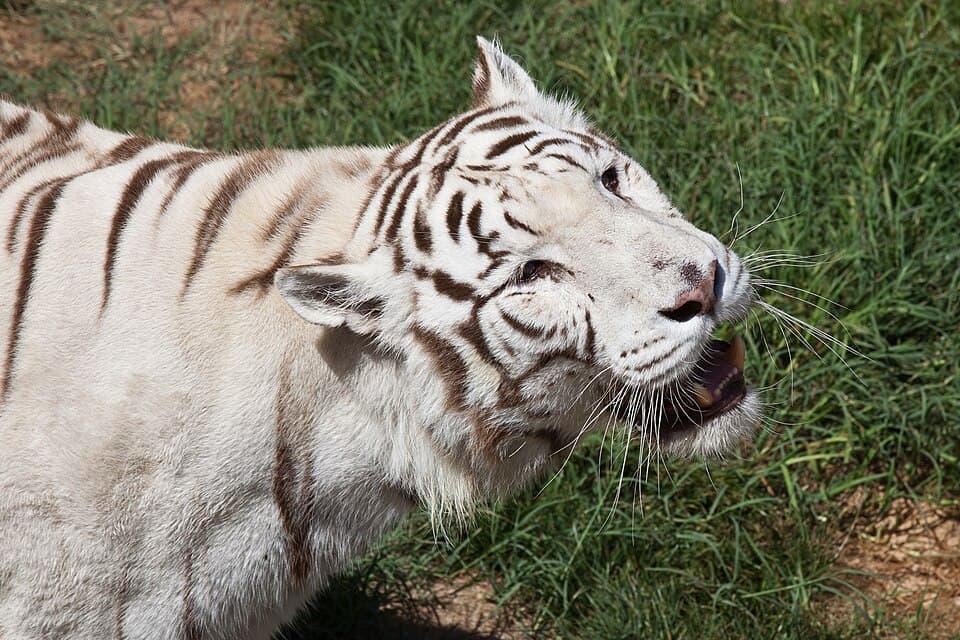
Bengal Tiger
Panthera tigris tigris
MammalThe Bengal tiger is the most numerous tiger subspecies, with India alone holding the large majority of the world's wild tiger population, and it is the largest wild cat native to Asia's forests, mangroves, and grasslands. Smaller populations also survive in Bangladesh, Nepal, and Bhutan, including in the Sundarbans, a vast mangrove delta shared by India and Bangladesh where tigers are unusually strong swimmers and sometimes hunt aquatic prey. India launched Project Tiger in 1973 to protect the subspecies through a network of dedicated reserves, and the country's wild tiger population has grown substantially since, even as poaching for the illegal wildlife trade and habitat fragmentation remain serious ongoing threats.
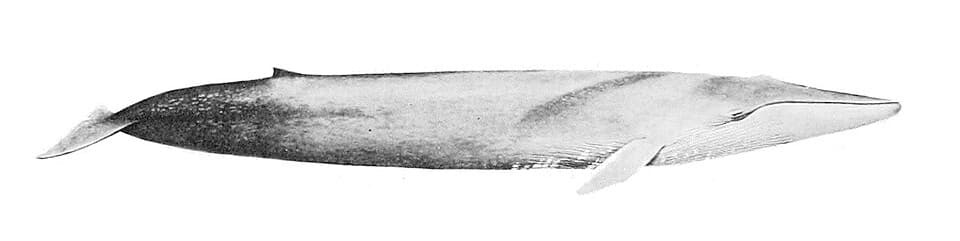
Blue Whale
Balaenoptera musculus
MammalThe blue whale is the largest animal known to have ever existed — larger than any dinosaur — filtering enormous quantities of tiny krill from the ocean through comb-like baleen plates as it roams nearly every ocean on Earth except the high Arctic. Populations were driven to the edge of extinction by 20th-century commercial whaling before international protections took hold; an estimated 10,000 to 25,000 remain today, a small fraction of pre-whaling numbers.
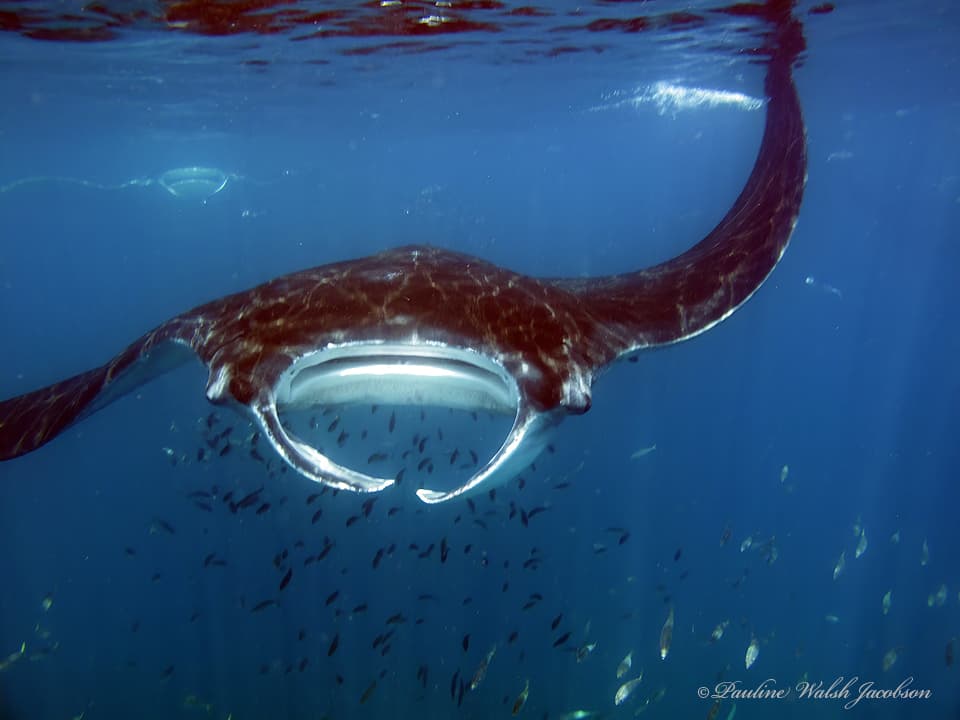
Giant Oceanic Manta Ray
Mobula birostris
FishThe giant oceanic manta ray is the largest ray species in the world, with a wingspan that can reach up to 7 meters across. Despite its enormous size, it feeds exclusively on some of the ocean's smallest organisms, filtering huge volumes of zooplankton through specialized gill plates as it swims.
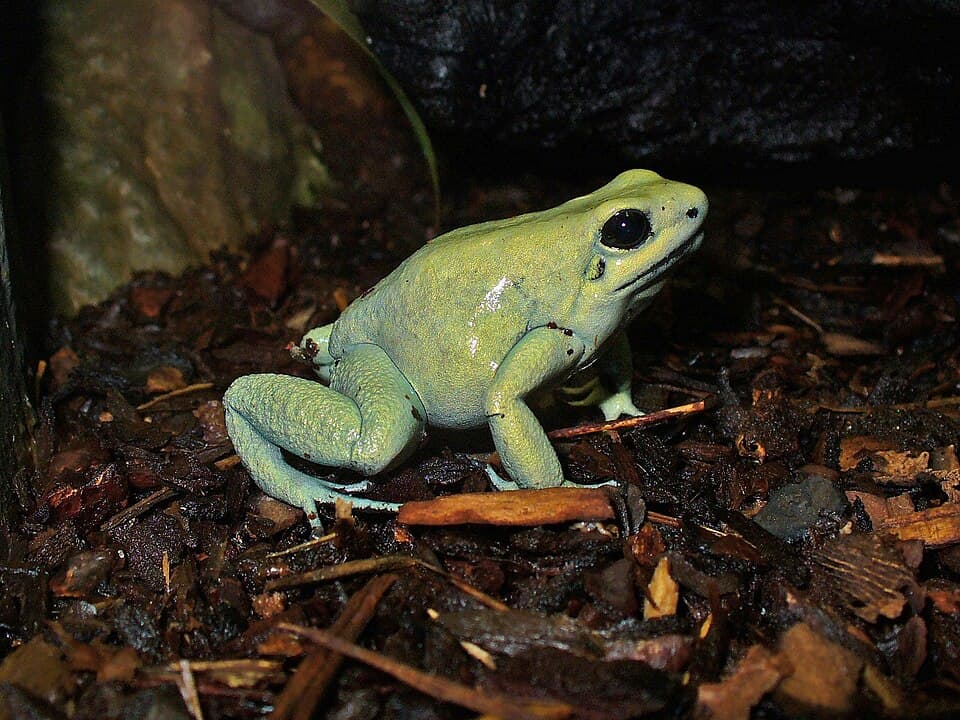
Golden Poison Frog
Phyllobates terribilis
AmphibianThe golden poison frog is widely regarded as the most toxic animal on Earth by weight, native to a small stretch of Colombian rainforest.
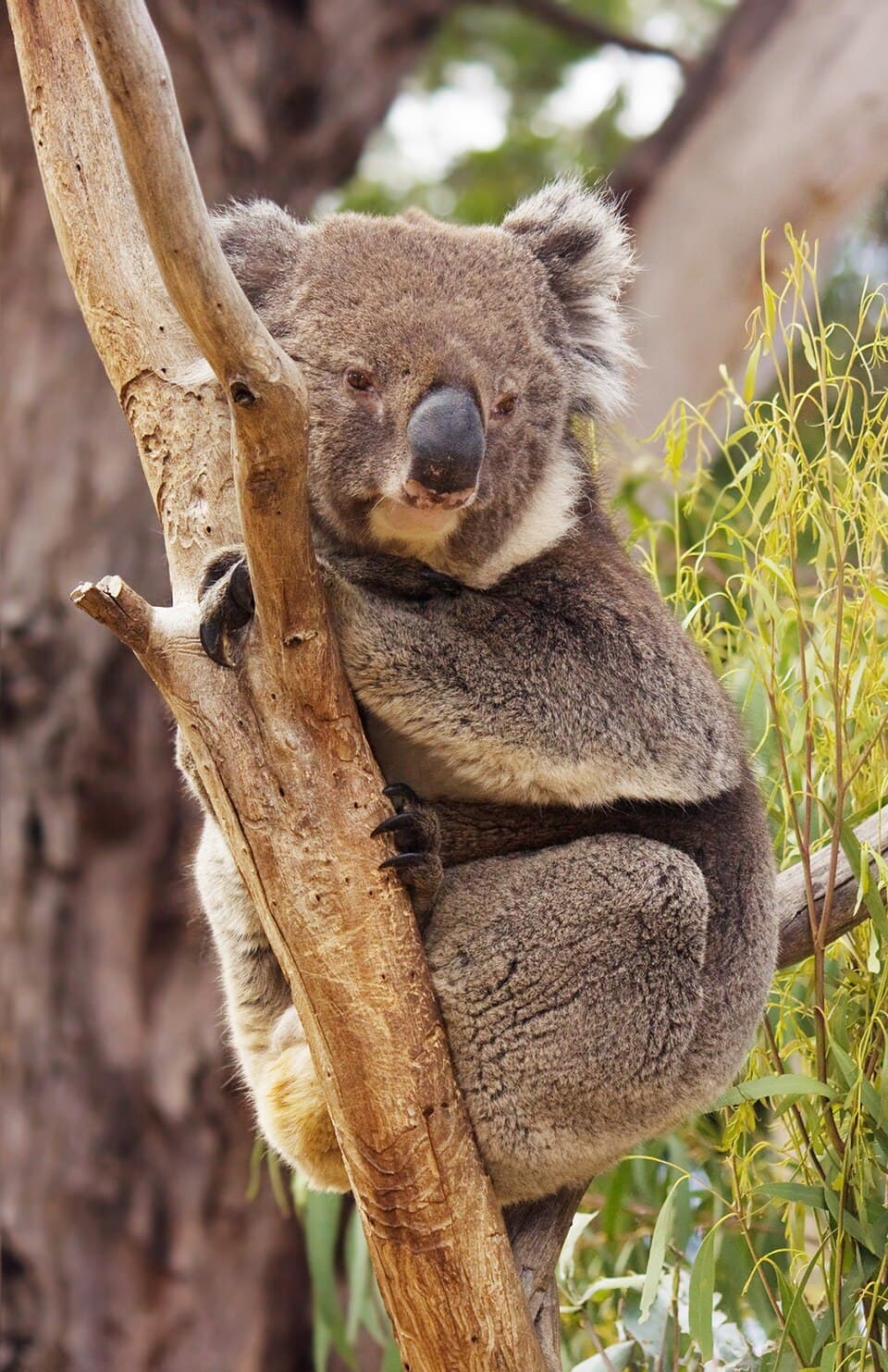
Koala
Phascolarctos cinereus
MammalThe koala is a tree-dwelling marsupial native to Australia, spending nearly its entire life in eucalyptus trees on a diet that would be toxic to most other mammals.
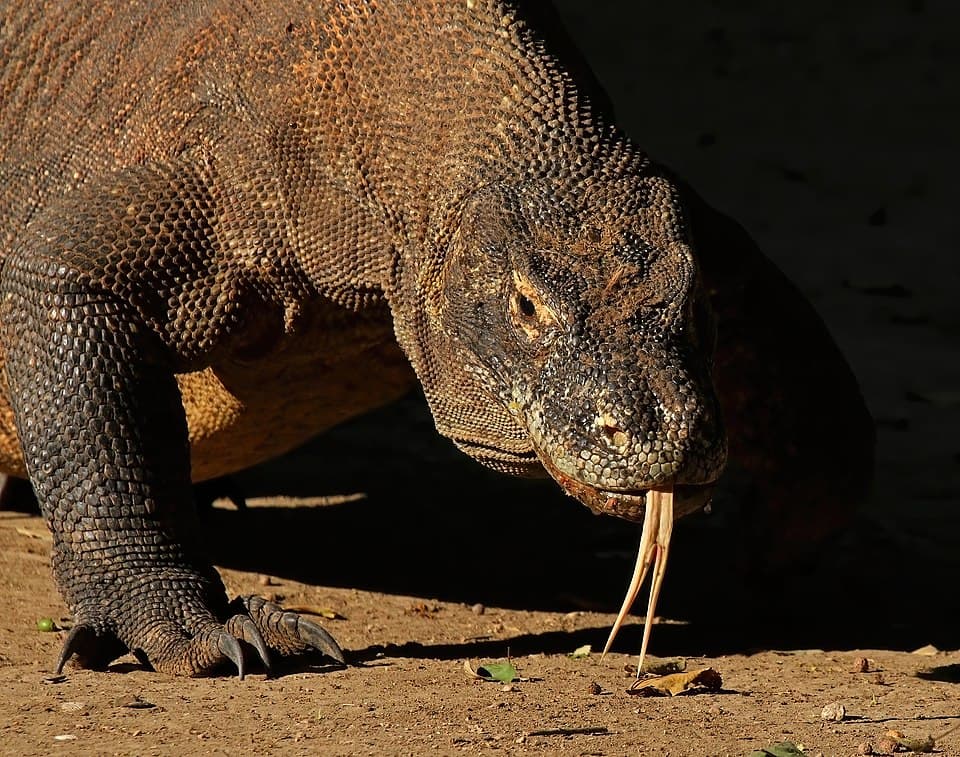
Komodo Dragon
Varanus komodoensis
ReptileThe Komodo dragon is the largest living lizard species in the world, found only on a handful of Indonesian islands including Komodo, Rinca, and Flores. A powerful apex predator, it can take down prey as large as water buffalo using a combination of a powerful bite, sharp serrated teeth, and a toxic bite that impairs its victim.
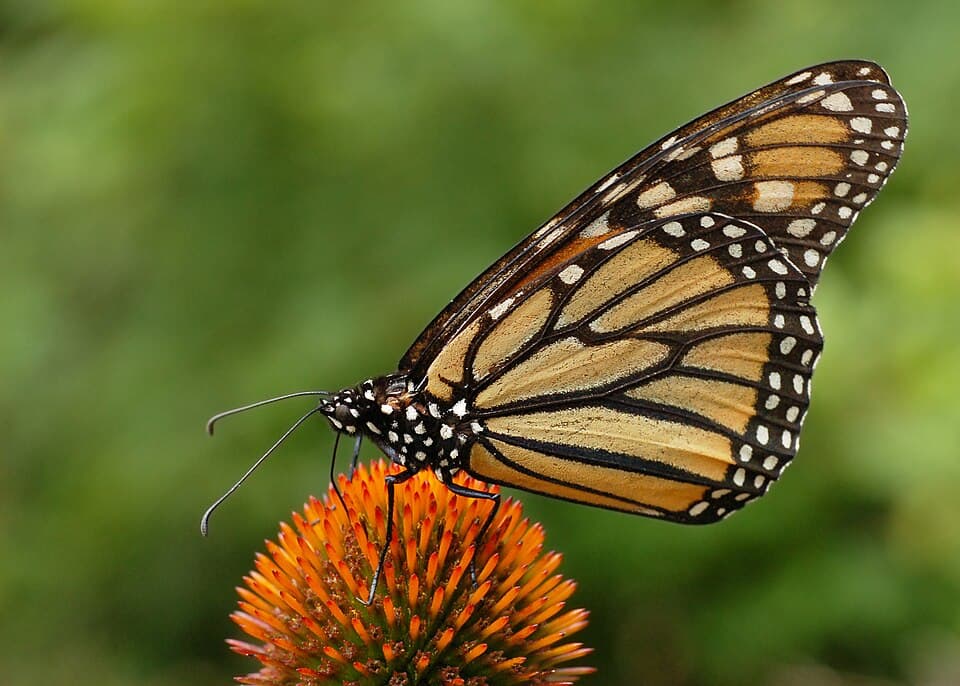
Monarch Butterfly
Danaus plexippus
InsectThe monarch butterfly is famous for an extraordinary multi-generational migration spanning thousands of kilometers between Canada, the United States, and central Mexico.
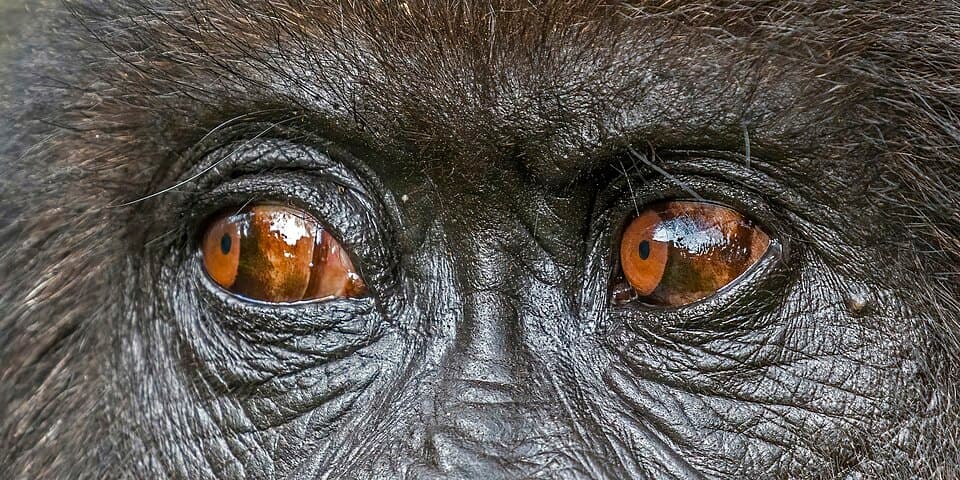
Mountain Gorilla
Gorilla beringei beringei
MammalThe mountain gorilla is a critically-studied great ape subspecies living in the misty forested slopes of the Virunga Mountains and Bwindi in central Africa, and one of conservation's most notable recovery stories.
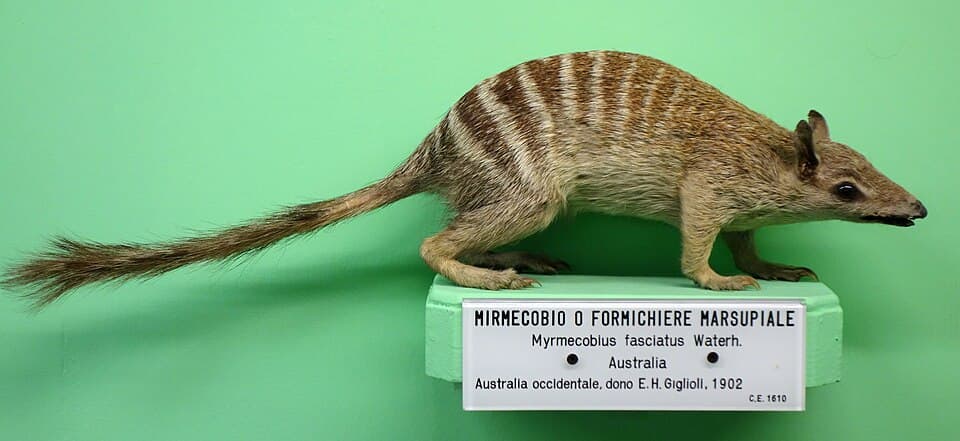
Numbat
Myrmecobius fasciatus
MammalThe numbat is a small, striped marsupial from Western Australia and one of the very few marsupials active exclusively during the day. Unlike most marsupials, it feeds almost entirely on termites, using an extremely long, sticky tongue to extract thousands of them from tunnels and rotting wood each day.
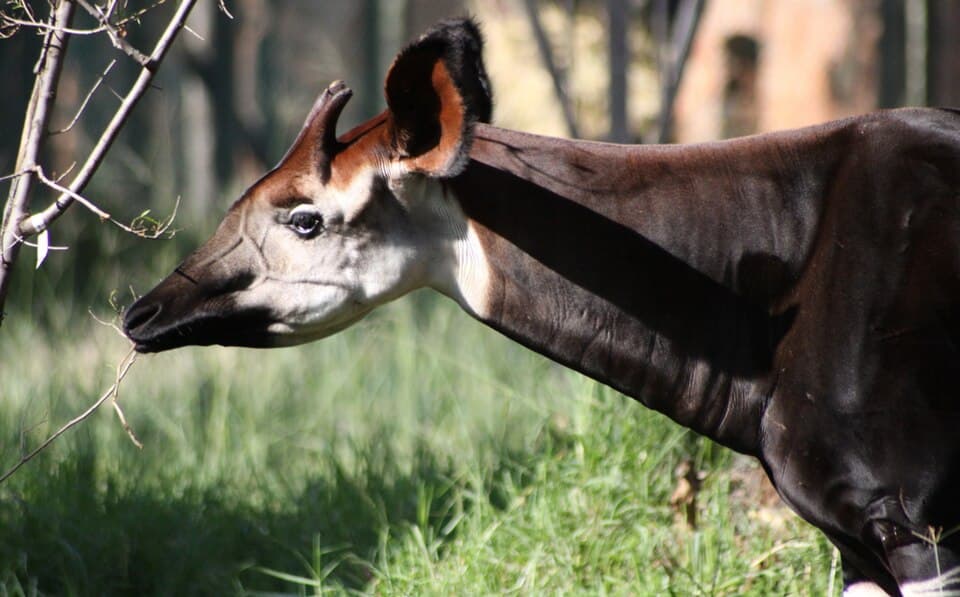
Okapi
Okapia johnstoni
MammalThe okapi is a shy, elusive relative of the giraffe found only in the dense rainforests of the Democratic Republic of the Congo. Despite its zebra-striped legs, it is not related to zebras at all -- the stripes are thought to help camouflage it in dappled forest light and help calves follow their mother through dense vegetation.
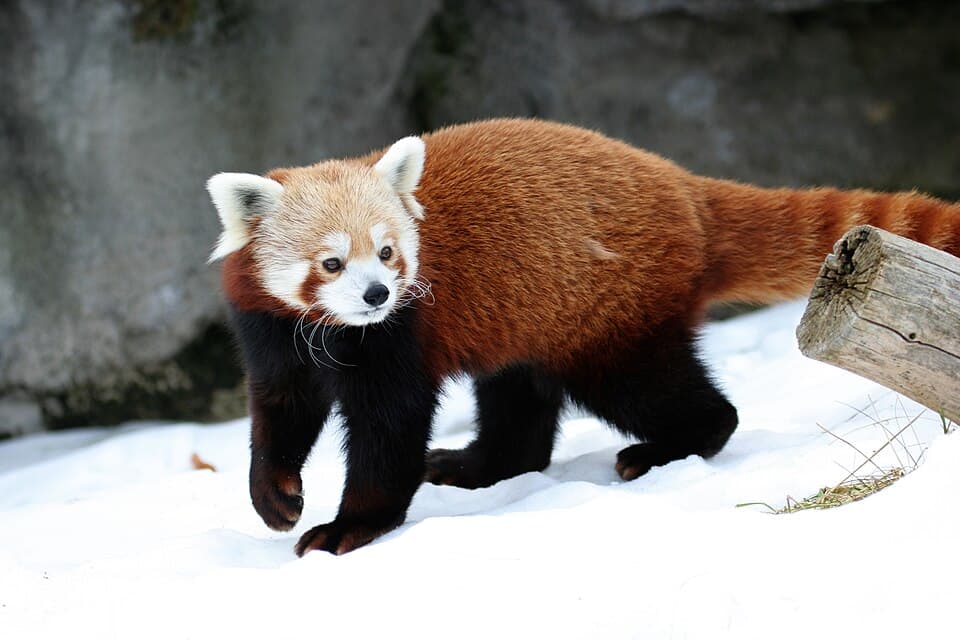
Red Panda
Ailurus fulgens
MammalThe red panda is a small, tree-dwelling mammal native to the temperate forests of the eastern Himalayas and southwestern China, spanning Nepal, Bhutan, India, and Myanmar. Despite the shared name and bamboo-heavy diet, it is unrelated to the giant panda — the two evolved their bamboo-eating habits and thumb-like wrist bone independently, a striking example of convergent evolution.
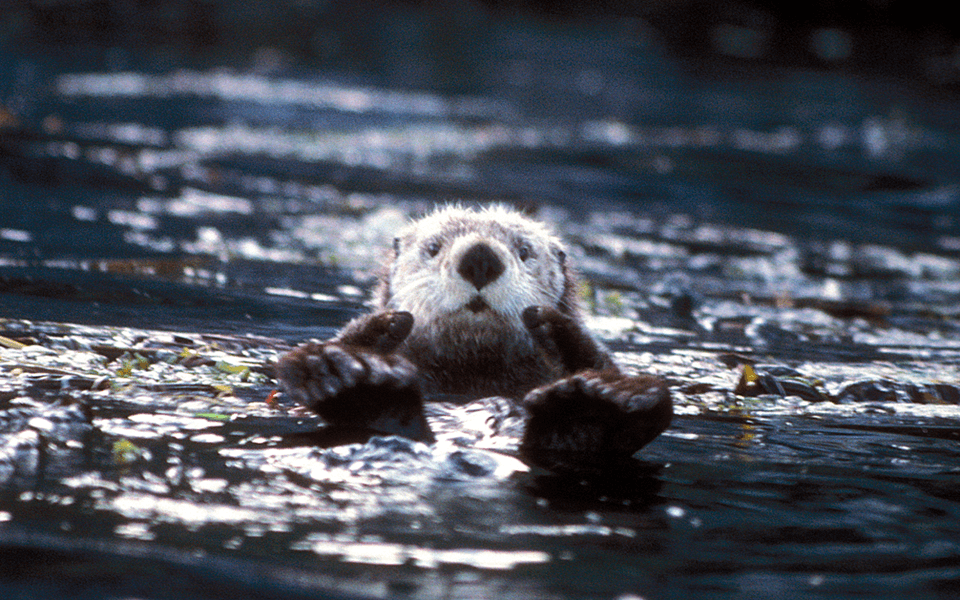
Sea Otter
Enhydra lutris
MammalThe sea otter is the heaviest member of the weasel family and one of the few mammals known to use tools, cracking open shellfish with rocks while floating on its back.
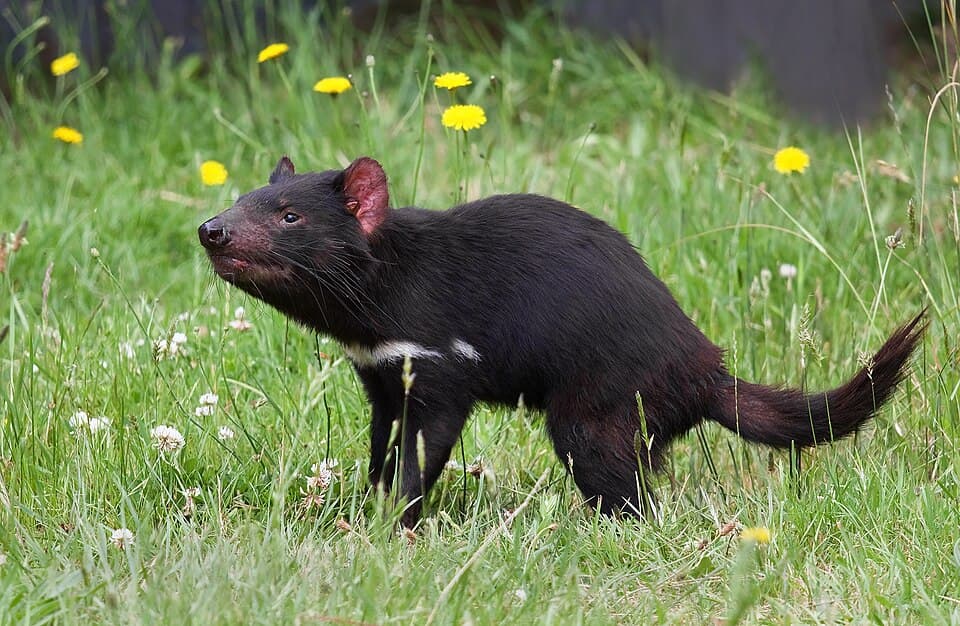
Tasmanian Devil
Sarcophilus harrisii
MammalThe Tasmanian devil is the largest surviving carnivorous marsupial in the world, now found only on the Australian island of Tasmania after going extinct on the mainland centuries ago. Despite its stocky, unassuming build, it has one of the strongest bites relative to body size of any living mammal, capable of crushing bone.
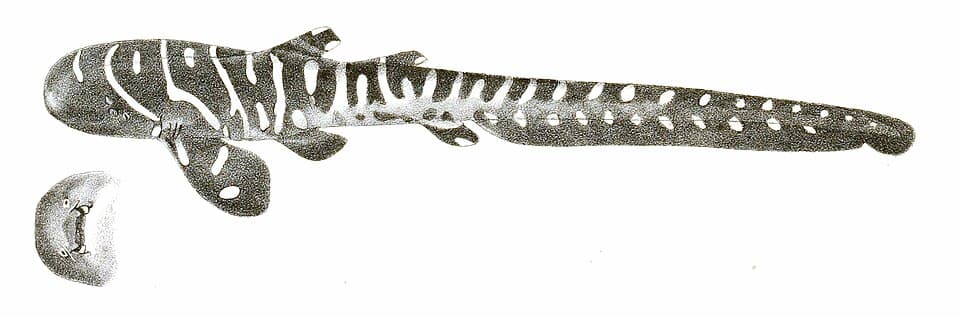
Zebra Shark
Stegostoma tigrinum
FishThe zebra shark is a docile, bottom-dwelling shark of the Indo-Pacific, named for the dark stripes seen in juveniles that fade into a spotted pattern as adults.
Where This Status Sits on the IUCN Red List
Extinction risk increases left to right. Species counts reflect animals currently featured on this site, not global totals.
| Status | Extinction Risk | Species Featured |
|---|---|---|
| Least Concern | Widespread and abundant species that are not currently at significant risk of extinction. | 45 |
| Near Threatened | Species that may become threatened in the near future without continued conservation attention. | 8 |
| Vulnerable | Species facing a high risk of extinction in the wild due to habitat loss, hunting, or other pressures. | 17 |
| Endangered (this page) | Species facing a very high risk of extinction in the wild in the near future. | 15 |
| Critically Endangered | Species facing an extremely high risk of extinction, often down to only a handful of populations left in the wild. | 5 |
| Extinct | Species with no known living individuals remaining, lost forever from the wild. | 5 |
Endangered Species FAQs
How many endangered species are listed here?
This page currently features 15 species, and more are added regularly as the dataset grows.
What is the most popular animal in this list?
Bengal Tiger is currently the most popular animal in Endangered Species.
Are any of these animals endangered?
Yes — 15 of the 15 species listed are classified as vulnerable, endangered, or critically endangered.
Explore Other Conservation Statuses
Least Concern Species
Widespread and abundant species that are not currently at significant risk of extinction.
Near Threatened Species
Species that may become threatened in the near future without continued conservation attention.
Vulnerable Species
Species facing a high risk of extinction in the wild due to habitat loss, hunting, or other pressures.
Critically Endangered Species
Species facing an extremely high risk of extinction, often down to only a handful of populations left in the wild.
Extinct Species
Species with no known living individuals remaining, lost forever from the wild.