Photo: Donald Hobern from Copenhagen, Denmark · CC BY 2.0 · via Wikimedia Commons
Overview
The southern cassowary is one of the largest and most dangerous birds in the world, a flightless giant native to the tropical rainforests of northern Australia and New Guinea. Despite its bulk, it is an excellent swimmer and can sprint through dense forest at considerable speed, using a large bony helmet-like casque atop its head to push through thick vegetation.
Appearance
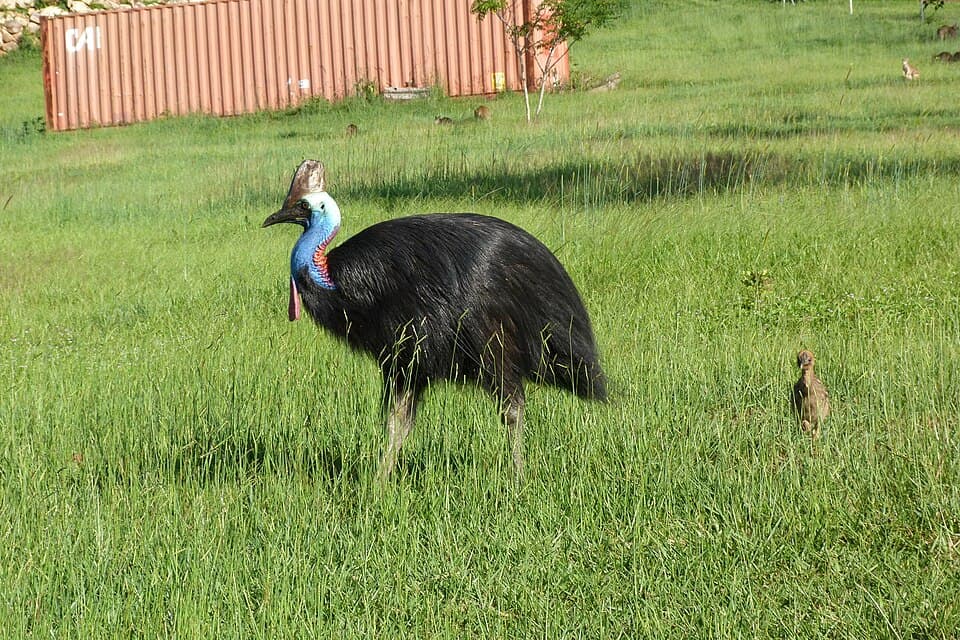
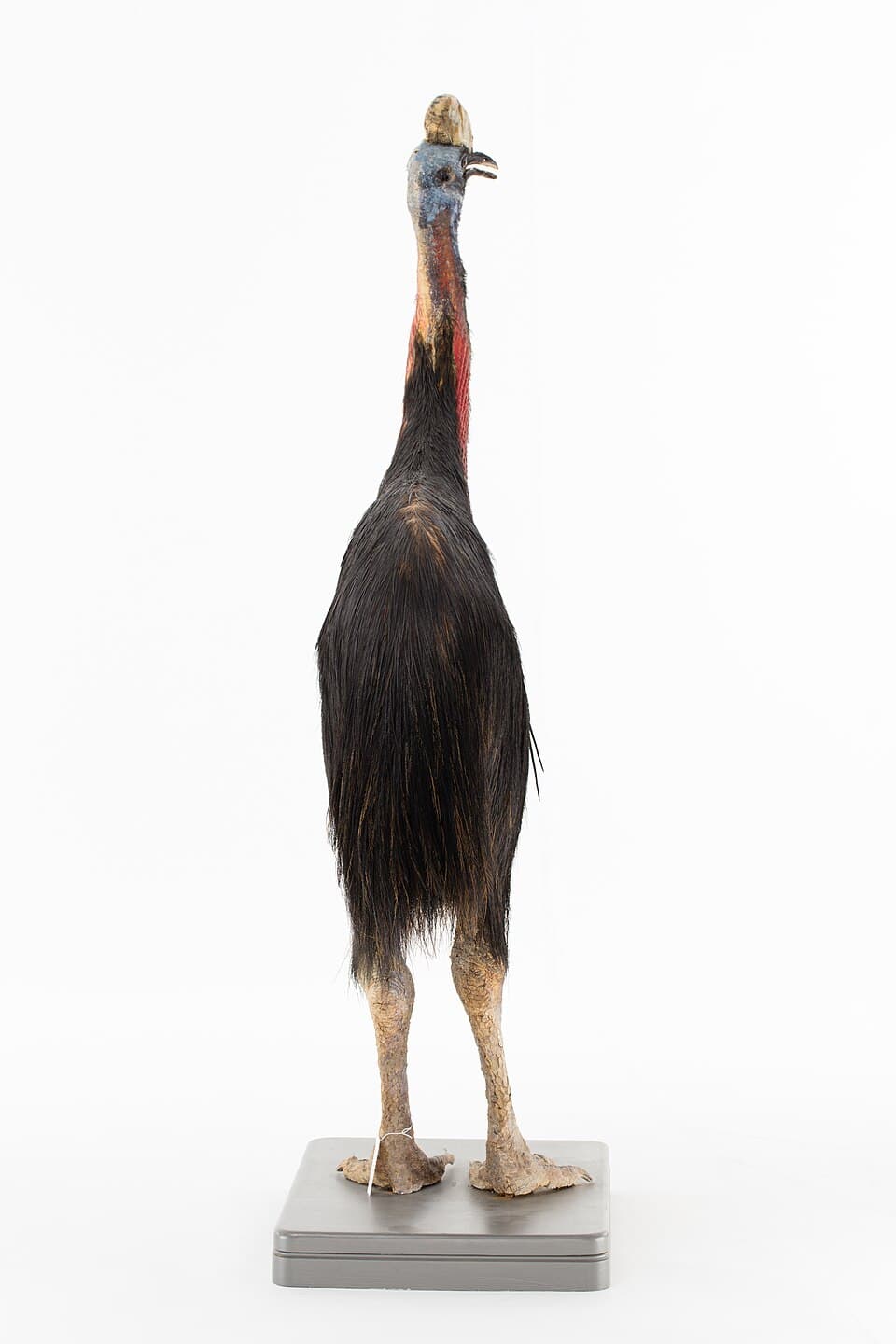
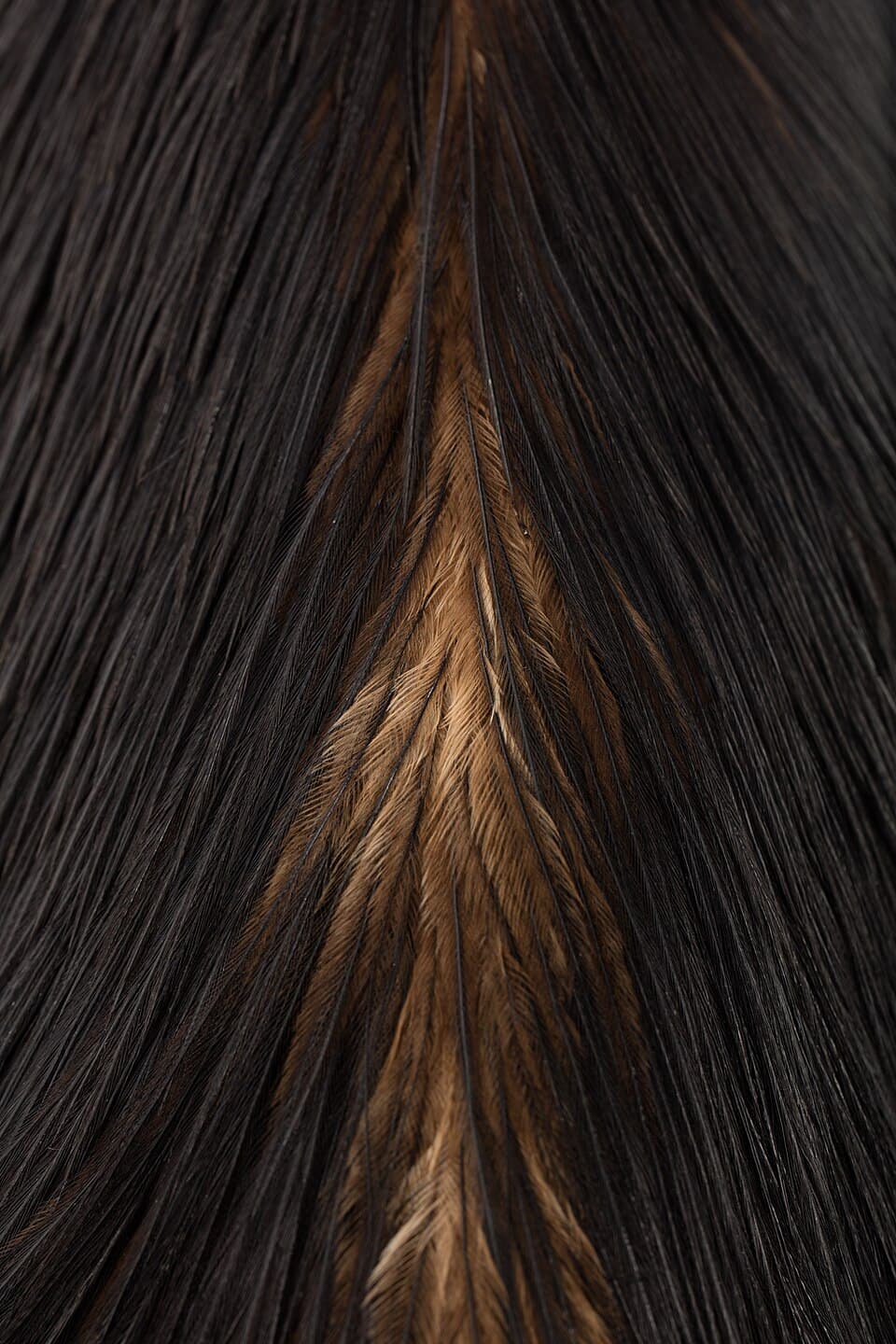
It has glossy black plumage, a vivid blue and purple neck, and long red wattles hanging from its throat, all set against a tall, brown, helmet-like casque on top of its head. Its powerful legs end in three-toed feet, with an especially long, dagger-like inner claw capable of delivering a serious injury.
Habitat & Distribution
The southern cassowary is found in rainforest habitats.
Diet & Behavior
Diet: Omnivore — Animals with flexible diets that eat both plants and animals, adapting to whatever food is available in their environment.
Cassowaries are largely solitary birds that spend most of their time foraging alone through dense rainforest, feeding mainly on fallen fruit and playing a critical ecological role by dispersing the seeds of many rainforest plant species, some of which depend almost entirely on cassowaries for reproduction. Despite widely exaggerated claims about its danger to humans, a cassowary generally avoids people and only becomes aggressive when cornered, provoked, or habituated to being fed.
Predators
- Dingoes (chicks and eggs)
- Pythons (chicks and eggs)
Prey
- Fallen fruit
- Fungi
- Small animals
- Carrion
Interesting Facts
- 1
The cassowary is often called the world's most dangerous bird due to its powerful legs and dagger-like inner claw.
- 2
It plays a critical role dispersing the seeds of many rainforest plants, some of which rely almost entirely on cassowaries to reproduce.
- 3
Despite being flightless, cassowaries are strong swimmers, comfortable crossing rivers and even swimming in the ocean.
- 4
The bony casque on its head is thought to help it push through dense undergrowth and possibly amplify low-frequency calls.
- 5
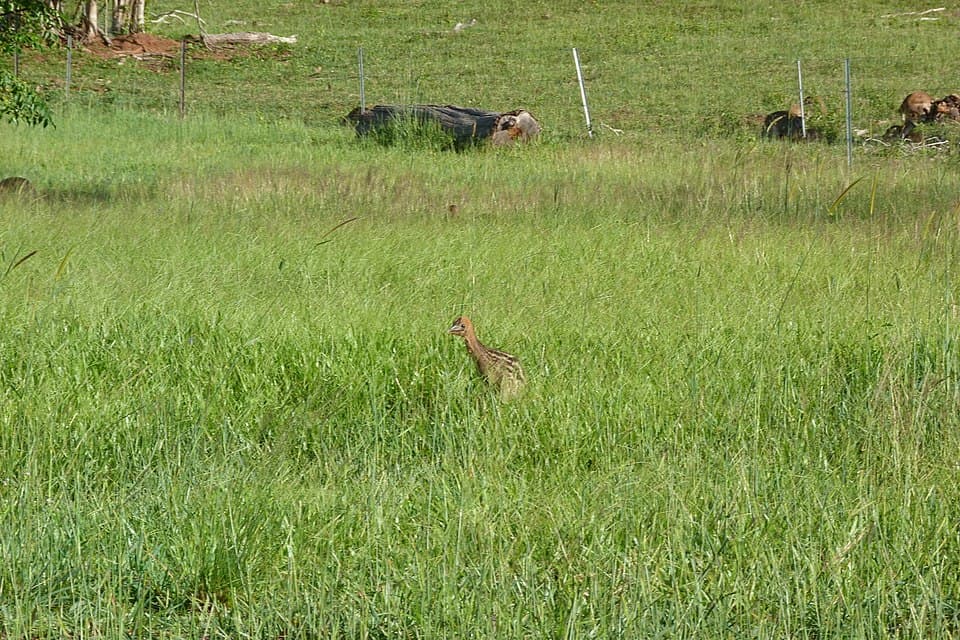
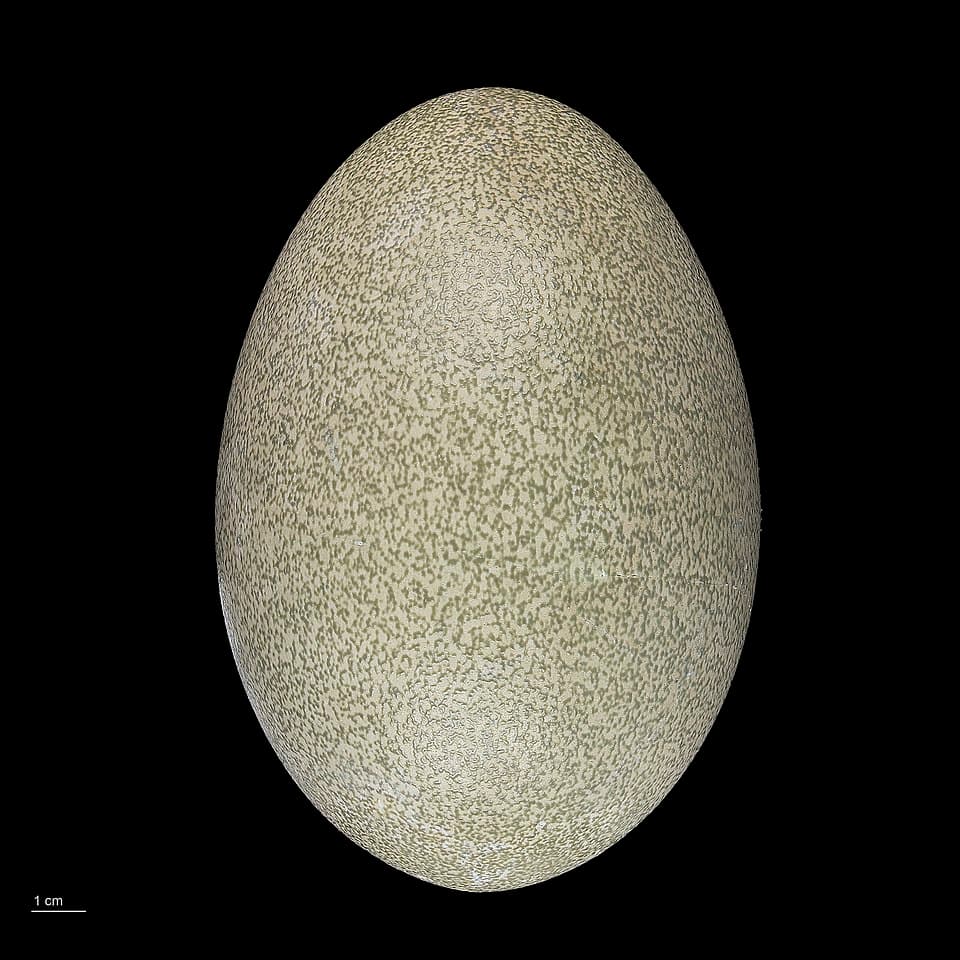
Male cassowaries, not females, incubate the eggs and raise the chicks entirely on their own.
Gallery
Southern Cassowary FAQs
Are cassowaries really dangerous?
Cassowaries are capable of inflicting serious injury with their powerful legs and dagger-like inner claw, but they generally avoid humans and only act aggressively when cornered, provoked, or habituated to being fed by people. Unprovoked attacks are rare.
Can cassowaries fly?
No, cassowaries are flightless. Their small wings are not capable of flight, but their powerful legs make them fast runners and strong swimmers instead.
What is the casque on a cassowary's head for?
The exact purpose of a cassowary's bony head casque isn't fully settled, but researchers think it likely helps protect the head while pushing through dense vegetation and may play a role in amplifying its deep, low-frequency calls.
Do male or female cassowaries raise the chicks?
Male cassowaries take on nearly all parental duties, incubating the eggs alone and caring for the chicks for several months after hatching, while the female typically leaves after laying to potentially mate with other males.
What does a southern cassowary eat?
The southern cassowary is an omnivore. Animals with flexible diets that eat both plants and animals, adapting to whatever food is available in their environment.
Where does the southern cassowary live?
The southern cassowary is found in rainforest habitats across australia.
Is the southern cassowary endangered?
The southern cassowary has a conservation status of Least Concern. Widespread and abundant species that are not currently at significant risk of extinction.
How long do southern cassowarys live?
A southern cassowary's typical lifespan is 20–40 years in the wild.
How much does a southern cassowary weigh?
An adult southern cassowary typically weighs 29–60 kg.