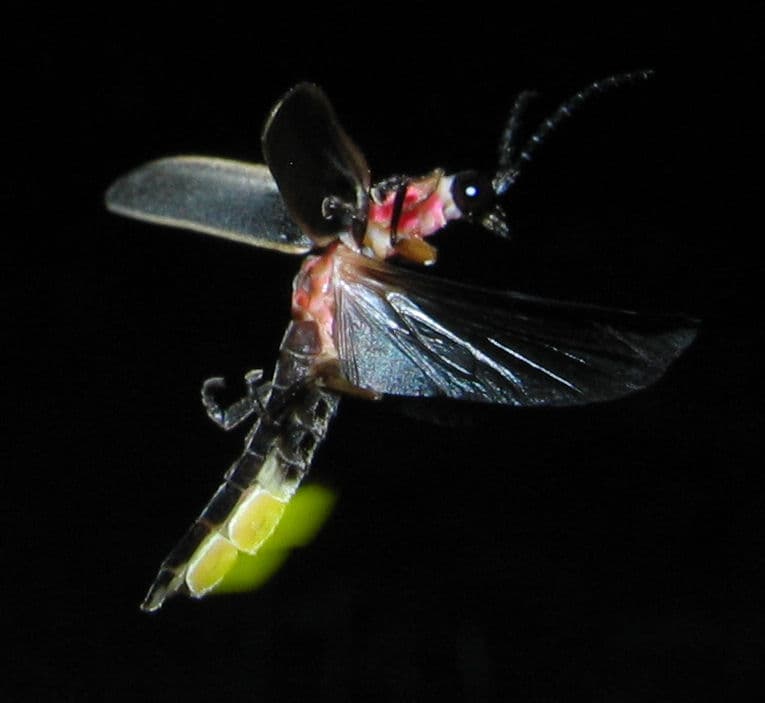
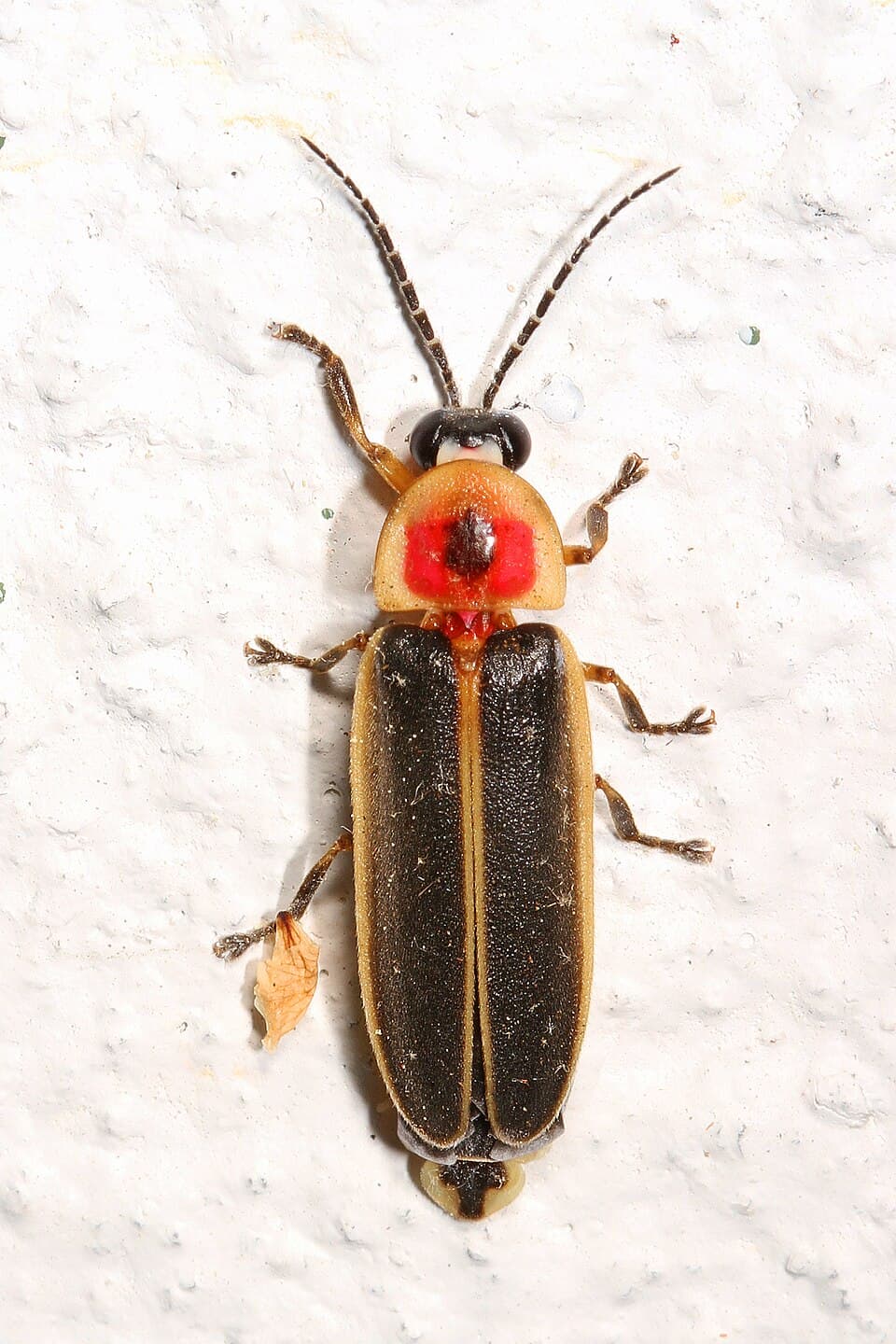
Photo: art farmer from evansville indiana, usa · CC BY-SA 2.0 · via Wikimedia Commons
Overview
The firefly is a soft-bodied beetle famous for its ability to produce light through a chemical reaction in its abdomen, a phenomenon called bioluminescence used mainly to attract mates on warm summer evenings. Despite the name, it isn't a fly at all -- it's a beetle, most closely related to click beetles and other Coleoptera.
Appearance
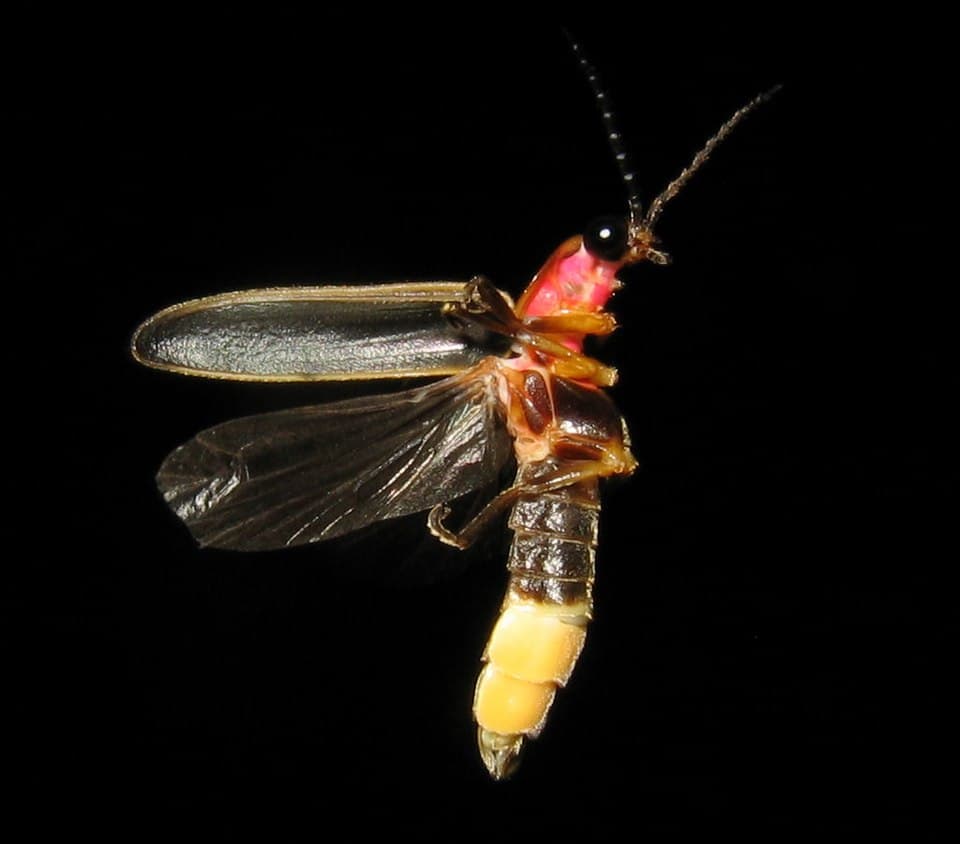
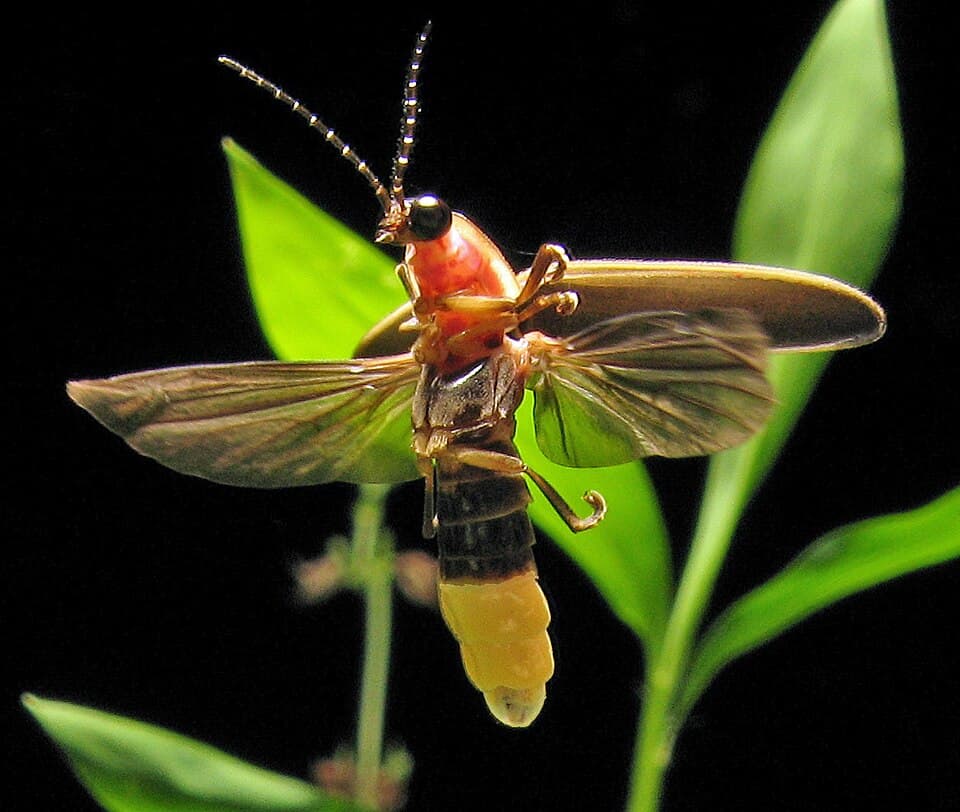
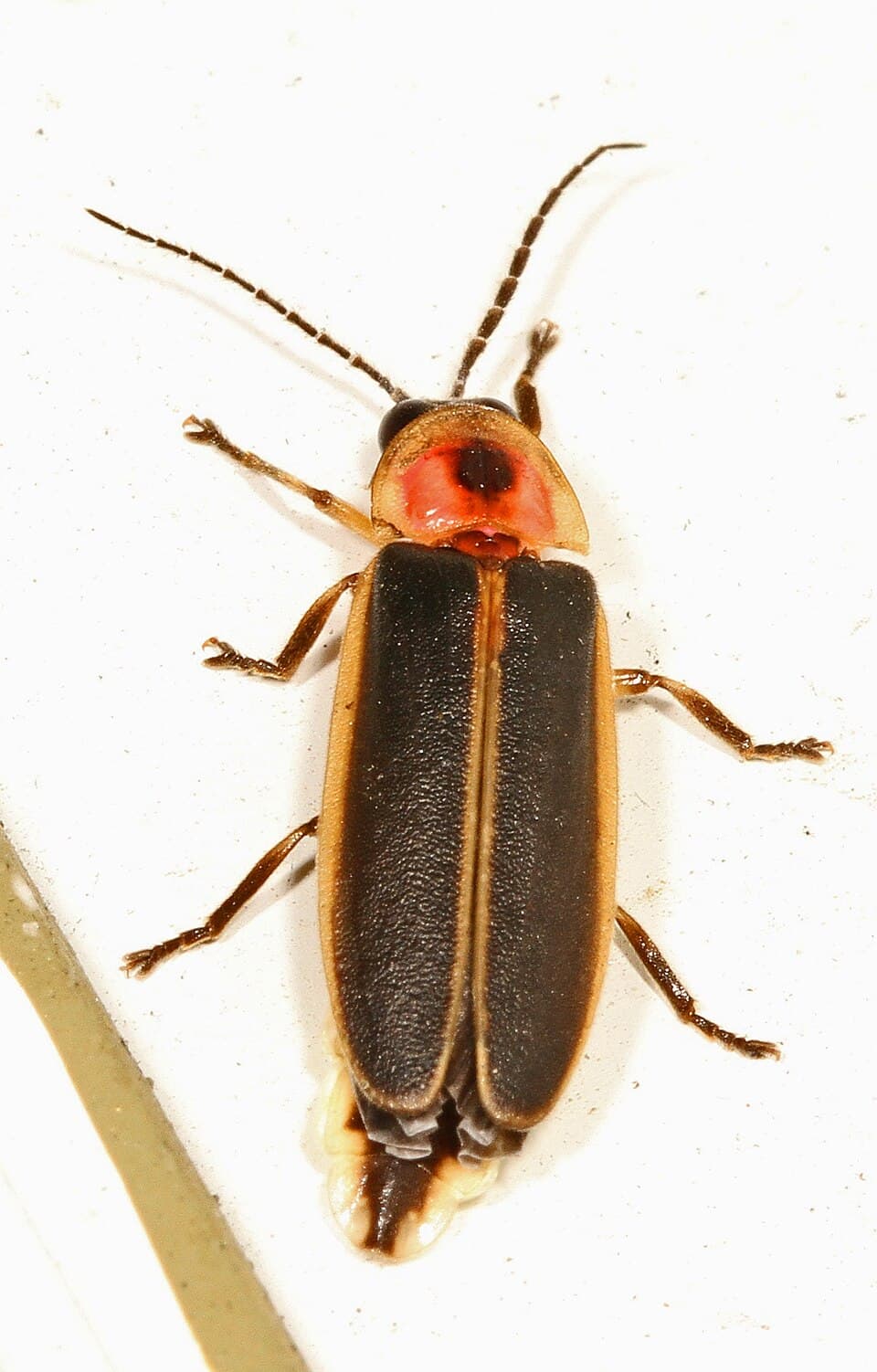
It has a soft, elongated body typically brown or black with pale edges, short antennae, and a light-producing organ near the tip of its abdomen that glows yellow, green, or orange depending on the species. Its wing covers are soft and flexible compared to the hard shells of most other beetles.
Habitat & Distribution
The firefly is found in forest, grassland, wetlands habitats.
Diet & Behavior
Diet: Carnivore — Meat-eating animals that hunt, scavenge, or fish for prey, ranging from big cats to snakes and birds of prey.
Adult fireflies use their glowing abdomens to flash coded light patterns at dusk, with each species having its own distinct flash rhythm that helps males and females of the same species find each other in the dark. Firefly larvae, sometimes called glowworms, live in soil or leaf litter and are active predators, hunting slugs, snails, and earthworms using a numbing bite before consuming them.
Predators
- Birds
- Spiders
- Frogs
- Other fireflies (some species prey on related species)
Prey
- Slugs
- Snails
- Earthworms
Interesting Facts
- 1
A firefly isn't actually a fly at all -- it's a type of beetle.
- 2
Its light-producing reaction is remarkably efficient, converting nearly all the energy used into light with very little wasted as heat, unlike a typical light bulb.
- 3
Each firefly species has its own unique flash pattern, helping individuals recognize and find mates of the same species in the dark.
- 4
Firefly larvae, sometimes called glowworms, are active predators that hunt slugs and snails using a numbing bite.
- 5
Some firefly species mimic the flash patterns of other species specifically to lure and eat them.
Gallery
Firefly FAQs
Is a firefly actually a fly?
No -- despite the name, a firefly is a beetle, not a true fly, and is most closely related to other beetles in the order Coleoptera.
How does a firefly produce light?
A firefly produces light through a chemical reaction called bioluminescence, combining a compound called luciferin with oxygen inside special cells in its abdomen, releasing energy as light rather than heat.
Why do fireflies flash?
Adult fireflies flash coded light patterns mainly to attract mates, with each species having its own distinct rhythm that helps individuals recognize others of the same species in the dark.
What do firefly larvae eat?
Firefly larvae, sometimes called glowworms, are predatory, hunting slugs, snails, and earthworms using a numbing bite to subdue prey before eating it.
What does a firefly eat?
The firefly is a carnivore. Its diet includes slugs, snails, earthworms.
Where does the firefly live?
The firefly is found in forest, grassland, wetlands habitats across north america.
Is the firefly endangered?
The firefly has a conservation status of Least Concern. Widespread and abundant species that are not currently at significant risk of extinction.
How long do fireflys live?
A firefly's typical lifespan is 1–2 years in the wild.
How much does a firefly weigh?
An adult firefly typically weighs 0.00001–0.00003 kg.