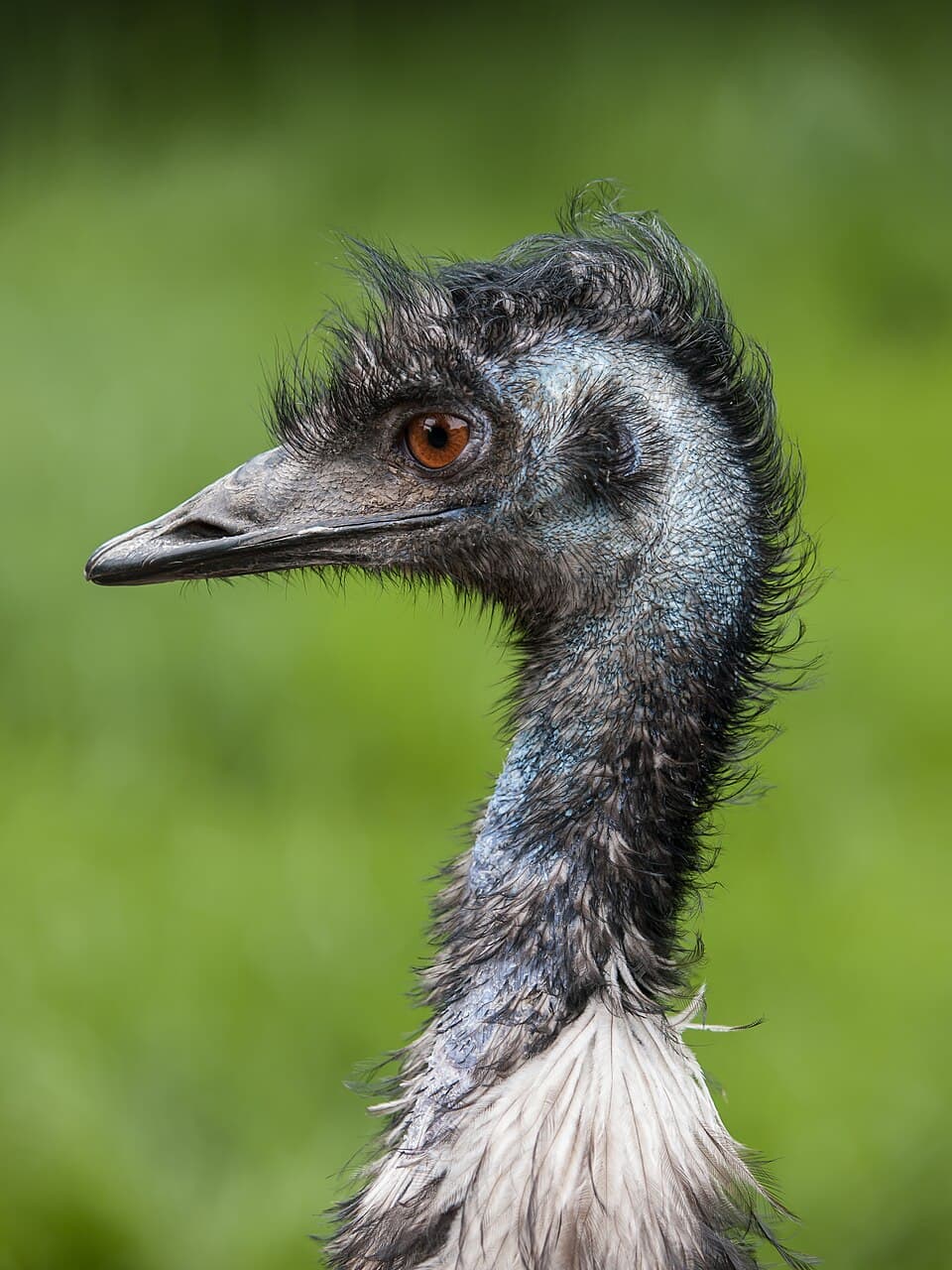
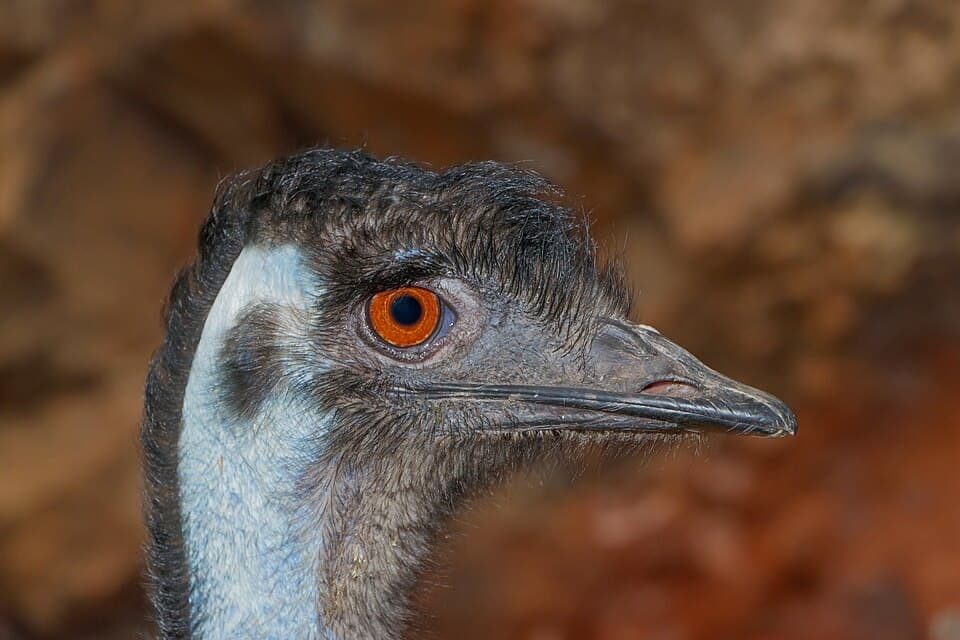
Photo: William Warby · CC BY 2.0 · via Wikimedia Commons
Overview
The emu is the second-largest living bird in the world by height, a flightless giant native to the open plains and deserts of Australia. Despite being unable to fly, it's an exceptionally fast and powerful runner, capable of covering long distances across the outback in search of food and water.
Appearance
It has a tall, long-necked body covered in shaggy, loose brown-gray feathers, small vestigial wings hidden beneath its plumage, and powerful long legs built for running rather than flight. Its feathers have a distinctive double-shaft structure found in few other birds, giving its plumage a soft, hair-like texture.
Habitat & Distribution
The emu is found in grassland, desert habitats.
Diet & Behavior
Diet: Omnivore — Animals with flexible diets that eat both plants and animals, adapting to whatever food is available in their environment.
Emus are nomadic, often traveling long distances across the Australian outback in search of food and water, capable of sustained running at high speed thanks to their powerful legs. Unlike most birds, male emus take on nearly all incubation and parenting duties, sitting on the nest for around eight weeks without eating, drinking, or defecating, then raising the chicks largely alone for several months.
Predators
- Dingoes
- Eagles (chicks)
- Humans
Prey
- Insects
- Small vertebrates
Interesting Facts
- 1
Emus are the second-tallest living bird in the world, standing up to 1.9 meters.
- 2
Male emus handle nearly all incubation and early chick-rearing duties, going roughly eight weeks without eating or drinking while sitting on the nest.
- 3
Despite being flightless, emus can run at speeds up to 50km/h.
- 4
Their feathers have a unique double-shaft structure, giving their plumage a shaggy, hair-like texture.
- 5
Emus are nomadic and can travel long distances across the Australian outback searching for food and water.
Gallery
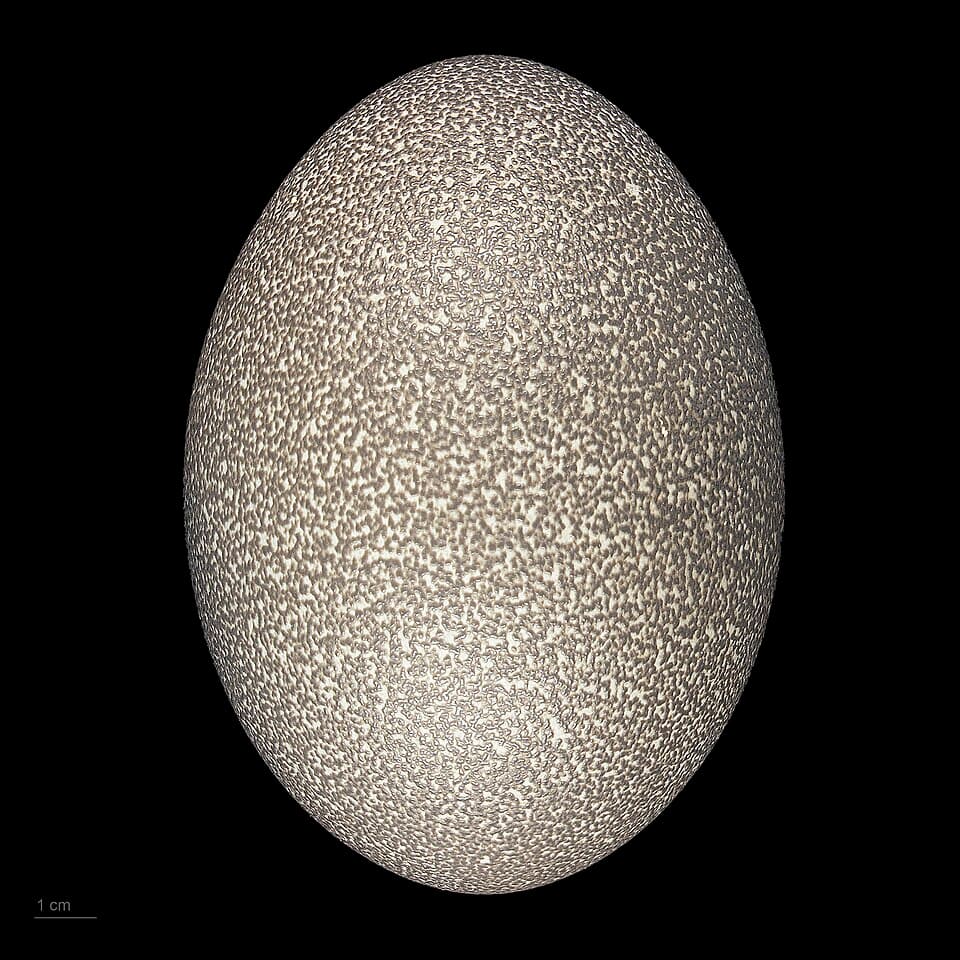
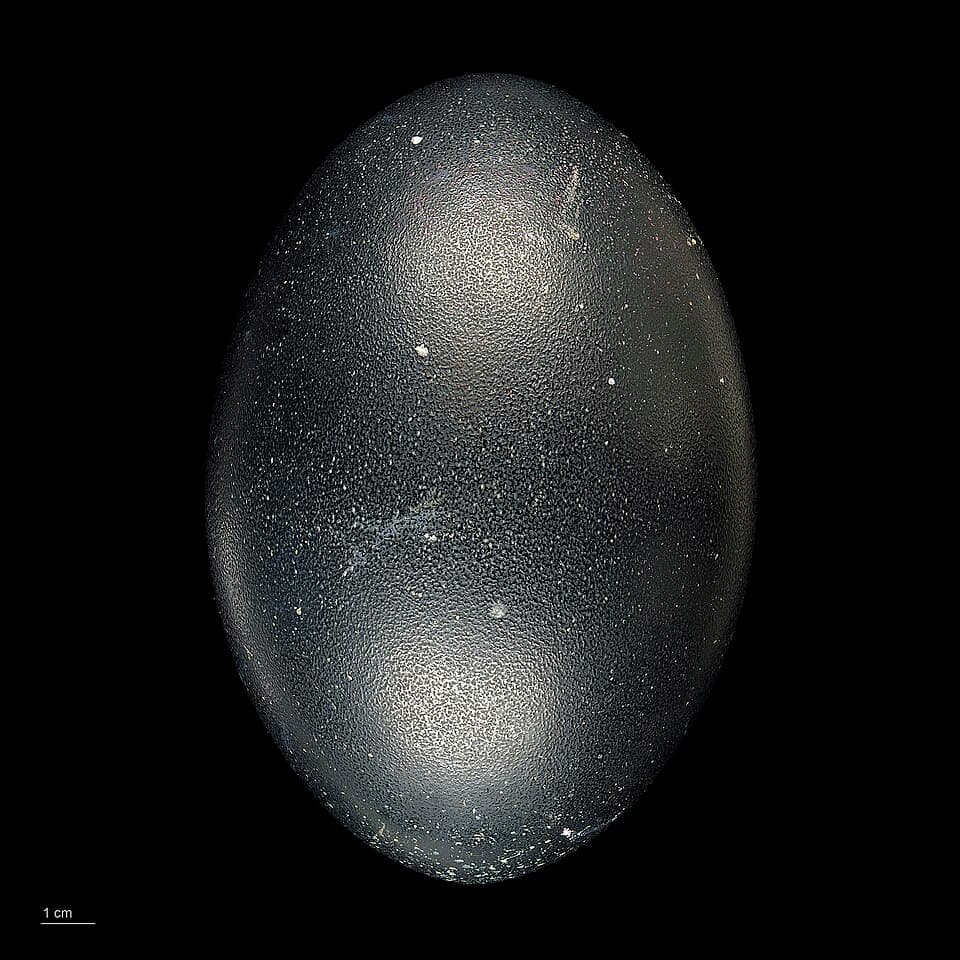
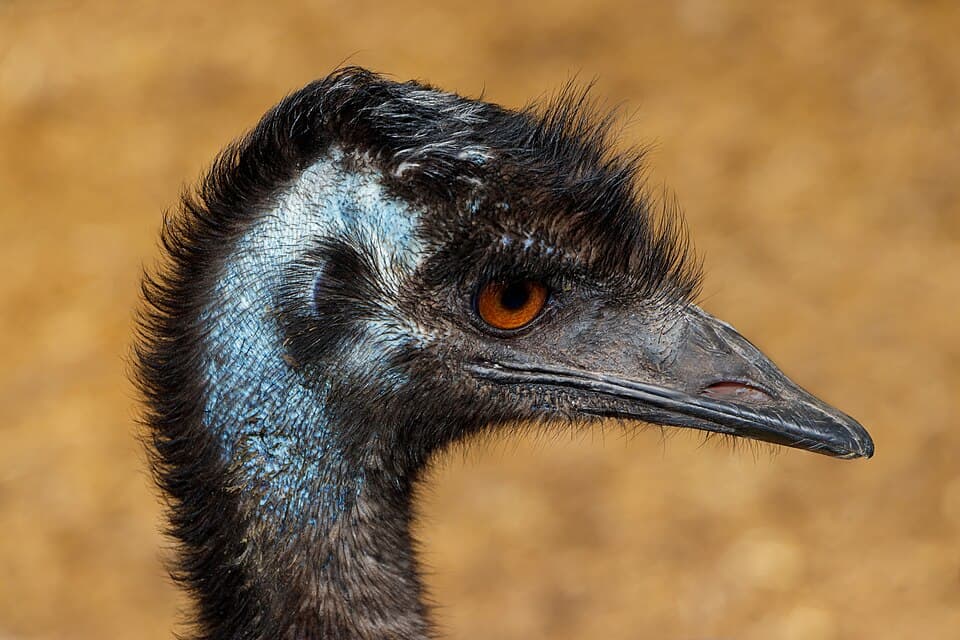
Emu FAQs
Can emus fly?
No, emus are completely flightless. Their wings are small and vestigial, hidden beneath their feathers, and all of their movement relies on their powerful running legs instead.
How fast can an emu run?
Emus can run at speeds up to 50km/h, making them one of the fastest flightless birds despite their large size.
Do male or female emus incubate the eggs?
Male emus take on almost all incubation duties, sitting on the nest for around eight weeks without eating, drinking, or leaving, and continue to care for the chicks largely alone after hatching.
What do emus eat?
Emus are omnivores that eat a wide variety of food including seeds, fruit, plants, insects, and small vertebrates, adjusting their diet based on seasonal availability.
What does a emu eat?
The emu is an omnivore. Animals with flexible diets that eat both plants and animals, adapting to whatever food is available in their environment.
Where does the emu live?
The emu is found in grassland, desert habitats across australia.
Is the emu endangered?
The emu has a conservation status of Least Concern. Widespread and abundant species that are not currently at significant risk of extinction.
How long do emus live?
A emu's typical lifespan is 10–20 years in the wild.
How fast can a emu run?
The emu can reach speeds of up to 50 km/h.
How much does a emu weigh?
An adult emu typically weighs 18–60 kg.