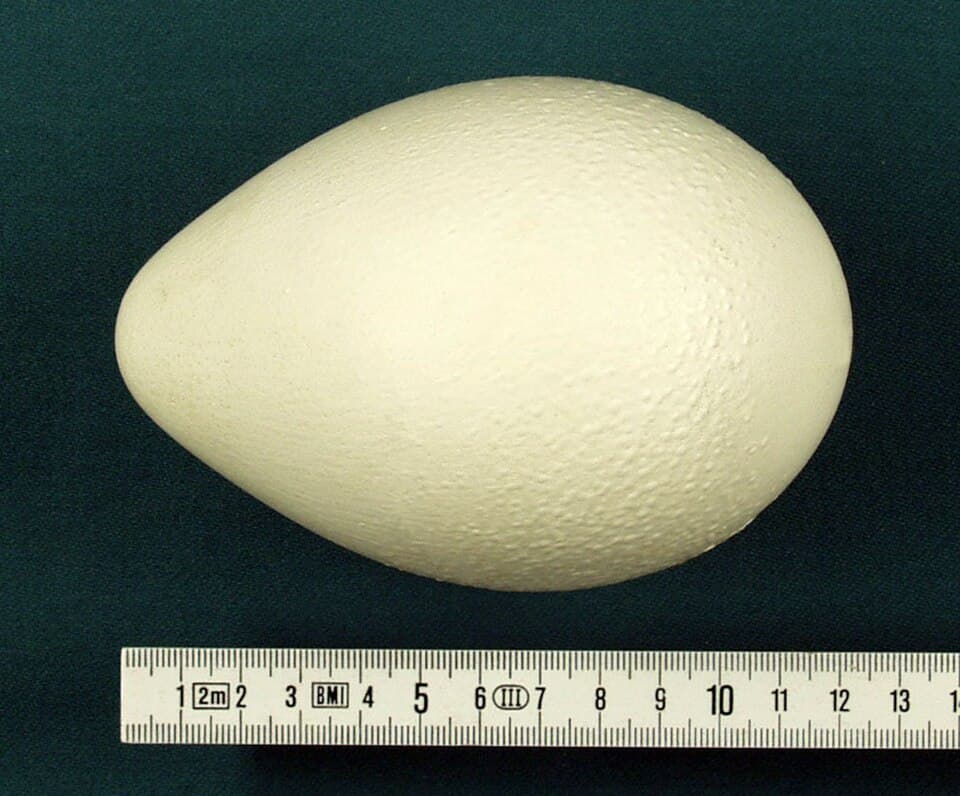
Photo: Hannes Grobe, Alfred Wegener Institute for Polar and Marine Research · CC BY-SA 2.5 · via Wikimedia Commons
Overview
The emperor penguin is the tallest and heaviest of all penguin species, uniquely breeding through the brutal Antarctic winter on sea ice far from open water.
Appearance
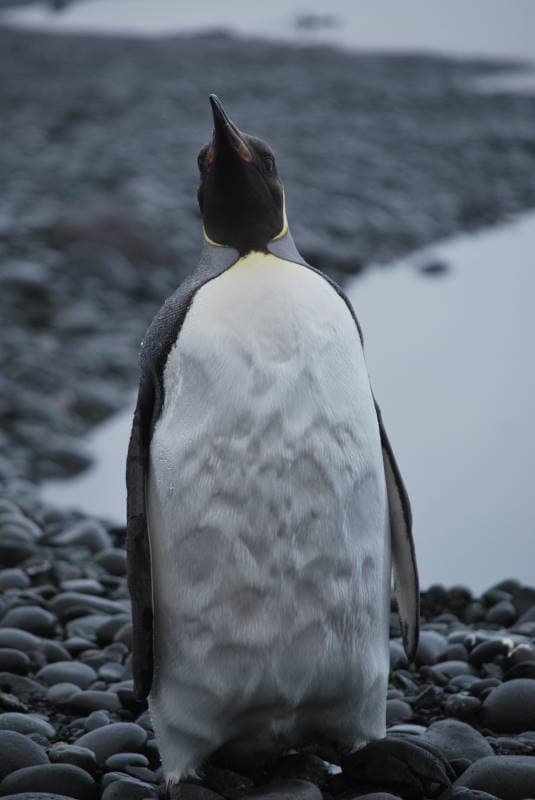
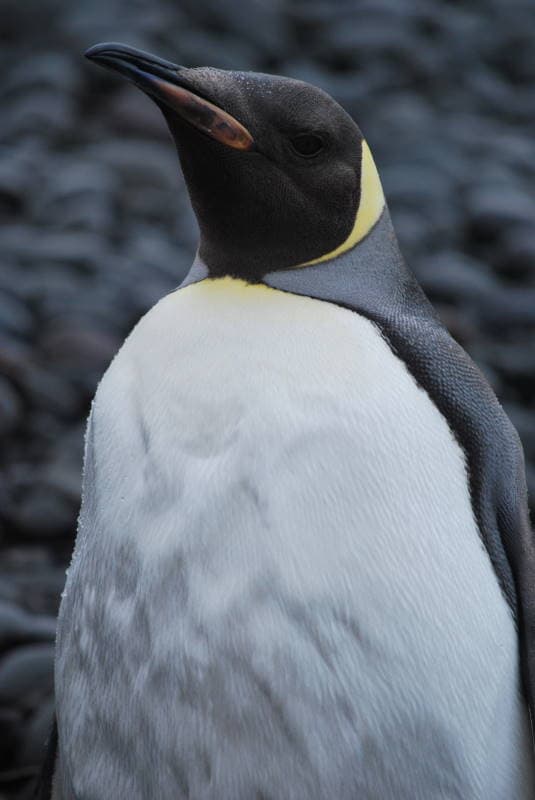
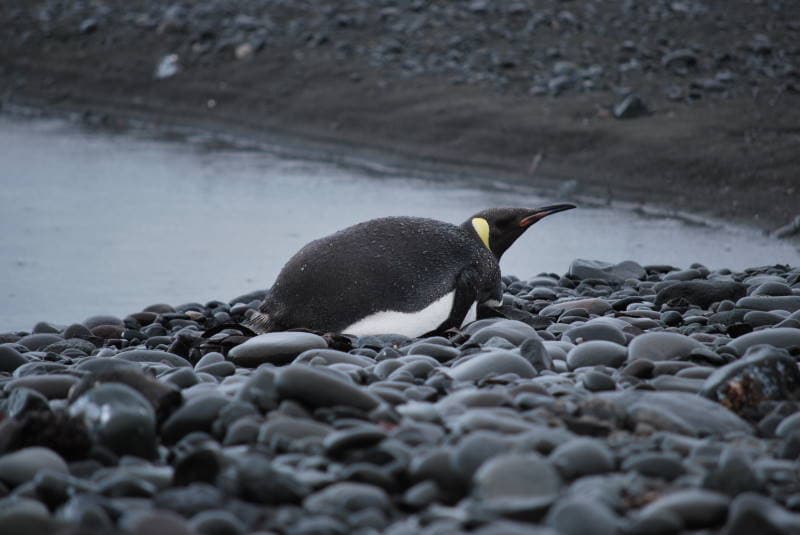
It has a black back and head, a white belly, and a patch of yellow-orange coloring at the neck and upper chest.
Habitat & Distribution
The emperor penguin is found in arctic habitats.
Diet & Behavior
Diet: Carnivore — Meat-eating animals that hunt, scavenge, or fish for prey, ranging from big cats to snakes and birds of prey.
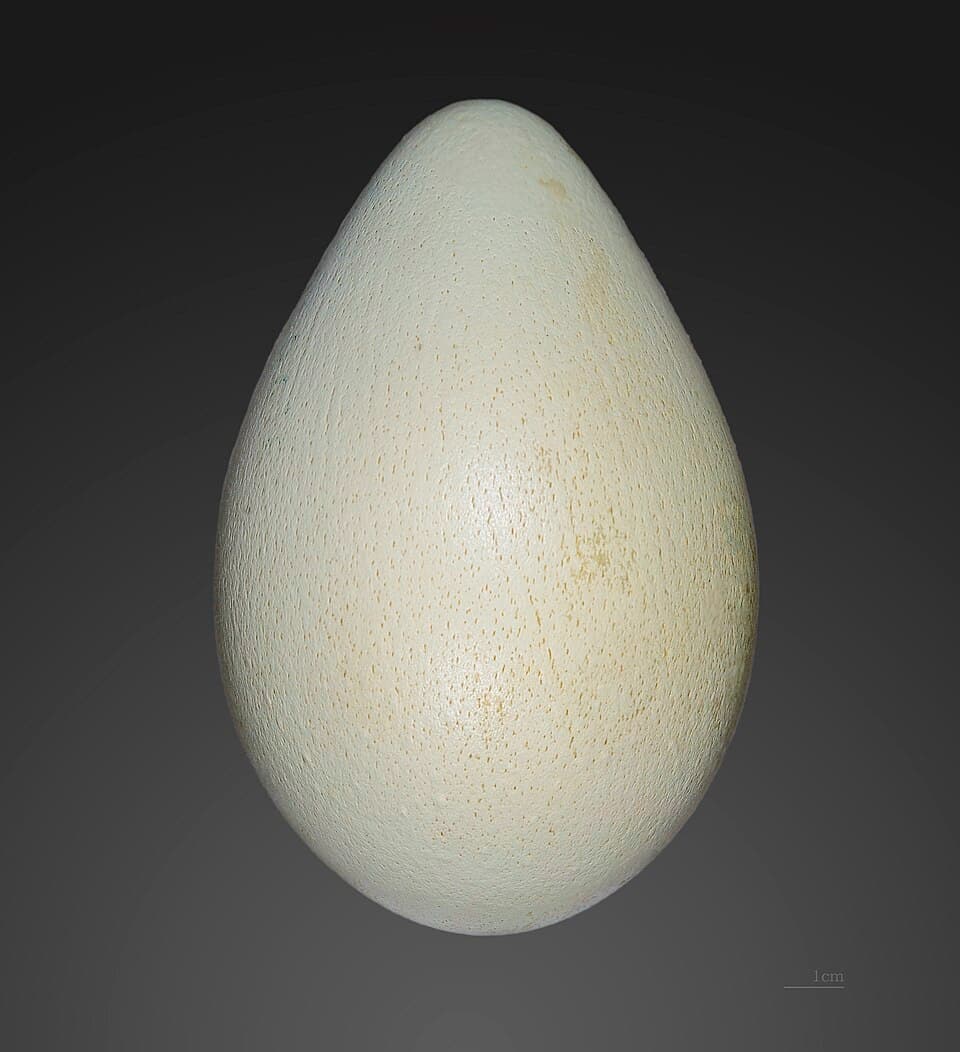
Males incubate a single egg on their feet through the winter, huddling together in dense groups to share warmth while females forage at sea for months.
Predators
- Leopard seal
- Orca
- Skua (chicks/eggs)
Prey
- Fish
- Krill
- Squid
Interesting Facts
- 1
Male emperor penguins fast for up to four months while incubating an egg.
- 2
They can dive deeper than 500 meters, deeper than any other bird.
- 3
Huddling penguins take turns rotating from the cold outer edge to the warm center.
Gallery
Emperor Penguin FAQs
What does a emperor penguin eat?
The emperor penguin is a carnivore. Its diet includes fish, krill, squid.
Where does the emperor penguin live?
The emperor penguin is found in arctic habitats across antarctica.
Is the emperor penguin endangered?
The emperor penguin has a conservation status of Near Threatened. Species that may become threatened in the near future without continued conservation attention.
How long do emperor penguins live?
A emperor penguin's typical lifespan is 15–20 years in the wild.
How fast can a emperor penguin run?
The emperor penguin can reach speeds of up to 9 km/h.
How much does a emperor penguin weigh?
An adult emperor penguin typically weighs 22–45 kg.