Grassland Animals
Grasslands form where rainfall is too high to sustain desert but too low, or too disrupted by fire and grazing, to allow trees to dominate — producing vast, largely treeless landscapes covered in grasses and scattered shrubs. They exist on every inhabited continent under different regional names: the African savanna, the North American prairie, the Eurasian steppe, and the South American pampas, each supporting its own distinct community of grazing herds and the predators that follow them. Because grasslands offer little natural cover, they favor animals built either for speed and open-terrain vigilance or for life underground, and because their soil is unusually fertile, grasslands are also among the most heavily converted biomes on Earth, with much of the world's original grassland now given over to farmland and grazing land for livestock.
Grassland Biomes Around the World
Grasslands go by different regional names depending on where they occur, but share the same basic conditions: moderate rainfall, periodic fire, and grazing pressure that together keep trees from taking over. The African savanna supports the largest remaining herds of large migratory mammals on Earth, while the North American prairie once stretched across the continent's interior before conversion to farmland reduced it to a fraction of its original extent. The Eurasian steppe forms a nearly continuous grassland belt from Eastern Europe to Mongolia, and the South American pampas cover much of Argentina and Uruguay — each biome shaped by broadly similar climate conditions despite having evolved largely independent sets of grassland species.
Life Without Cover: How Grassland Animals Survive
Open terrain offers little to hide behind, which pushes grassland animals toward one of two broad survival strategies. Grazing herbivores like zebra, wildebeest, and bison rely on group vigilance, herd size, and raw speed to detect and escape predators across long sightlines, while predators like lions and cheetahs have evolved for either cooperative ambush hunting or explosive short-distance speed to close the gap before prey can react. A very different strategy belongs to smaller animals like prairie dogs, ground squirrels, and meerkats, which avoid the exposure problem entirely by living in extensive underground burrow systems, only surfacing to feed.
Why Fire Is Part of a Healthy Grassland
Unlike in a forest, periodic wildfire is not a disaster for a grassland ecosystem — it's a necessary part of what keeps it a grassland at all. Fire clears out woody seedlings before they can grow into trees and shade out the grasses below, recycles nutrients back into the soil, and stimulates fresh grass growth that draws grazing herds. Many grassland plant species have evolved root systems that survive fire underground even when everything above ground burns, and some grassland animals, particularly burrowing species, are largely insulated from a passing fire simply by being underground when it happens.
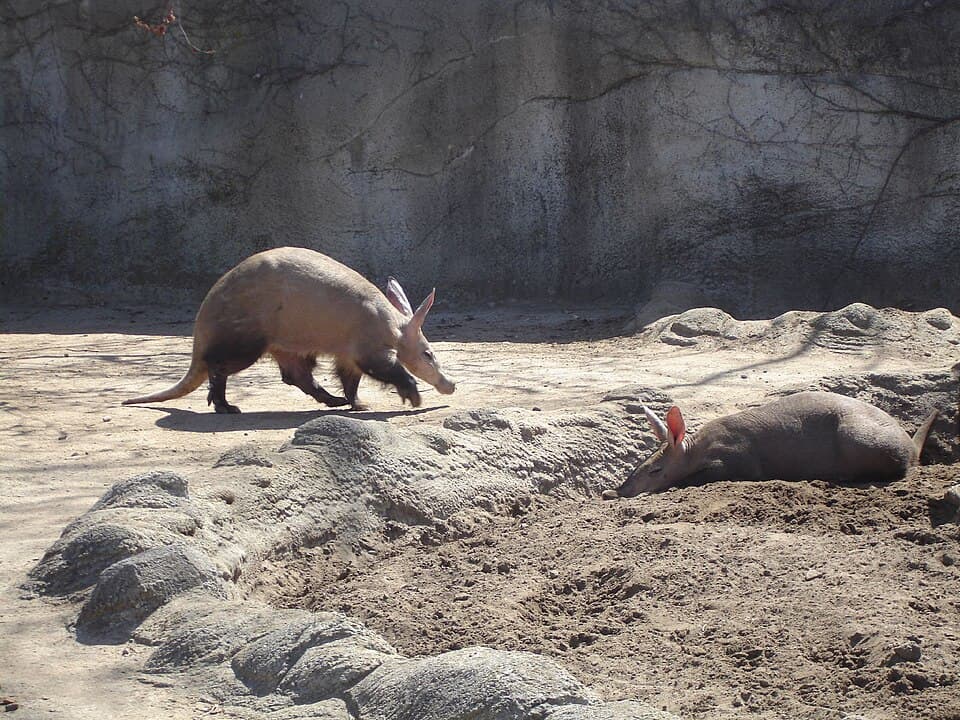
Aardvark
Orycteropus afer
MammalThe aardvark is a nocturnal, burrowing mammal found across sub-Saharan Africa, best known for its long snout and powerful digging claws used to raid termite mounds.
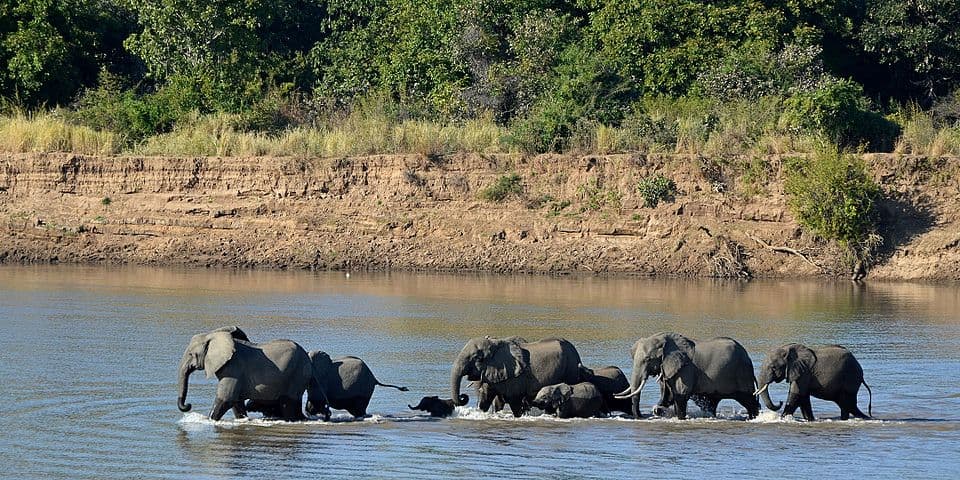
African Elephant
Loxodonta africana
MammalThe African elephant is the largest living land animal, roaming savannas, forests, and semi-arid regions across sub-Saharan Africa in tightly-bonded matriarchal herds. This entry refers specifically to the African bush elephant, the larger of two African species recognized by the IUCN since 2021 — the other, the African forest elephant, is smaller, has straighter tusks, and lives in the dense rainforests of Central and West Africa. Elephant populations were decimated by ivory poaching through the 20th century, and though international trade bans and anti-poaching efforts have slowed the decline in many regions, habitat loss and human-wildlife conflict continue to threaten the species today.
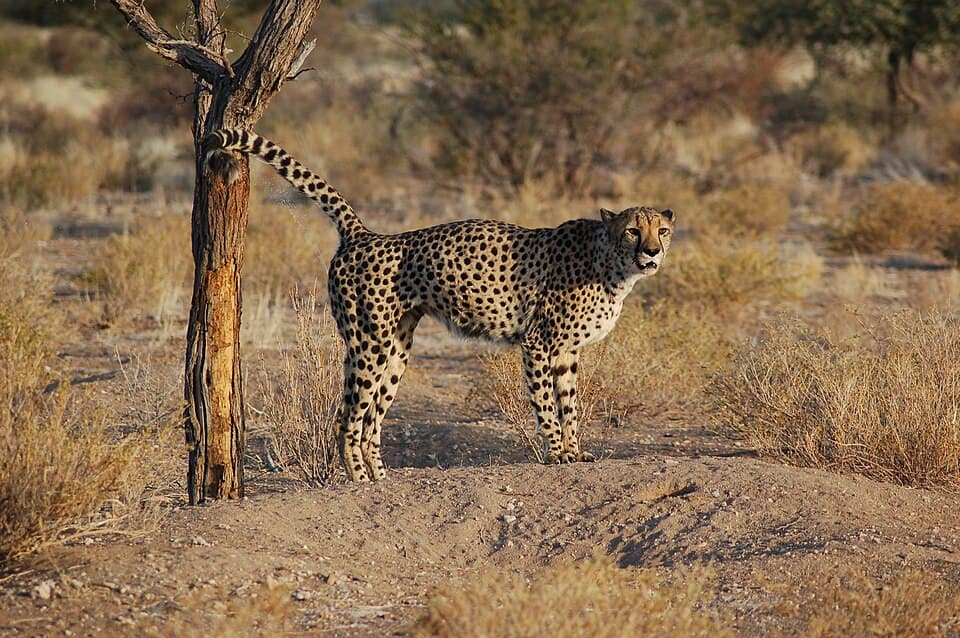
Cheetah
Acinonyx jubatus
MammalThe cheetah is the fastest land animal on Earth, built for explosive short sprints across the open grasslands and semi-desert of Africa, with a small, remnant population also surviving in Iran. Its speed comes at a genetic cost: cheetahs went through a severe population bottleneck thousands of years ago, leaving today's cheetahs with unusually low genetic diversity, which makes the species more vulnerable to disease on top of the threats it already faces from habitat loss and human-wildlife conflict.
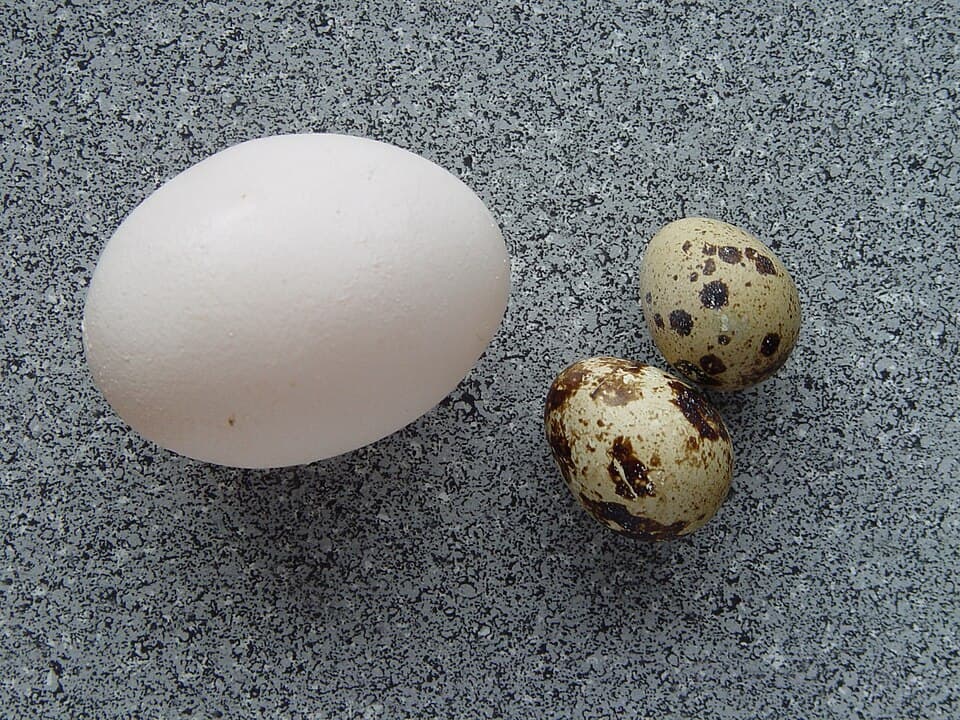
Common Quail
Coturnix coturnix
BirdThe common quail is a small, secretive ground-dwelling bird that migrates annually between Europe, Africa, and Asia, more often heard than seen in dense grassland.
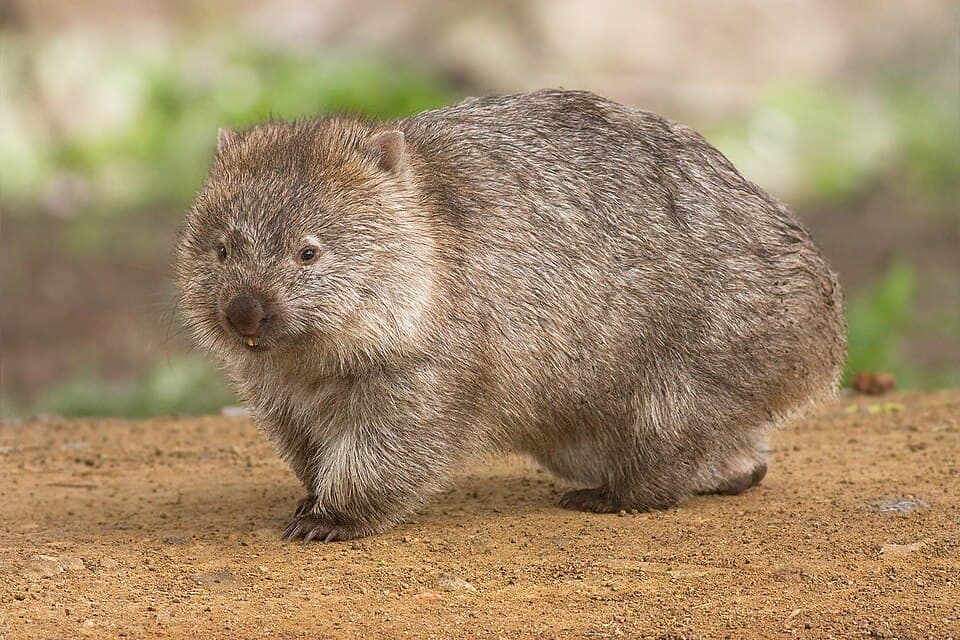
Common Wombat
Vombatus ursinus
MammalThe common wombat is a stocky, burrowing marsupial native to Australia, known for digging some of the most extensive burrow systems of any animal its size. Despite its slow, waddling gait, it can sprint in short bursts when threatened and is a powerful, capable digger built like a small bulldozer.
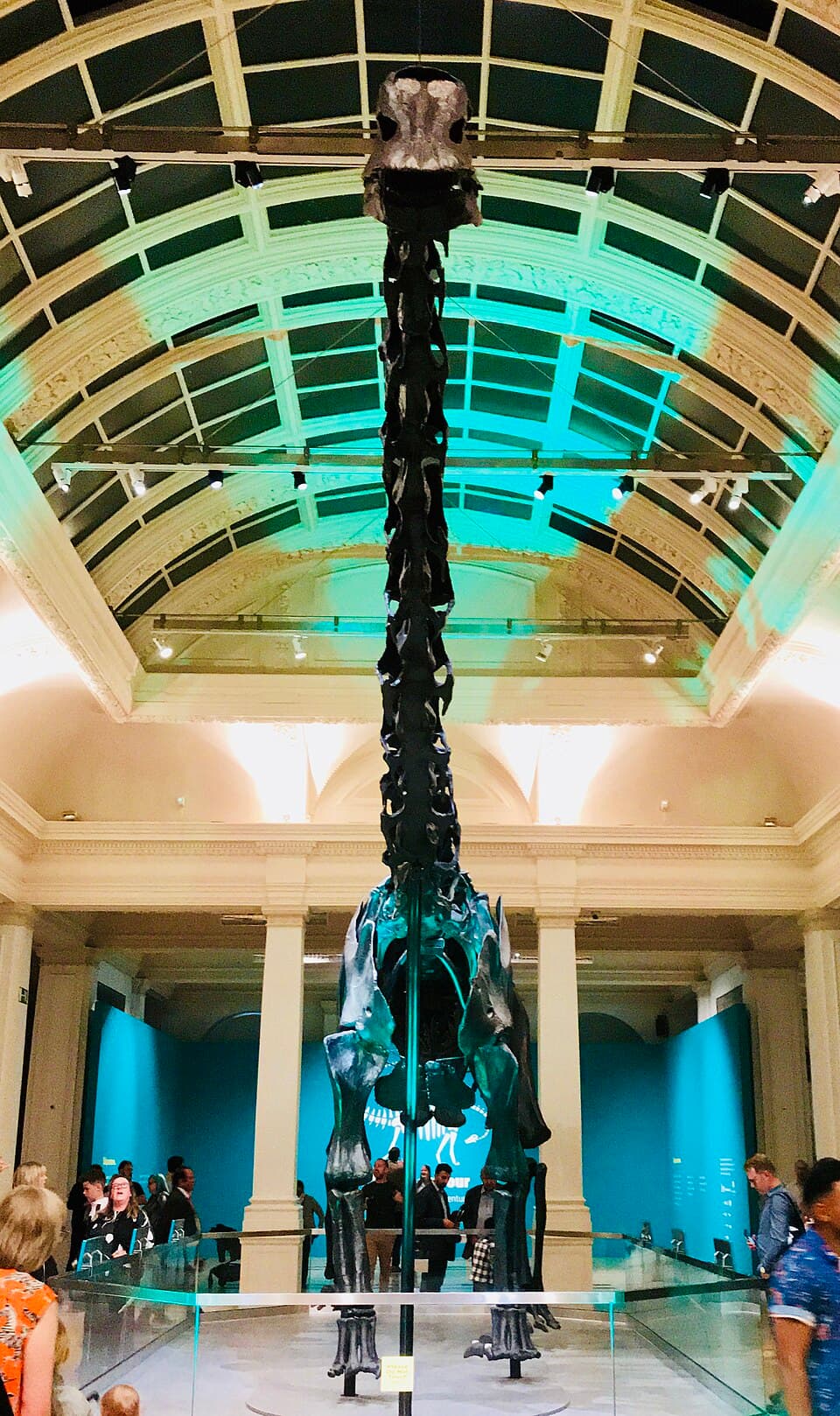
Diplodocus
Diplodocus carnegii
DinosaurDiplodocus was one of the longest dinosaurs to ever walk the Earth, an enormous long-necked, long-tailed herbivore that roamed what is now western North America during the Late Jurassic period. Despite its massive length, it was relatively lightly built for its size, with a skeleton adapted to minimize weight while still supporting its huge frame.
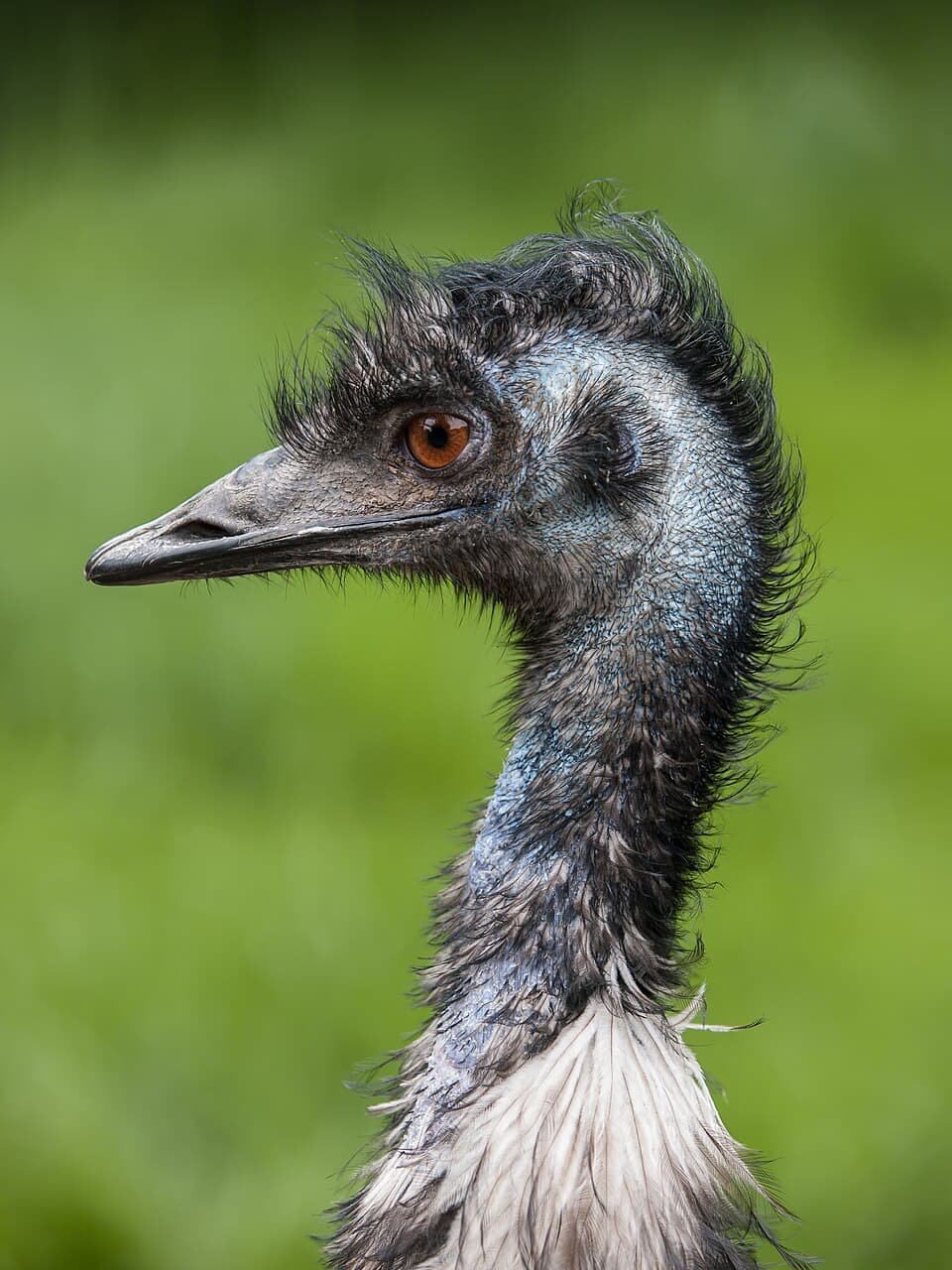
Emu
Dromaius novaehollandiae
BirdThe emu is the second-largest living bird in the world by height, a flightless giant native to the open plains and deserts of Australia. Despite being unable to fly, it's an exceptionally fast and powerful runner, capable of covering long distances across the outback in search of food and water.
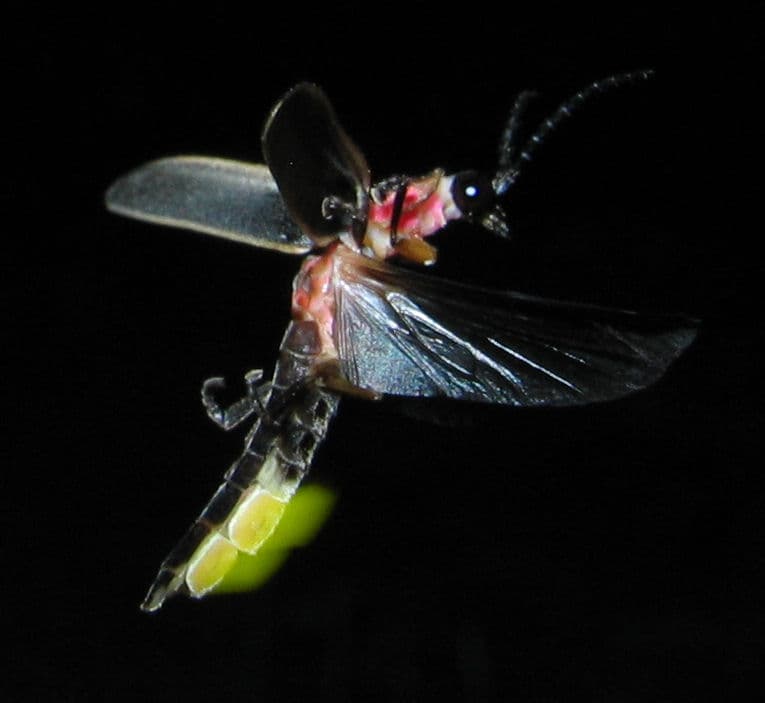
Firefly
Photinus pyralis
InsectThe firefly is a soft-bodied beetle famous for its ability to produce light through a chemical reaction in its abdomen, a phenomenon called bioluminescence used mainly to attract mates on warm summer evenings. Despite the name, it isn't a fly at all -- it's a beetle, most closely related to click beetles and other Coleoptera.
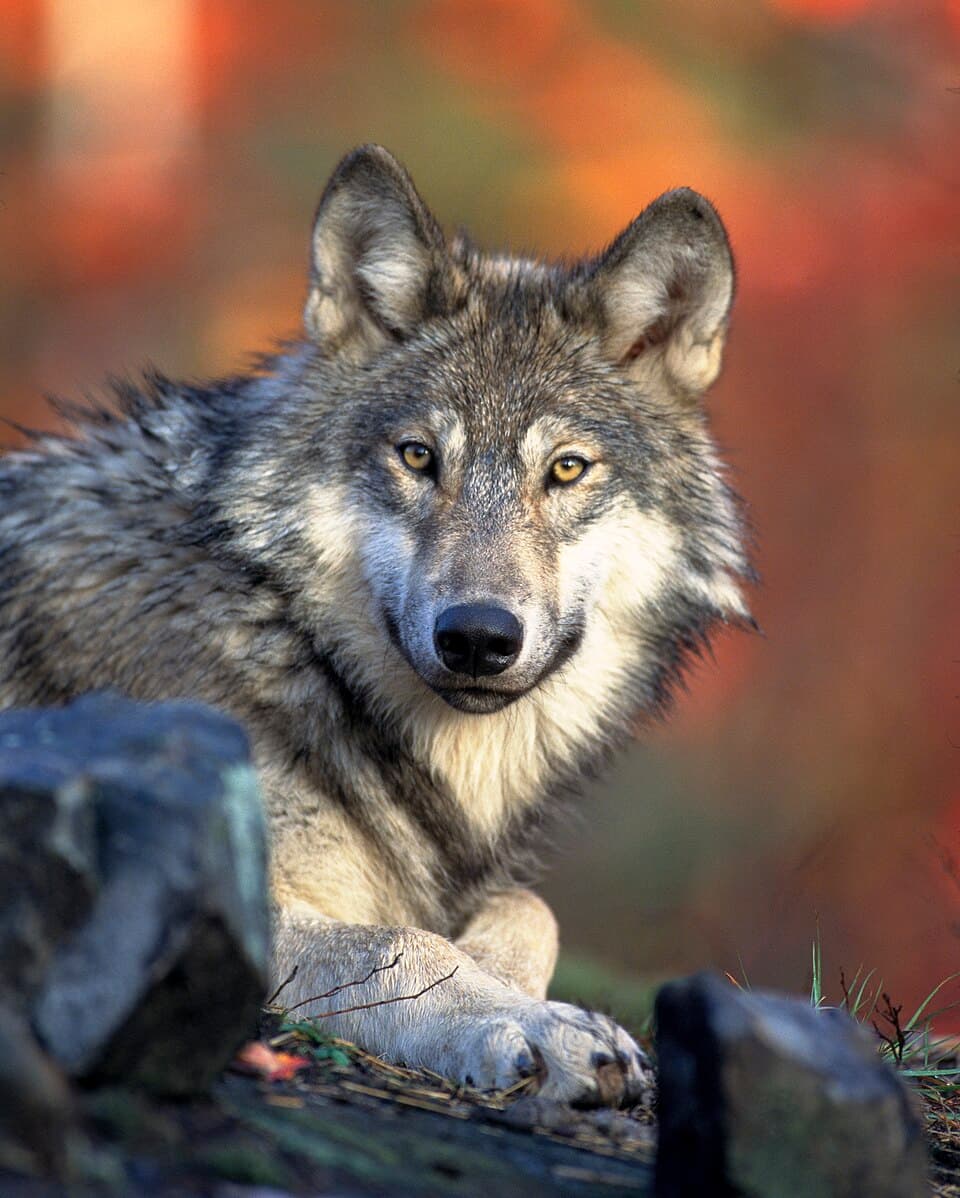
Gray Wolf
Canis lupus
MammalThe gray wolf is the largest wild member of the dog family, once ranging across nearly the entire Northern Hemisphere and living in tightly-coordinated family packs.
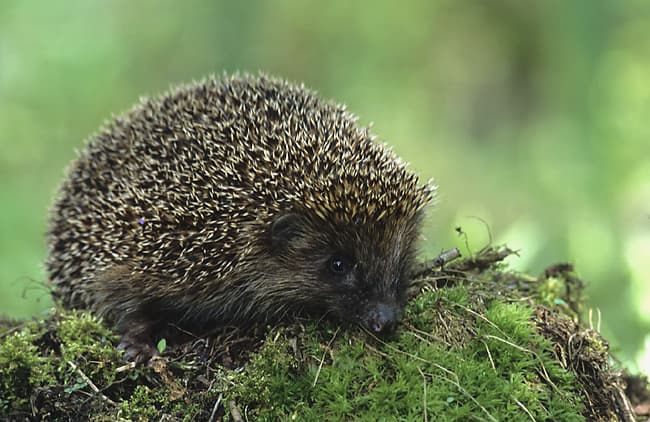
Hedgehog
Erinaceus europaeus
MammalThe hedgehog is a small, spine-covered mammal found across Europe, instantly recognizable for its defensive habit of rolling into a tight, spiky ball when threatened. Despite its tiny size, it's a surprisingly effective predator of garden pests, making it a welcome visitor in gardens across its range.
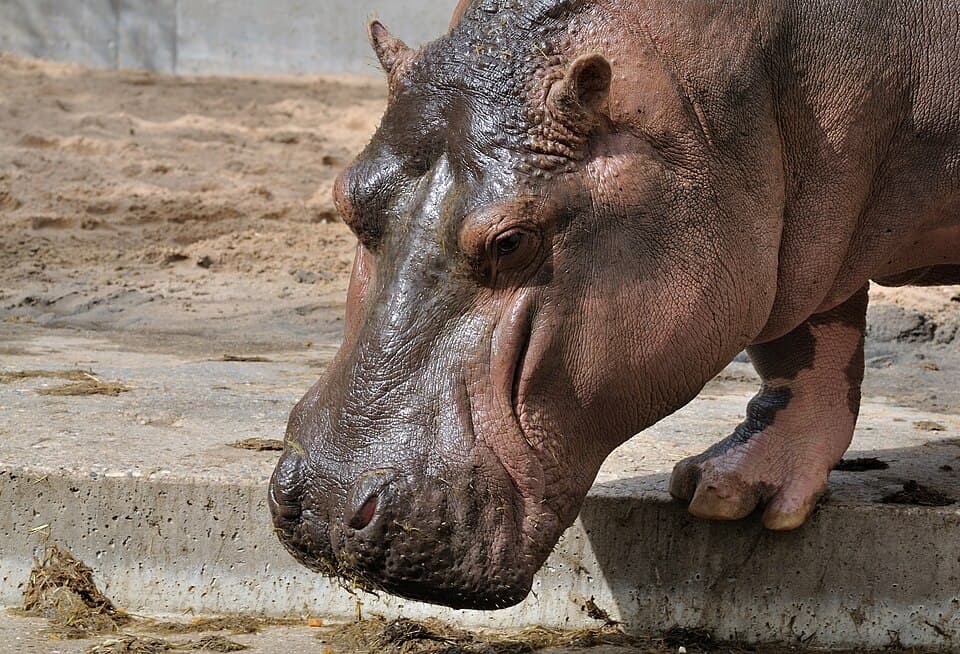
Hippopotamus
Hippopotamus amphibius
MammalThe hippopotamus is one of the largest land mammals, spending most of the day submerged in African rivers and lakes to keep its huge body cool.
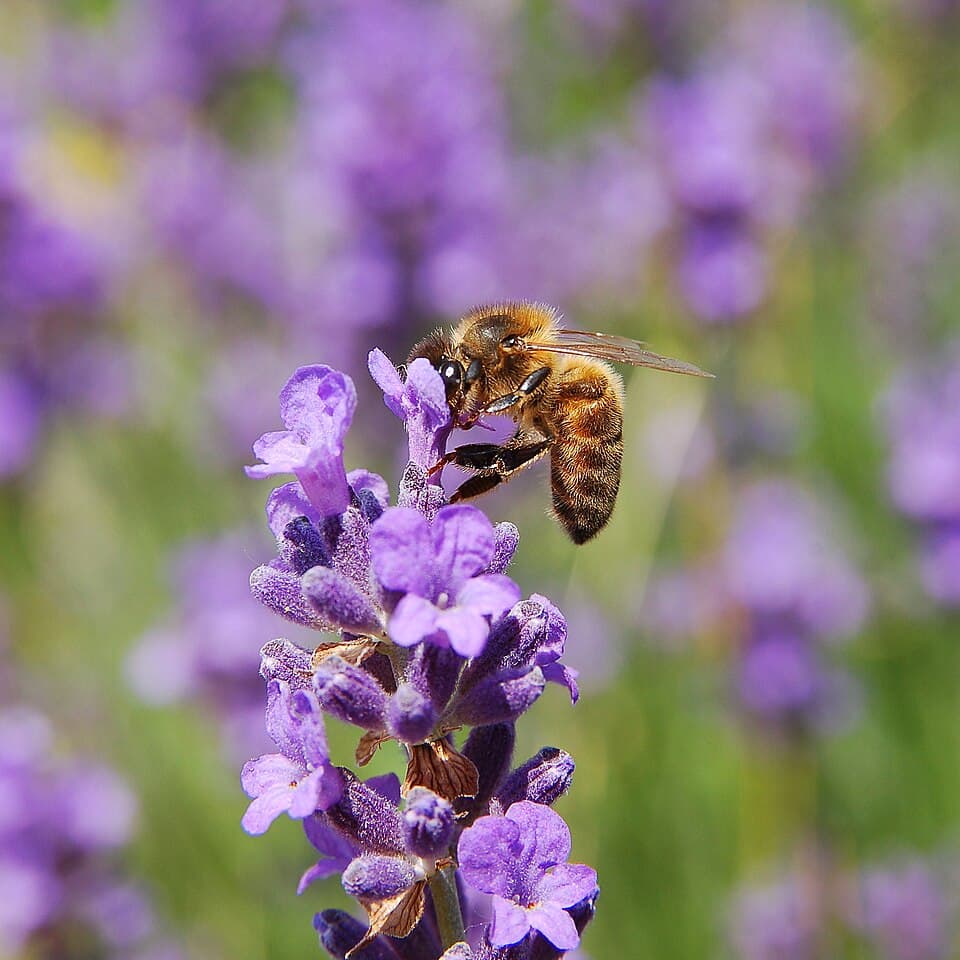
Honeybee
Apis mellifera
InsectThe honeybee is a highly social insect essential to global agriculture, pollinating a huge share of the crops humans depend on while producing honey and wax.
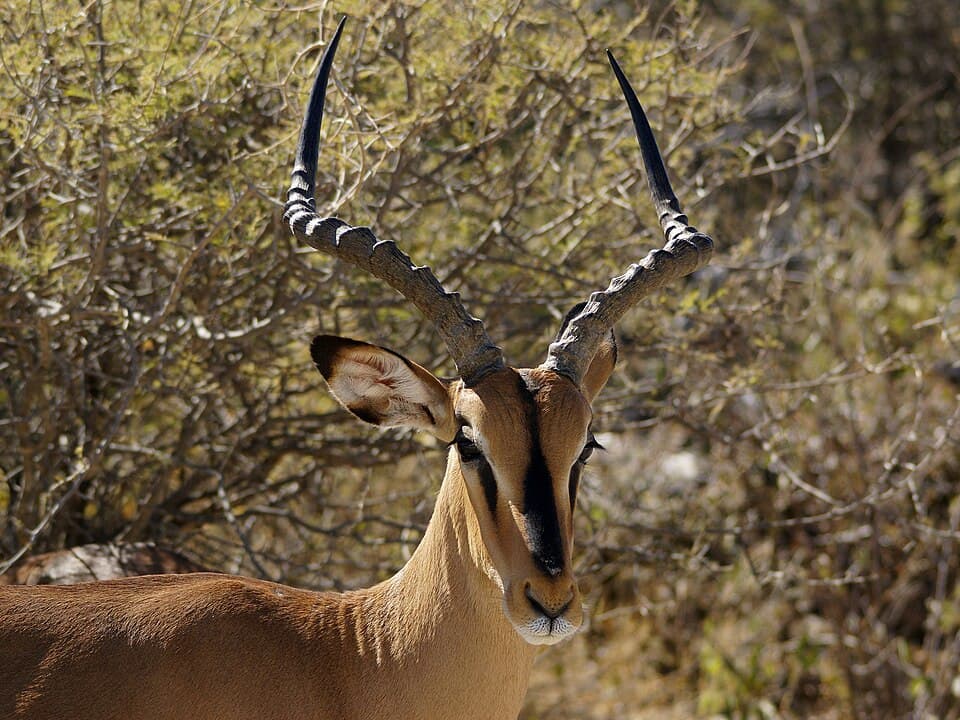
Impala
Aepyceros melampus
MammalThe impala is a medium-sized antelope found across eastern and southern African savannas, famous for its explosive leaping ability when startled.
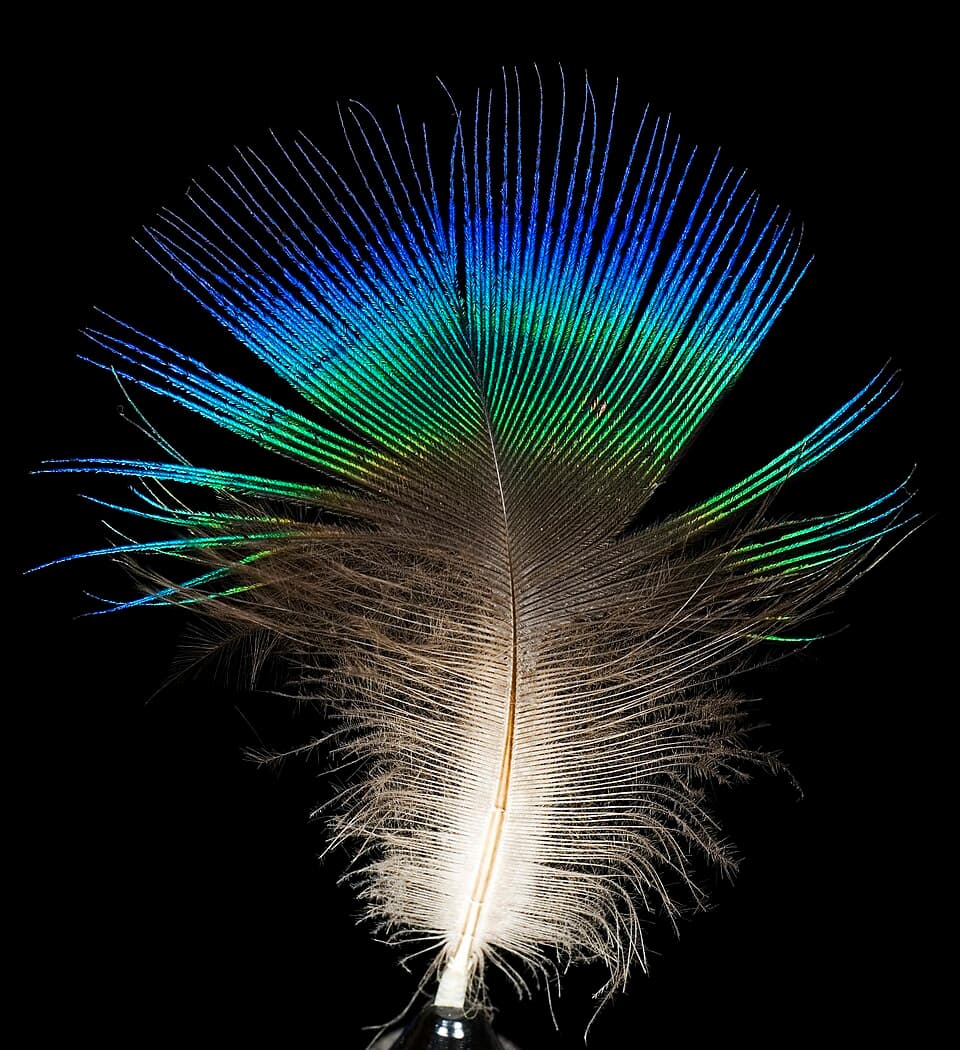
Indian Peafowl
Pavo cristatus
BirdThe Indian peafowl, commonly called a peacock, is a large ground-dwelling bird native to South Asia, world-famous for the male's spectacular iridescent tail display.
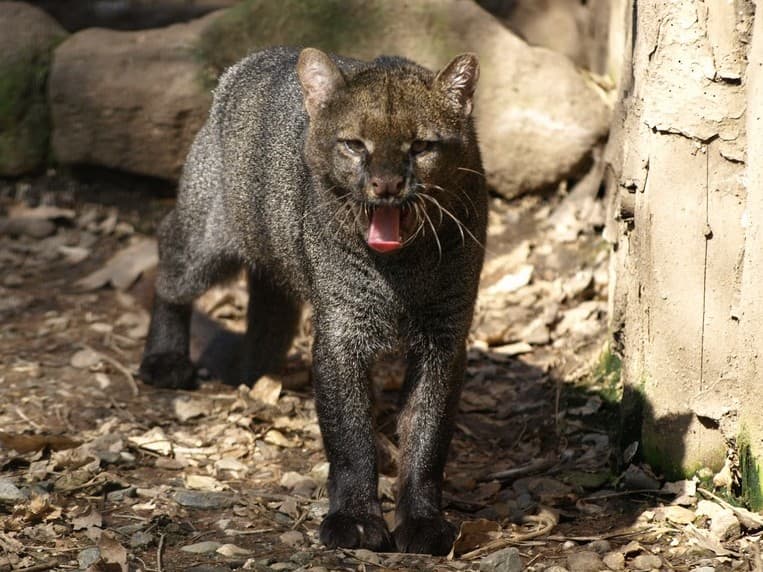
Jaguarundi
Herpailurus yagouaroundi
MammalThe jaguarundi is a small, elusive wildcat found from South America through Central America, notable for a long, slender, weasel-like body unlike the more compact build of most wild cats. Despite living alongside the much larger jaguar across parts of its range, the two are only distantly related within the cat family.
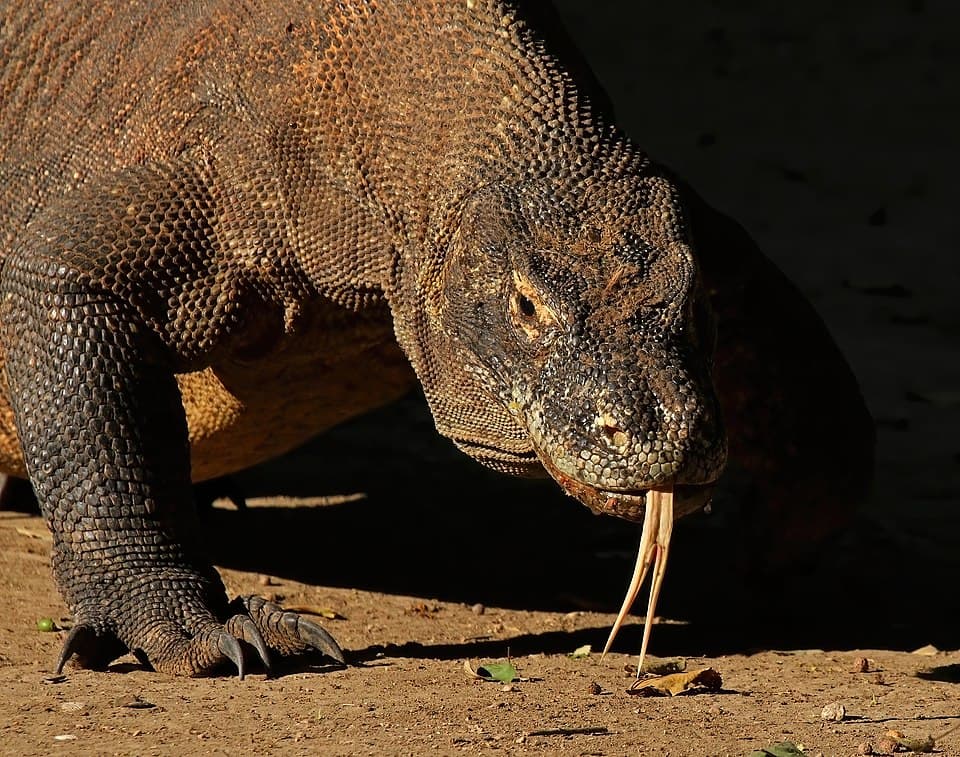
Komodo Dragon
Varanus komodoensis
ReptileThe Komodo dragon is the largest living lizard species in the world, found only on a handful of Indonesian islands including Komodo, Rinca, and Flores. A powerful apex predator, it can take down prey as large as water buffalo using a combination of a powerful bite, sharp serrated teeth, and a toxic bite that impairs its victim.
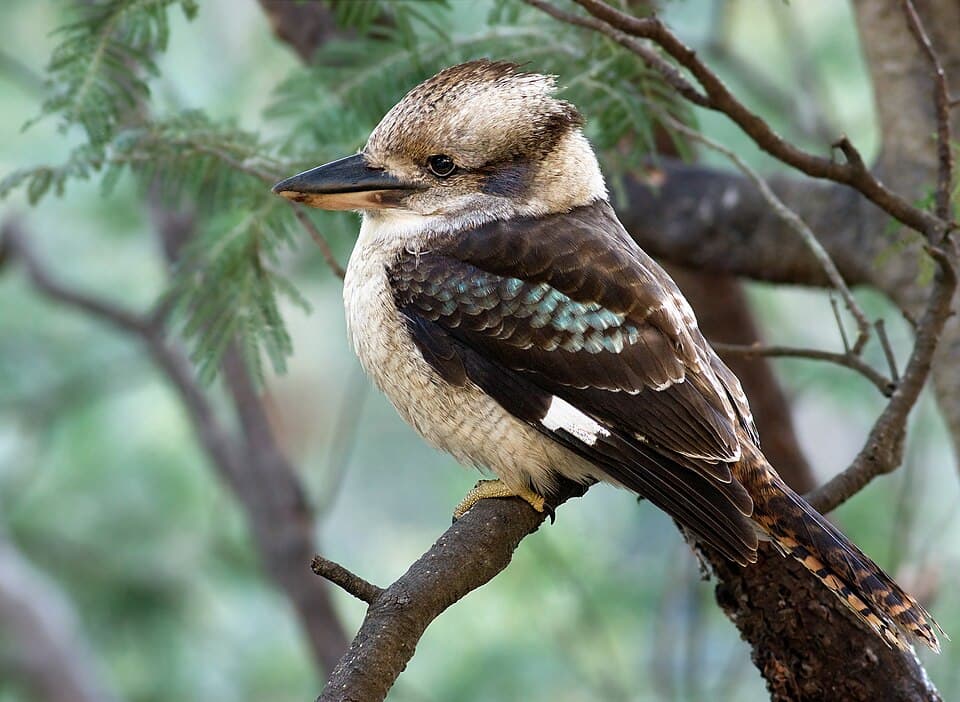
Laughing Kookaburra
Dacelo novaeguineae
BirdThe laughing kookaburra is the largest member of the kingfisher family, famous for a call that sounds remarkably like raucous human laughter, often used to establish territory at dawn and dusk. Native to eastern Australia, it's one of the country's most recognizable and culturally iconic birds.
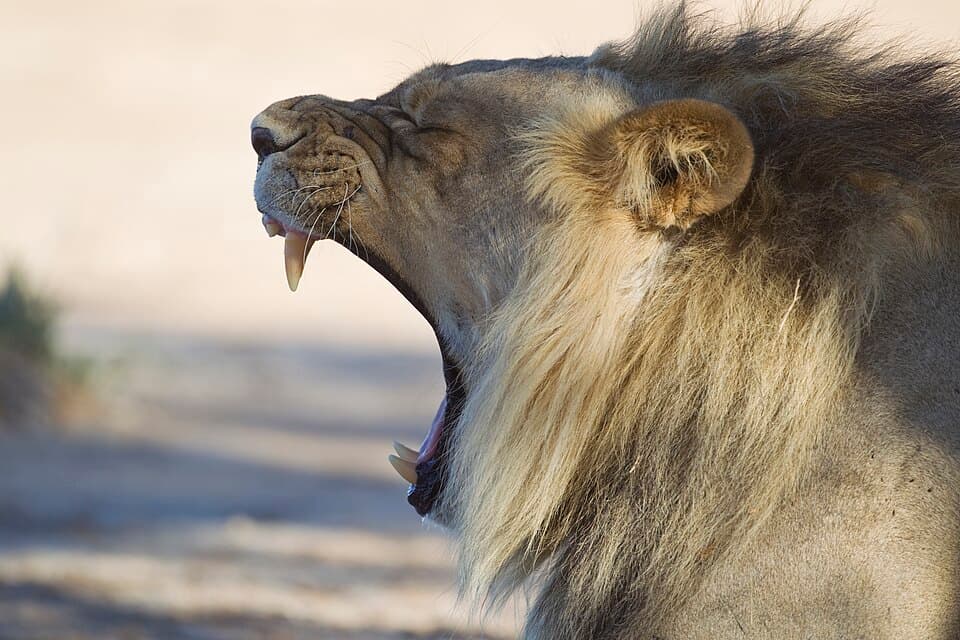
Lion
Panthera leo
MammalThe lion is one of the world's most recognizable big cats, known as the 'king of the jungle' despite living mainly on open savanna, and is the only cat species that lives in large social groups called prides.
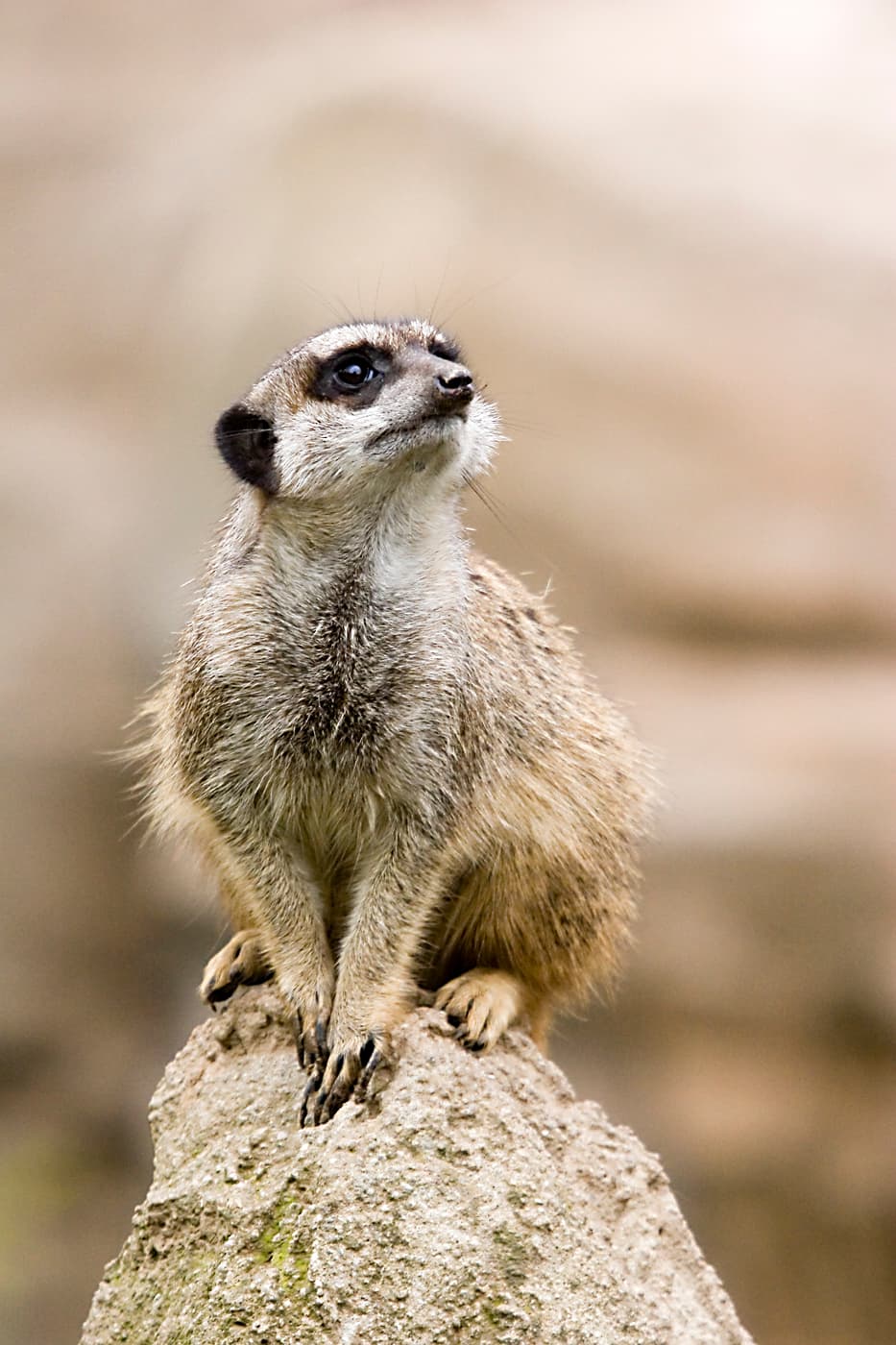
Meerkat
Suricata suricatta
MammalThe meerkat is a small, highly social mongoose relative native to the deserts and grasslands of southern Africa, famous for standing upright on its hind legs to scan the horizon for predators. Living in tightly bonded family groups called mobs, meerkats rely on constant cooperation and vigilance to survive in an environment full of danger from the air and ground alike.
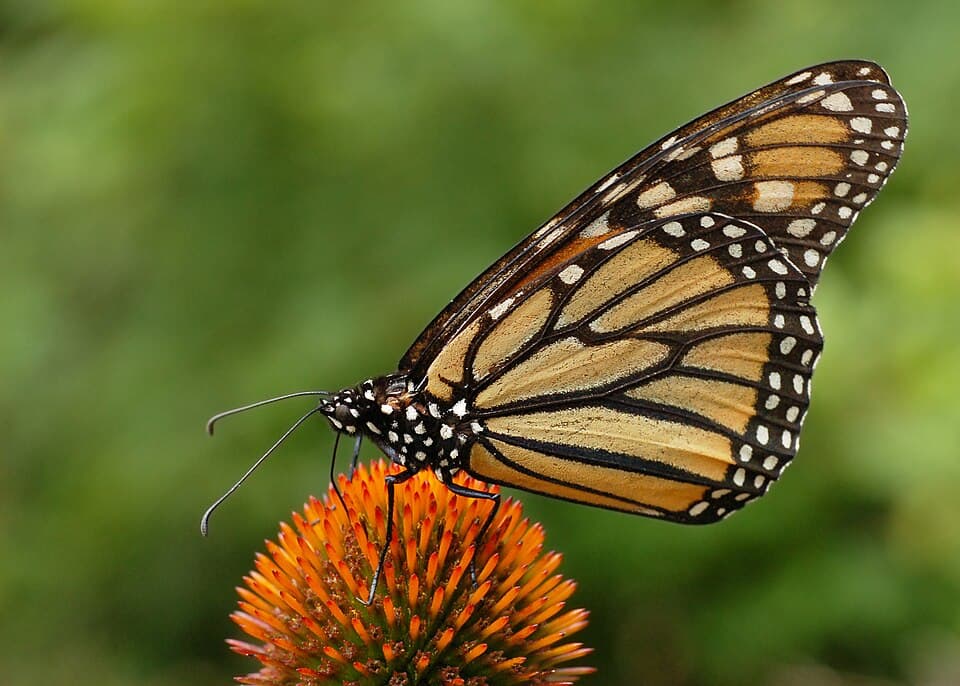
Monarch Butterfly
Danaus plexippus
InsectThe monarch butterfly is famous for an extraordinary multi-generational migration spanning thousands of kilometers between Canada, the United States, and central Mexico.
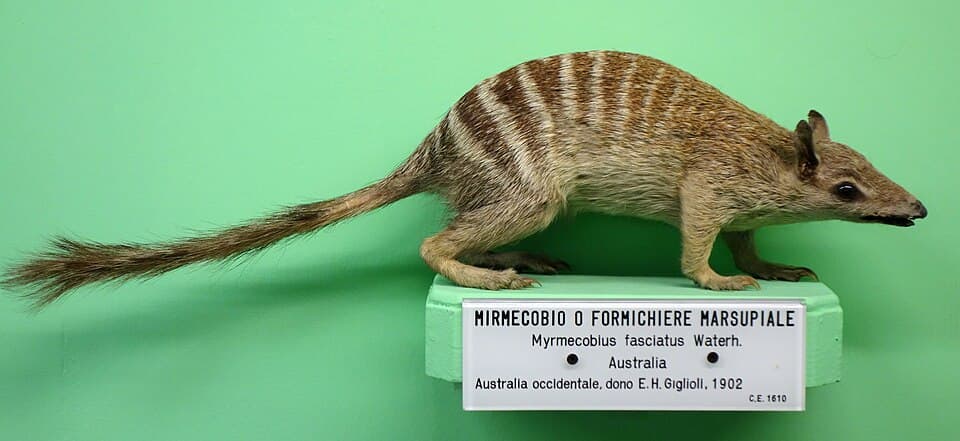
Numbat
Myrmecobius fasciatus
MammalThe numbat is a small, striped marsupial from Western Australia and one of the very few marsupials active exclusively during the day. Unlike most marsupials, it feeds almost entirely on termites, using an extremely long, sticky tongue to extract thousands of them from tunnels and rotting wood each day.
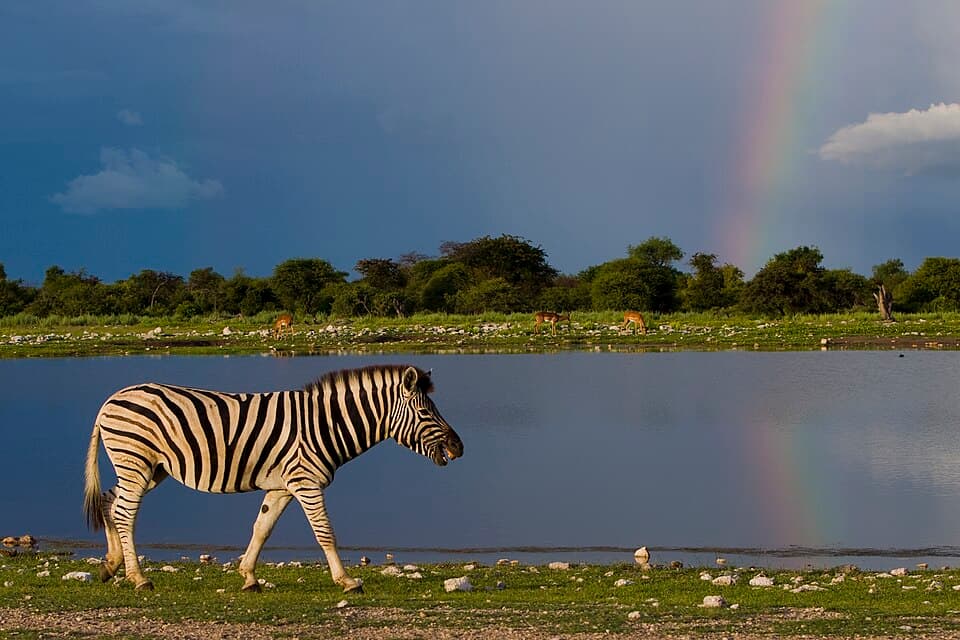
Plains Zebra
Equus quagga
MammalThe plains zebra is the most common and widespread zebra species, roaming the grasslands of eastern and southern Africa in large, ever-shifting herds.
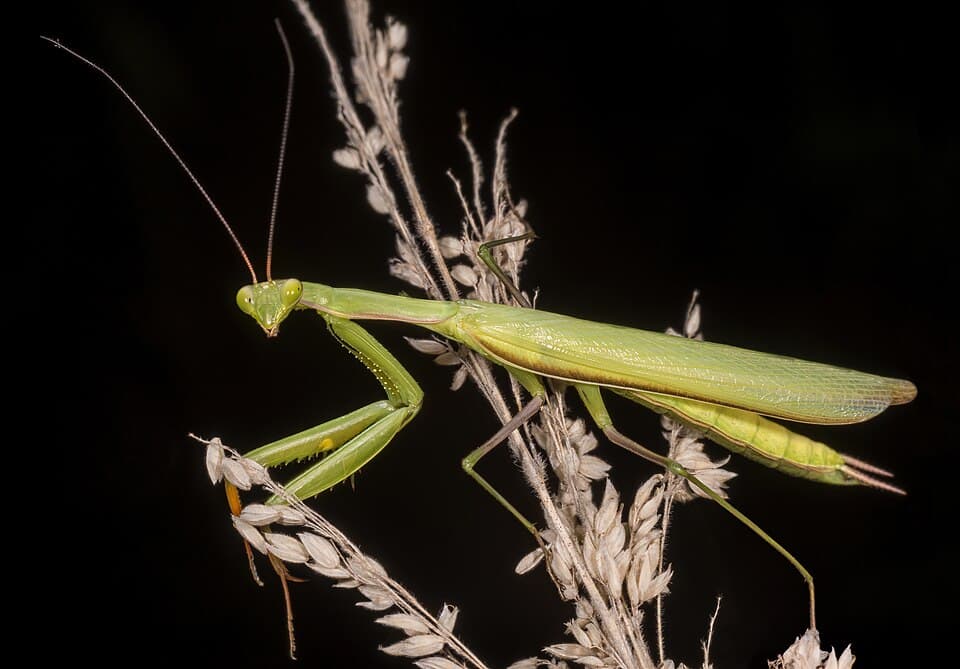
Praying Mantis
Mantis religiosa
InsectThe praying mantis is an ambush predator instantly recognizable by its front legs held together as if in prayer, folded and spiked for snatching prey in a lightning-fast strike. Its triangular head can rotate nearly 180 degrees, giving it an almost unmatched field of view among insects for spotting movement.
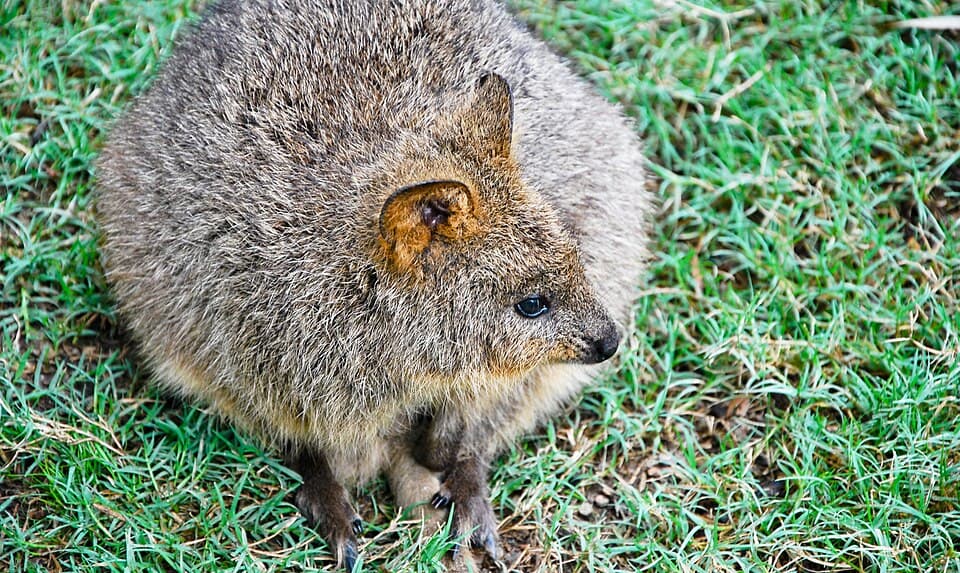
Quokka
Setonix brachyurus
MammalThe quokka is a small macropod, part of the same broad family as kangaroos and wallabies, found in a few fragmented pockets on mainland southwest Australia and, in far greater numbers, on a handful of predator-free islands off Western Australia. It is widely nicknamed 'the world's happiest animal' online for a permanent smile-like expression created by the shape of its mouth, which has made it a popular subject for tourist selfies on Rottnest Island, its best-known stronghold. Despite that island abundance, quokkas are classified as Vulnerable overall, since introduced predators like foxes and cats have devastated the harder-to-protect mainland population over the past century.
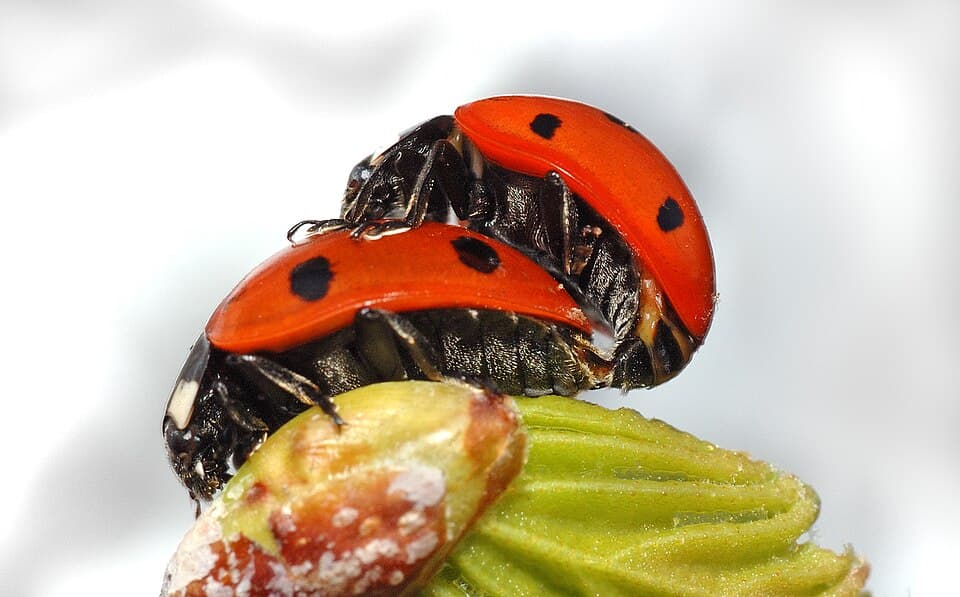
Seven-Spot Ladybird
Coccinella septempunctata
InsectThe seven-spot ladybird is one of the most recognizable beetles in the world, named for the seven black spots that mark its glossy red wing covers. Both adults and larvae are voracious predators of aphids, making the species a natural form of pest control long valued by farmers and gardeners.
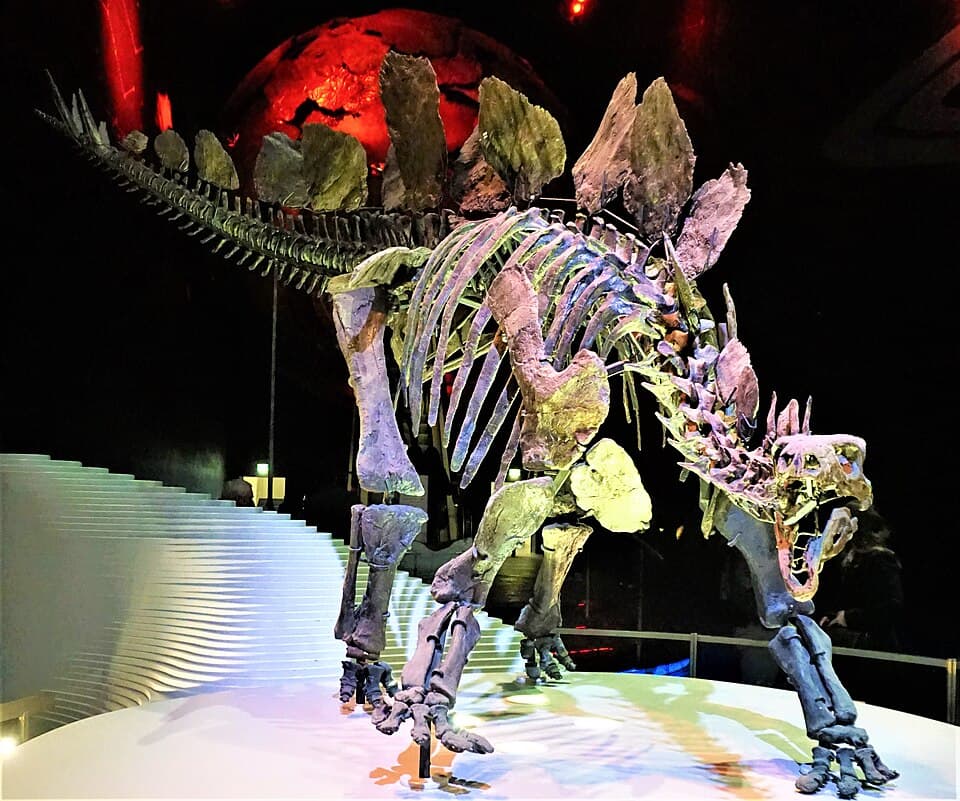
Stegosaurus
Stegosaurus stenops
DinosaurStegosaurus is one of the most recognizable dinosaurs ever discovered, instantly identifiable by the row of large, upright bony plates running along its back and the sharp spikes at the end of its tail. Despite its considerable size, it had a remarkably small, low-slung head with a brain roughly the size of a walnut relative to its huge body.
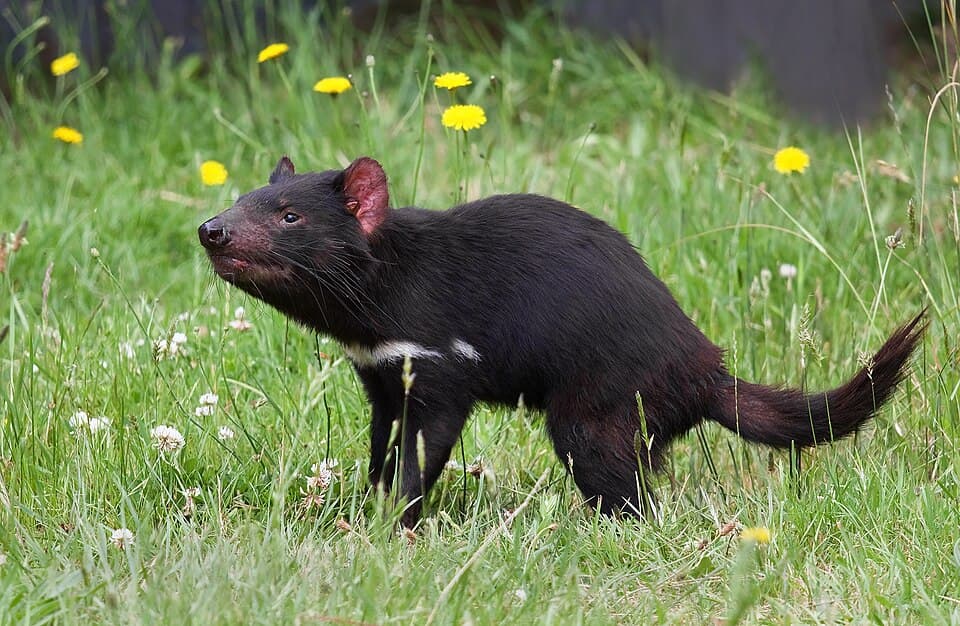
Tasmanian Devil
Sarcophilus harrisii
MammalThe Tasmanian devil is the largest surviving carnivorous marsupial in the world, now found only on the Australian island of Tasmania after going extinct on the mainland centuries ago. Despite its stocky, unassuming build, it has one of the strongest bites relative to body size of any living mammal, capable of crushing bone.
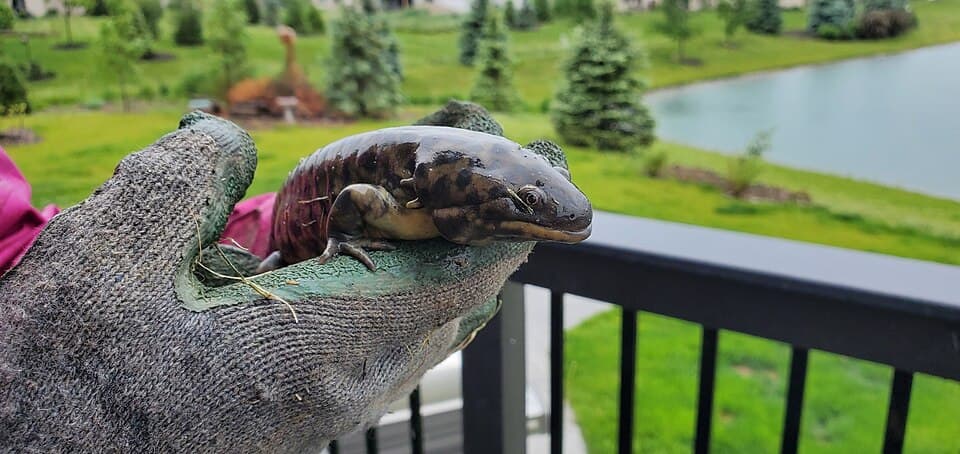
Tiger Salamander
Ambystoma tigrinum
AmphibianThe tiger salamander is one of the largest land-dwelling salamanders in North America, named for the yellow or olive blotches and stripes marking its dark body. Most of its life is spent hidden underground in burrows, either ones it digs itself or ones abandoned by other animals, only emerging at night or during its brief breeding season.
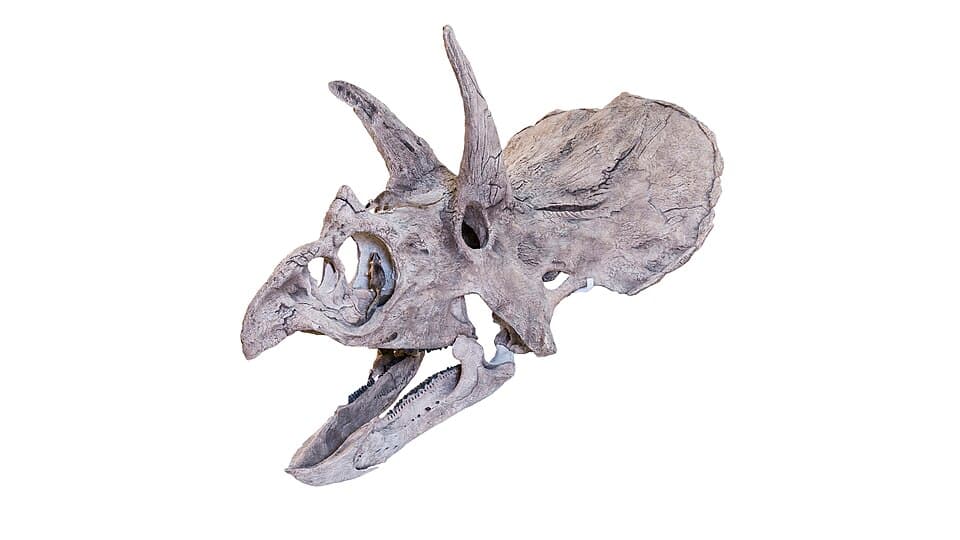
Triceratops
Triceratops horridus
DinosaurTriceratops was one of the last non-avian dinosaurs to exist before the mass extinction event 66 million years ago, instantly recognizable by the massive bony frill extending from the back of its skull and the three prominent horns on its face. It lived across what is now western North America, sharing its environment with predators like Tyrannosaurus rex.
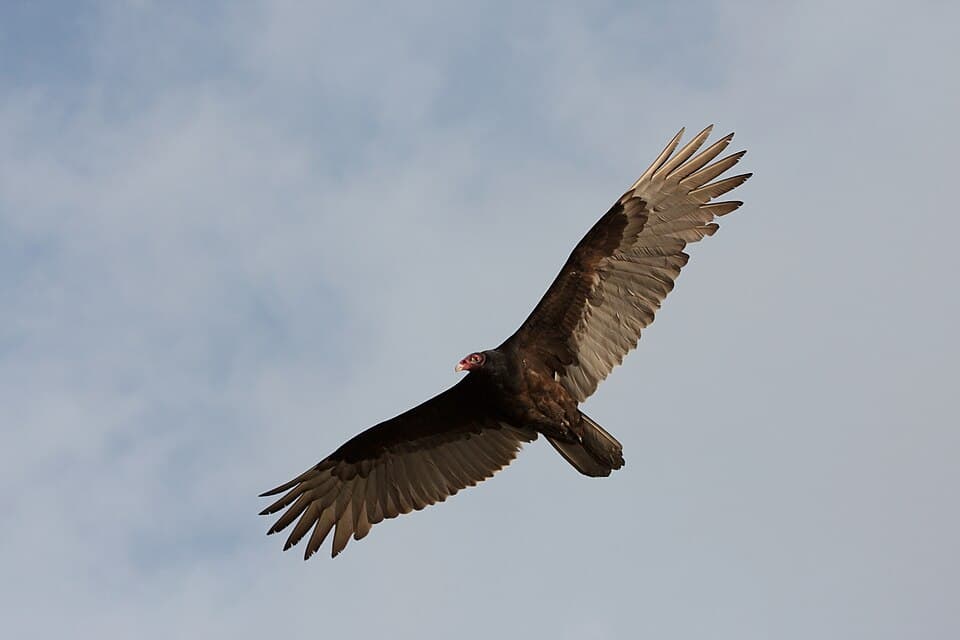
Turkey Vulture
Cathartes aura
BirdThe turkey vulture is a widespread scavenger found across the Americas, playing a critical ecological role by cleaning up carrion using one of the keenest senses of smell in the bird world.
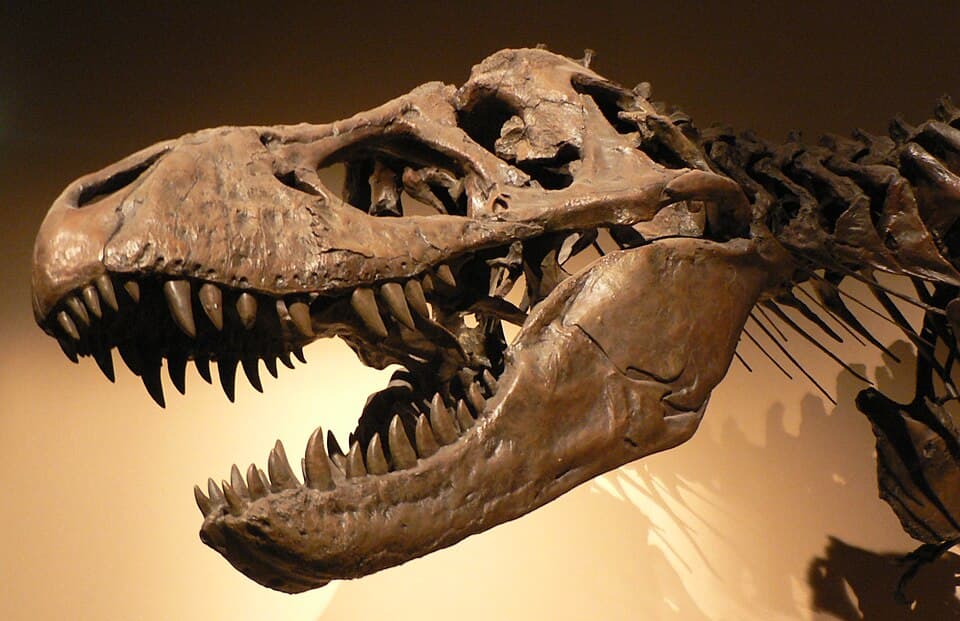
Tyrannosaurus Rex
Tyrannosaurus rex
DinosaurTyrannosaurus rex was one of the largest land predators to ever exist, dominating the ecosystems of western North America at the very end of the Cretaceous period roughly 66-68 million years ago.
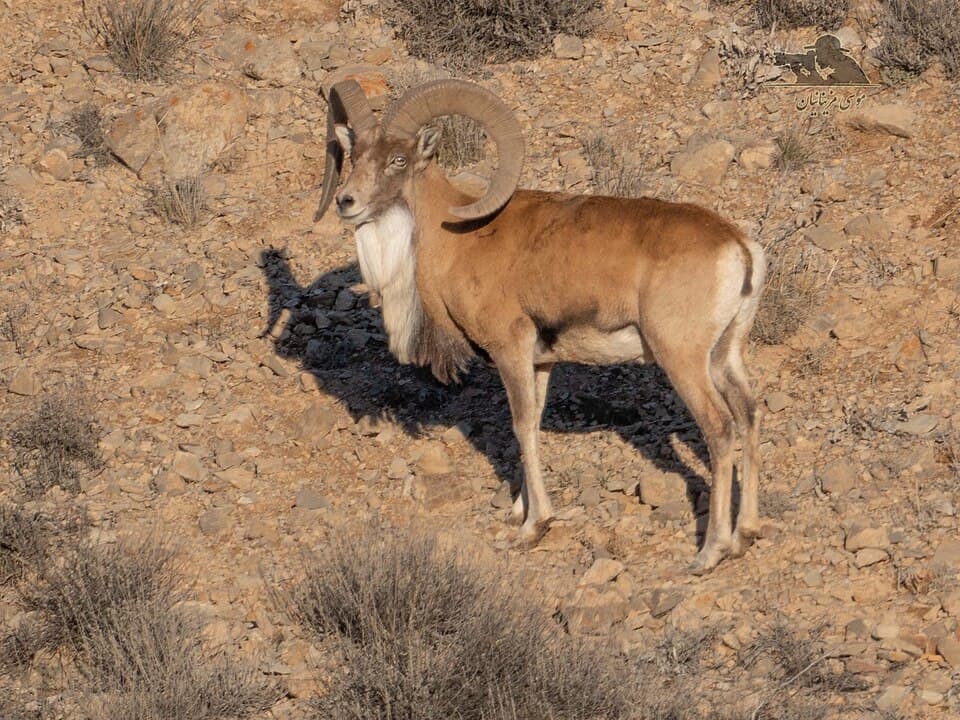
Urial
Ovis vignei
MammalThe urial is a wild sheep species native to the dry hills and mountains of Central and South Asia, recognized by the male's large curling horns.
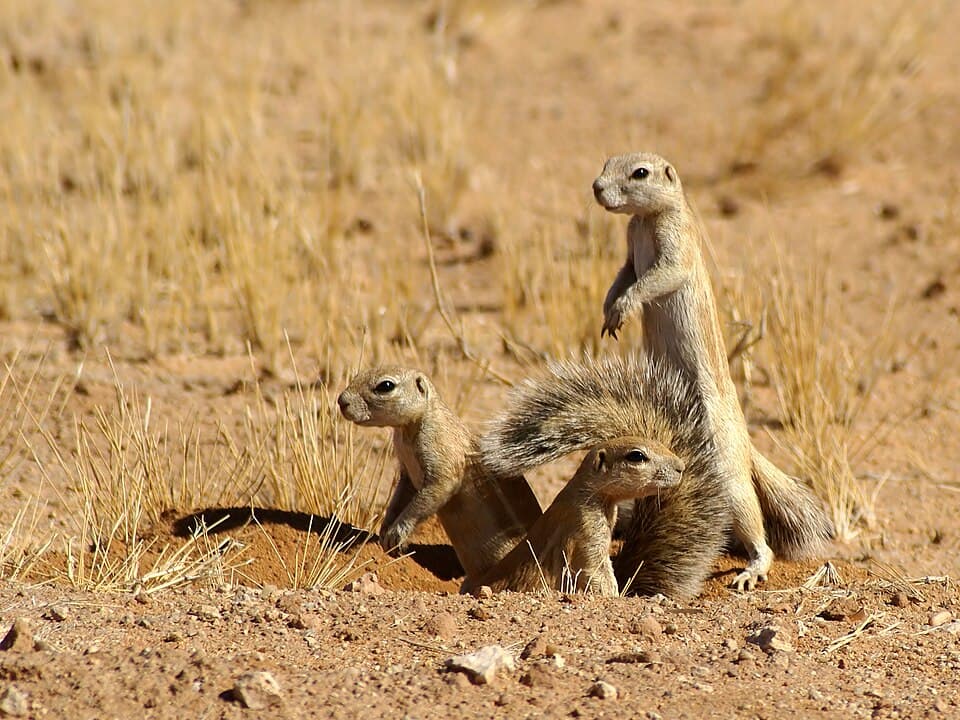
Xerus (African Ground Squirrel)
Xerus inauris
MammalThe Cape ground squirrel, or xerus, is a burrowing rodent of southern Africa's arid plains, easily recognized by holding its bushy tail overhead like a built-in parasol.
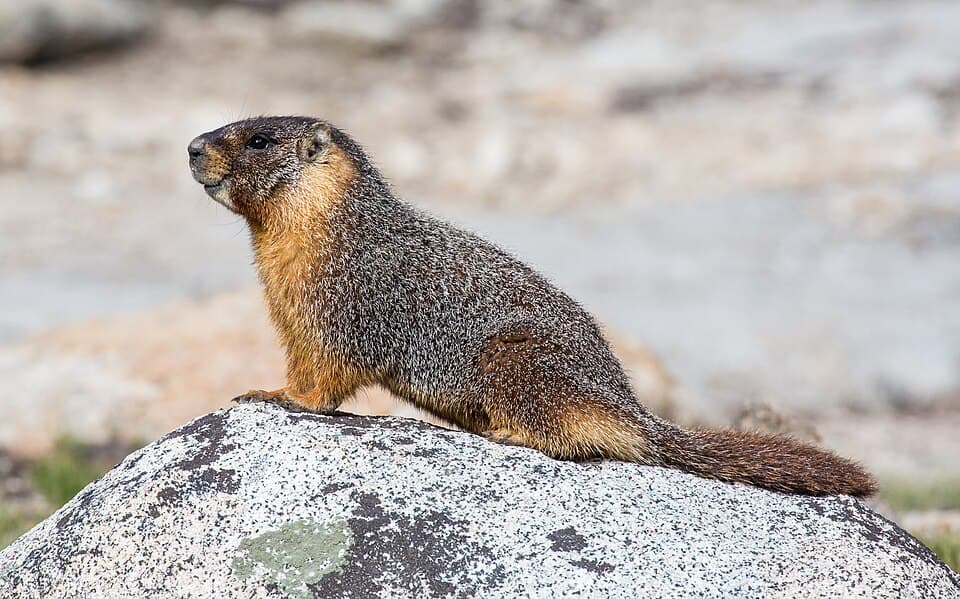
Yellow-bellied Marmot
Marmota flaviventris
MammalThe yellow-bellied marmot is a large ground squirrel found in the mountains of western North America, spending nearly eight months of the year in deep hibernation.
Grassland Animals FAQs
How many grassland animals are listed here?
This page currently features 34 species, and more are added regularly as the dataset grows.
What is the most popular animal in this list?
Lion is currently the most popular animal in Grassland Animals.
Are any of these animals endangered?
Yes — 10 of the 34 species listed are classified as vulnerable, endangered, or critically endangered.
Explore Other Habitats
Forest Animals
Dense tree cover provides food, shelter, and camouflage for a huge range of species, from insects to apex predators.
Ocean Animals
Covering over 70% of the planet, the ocean is home to everything from microscopic plankton to the largest animal ever known.
Desert Animals
Extreme heat, cold nights, and scarce water shape animals with remarkable adaptations for survival in arid landscapes.
Mountain Animals
Thin air, steep terrain, and cold temperatures favor sure-footed, well-insulated species adapted to high altitudes.
Arctic Animals
Some of the harshest conditions on Earth are home to thickly insulated animals built to survive months of polar cold.
Wetland Animals
Marshes, swamps, and floodplains support an especially rich mix of amphibians, reptiles, birds, and mammals.
Rainforest Animals
The most biodiverse ecosystem on the planet, home to a staggering density of species packed into a small footprint.