Forest Animals
Forests cover roughly a third of Earth's land surface, from the towering rainforest canopies of the Amazon and Congo Basin to the temperate woodlands of North America and Europe and the vast boreal taiga stretching across Russia and Canada. Within a single forest, animals occupy distinct vertical layers — the canopy, the understory, and the forest floor — each supporting a different community of species, from birds and primates high in the treetops to insects, fungi, and ground-dwelling mammals below. Many forest species have evolved specialized adaptations for this three-dimensional world, including prehensile tails and grasping hands for climbing, and coat patterns that provide camouflage against dappled light and shadow. Because forests support such a high concentration of biodiversity relative to their land area, deforestation and habitat fragmentation are among the most significant threats facing forest wildlife today.
Types of Forest Biomes
Not all forests are alike. Tropical rainforests, found in a belt around the equator across the Amazon, the Congo Basin, and Southeast Asia, receive heavy year-round rainfall and support the greatest species density of any land biome, with a warm, humid climate that never truly has a winter. Temperate forests, found across much of North America, Europe, and East Asia, experience four distinct seasons, and many of their trees are deciduous, shedding leaves each autumn — a cycle that shapes the behavior of resident wildlife, from migration to hibernation. Boreal forest, also called taiga, forms the largest land biome on Earth, stretching in a band across northern Russia, Scandinavia, and Canada, dominated by cold-hardy conifers and home to species adapted to long, harsh winters and short growing seasons.
How Animals Adapt to Life in the Forest
Living among dense trees favors a distinct set of adaptations. Many forest mammals and reptiles have prehensile tails or grasping hands and feet suited to climbing and moving through branches, while birds and insects that spend their lives in the canopy often rely on camouflage patterns that blend into dappled sunlight and leaf litter rather than open ground. Because a forest's structure blocks direct line of sight more than open grassland does, many species lean more heavily on scent marking and vocal calls to communicate and defend territory than on visual signals alone. Seasonal forests add another layer of adaptation: some species migrate to warmer regions as temperatures drop, while others, including many mammals in temperate and boreal forests, hibernate through the winter months when food is scarce.
Why Forests Matter for Biodiversity
Forests are disproportionately important to life on Earth: despite covering roughly a third of the planet's land surface, they are estimated to host the large majority of the world's terrestrial plant and animal species, largely because of the structural complexity created by multiple vertical layers of vegetation. That density also makes forests unusually vulnerable — clearing a single hectare of old-growth forest can displace far more species than clearing the same area of grassland or desert. Deforestation for agriculture, logging, and development remains the primary threat to forest wildlife worldwide, fragmenting habitat into patches too small or isolated to sustain healthy populations, which is why forest conservation and reforestation efforts are a major focus of global biodiversity strategy today.
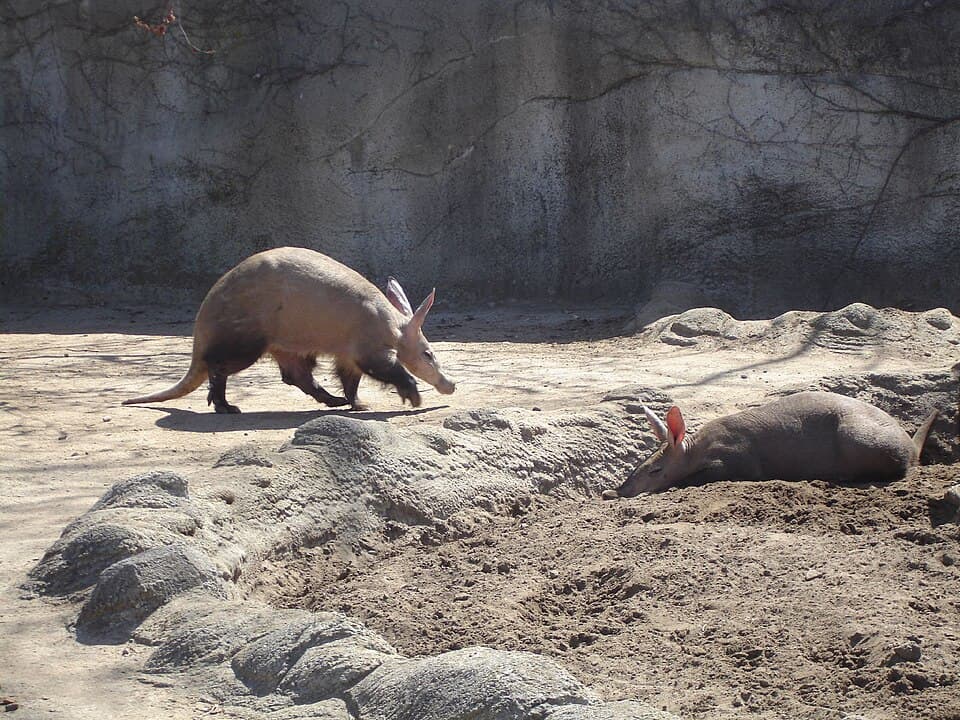
Aardvark
Orycteropus afer
MammalThe aardvark is a nocturnal, burrowing mammal found across sub-Saharan Africa, best known for its long snout and powerful digging claws used to raid termite mounds.
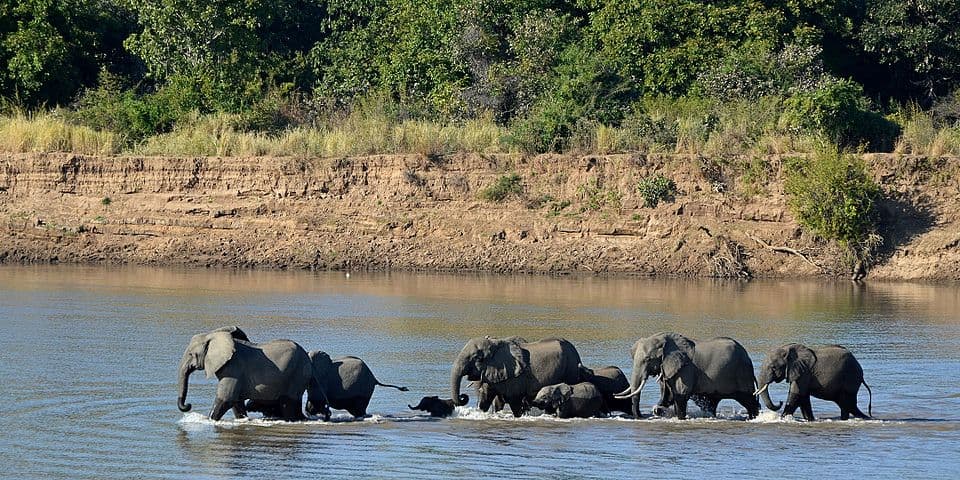
African Elephant
Loxodonta africana
MammalThe African elephant is the largest living land animal, roaming savannas, forests, and semi-arid regions across sub-Saharan Africa in tightly-bonded matriarchal herds. This entry refers specifically to the African bush elephant, the larger of two African species recognized by the IUCN since 2021 — the other, the African forest elephant, is smaller, has straighter tusks, and lives in the dense rainforests of Central and West Africa. Elephant populations were decimated by ivory poaching through the 20th century, and though international trade bans and anti-poaching efforts have slowed the decline in many regions, habitat loss and human-wildlife conflict continue to threaten the species today.
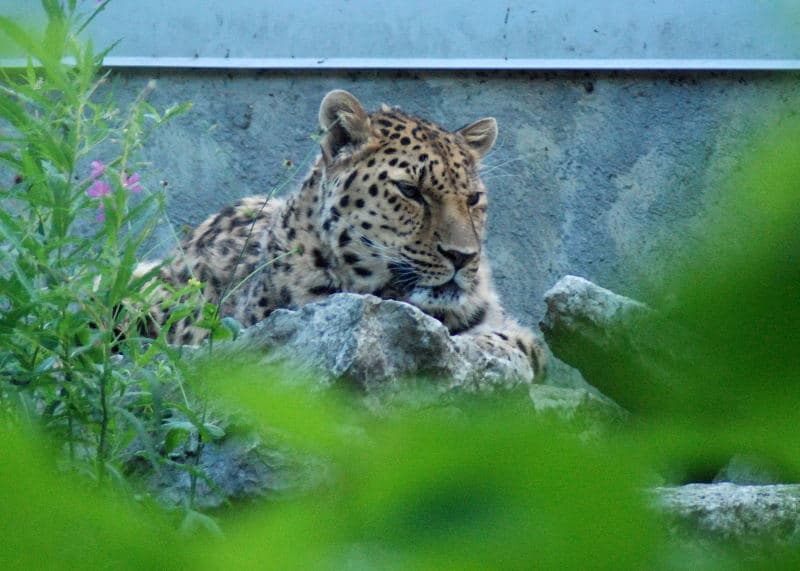
Amur Leopard
Panthera pardus orientalis
MammalThe Amur leopard is the rarest big cat in the world, a leopard subspecies adapted to the cold, snowy forests of the Russian Far East and northeastern China. Decades of poaching and habitat loss reduced the wild population to a critical low, though recent conservation efforts have helped numbers slowly recover from the brink.
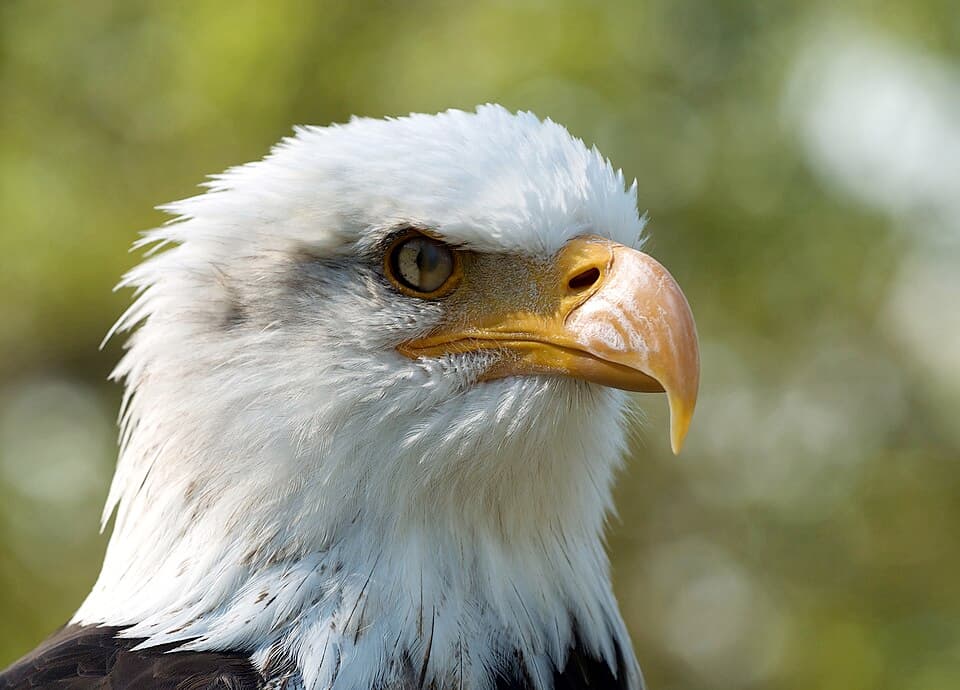
Bald Eagle
Haliaeetus leucocephalus
BirdThe bald eagle is a large bird of prey and the national bird of the United States, typically found near large bodies of open water with an abundant fish supply, from Alaska and Canada down through the contiguous United States. The species was once endangered in the U.S. due to hunting, habitat loss, and the pesticide DDT, which thinned its eggshells and caused widespread breeding failures; after DDT was banned and decades of conservation effort, bald eagle populations recovered enough for the species to be removed from the U.S. endangered species list in 2007.
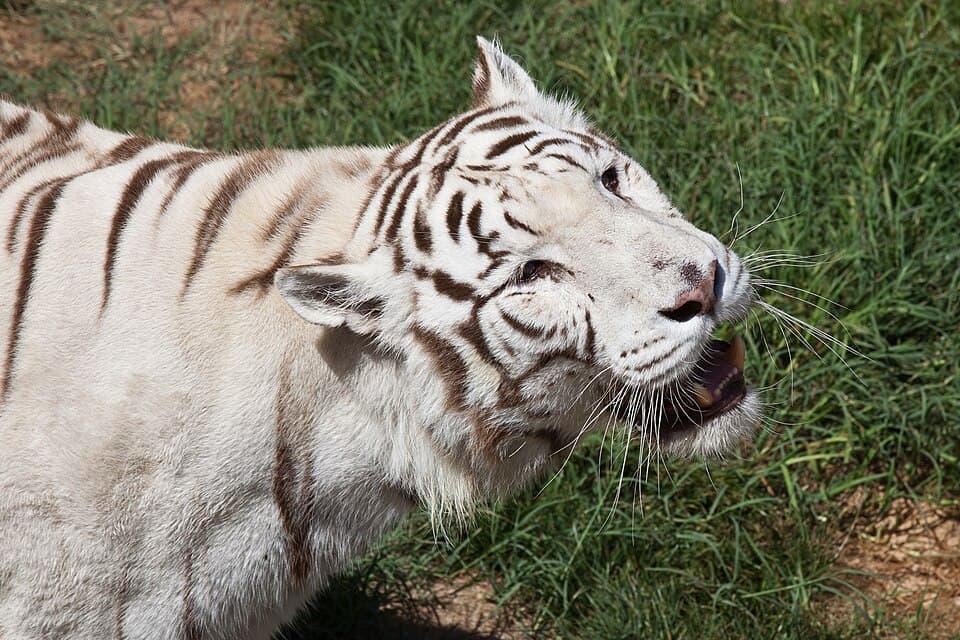
Bengal Tiger
Panthera tigris tigris
MammalThe Bengal tiger is the most numerous tiger subspecies, with India alone holding the large majority of the world's wild tiger population, and it is the largest wild cat native to Asia's forests, mangroves, and grasslands. Smaller populations also survive in Bangladesh, Nepal, and Bhutan, including in the Sundarbans, a vast mangrove delta shared by India and Bangladesh where tigers are unusually strong swimmers and sometimes hunt aquatic prey. India launched Project Tiger in 1973 to protect the subspecies through a network of dedicated reserves, and the country's wild tiger population has grown substantially since, even as poaching for the illegal wildlife trade and habitat fragmentation remain serious ongoing threats.
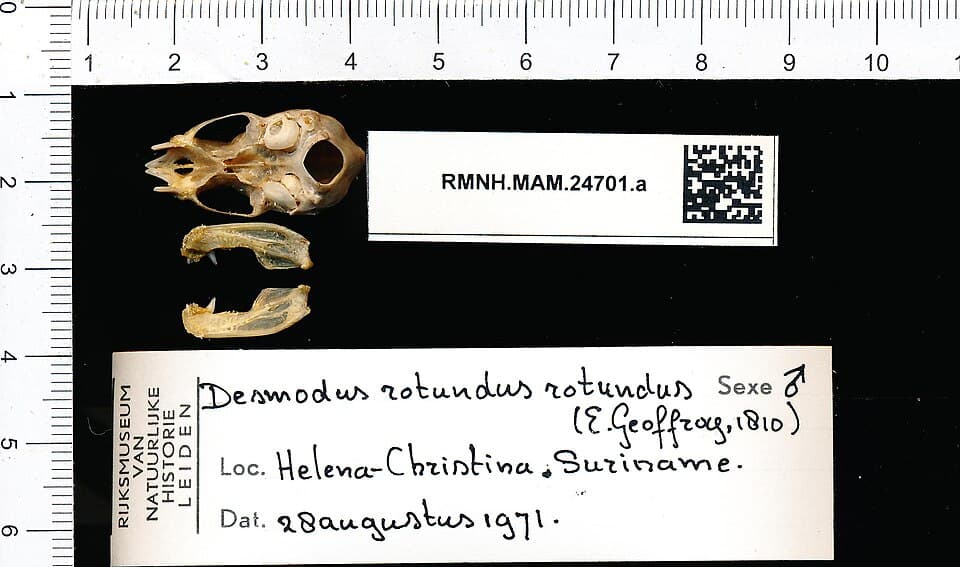
Common Vampire Bat
Desmodus rotundus
MammalThe common vampire bat is one of only three bat species that feeds exclusively on blood, mainly targeting livestock across Latin America under cover of darkness.
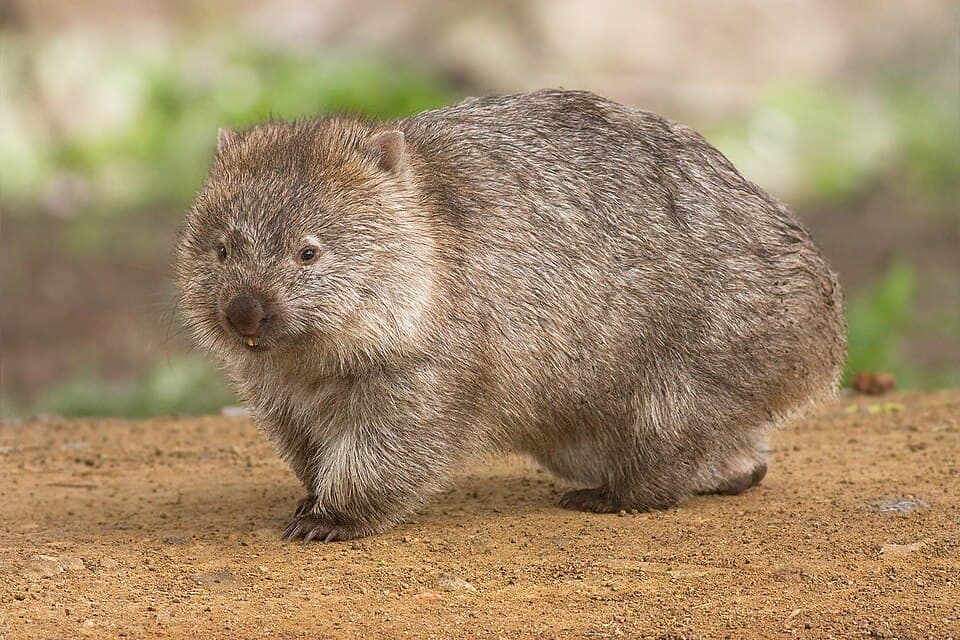
Common Wombat
Vombatus ursinus
MammalThe common wombat is a stocky, burrowing marsupial native to Australia, known for digging some of the most extensive burrow systems of any animal its size. Despite its slow, waddling gait, it can sprint in short bursts when threatened and is a powerful, capable digger built like a small bulldozer.
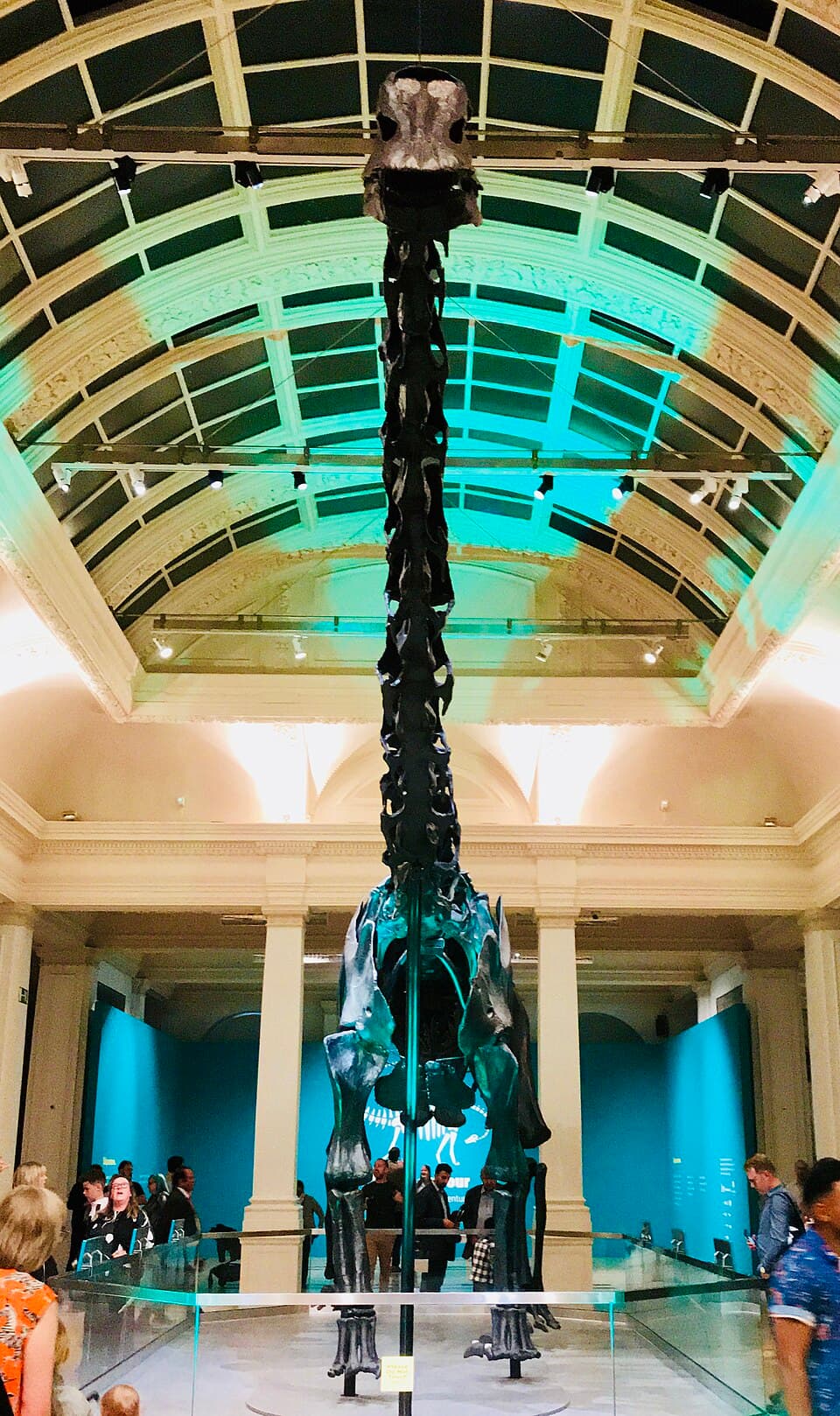
Diplodocus
Diplodocus carnegii
DinosaurDiplodocus was one of the longest dinosaurs to ever walk the Earth, an enormous long-necked, long-tailed herbivore that roamed what is now western North America during the Late Jurassic period. Despite its massive length, it was relatively lightly built for its size, with a skeleton adapted to minimize weight while still supporting its huge frame.
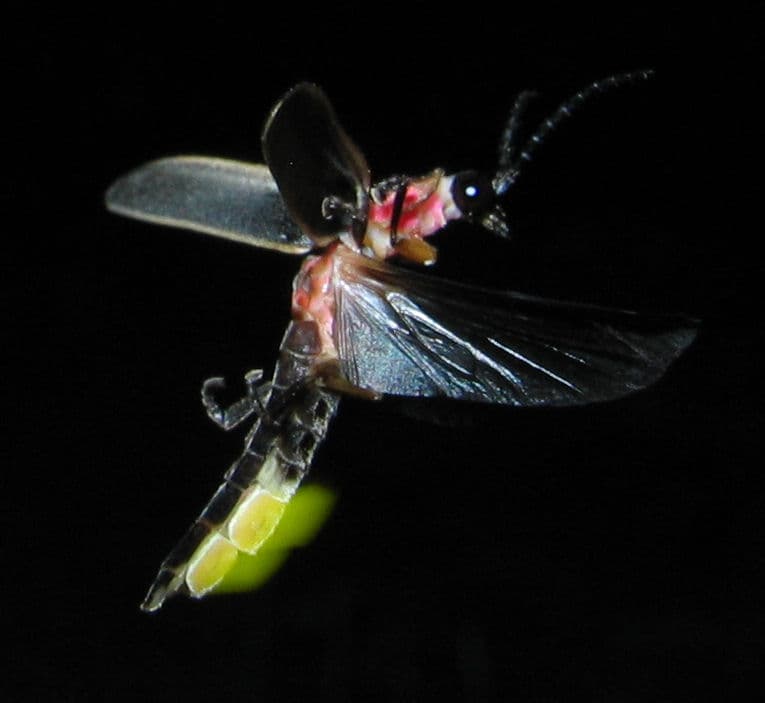
Firefly
Photinus pyralis
InsectThe firefly is a soft-bodied beetle famous for its ability to produce light through a chemical reaction in its abdomen, a phenomenon called bioluminescence used mainly to attract mates on warm summer evenings. Despite the name, it isn't a fly at all -- it's a beetle, most closely related to click beetles and other Coleoptera.
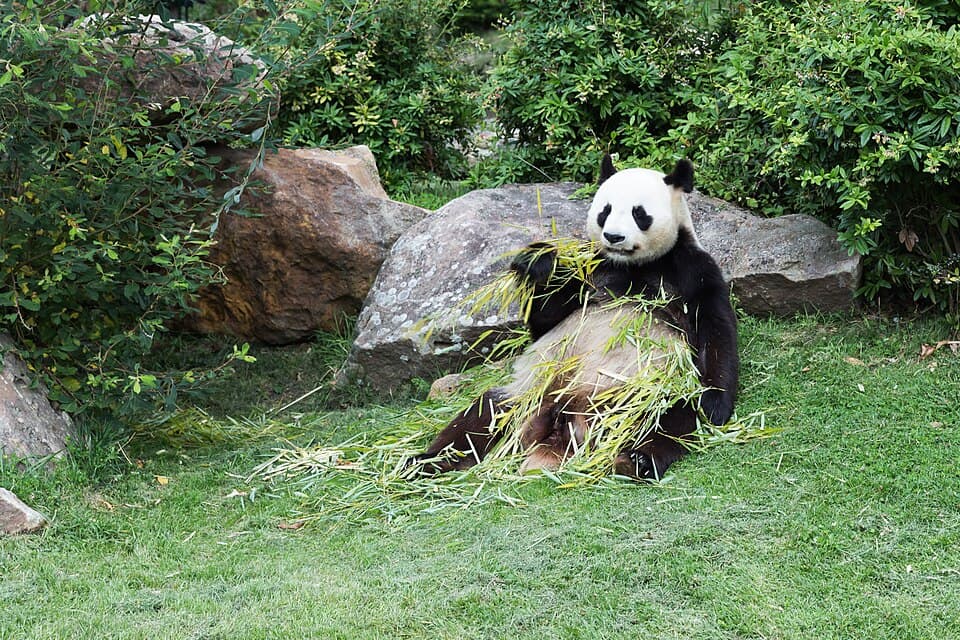
Giant Panda
Ailuropoda melanoleuca
MammalThe giant panda is a bear native to a handful of mountain forest ranges in central China, primarily in Sichuan province, famous worldwide for a diet made up almost entirely of bamboo despite retaining the short digestive tract of a carnivore. Because that digestive system extracts relatively little energy from tough, fibrous bamboo, pandas must eat enormous quantities to survive, spending up to 12 hours a day feeding and consuming as much as 38kg of bamboo in a single day. Long a symbol of Chinese culture and a fixture of international 'panda diplomacy,' the species was reclassified from Endangered to Vulnerable by the IUCN in 2016 after decades of habitat protection and captive-breeding programs helped stabilize its wild population — one of conservation's clearer recent success stories, even as bamboo forest fragmentation remains an ongoing threat.
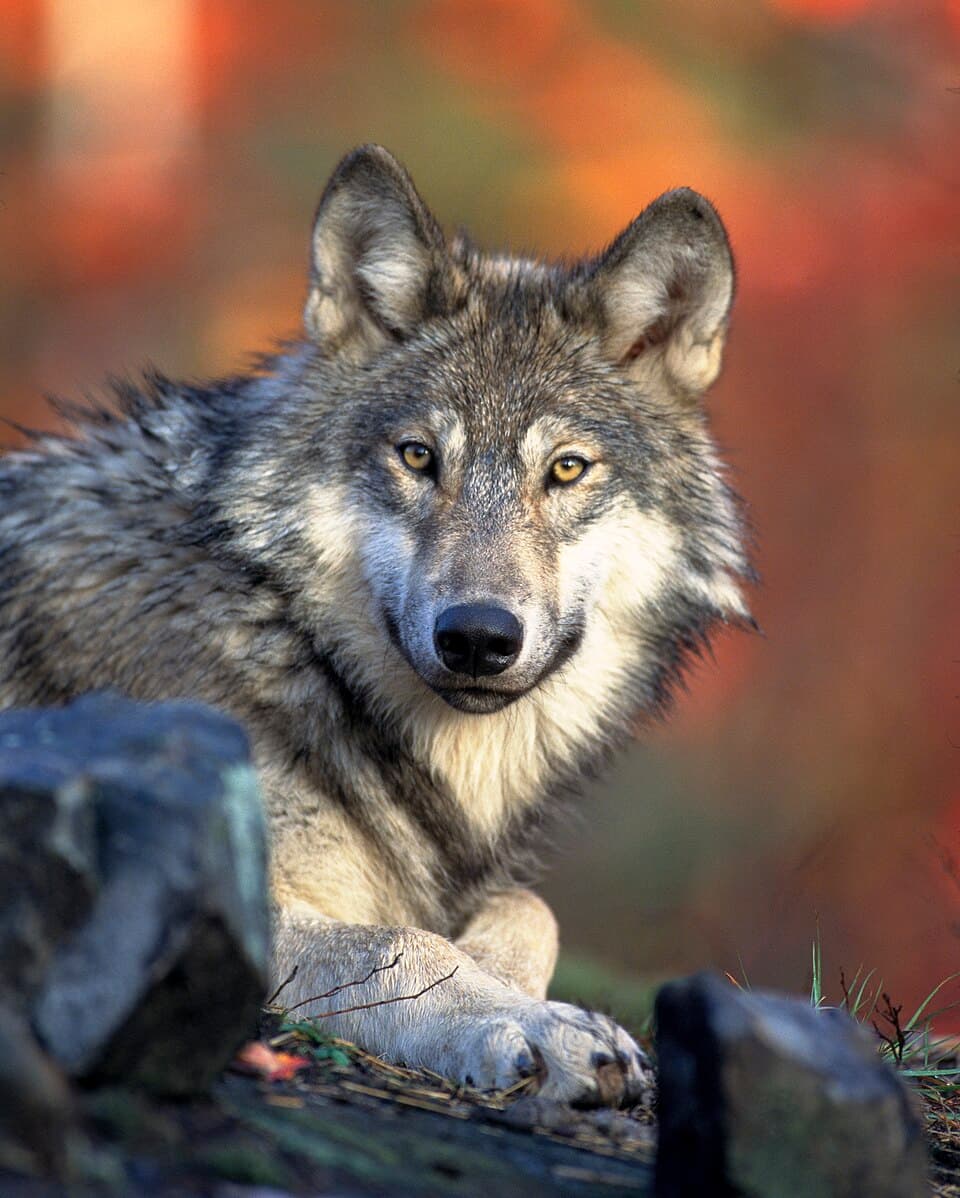
Gray Wolf
Canis lupus
MammalThe gray wolf is the largest wild member of the dog family, once ranging across nearly the entire Northern Hemisphere and living in tightly-coordinated family packs.
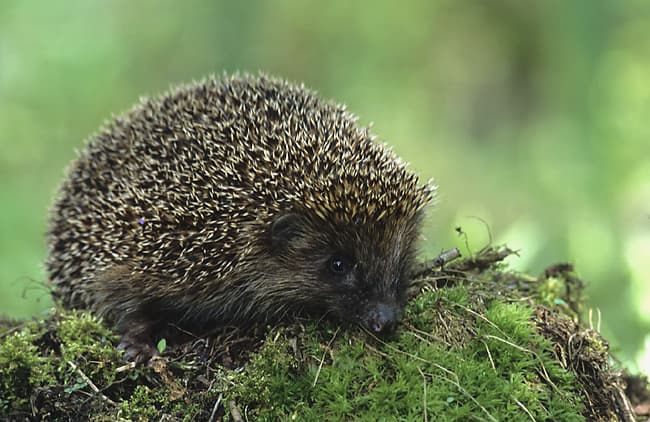
Hedgehog
Erinaceus europaeus
MammalThe hedgehog is a small, spine-covered mammal found across Europe, instantly recognizable for its defensive habit of rolling into a tight, spiky ball when threatened. Despite its tiny size, it's a surprisingly effective predator of garden pests, making it a welcome visitor in gardens across its range.
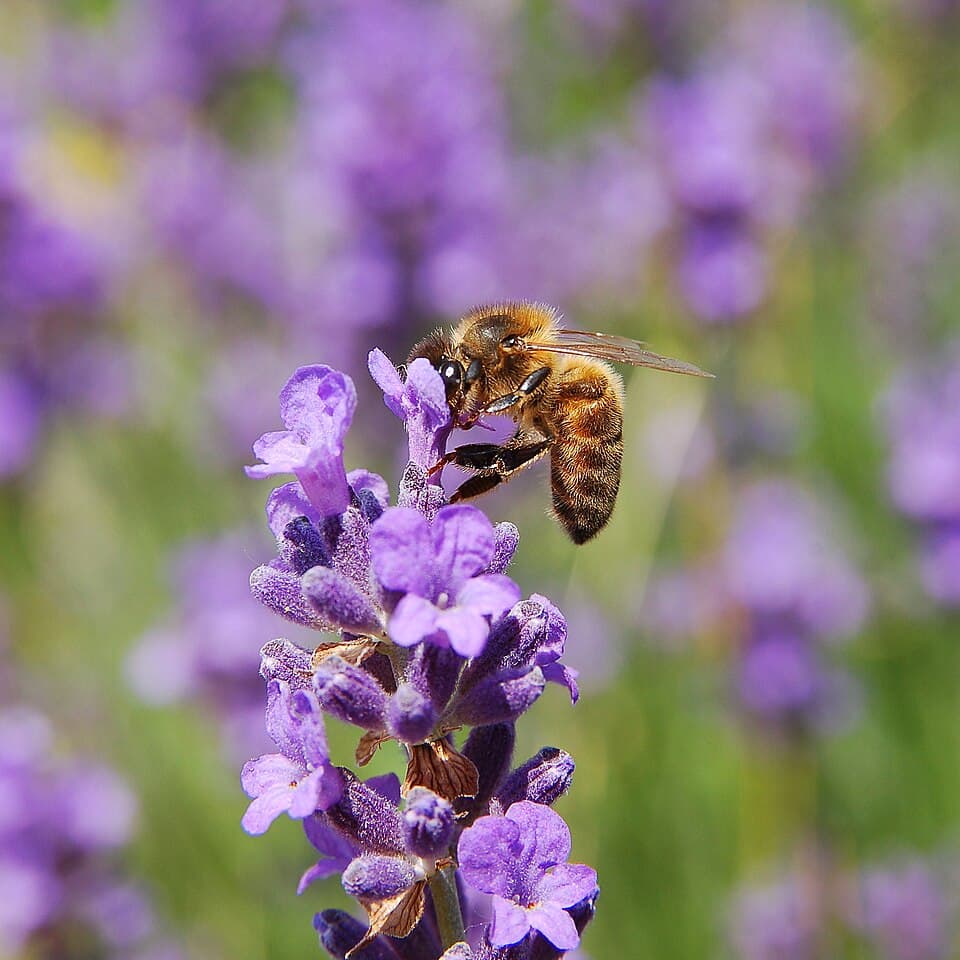
Honeybee
Apis mellifera
InsectThe honeybee is a highly social insect essential to global agriculture, pollinating a huge share of the crops humans depend on while producing honey and wax.
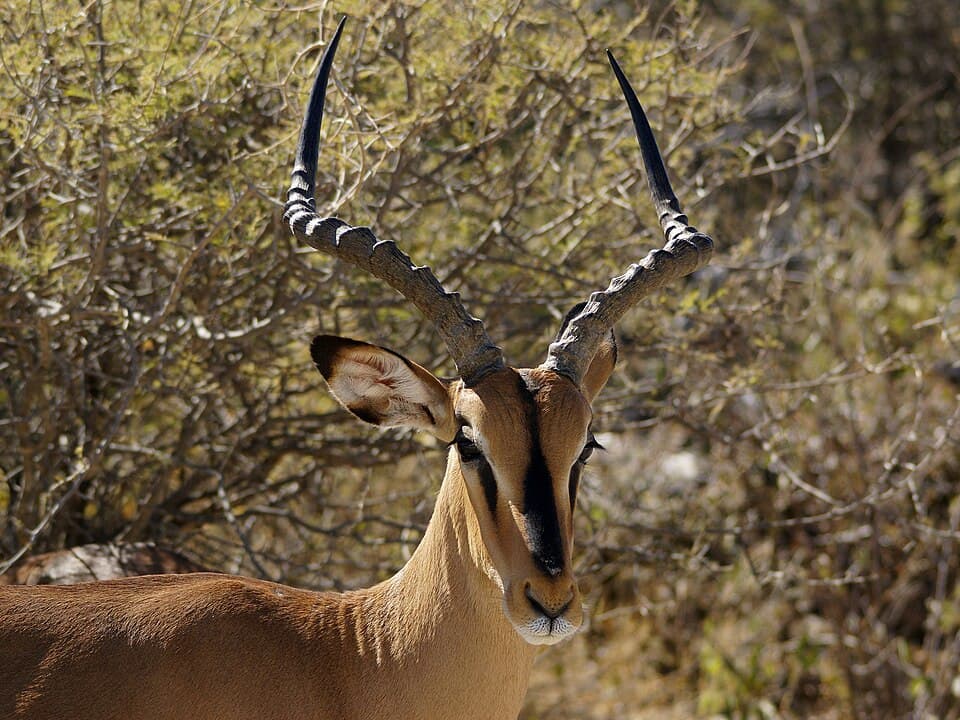
Impala
Aepyceros melampus
MammalThe impala is a medium-sized antelope found across eastern and southern African savannas, famous for its explosive leaping ability when startled.
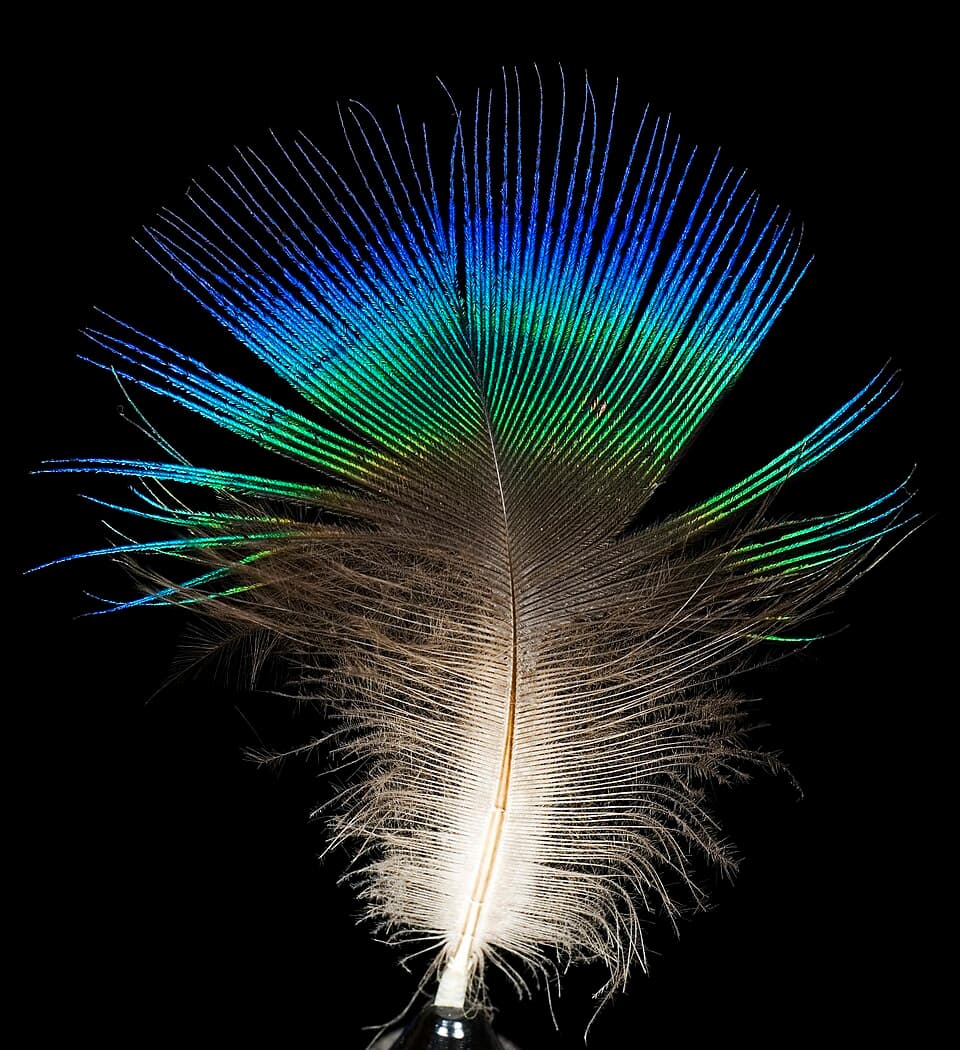
Indian Peafowl
Pavo cristatus
BirdThe Indian peafowl, commonly called a peacock, is a large ground-dwelling bird native to South Asia, world-famous for the male's spectacular iridescent tail display.
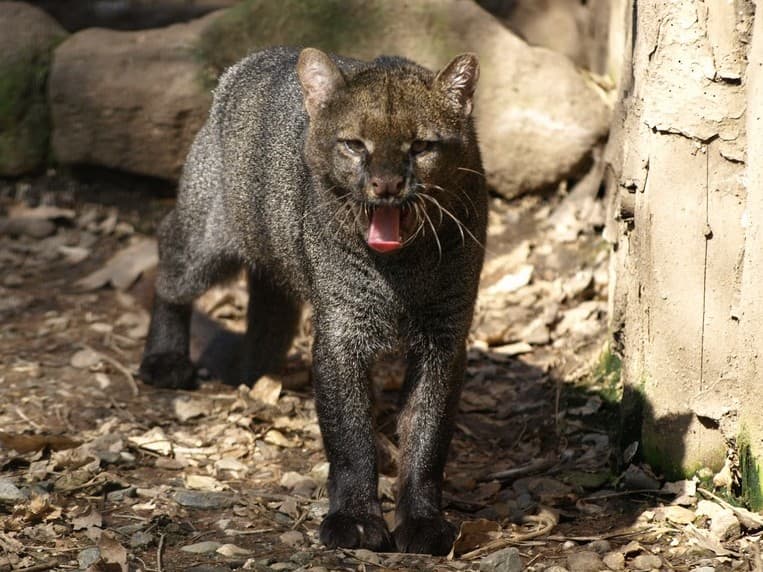
Jaguarundi
Herpailurus yagouaroundi
MammalThe jaguarundi is a small, elusive wildcat found from South America through Central America, notable for a long, slender, weasel-like body unlike the more compact build of most wild cats. Despite living alongside the much larger jaguar across parts of its range, the two are only distantly related within the cat family.
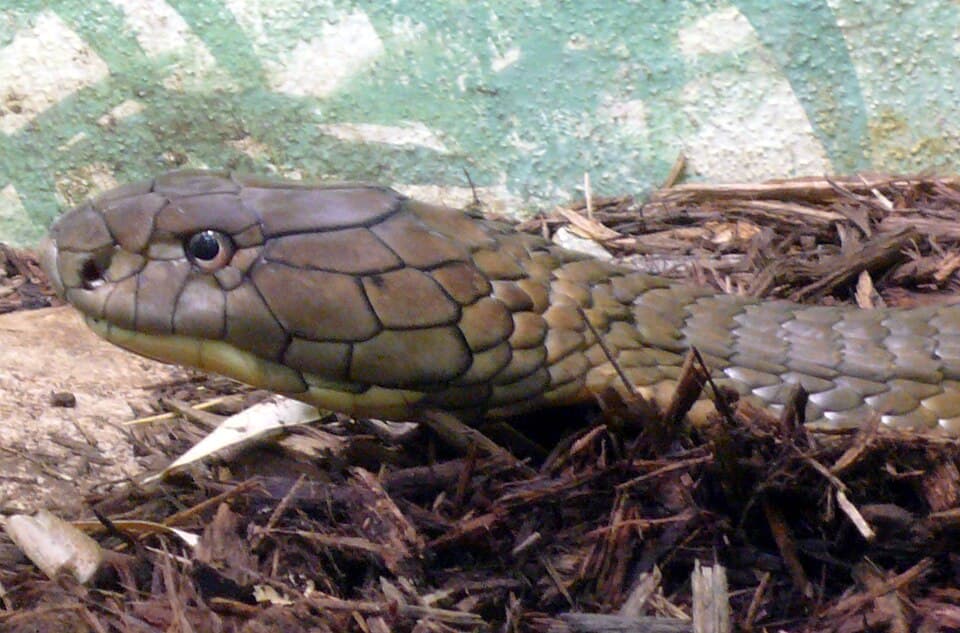
King Cobra
Ophiophagus hannah
ReptileThe king cobra is the world's longest venomous snake, found across the forests, bamboo thickets, and mangrove swamps of South and Southeast Asia, from India and southern China to the Philippines and Indonesia. It is unusual among snakes for building and guarding a nest for its eggs, and despite its size and reputation, it is a shy, diurnal hunter that generally avoids humans rather than confronting them.
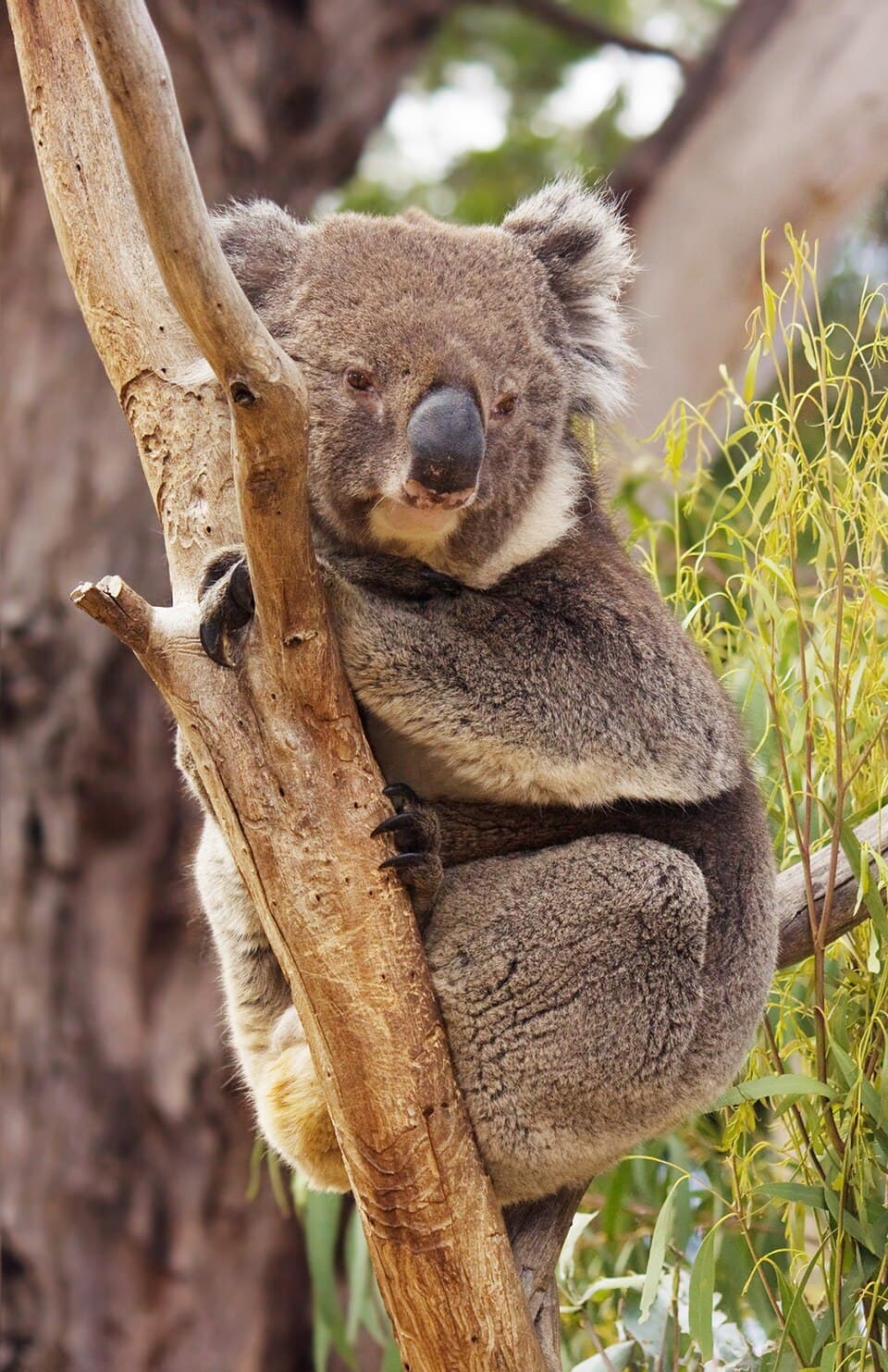
Koala
Phascolarctos cinereus
MammalThe koala is a tree-dwelling marsupial native to Australia, spending nearly its entire life in eucalyptus trees on a diet that would be toxic to most other mammals.
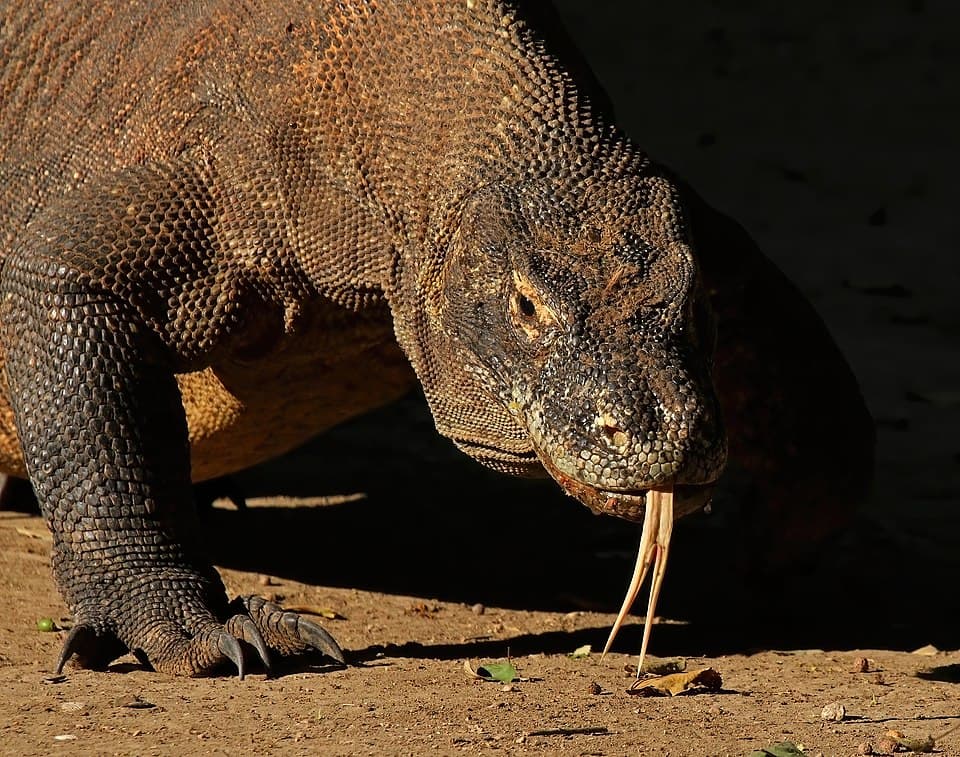
Komodo Dragon
Varanus komodoensis
ReptileThe Komodo dragon is the largest living lizard species in the world, found only on a handful of Indonesian islands including Komodo, Rinca, and Flores. A powerful apex predator, it can take down prey as large as water buffalo using a combination of a powerful bite, sharp serrated teeth, and a toxic bite that impairs its victim.
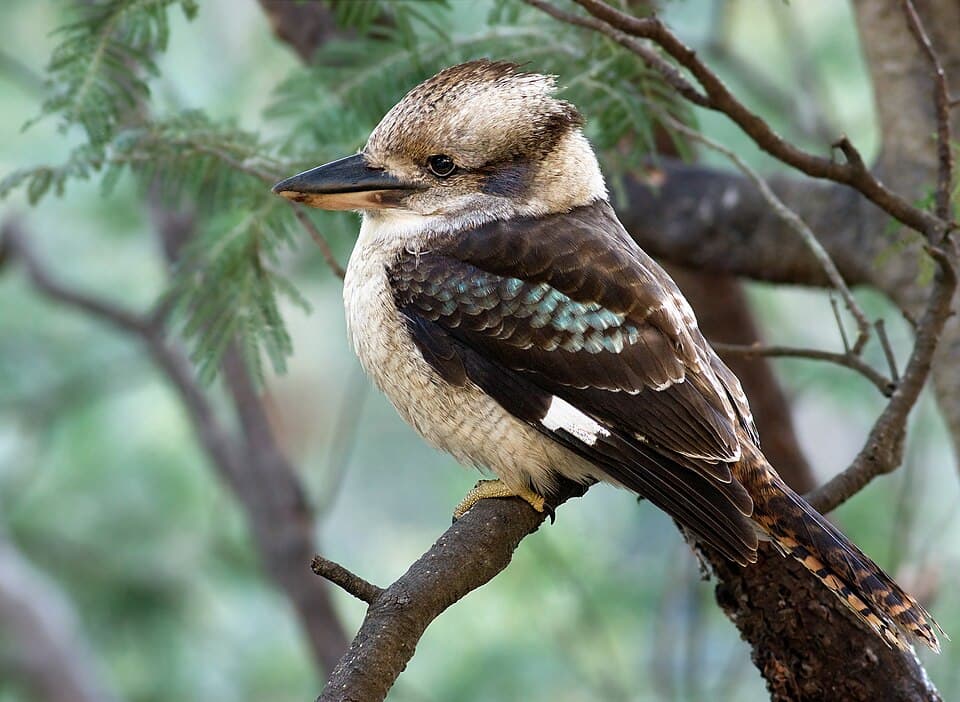
Laughing Kookaburra
Dacelo novaeguineae
BirdThe laughing kookaburra is the largest member of the kingfisher family, famous for a call that sounds remarkably like raucous human laughter, often used to establish territory at dawn and dusk. Native to eastern Australia, it's one of the country's most recognizable and culturally iconic birds.
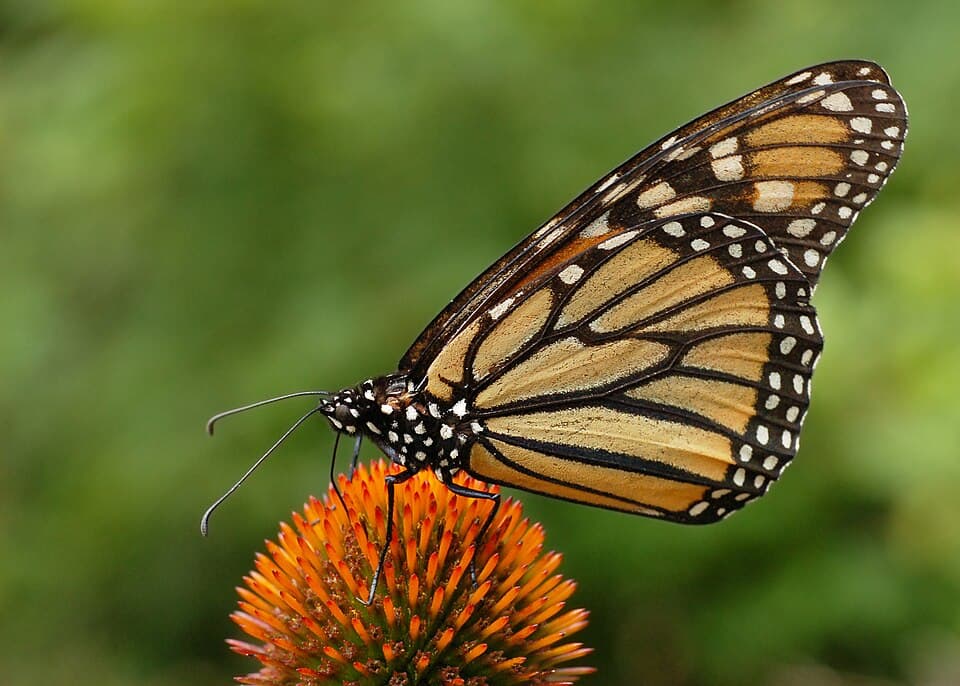
Monarch Butterfly
Danaus plexippus
InsectThe monarch butterfly is famous for an extraordinary multi-generational migration spanning thousands of kilometers between Canada, the United States, and central Mexico.
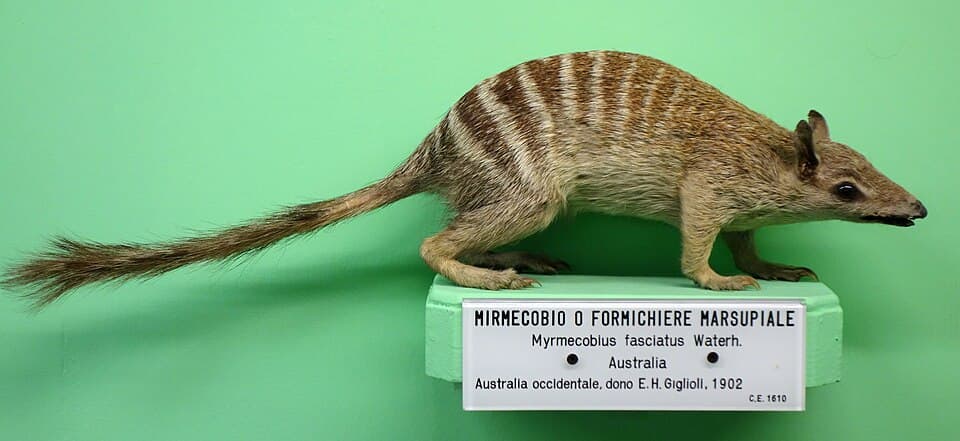
Numbat
Myrmecobius fasciatus
MammalThe numbat is a small, striped marsupial from Western Australia and one of the very few marsupials active exclusively during the day. Unlike most marsupials, it feeds almost entirely on termites, using an extremely long, sticky tongue to extract thousands of them from tunnels and rotting wood each day.
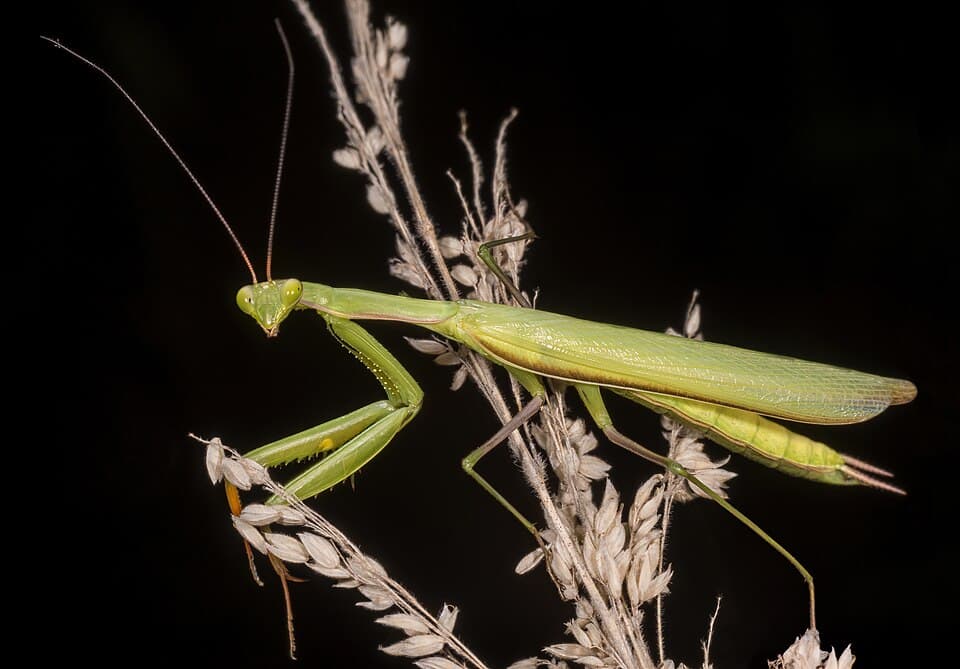
Praying Mantis
Mantis religiosa
InsectThe praying mantis is an ambush predator instantly recognizable by its front legs held together as if in prayer, folded and spiked for snatching prey in a lightning-fast strike. Its triangular head can rotate nearly 180 degrees, giving it an almost unmatched field of view among insects for spotting movement.
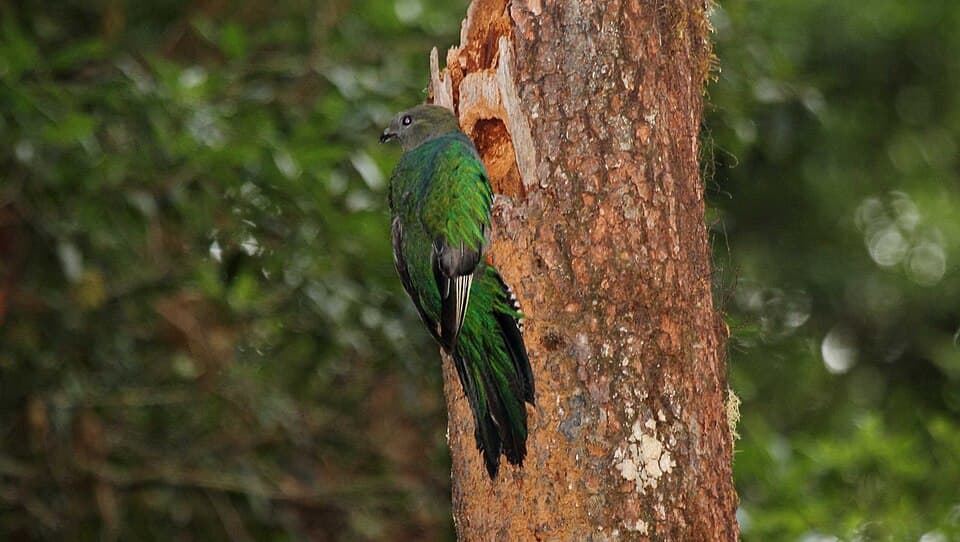
Quetzal
Pharomachrus mocinno
BirdKnown as the resplendent quetzal, this bird is widely considered one of the most beautiful in the world, revered by ancient Mesoamerican civilizations including the Maya and Aztec, who considered it sacred and associated it with the feathered serpent god Quetzalcoatl. Males grow spectacularly long, iridescent green tail streamers that can trail well beyond the length of their own body.
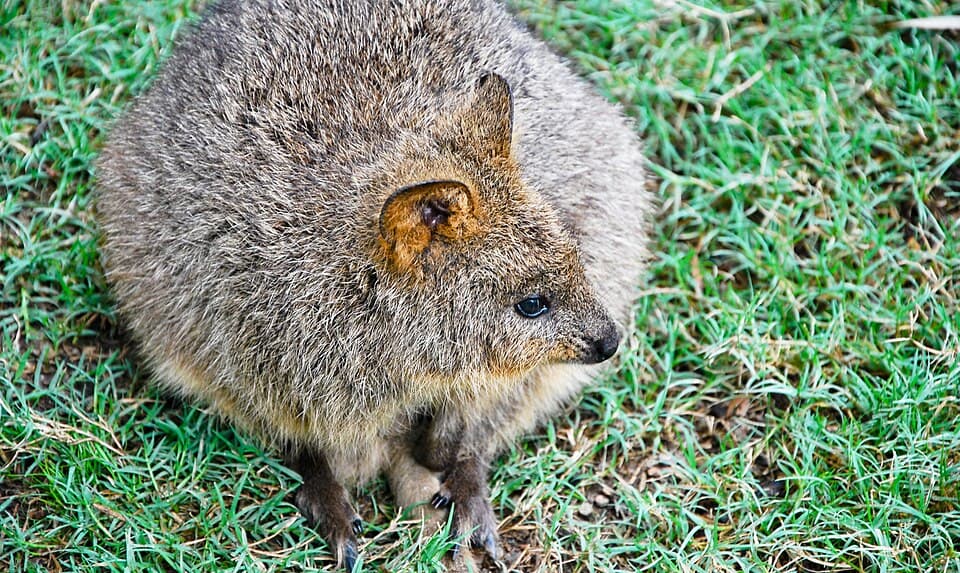
Quokka
Setonix brachyurus
MammalThe quokka is a small macropod, part of the same broad family as kangaroos and wallabies, found in a few fragmented pockets on mainland southwest Australia and, in far greater numbers, on a handful of predator-free islands off Western Australia. It is widely nicknamed 'the world's happiest animal' online for a permanent smile-like expression created by the shape of its mouth, which has made it a popular subject for tourist selfies on Rottnest Island, its best-known stronghold. Despite that island abundance, quokkas are classified as Vulnerable overall, since introduced predators like foxes and cats have devastated the harder-to-protect mainland population over the past century.
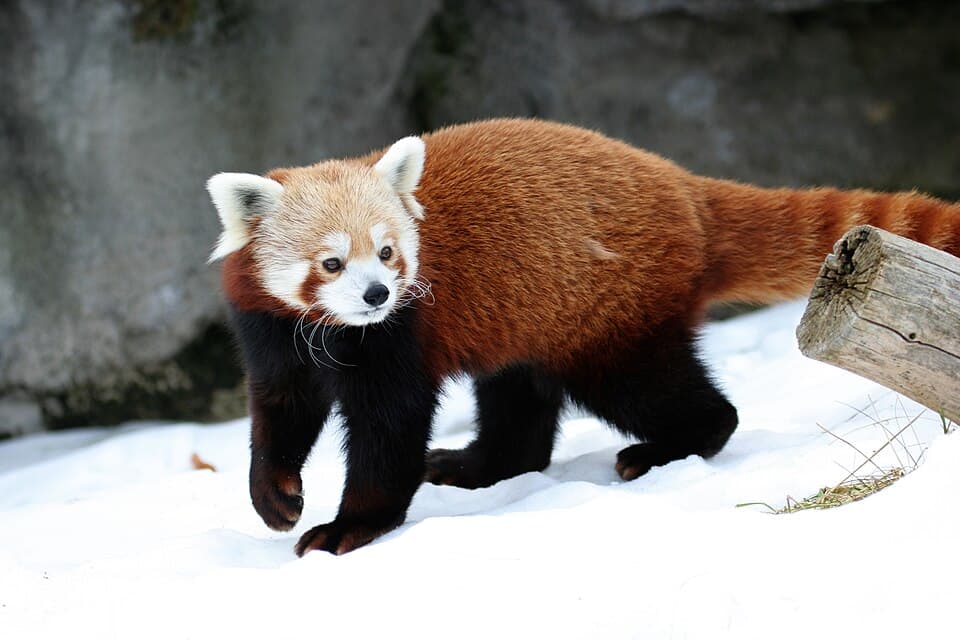
Red Panda
Ailurus fulgens
MammalThe red panda is a small, tree-dwelling mammal native to the temperate forests of the eastern Himalayas and southwestern China, spanning Nepal, Bhutan, India, and Myanmar. Despite the shared name and bamboo-heavy diet, it is unrelated to the giant panda — the two evolved their bamboo-eating habits and thumb-like wrist bone independently, a striking example of convergent evolution.
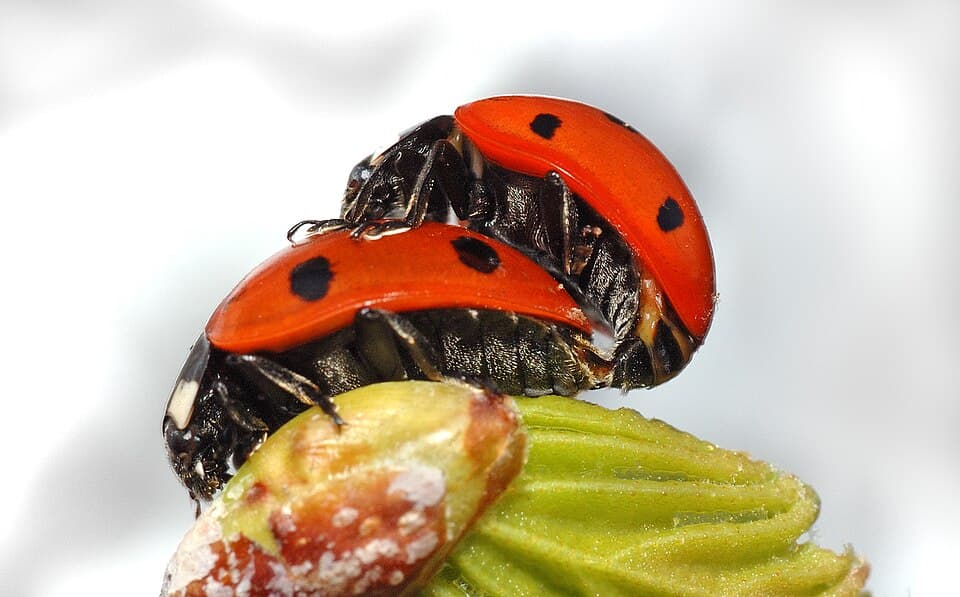
Seven-Spot Ladybird
Coccinella septempunctata
InsectThe seven-spot ladybird is one of the most recognizable beetles in the world, named for the seven black spots that mark its glossy red wing covers. Both adults and larvae are voracious predators of aphids, making the species a natural form of pest control long valued by farmers and gardeners.
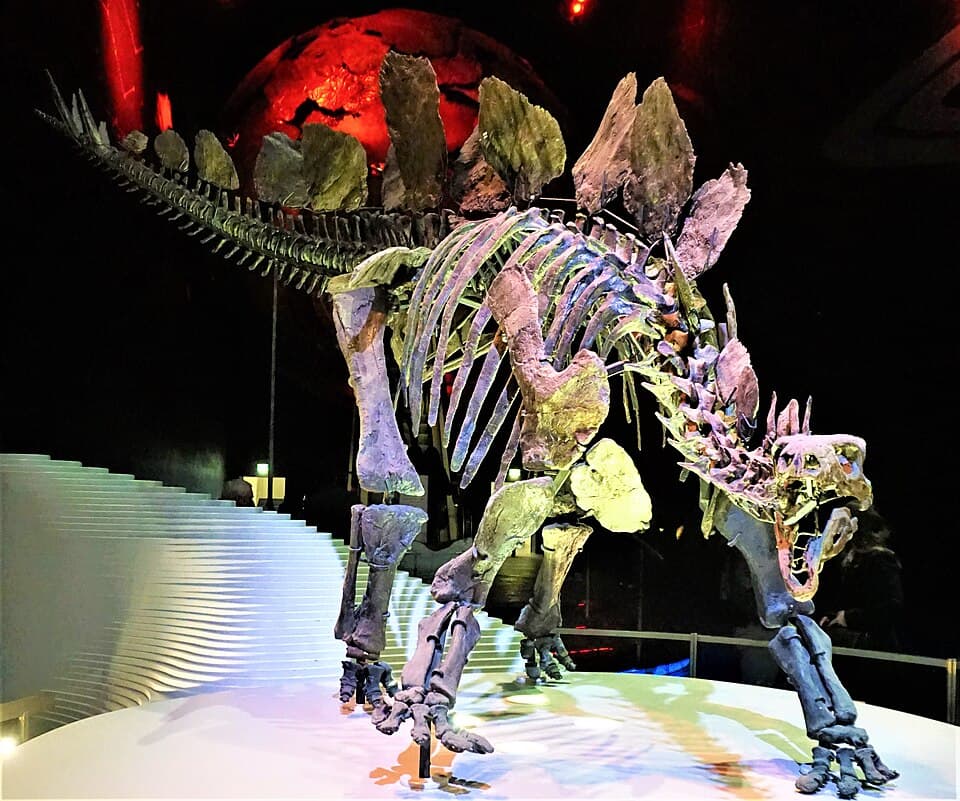
Stegosaurus
Stegosaurus stenops
DinosaurStegosaurus is one of the most recognizable dinosaurs ever discovered, instantly identifiable by the row of large, upright bony plates running along its back and the sharp spikes at the end of its tail. Despite its considerable size, it had a remarkably small, low-slung head with a brain roughly the size of a walnut relative to its huge body.
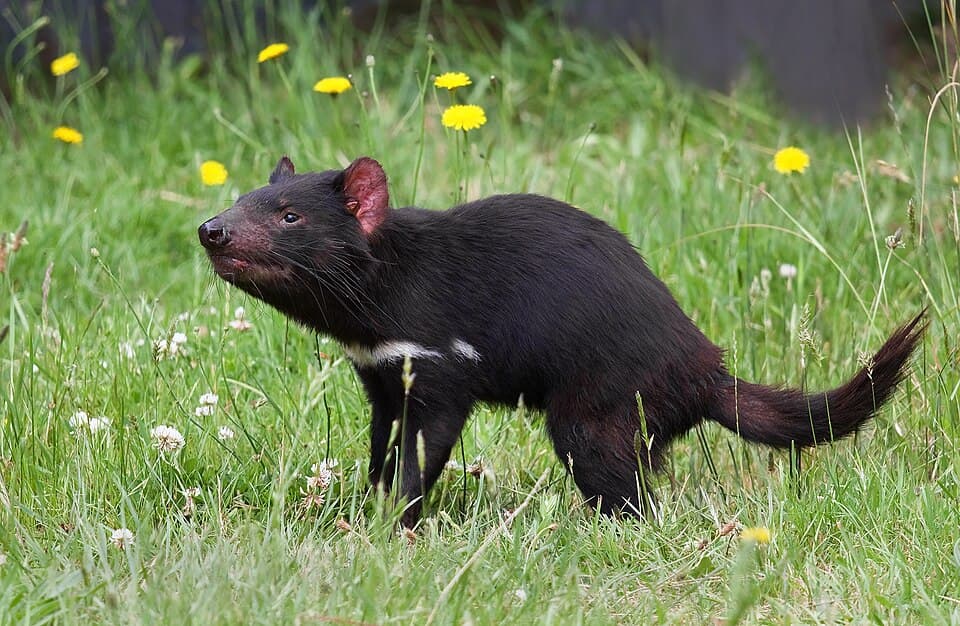
Tasmanian Devil
Sarcophilus harrisii
MammalThe Tasmanian devil is the largest surviving carnivorous marsupial in the world, now found only on the Australian island of Tasmania after going extinct on the mainland centuries ago. Despite its stocky, unassuming build, it has one of the strongest bites relative to body size of any living mammal, capable of crushing bone.
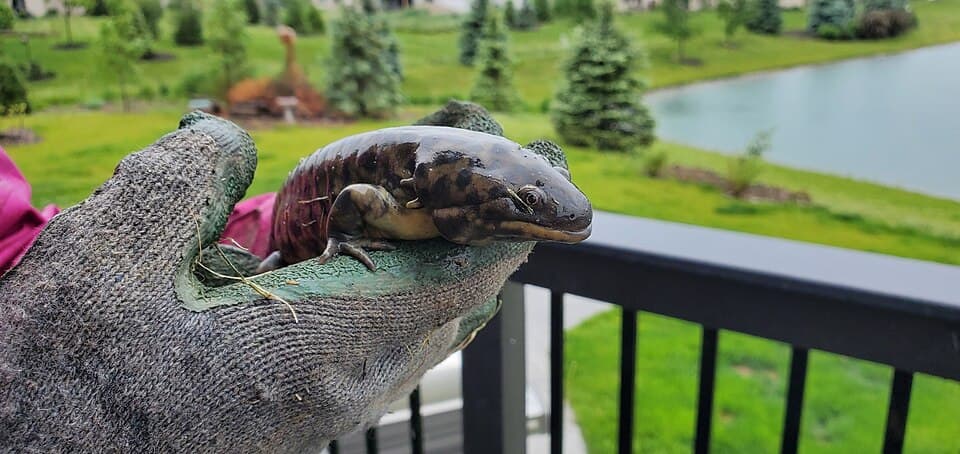
Tiger Salamander
Ambystoma tigrinum
AmphibianThe tiger salamander is one of the largest land-dwelling salamanders in North America, named for the yellow or olive blotches and stripes marking its dark body. Most of its life is spent hidden underground in burrows, either ones it digs itself or ones abandoned by other animals, only emerging at night or during its brief breeding season.
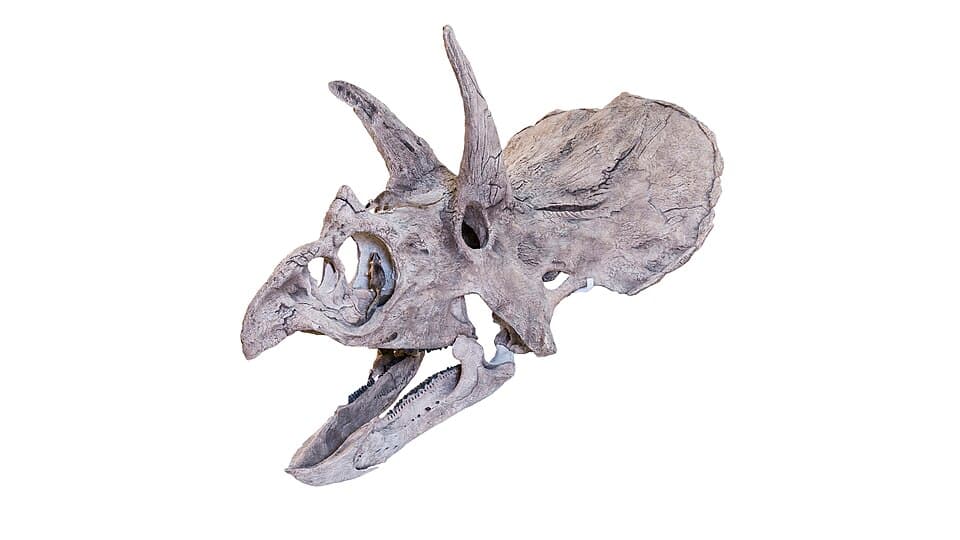
Triceratops
Triceratops horridus
DinosaurTriceratops was one of the last non-avian dinosaurs to exist before the mass extinction event 66 million years ago, instantly recognizable by the massive bony frill extending from the back of its skull and the three prominent horns on its face. It lived across what is now western North America, sharing its environment with predators like Tyrannosaurus rex.
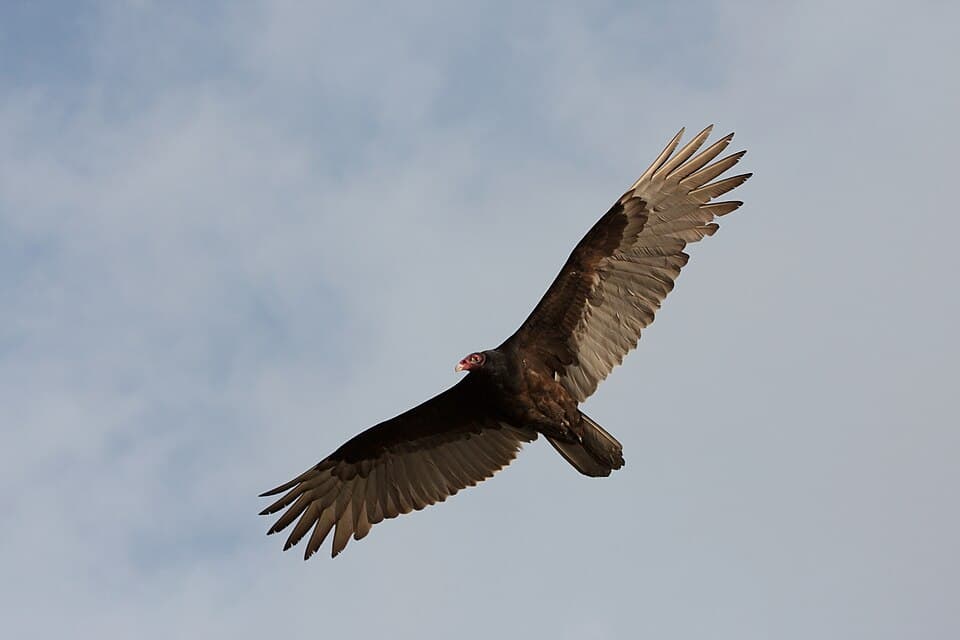
Turkey Vulture
Cathartes aura
BirdThe turkey vulture is a widespread scavenger found across the Americas, playing a critical ecological role by cleaning up carrion using one of the keenest senses of smell in the bird world.
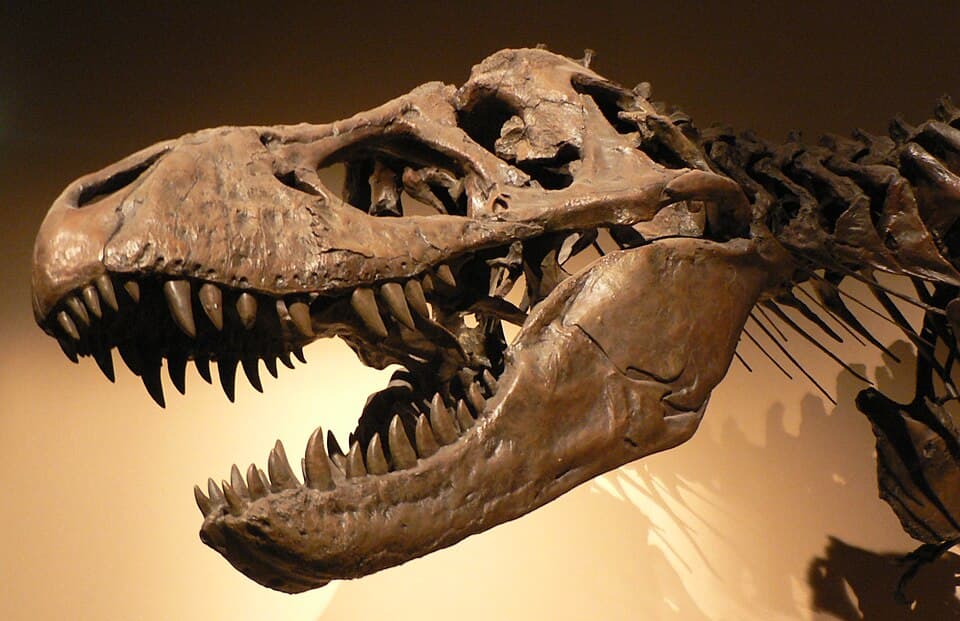
Tyrannosaurus Rex
Tyrannosaurus rex
DinosaurTyrannosaurus rex was one of the largest land predators to ever exist, dominating the ecosystems of western North America at the very end of the Cretaceous period roughly 66-68 million years ago.
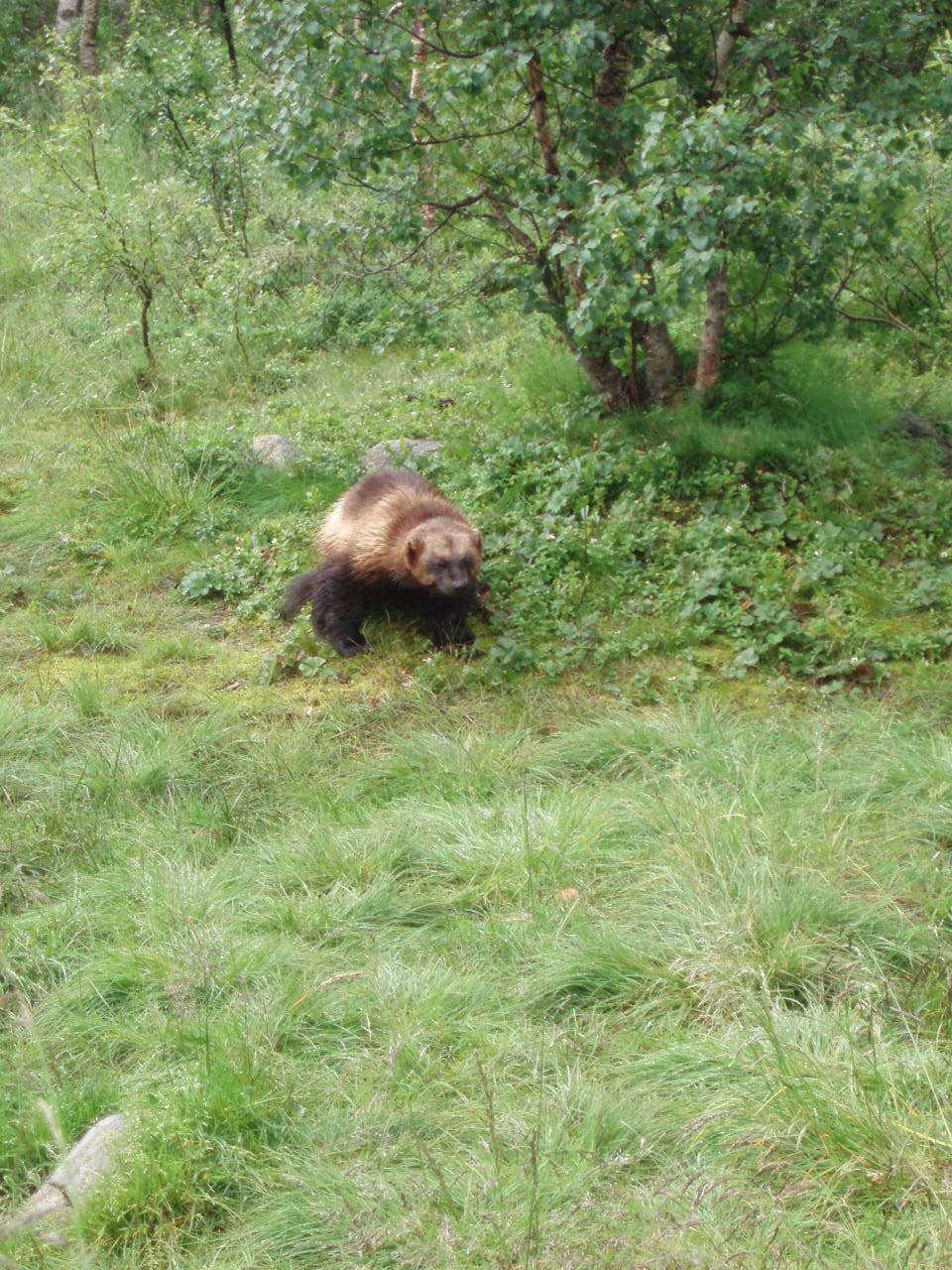
Wolverine
Gulo gulo
MammalThe wolverine is the largest land-dwelling member of the weasel family, a solitary and famously tenacious predator and scavenger of far northern forests and tundra. Despite its bear-like appearance, it is much smaller than its reputation suggests, roughly the size of a medium dog, but is capable of driving much larger animals like wolves away from a carcass.
Forest Animals FAQs
How many forest animals are listed here?
This page currently features 34 species, and more are added regularly as the dataset grows.
What is the most popular animal in this list?
Bengal Tiger is currently the most popular animal in Forest Animals.
Are any of these animals endangered?
Yes — 12 of the 34 species listed are classified as vulnerable, endangered, or critically endangered.
Explore Other Habitats
Ocean Animals
Covering over 70% of the planet, the ocean is home to everything from microscopic plankton to the largest animal ever known.
Desert Animals
Extreme heat, cold nights, and scarce water shape animals with remarkable adaptations for survival in arid landscapes.
Grassland Animals
Open plains and savannas support grazing herds and the predators that follow them across Africa, Asia, and the Americas.
Mountain Animals
Thin air, steep terrain, and cold temperatures favor sure-footed, well-insulated species adapted to high altitudes.
Arctic Animals
Some of the harshest conditions on Earth are home to thickly insulated animals built to survive months of polar cold.
Wetland Animals
Marshes, swamps, and floodplains support an especially rich mix of amphibians, reptiles, birds, and mammals.
Rainforest Animals
The most biodiverse ecosystem on the planet, home to a staggering density of species packed into a small footprint.