Ocean Animals
Covering over 70% of the planet, the ocean is home to everything from microscopic plankton to the largest animal ever known.
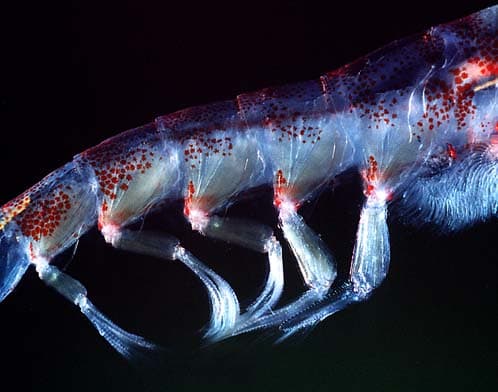
Antarctic Krill
Euphausia superba
Marine AnimalAntarctic krill is a small, shrimp-like crustacean that forms the foundation of the entire Antarctic food web, supporting whales, seals, penguins, and countless fish species. Despite its tiny individual size, its total biomass is estimated to be one of the largest of any animal species on Earth, gathering in massive swarms that can stretch for kilometers and be seen from space.
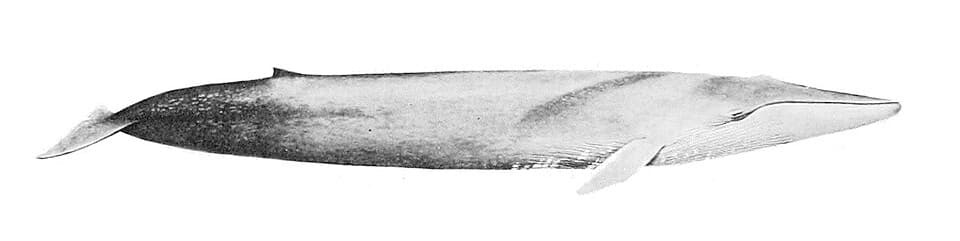
Blue Whale
Balaenoptera musculus
MammalThe blue whale is the largest animal known to have ever existed — larger than any dinosaur — filtering enormous quantities of tiny krill from the ocean through comb-like baleen plates as it roams nearly every ocean on Earth except the high Arctic. Populations were driven to the edge of extinction by 20th-century commercial whaling before international protections took hold; an estimated 10,000 to 25,000 remain today, a small fraction of pre-whaling numbers.
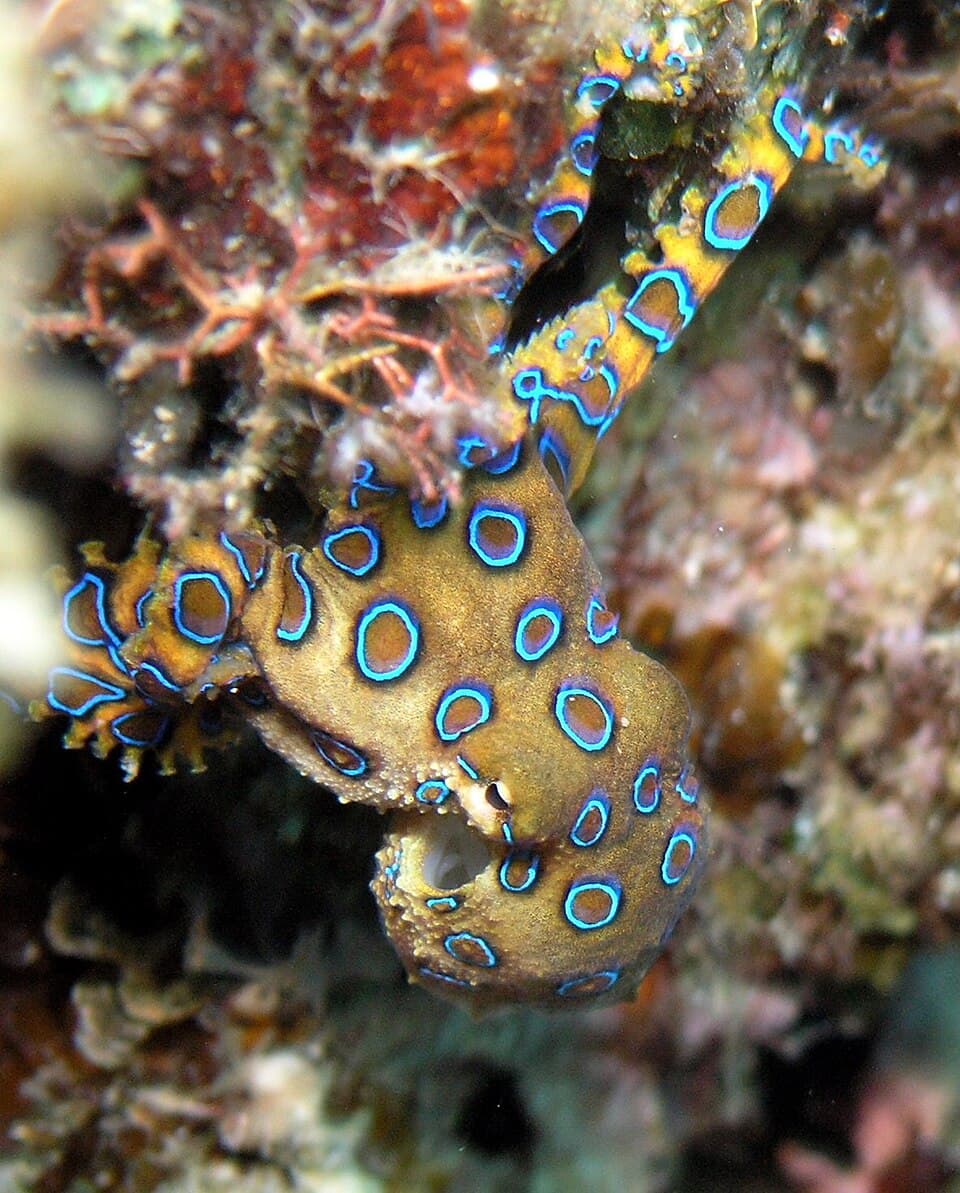
Blue-Ringed Octopus
Hapalochlaena lunulata
Marine AnimalThe blue-ringed octopus is one of the most venomous marine animals in the world despite being barely larger than a golf ball, found in tide pools and shallow reefs across the Indo-Pacific. Its venom contains tetrodotoxin, a toxin powerful enough to cause paralysis in humans, though the octopus itself is docile and only bites when directly provoked or handled.
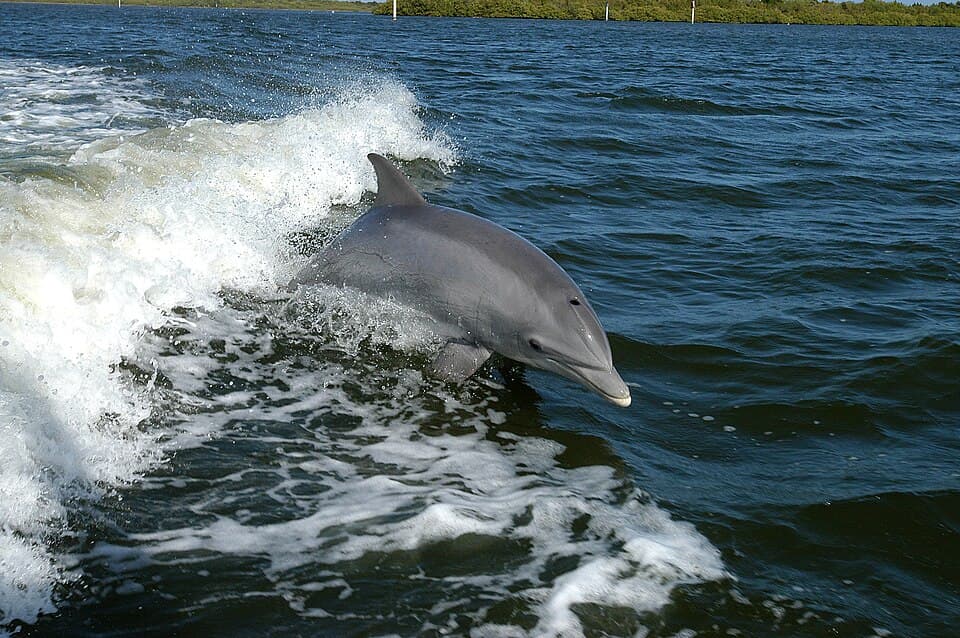
Bottlenose Dolphin
Tursiops truncatus
MammalThe bottlenose dolphin is one of the most widely-recognized and intelligent marine mammals, found in temperate and tropical oceans worldwide.
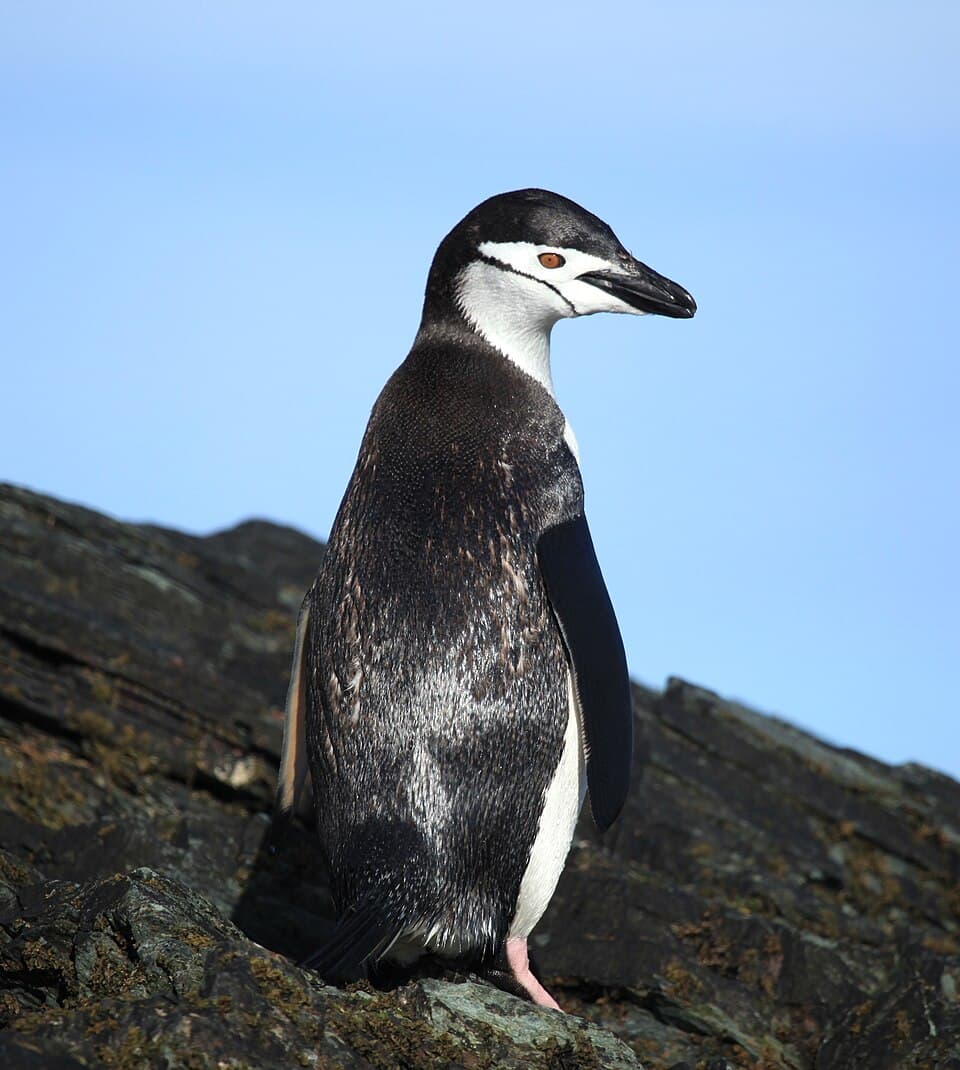
Chinstrap Penguin
Pygoscelis antarcticus
BirdThe chinstrap penguin is named for the narrow black band running under its chin, giving it the appearance of wearing a tiny helmet strap. Among the most numerous penguin species in the world, it breeds in enormous colonies across the Antarctic Peninsula and surrounding sub-Antarctic islands.
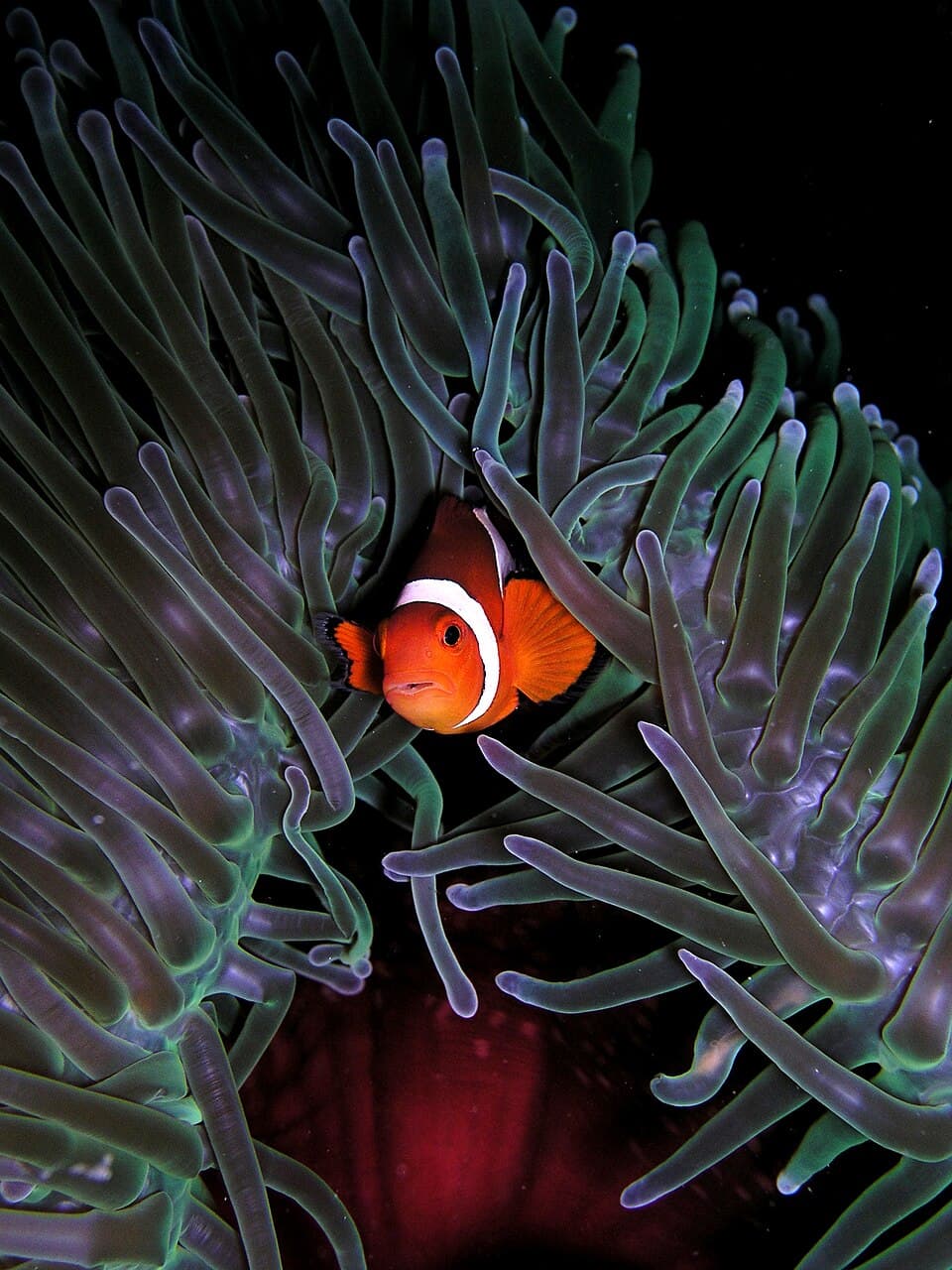
Clownfish
Amphiprion ocellaris
FishThe clownfish is a small, brightly-colored reef fish famous for its symbiotic relationship with sea anemones, whose stinging tentacles it is immune to.
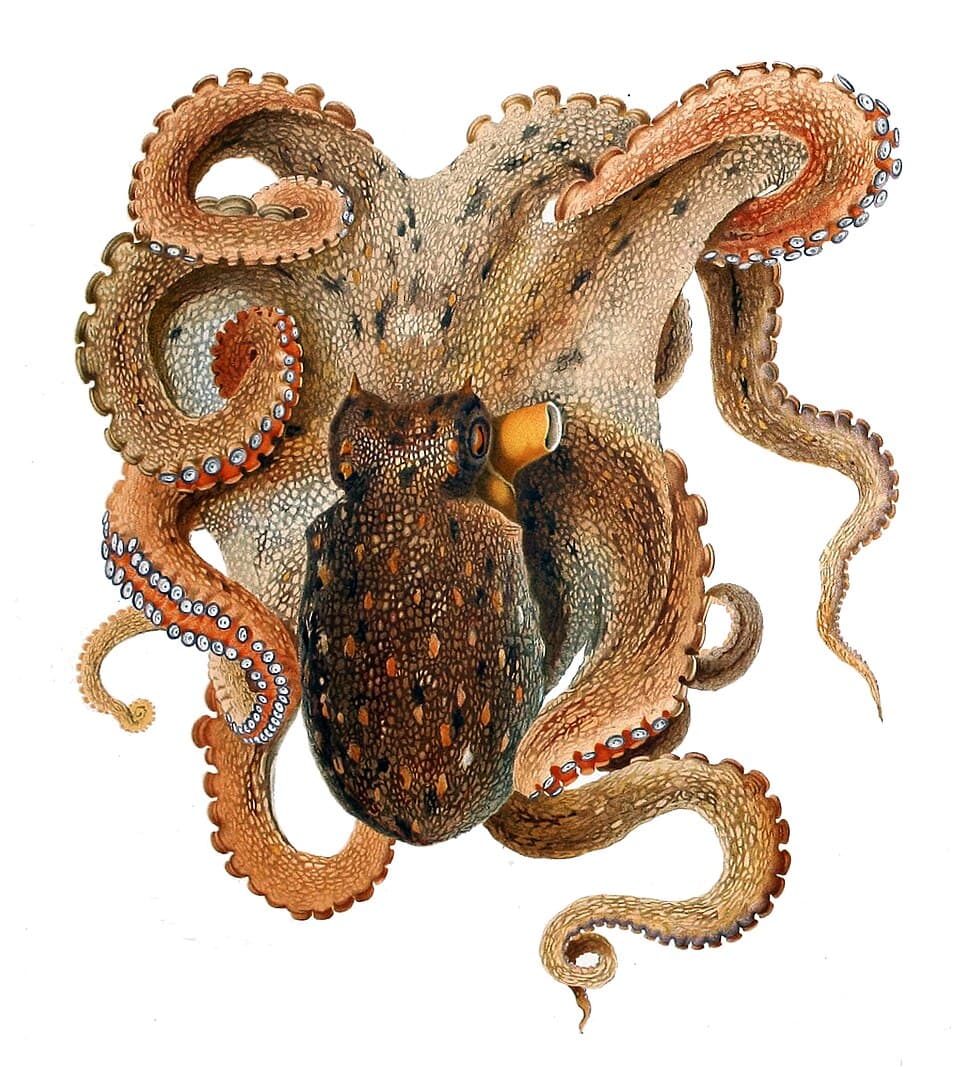
Common Octopus
Octopus vulgaris
Marine AnimalThe common octopus is a remarkably intelligent, boneless marine invertebrate found in coastal waters worldwide, renowned for its problem-solving abilities and rapid camouflage.
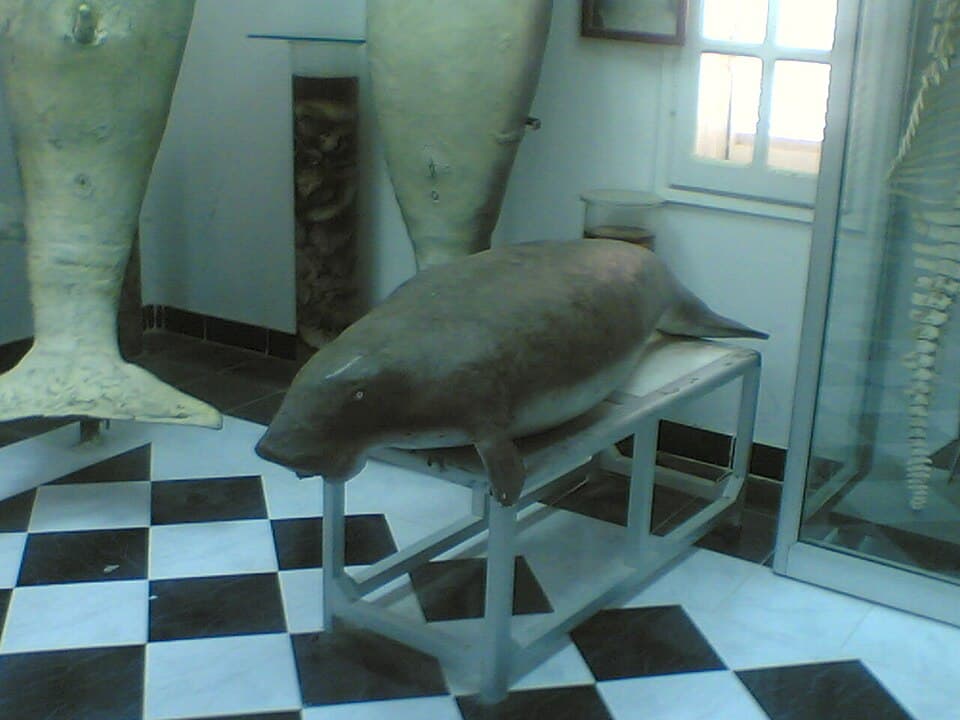
Dugong
Dugong dugon
Marine AnimalThe dugong is a large marine mammal closely related to manatees, spending its entire life grazing on seagrass meadows in the shallow coastal waters of the Indian and western Pacific Oceans. It is the only strictly herbivorous marine mammal that lives exclusively in the sea, unlike manatees, which sometimes venture into freshwater rivers.
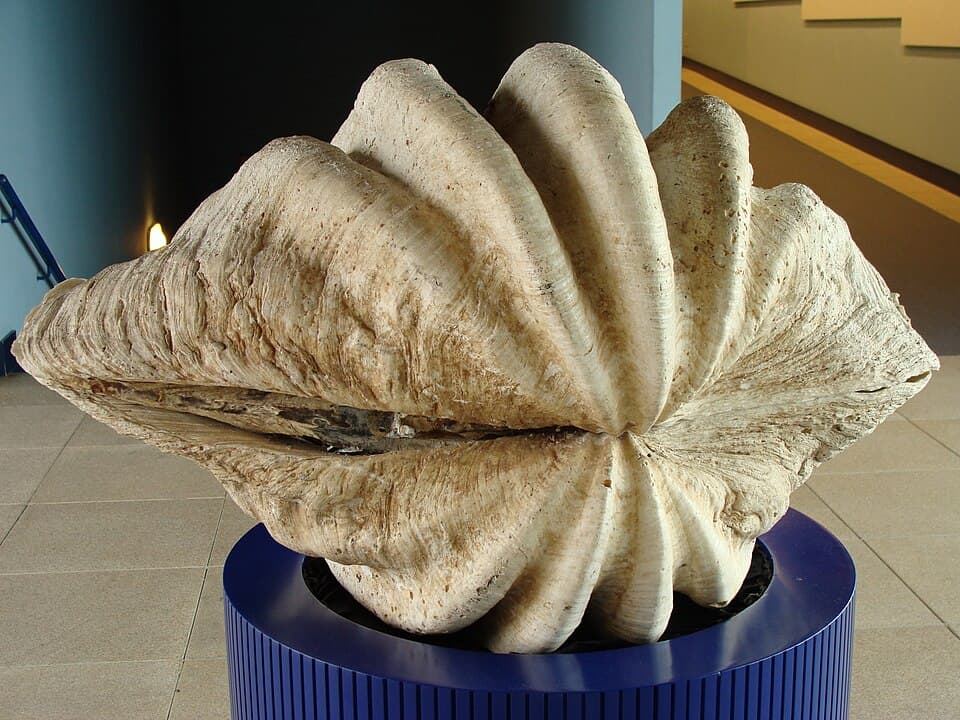
Giant Clam
Tridacna gigas
Marine AnimalThe giant clam is the largest living bivalve mollusk in the world, capable of growing shells over a meter across and living for a century or more anchored to the same spot on a coral reef. Rather than actively hunting for food, it hosts millions of photosynthetic algae within its colorful mantle tissue, drawing most of its energy from sugars the algae produce using sunlight.
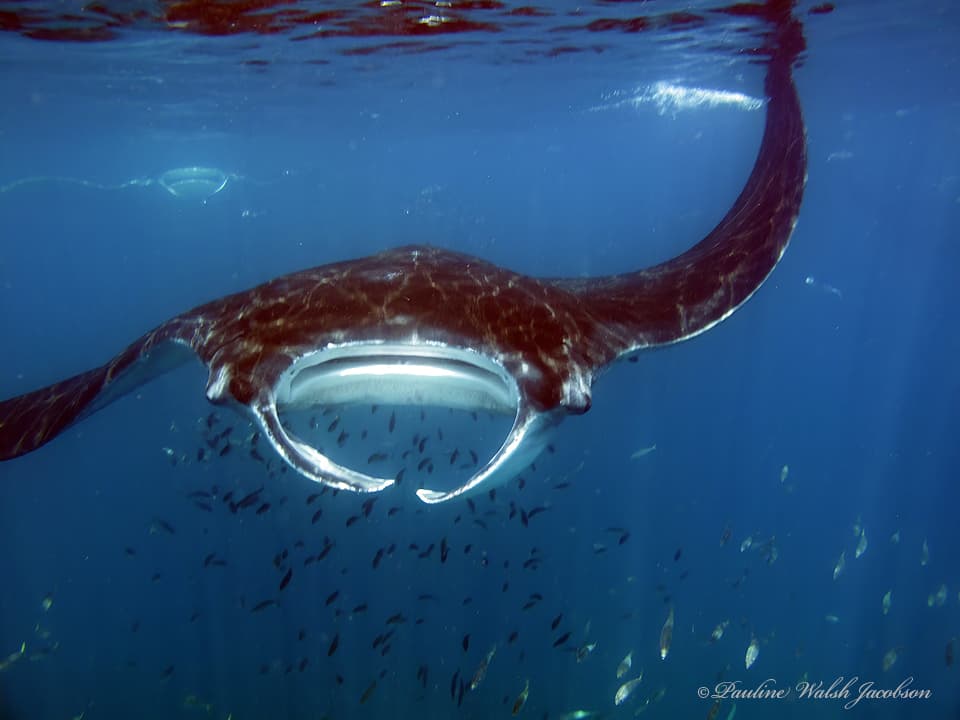
Giant Oceanic Manta Ray
Mobula birostris
FishThe giant oceanic manta ray is the largest ray species in the world, with a wingspan that can reach up to 7 meters across. Despite its enormous size, it feeds exclusively on some of the ocean's smallest organisms, filtering huge volumes of zooplankton through specialized gill plates as it swims.
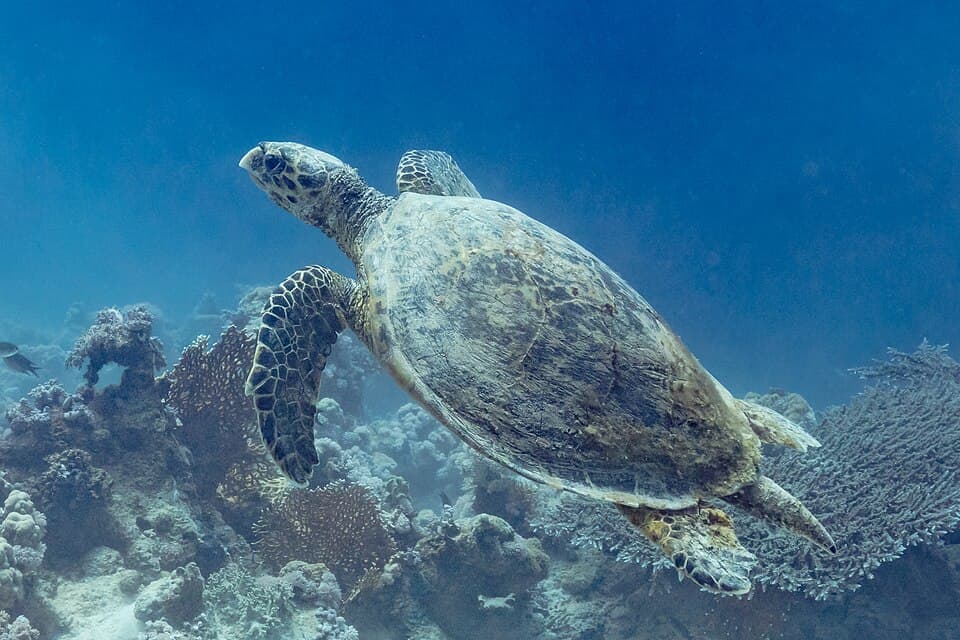
Hawksbill Sea Turtle
Eretmochelys imbricata
ReptileThe hawksbill sea turtle is a critically endangered marine reptile named for its narrow, pointed beak, which resembles a bird of prey's hooked bill. It plays a vital ecological role on coral reefs by feeding primarily on sponges, helping maintain the balance of reef ecosystems by preventing sponges from overgrowing and smothering coral.
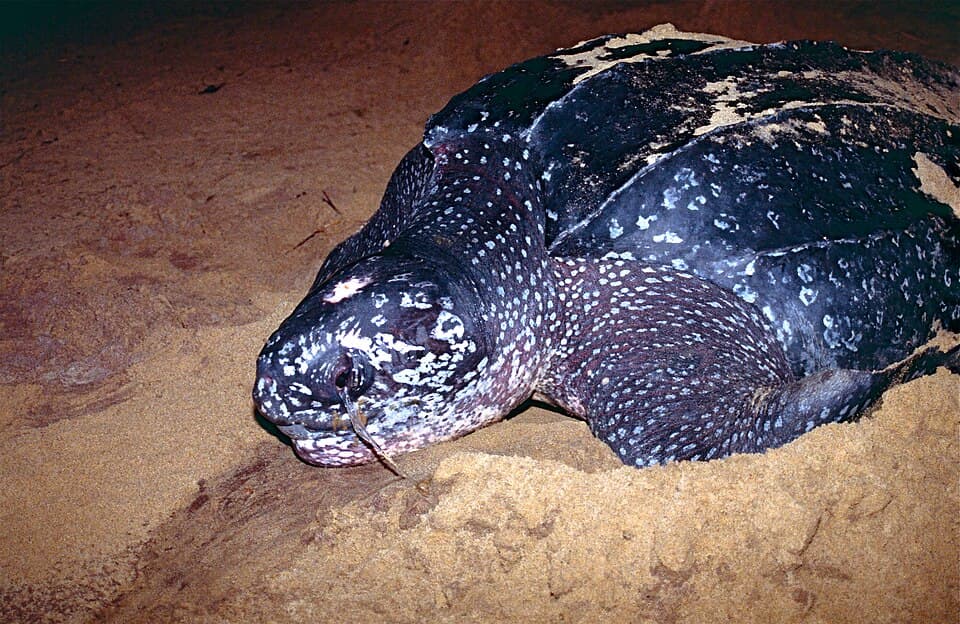
Leatherback Sea Turtle
Dermochelys coriacea
ReptileThe leatherback is the largest sea turtle species in the world and the only one without a hard bony shell, ranging farther into cold water than any other reptile.
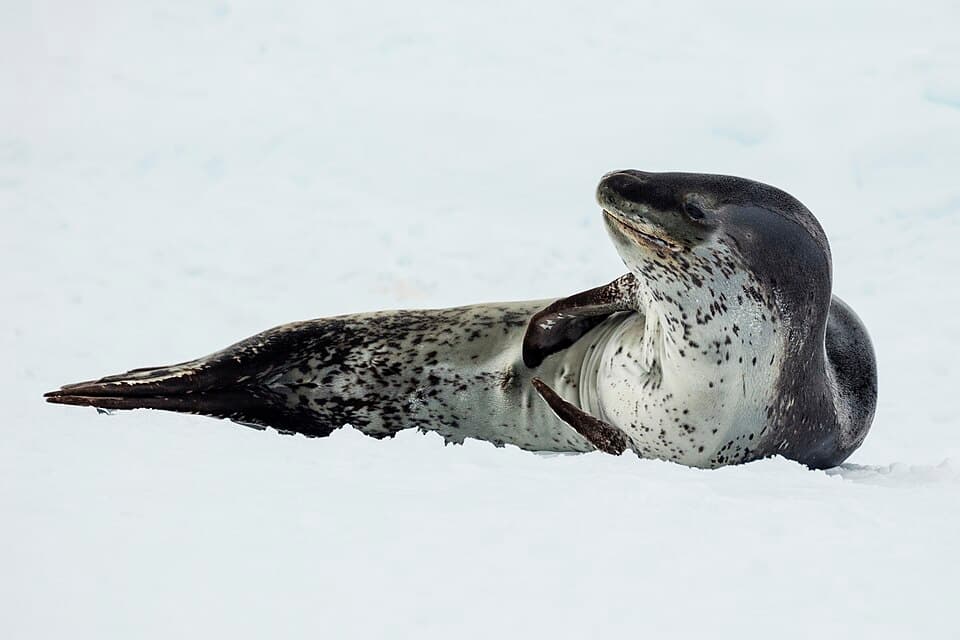
Leopard Seal
Hydrurga leptonyx
MammalThe leopard seal is one of Antarctica's top predators, named for the dark spotted pattern across its pale coat and a fierce reputation to match. Unlike most seals, which primarily eat fish, the leopard seal is a formidable hunter capable of taking down penguins and even other seal species.
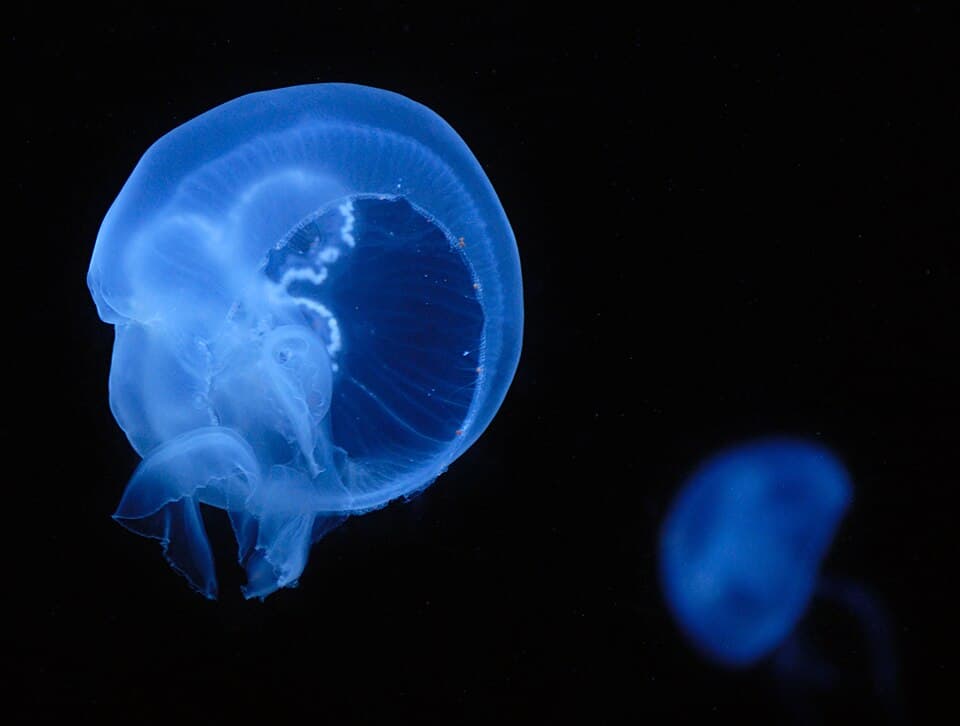
Moon Jellyfish
Aurelia aurita
Marine AnimalThe moon jellyfish is one of the most common and widely-distributed jellyfish species, drifting through coastal waters worldwide in large seasonal blooms.
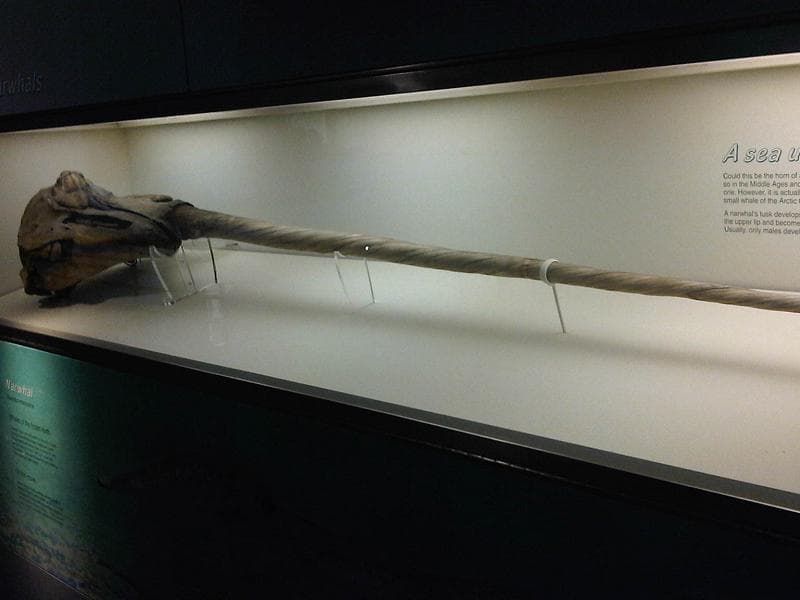
Narwhal
Monodon monoceros
MammalThe narwhal is an Arctic whale famous for the male's long spiraled tusk, which is actually an enormous protruding canine tooth, earning it the nickname 'unicorn of the sea'.
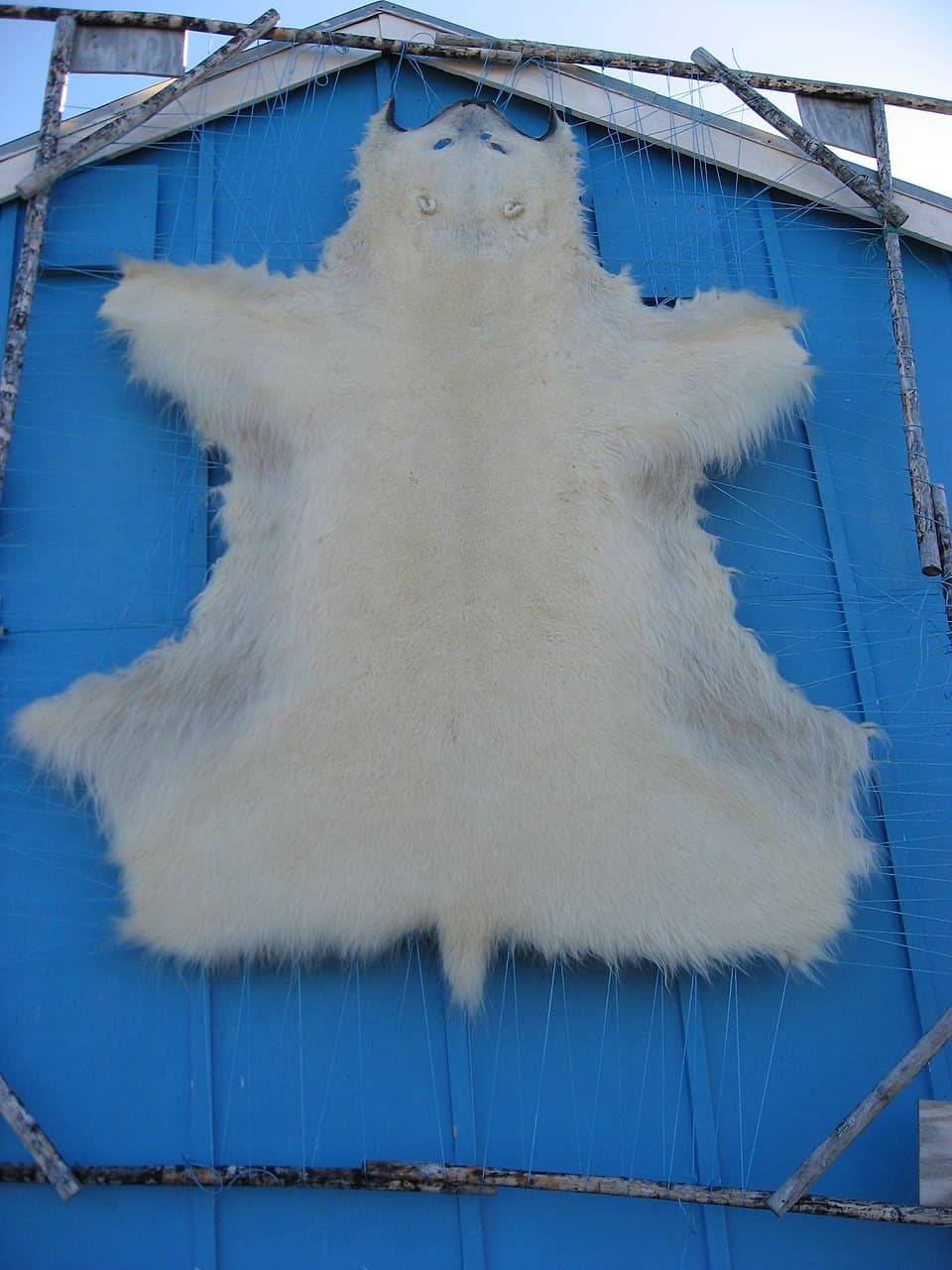
Polar Bear
Ursus maritimus
MammalThe polar bear is the largest land carnivore on Earth, superbly adapted to hunting seals across the sea ice of the Arctic Circle.
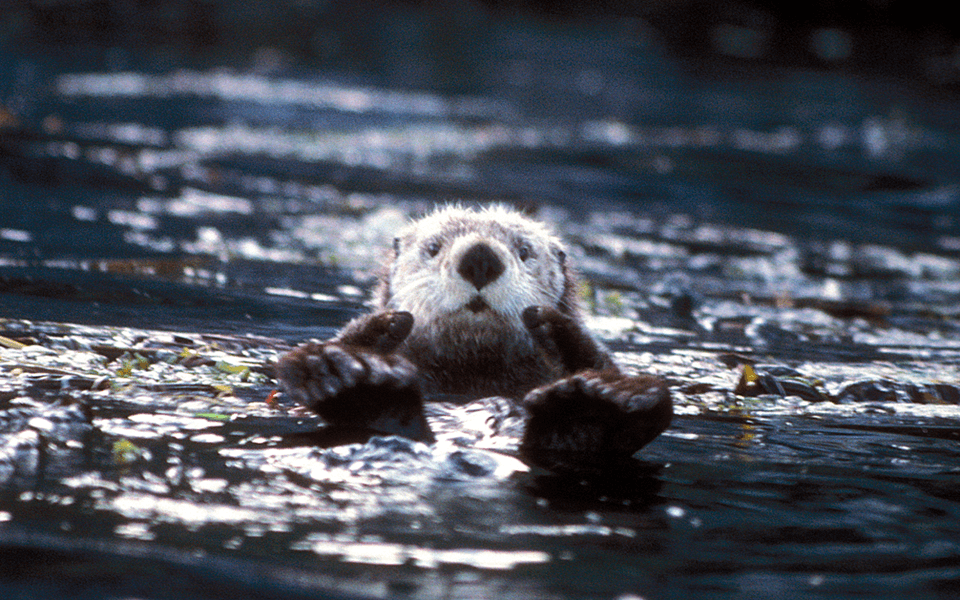
Sea Otter
Enhydra lutris
MammalThe sea otter is the heaviest member of the weasel family and one of the few mammals known to use tools, cracking open shellfish with rocks while floating on its back.
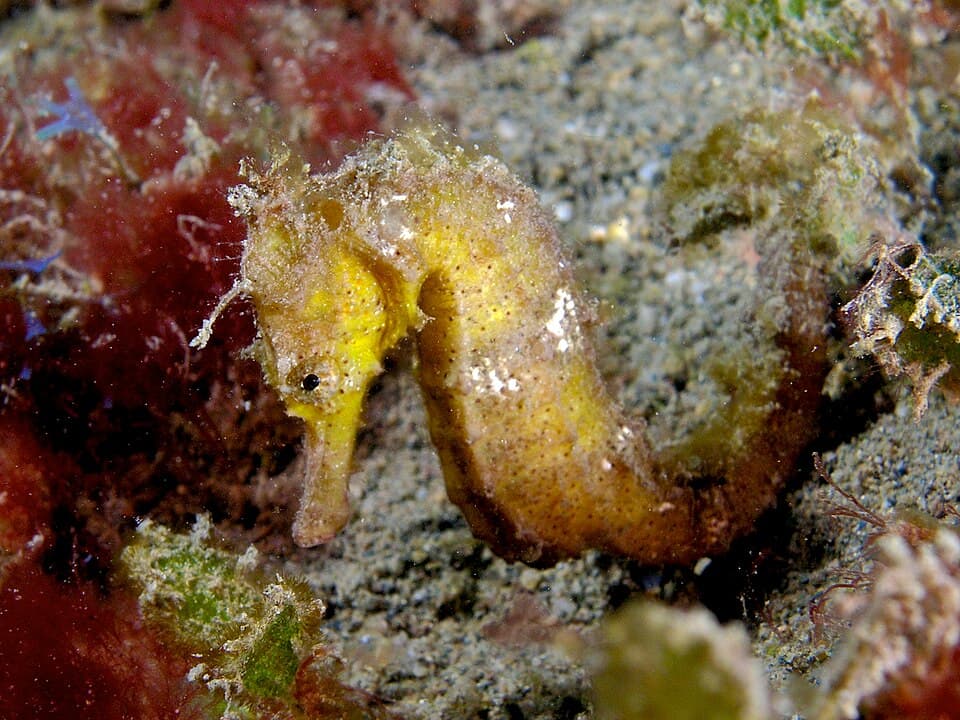
Seahorse
Hippocampus kuda
FishThe seahorse is one of the ocean's most distinctive fish, with an upright, horse-like body shape unlike almost any other fish species. Rather than swimming powerfully, it drifts through seagrass beds and coral reefs, anchoring itself in place with a flexible, prehensile tail wrapped around plant stems or coral.
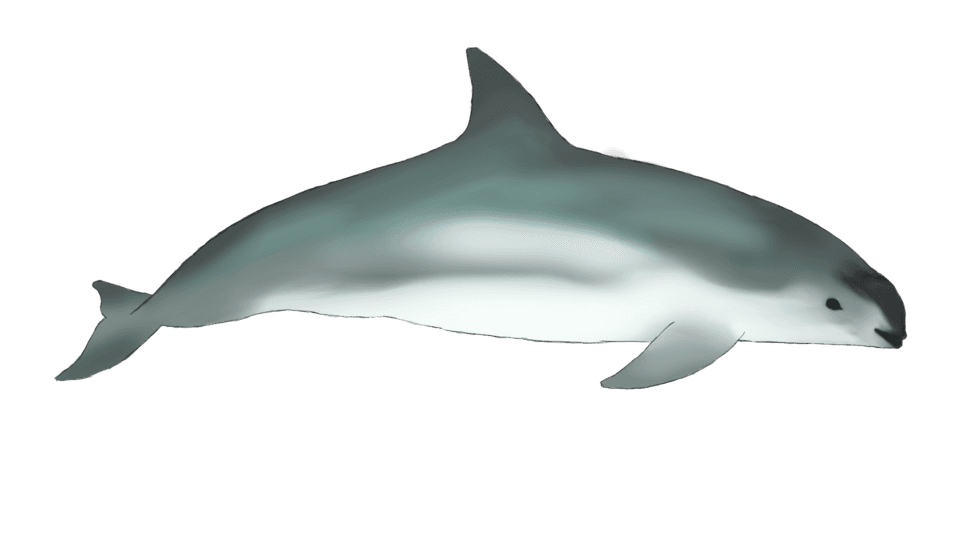
Vaquita
Phocoena sinus
MammalThe vaquita is the world's smallest and most endangered cetacean, found only in a small area of the northern Gulf of California in Mexico. Fewer than a handful of confirmed individuals are believed to remain in the wild, making it one of the most critically threatened marine mammals on Earth.
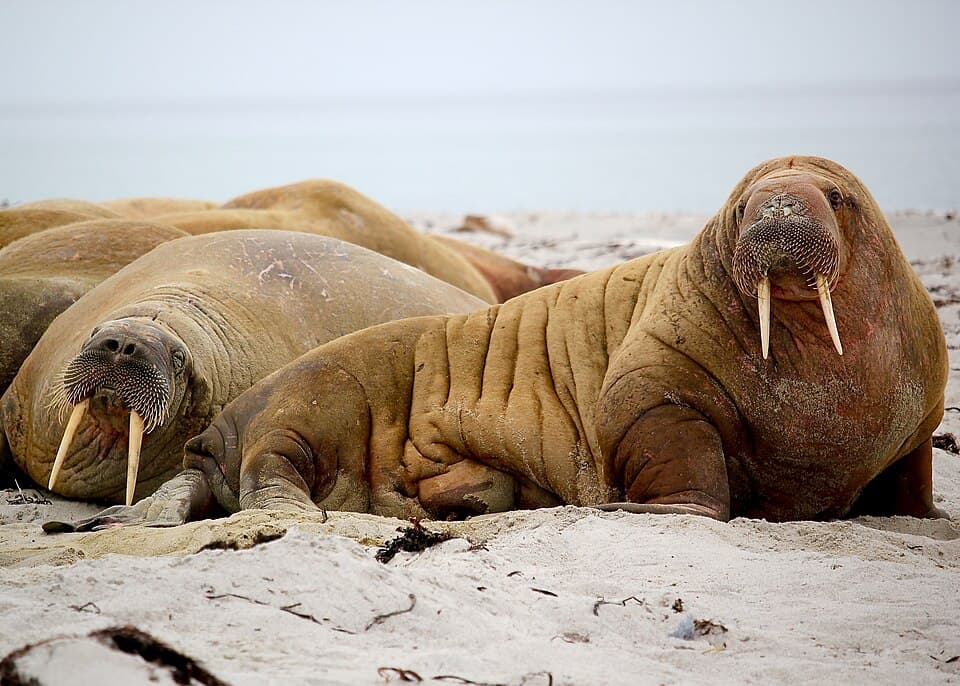
Walrus
Odobenus rosmarus
MammalThe walrus is a massive Arctic marine mammal easily identified by its long ivory tusks, thick blubber layer, and distinctive whiskered snout.
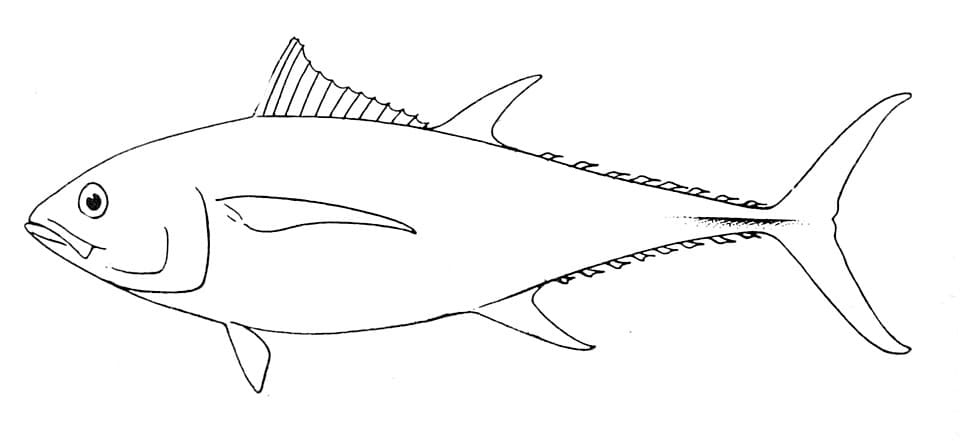
Yellowfin Tuna
Thunnus albacares
FishThe yellowfin tuna is a large, fast-swimming fish found in tropical and subtropical waters across the world's oceans, prized both as one of the ocean's most powerful predators and as one of the most commercially important fish species for human consumption. Its name comes from the bright yellow coloring of its dorsal and anal fins, which become especially long and dramatic in mature adults.
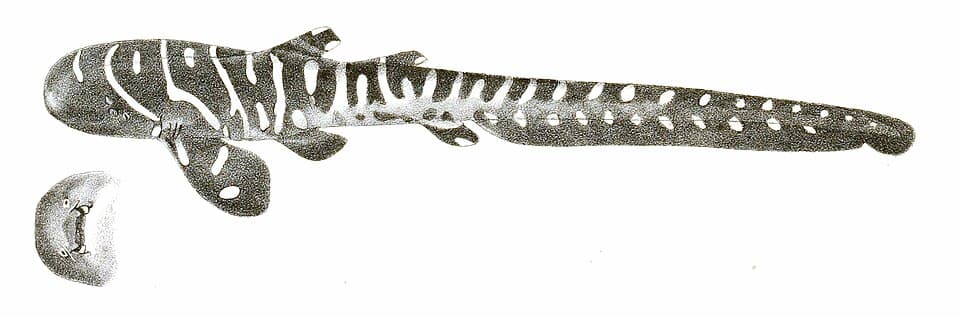
Zebra Shark
Stegostoma tigrinum
FishThe zebra shark is a docile, bottom-dwelling shark of the Indo-Pacific, named for the dark stripes seen in juveniles that fade into a spotted pattern as adults.
Ocean Animals FAQs
How many ocean animals are listed here?
This page currently features 22 species, and more are added regularly as the dataset grows.
What is the most popular animal in this list?
Polar Bear is currently the most popular animal in Ocean Animals.
Are any of these animals endangered?
Yes — 12 of the 22 species listed are classified as vulnerable, endangered, or critically endangered.
Explore Other Habitats
Forest Animals
Dense tree cover provides food, shelter, and camouflage for a huge range of species, from insects to apex predators.
Desert Animals
Extreme heat, cold nights, and scarce water shape animals with remarkable adaptations for survival in arid landscapes.
Grassland Animals
Open plains and savannas support grazing herds and the predators that follow them across Africa, Asia, and the Americas.
Mountain Animals
Thin air, steep terrain, and cold temperatures favor sure-footed, well-insulated species adapted to high altitudes.
Arctic Animals
Some of the harshest conditions on Earth are home to thickly insulated animals built to survive months of polar cold.
Wetland Animals
Marshes, swamps, and floodplains support an especially rich mix of amphibians, reptiles, birds, and mammals.
Rainforest Animals
The most biodiverse ecosystem on the planet, home to a staggering density of species packed into a small footprint.