Desert Animals
Deserts are defined by extreme scarcity of precipitation rather than by temperature alone, which is why the coldest, driest place on Earth — Antarctica — technically counts as the largest desert by area, alongside far better-known hot deserts like the Sahara and Arabian deserts. What unites desert environments everywhere is the challenge they pose to animal life: with little water and often extreme swings between scorching days and cold nights, since dry air holds almost no heat after sunset, desert-dwelling animals have evolved some of the most specialized survival adaptations found anywhere on Earth.
Getting Water Without Drinking It
Many desert animals almost never need to drink liquid water at all, instead extracting nearly all the moisture they need directly from the food they eat through a process called metabolic water production, generated as a byproduct of digesting fats and carbohydrates. Kangaroo rats are a well-known example, capable of surviving their entire lives on this metabolic water alone in extremely arid conditions. Other desert species conserve water through highly efficient kidneys that produce very concentrated urine, minimizing how much water is lost, or by remaining inactive during the hottest, driest parts of the day and emerging only at night or dawn.
The Camel's Hump: Fat, Not Water
A common misconception is that a camel's hump stores water — in reality, it stores fat, which the camel's body can metabolize into energy and, as a byproduct, a small amount of water when food is scarce. Camels can also tolerate a wider swing in body temperature than most mammals, letting their internal temperature rise significantly during the day rather than sweating to cool down, which conserves a substantial amount of water that would otherwise be lost. When water finally is available, a dehydrated camel can drink an extraordinary volume in a single sitting, rapidly rehydrating in a way that would be dangerous for most other mammals.
Deserts on Every Continent, Hot and Cold Alike
Desert habitats exist on every continent, and they aren't defined by heat: the Sahara and Arabian deserts are classic hot deserts, but the Gobi Desert in Asia turns bitterly cold in winter, and the Atacama Desert in South America is famous as the driest hot desert on Earth rather than the hottest. Even Antarctica qualifies as a desert by the strict definition, since it receives so little precipitation despite being covered in ice. This variety means desert-adapted animals face very different specific challenges depending on where they live, even though they share the same fundamental pressure of surviving with very little available water.
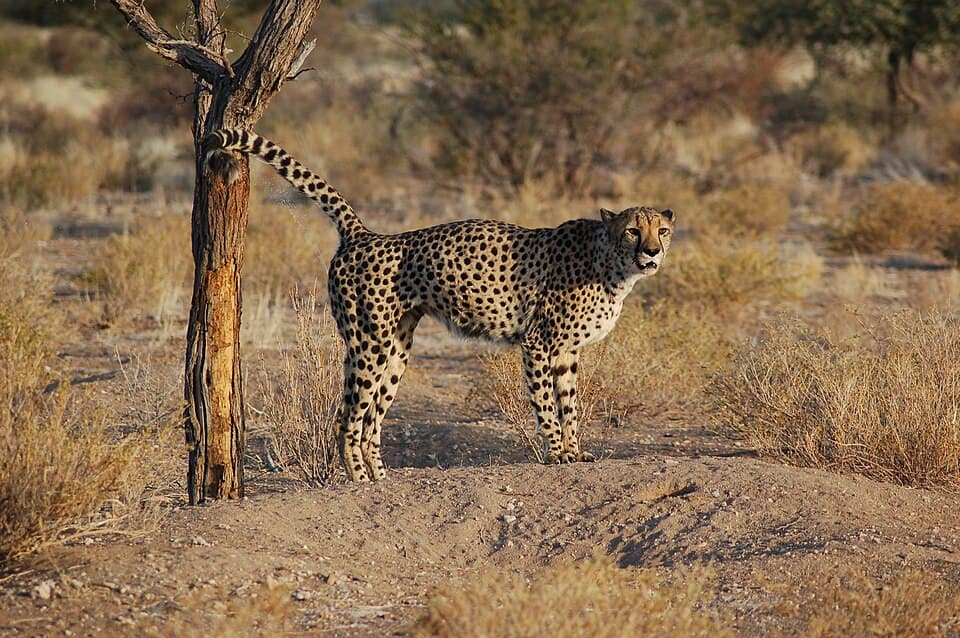
Cheetah
Acinonyx jubatus
MammalThe cheetah is the fastest land animal on Earth, built for explosive short sprints across the open grasslands and semi-desert of Africa, with a small, remnant population also surviving in Iran. Its speed comes at a genetic cost: cheetahs went through a severe population bottleneck thousands of years ago, leaving today's cheetahs with unusually low genetic diversity, which makes the species more vulnerable to disease on top of the threats it already faces from habitat loss and human-wildlife conflict.
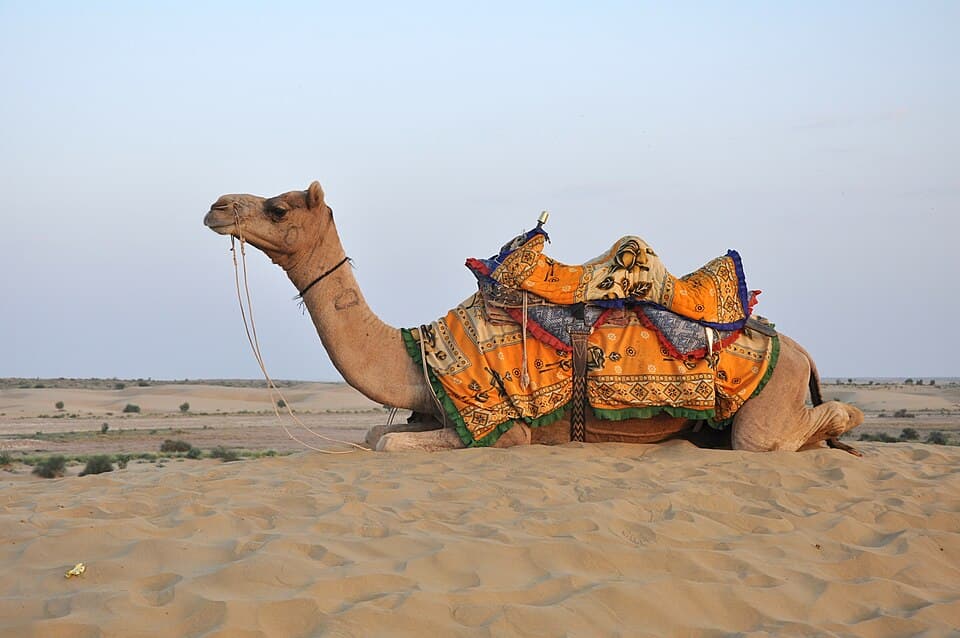
Dromedary Camel
Camelus dromedarius
MammalThe dromedary, or one-humped camel, is a large desert mammal domesticated thousands of years ago and superbly adapted to surviving extreme heat and long stretches without water.
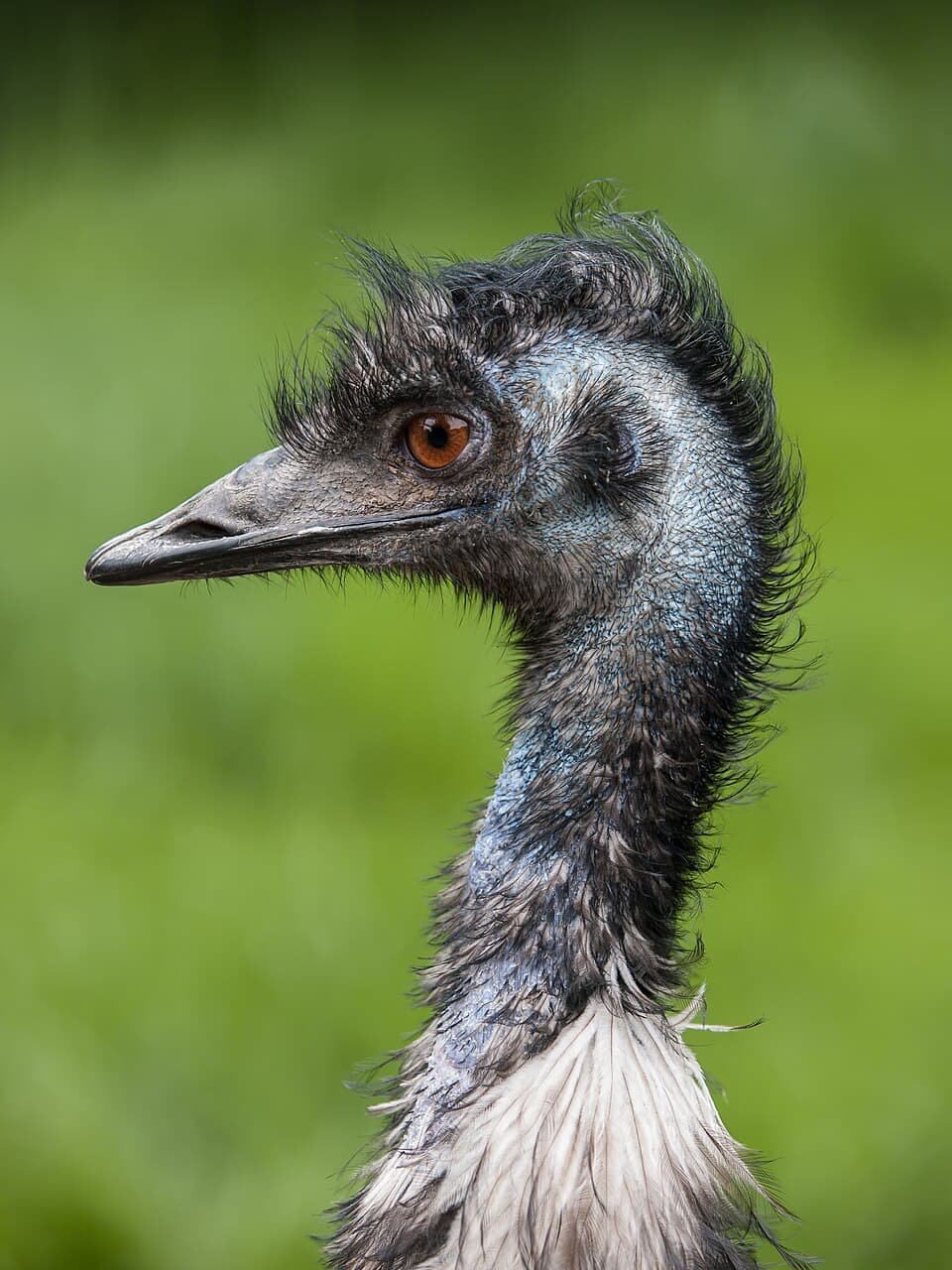
Emu
Dromaius novaehollandiae
BirdThe emu is the second-largest living bird in the world by height, a flightless giant native to the open plains and deserts of Australia. Despite being unable to fly, it's an exceptionally fast and powerful runner, capable of covering long distances across the outback in search of food and water.
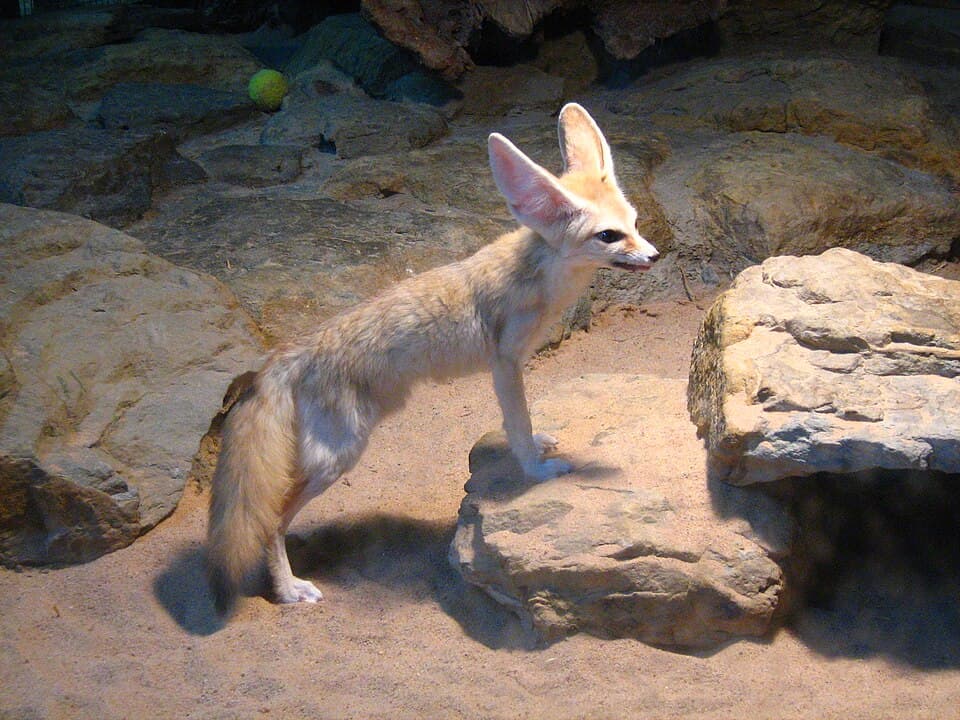
Fennec Fox
Vulpes zerda
MammalThe fennec fox is the smallest fox species in the world, adapted to the extreme heat of the Sahara Desert with famously oversized ears.
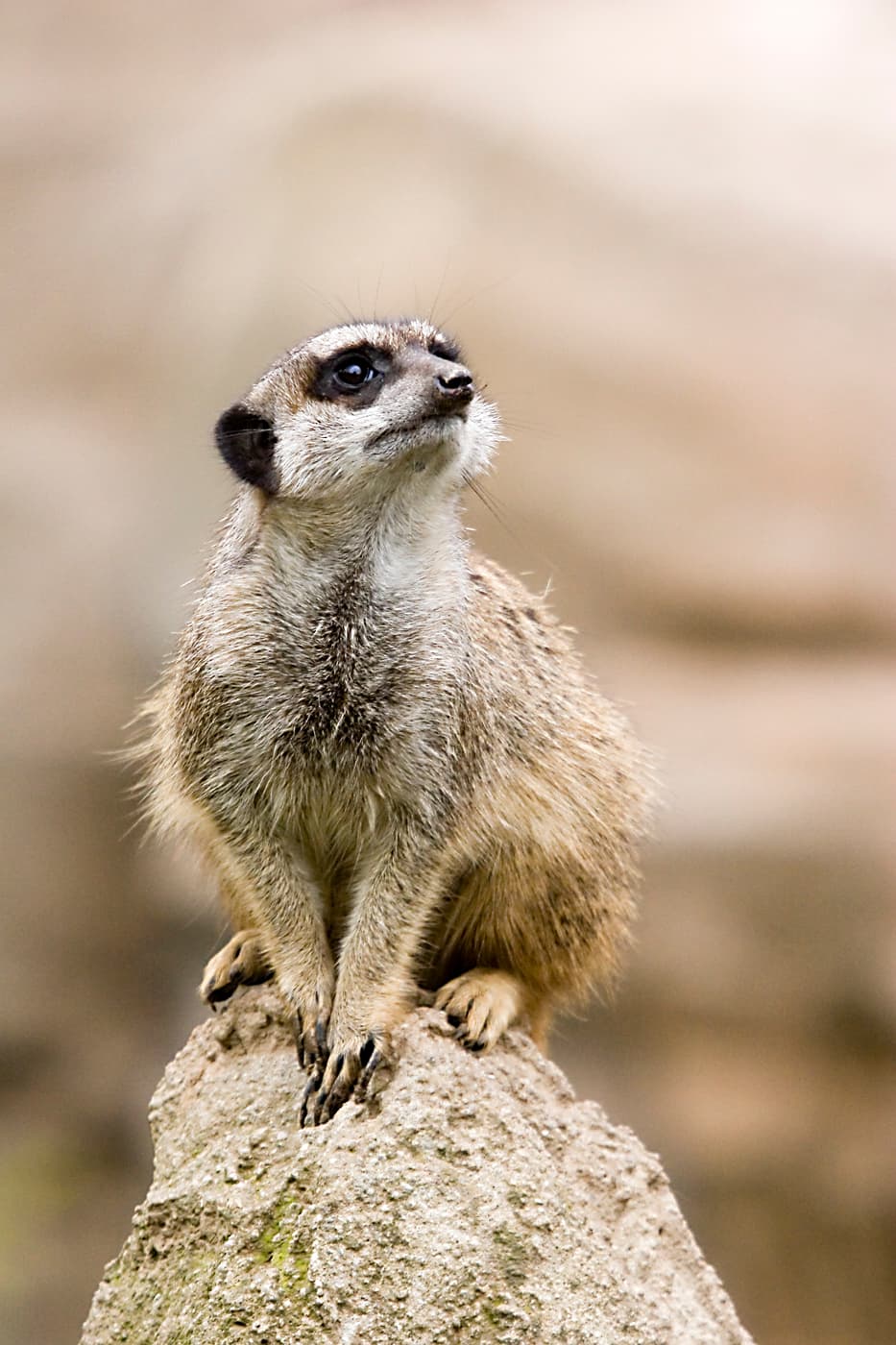
Meerkat
Suricata suricatta
MammalThe meerkat is a small, highly social mongoose relative native to the deserts and grasslands of southern Africa, famous for standing upright on its hind legs to scan the horizon for predators. Living in tightly bonded family groups called mobs, meerkats rely on constant cooperation and vigilance to survive in an environment full of danger from the air and ground alike.
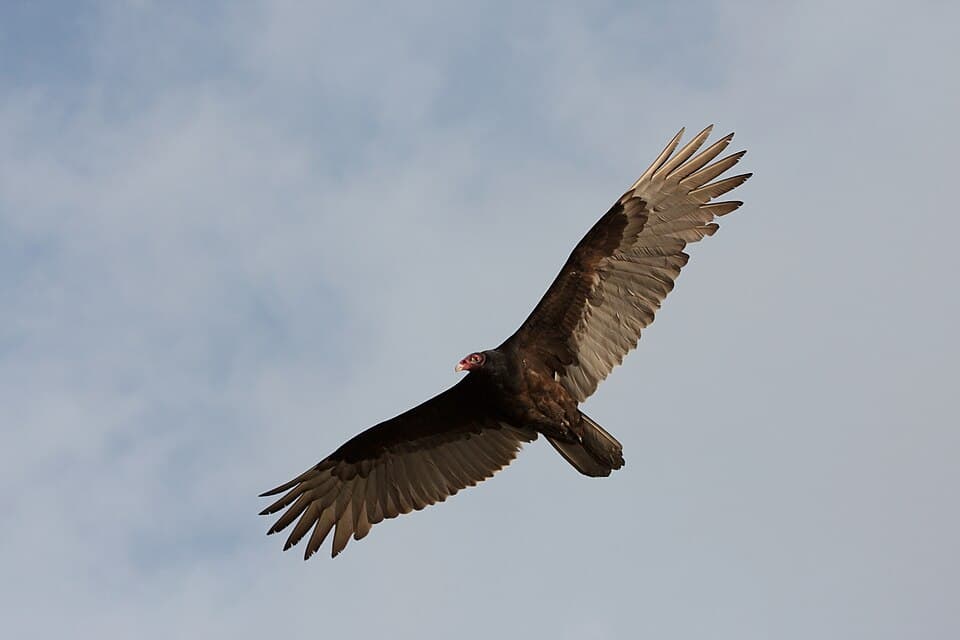
Turkey Vulture
Cathartes aura
BirdThe turkey vulture is a widespread scavenger found across the Americas, playing a critical ecological role by cleaning up carrion using one of the keenest senses of smell in the bird world.
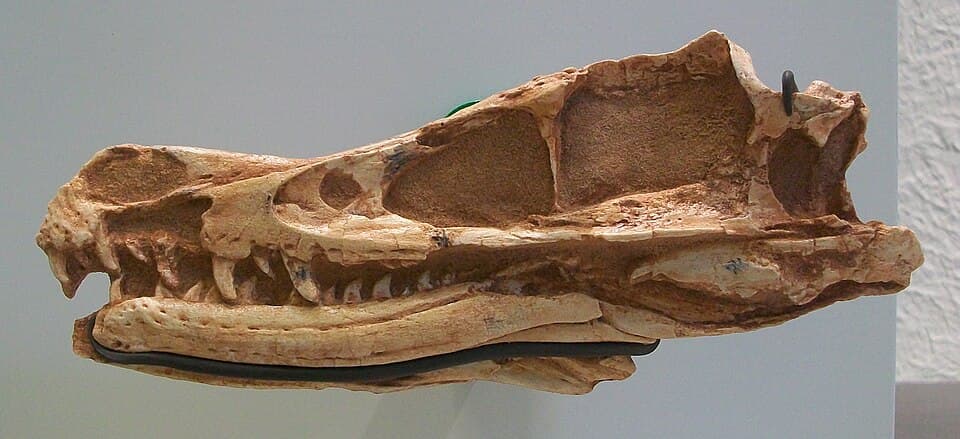
Velociraptor
Velociraptor mongoliensis
DinosaurVelociraptor was a small, fast, feathered predatory dinosaur that lived in the arid deserts of what is now Mongolia during the Late Cretaceous period, around 75 to 71 million years ago — far smaller than its famous Hollywood depiction. It belongs to the Dromaeosauridae, a family of small-to-medium theropod dinosaurs closely related to modern birds, and most of what scientists know about it comes from fossils recovered in Mongolia's Gobi Desert, including one of the most famous dinosaur fossils ever found: the 'Fighting Dinosaurs,' discovered in 1971, which captures a Velociraptor locked in combat with a Protoceratops at the moment both animals died.
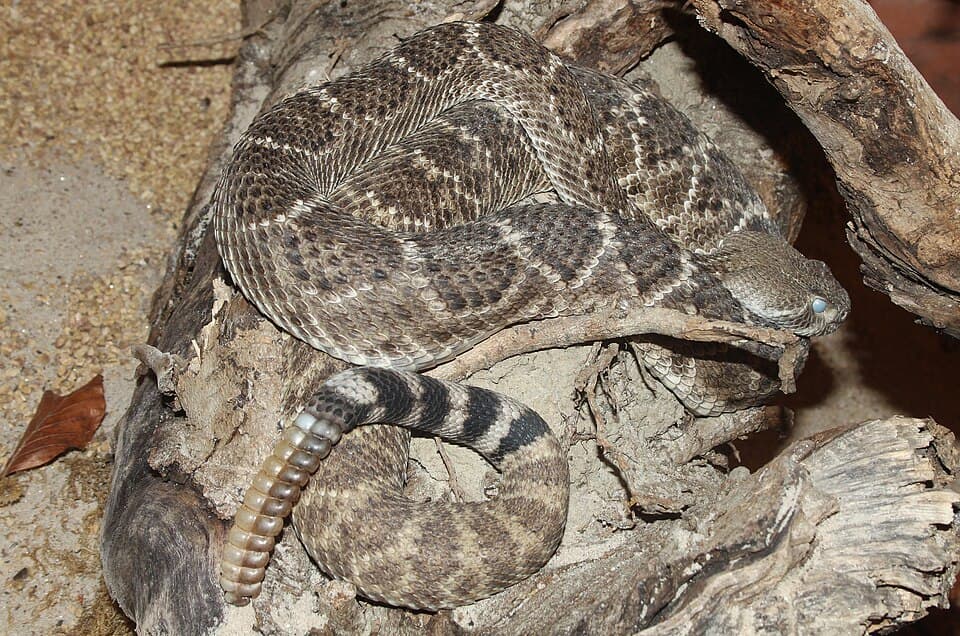
Western Diamondback Rattlesnake
Crotalus atrox
ReptileThe western diamondback rattlesnake is one of the most dangerous and widely-distributed venomous snakes in North America, easily identified by the diamond pattern along its back.
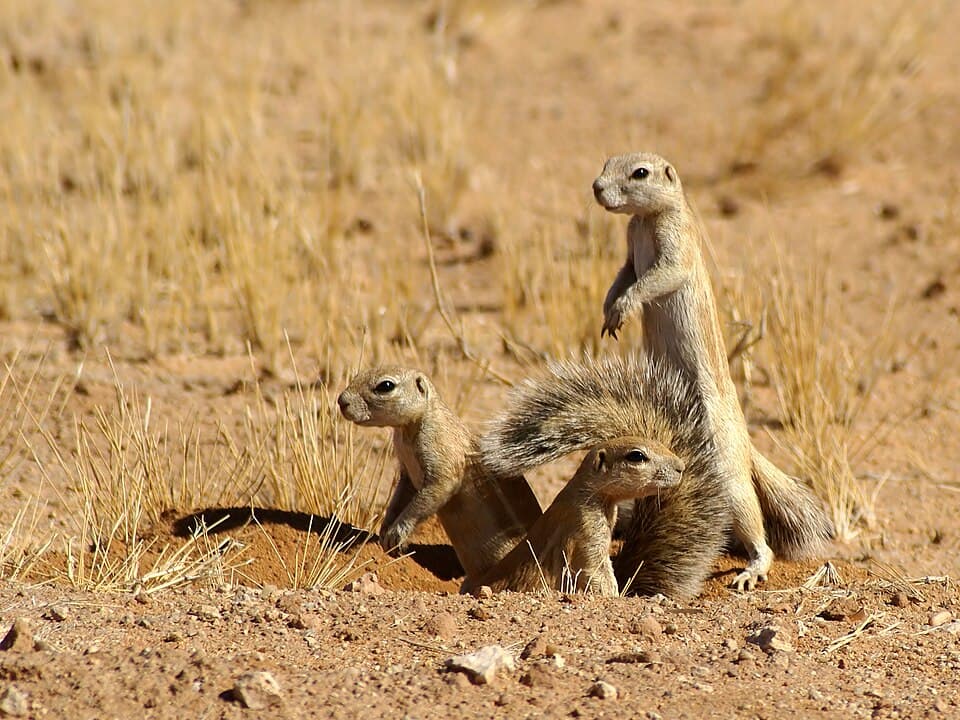
Xerus (African Ground Squirrel)
Xerus inauris
MammalThe Cape ground squirrel, or xerus, is a burrowing rodent of southern Africa's arid plains, easily recognized by holding its bushy tail overhead like a built-in parasol.
Desert Animals FAQs
How many desert animals are listed here?
This page currently features 9 species, and more are added regularly as the dataset grows.
What is the most popular animal in this list?
Cheetah is currently the most popular animal in Desert Animals.
Are any of these animals endangered?
Yes — 1 of the 9 species listed are classified as vulnerable, endangered, or critically endangered.
Explore Other Habitats
Forest Animals
Dense tree cover provides food, shelter, and camouflage for a huge range of species, from insects to apex predators.
Ocean Animals
Covering over 70% of the planet, the ocean is home to everything from microscopic plankton to the largest animal ever known.
Grassland Animals
Open plains and savannas support grazing herds and the predators that follow them across Africa, Asia, and the Americas.
Mountain Animals
Thin air, steep terrain, and cold temperatures favor sure-footed, well-insulated species adapted to high altitudes.
Arctic Animals
Some of the harshest conditions on Earth are home to thickly insulated animals built to survive months of polar cold.
Wetland Animals
Marshes, swamps, and floodplains support an especially rich mix of amphibians, reptiles, birds, and mammals.
Rainforest Animals
The most biodiverse ecosystem on the planet, home to a staggering density of species packed into a small footprint.