Rainforest Animals
Rainforests are defined less by their trees than by their climate: consistently warm temperatures and extremely heavy rainfall year-round, with no true dry season, found in a band circling the equator across the Amazon basin in South America, the Congo Basin in Central Africa, and the rainforests of Southeast Asia. Though rainforests cover only a small fraction of Earth's land surface, they are estimated to host more than half of the world's known plant and animal species, packed into a density found nowhere else on the planet. That density is concentrated overwhelmingly in the canopy, tens of meters above the ground, where sunlight actually reaches — a fact that shapes almost everything about how rainforest animals live, feed, and move.
The Four Layers of a Rainforest
A rainforest is structured in distinct vertical layers, each with its own climate and community of species. The emergent layer is made up of the tallest trees, poking through the canopy to catch full sun and strong wind, home to large birds of prey and gliding species. Below it, the canopy forms a dense, near-continuous ceiling of leaves and branches that captures most of the sunlight and hosts the greatest concentration of animal life in the entire rainforest — many species spend their whole lives here without ever touching the ground. The understory, dim and still, receives only a fraction of the light that reaches the canopy, favoring animals adapted to low light and stagnant, humid air. At the very bottom, the forest floor is nearly dark and covered in a thin layer of leaf litter that decomposes remarkably fast in the heat and humidity.
Why Rainforest Soil Is Surprisingly Poor
Despite supporting some of the densest vegetation and animal life on Earth, rainforest soil is often nutrient-poor — a paradox explained by how fast decomposition happens in a hot, humid climate. Fallen leaves and dead organic matter break down and get reabsorbed by shallow root systems almost as quickly as they hit the ground, rather than accumulating into a nutrient-rich topsoil the way it does in cooler climates. Nearly all of a rainforest's nutrients are locked up in its living plants and animals rather than in the ground beneath them, which is part of why cleared rainforest land often becomes infertile for farming within just a few years.
Camouflage, Warning Colors, and the Rainforest Arms Race
The permanent low light and dense visual clutter of a rainforest have pushed its animals toward two opposite survival strategies. Many species rely on camouflage so precise it can be nearly impossible to spot a resting insect or frog against bark or leaf litter, blending in to avoid predators entirely. Others take the reverse approach: bright, high-contrast coloration, like that of poison dart frogs, functions as a warning signal to predators that an animal is toxic or dangerous to eat, a strategy known as aposematism. Because both strategies work well in this environment, rainforests have produced some of the most visually striking examples of both extremes found anywhere in nature.
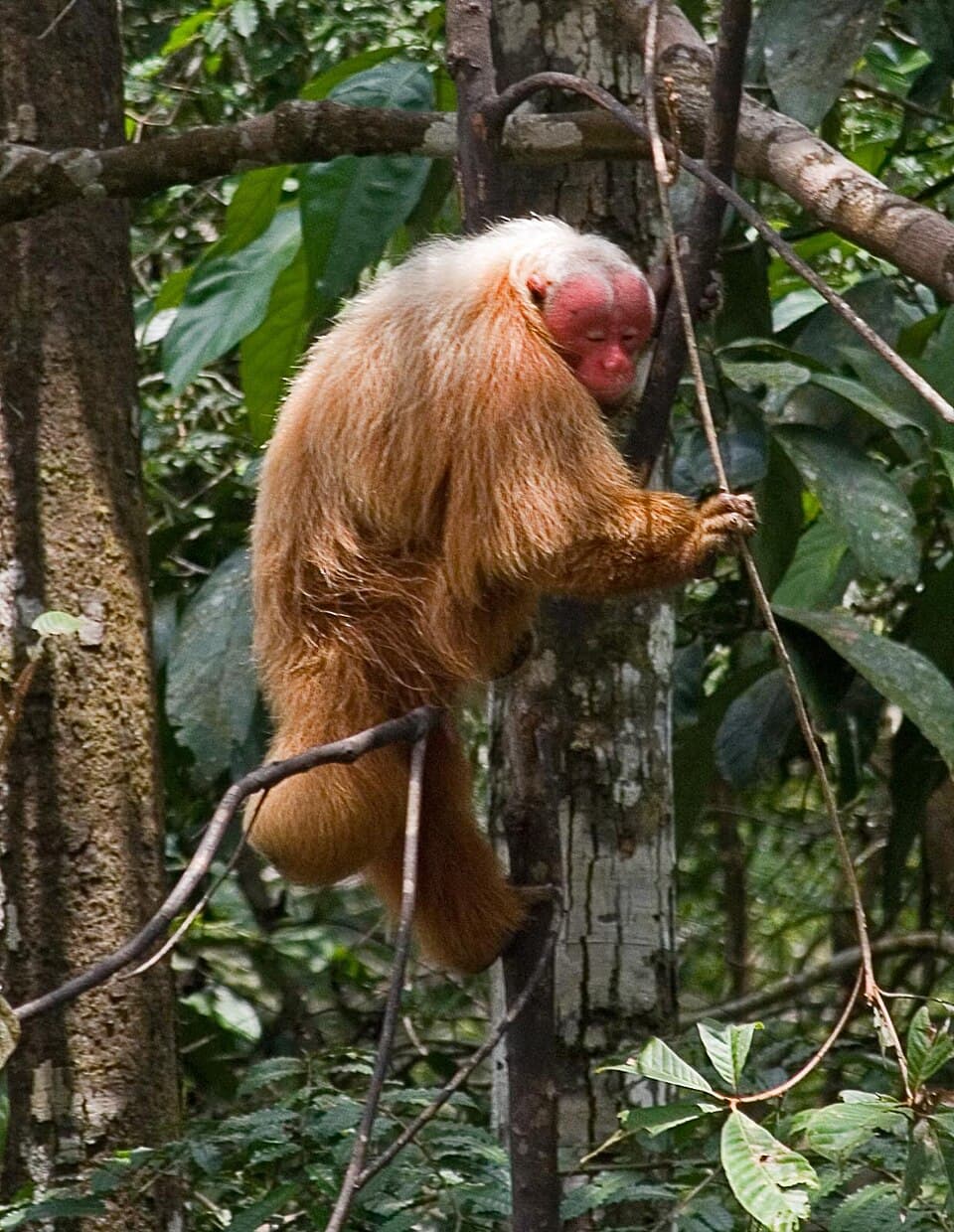
Bald Uakari
Cacajao calvus
MammalThe bald uakari is a small Amazonian monkey best known for its strikingly bare, bright red face, found in seasonally-flooded forests along the Amazon and its tributaries.
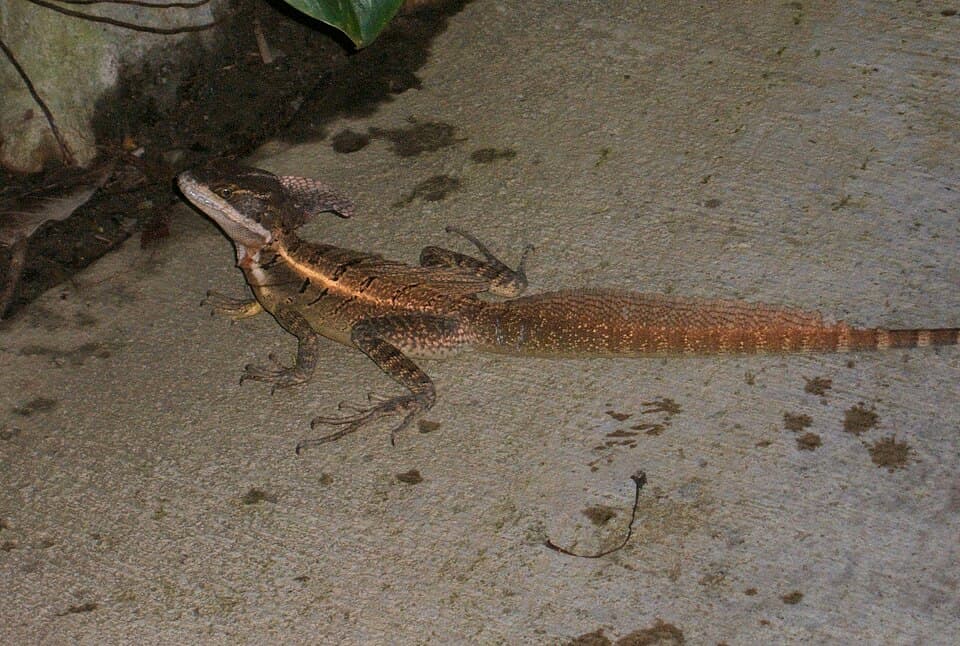
Basilisk Lizard
Basiliscus basiliscus
ReptileThe basilisk lizard, nicknamed the 'Jesus Christ lizard,' is famous for its remarkable ability to run upright across the surface of water for short distances without sinking. Native to the rainforests of Central and northern South America, it relies on this unusual skill primarily to escape predators.
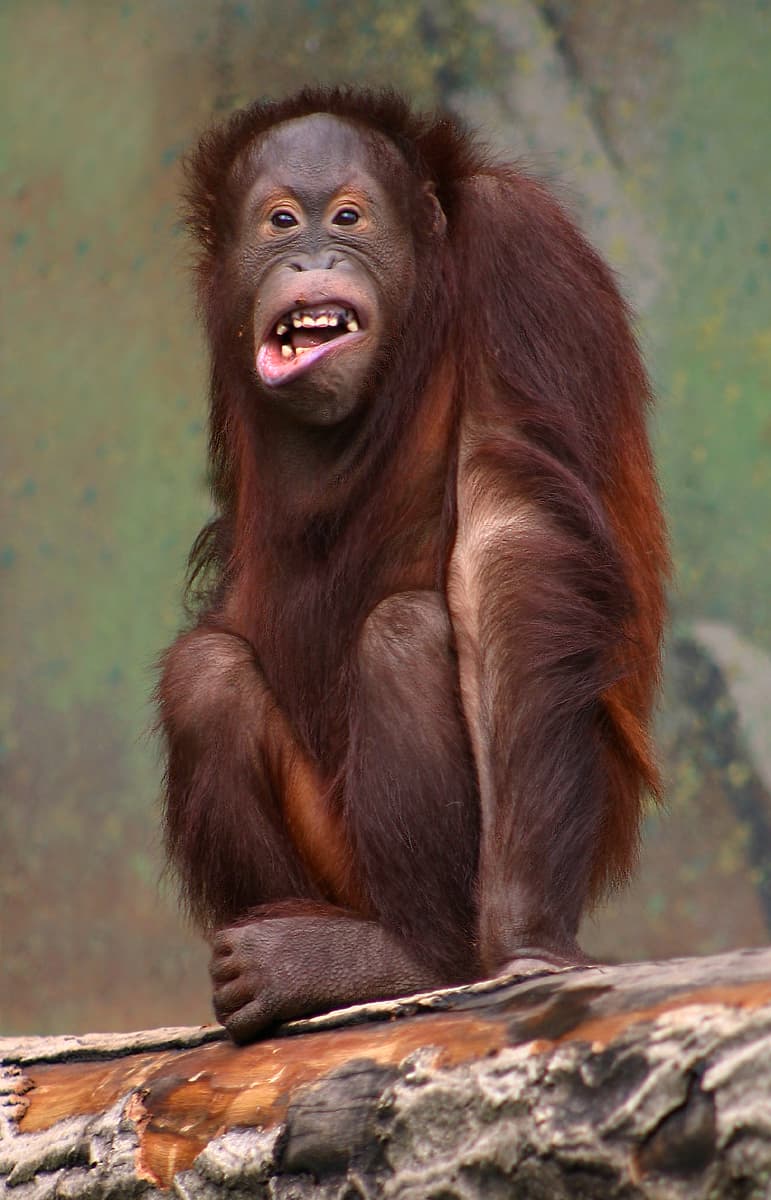
Bornean Orangutan
Pongo pygmaeus
MammalThe Bornean orangutan is a critically-endangered great ape found only on the island of Borneo, spending nearly its entire life moving through the rainforest canopy.

Common Vampire Bat
Desmodus rotundus
MammalThe common vampire bat is one of only three bat species that feeds exclusively on blood, mainly targeting livestock across Latin America under cover of darkness.
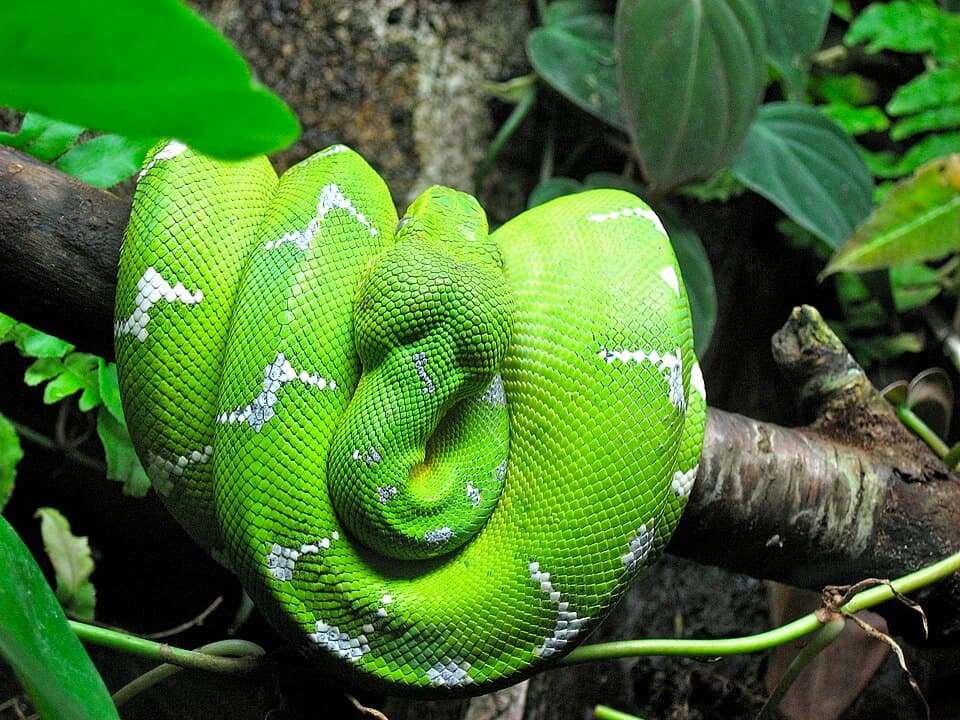
Emerald Tree Boa
Corallus caninus
ReptileThe emerald tree boa is a non-venomous constrictor found in the rainforest canopy of the Amazon and Orinoco basins, spending nearly its entire life coiled in trees and rarely descending to the ground. It's a striking example of convergent evolution: the unrelated green tree python of New Guinea and Australia — a completely different snake family from a different part of the world — has evolved an almost identical bright green color, white markings, and coiling posture to fill a very similar ecological niche.
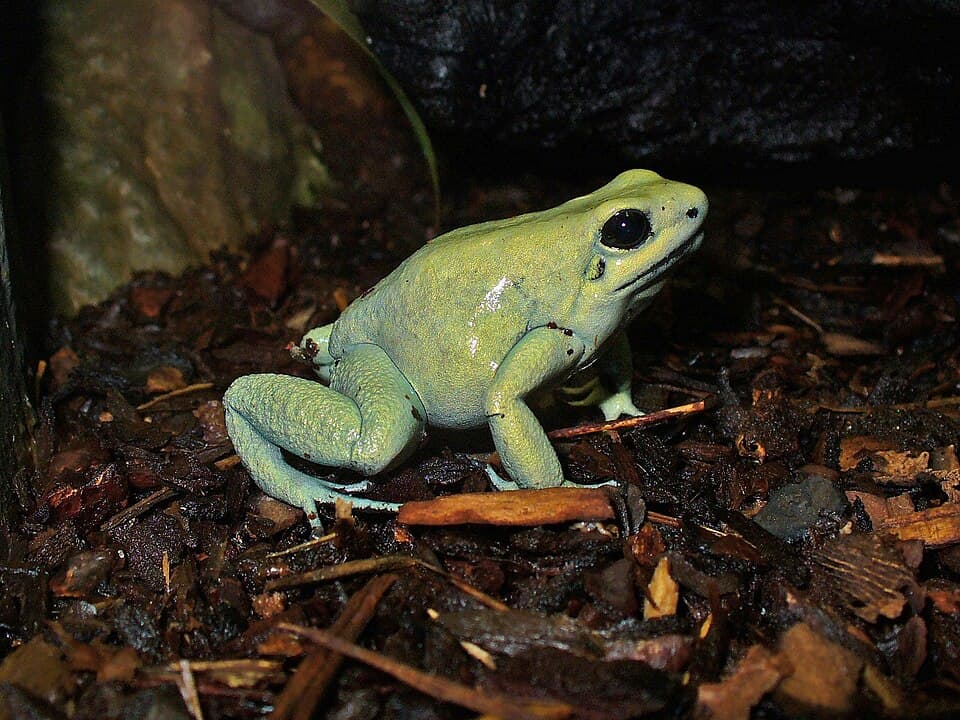
Golden Poison Frog
Phyllobates terribilis
AmphibianThe golden poison frog is widely regarded as the most toxic animal on Earth by weight, native to a small stretch of Colombian rainforest.
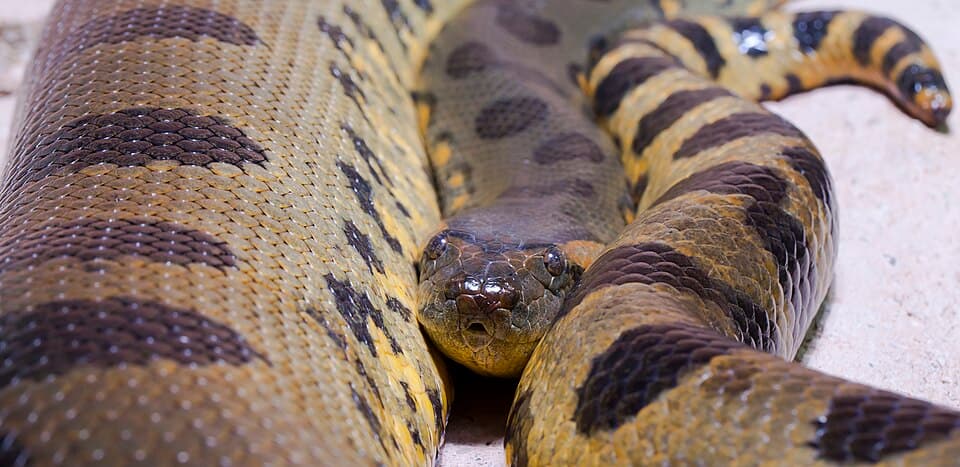
Green Anaconda
Eunectes murinus
ReptileThe green anaconda is the heaviest snake species in the world, a massive non-venomous constrictor found in the swamps, rivers, and flooded grasslands of South America. Unlike many large snakes, it spends much of its time submerged in water, where its bulk is supported and it can ambush prey coming to drink.
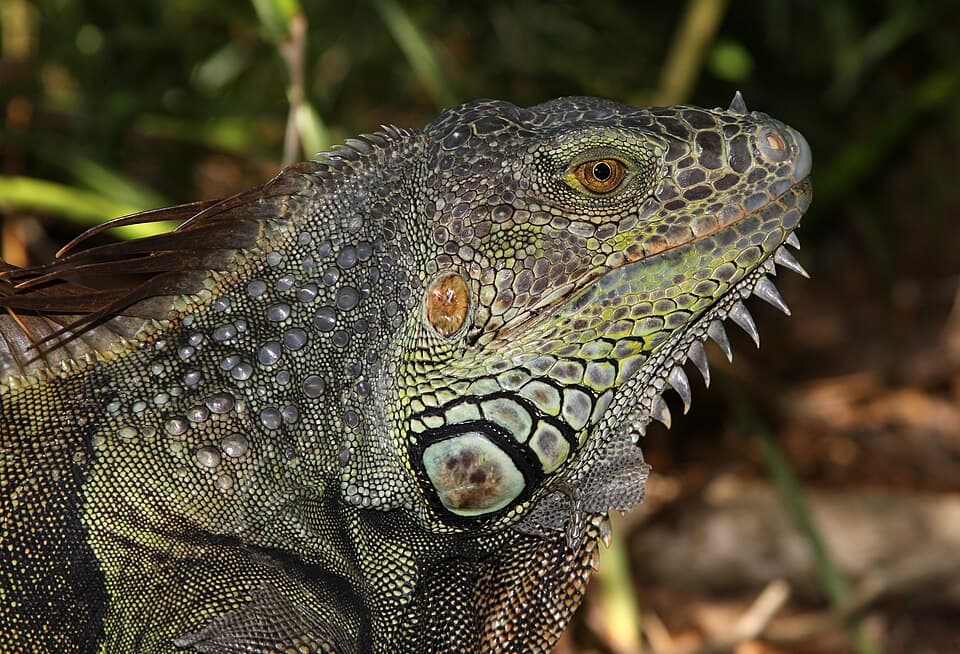
Green Iguana
Iguana iguana
ReptileThe green iguana is a large arboreal lizard native to Central and South America, often found basking on branches overhanging rivers and streams.
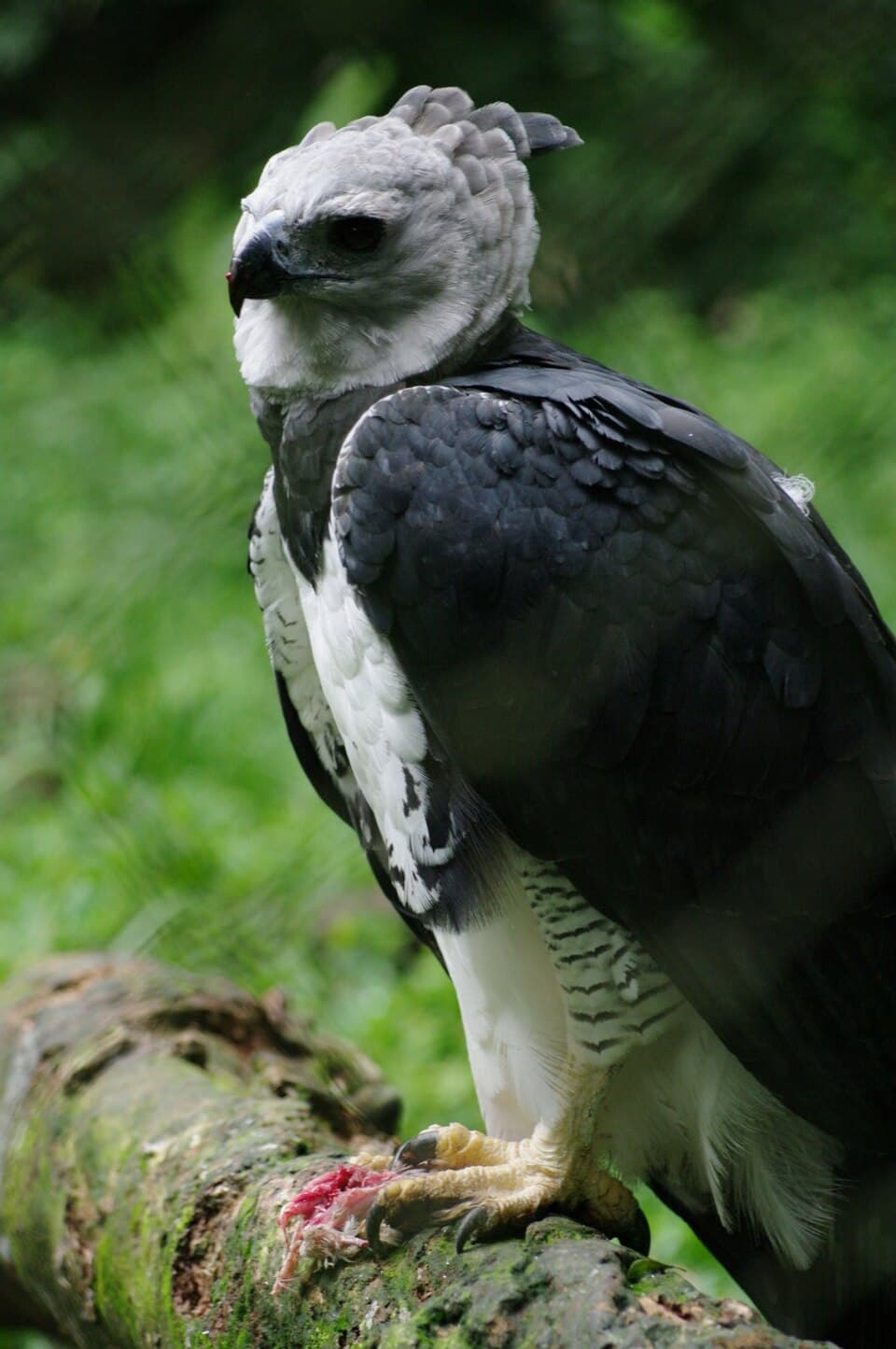
Harpy Eagle
Harpia harpyja
BirdThe harpy eagle is one of the largest and most powerful eagles in the world, a rainforest apex predator capable of snatching monkeys and sloths directly from the treetops. Its enormous talons can exert a grip strength far beyond a human hand's, making it one of the most formidable raptors on Earth.
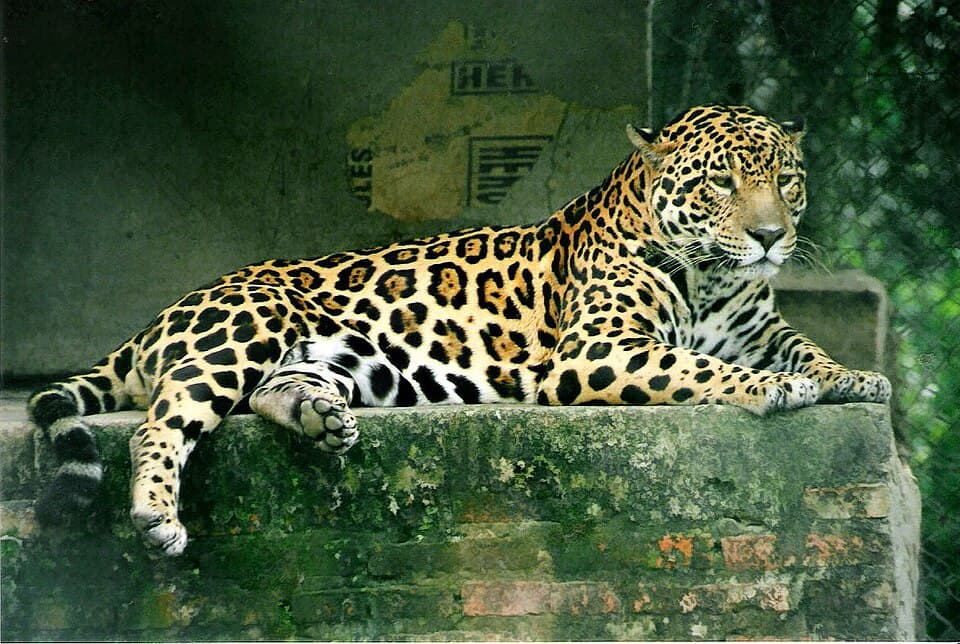
Jaguar
Panthera onca
MammalThe jaguar is the largest big cat in the Americas and the only living member of the genus Panthera found in the New World, prowling the rainforests of Central and South America.
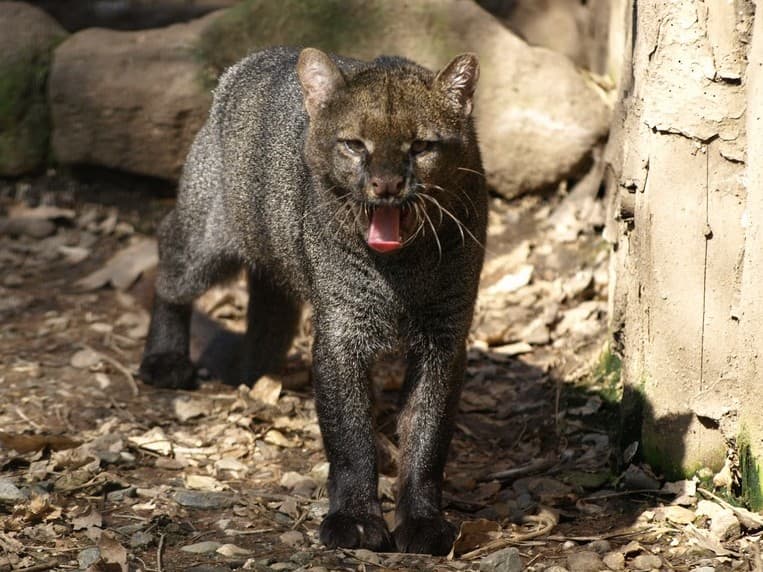
Jaguarundi
Herpailurus yagouaroundi
MammalThe jaguarundi is a small, elusive wildcat found from South America through Central America, notable for a long, slender, weasel-like body unlike the more compact build of most wild cats. Despite living alongside the much larger jaguar across parts of its range, the two are only distantly related within the cat family.
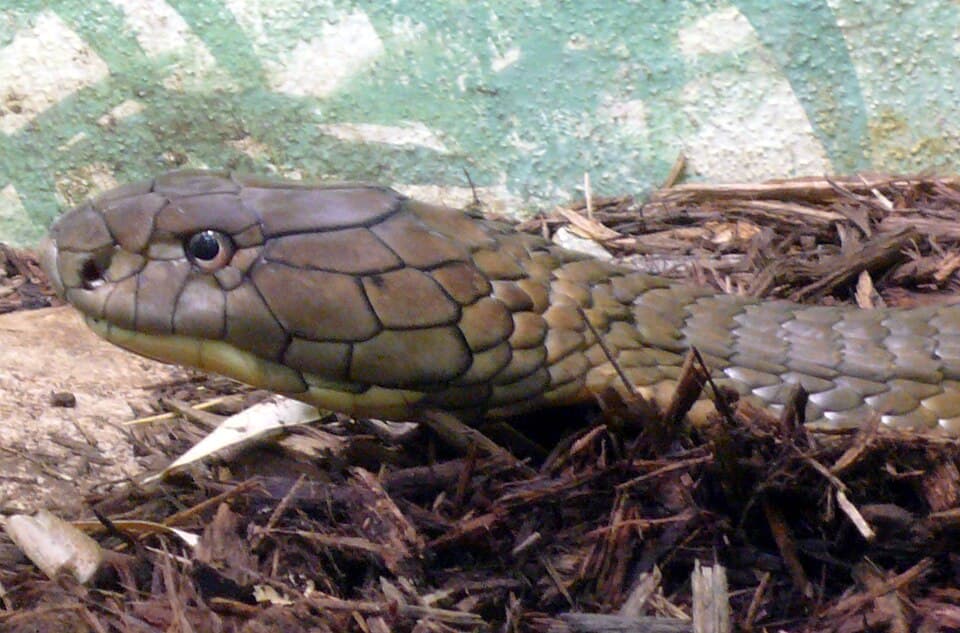
King Cobra
Ophiophagus hannah
ReptileThe king cobra is the world's longest venomous snake, found across the forests, bamboo thickets, and mangrove swamps of South and Southeast Asia, from India and southern China to the Philippines and Indonesia. It is unusual among snakes for building and guarding a nest for its eggs, and despite its size and reputation, it is a shy, diurnal hunter that generally avoids humans rather than confronting them.
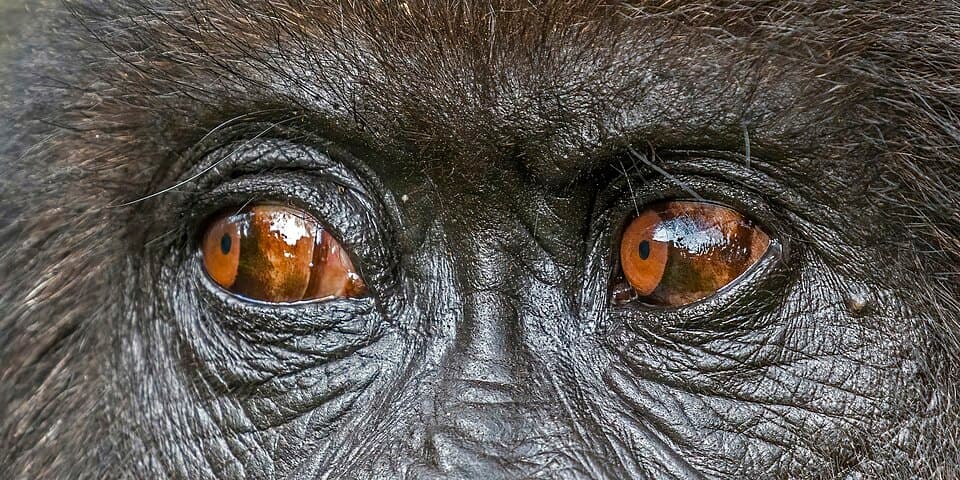
Mountain Gorilla
Gorilla beringei beringei
MammalThe mountain gorilla is a critically-studied great ape subspecies living in the misty forested slopes of the Virunga Mountains and Bwindi in central Africa, and one of conservation's most notable recovery stories.
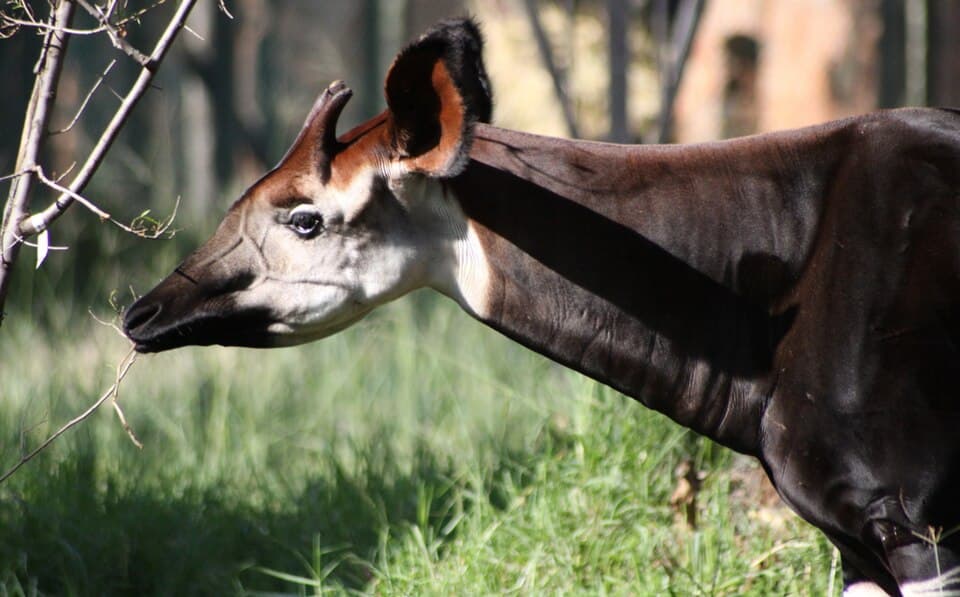
Okapi
Okapia johnstoni
MammalThe okapi is a shy, elusive relative of the giraffe found only in the dense rainforests of the Democratic Republic of the Congo. Despite its zebra-striped legs, it is not related to zebras at all -- the stripes are thought to help camouflage it in dappled forest light and help calves follow their mother through dense vegetation.
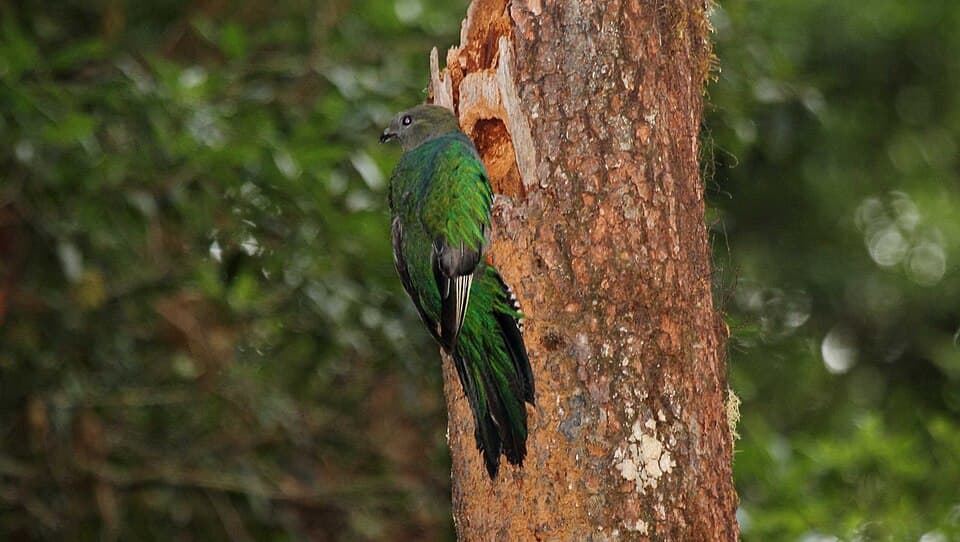
Quetzal
Pharomachrus mocinno
BirdKnown as the resplendent quetzal, this bird is widely considered one of the most beautiful in the world, revered by ancient Mesoamerican civilizations including the Maya and Aztec, who considered it sacred and associated it with the feathered serpent god Quetzalcoatl. Males grow spectacularly long, iridescent green tail streamers that can trail well beyond the length of their own body.
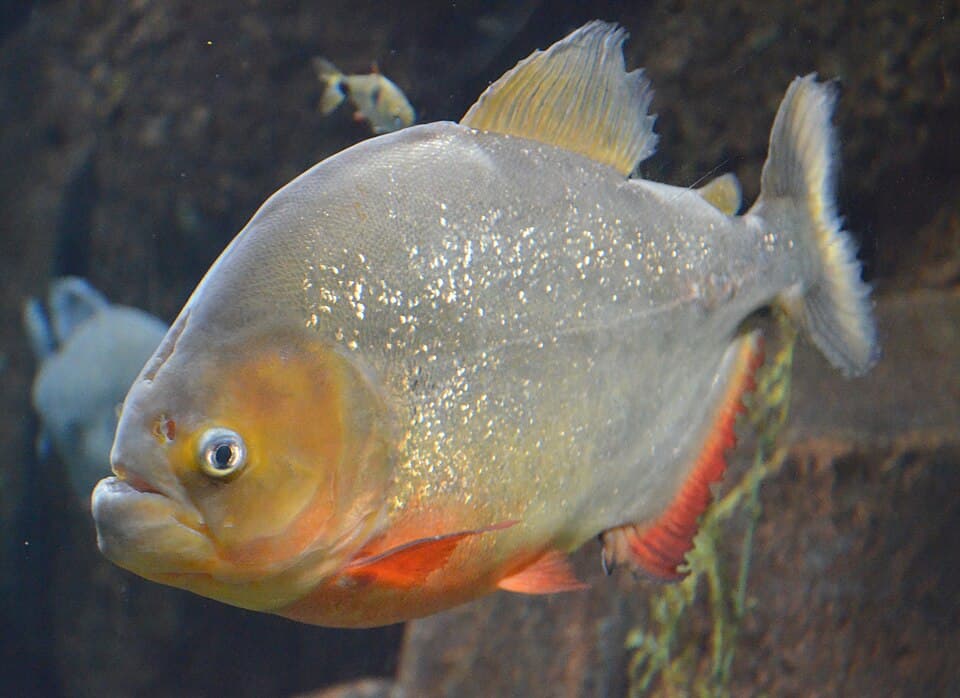
Red-Bellied Piranha
Pygocentrus nattereri
FishThe red-bellied piranha is one of the most notorious freshwater fish in the world, native to rivers and floodplains across the Amazon and Orinoco basins in South America. Despite its fearsome reputation, it is primarily a scavenger and opportunistic feeder, and unprovoked attacks on humans are extremely rare.
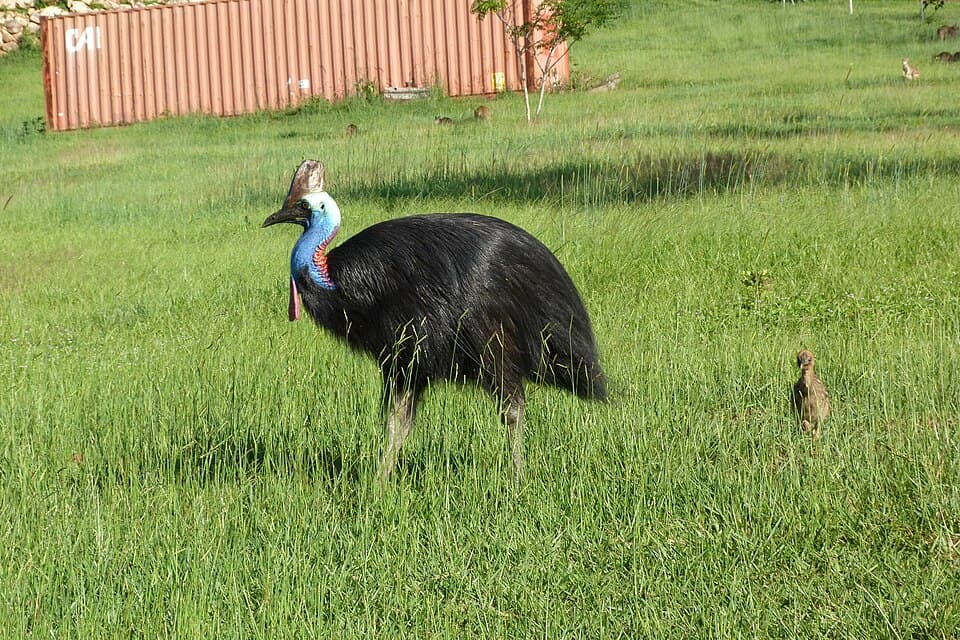
Southern Cassowary
Casuarius casuarius
BirdThe southern cassowary is one of the largest and most dangerous birds in the world, a flightless giant native to the tropical rainforests of northern Australia and New Guinea. Despite its bulk, it is an excellent swimmer and can sprint through dense forest at considerable speed, using a large bony helmet-like casque atop its head to push through thick vegetation.
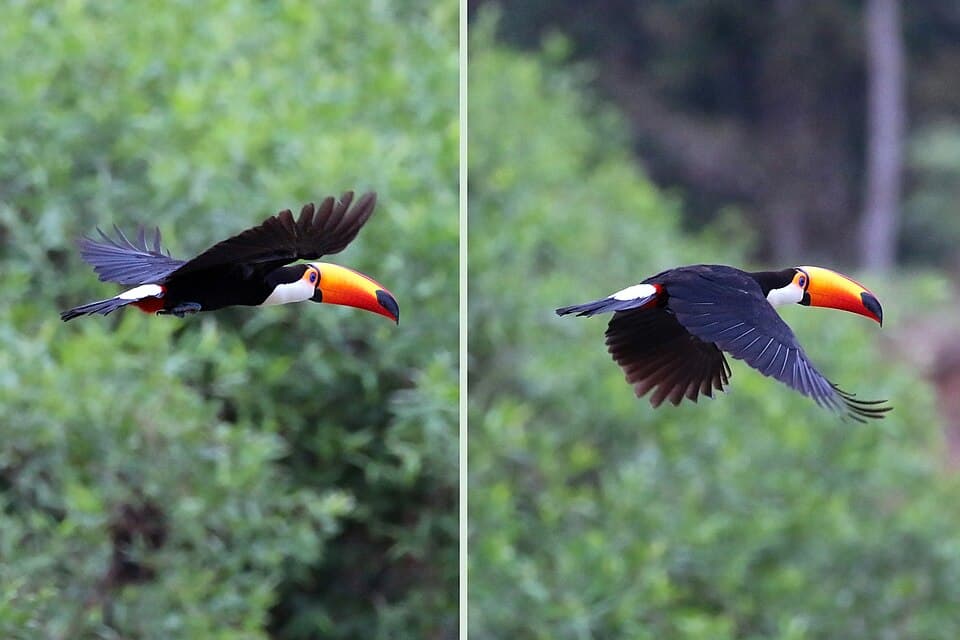
Toco Toucan
Ramphastos toco
BirdThe toco toucan is the largest toucan species, instantly recognizable by its enormous bright orange bill, native to the forests and savannas of South America.
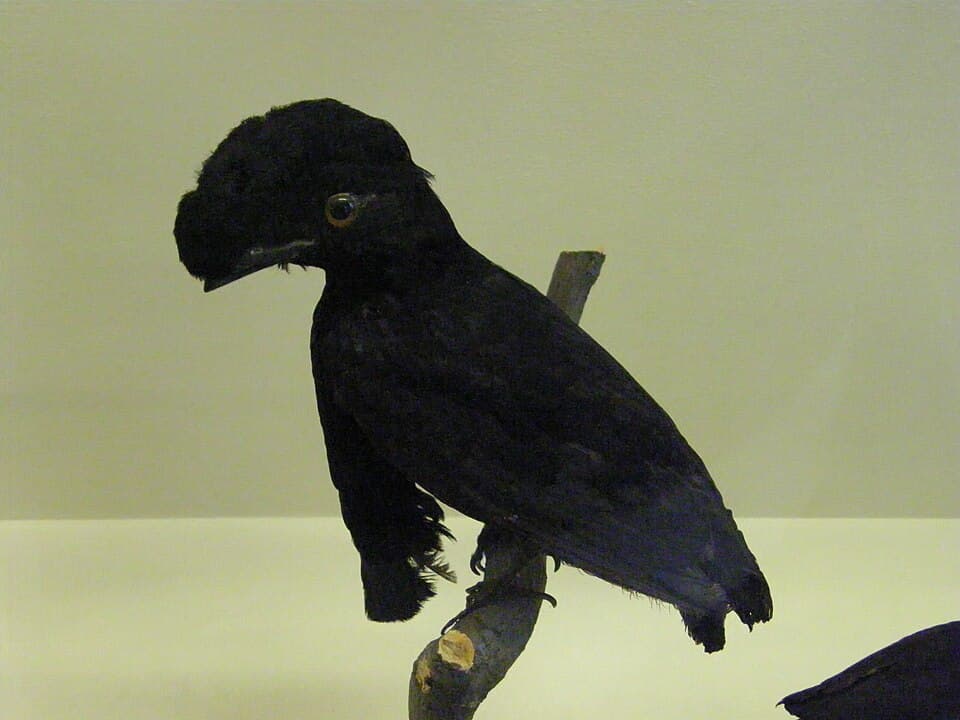
Umbrellabird
Cephalopterus penduliger
BirdThe umbrellabird is a striking rainforest bird named for the umbrella-like crest of feathers that arches forward over its head, along with a long, inflatable wattle of feathered skin hanging from its throat. Males use both features in elaborate courtship displays, along with deep, booming calls that can carry through dense forest.
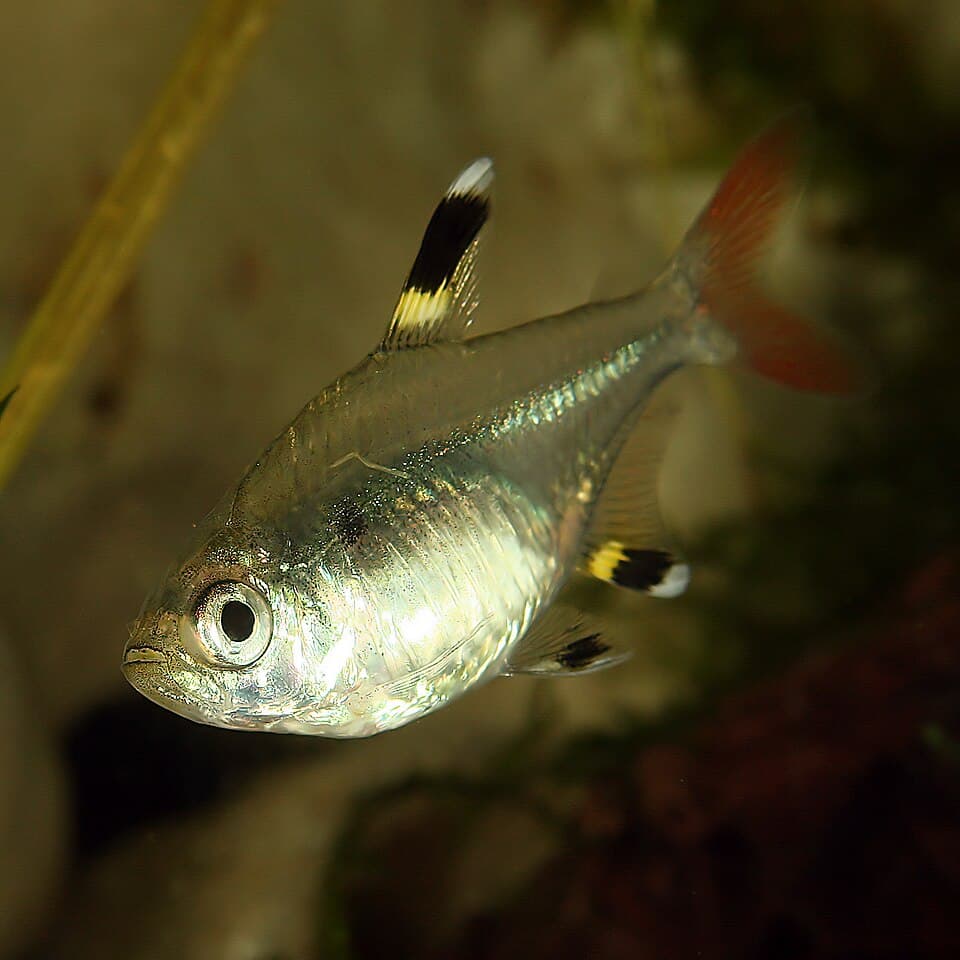
X-Ray Tetra
Pristella maxillaris
FishThe X-ray tetra is a small freshwater fish native to slow-moving rivers and streams in South America, named for its almost completely transparent body that reveals its skeleton and internal organs. Its see-through appearance has made it one of the most recognizable and popular small fish in the freshwater aquarium hobby worldwide.
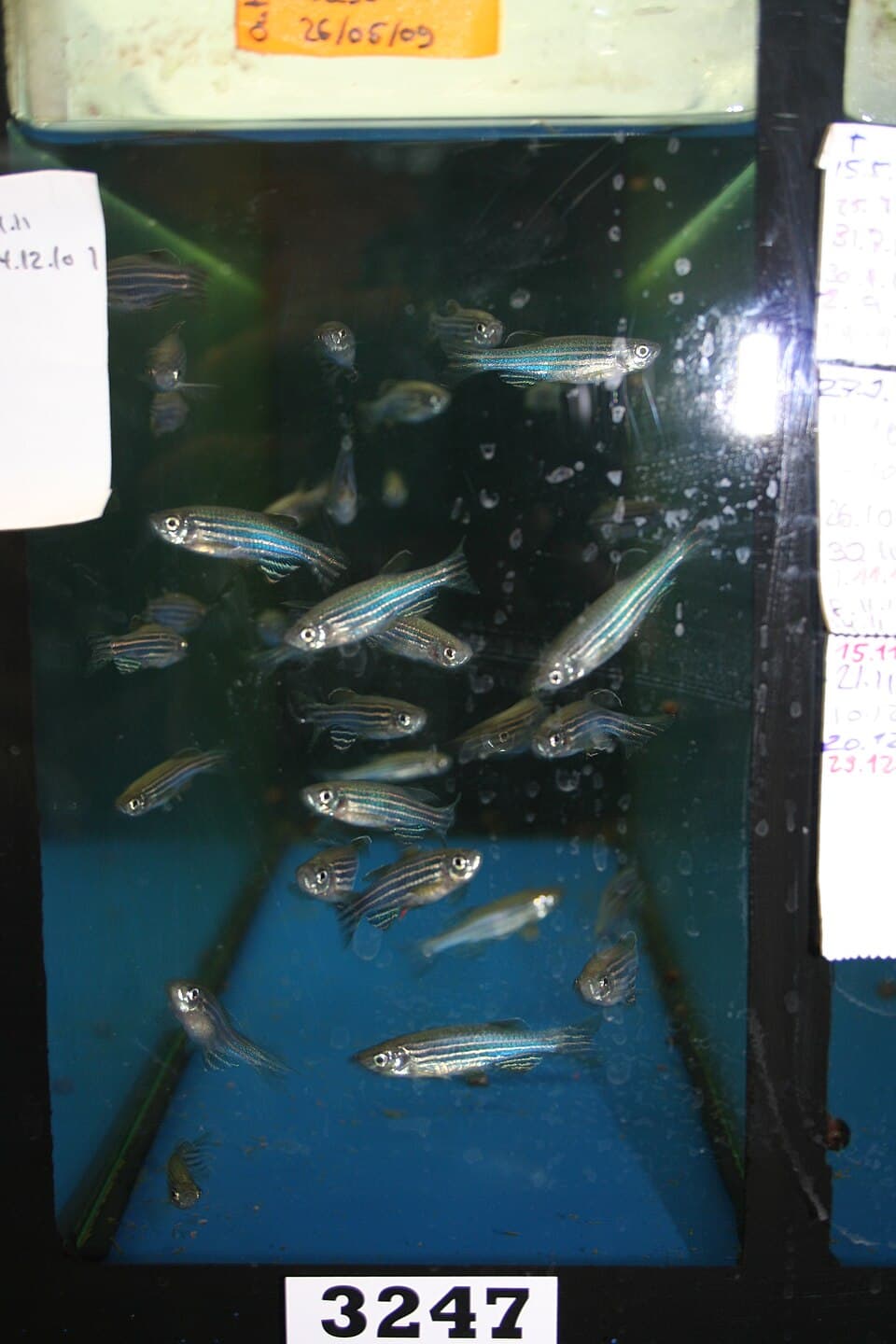
Zebra Danio
Danio rerio
FishThe zebra danio is a small freshwater fish native to streams and rice paddies across South Asia, named for the five uniform, horizontal blue stripes running along its silvery body. Beyond its popularity as an aquarium fish, it has become one of the most important model organisms in modern biological and medical research.
Major Rainforest Regions Compared
| Region | Location | Notable Feature |
|---|---|---|
| Amazon Rainforest | Primarily Brazil, spanning nine countries in South America | The largest rainforest on Earth by area |
| Congo Basin | Central Africa, spanning six countries | The second-largest rainforest, home to lowland gorillas and forest elephants |
| Southeast Asian Rainforest | Indonesia, Malaysia, Papua New Guinea | Among the oldest rainforests on Earth, exceptionally rich in species found nowhere else |
Rainforest Animals FAQs
How many rainforest animals are listed here?
This page currently features 21 species, and more are added regularly as the dataset grows.
What is the most popular animal in this list?
Jaguar is currently the most popular animal in Rainforest Animals.
Are any of these animals endangered?
Yes — 7 of the 21 species listed are classified as vulnerable, endangered, or critically endangered.
Explore Other Habitats
Forest Animals
Dense tree cover provides food, shelter, and camouflage for a huge range of species, from insects to apex predators.
Ocean Animals
Covering over 70% of the planet, the ocean is home to everything from microscopic plankton to the largest animal ever known.
Desert Animals
Extreme heat, cold nights, and scarce water shape animals with remarkable adaptations for survival in arid landscapes.
Grassland Animals
Open plains and savannas support grazing herds and the predators that follow them across Africa, Asia, and the Americas.
Mountain Animals
Thin air, steep terrain, and cold temperatures favor sure-footed, well-insulated species adapted to high altitudes.
Arctic Animals
Some of the harshest conditions on Earth are home to thickly insulated animals built to survive months of polar cold.
Wetland Animals
Marshes, swamps, and floodplains support an especially rich mix of amphibians, reptiles, birds, and mammals.