Rainforest Animals Worksheet
Ages 8-12 · Name: _________________________ · Date: _____________
Reading Passage
Rainforests are defined less by their trees than by their climate: consistently warm temperatures and extremely heavy rainfall year-round, with no true dry season, found in a band circling the equator across the Amazon basin in South America, the Congo Basin in Central Africa, and the rainforests of Southeast Asia. Though rainforests cover only a small fraction of Earth's land surface, they are estimated to host more than half of the world's known plant and animal species, packed into a density found nowhere else on the planet.
A rainforest is structured in distinct vertical layers, each with its own climate and community of species. The emergent layer is made up of the tallest trees, poking through the canopy to catch full sun and strong wind. Below it, the canopy forms a dense, near-continuous ceiling of leaves and branches that captures most of the sunlight and hosts the greatest concentration of animal life in the entire rainforest. The understory, dim and still, receives only a fraction of the light that reaches the canopy. At the very bottom, the forest floor is nearly dark and covered in a thin layer of leaf litter that decomposes remarkably fast in the heat and humidity.
Despite supporting some of the densest vegetation and animal life on Earth, rainforest soil is often nutrient-poor. Fallen leaves and dead organic matter break down and get reabsorbed by shallow root systems almost as quickly as they hit the ground, rather than accumulating into a nutrient-rich topsoil. Many rainforest animals also rely on camouflage so precise it can be nearly impossible to spot a resting insect or frog against bark or leaf litter. Others take the reverse approach: bright, high-contrast coloration, like that of poison dart frogs, functions as a warning signal that an animal is toxic or dangerous to eat — a strategy known as aposematism.
Reading Comprehension Questions
1. Name the four vertical layers of a rainforest, in order from the top down.
2. Which rainforest layer holds the greatest concentration of animal life?
3. Why is rainforest soil often nutrient-poor despite such dense plant growth?
4. What is it called when a brightly colored animal, like a poison dart frog, uses its coloring to warn predators it is dangerous to eat?
Animal Fact Files
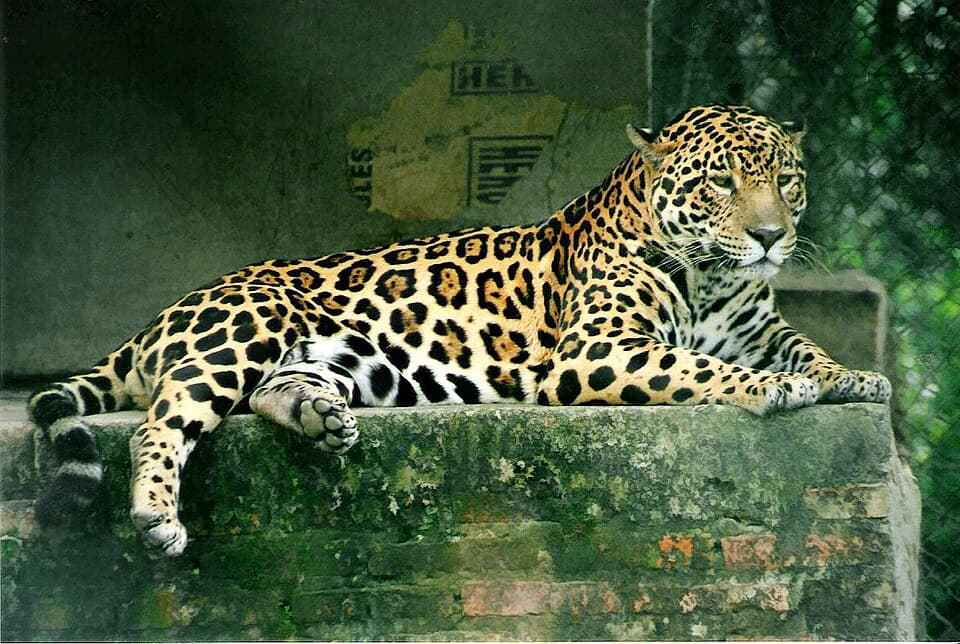
Jaguar
Photo: Lea Maimone · CC BY-SA 2.5 · via Wikimedia Commons
- Scientific name
- Panthera onca
- Category
- Mammal
- Diet
- Carnivore
- Weight
- 56–96 kg
- Length
- 112–185 cm
- Lifespan
- 12–15 years
- Conservation status
- Near Threatened
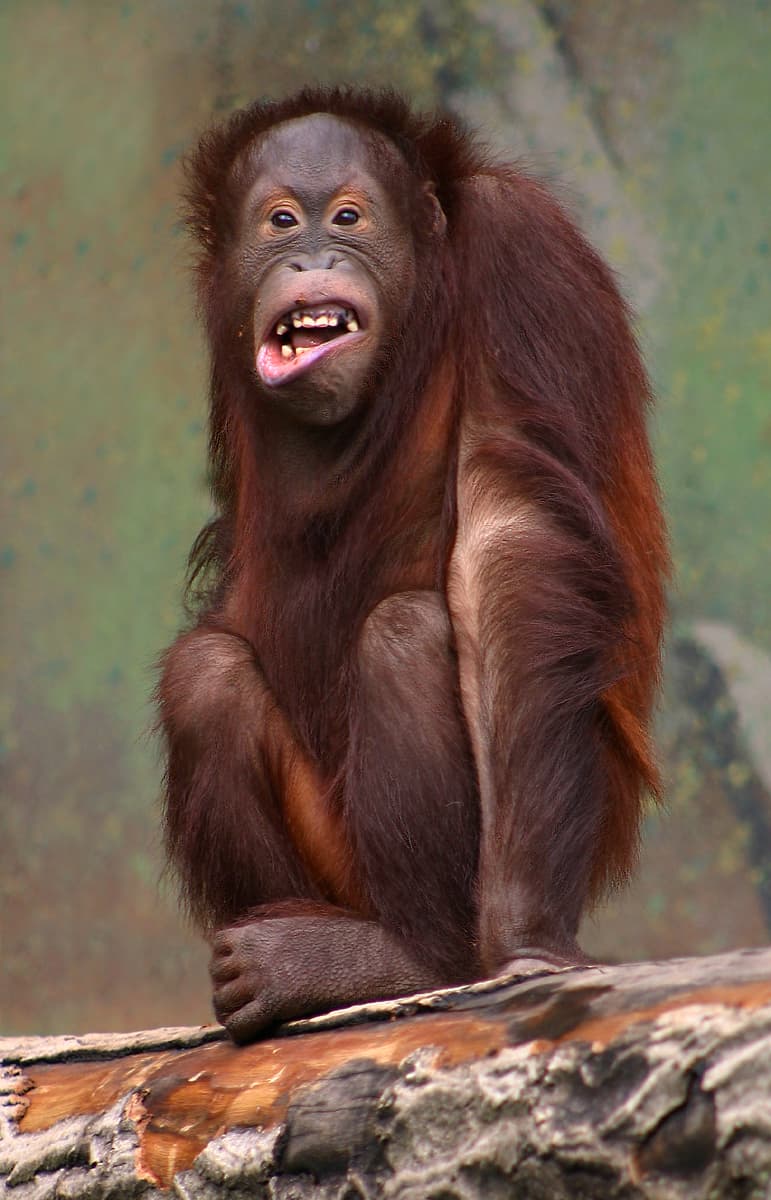
Bornean Orangutan
Photo: Malene Thyssen · CC BY 2.5 · via Wikimedia Commons
- Scientific name
- Pongo pygmaeus
- Category
- Mammal
- Diet
- Omnivore
- Weight
- 30–90 kg
- Length
- 100–140 cm
- Lifespan
- 35–45 years
- Conservation status
- Critically Endangered
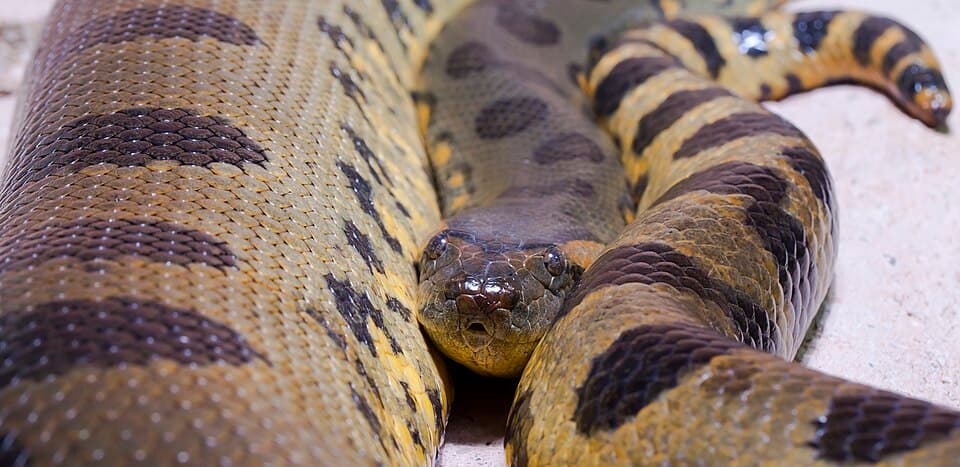
Green Anaconda
Photo: Diego Delso · CC BY-SA 3.0 · via Wikimedia Commons
- Scientific name
- Eunectes murinus
- Category
- Reptile
- Diet
- Carnivore
- Weight
- 30–97 kg
- Length
- 300–600 cm
- Lifespan
- 10–30 years
- Conservation status
- Least Concern
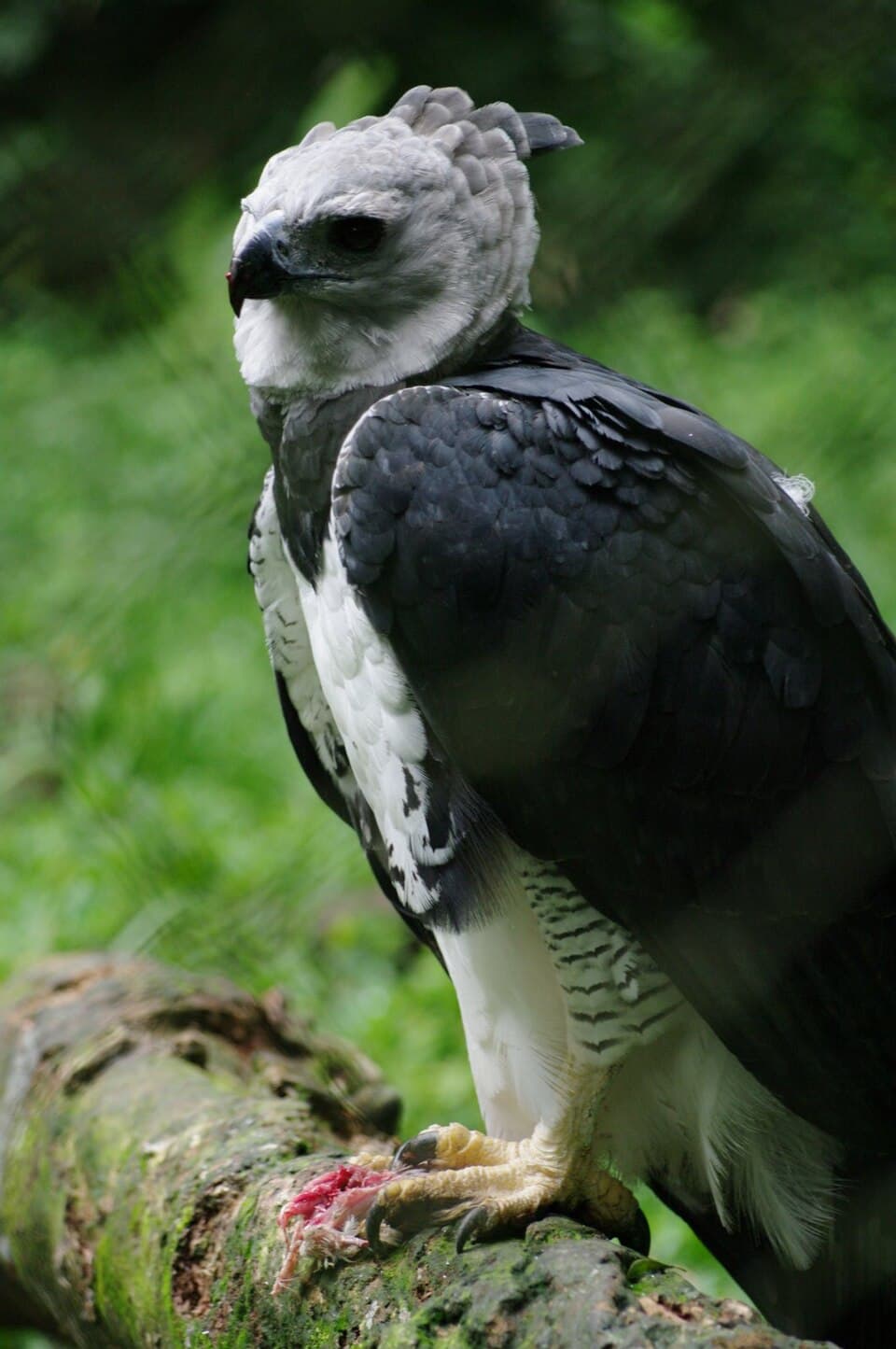
Harpy Eagle
Photo: guilherme jofili · CC BY 2.0 · via Wikimedia Commons
- Scientific name
- Harpia harpyja
- Category
- Bird
- Diet
- Carnivore
- Weight
- 4–9 kg
- Length
- 86–107 cm
- Lifespan
- 25–35 years
- Conservation status
- Near Threatened
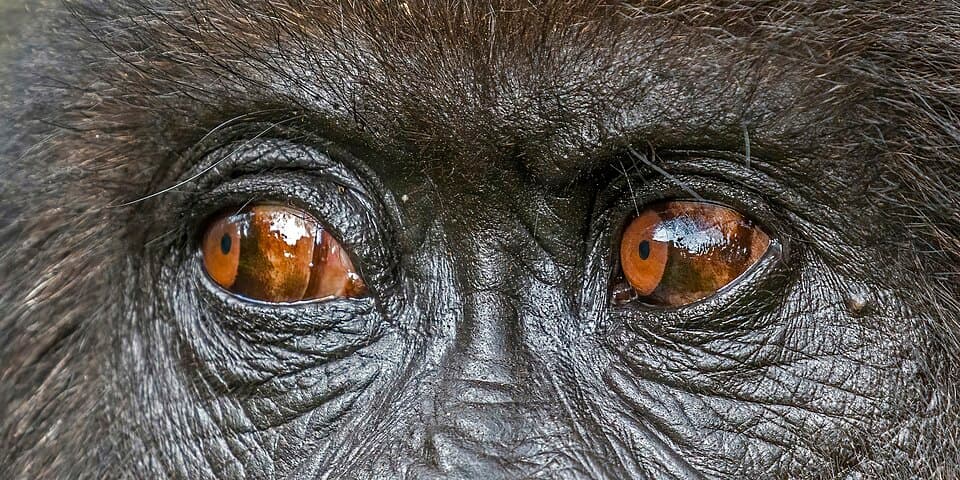
Mountain Gorilla
Photo: Charles J. Sharp · CC BY-SA 4.0 · via Wikimedia Commons
- Scientific name
- Gorilla beringei beringei
- Category
- Mammal
- Diet
- Herbivore
- Weight
- 70–220 kg
- Length
- 125–180 cm
- Lifespan
- 35–40 years
- Conservation status
- Endangered
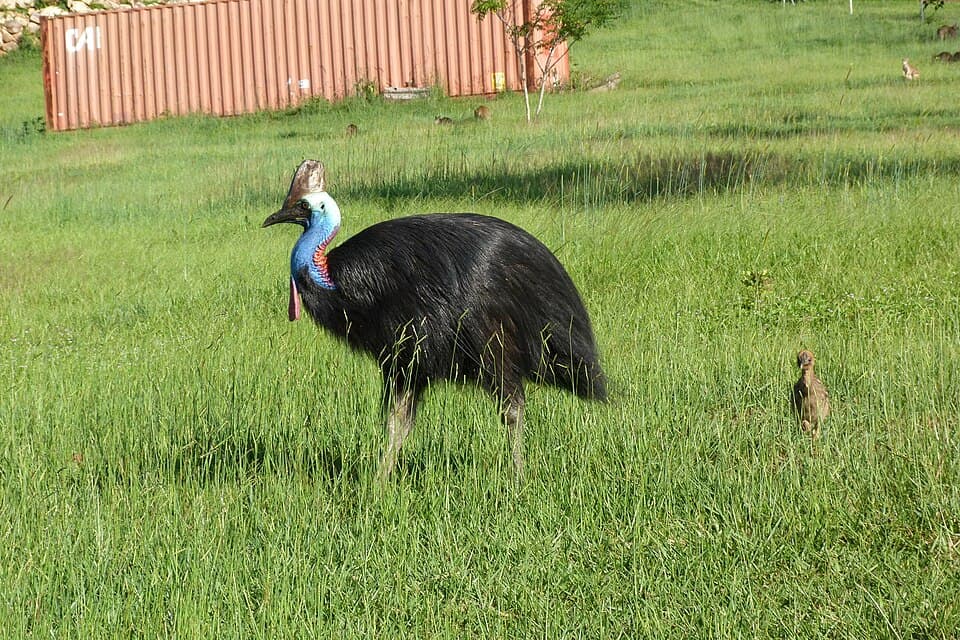
Southern Cassowary
Photo: Donald Hobern from Copenhagen, Denmark · CC BY 2.0 · via Wikimedia Commons
- Scientific name
- Casuarius casuarius
- Category
- Bird
- Diet
- Omnivore
- Weight
- 29–60 kg
- Length
- 130–170 cm
- Lifespan
- 20–40 years
- Conservation status
- Least Concern
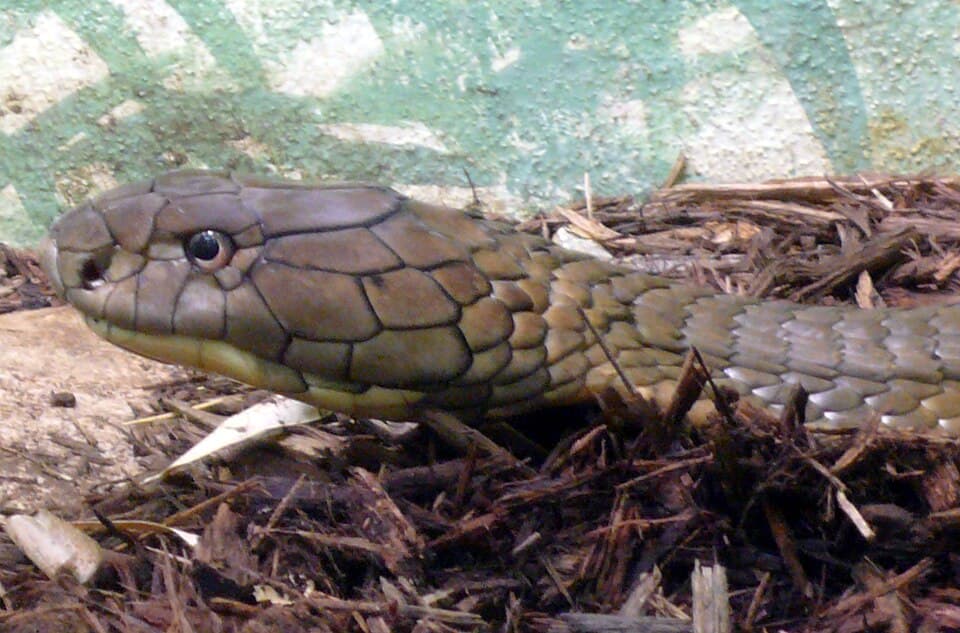
King Cobra
Photo: TimVickers · Public domain · via Wikimedia Commons
- Scientific name
- Ophiophagus hannah
- Category
- Reptile
- Diet
- Carnivore
- Weight
- 6–9 kg
- Length
- 300–550 cm
- Lifespan
- 17–20 years
- Conservation status
- Vulnerable
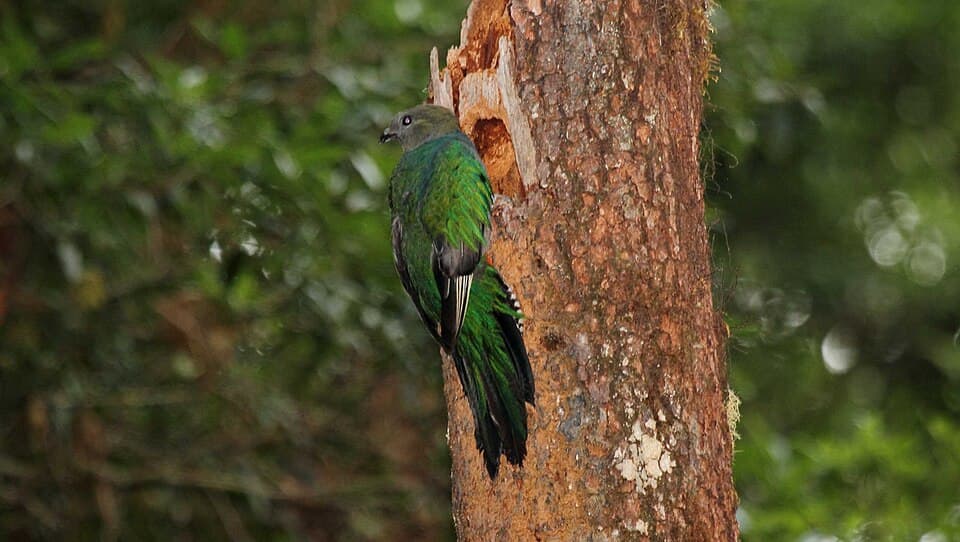
Quetzal
Photo: Dominic Sherony · CC BY-SA 2.0 · via Wikimedia Commons
- Scientific name
- Pharomachrus mocinno
- Category
- Bird
- Diet
- Omnivore
- Weight
- 0.17–0.23 kg
- Length
- 36–40 cm
- Lifespan
- 15–20 years
- Conservation status
- Near Threatened
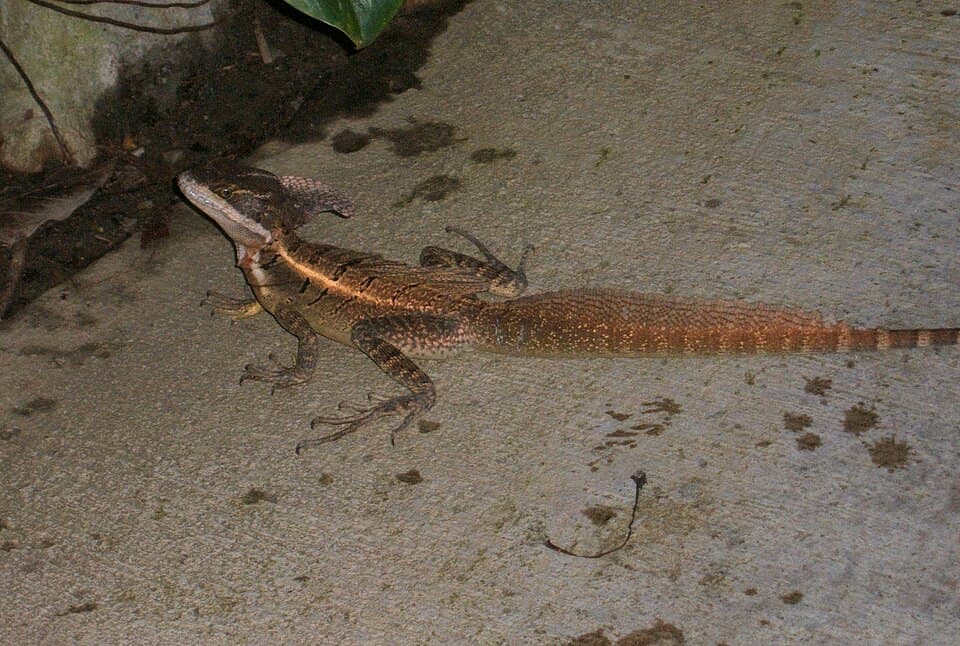
Basilisk Lizard
Photo: C. Horwitz, uploaded with help of her husband Steven G. Johnson · CC BY-SA 3.0 · via Wikimedia Commons
- Scientific name
- Basiliscus basiliscus
- Category
- Reptile
- Diet
- Omnivore
- Weight
- 0.2–0.6 kg
- Length
- 60–90 cm
- Lifespan
- 7–10 years
- Conservation status
- Least Concern
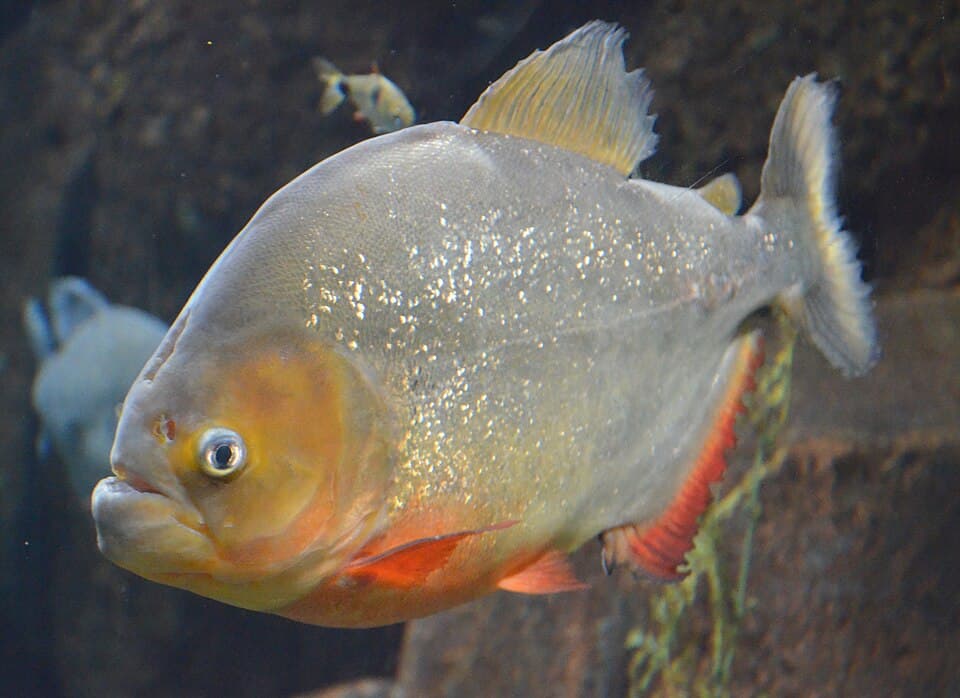
Red-Bellied Piranha
Photo: Joshyja · CC BY-SA 3.0 · via Wikimedia Commons
- Scientific name
- Pygocentrus nattereri
- Category
- Fish
- Diet
- Carnivore
- Weight
- 0.3–1.5 kg
- Length
- 15–33 cm
- Lifespan
- 8–10 years
- Conservation status
- Least Concern
True or False?
- 1. The jaguar is a carnivore.
- 2. The jaguar's conservation status is least concern.
- 3. The bornean orangutan is a carnivore.
- 4. The bornean orangutan's conservation status is critically endangered.
- 5. The green anaconda is a carnivore.
- 6. The green anaconda's conservation status is endangered.
- 7. The harpy eagle is a herbivore.
- 8. The harpy eagle's conservation status is near threatened.
- 9. The mountain gorilla is a herbivore.
- 10. The mountain gorilla's conservation status is vulnerable.
- 11. The southern cassowary is a carnivore.
- 12. The southern cassowary's conservation status is least concern.
- 13. The king cobra is a carnivore.
- 14. The king cobra's conservation status is least concern.
- 15. The quetzal is an omnivore.
- 16. The quetzal's conservation status is near threatened.
- 17. The basilisk lizard is an omnivore.
- 18. The basilisk lizard's conservation status is near threatened.
- 19. The red-bellied piranha is a carnivore.
- 20. The red-bellied piranha's conservation status is least concern.
Guess the Animal Quiz
1. Which animal is this? "A jaguar's bite is strong enough to pierce a turtle's shell or a caiman's skull."
- a) Bornean Orangutan
- b) Harpy Eagle
- c) Southern Cassowary
- d) Jaguar
2. Which animal is this? "Orangutans build a new nest of branches and leaves to sleep in every single night."
- a) Harpy Eagle
- b) Southern Cassowary
- c) Bornean Orangutan
- d) Jaguar
3. Which animal is this? "The green anaconda is the heaviest snake species in the world, with large females weighing close to 100kg."
- a) Southern Cassowary
- b) Green Anaconda
- c) Jaguar
- d) Harpy Eagle
4. Which animal is this? "A harpy eagle's talons can grow longer than a grizzly bear's claws, and its grip strength is among the most powerful of any bird."
- a) Harpy Eagle
- b) Jaguar
- c) Green Anaconda
- d) Southern Cassowary
5. Which animal is this? "Mountain gorilla numbers have slowly recovered thanks to decades of dedicated conservation work."
- a) Jaguar
- b) Green Anaconda
- c) Southern Cassowary
- d) Mountain Gorilla
6. Which animal is this? "The cassowary is often called the world's most dangerous bird due to its powerful legs and dagger-like inner claw."
- a) Green Anaconda
- b) Mountain Gorilla
- c) Southern Cassowary
- d) Jaguar
7. Which animal is this? "A single bite can deliver enough venom to kill an elephant."
- a) Mountain Gorilla
- b) King Cobra
- c) Jaguar
- d) Green Anaconda
8. Which animal is this? "Ancient Maya and Aztec civilizations considered the quetzal sacred, associating it with the feathered serpent god Quetzalcoatl."
- a) Quetzal
- b) Jaguar
- c) Green Anaconda
- d) Mountain Gorilla
Answer Key
Reading Comprehension
- 1. Emergent layer, canopy, understory, forest floor.
- 2. The canopy.
- 3. Dead leaves and organic matter decompose and get reabsorbed by shallow roots so quickly in the hot, humid climate that nutrients stay locked in living plants and animals instead of building up in the soil.
- 4. Aposematism.
True or False
- 1. True
- 2. False
- 3. False
- 4. True
- 5. True
- 6. False
- 7. False
- 8. True
- 9. True
- 10. False
- 11. False
- 12. True
- 13. True
- 14. False
- 15. True
- 16. True
- 17. True
- 18. False
- 19. True
- 20. True
Guess the Animal Quiz
- 1. d) Jaguar
- 2. c) Bornean Orangutan
- 3. b) Green Anaconda
- 4. a) Harpy Eagle
- 5. d) Mountain Gorilla
- 6. c) Southern Cassowary
- 7. b) King Cobra
- 8. a) Quetzal