North American Animals
Spanning arctic tundra to desert and subtropical wetland, North America hosts an especially wide range of climates and species.
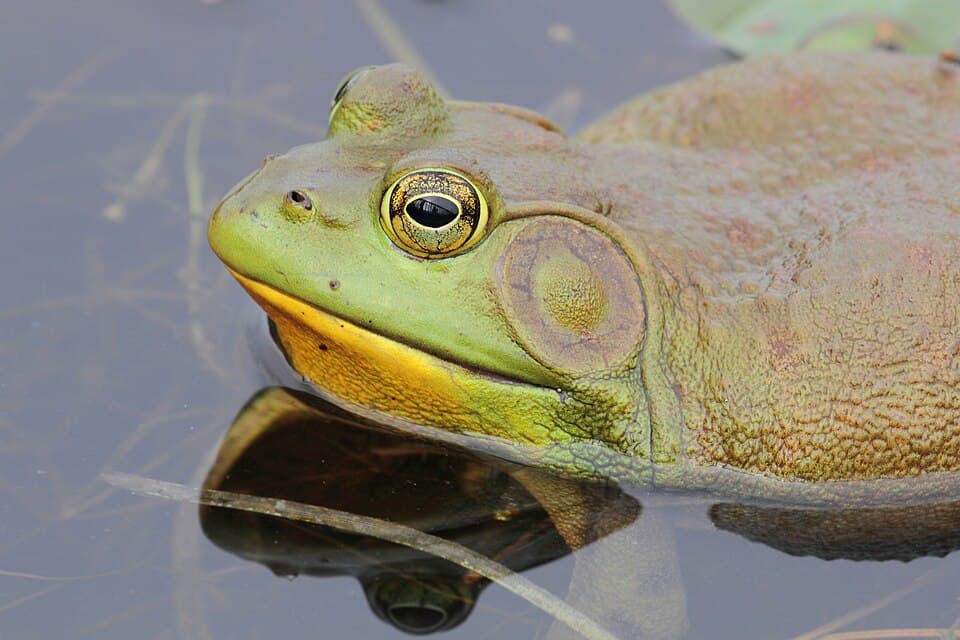
American Bullfrog
Lithobates catesbeianus
AmphibianThe American bullfrog is the largest true frog native to North America, named for its deep, resonant call that resembles a bull's bellow. Highly adaptable and voracious, it will eat almost any animal small enough to fit in its mouth, from insects to other frogs, and has become one of the world's most widely introduced invasive amphibians outside its native range.
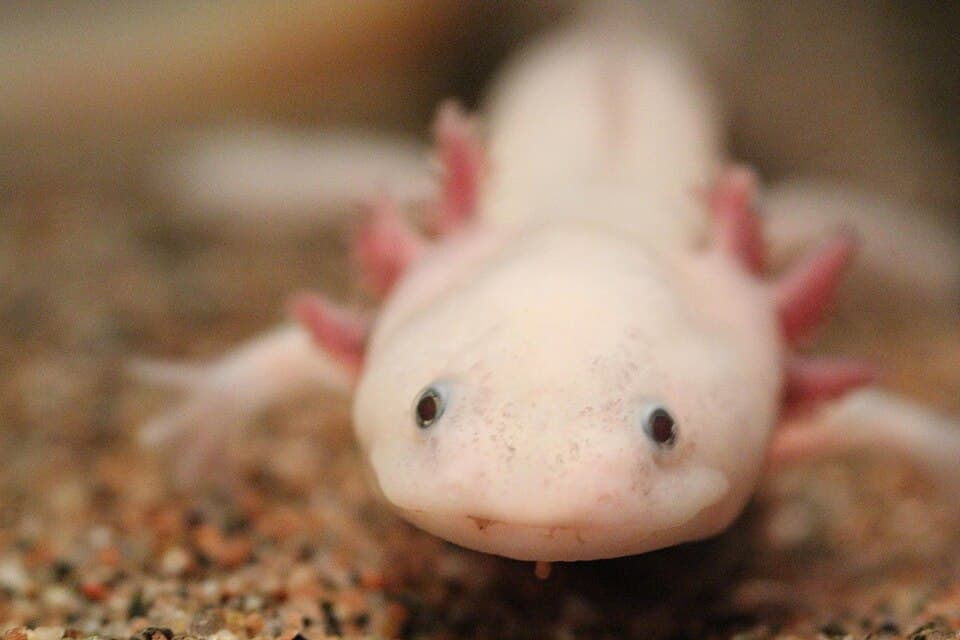
Axolotl
Ambystoma mexicanum
AmphibianThe axolotl is a remarkable salamander from a single lake system in Mexico that never fully undergoes metamorphosis, instead retaining its larval, gilled form and living its entire life underwater. This permanent juvenile state, called neoteny, along with its extraordinary ability to regrow lost limbs, organs, and even parts of its brain, has made it one of the most studied animals in modern regenerative biology research.
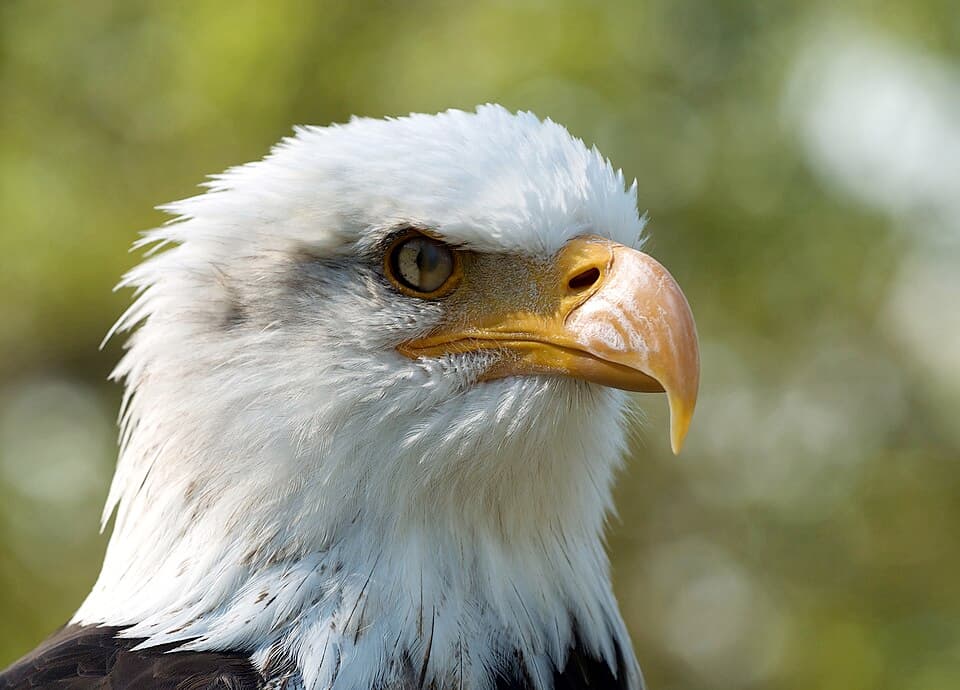
Bald Eagle
Haliaeetus leucocephalus
BirdThe bald eagle is a large bird of prey and the national bird of the United States, typically found near large bodies of open water with an abundant fish supply, from Alaska and Canada down through the contiguous United States. The species was once endangered in the U.S. due to hunting, habitat loss, and the pesticide DDT, which thinned its eggshells and caused widespread breeding failures; after DDT was banned and decades of conservation effort, bald eagle populations recovered enough for the species to be removed from the U.S. endangered species list in 2007.
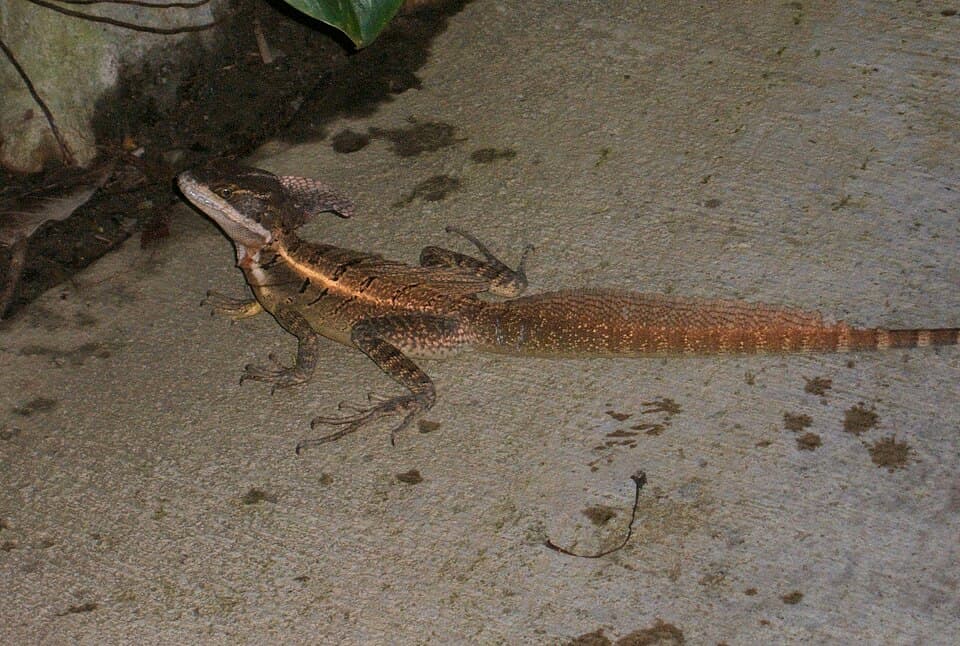
Basilisk Lizard
Basiliscus basiliscus
ReptileThe basilisk lizard, nicknamed the 'Jesus Christ lizard,' is famous for its remarkable ability to run upright across the surface of water for short distances without sinking. Native to the rainforests of Central and northern South America, it relies on this unusual skill primarily to escape predators.
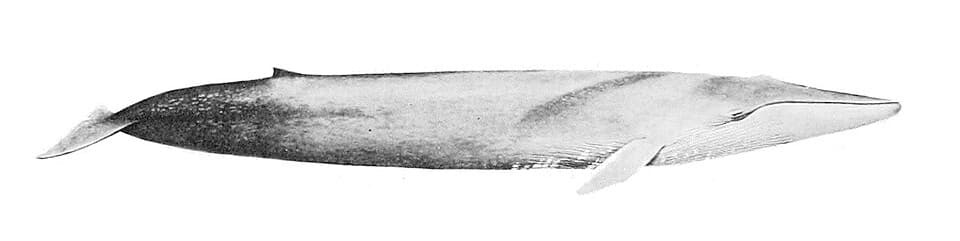
Blue Whale
Balaenoptera musculus
MammalThe blue whale is the largest animal known to have ever existed — larger than any dinosaur — filtering enormous quantities of tiny krill from the ocean through comb-like baleen plates as it roams nearly every ocean on Earth except the high Arctic. Populations were driven to the edge of extinction by 20th-century commercial whaling before international protections took hold; an estimated 10,000 to 25,000 remain today, a small fraction of pre-whaling numbers.
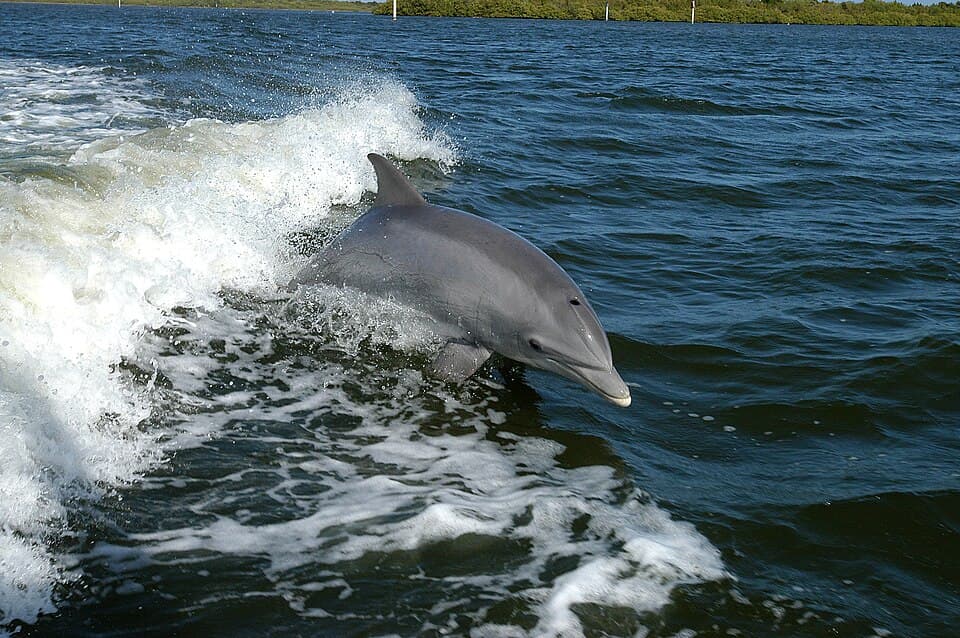
Bottlenose Dolphin
Tursiops truncatus
MammalThe bottlenose dolphin is one of the most widely-recognized and intelligent marine mammals, found in temperate and tropical oceans worldwide.
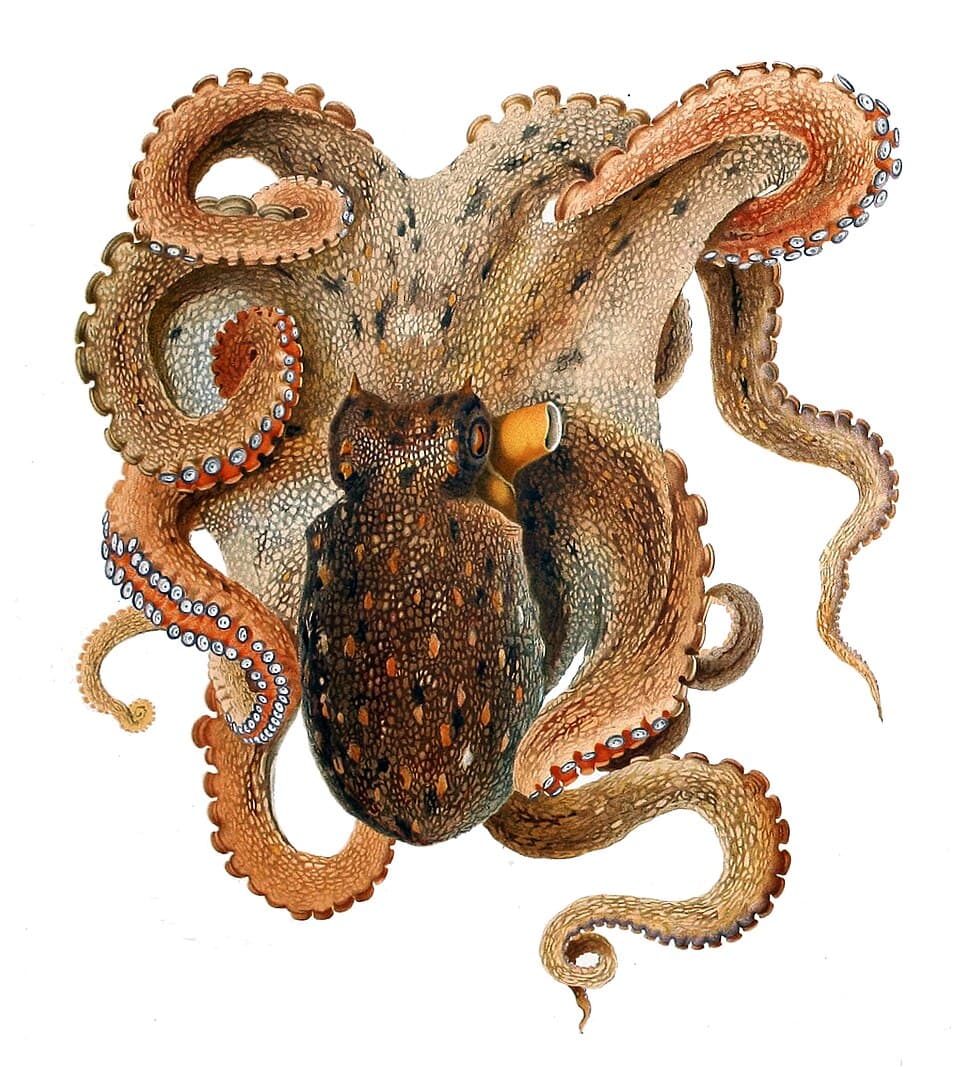
Common Octopus
Octopus vulgaris
Marine AnimalThe common octopus is a remarkably intelligent, boneless marine invertebrate found in coastal waters worldwide, renowned for its problem-solving abilities and rapid camouflage.

Common Vampire Bat
Desmodus rotundus
MammalThe common vampire bat is one of only three bat species that feeds exclusively on blood, mainly targeting livestock across Latin America under cover of darkness.
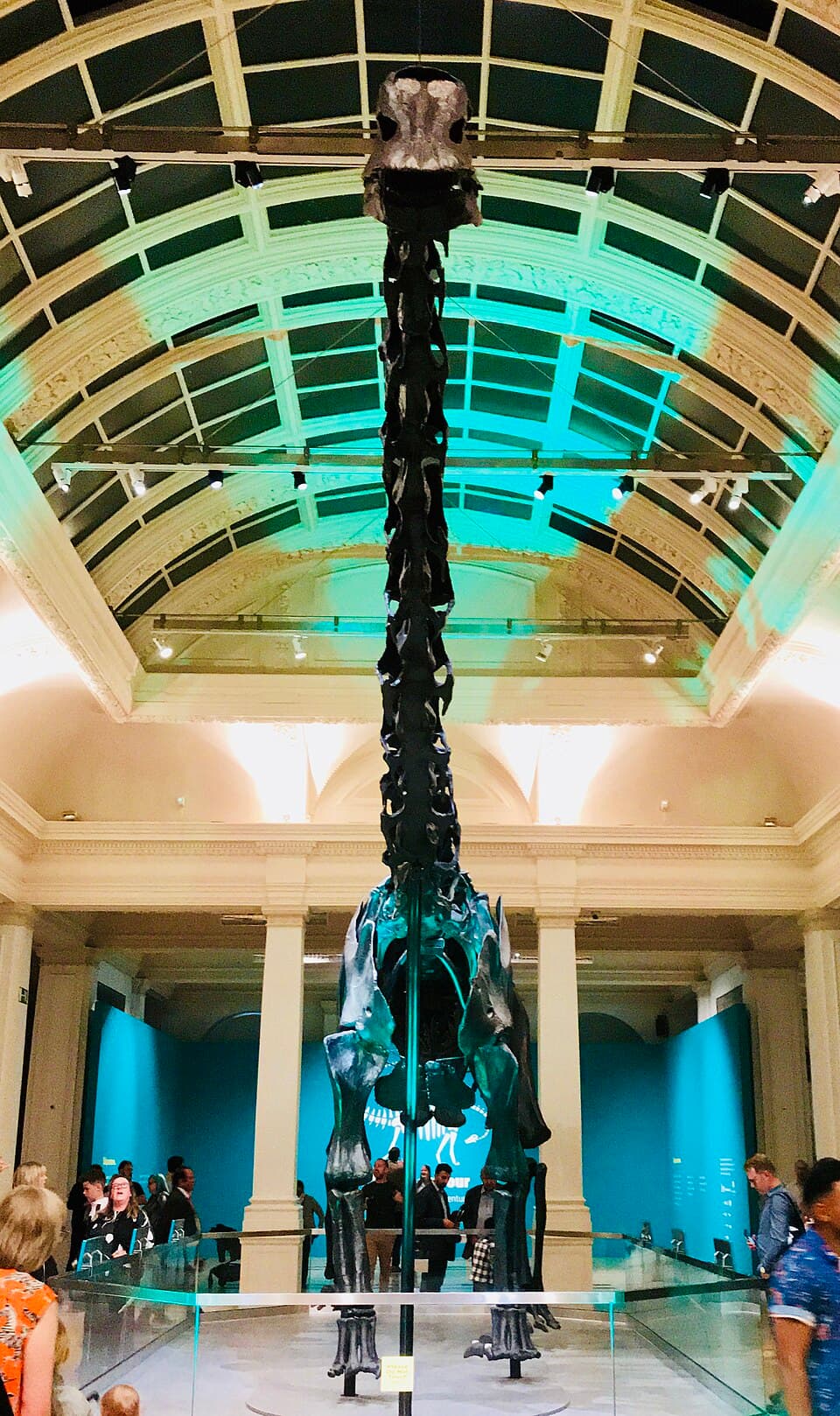
Diplodocus
Diplodocus carnegii
DinosaurDiplodocus was one of the longest dinosaurs to ever walk the Earth, an enormous long-necked, long-tailed herbivore that roamed what is now western North America during the Late Jurassic period. Despite its massive length, it was relatively lightly built for its size, with a skeleton adapted to minimize weight while still supporting its huge frame.
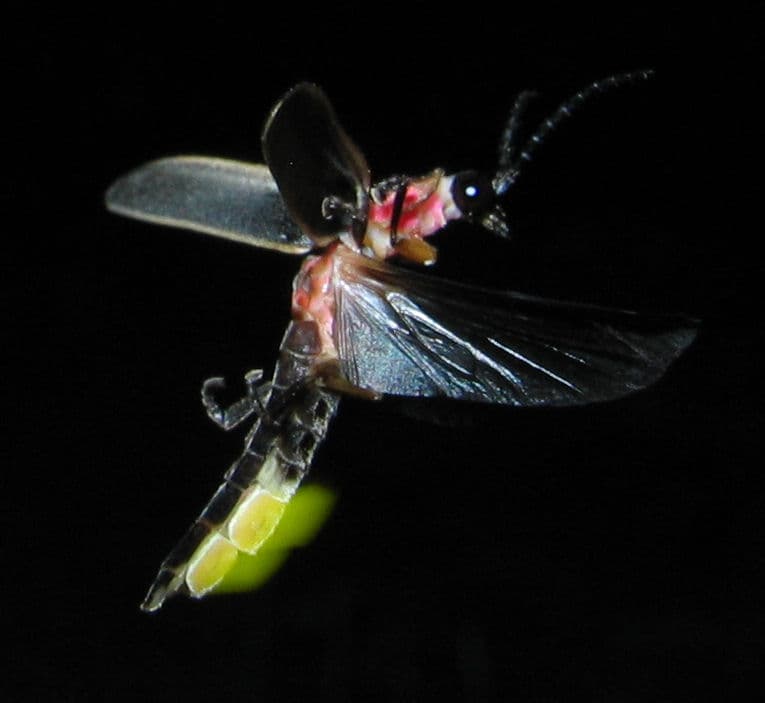
Firefly
Photinus pyralis
InsectThe firefly is a soft-bodied beetle famous for its ability to produce light through a chemical reaction in its abdomen, a phenomenon called bioluminescence used mainly to attract mates on warm summer evenings. Despite the name, it isn't a fly at all -- it's a beetle, most closely related to click beetles and other Coleoptera.
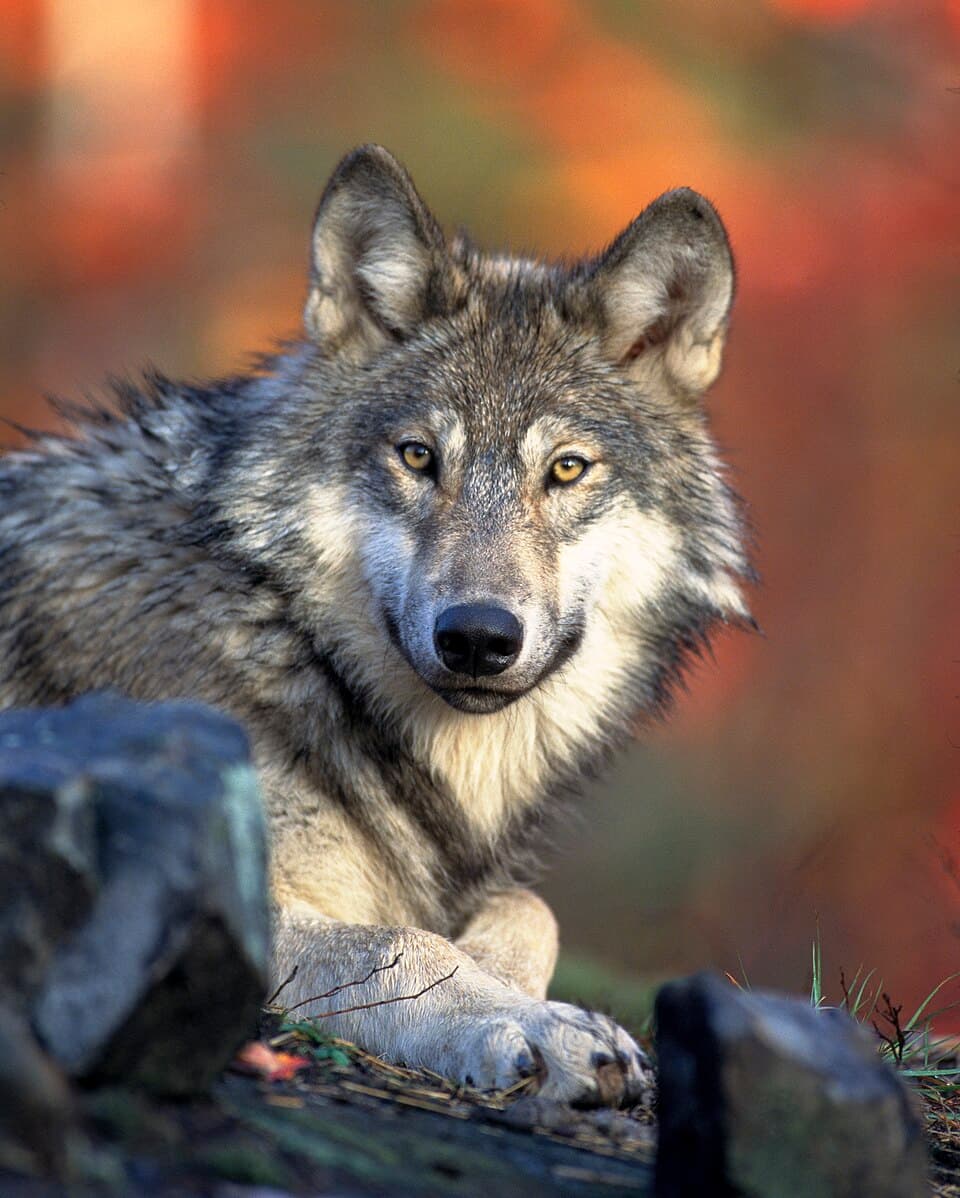
Gray Wolf
Canis lupus
MammalThe gray wolf is the largest wild member of the dog family, once ranging across nearly the entire Northern Hemisphere and living in tightly-coordinated family packs.
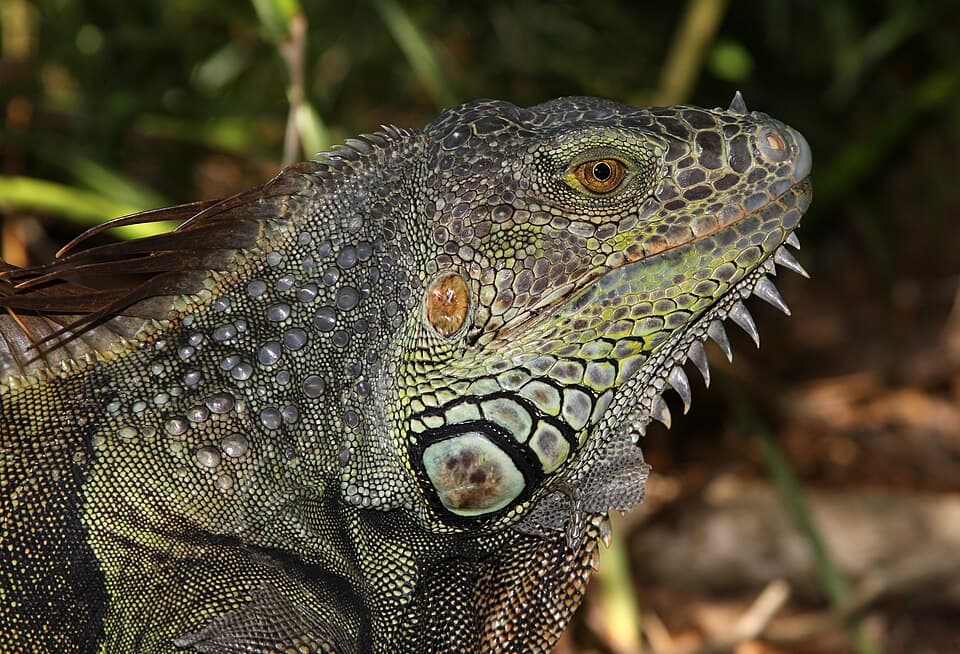
Green Iguana
Iguana iguana
ReptileThe green iguana is a large arboreal lizard native to Central and South America, often found basking on branches overhanging rivers and streams.
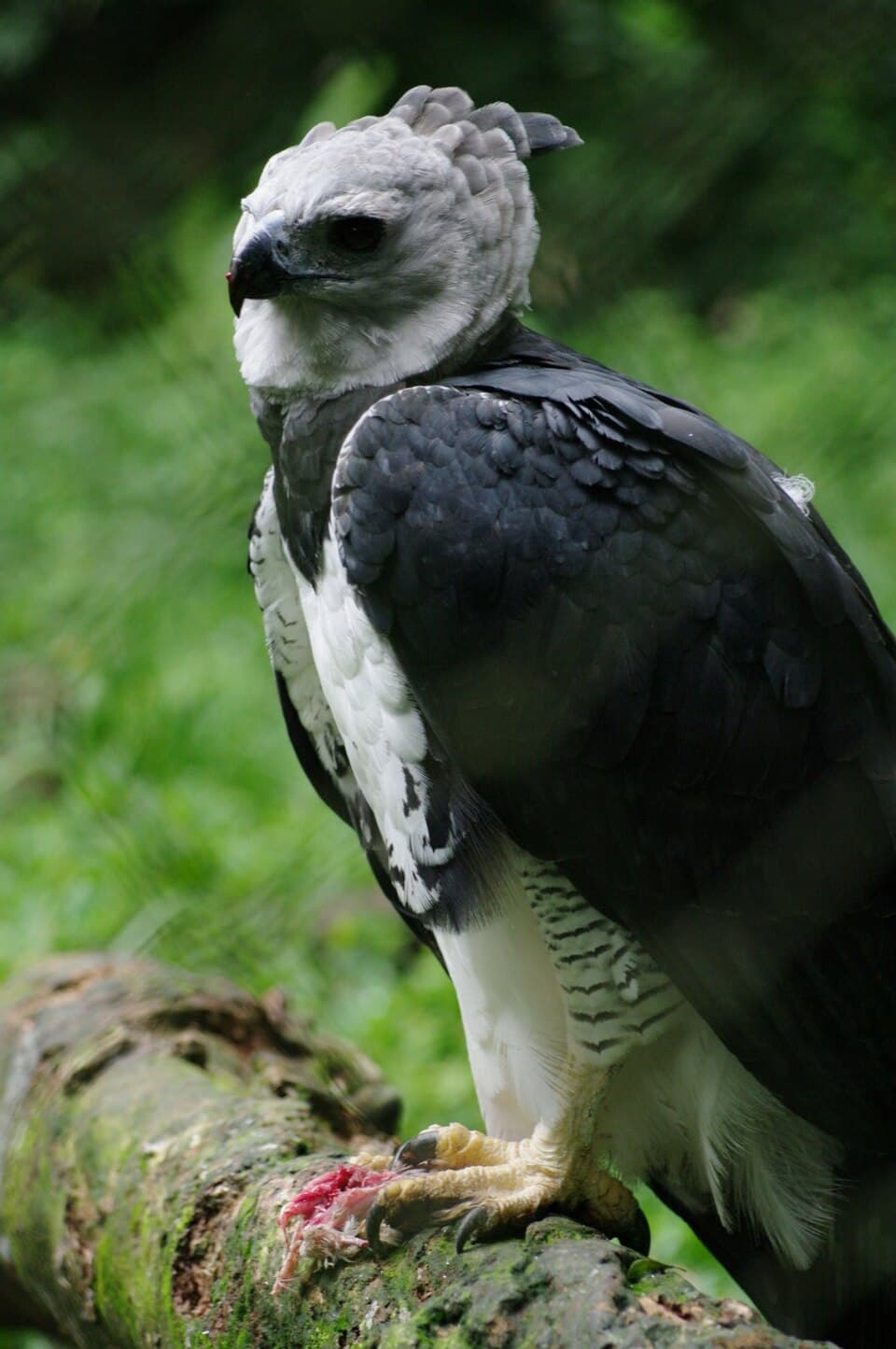
Harpy Eagle
Harpia harpyja
BirdThe harpy eagle is one of the largest and most powerful eagles in the world, a rainforest apex predator capable of snatching monkeys and sloths directly from the treetops. Its enormous talons can exert a grip strength far beyond a human hand's, making it one of the most formidable raptors on Earth.
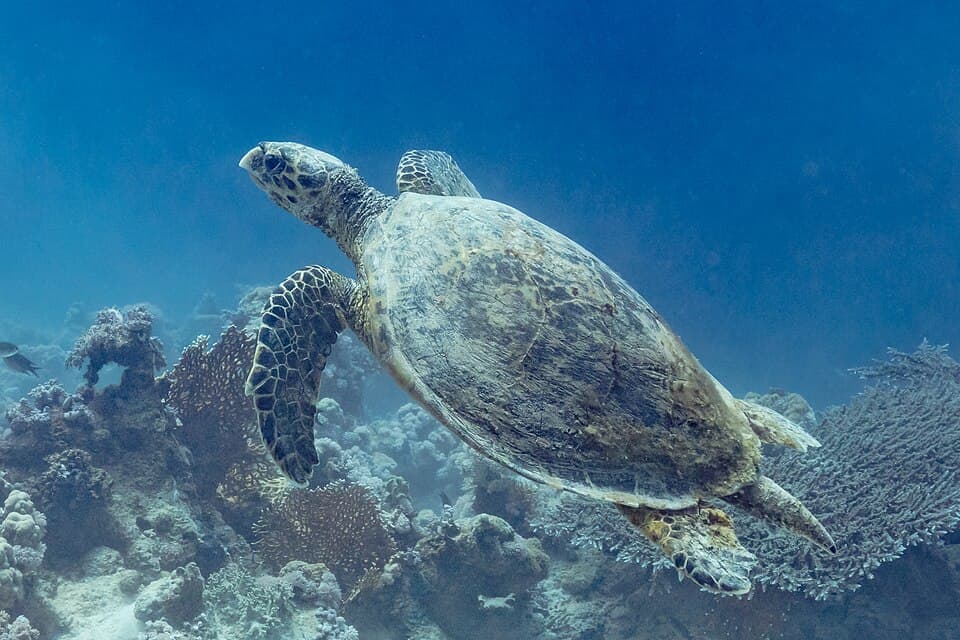
Hawksbill Sea Turtle
Eretmochelys imbricata
ReptileThe hawksbill sea turtle is a critically endangered marine reptile named for its narrow, pointed beak, which resembles a bird of prey's hooked bill. It plays a vital ecological role on coral reefs by feeding primarily on sponges, helping maintain the balance of reef ecosystems by preventing sponges from overgrowing and smothering coral.
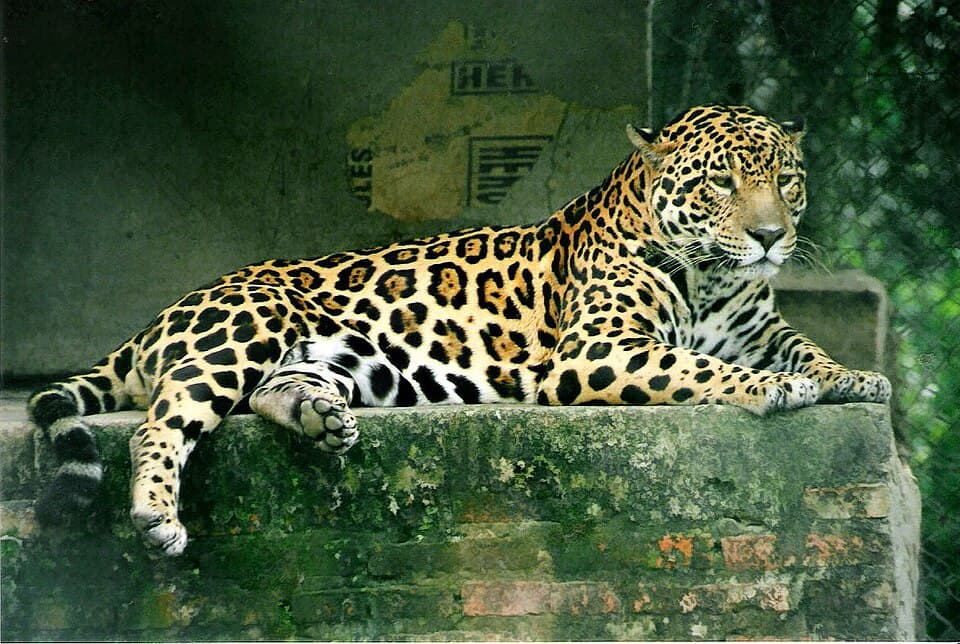
Jaguar
Panthera onca
MammalThe jaguar is the largest big cat in the Americas and the only living member of the genus Panthera found in the New World, prowling the rainforests of Central and South America.
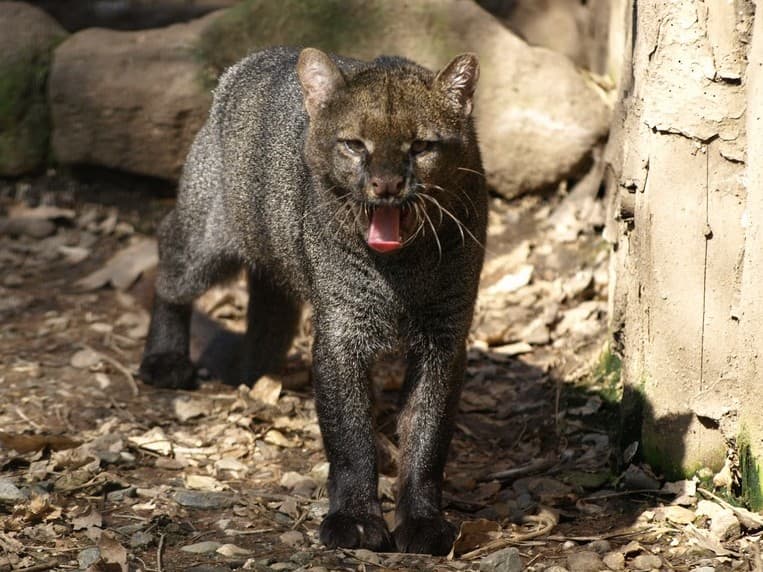
Jaguarundi
Herpailurus yagouaroundi
MammalThe jaguarundi is a small, elusive wildcat found from South America through Central America, notable for a long, slender, weasel-like body unlike the more compact build of most wild cats. Despite living alongside the much larger jaguar across parts of its range, the two are only distantly related within the cat family.
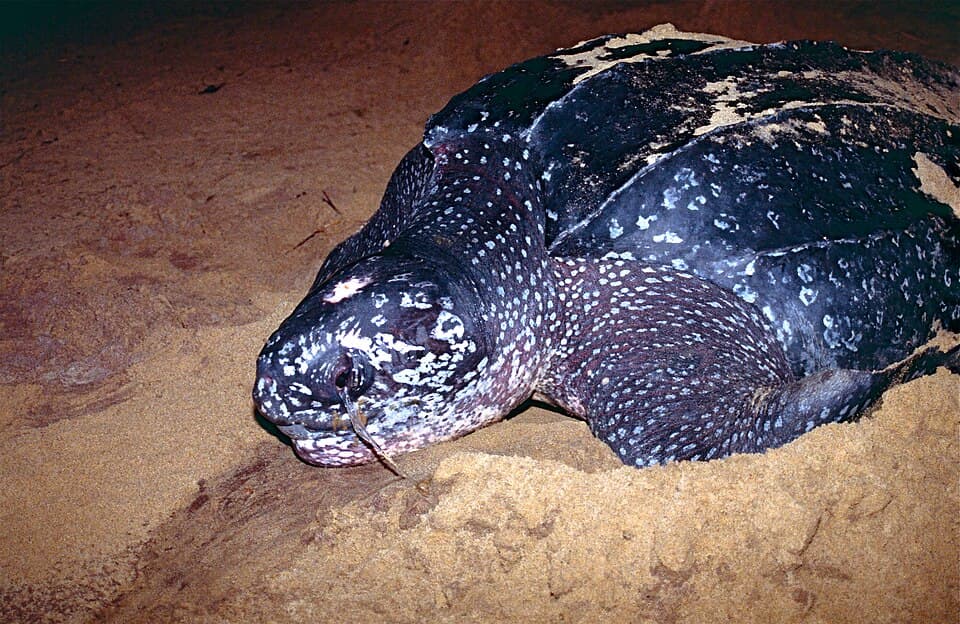
Leatherback Sea Turtle
Dermochelys coriacea
ReptileThe leatherback is the largest sea turtle species in the world and the only one without a hard bony shell, ranging farther into cold water than any other reptile.
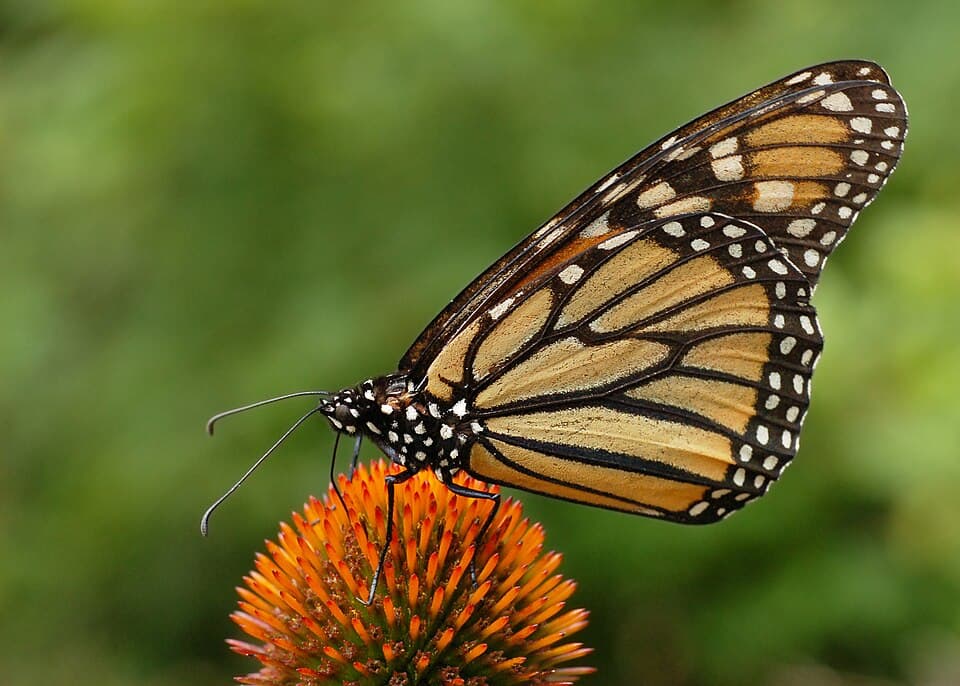
Monarch Butterfly
Danaus plexippus
InsectThe monarch butterfly is famous for an extraordinary multi-generational migration spanning thousands of kilometers between Canada, the United States, and central Mexico.
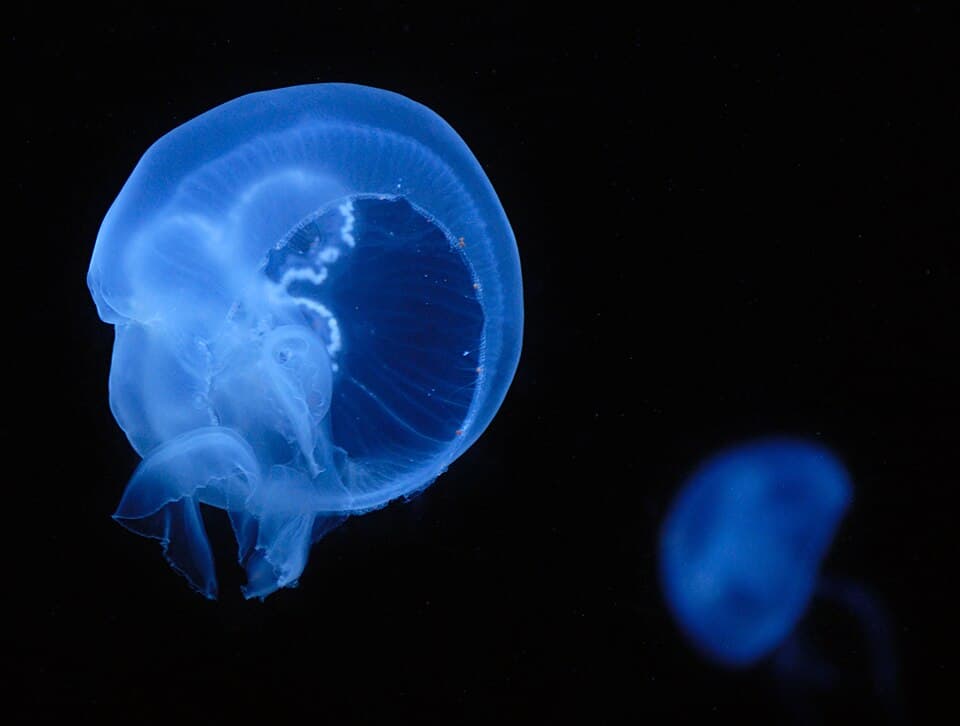
Moon Jellyfish
Aurelia aurita
Marine AnimalThe moon jellyfish is one of the most common and widely-distributed jellyfish species, drifting through coastal waters worldwide in large seasonal blooms.
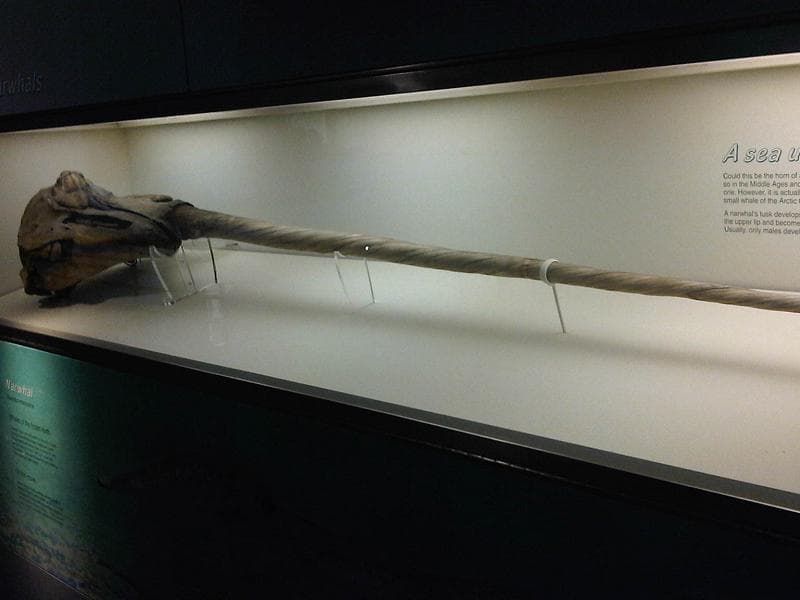
Narwhal
Monodon monoceros
MammalThe narwhal is an Arctic whale famous for the male's long spiraled tusk, which is actually an enormous protruding canine tooth, earning it the nickname 'unicorn of the sea'.
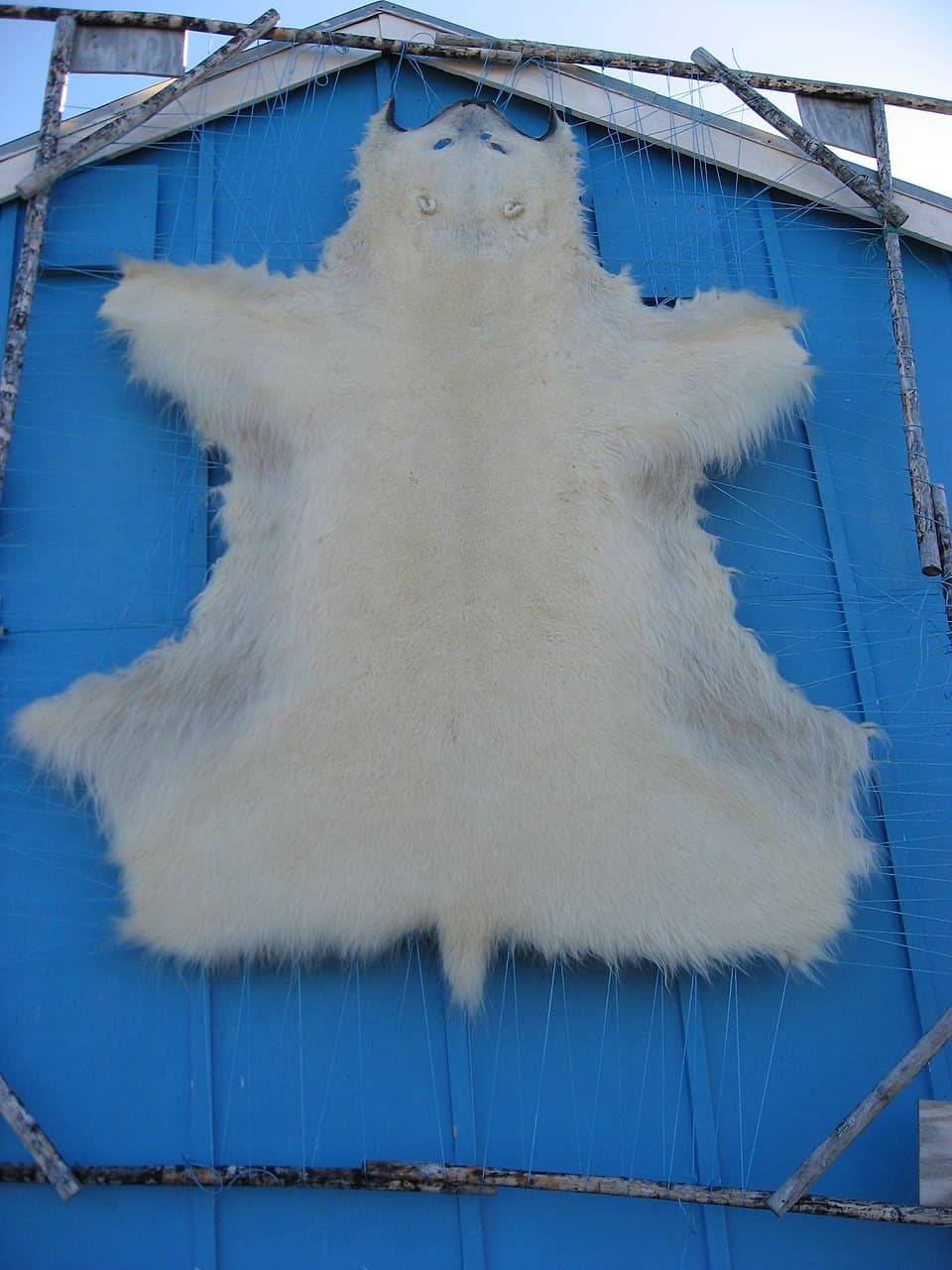
Polar Bear
Ursus maritimus
MammalThe polar bear is the largest land carnivore on Earth, superbly adapted to hunting seals across the sea ice of the Arctic Circle.
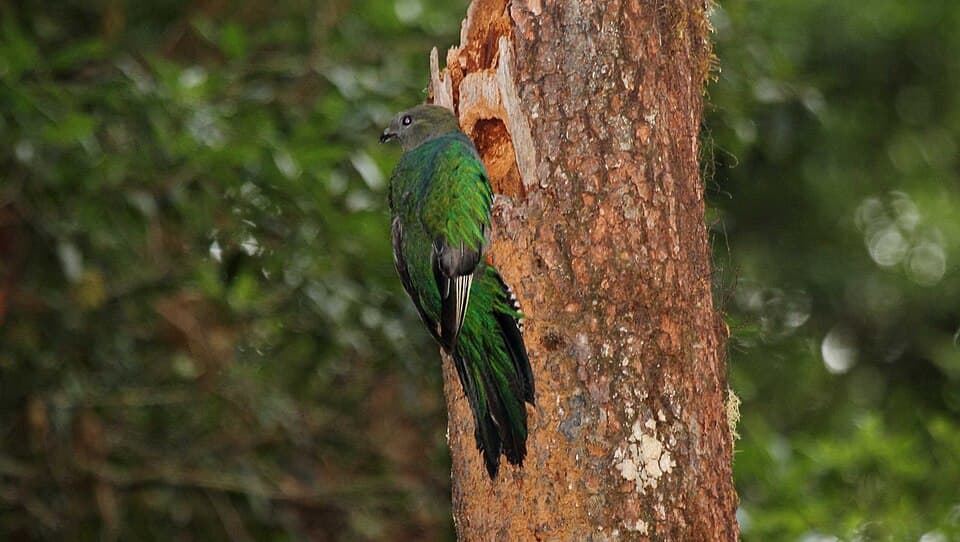
Quetzal
Pharomachrus mocinno
BirdKnown as the resplendent quetzal, this bird is widely considered one of the most beautiful in the world, revered by ancient Mesoamerican civilizations including the Maya and Aztec, who considered it sacred and associated it with the feathered serpent god Quetzalcoatl. Males grow spectacularly long, iridescent green tail streamers that can trail well beyond the length of their own body.
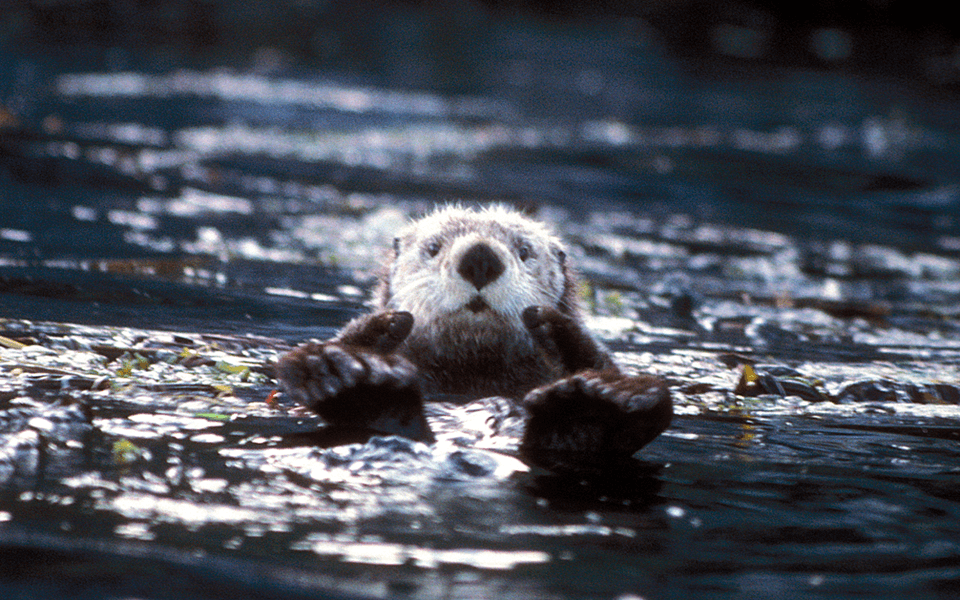
Sea Otter
Enhydra lutris
MammalThe sea otter is the heaviest member of the weasel family and one of the few mammals known to use tools, cracking open shellfish with rocks while floating on its back.
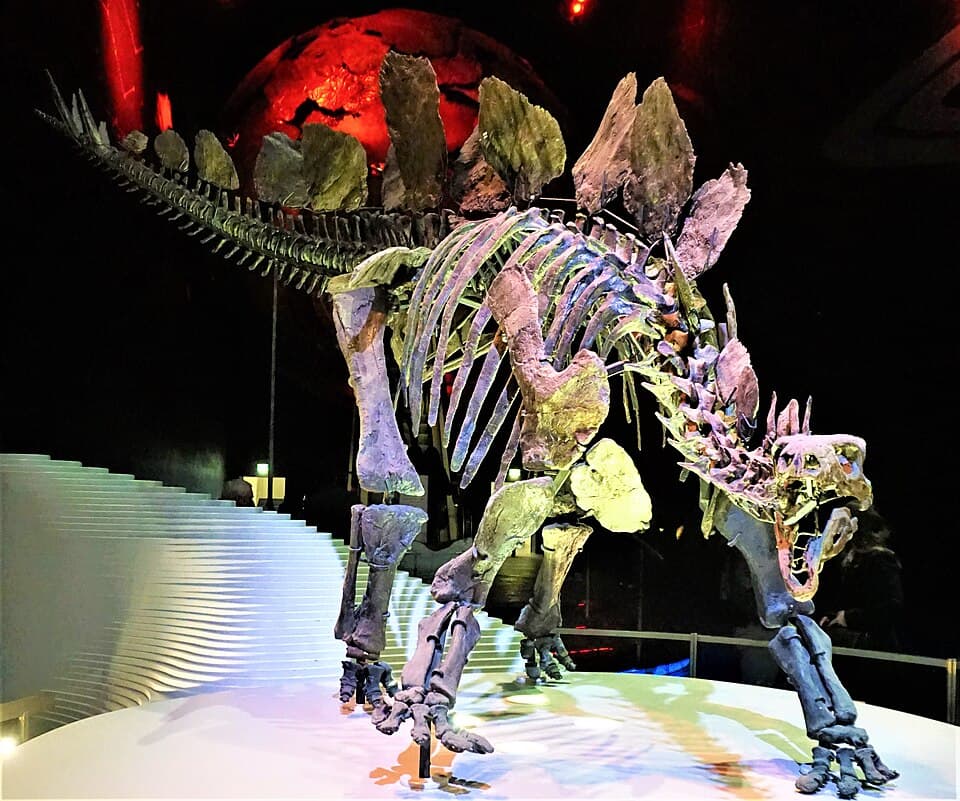
Stegosaurus
Stegosaurus stenops
DinosaurStegosaurus is one of the most recognizable dinosaurs ever discovered, instantly identifiable by the row of large, upright bony plates running along its back and the sharp spikes at the end of its tail. Despite its considerable size, it had a remarkably small, low-slung head with a brain roughly the size of a walnut relative to its huge body.
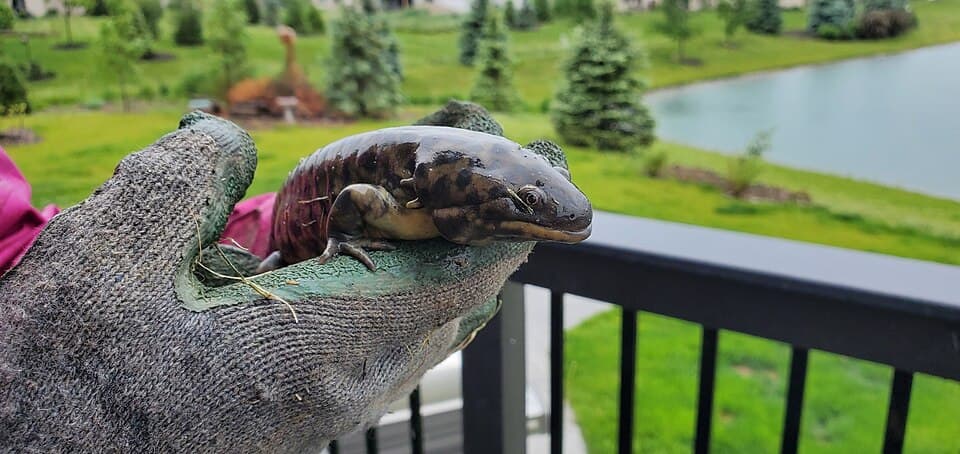
Tiger Salamander
Ambystoma tigrinum
AmphibianThe tiger salamander is one of the largest land-dwelling salamanders in North America, named for the yellow or olive blotches and stripes marking its dark body. Most of its life is spent hidden underground in burrows, either ones it digs itself or ones abandoned by other animals, only emerging at night or during its brief breeding season.
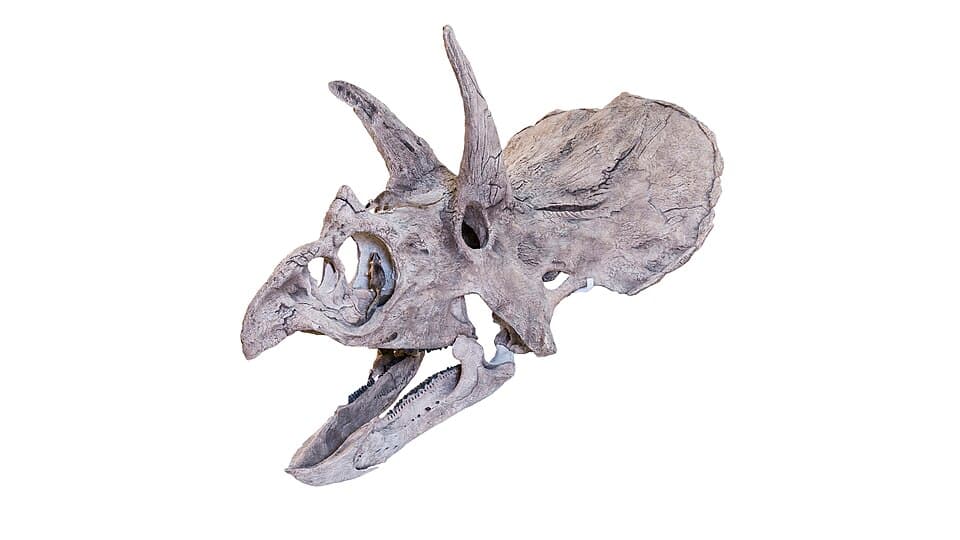
Triceratops
Triceratops horridus
DinosaurTriceratops was one of the last non-avian dinosaurs to exist before the mass extinction event 66 million years ago, instantly recognizable by the massive bony frill extending from the back of its skull and the three prominent horns on its face. It lived across what is now western North America, sharing its environment with predators like Tyrannosaurus rex.
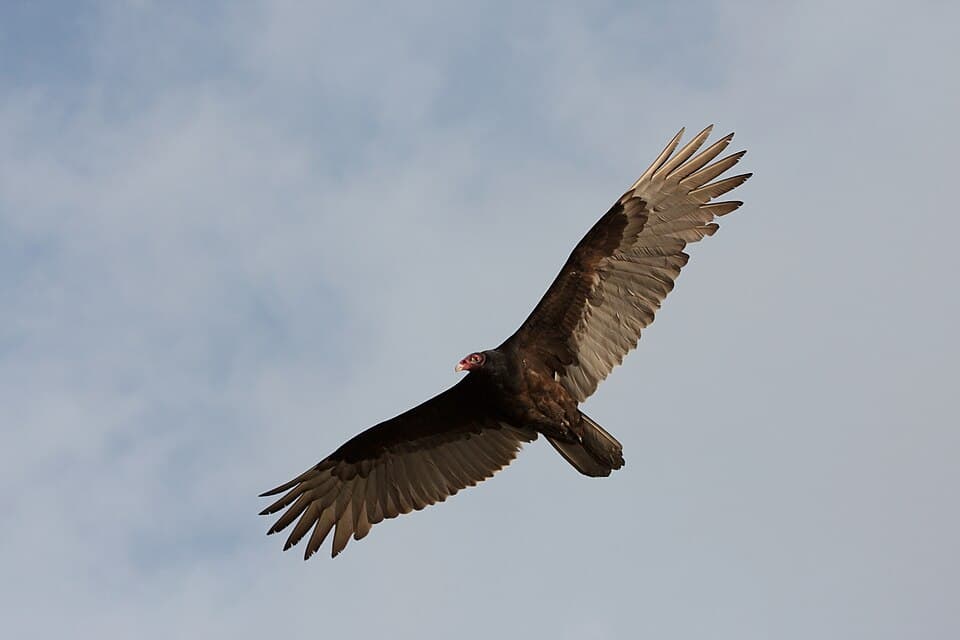
Turkey Vulture
Cathartes aura
BirdThe turkey vulture is a widespread scavenger found across the Americas, playing a critical ecological role by cleaning up carrion using one of the keenest senses of smell in the bird world.
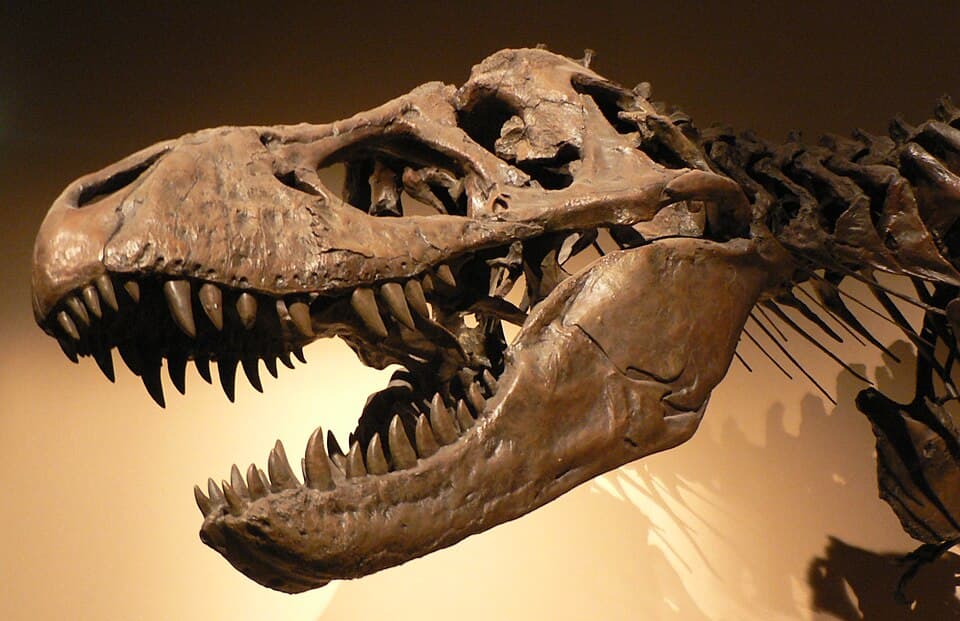
Tyrannosaurus Rex
Tyrannosaurus rex
DinosaurTyrannosaurus rex was one of the largest land predators to ever exist, dominating the ecosystems of western North America at the very end of the Cretaceous period roughly 66-68 million years ago.
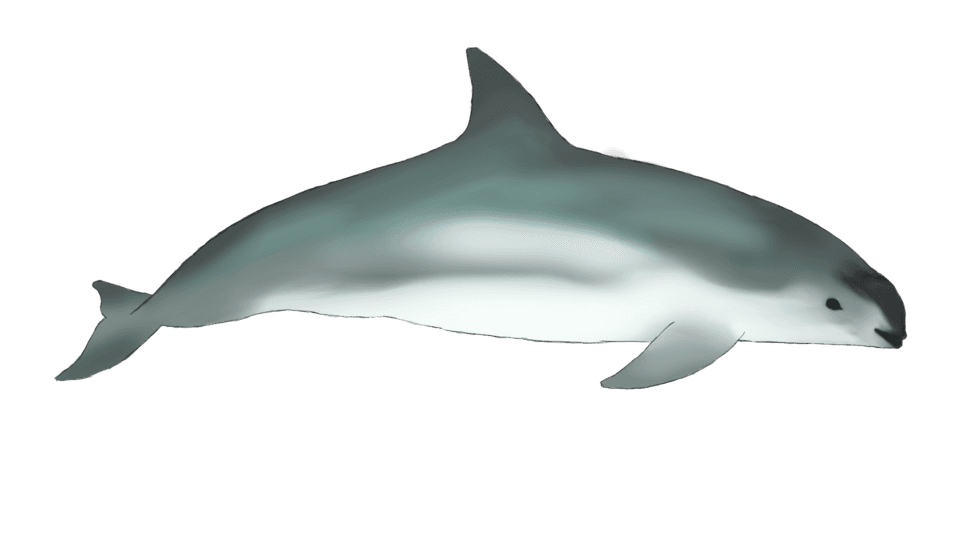
Vaquita
Phocoena sinus
MammalThe vaquita is the world's smallest and most endangered cetacean, found only in a small area of the northern Gulf of California in Mexico. Fewer than a handful of confirmed individuals are believed to remain in the wild, making it one of the most critically threatened marine mammals on Earth.
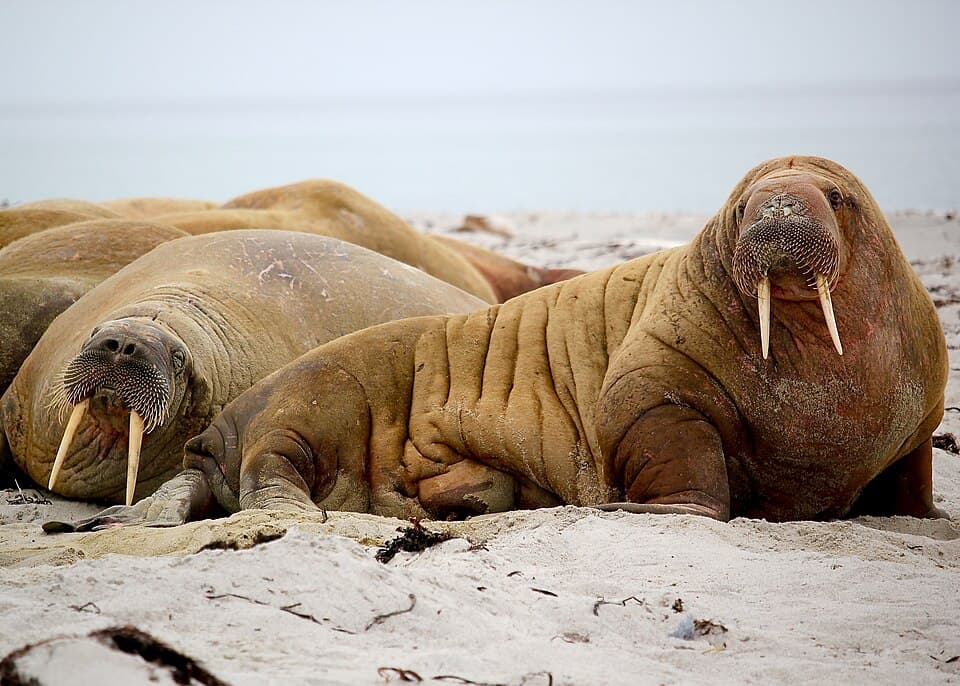
Walrus
Odobenus rosmarus
MammalThe walrus is a massive Arctic marine mammal easily identified by its long ivory tusks, thick blubber layer, and distinctive whiskered snout.
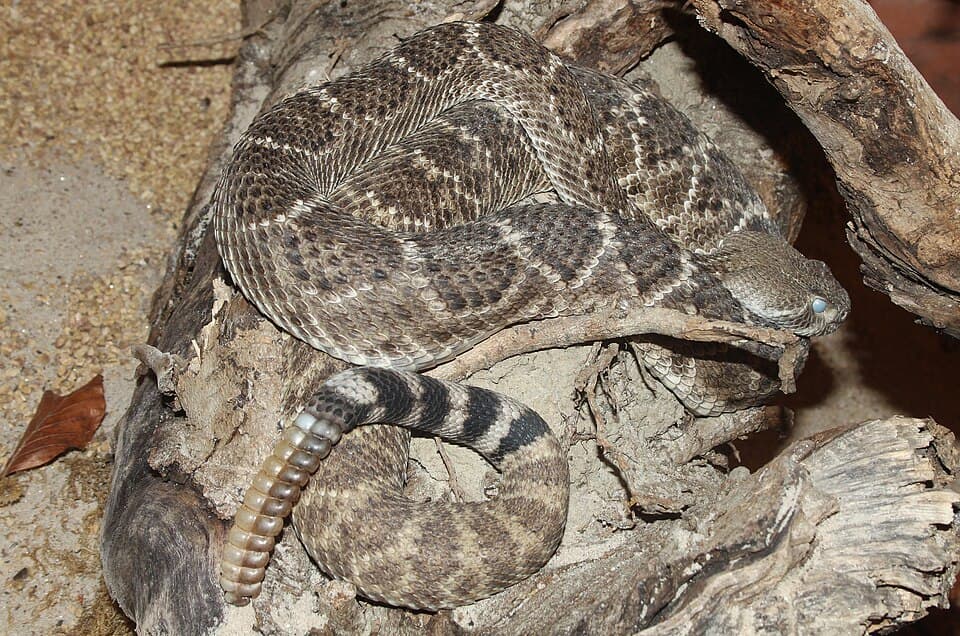
Western Diamondback Rattlesnake
Crotalus atrox
ReptileThe western diamondback rattlesnake is one of the most dangerous and widely-distributed venomous snakes in North America, easily identified by the diamond pattern along its back.
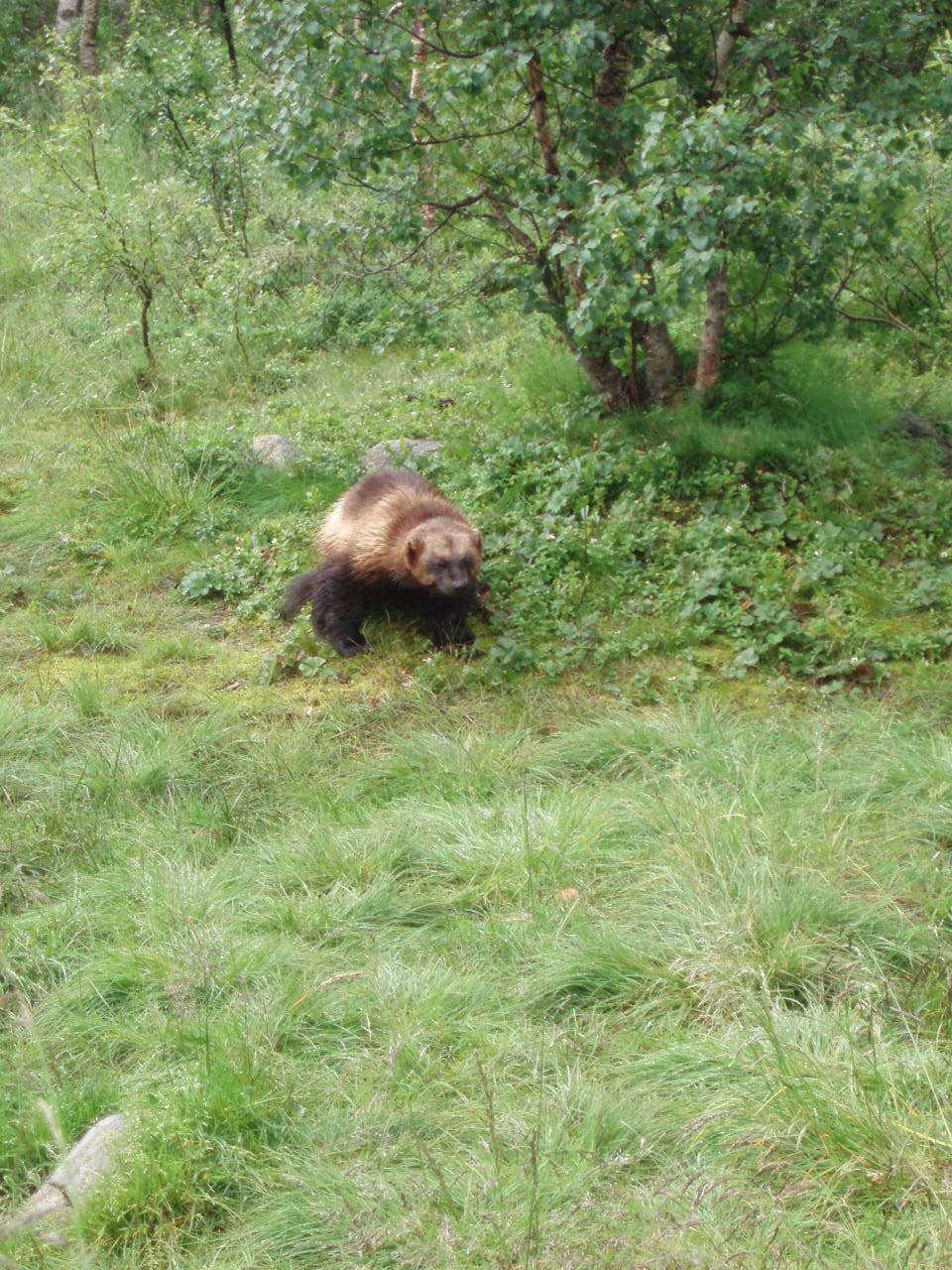
Wolverine
Gulo gulo
MammalThe wolverine is the largest land-dwelling member of the weasel family, a solitary and famously tenacious predator and scavenger of far northern forests and tundra. Despite its bear-like appearance, it is much smaller than its reputation suggests, roughly the size of a medium dog, but is capable of driving much larger animals like wolves away from a carcass.
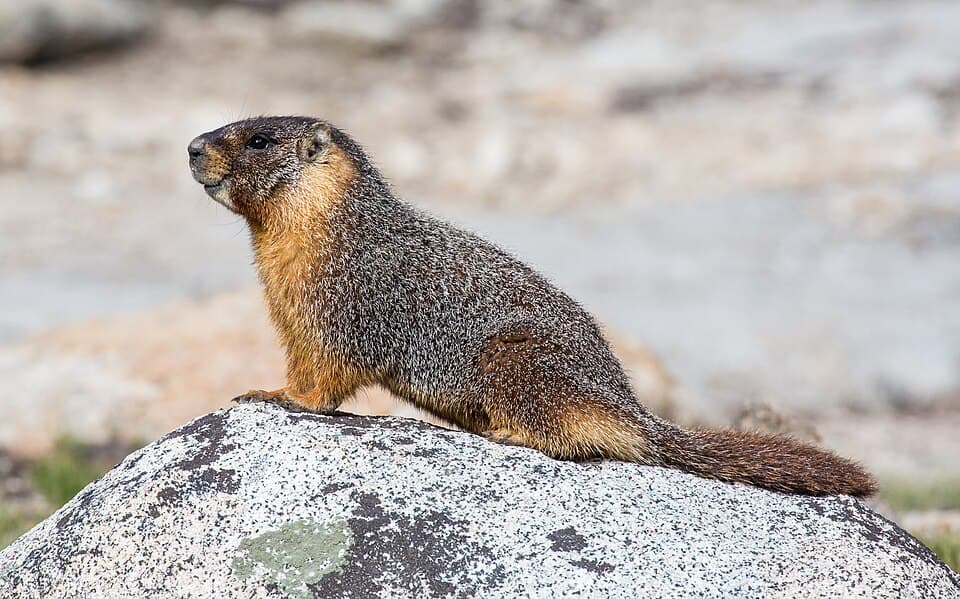
Yellow-bellied Marmot
Marmota flaviventris
MammalThe yellow-bellied marmot is a large ground squirrel found in the mountains of western North America, spending nearly eight months of the year in deep hibernation.
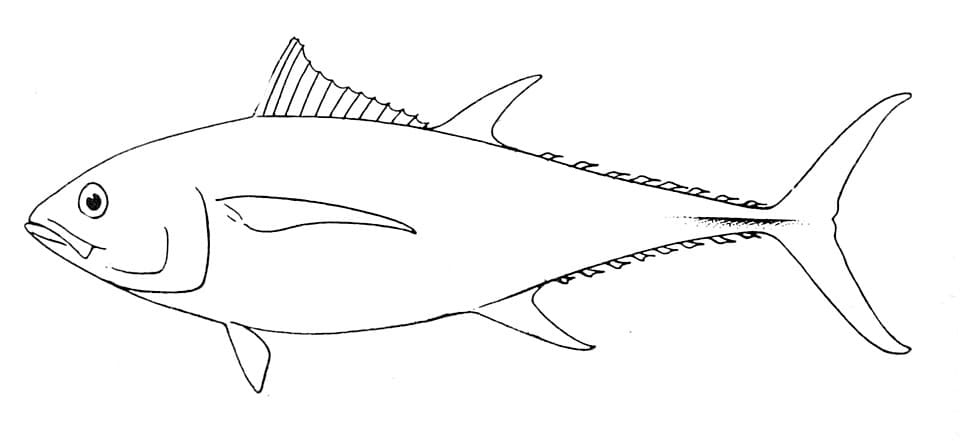
Yellowfin Tuna
Thunnus albacares
FishThe yellowfin tuna is a large, fast-swimming fish found in tropical and subtropical waters across the world's oceans, prized both as one of the ocean's most powerful predators and as one of the most commercially important fish species for human consumption. Its name comes from the bright yellow coloring of its dorsal and anal fins, which become especially long and dramatic in mature adults.
North American Animals FAQs
How many north american animals are listed here?
This page currently features 34 species, and more are added regularly as the dataset grows.
What is the most popular animal in this list?
Tyrannosaurus Rex is currently the most popular animal in North American Animals.
Are any of these animals endangered?
Yes — 9 of the 34 species listed are classified as vulnerable, endangered, or critically endangered.
Explore Other Continents
African Animals
Home to the largest land animals on Earth and the greatest diversity of large mammals, from the Sahara to the savanna.
Asian Animals
The largest and most ecologically varied continent, spanning tropical rainforest, high plateau, and frozen tundra.
European Animals
From Mediterranean coastlines to Nordic forests, Europe supports a mix of temperate wildlife shaped by a long history alongside humans.
South American Animals
Home to the Amazon rainforest and the Andes, South America holds some of the richest biodiversity on the planet.
Australian Animals
Isolated for millions of years, Australia evolved a unique array of marsupials and egg-laying mammals found nowhere else.
Antarctic Animals
The coldest, driest continent supports a surprising amount of life, concentrated along its coasts and the surrounding Southern Ocean.