South American Animals
South America is home to more bird species than any other continent, and its wildlife reflects an unusually long stretch of geological isolation: after breaking away from the ancient supercontinent of Gondwana, the continent drifted alone for tens of millions of years, allowing entirely distinctive mammal groups to evolve largely undisturbed. That isolation ended abruptly around three million years ago when the Isthmus of Panama rose from the sea, connecting South America to North America and triggering a wave of species migration in both directions known as the Great American Biotic Interchange — an event that reshaped the continent's wildlife more dramatically than almost any other in its history. Today, South America's animal life spans far more than the Amazon rainforest alone, from the high, thin air of the Andes mountains to the vast seasonal floodplains of the Pantanal and the arid grasslands of the Pampas.
Xenarthrans: South America's Own Mammal Lineage
Sloths, anteaters, and armadillos belong to a group of mammals called xenarthrans, found almost nowhere else on Earth and believed to have evolved in South America during its long period of isolation from other continents. Unlike most other mammal groups, xenarthrans are defined by extra joints in their lower spine that give them unusual flexibility and strength for digging or hanging, adaptations that support very different lifestyles across the group — from the armadillo's burrowing and rolling defense to the sloth's slow, upside-down life in the canopy. Their long isolation left them with few natural competitors until relatively recently, which is part of why South America still hosts such an unusually large and varied set of xenarthran species today.
The Great American Biotic Interchange
For most of its history as an isolated continent, South America developed its wildlife independently of North America, producing distinctive groups like New World monkeys, unique lineages of large flightless birds, and its own set of predators, including several groups of marsupial carnivores that no longer exist today. When the Isthmus of Panama formed and connected the two continents, animals began crossing in both directions, and many South American species faced new competition and predation pressure they hadn't evolved alongside. A number of South America's native predator lineages went extinct in the aftermath, while others, like opossums and armadillos, successfully expanded northward into Central and North America, a migration pattern still visible in where these animals live today.
From the Andes to the Pantanal: A Continent of Extreme Habitats
South America's wildlife is shaped by some of the most extreme habitat contrasts of any continent. The Andes, the world's longest continental mountain range, support high-altitude specialists adapted to thin air and cold, exposed terrain. At the opposite extreme, the Pantanal, the world's largest tropical wetland, floods and recedes seasonally across a vast plain in Brazil, Bolivia, and Paraguay, concentrating an extraordinary density of wildlife, including one of the largest surviving jaguar populations, into its shrinking dry-season waterways. Between these extremes lie the temperate grasslands of the Pampas and the dry shrublands of Patagonia, each supporting its own distinct community of species adapted to conditions found nowhere else on the continent.
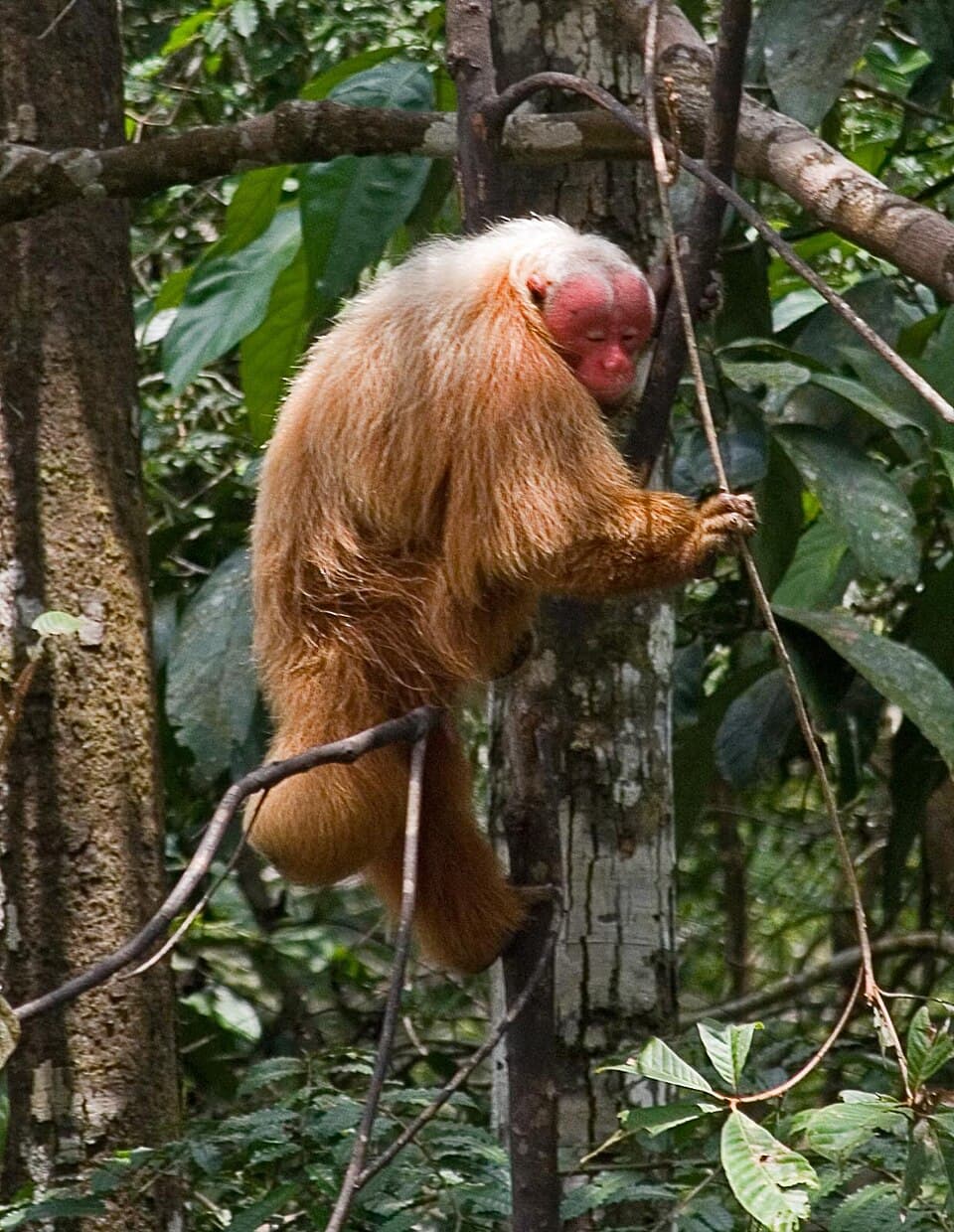
Bald Uakari
Cacajao calvus
MammalThe bald uakari is a small Amazonian monkey best known for its strikingly bare, bright red face, found in seasonally-flooded forests along the Amazon and its tributaries.
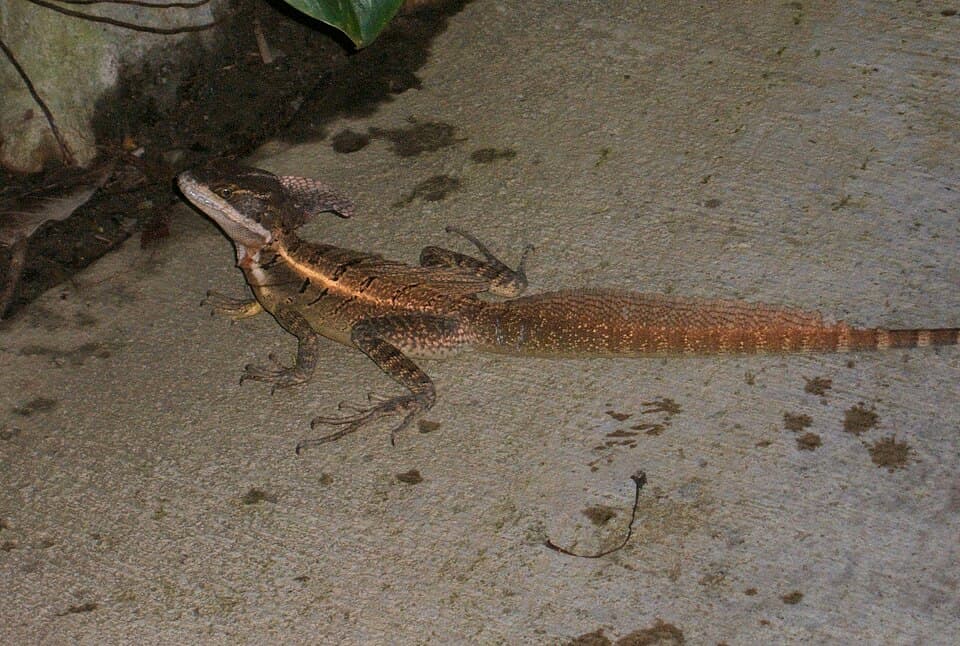
Basilisk Lizard
Basiliscus basiliscus
ReptileThe basilisk lizard, nicknamed the 'Jesus Christ lizard,' is famous for its remarkable ability to run upright across the surface of water for short distances without sinking. Native to the rainforests of Central and northern South America, it relies on this unusual skill primarily to escape predators.

Common Vampire Bat
Desmodus rotundus
MammalThe common vampire bat is one of only three bat species that feeds exclusively on blood, mainly targeting livestock across Latin America under cover of darkness.
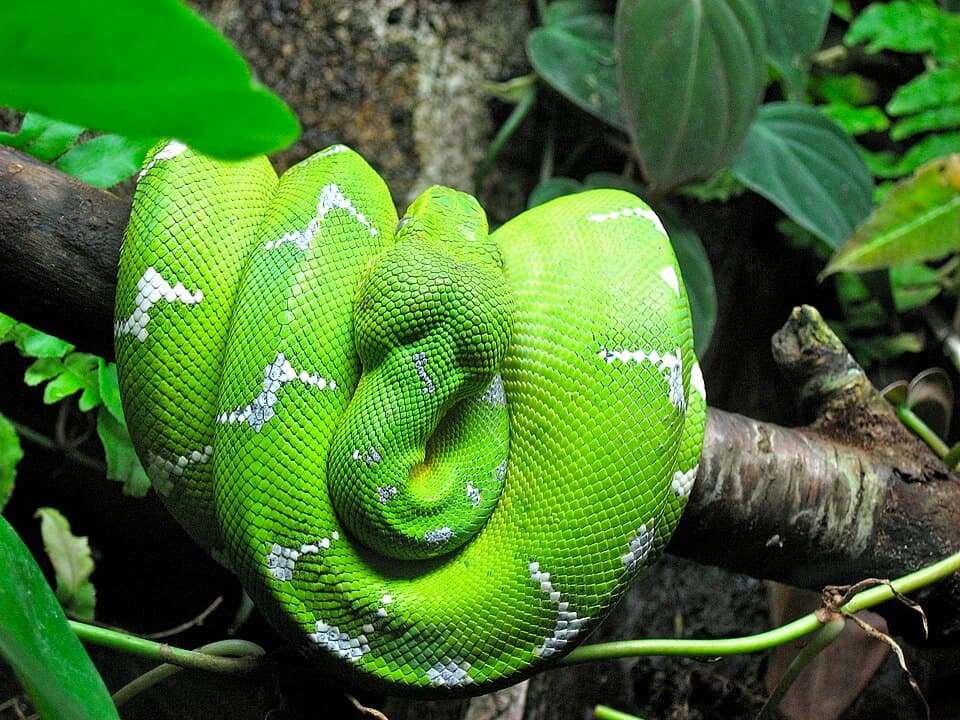
Emerald Tree Boa
Corallus caninus
ReptileThe emerald tree boa is a non-venomous constrictor found in the rainforest canopy of the Amazon and Orinoco basins, spending nearly its entire life coiled in trees and rarely descending to the ground. It's a striking example of convergent evolution: the unrelated green tree python of New Guinea and Australia — a completely different snake family from a different part of the world — has evolved an almost identical bright green color, white markings, and coiling posture to fill a very similar ecological niche.
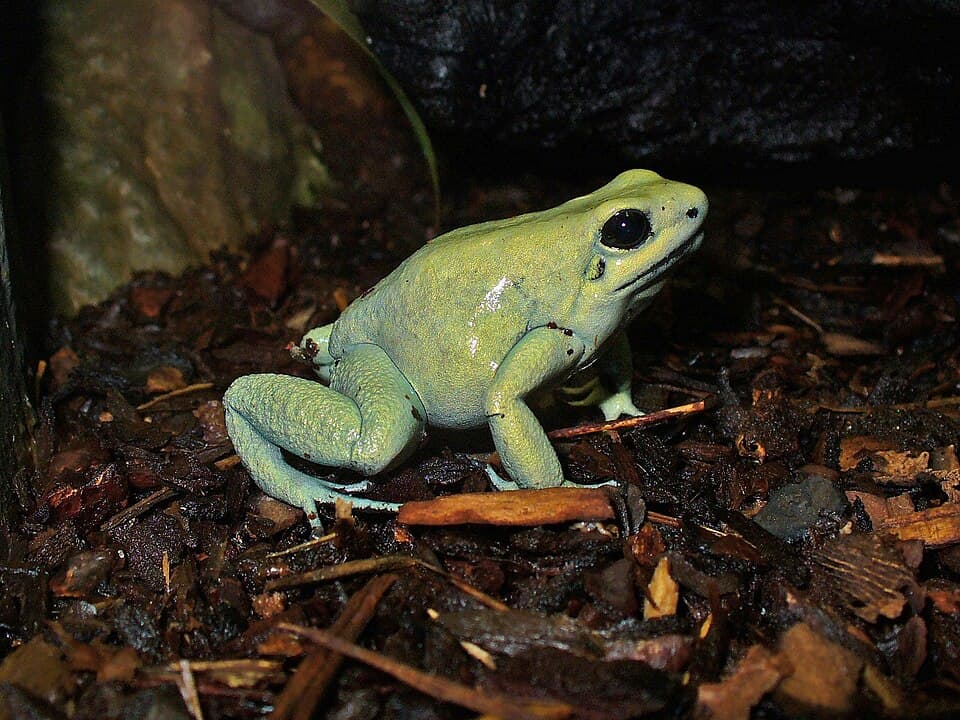
Golden Poison Frog
Phyllobates terribilis
AmphibianThe golden poison frog is widely regarded as the most toxic animal on Earth by weight, native to a small stretch of Colombian rainforest.
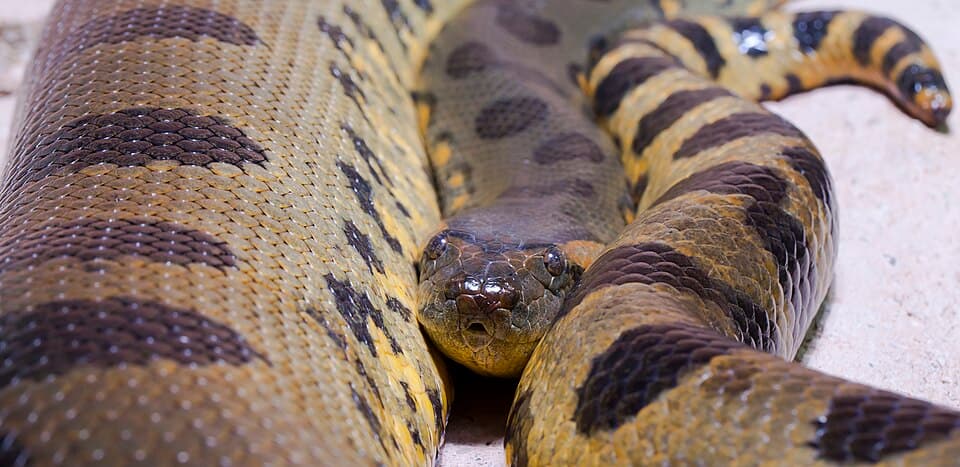
Green Anaconda
Eunectes murinus
ReptileThe green anaconda is the heaviest snake species in the world, a massive non-venomous constrictor found in the swamps, rivers, and flooded grasslands of South America. Unlike many large snakes, it spends much of its time submerged in water, where its bulk is supported and it can ambush prey coming to drink.
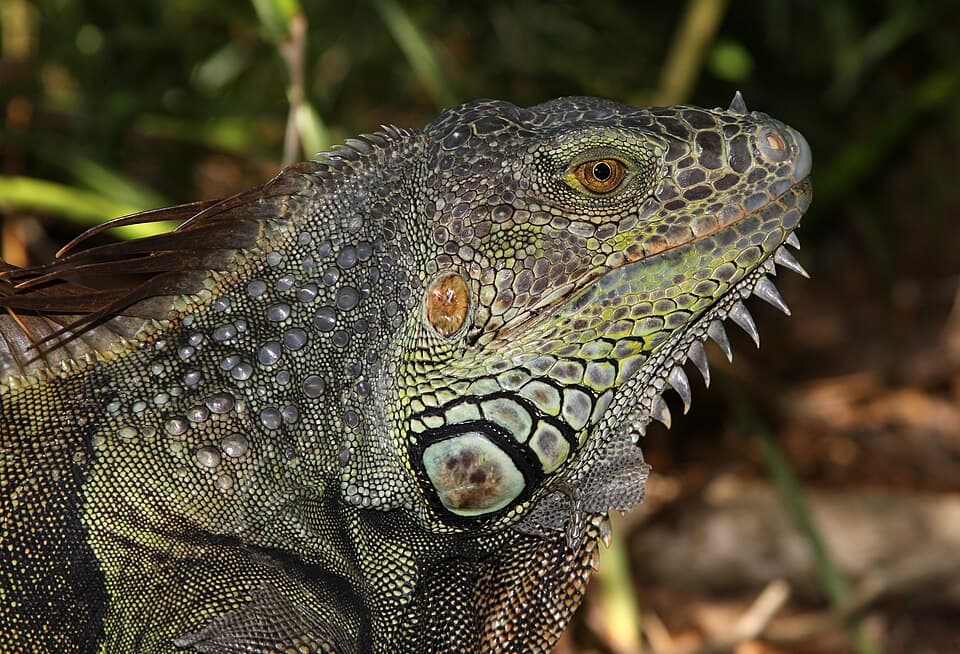
Green Iguana
Iguana iguana
ReptileThe green iguana is a large arboreal lizard native to Central and South America, often found basking on branches overhanging rivers and streams.
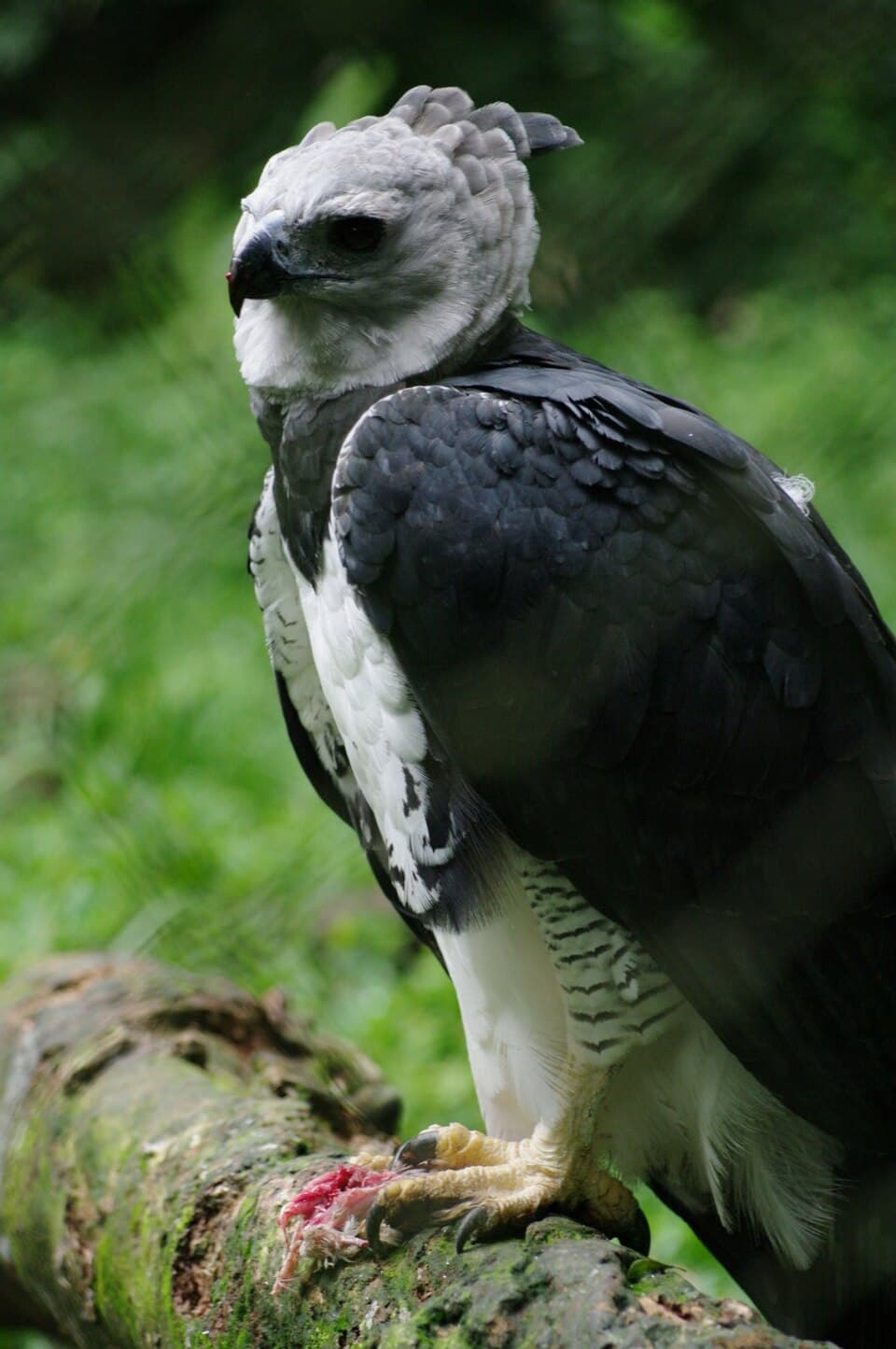
Harpy Eagle
Harpia harpyja
BirdThe harpy eagle is one of the largest and most powerful eagles in the world, a rainforest apex predator capable of snatching monkeys and sloths directly from the treetops. Its enormous talons can exert a grip strength far beyond a human hand's, making it one of the most formidable raptors on Earth.
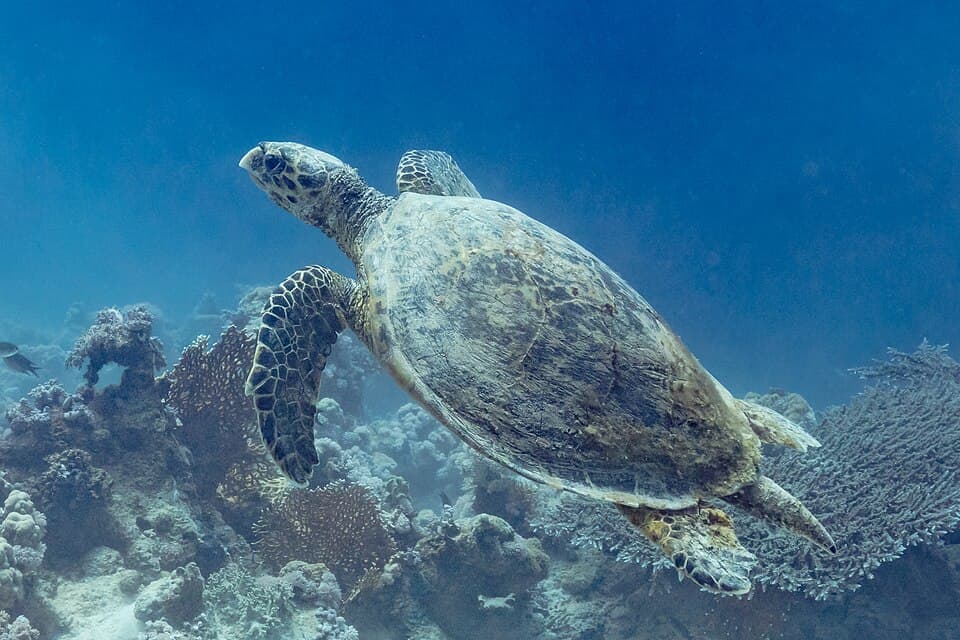
Hawksbill Sea Turtle
Eretmochelys imbricata
ReptileThe hawksbill sea turtle is a critically endangered marine reptile named for its narrow, pointed beak, which resembles a bird of prey's hooked bill. It plays a vital ecological role on coral reefs by feeding primarily on sponges, helping maintain the balance of reef ecosystems by preventing sponges from overgrowing and smothering coral.
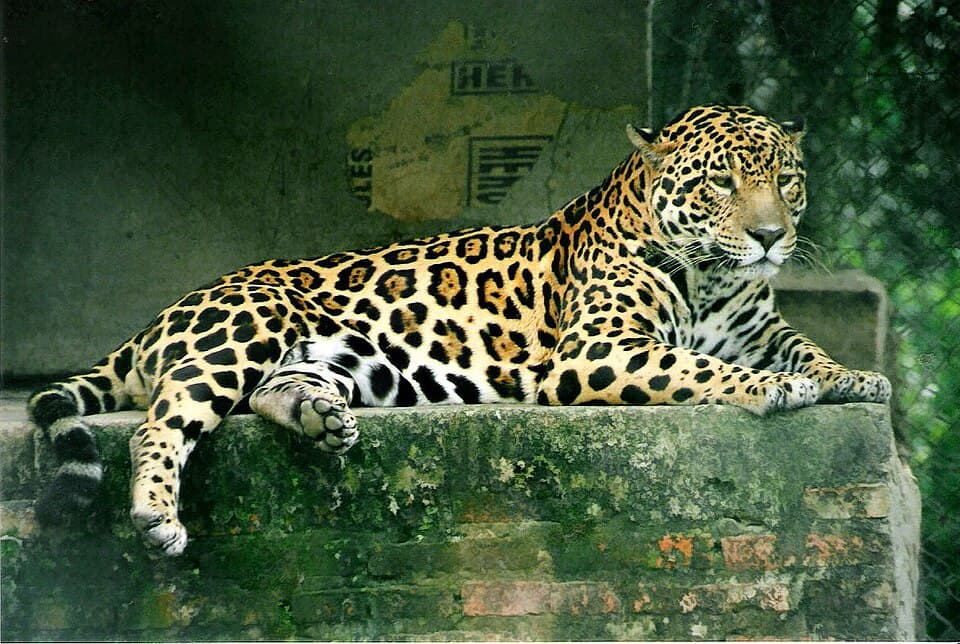
Jaguar
Panthera onca
MammalThe jaguar is the largest big cat in the Americas and the only living member of the genus Panthera found in the New World, prowling the rainforests of Central and South America.
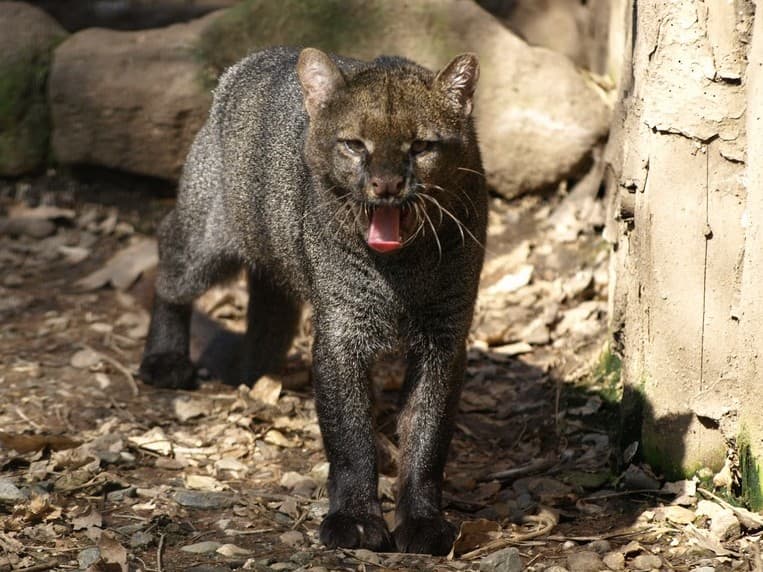
Jaguarundi
Herpailurus yagouaroundi
MammalThe jaguarundi is a small, elusive wildcat found from South America through Central America, notable for a long, slender, weasel-like body unlike the more compact build of most wild cats. Despite living alongside the much larger jaguar across parts of its range, the two are only distantly related within the cat family.
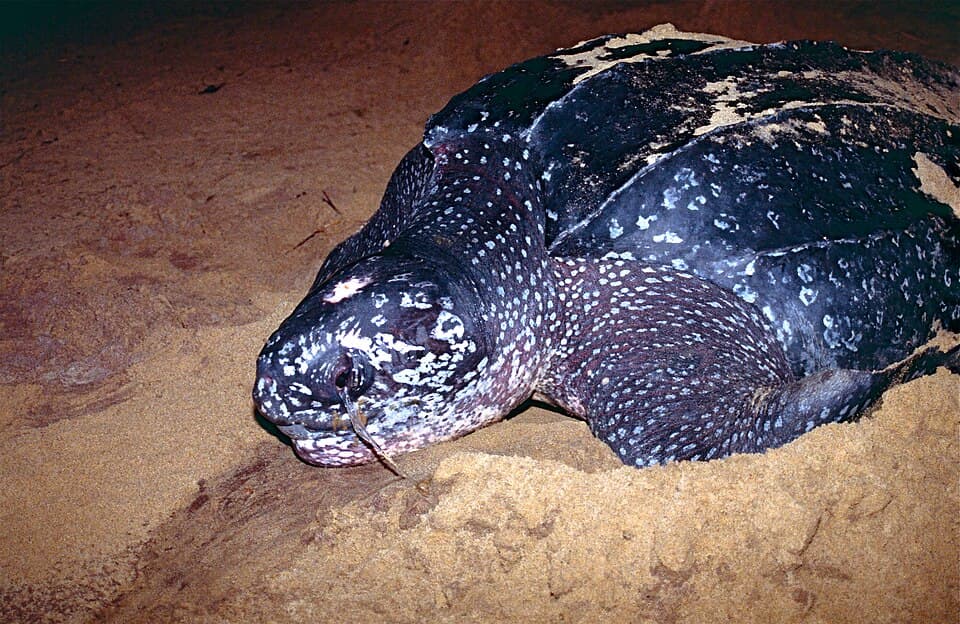
Leatherback Sea Turtle
Dermochelys coriacea
ReptileThe leatherback is the largest sea turtle species in the world and the only one without a hard bony shell, ranging farther into cold water than any other reptile.
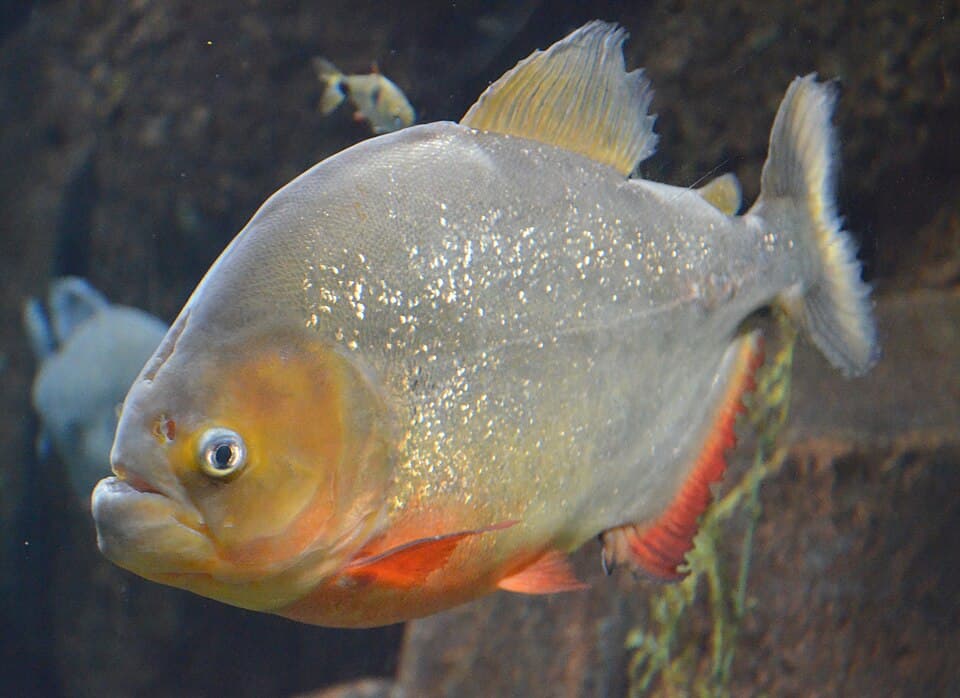
Red-Bellied Piranha
Pygocentrus nattereri
FishThe red-bellied piranha is one of the most notorious freshwater fish in the world, native to rivers and floodplains across the Amazon and Orinoco basins in South America. Despite its fearsome reputation, it is primarily a scavenger and opportunistic feeder, and unprovoked attacks on humans are extremely rare.
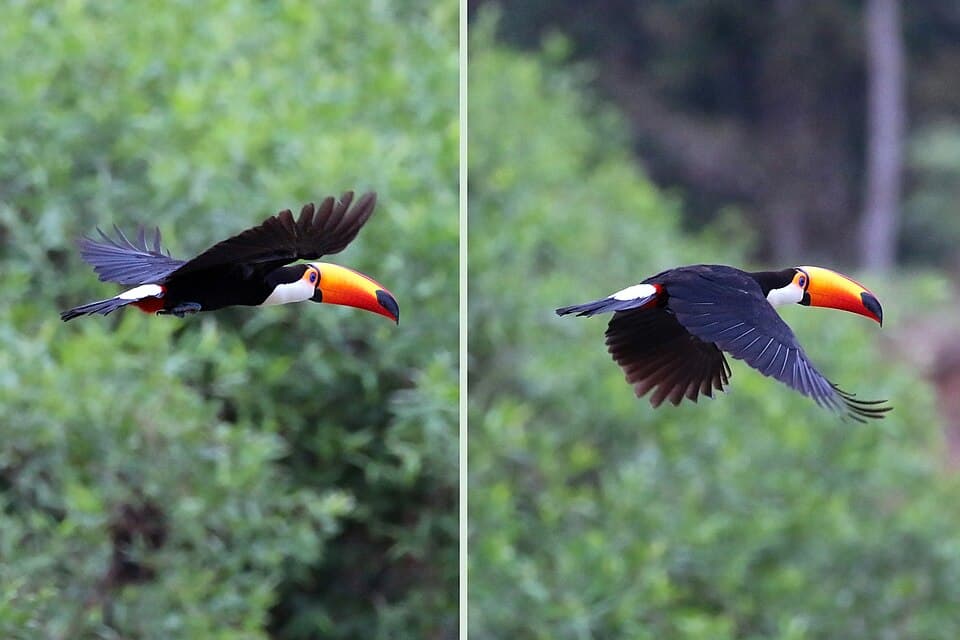
Toco Toucan
Ramphastos toco
BirdThe toco toucan is the largest toucan species, instantly recognizable by its enormous bright orange bill, native to the forests and savannas of South America.
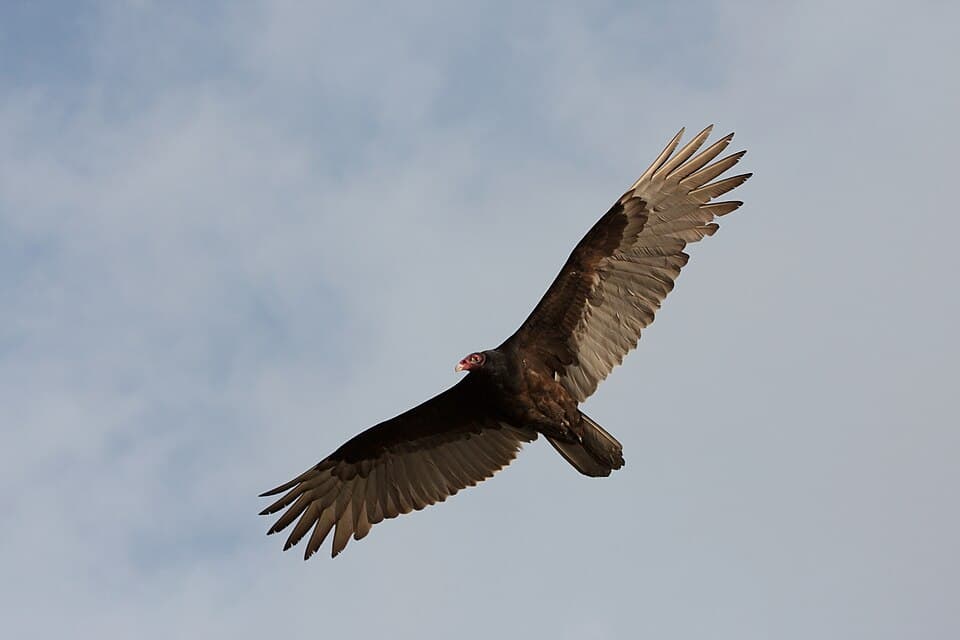
Turkey Vulture
Cathartes aura
BirdThe turkey vulture is a widespread scavenger found across the Americas, playing a critical ecological role by cleaning up carrion using one of the keenest senses of smell in the bird world.
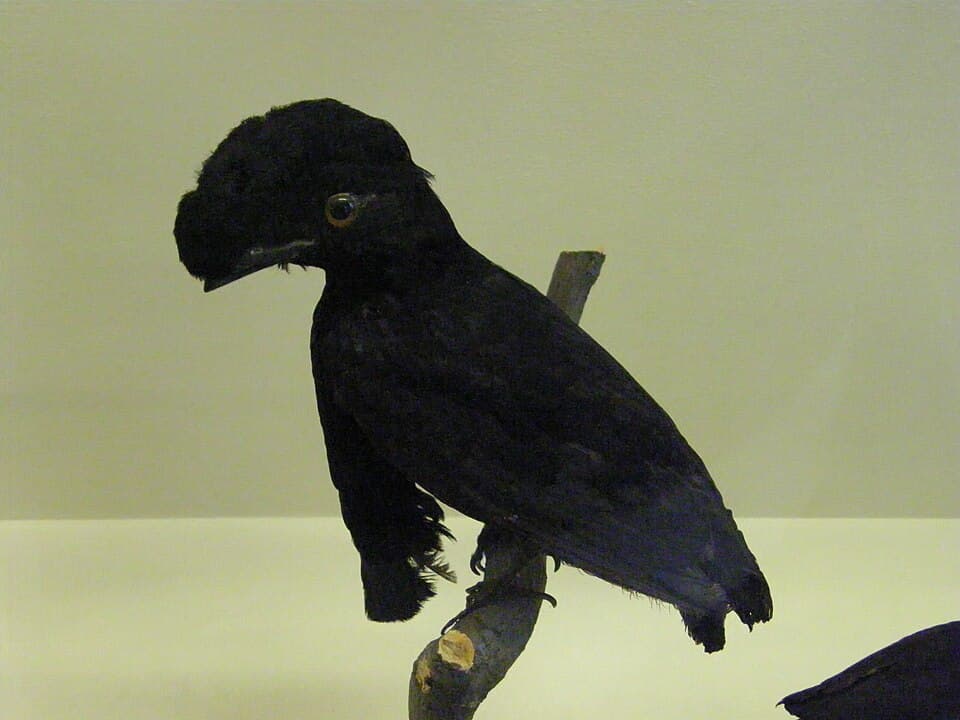
Umbrellabird
Cephalopterus penduliger
BirdThe umbrellabird is a striking rainforest bird named for the umbrella-like crest of feathers that arches forward over its head, along with a long, inflatable wattle of feathered skin hanging from its throat. Males use both features in elaborate courtship displays, along with deep, booming calls that can carry through dense forest.
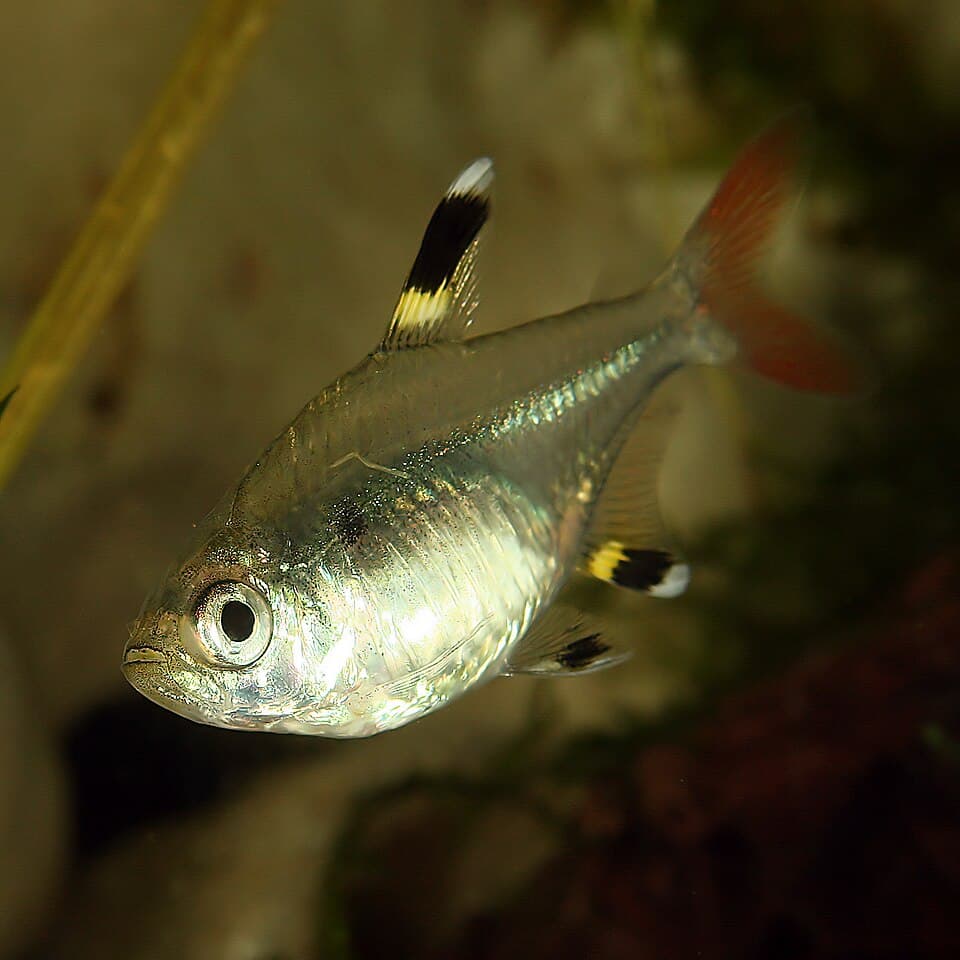
X-Ray Tetra
Pristella maxillaris
FishThe X-ray tetra is a small freshwater fish native to slow-moving rivers and streams in South America, named for its almost completely transparent body that reveals its skeleton and internal organs. Its see-through appearance has made it one of the most recognizable and popular small fish in the freshwater aquarium hobby worldwide.
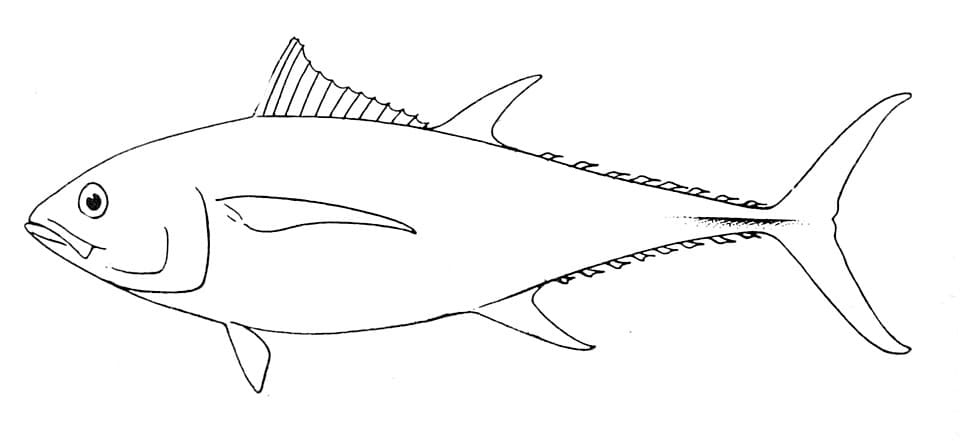
Yellowfin Tuna
Thunnus albacares
FishThe yellowfin tuna is a large, fast-swimming fish found in tropical and subtropical waters across the world's oceans, prized both as one of the ocean's most powerful predators and as one of the most commercially important fish species for human consumption. Its name comes from the bright yellow coloring of its dorsal and anal fins, which become especially long and dramatic in mature adults.
South American Animals FAQs
How many south american animals are listed here?
This page currently features 18 species, and more are added regularly as the dataset grows.
What is the most popular animal in this list?
Jaguar is currently the most popular animal in South American Animals.
Are any of these animals endangered?
Yes — 5 of the 18 species listed are classified as vulnerable, endangered, or critically endangered.
Explore Other Continents
African Animals
Home to the largest land animals on Earth and the greatest diversity of large mammals, from the Sahara to the savanna.
Asian Animals
The largest and most ecologically varied continent, spanning tropical rainforest, high plateau, and frozen tundra.
European Animals
From Mediterranean coastlines to Nordic forests, Europe supports a mix of temperate wildlife shaped by a long history alongside humans.
North American Animals
Spanning arctic tundra to desert and subtropical wetland, North America hosts an especially wide range of climates and species.
Australian Animals
Isolated for millions of years, Australia evolved a unique array of marsupials and egg-laying mammals found nowhere else.
Antarctic Animals
The coldest, driest continent supports a surprising amount of life, concentrated along its coasts and the surrounding Southern Ocean.