African Animals
Africa is home to the greatest diversity of large mammals — often called megafauna — found on any continent, a legacy of its wide range of biomes, from the Sahara, the world's largest hot desert, to the savannas of East and Southern Africa and the dense rainforest of the Congo Basin. It's also the continent where the human species itself evolved, making it, in a very real sense, the ancestral home of every person on Earth. That combination of biological richness and deep evolutionary history has made African wildlife a defining reference point for how most people picture large, iconic animals — lions, elephants, giraffes, and rhinos — even though those same species now face mounting pressure from poaching, habitat loss, and a rapidly growing human population.
The Big Five and the Shift from Hunting to Conservation
The term "Big Five" — referring to the lion, leopard, African elephant, rhinoceros, and African buffalo — originated among big-game hunters as a list of the five animals considered most dangerous and difficult to hunt on foot, not a scientific or ecological classification. Today the same term is used almost exclusively in an ecotourism context, as a checklist of the most sought-after sightings on an African safari, reflecting a broader shift in how these animals are valued: from hunting trophies to a major economic driver of wildlife conservation funding across the continent.
The Great Migration: One of Earth's Largest Land Movements
Each year, more than a million wildebeest, along with hundreds of thousands of zebra and gazelle, undertake a continuous, roughly circular migration across the Serengeti-Mara ecosystem spanning Tanzania and Kenya, following seasonal rainfall in search of fresh grazing. The journey exposes migrating herds to river crossings where large Nile crocodiles wait in ambush, and to sustained predation from lions and other big cats along the route, making it one of the most dramatic and heavily documented wildlife spectacles on Earth.
From Desert to Rainforest: Africa's Range of Biomes
Africa's wildlife diversity is shaped by an unusually wide range of biomes packed onto one continent. The Sahara, the world's largest hot desert, dominates the north, giving way southward to the semi-arid Sahel and then the open savanna grasslands most associated with classic African wildlife documentaries. Further south and along the equator, the Congo Basin holds the second-largest rainforest on Earth, while the southern tip of the continent hosts a small but botanically unique region found nowhere else. Each biome supports its own distinct community of species, adapted to conditions as different as permanent desert aridity and year-round tropical rainfall.
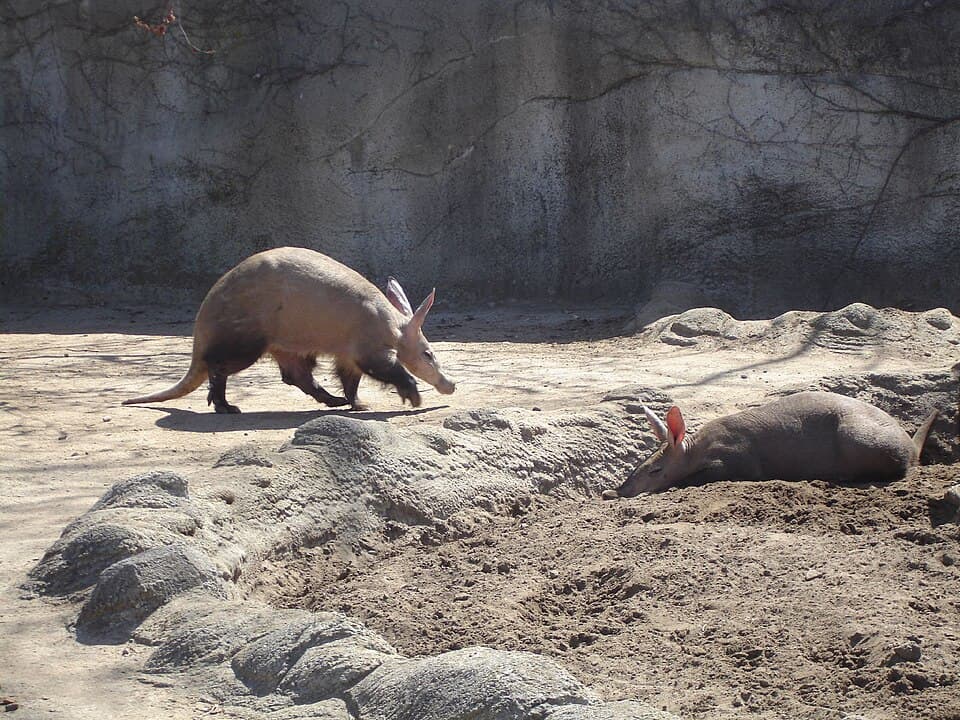
Aardvark
Orycteropus afer
MammalThe aardvark is a nocturnal, burrowing mammal found across sub-Saharan Africa, best known for its long snout and powerful digging claws used to raid termite mounds.
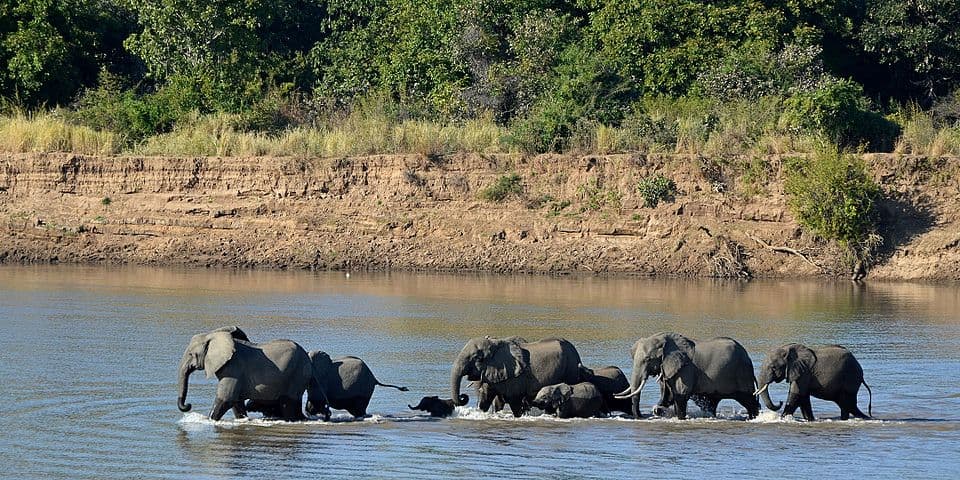
African Elephant
Loxodonta africana
MammalThe African elephant is the largest living land animal, roaming savannas, forests, and semi-arid regions across sub-Saharan Africa in tightly-bonded matriarchal herds. This entry refers specifically to the African bush elephant, the larger of two African species recognized by the IUCN since 2021 — the other, the African forest elephant, is smaller, has straighter tusks, and lives in the dense rainforests of Central and West Africa. Elephant populations were decimated by ivory poaching through the 20th century, and though international trade bans and anti-poaching efforts have slowed the decline in many regions, habitat loss and human-wildlife conflict continue to threaten the species today.
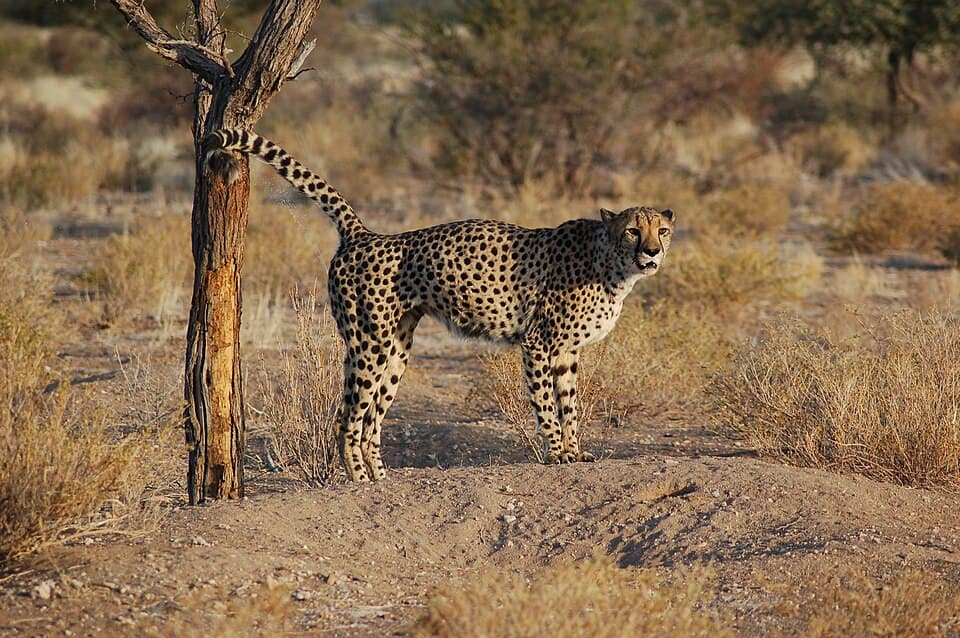
Cheetah
Acinonyx jubatus
MammalThe cheetah is the fastest land animal on Earth, built for explosive short sprints across the open grasslands and semi-desert of Africa, with a small, remnant population also surviving in Iran. Its speed comes at a genetic cost: cheetahs went through a severe population bottleneck thousands of years ago, leaving today's cheetahs with unusually low genetic diversity, which makes the species more vulnerable to disease on top of the threats it already faces from habitat loss and human-wildlife conflict.
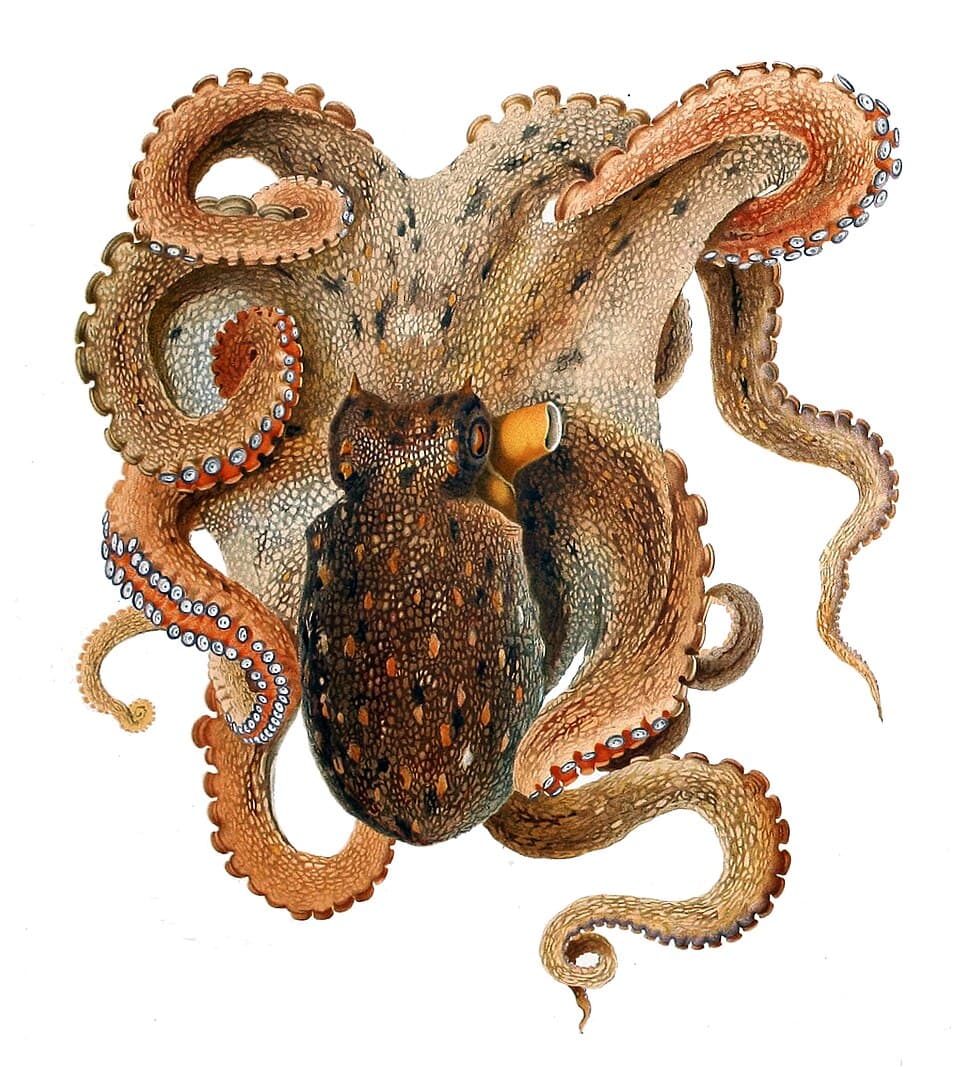
Common Octopus
Octopus vulgaris
Marine AnimalThe common octopus is a remarkably intelligent, boneless marine invertebrate found in coastal waters worldwide, renowned for its problem-solving abilities and rapid camouflage.
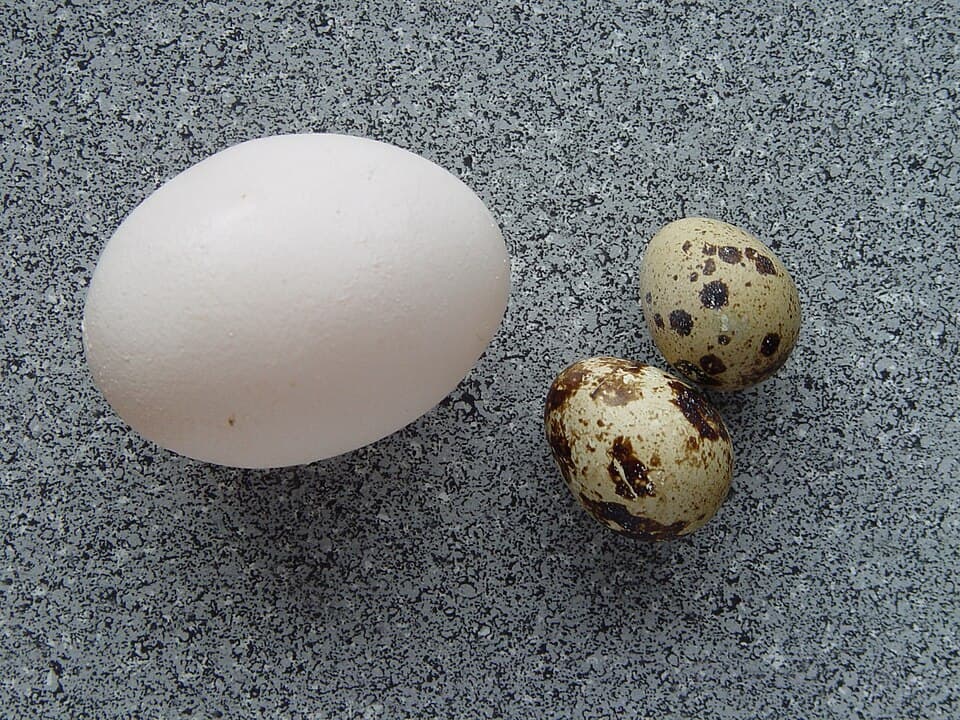
Common Quail
Coturnix coturnix
BirdThe common quail is a small, secretive ground-dwelling bird that migrates annually between Europe, Africa, and Asia, more often heard than seen in dense grassland.
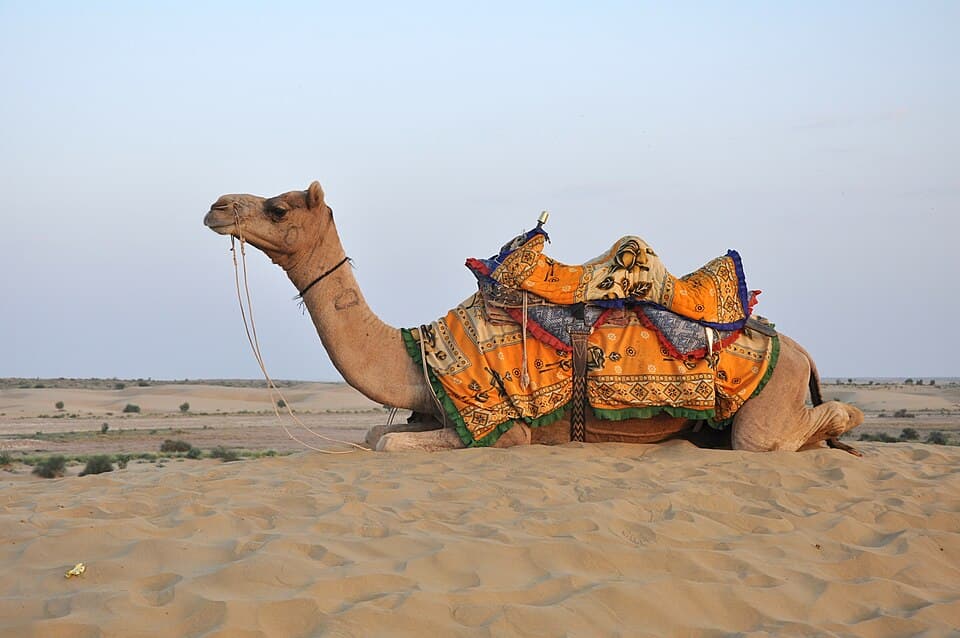
Dromedary Camel
Camelus dromedarius
MammalThe dromedary, or one-humped camel, is a large desert mammal domesticated thousands of years ago and superbly adapted to surviving extreme heat and long stretches without water.
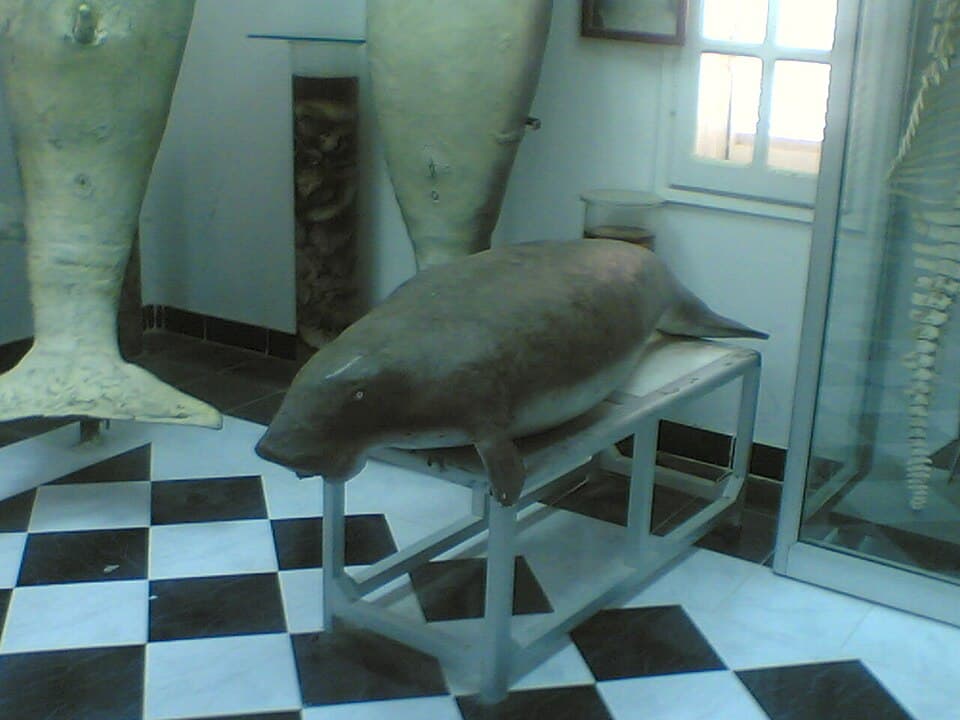
Dugong
Dugong dugon
Marine AnimalThe dugong is a large marine mammal closely related to manatees, spending its entire life grazing on seagrass meadows in the shallow coastal waters of the Indian and western Pacific Oceans. It is the only strictly herbivorous marine mammal that lives exclusively in the sea, unlike manatees, which sometimes venture into freshwater rivers.
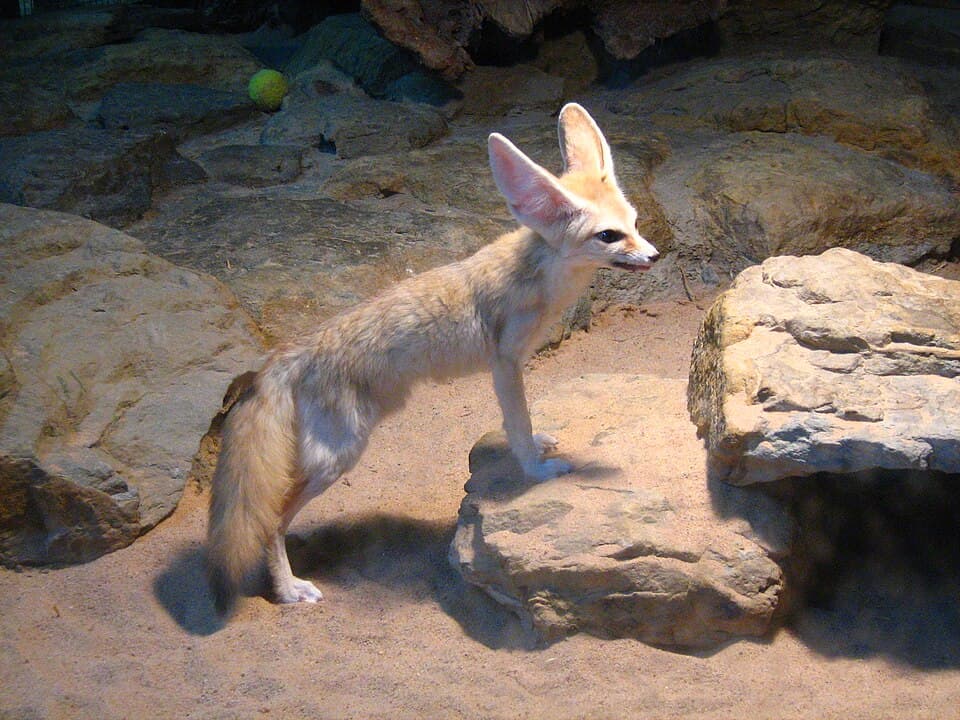
Fennec Fox
Vulpes zerda
MammalThe fennec fox is the smallest fox species in the world, adapted to the extreme heat of the Sahara Desert with famously oversized ears.
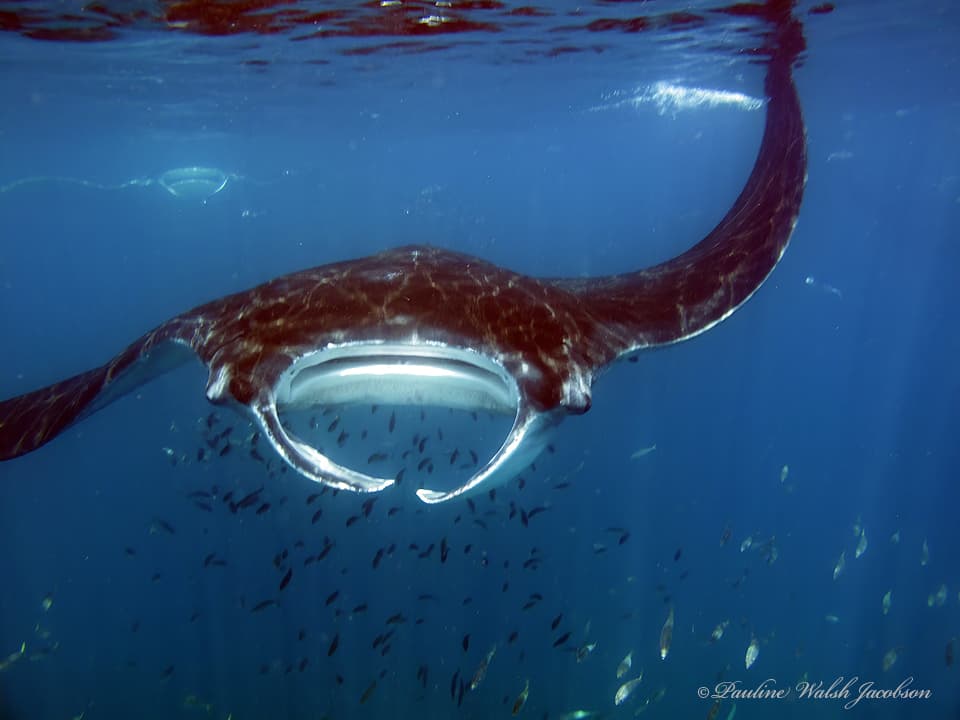
Giant Oceanic Manta Ray
Mobula birostris
FishThe giant oceanic manta ray is the largest ray species in the world, with a wingspan that can reach up to 7 meters across. Despite its enormous size, it feeds exclusively on some of the ocean's smallest organisms, filtering huge volumes of zooplankton through specialized gill plates as it swims.
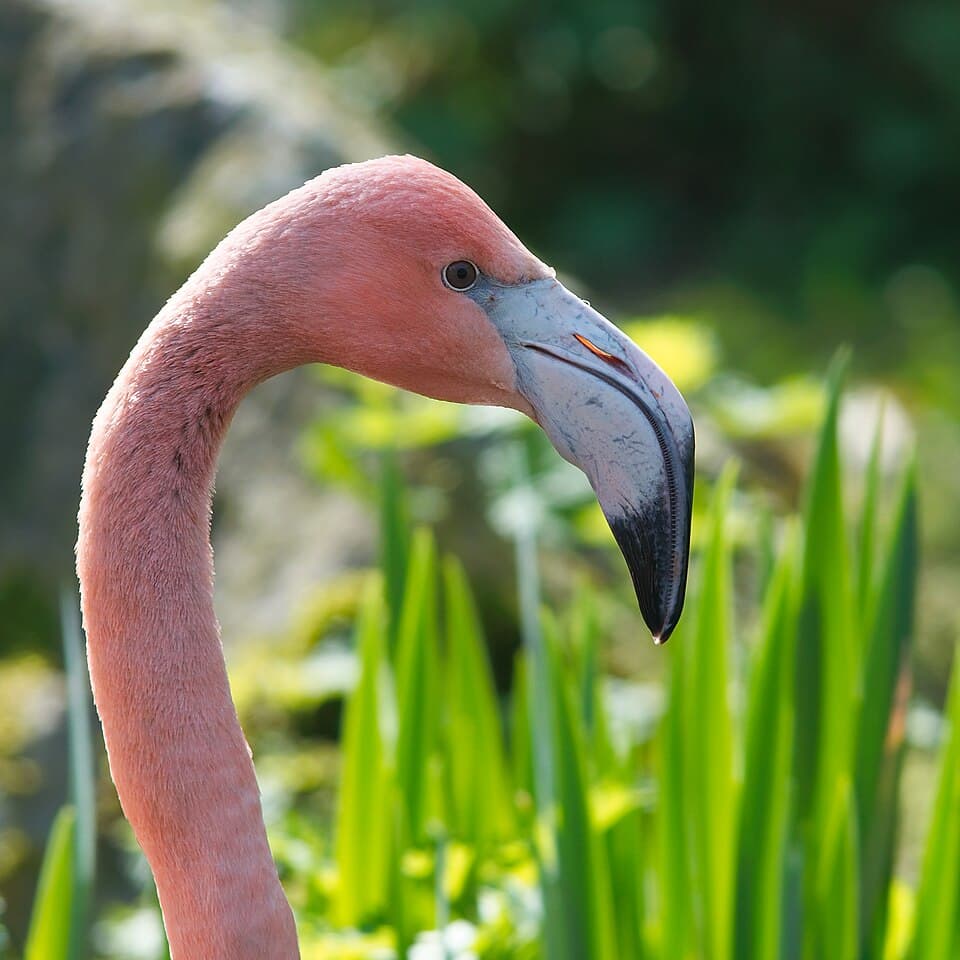
Greater Flamingo
Phoenicopterus roseus
BirdThe greater flamingo is the largest and most widespread flamingo species, found wading in large flocks through shallow saline lakes and lagoons.
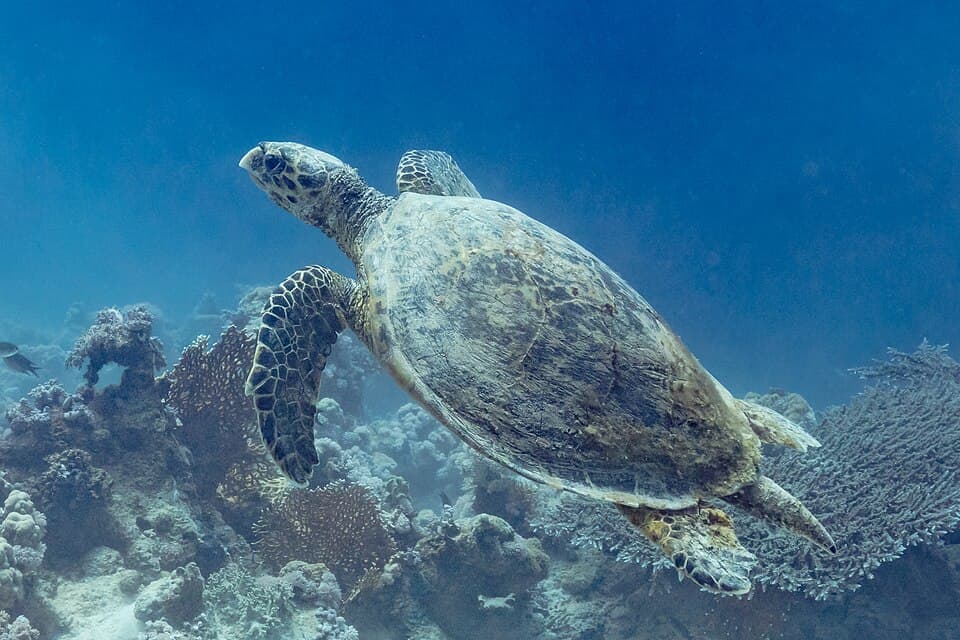
Hawksbill Sea Turtle
Eretmochelys imbricata
ReptileThe hawksbill sea turtle is a critically endangered marine reptile named for its narrow, pointed beak, which resembles a bird of prey's hooked bill. It plays a vital ecological role on coral reefs by feeding primarily on sponges, helping maintain the balance of reef ecosystems by preventing sponges from overgrowing and smothering coral.
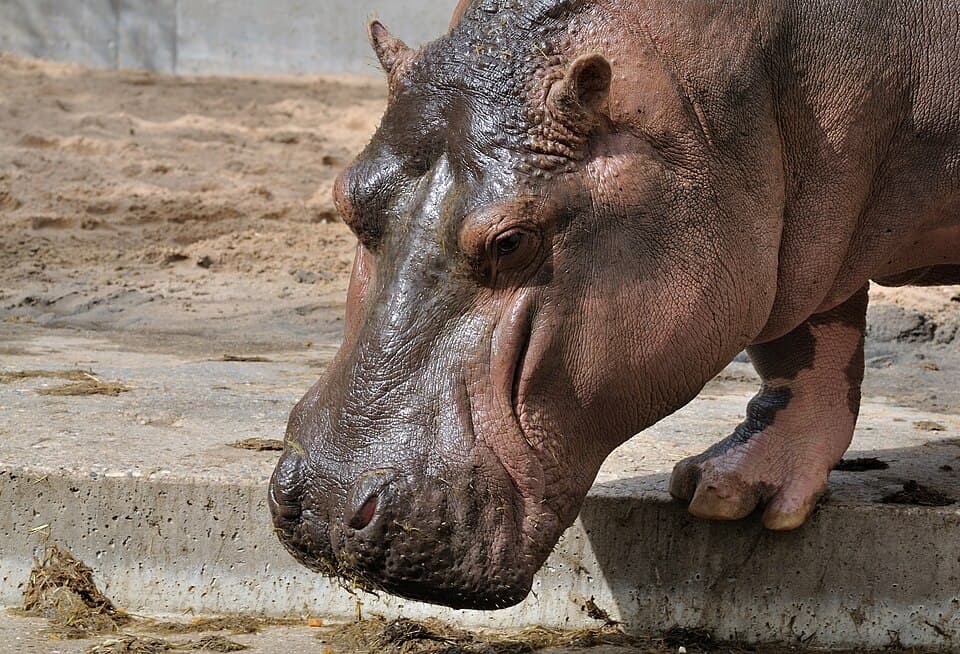
Hippopotamus
Hippopotamus amphibius
MammalThe hippopotamus is one of the largest land mammals, spending most of the day submerged in African rivers and lakes to keep its huge body cool.
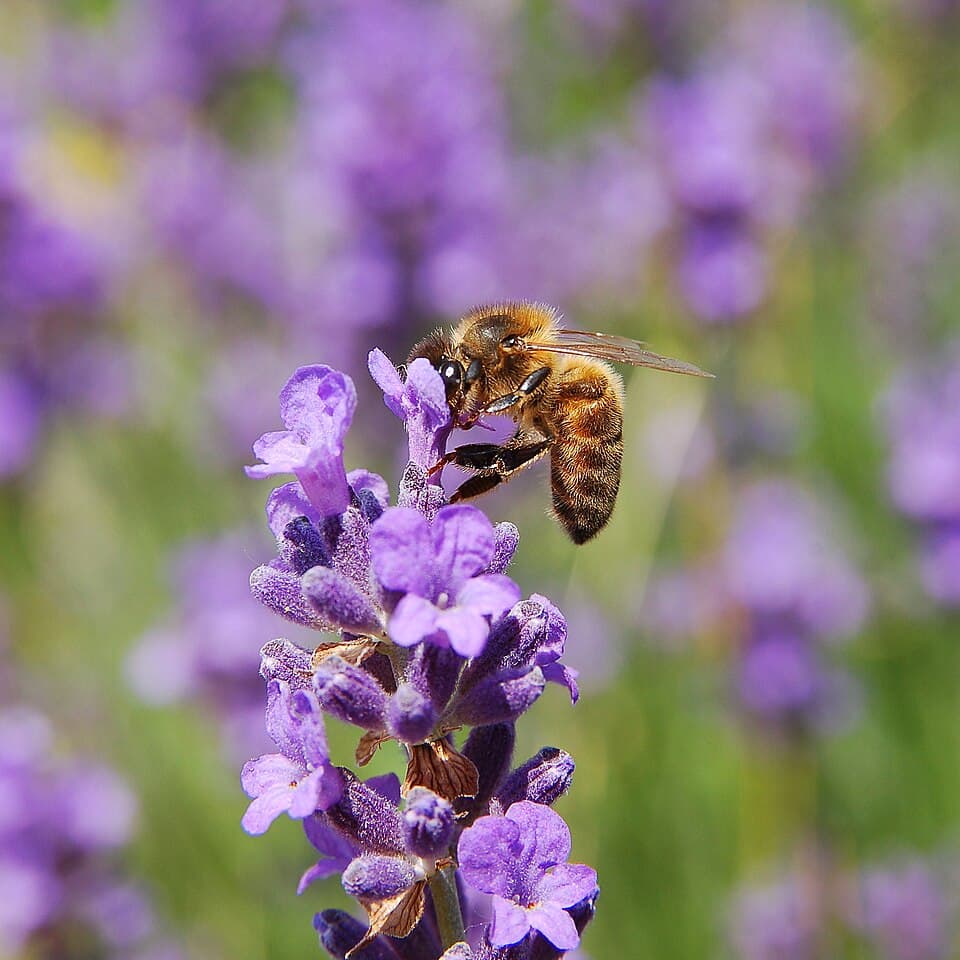
Honeybee
Apis mellifera
InsectThe honeybee is a highly social insect essential to global agriculture, pollinating a huge share of the crops humans depend on while producing honey and wax.
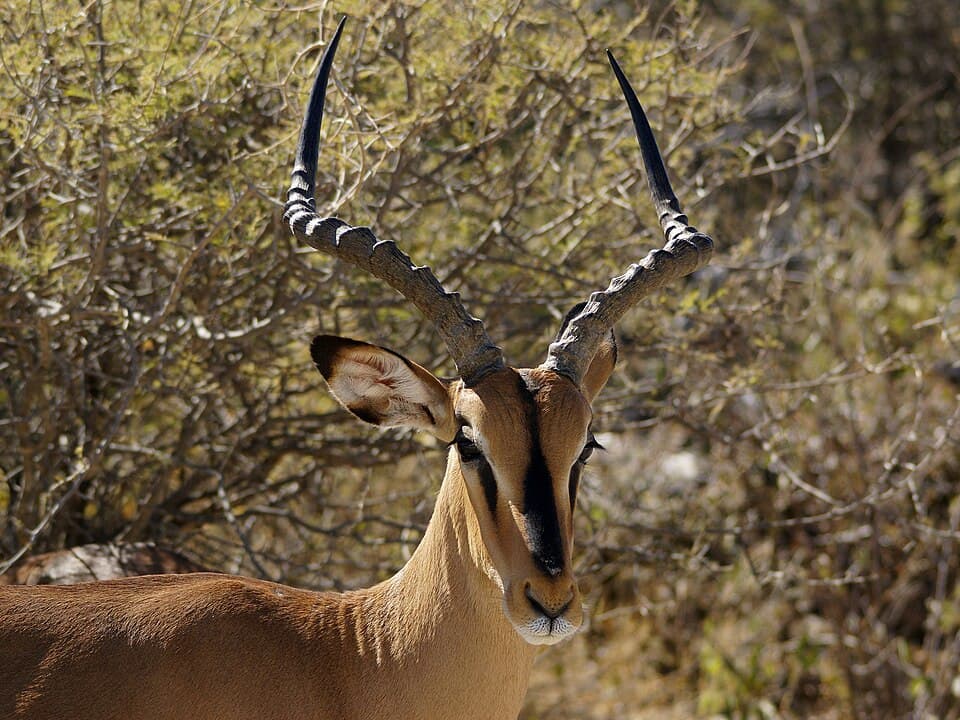
Impala
Aepyceros melampus
MammalThe impala is a medium-sized antelope found across eastern and southern African savannas, famous for its explosive leaping ability when startled.
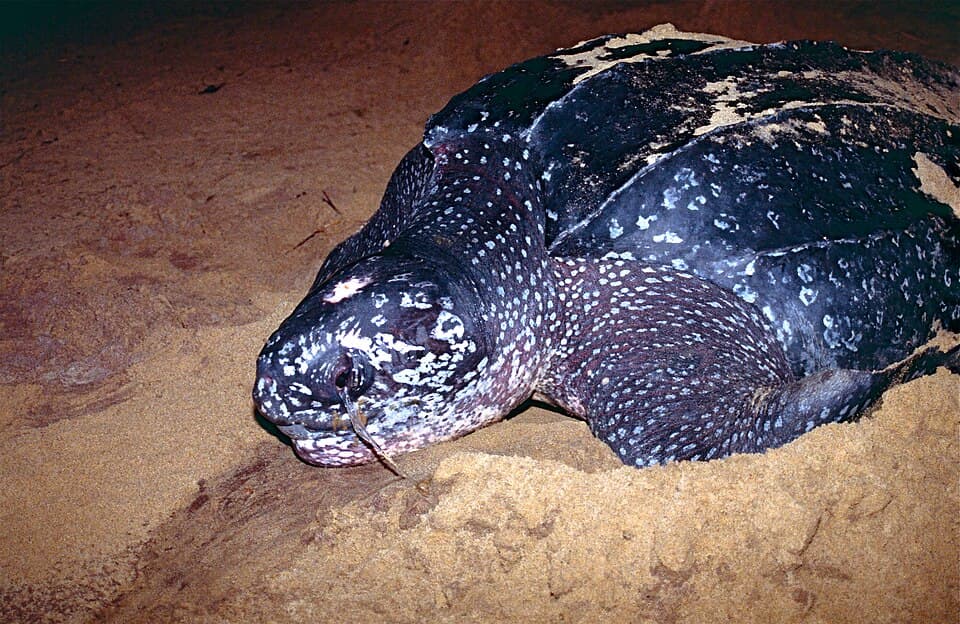
Leatherback Sea Turtle
Dermochelys coriacea
ReptileThe leatherback is the largest sea turtle species in the world and the only one without a hard bony shell, ranging farther into cold water than any other reptile.
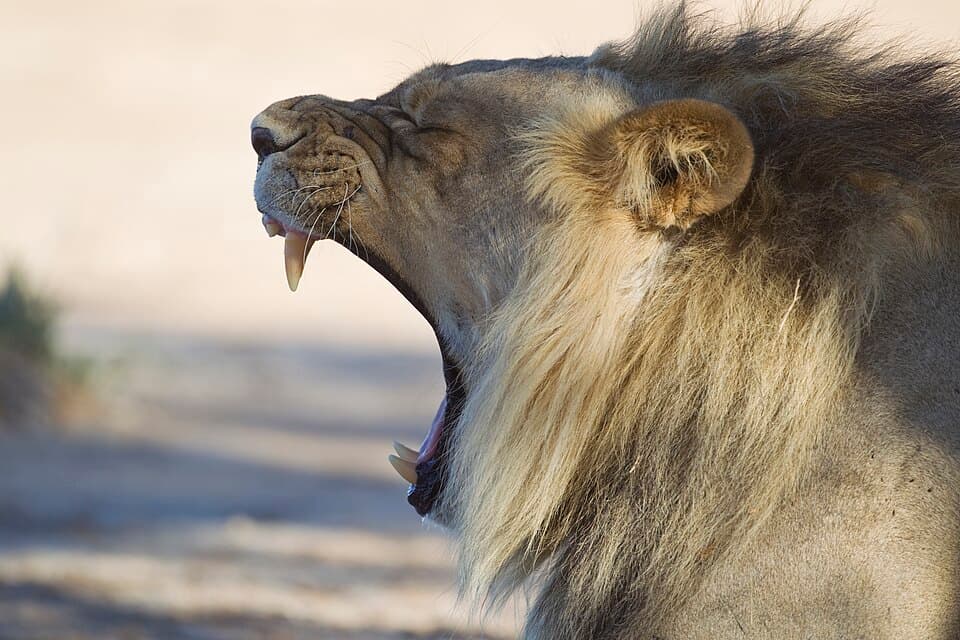
Lion
Panthera leo
MammalThe lion is one of the world's most recognizable big cats, known as the 'king of the jungle' despite living mainly on open savanna, and is the only cat species that lives in large social groups called prides.
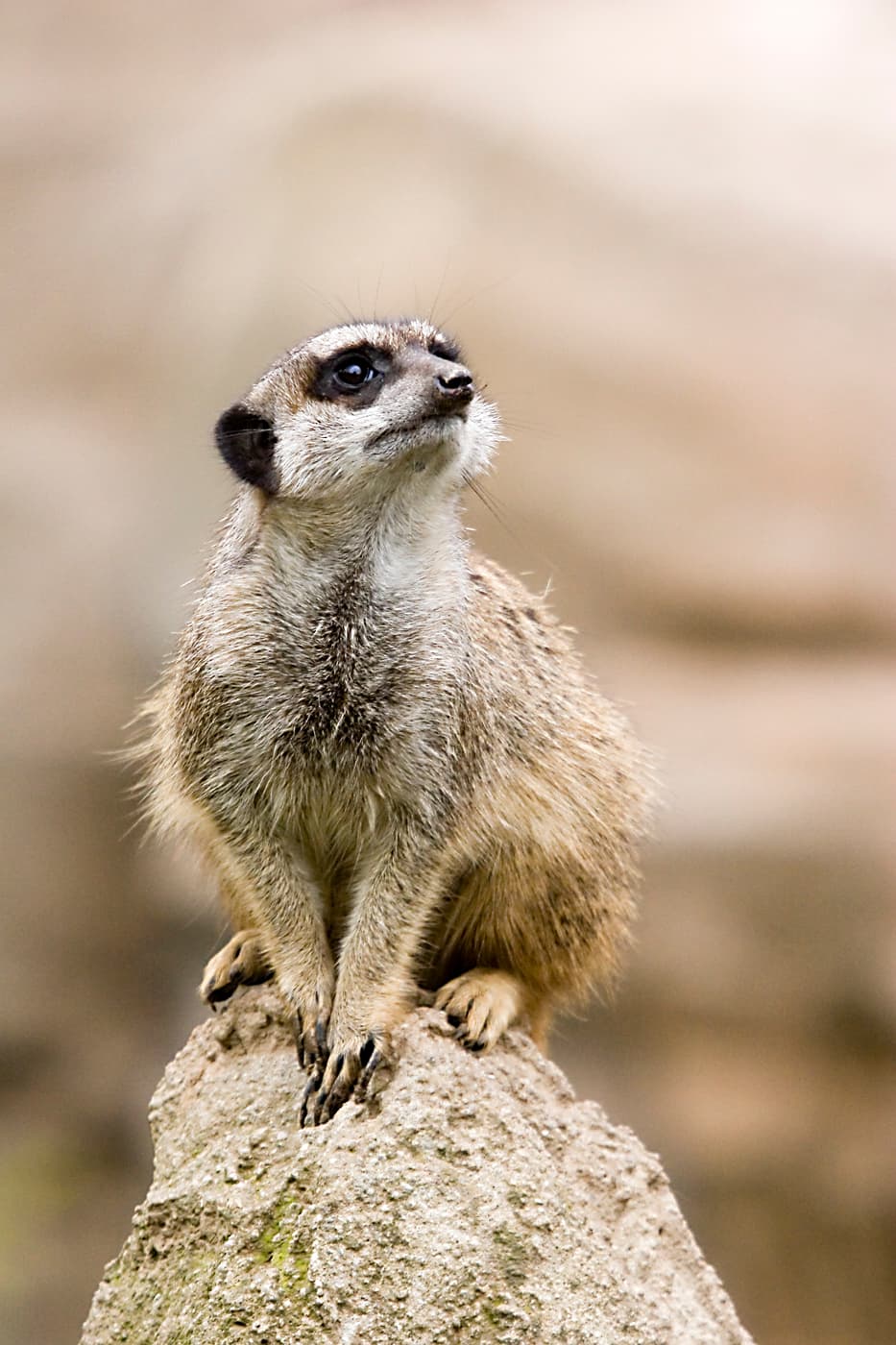
Meerkat
Suricata suricatta
MammalThe meerkat is a small, highly social mongoose relative native to the deserts and grasslands of southern Africa, famous for standing upright on its hind legs to scan the horizon for predators. Living in tightly bonded family groups called mobs, meerkats rely on constant cooperation and vigilance to survive in an environment full of danger from the air and ground alike.
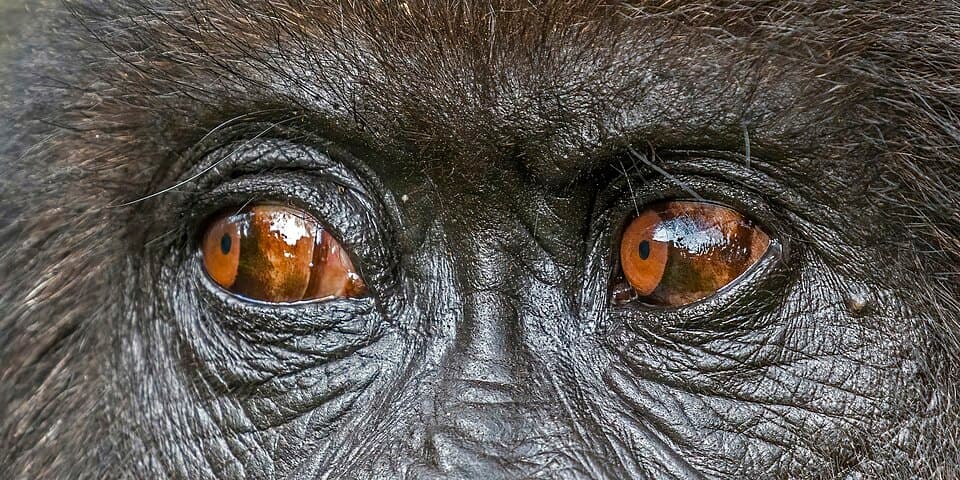
Mountain Gorilla
Gorilla beringei beringei
MammalThe mountain gorilla is a critically-studied great ape subspecies living in the misty forested slopes of the Virunga Mountains and Bwindi in central Africa, and one of conservation's most notable recovery stories.
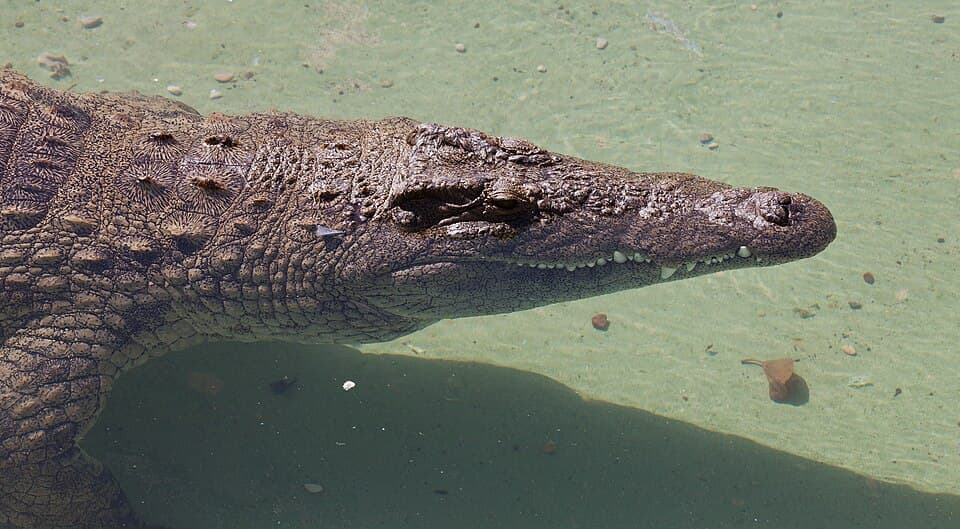
Nile Crocodile
Crocodylus niloticus
ReptileThe Nile crocodile is Africa's largest crocodilian and one of the continent's most feared apex predators, ambushing prey at the water's edge across rivers, lakes, and wetlands.
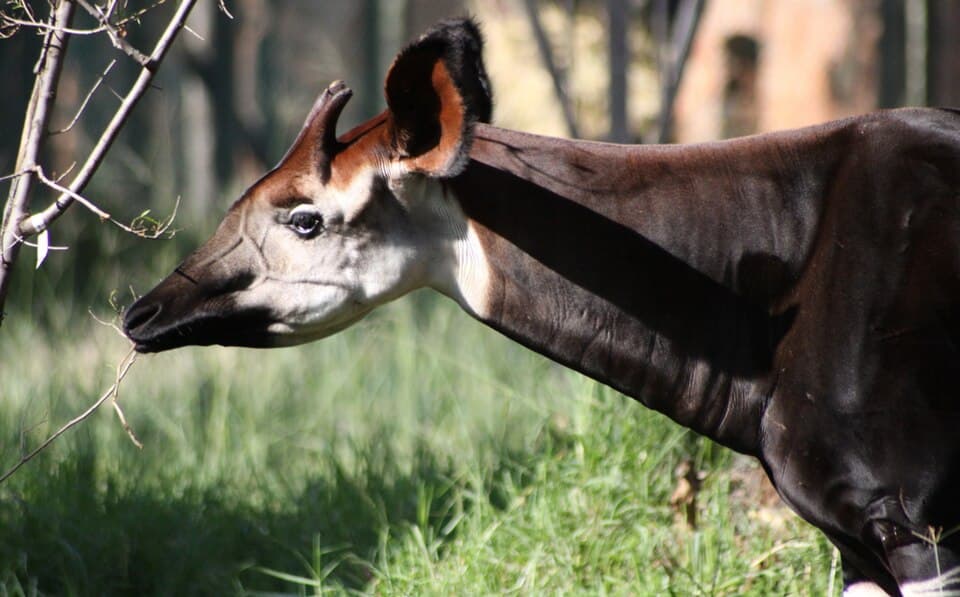
Okapi
Okapia johnstoni
MammalThe okapi is a shy, elusive relative of the giraffe found only in the dense rainforests of the Democratic Republic of the Congo. Despite its zebra-striped legs, it is not related to zebras at all -- the stripes are thought to help camouflage it in dappled forest light and help calves follow their mother through dense vegetation.
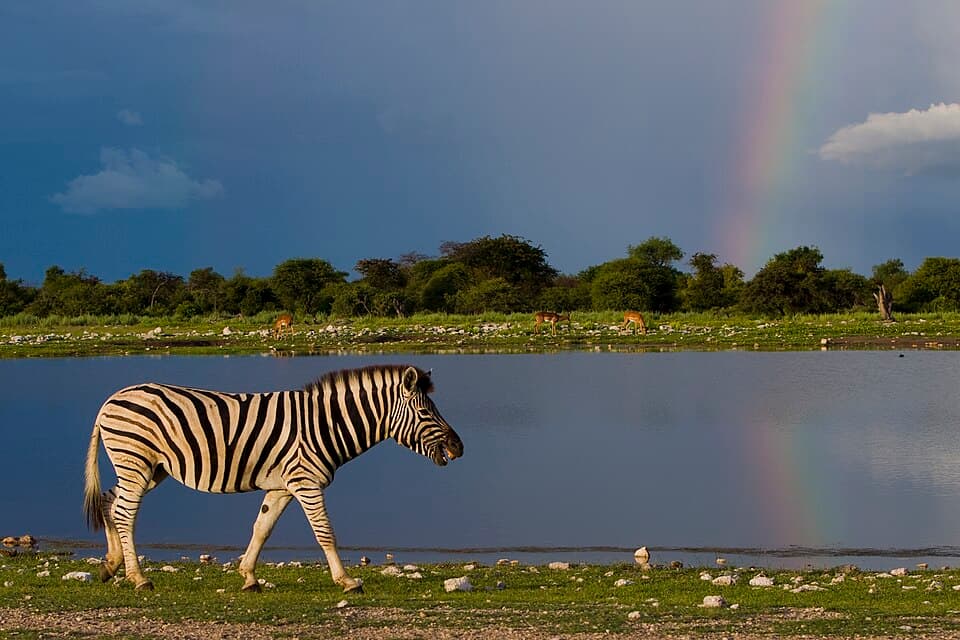
Plains Zebra
Equus quagga
MammalThe plains zebra is the most common and widespread zebra species, roaming the grasslands of eastern and southern Africa in large, ever-shifting herds.
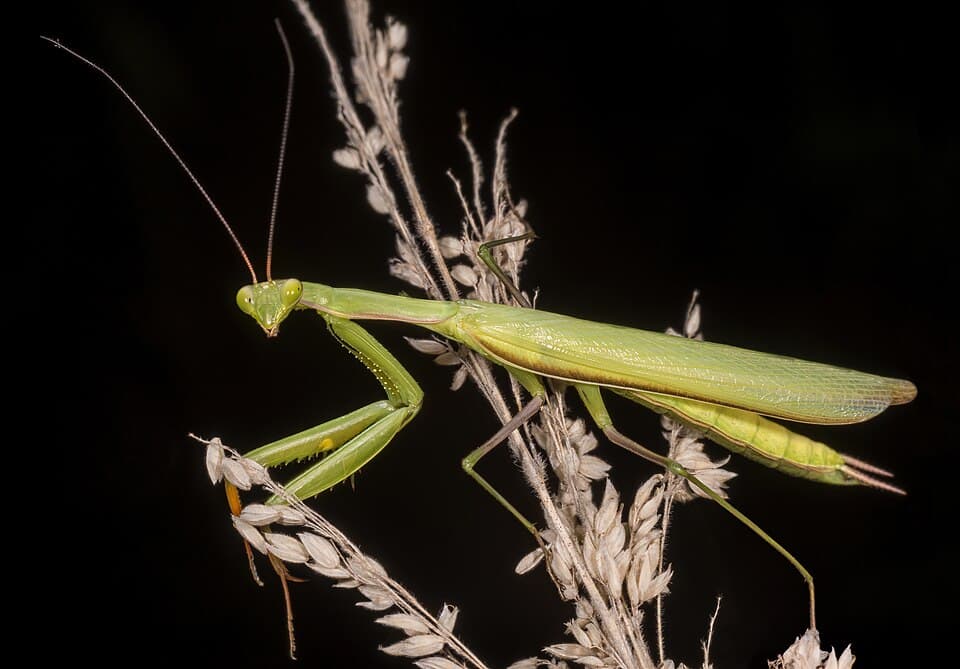
Praying Mantis
Mantis religiosa
InsectThe praying mantis is an ambush predator instantly recognizable by its front legs held together as if in prayer, folded and spiked for snatching prey in a lightning-fast strike. Its triangular head can rotate nearly 180 degrees, giving it an almost unmatched field of view among insects for spotting movement.
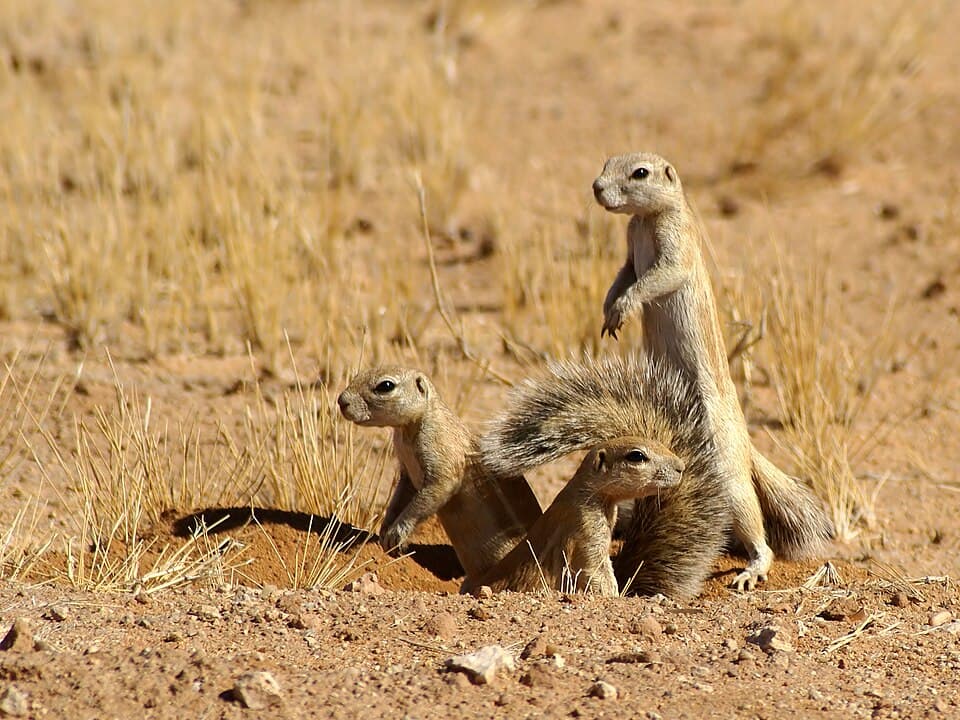
Xerus (African Ground Squirrel)
Xerus inauris
MammalThe Cape ground squirrel, or xerus, is a burrowing rodent of southern Africa's arid plains, easily recognized by holding its bushy tail overhead like a built-in parasol.
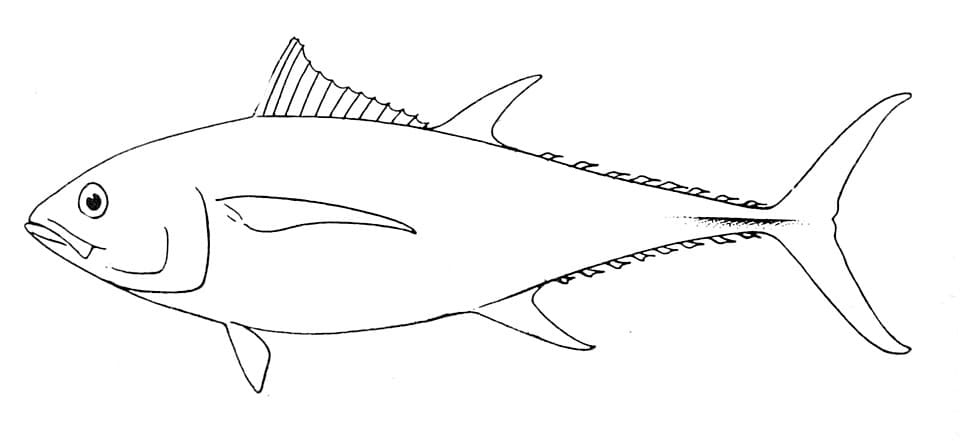
Yellowfin Tuna
Thunnus albacares
FishThe yellowfin tuna is a large, fast-swimming fish found in tropical and subtropical waters across the world's oceans, prized both as one of the ocean's most powerful predators and as one of the most commercially important fish species for human consumption. Its name comes from the bright yellow coloring of its dorsal and anal fins, which become especially long and dramatic in mature adults.
African Animals FAQs
How many african animals are listed here?
This page currently features 24 species, and more are added regularly as the dataset grows.
What is the most popular animal in this list?
Lion is currently the most popular animal in African Animals.
Are any of these animals endangered?
Yes — 10 of the 24 species listed are classified as vulnerable, endangered, or critically endangered.
Explore Other Continents
Asian Animals
The largest and most ecologically varied continent, spanning tropical rainforest, high plateau, and frozen tundra.
European Animals
From Mediterranean coastlines to Nordic forests, Europe supports a mix of temperate wildlife shaped by a long history alongside humans.
North American Animals
Spanning arctic tundra to desert and subtropical wetland, North America hosts an especially wide range of climates and species.
South American Animals
Home to the Amazon rainforest and the Andes, South America holds some of the richest biodiversity on the planet.
Australian Animals
Isolated for millions of years, Australia evolved a unique array of marsupials and egg-laying mammals found nowhere else.
Antarctic Animals
The coldest, driest continent supports a surprising amount of life, concentrated along its coasts and the surrounding Southern Ocean.