European Animals
From Mediterranean coastlines to Nordic forests, Europe supports a mix of temperate wildlife shaped by a long history alongside humans.
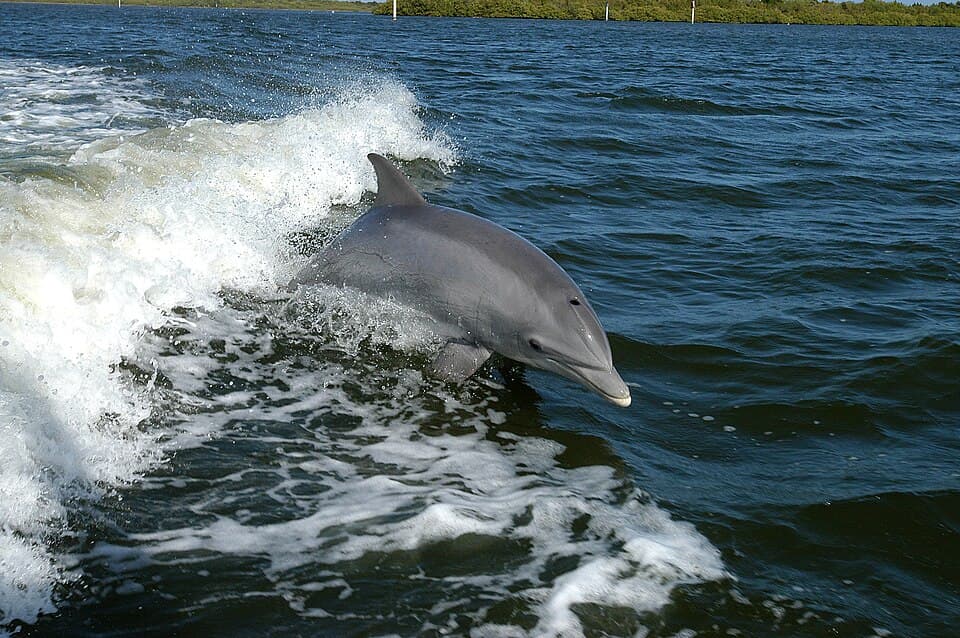
Bottlenose Dolphin
Tursiops truncatus
MammalThe bottlenose dolphin is one of the most widely-recognized and intelligent marine mammals, found in temperate and tropical oceans worldwide.
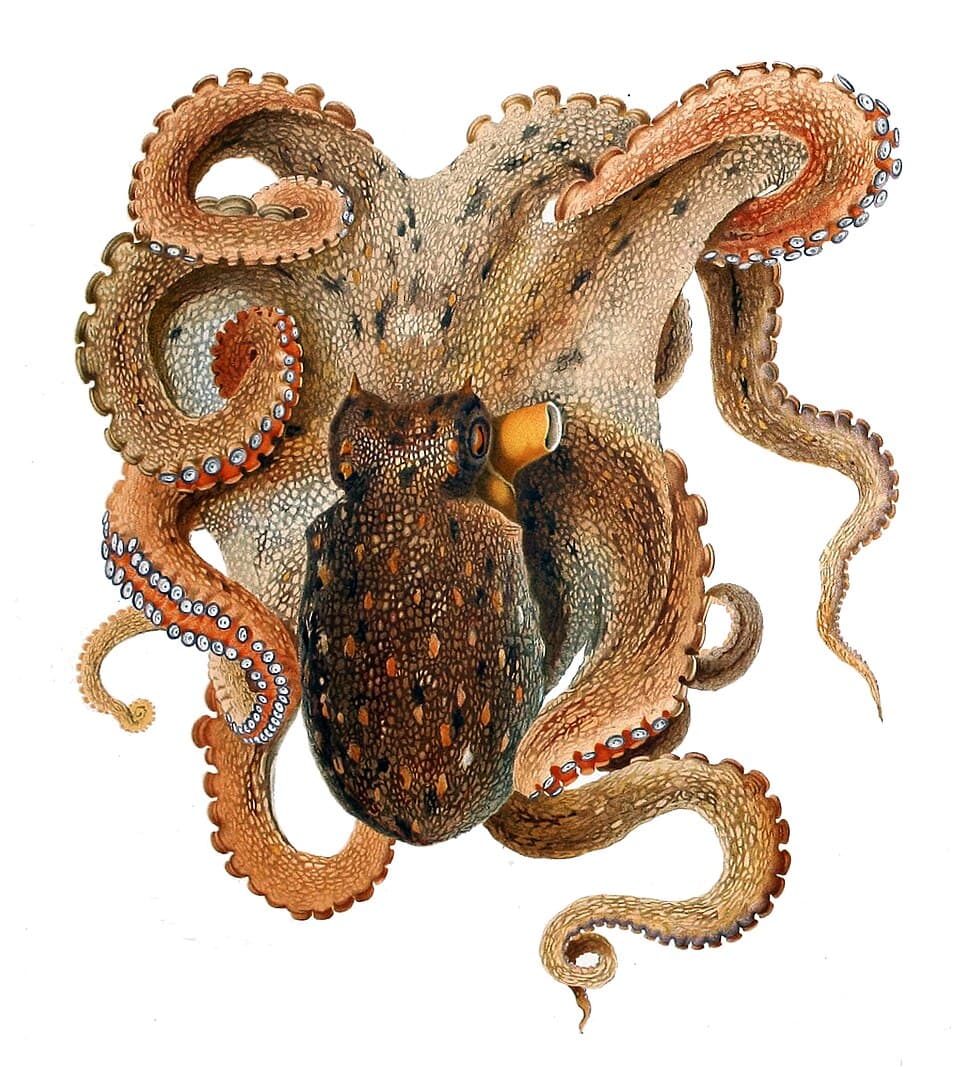
Common Octopus
Octopus vulgaris
Marine AnimalThe common octopus is a remarkably intelligent, boneless marine invertebrate found in coastal waters worldwide, renowned for its problem-solving abilities and rapid camouflage.
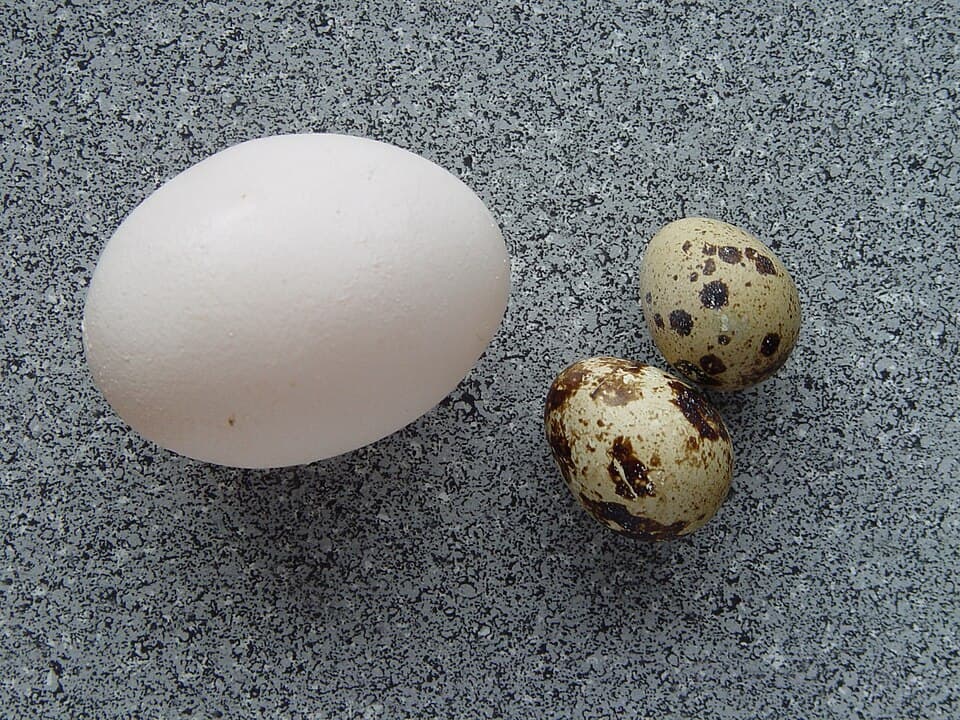
Common Quail
Coturnix coturnix
BirdThe common quail is a small, secretive ground-dwelling bird that migrates annually between Europe, Africa, and Asia, more often heard than seen in dense grassland.
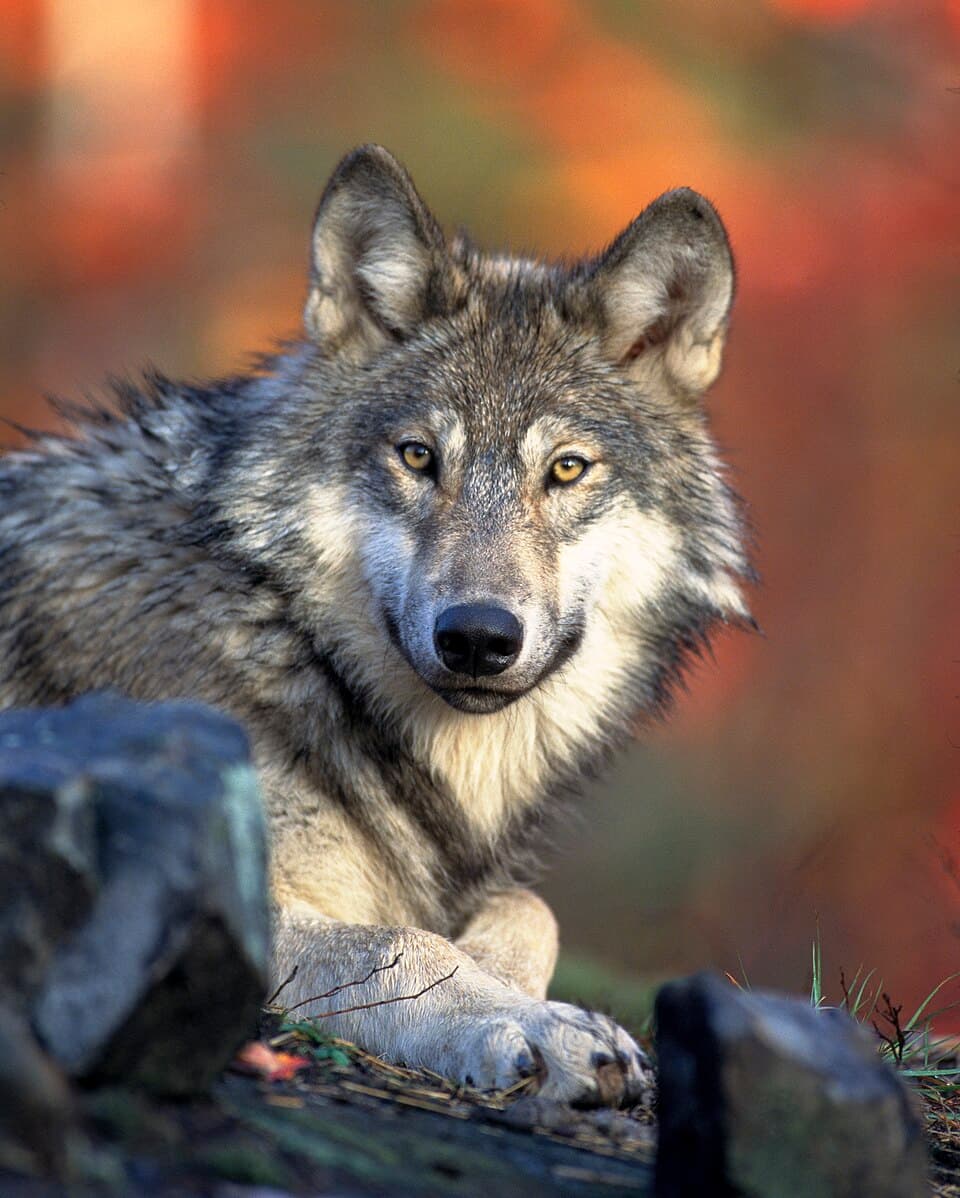
Gray Wolf
Canis lupus
MammalThe gray wolf is the largest wild member of the dog family, once ranging across nearly the entire Northern Hemisphere and living in tightly-coordinated family packs.
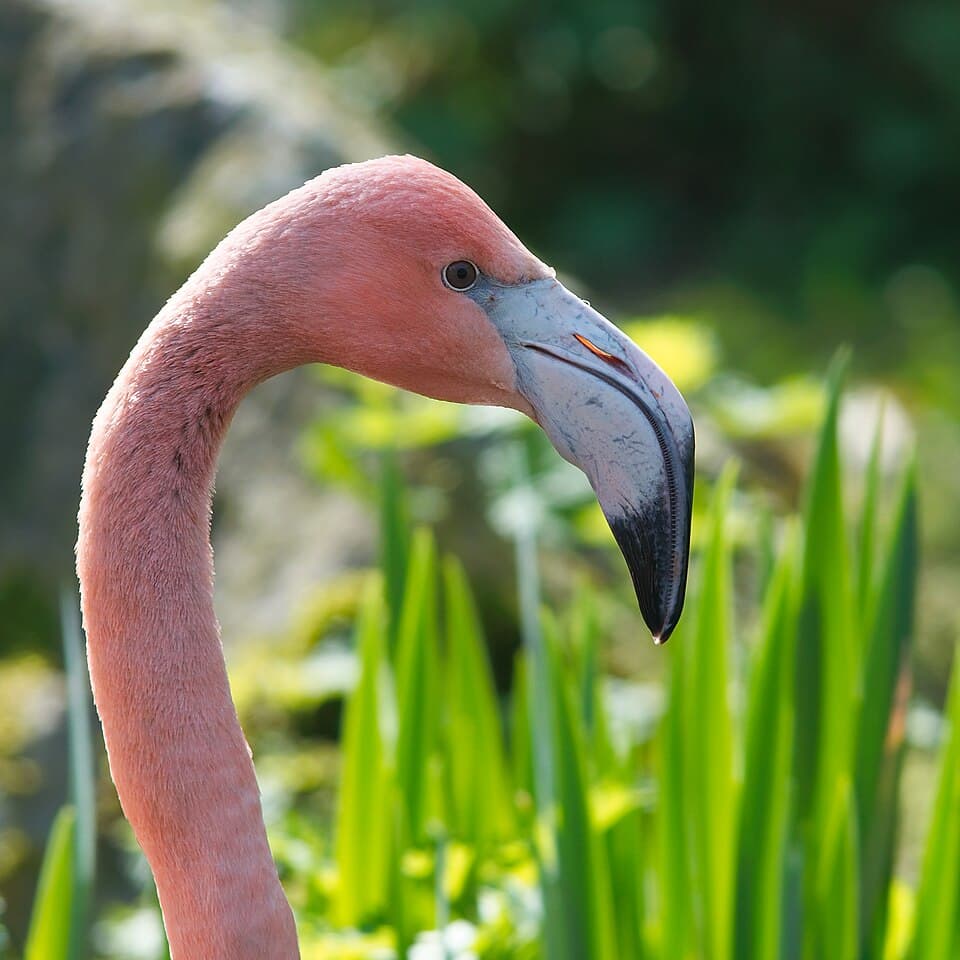
Greater Flamingo
Phoenicopterus roseus
BirdThe greater flamingo is the largest and most widespread flamingo species, found wading in large flocks through shallow saline lakes and lagoons.
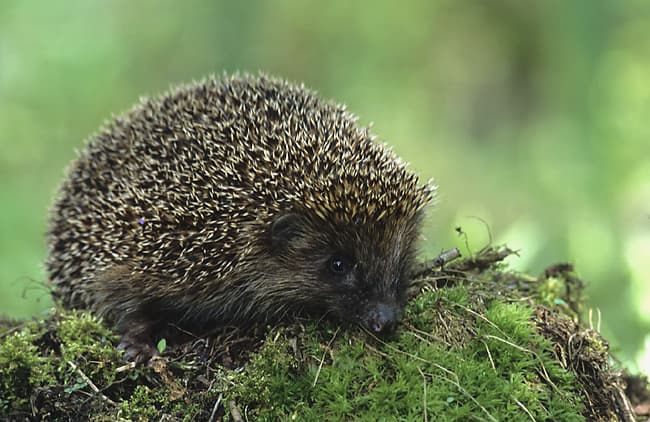
Hedgehog
Erinaceus europaeus
MammalThe hedgehog is a small, spine-covered mammal found across Europe, instantly recognizable for its defensive habit of rolling into a tight, spiky ball when threatened. Despite its tiny size, it's a surprisingly effective predator of garden pests, making it a welcome visitor in gardens across its range.
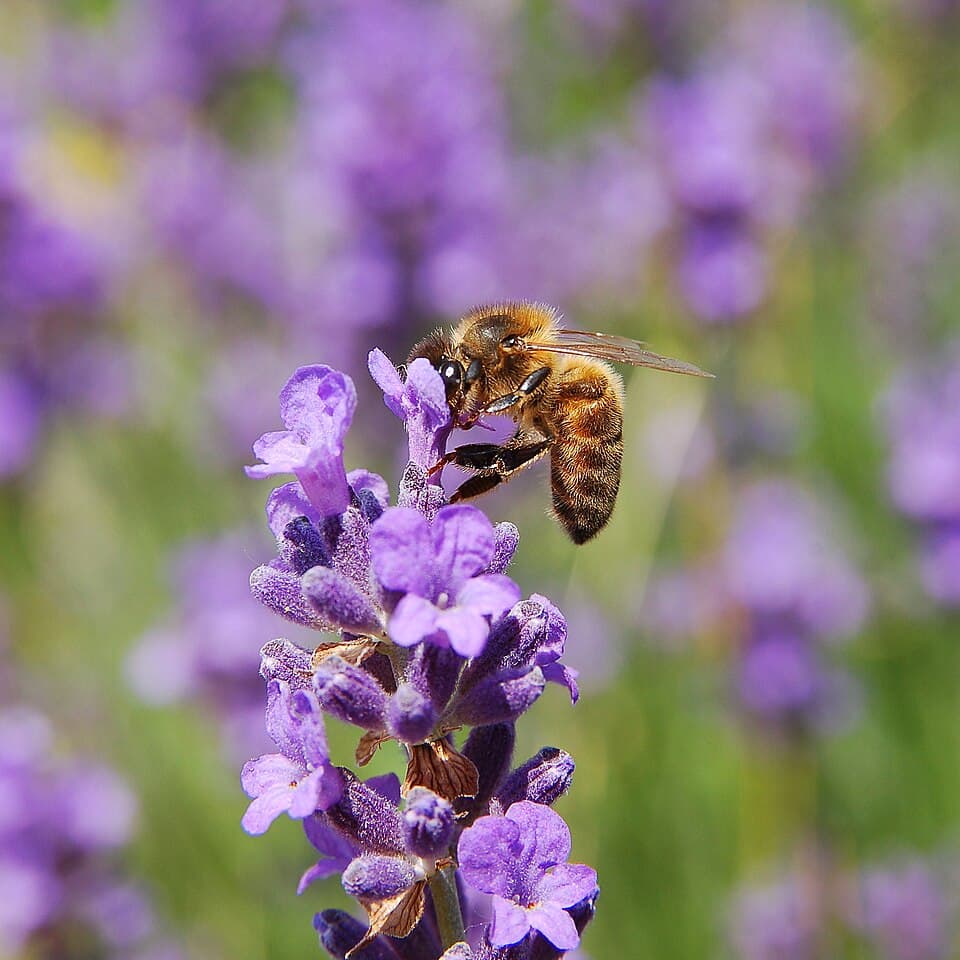
Honeybee
Apis mellifera
InsectThe honeybee is a highly social insect essential to global agriculture, pollinating a huge share of the crops humans depend on while producing honey and wax.
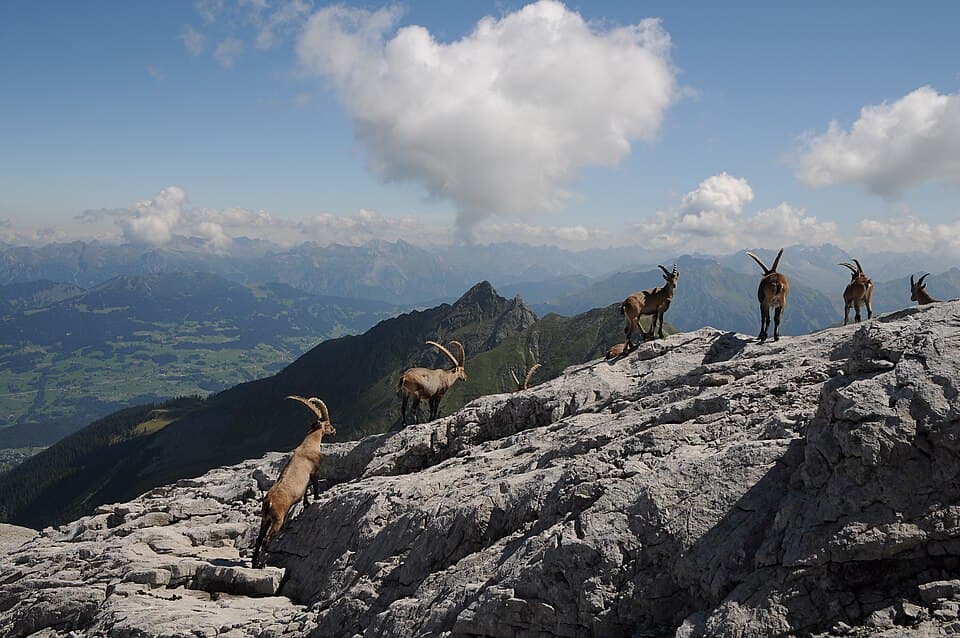
Ibex
Capra ibex
MammalThe Alpine ibex is a wild goat species famous for its massive, ridged, backward-curving horns and remarkable ability to scale near-vertical cliff faces in the mountains of the European Alps. Once hunted to near extinction, the entire modern population descends from a small group protected in a single Italian nature reserve in the 19th century.
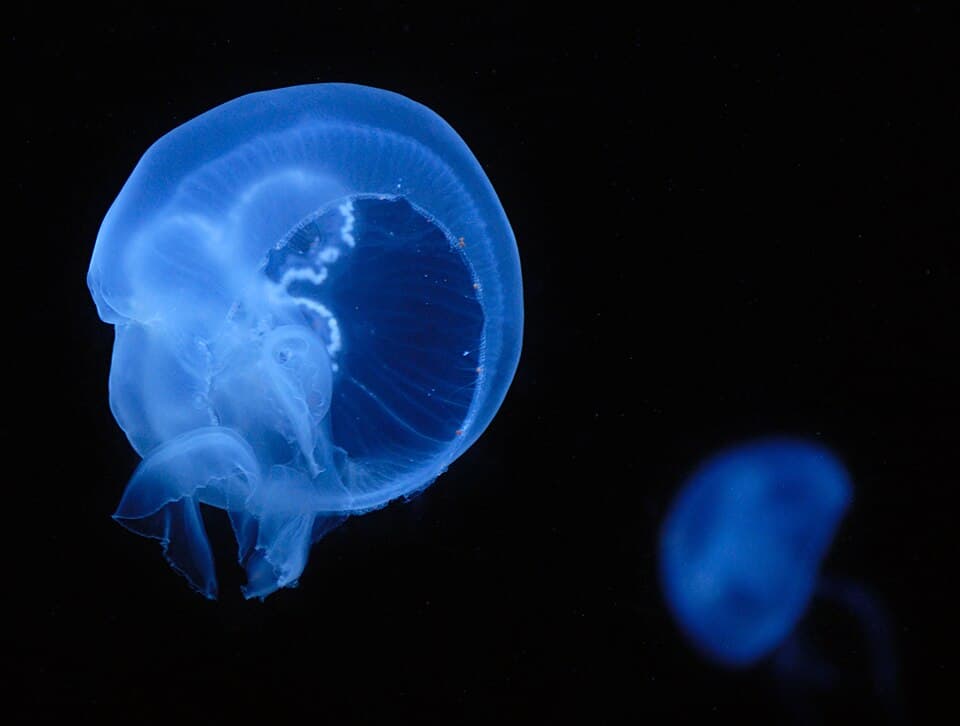
Moon Jellyfish
Aurelia aurita
Marine AnimalThe moon jellyfish is one of the most common and widely-distributed jellyfish species, drifting through coastal waters worldwide in large seasonal blooms.

Narwhal
Monodon monoceros
MammalThe narwhal is an Arctic whale famous for the male's long spiraled tusk, which is actually an enormous protruding canine tooth, earning it the nickname 'unicorn of the sea'.
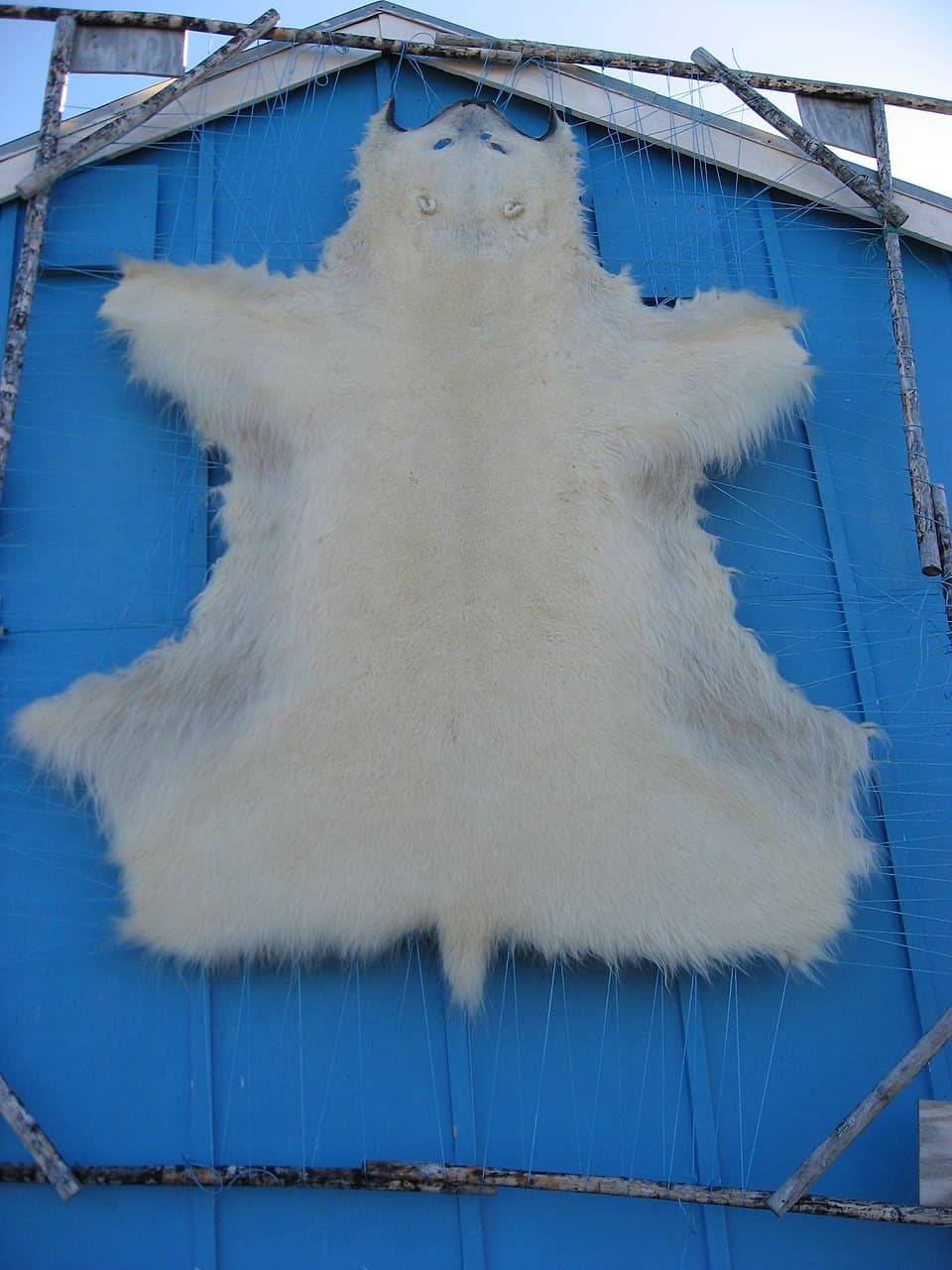
Polar Bear
Ursus maritimus
MammalThe polar bear is the largest land carnivore on Earth, superbly adapted to hunting seals across the sea ice of the Arctic Circle.
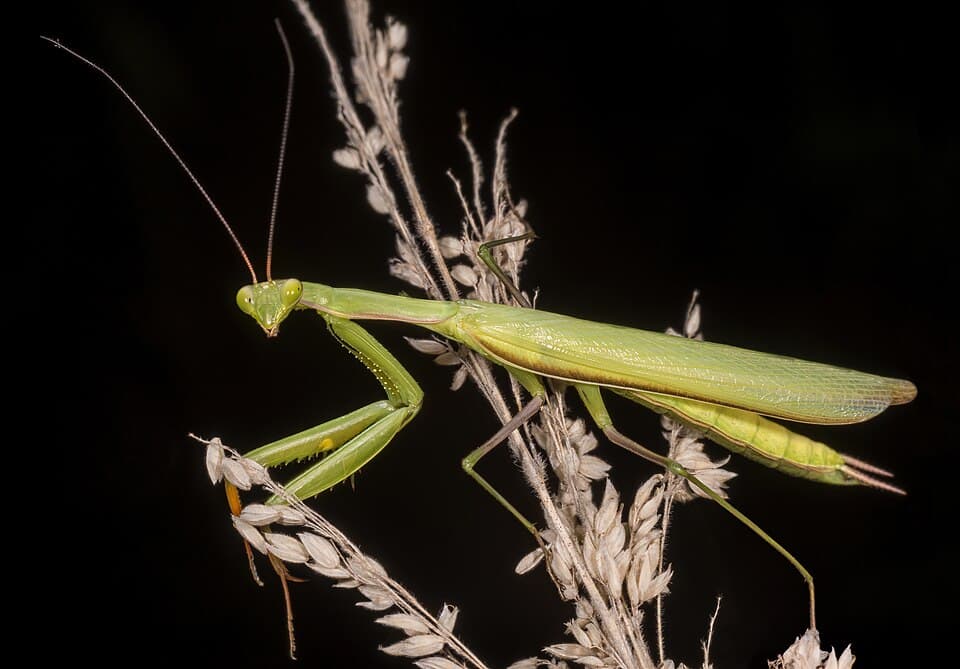
Praying Mantis
Mantis religiosa
InsectThe praying mantis is an ambush predator instantly recognizable by its front legs held together as if in prayer, folded and spiked for snatching prey in a lightning-fast strike. Its triangular head can rotate nearly 180 degrees, giving it an almost unmatched field of view among insects for spotting movement.
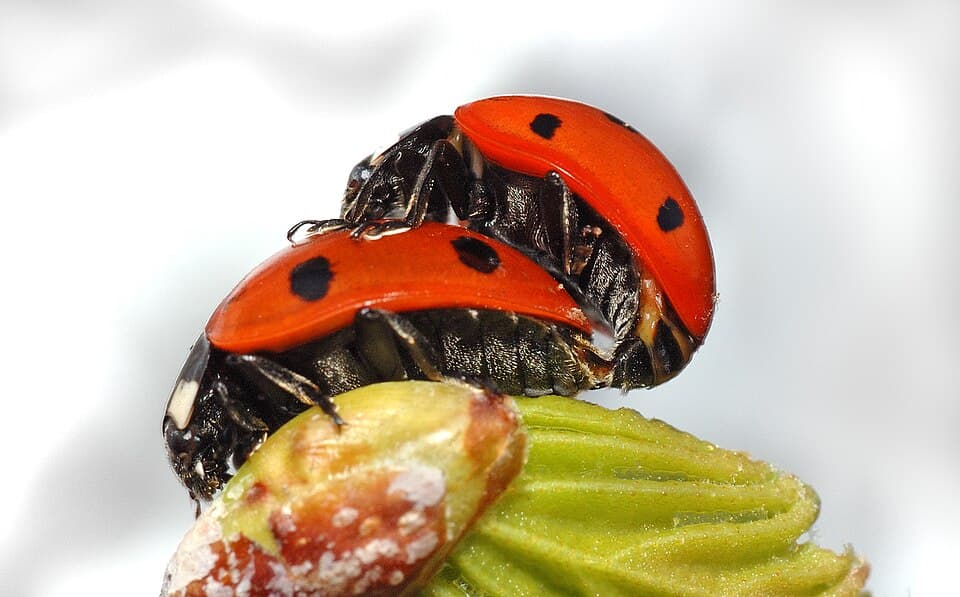
Seven-Spot Ladybird
Coccinella septempunctata
InsectThe seven-spot ladybird is one of the most recognizable beetles in the world, named for the seven black spots that mark its glossy red wing covers. Both adults and larvae are voracious predators of aphids, making the species a natural form of pest control long valued by farmers and gardeners.
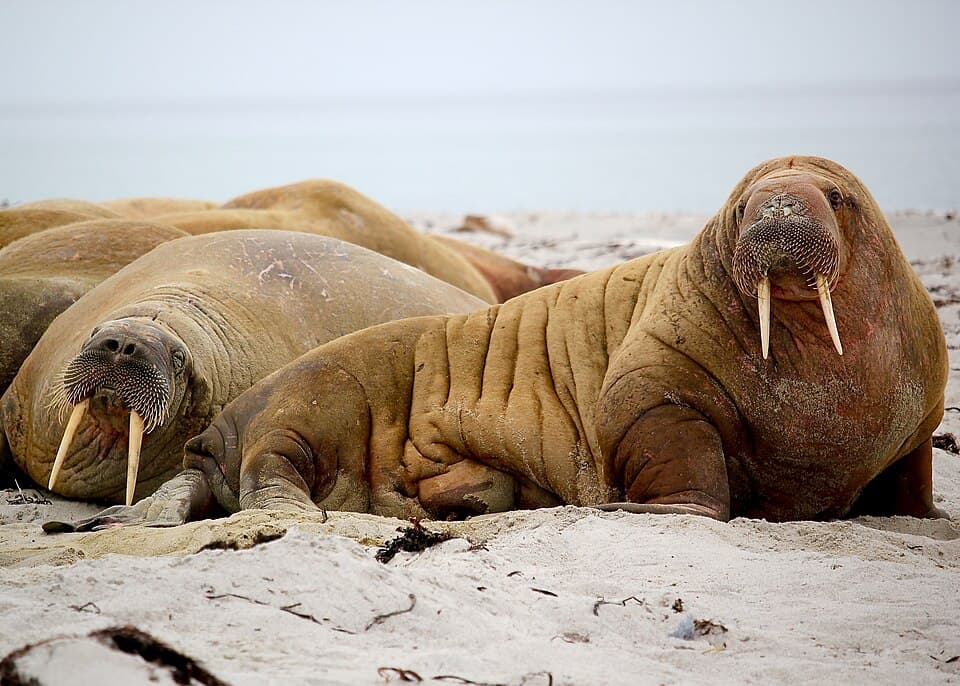
Walrus
Odobenus rosmarus
MammalThe walrus is a massive Arctic marine mammal easily identified by its long ivory tusks, thick blubber layer, and distinctive whiskered snout.
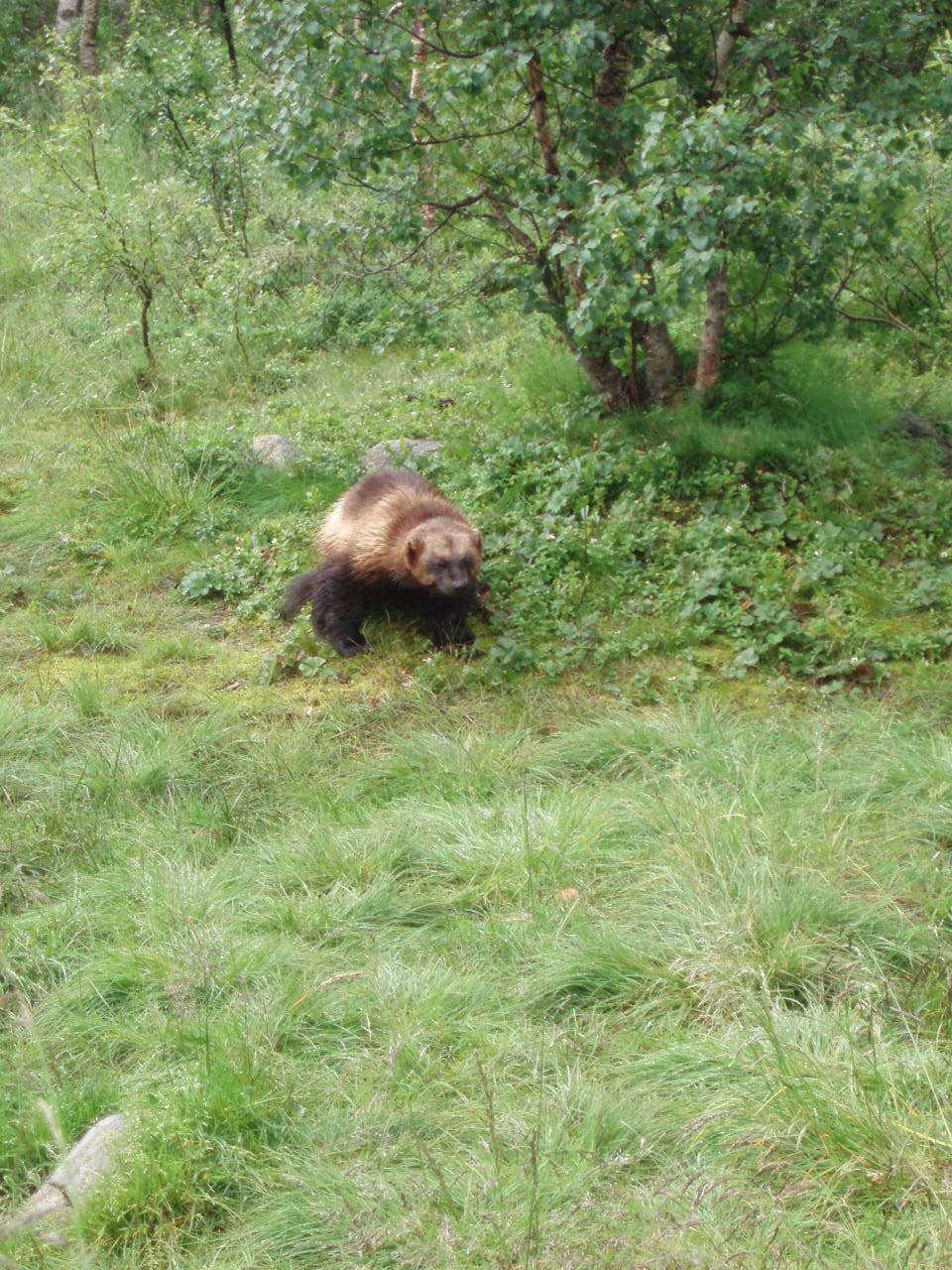
Wolverine
Gulo gulo
MammalThe wolverine is the largest land-dwelling member of the weasel family, a solitary and famously tenacious predator and scavenger of far northern forests and tundra. Despite its bear-like appearance, it is much smaller than its reputation suggests, roughly the size of a medium dog, but is capable of driving much larger animals like wolves away from a carcass.
European Animals FAQs
How many european animals are listed here?
This page currently features 15 species, and more are added regularly as the dataset grows.
What is the most popular animal in this list?
Polar Bear is currently the most popular animal in European Animals.
Are any of these animals endangered?
Yes — 2 of the 15 species listed are classified as vulnerable, endangered, or critically endangered.
Explore Other Continents
African Animals
Home to the largest land animals on Earth and the greatest diversity of large mammals, from the Sahara to the savanna.
Asian Animals
The largest and most ecologically varied continent, spanning tropical rainforest, high plateau, and frozen tundra.
North American Animals
Spanning arctic tundra to desert and subtropical wetland, North America hosts an especially wide range of climates and species.
South American Animals
Home to the Amazon rainforest and the Andes, South America holds some of the richest biodiversity on the planet.
Australian Animals
Isolated for millions of years, Australia evolved a unique array of marsupials and egg-laying mammals found nowhere else.
Antarctic Animals
The coldest, driest continent supports a surprising amount of life, concentrated along its coasts and the surrounding Southern Ocean.