Australian Animals
Australia has been geographically isolated from other continents for tens of millions of years, drifting apart from what was once a connected southern landmass long before most of the world's other mammal groups had a chance to spread there. That isolation let evolution take a radically different path: marsupials, which carry and nurse underdeveloped young in a pouch, came to dominate Australia's mammal fauna almost completely, filling ecological roles that placental mammals occupy on every other continent. The result is one of the most distinctive and heavily endemic wildlife assemblages on Earth, from hopping kangaroos and wombats to the world's only egg-laying mammals, alongside harsh, arid interior landscapes that have shaped many species toward extreme drought tolerance.
Marsupials: Australia's Dominant Mammal Group
Unlike most of the world, where placental mammals dominate, the large majority of Australia's native mammal species are marsupials, giving birth to tiny, underdeveloped young that continue growing attached to a nipple, often inside a pouch. Kangaroos and wallabies fill grazing niches that deer, antelope, and cattle occupy elsewhere, while smaller marsupials fill roles held by rodents and rabbits on other continents. This wasn't an inevitable outcome so much as a product of isolation: with limited competition from placental mammals, marsupials had tens of millions of years to diversify into nearly every ecological niche available.
Monotremes: The World's Only Egg-Laying Mammals
Australia is home to monotremes, the only group of mammals that lay eggs instead of giving birth to live young — a lineage so ancient it split off from other mammals before marsupials and placental mammals even diverged from each other. Only two kinds of monotreme survive today: the platypus, an aquatic, duck-billed mammal found only in Australia's rivers and streams, and the echidna, a spiny, ant-eating mammal found in Australia and New Guinea. Both retain reptile-like traits alongside true mammalian ones, like fur and milk production, making them a living link to a much earlier stage of mammalian evolution.
Introduced Predators and Australia's Extinction Crisis
Australia's long isolation that produced such distinctive wildlife also left many native species poorly equipped to deal with predators introduced after European colonization. Foxes and cats, introduced deliberately, and cane toads, introduced in a failed attempt at pest control, spread rapidly and preyed on or poisoned native animals that had evolved no natural defenses against them. As a result, Australia has one of the highest recorded rates of modern mammal extinction of any region on Earth, and ongoing predator-control and native species recovery programs remain one of the country's biggest conservation priorities today.
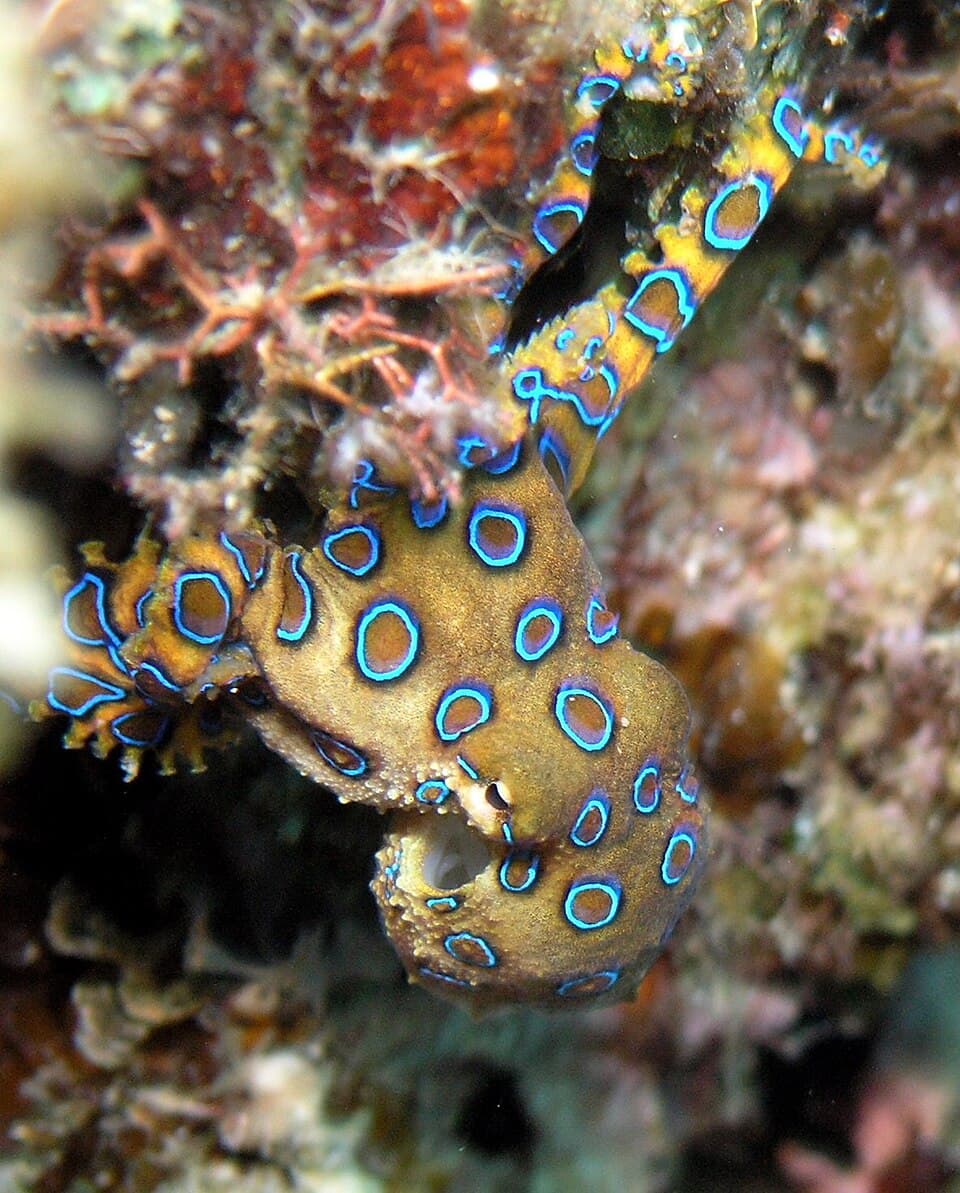
Blue-Ringed Octopus
Hapalochlaena lunulata
Marine AnimalThe blue-ringed octopus is one of the most venomous marine animals in the world despite being barely larger than a golf ball, found in tide pools and shallow reefs across the Indo-Pacific. Its venom contains tetrodotoxin, a toxin powerful enough to cause paralysis in humans, though the octopus itself is docile and only bites when directly provoked or handled.
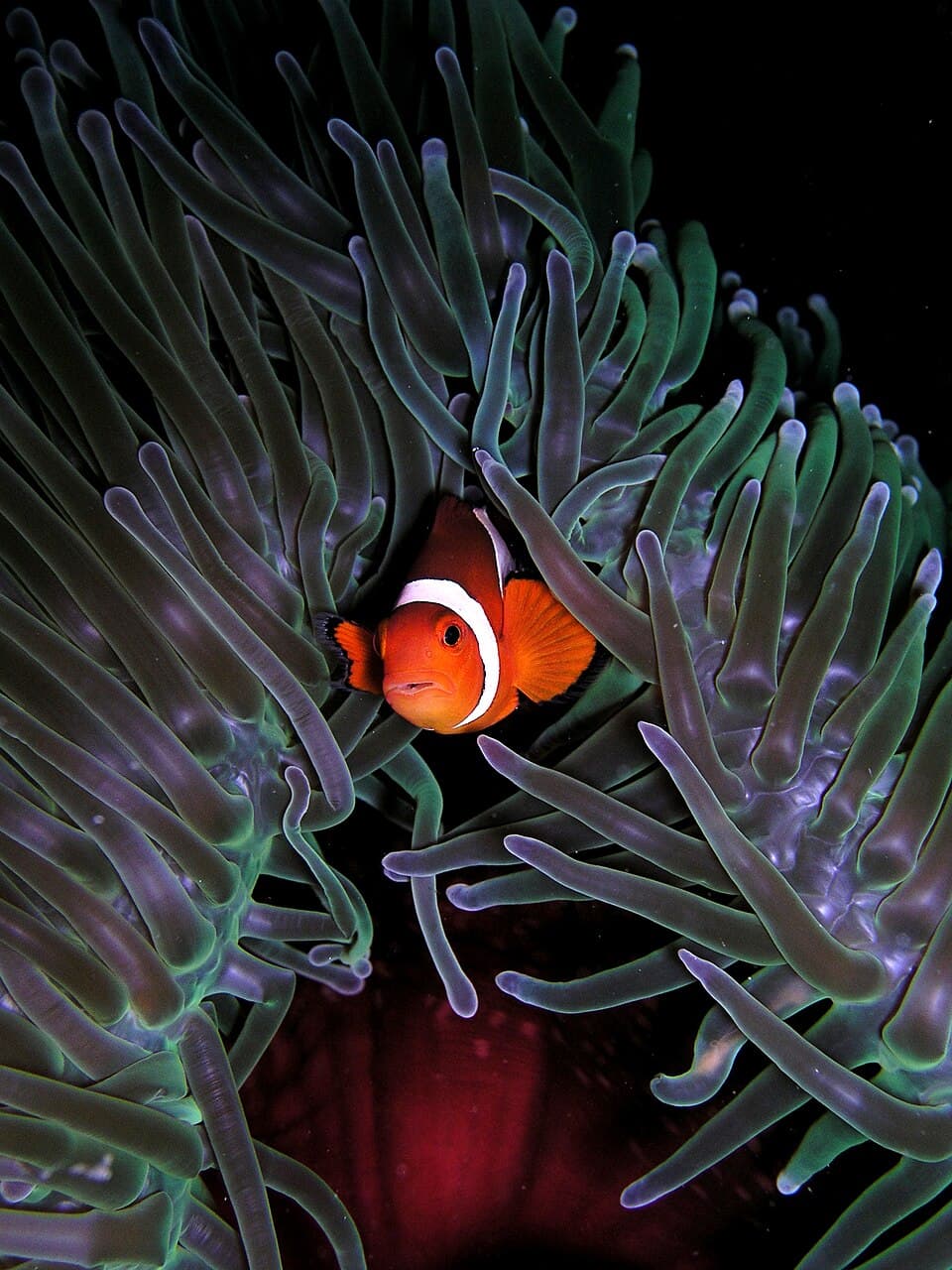
Clownfish
Amphiprion ocellaris
FishThe clownfish is a small, brightly-colored reef fish famous for its symbiotic relationship with sea anemones, whose stinging tentacles it is immune to.
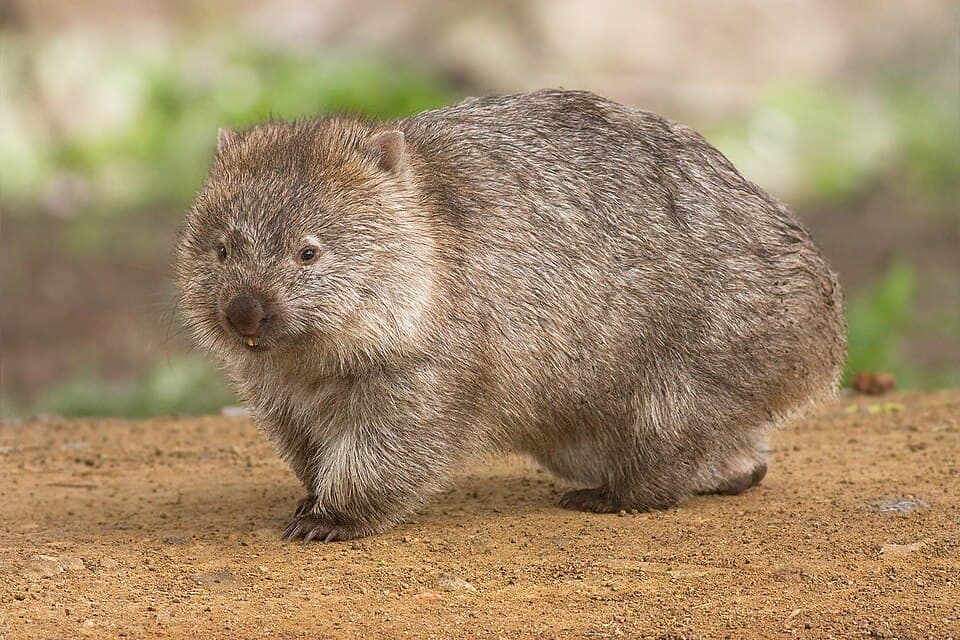
Common Wombat
Vombatus ursinus
MammalThe common wombat is a stocky, burrowing marsupial native to Australia, known for digging some of the most extensive burrow systems of any animal its size. Despite its slow, waddling gait, it can sprint in short bursts when threatened and is a powerful, capable digger built like a small bulldozer.
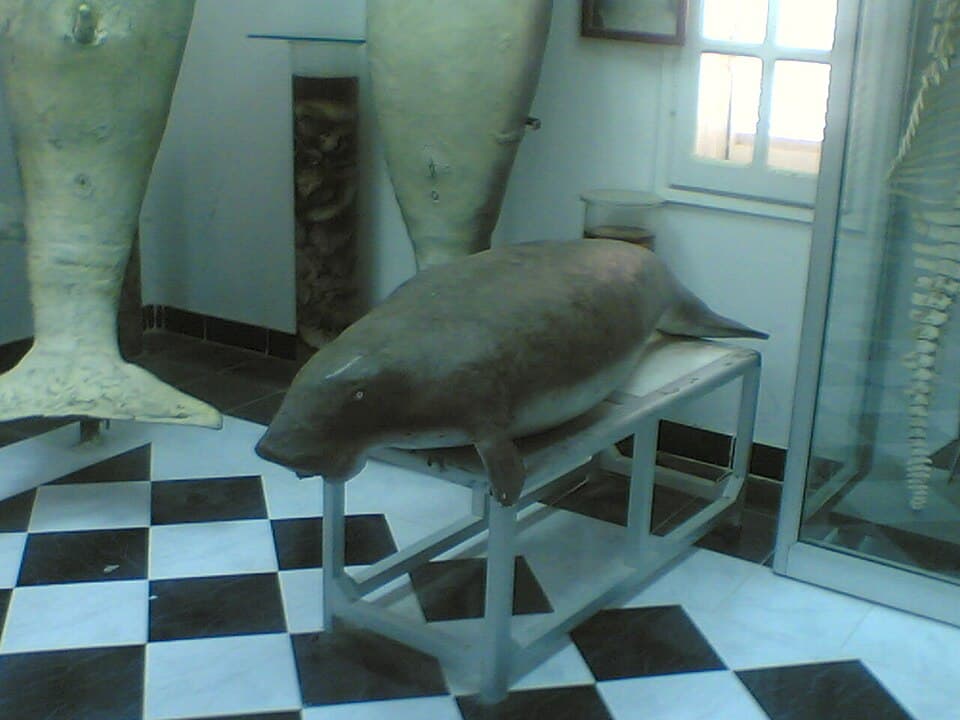
Dugong
Dugong dugon
Marine AnimalThe dugong is a large marine mammal closely related to manatees, spending its entire life grazing on seagrass meadows in the shallow coastal waters of the Indian and western Pacific Oceans. It is the only strictly herbivorous marine mammal that lives exclusively in the sea, unlike manatees, which sometimes venture into freshwater rivers.
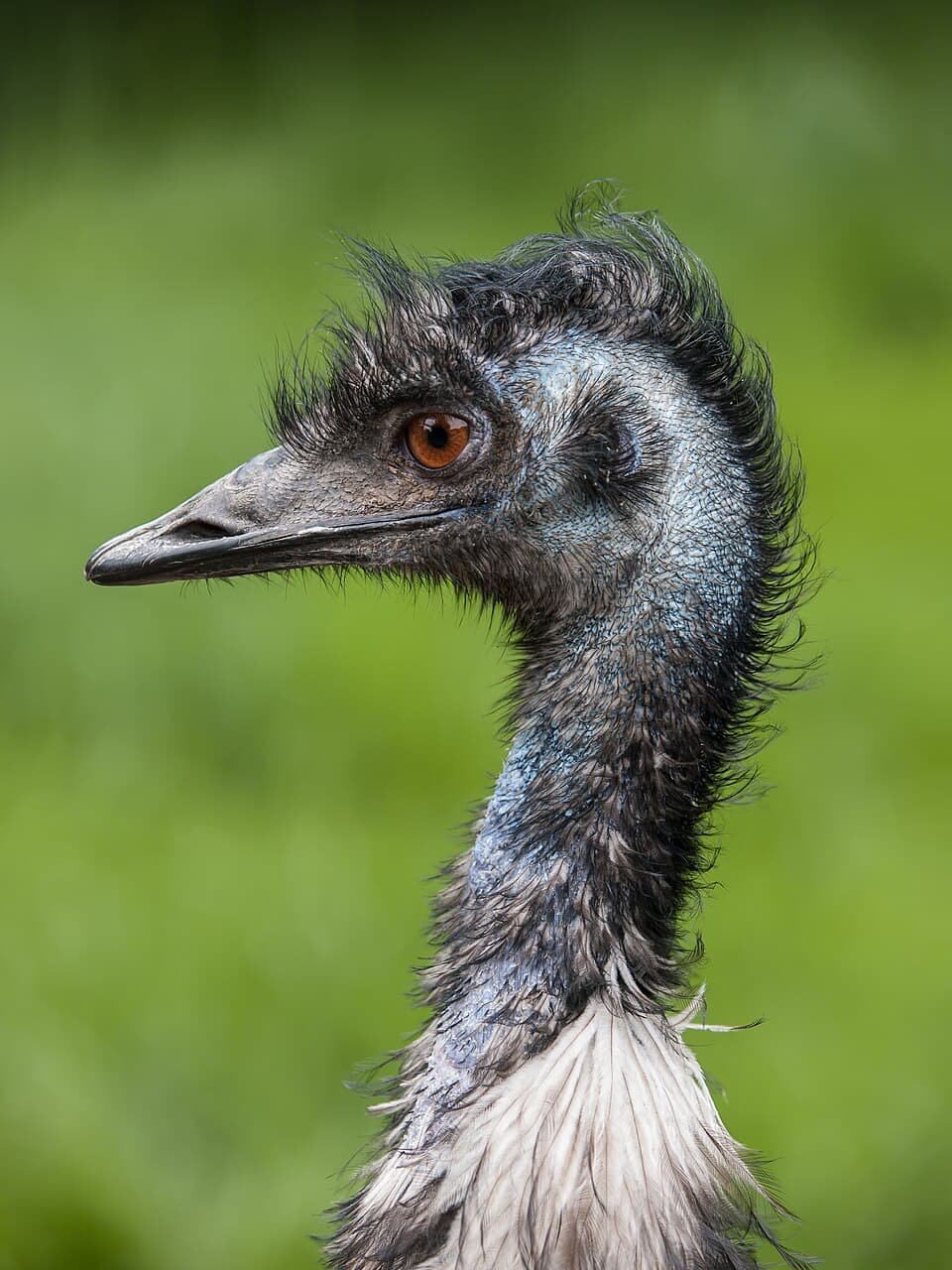
Emu
Dromaius novaehollandiae
BirdThe emu is the second-largest living bird in the world by height, a flightless giant native to the open plains and deserts of Australia. Despite being unable to fly, it's an exceptionally fast and powerful runner, capable of covering long distances across the outback in search of food and water.
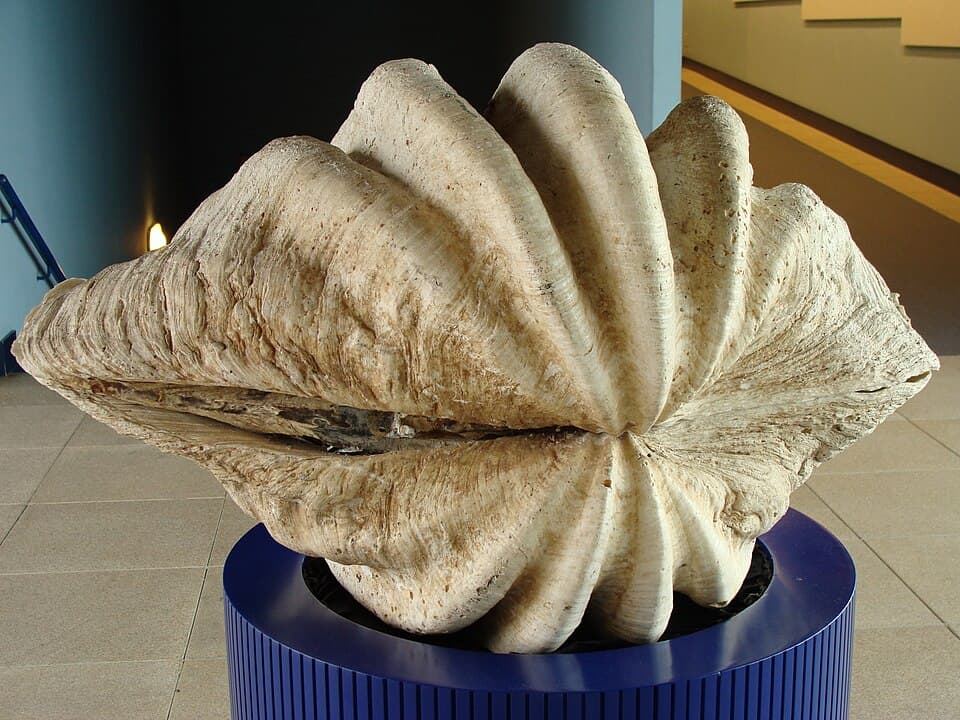
Giant Clam
Tridacna gigas
Marine AnimalThe giant clam is the largest living bivalve mollusk in the world, capable of growing shells over a meter across and living for a century or more anchored to the same spot on a coral reef. Rather than actively hunting for food, it hosts millions of photosynthetic algae within its colorful mantle tissue, drawing most of its energy from sugars the algae produce using sunlight.
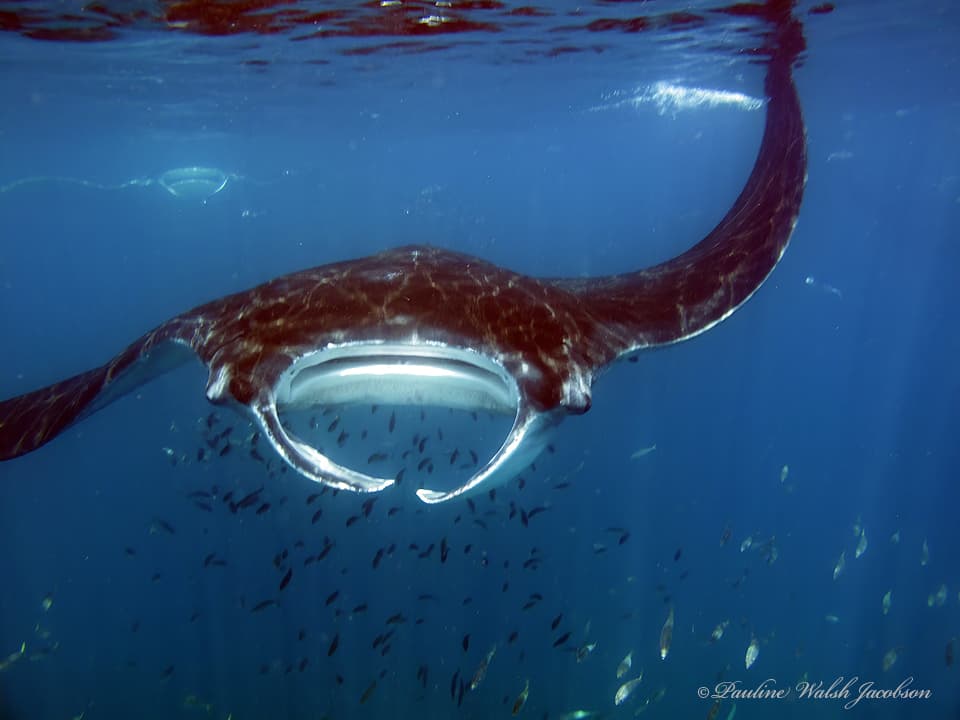
Giant Oceanic Manta Ray
Mobula birostris
FishThe giant oceanic manta ray is the largest ray species in the world, with a wingspan that can reach up to 7 meters across. Despite its enormous size, it feeds exclusively on some of the ocean's smallest organisms, filtering huge volumes of zooplankton through specialized gill plates as it swims.
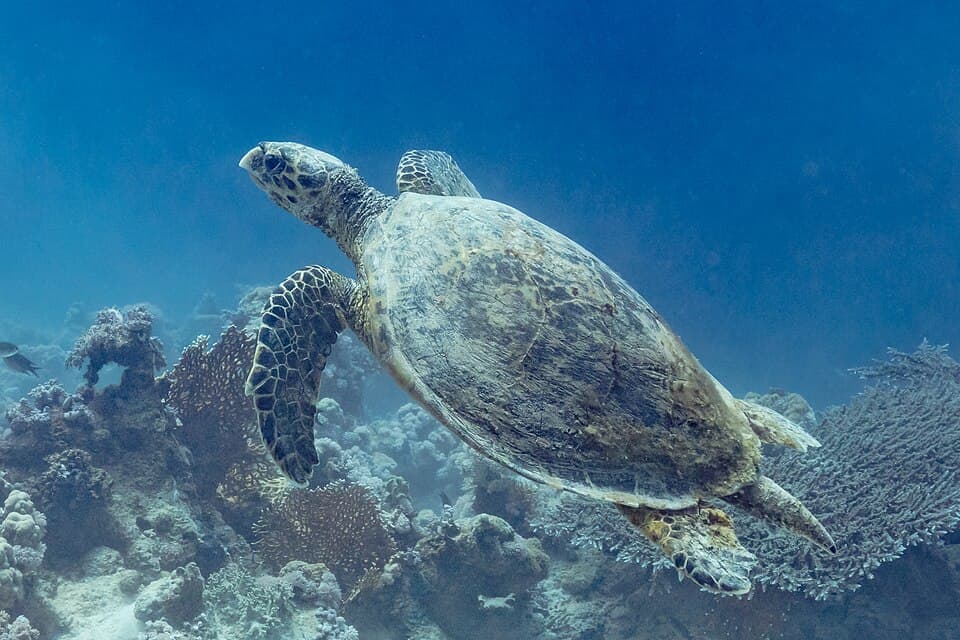
Hawksbill Sea Turtle
Eretmochelys imbricata
ReptileThe hawksbill sea turtle is a critically endangered marine reptile named for its narrow, pointed beak, which resembles a bird of prey's hooked bill. It plays a vital ecological role on coral reefs by feeding primarily on sponges, helping maintain the balance of reef ecosystems by preventing sponges from overgrowing and smothering coral.
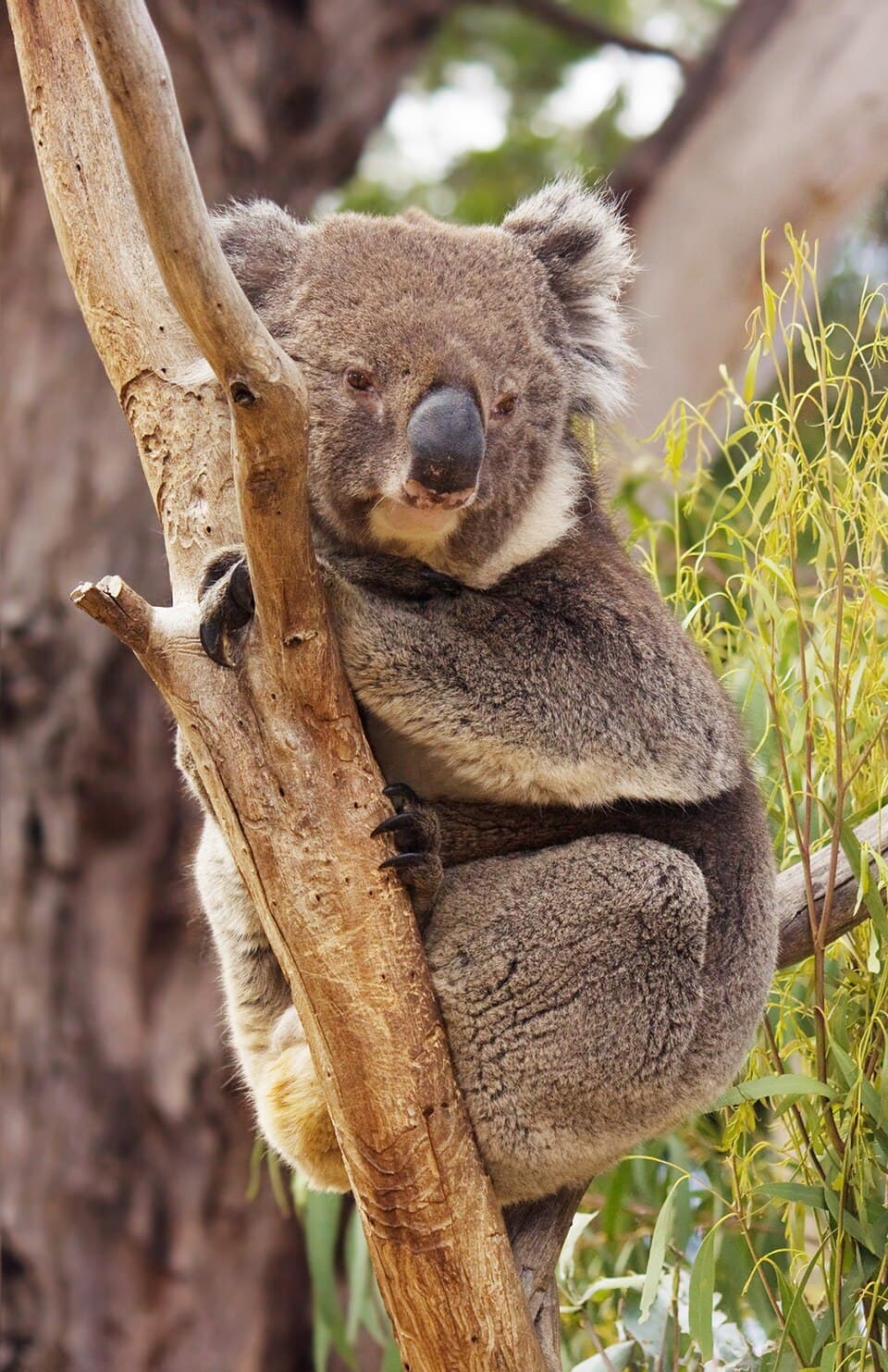
Koala
Phascolarctos cinereus
MammalThe koala is a tree-dwelling marsupial native to Australia, spending nearly its entire life in eucalyptus trees on a diet that would be toxic to most other mammals.
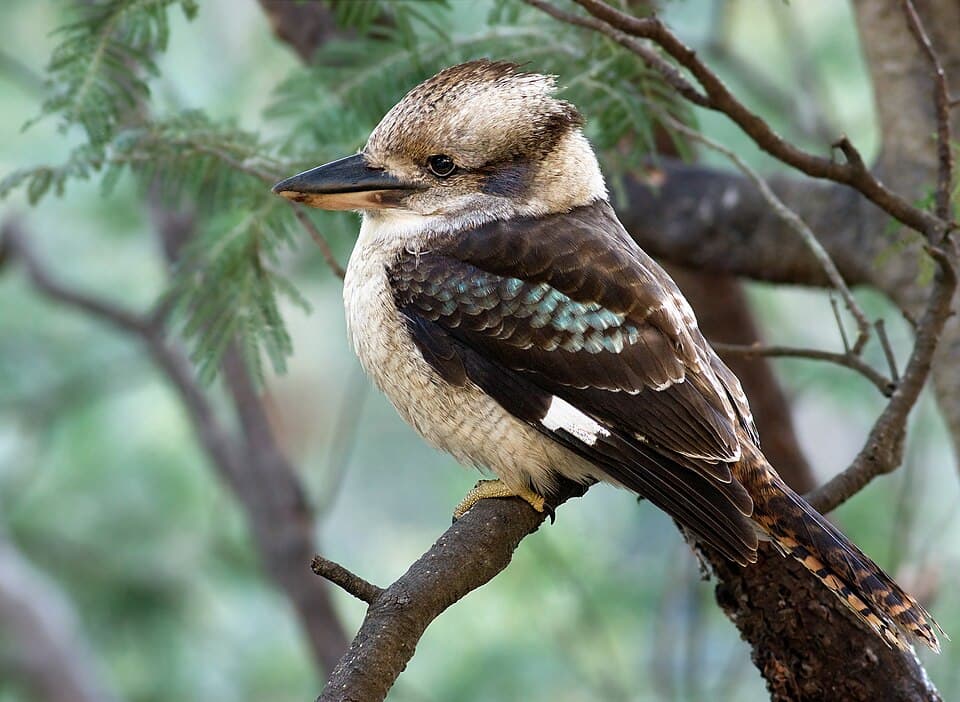
Laughing Kookaburra
Dacelo novaeguineae
BirdThe laughing kookaburra is the largest member of the kingfisher family, famous for a call that sounds remarkably like raucous human laughter, often used to establish territory at dawn and dusk. Native to eastern Australia, it's one of the country's most recognizable and culturally iconic birds.
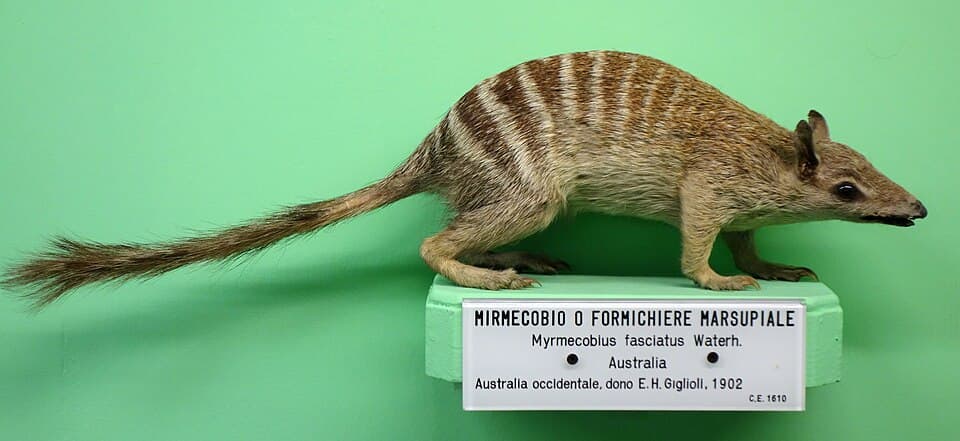
Numbat
Myrmecobius fasciatus
MammalThe numbat is a small, striped marsupial from Western Australia and one of the very few marsupials active exclusively during the day. Unlike most marsupials, it feeds almost entirely on termites, using an extremely long, sticky tongue to extract thousands of them from tunnels and rotting wood each day.
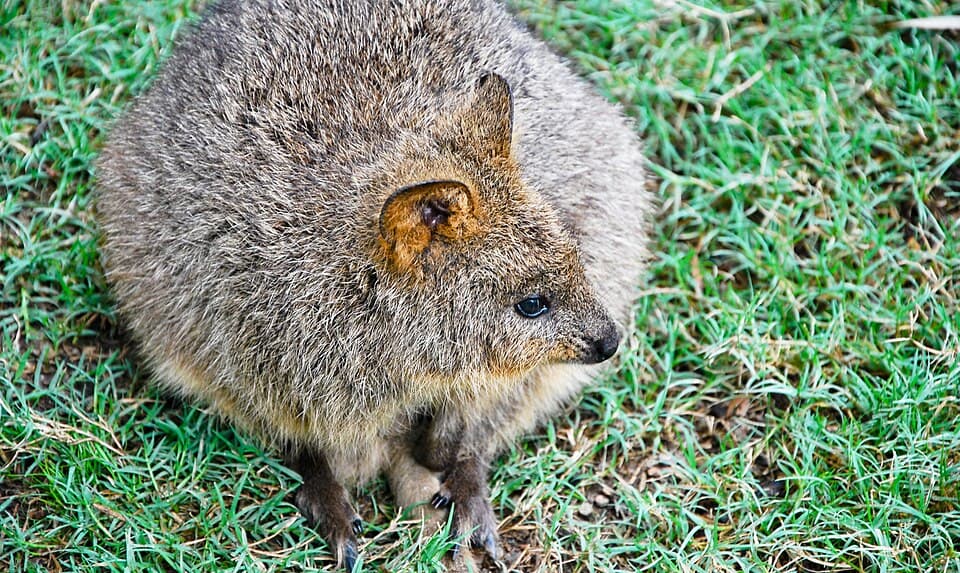
Quokka
Setonix brachyurus
MammalThe quokka is a small macropod, part of the same broad family as kangaroos and wallabies, found in a few fragmented pockets on mainland southwest Australia and, in far greater numbers, on a handful of predator-free islands off Western Australia. It is widely nicknamed 'the world's happiest animal' online for a permanent smile-like expression created by the shape of its mouth, which has made it a popular subject for tourist selfies on Rottnest Island, its best-known stronghold. Despite that island abundance, quokkas are classified as Vulnerable overall, since introduced predators like foxes and cats have devastated the harder-to-protect mainland population over the past century.
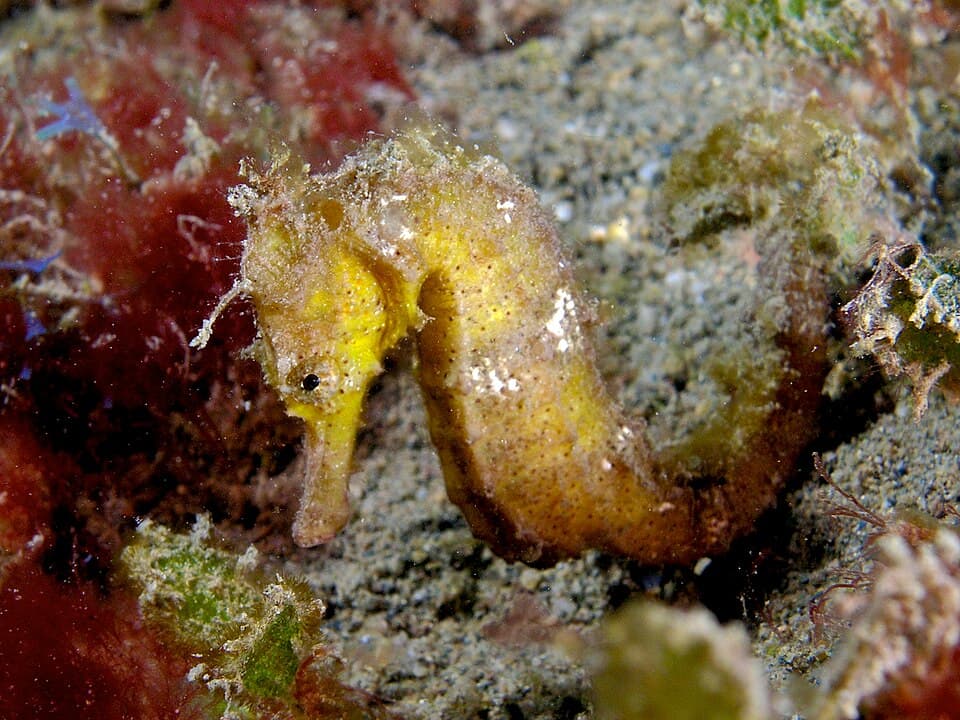
Seahorse
Hippocampus kuda
FishThe seahorse is one of the ocean's most distinctive fish, with an upright, horse-like body shape unlike almost any other fish species. Rather than swimming powerfully, it drifts through seagrass beds and coral reefs, anchoring itself in place with a flexible, prehensile tail wrapped around plant stems or coral.
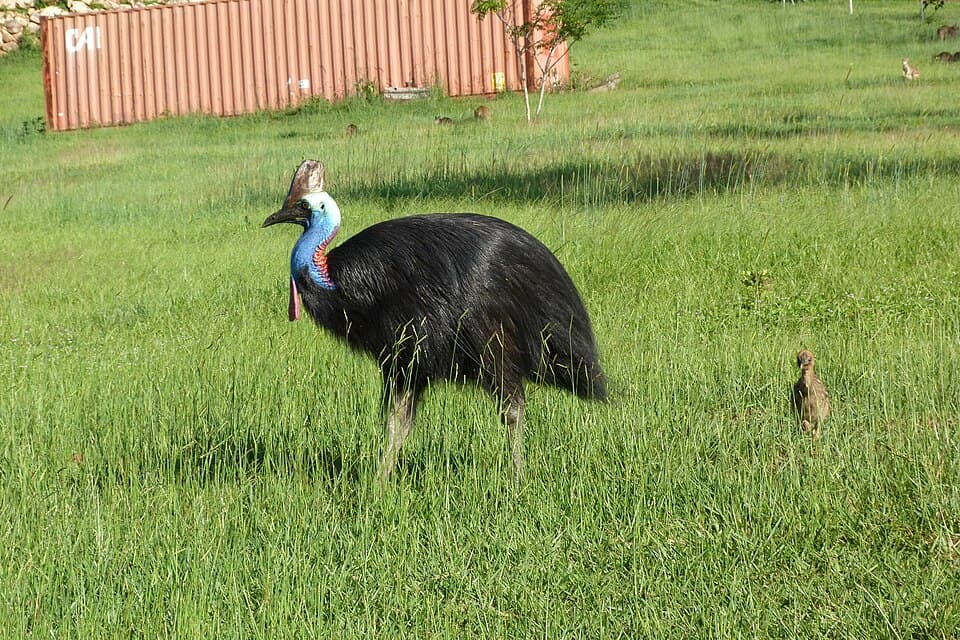
Southern Cassowary
Casuarius casuarius
BirdThe southern cassowary is one of the largest and most dangerous birds in the world, a flightless giant native to the tropical rainforests of northern Australia and New Guinea. Despite its bulk, it is an excellent swimmer and can sprint through dense forest at considerable speed, using a large bony helmet-like casque atop its head to push through thick vegetation.
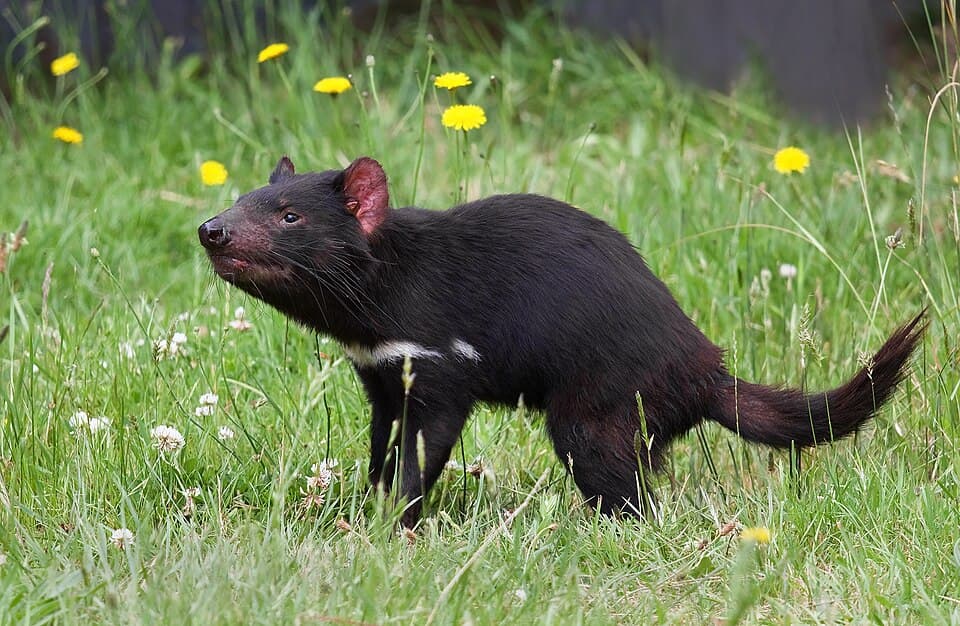
Tasmanian Devil
Sarcophilus harrisii
MammalThe Tasmanian devil is the largest surviving carnivorous marsupial in the world, now found only on the Australian island of Tasmania after going extinct on the mainland centuries ago. Despite its stocky, unassuming build, it has one of the strongest bites relative to body size of any living mammal, capable of crushing bone.
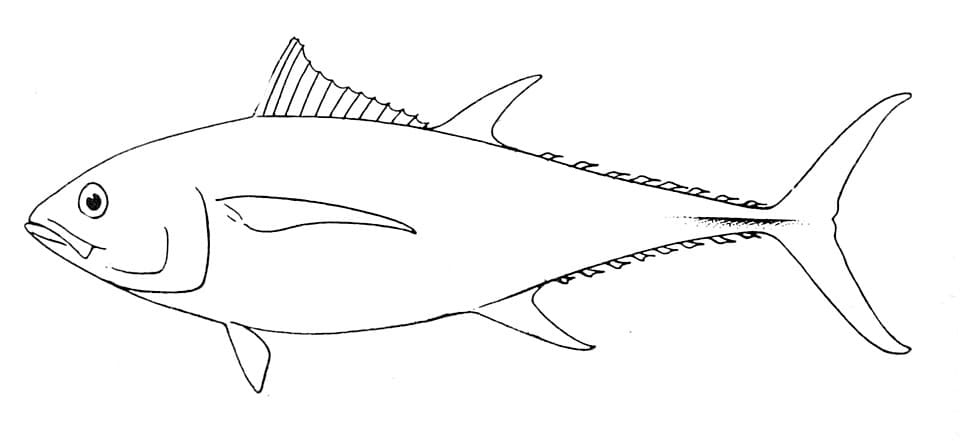
Yellowfin Tuna
Thunnus albacares
FishThe yellowfin tuna is a large, fast-swimming fish found in tropical and subtropical waters across the world's oceans, prized both as one of the ocean's most powerful predators and as one of the most commercially important fish species for human consumption. Its name comes from the bright yellow coloring of its dorsal and anal fins, which become especially long and dramatic in mature adults.
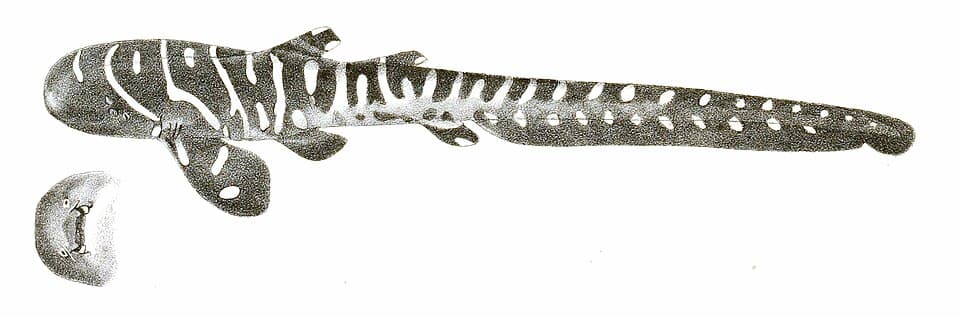
Zebra Shark
Stegostoma tigrinum
FishThe zebra shark is a docile, bottom-dwelling shark of the Indo-Pacific, named for the dark stripes seen in juveniles that fade into a spotted pattern as adults.
Australian Animals FAQs
How many australian animals are listed here?
This page currently features 17 species, and more are added regularly as the dataset grows.
What is the most popular animal in this list?
Koala is currently the most popular animal in Australian Animals.
Are any of these animals endangered?
Yes — 10 of the 17 species listed are classified as vulnerable, endangered, or critically endangered.
Explore Other Continents
African Animals
Home to the largest land animals on Earth and the greatest diversity of large mammals, from the Sahara to the savanna.
Asian Animals
The largest and most ecologically varied continent, spanning tropical rainforest, high plateau, and frozen tundra.
European Animals
From Mediterranean coastlines to Nordic forests, Europe supports a mix of temperate wildlife shaped by a long history alongside humans.
North American Animals
Spanning arctic tundra to desert and subtropical wetland, North America hosts an especially wide range of climates and species.
South American Animals
Home to the Amazon rainforest and the Andes, South America holds some of the richest biodiversity on the planet.
Antarctic Animals
The coldest, driest continent supports a surprising amount of life, concentrated along its coasts and the surrounding Southern Ocean.