Herbivores
Plant-eating animals that graze or browse on grasses, leaves, and other vegetation, from tiny insects to giant elephants.
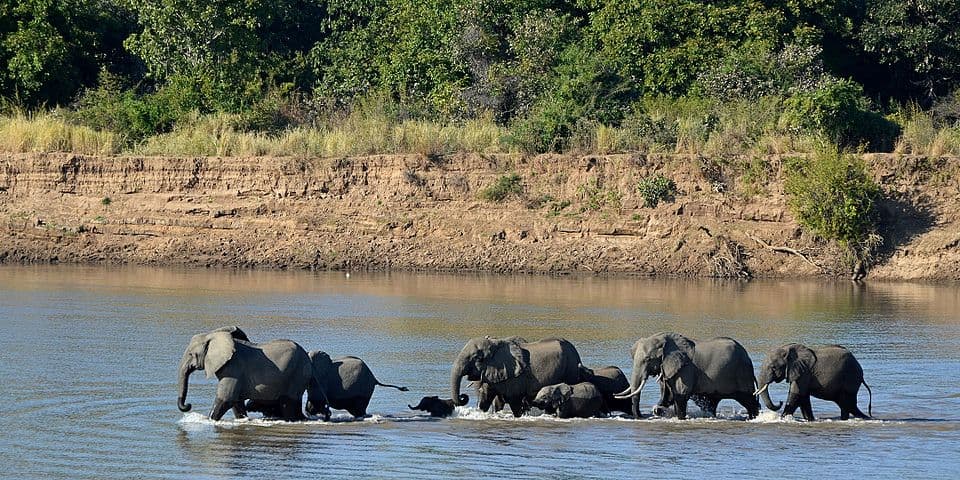
African Elephant
Loxodonta africana
MammalThe African elephant is the largest living land animal, roaming savannas, forests, and semi-arid regions across sub-Saharan Africa in tightly-bonded matriarchal herds. This entry refers specifically to the African bush elephant, the larger of two African species recognized by the IUCN since 2021 — the other, the African forest elephant, is smaller, has straighter tusks, and lives in the dense rainforests of Central and West Africa. Elephant populations were decimated by ivory poaching through the 20th century, and though international trade bans and anti-poaching efforts have slowed the decline in many regions, habitat loss and human-wildlife conflict continue to threaten the species today.
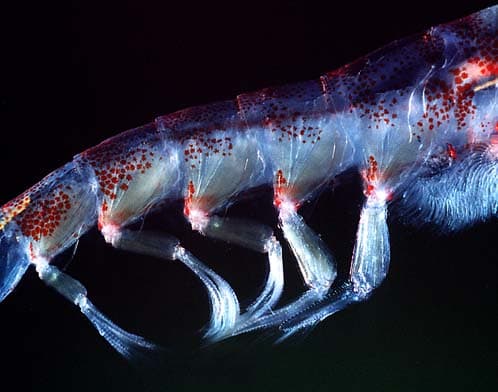
Antarctic Krill
Euphausia superba
Marine AnimalAntarctic krill is a small, shrimp-like crustacean that forms the foundation of the entire Antarctic food web, supporting whales, seals, penguins, and countless fish species. Despite its tiny individual size, its total biomass is estimated to be one of the largest of any animal species on Earth, gathering in massive swarms that can stretch for kilometers and be seen from space.
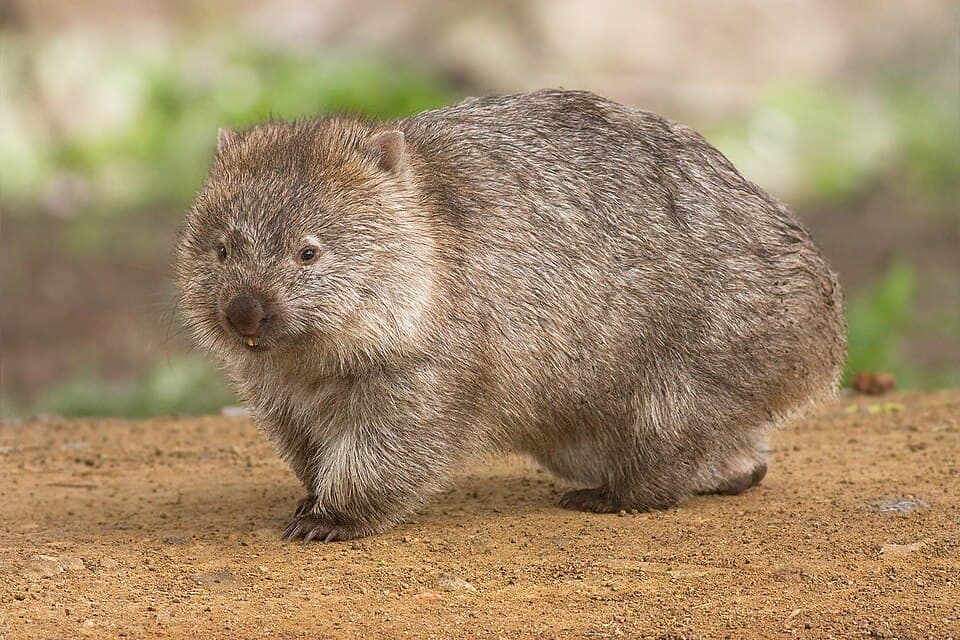
Common Wombat
Vombatus ursinus
MammalThe common wombat is a stocky, burrowing marsupial native to Australia, known for digging some of the most extensive burrow systems of any animal its size. Despite its slow, waddling gait, it can sprint in short bursts when threatened and is a powerful, capable digger built like a small bulldozer.
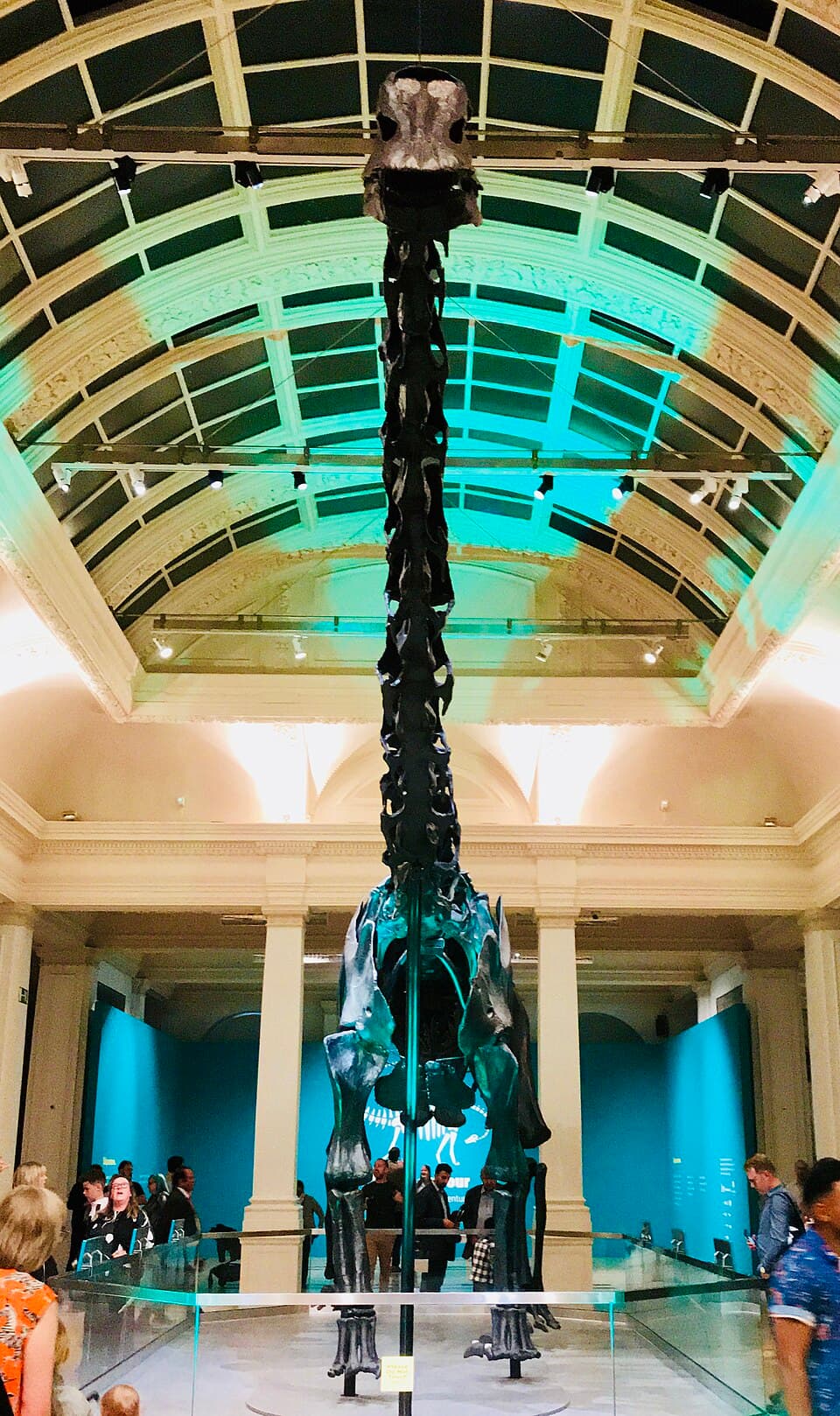
Diplodocus
Diplodocus carnegii
DinosaurDiplodocus was one of the longest dinosaurs to ever walk the Earth, an enormous long-necked, long-tailed herbivore that roamed what is now western North America during the Late Jurassic period. Despite its massive length, it was relatively lightly built for its size, with a skeleton adapted to minimize weight while still supporting its huge frame.
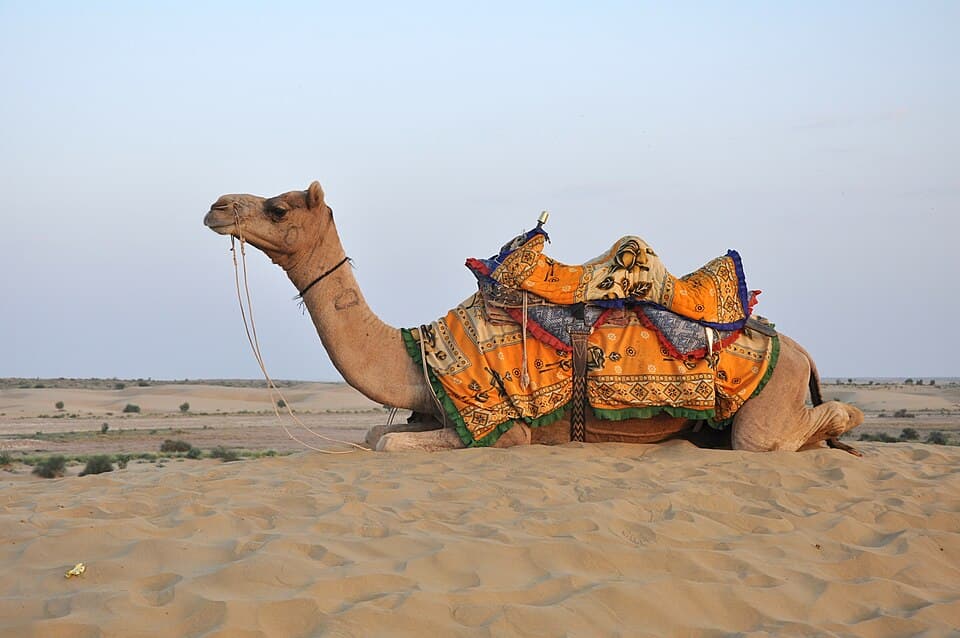
Dromedary Camel
Camelus dromedarius
MammalThe dromedary, or one-humped camel, is a large desert mammal domesticated thousands of years ago and superbly adapted to surviving extreme heat and long stretches without water.
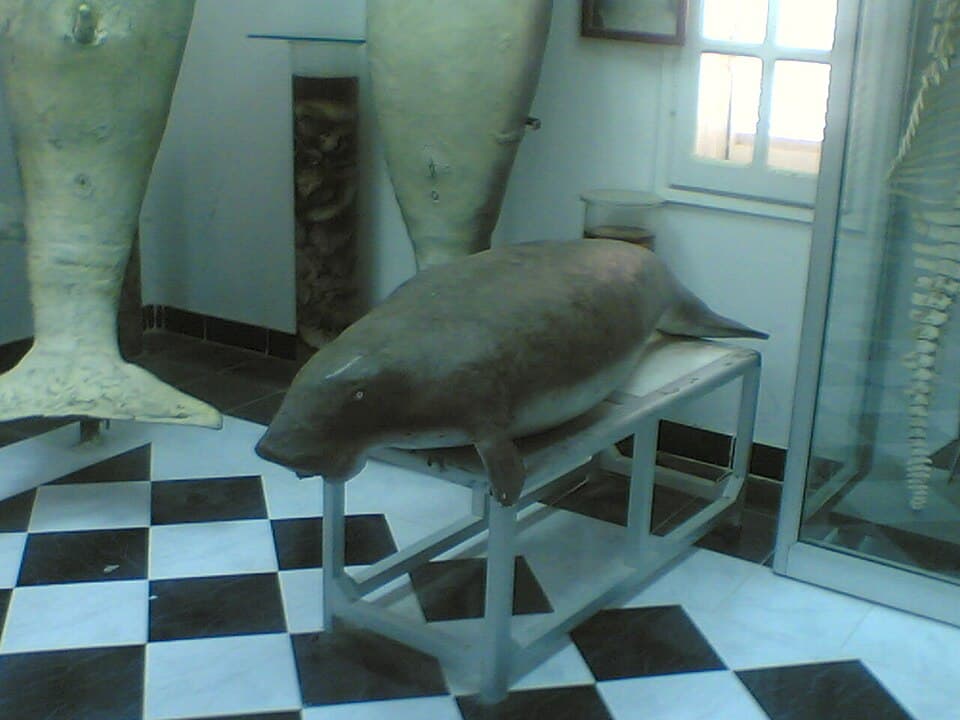
Dugong
Dugong dugon
Marine AnimalThe dugong is a large marine mammal closely related to manatees, spending its entire life grazing on seagrass meadows in the shallow coastal waters of the Indian and western Pacific Oceans. It is the only strictly herbivorous marine mammal that lives exclusively in the sea, unlike manatees, which sometimes venture into freshwater rivers.
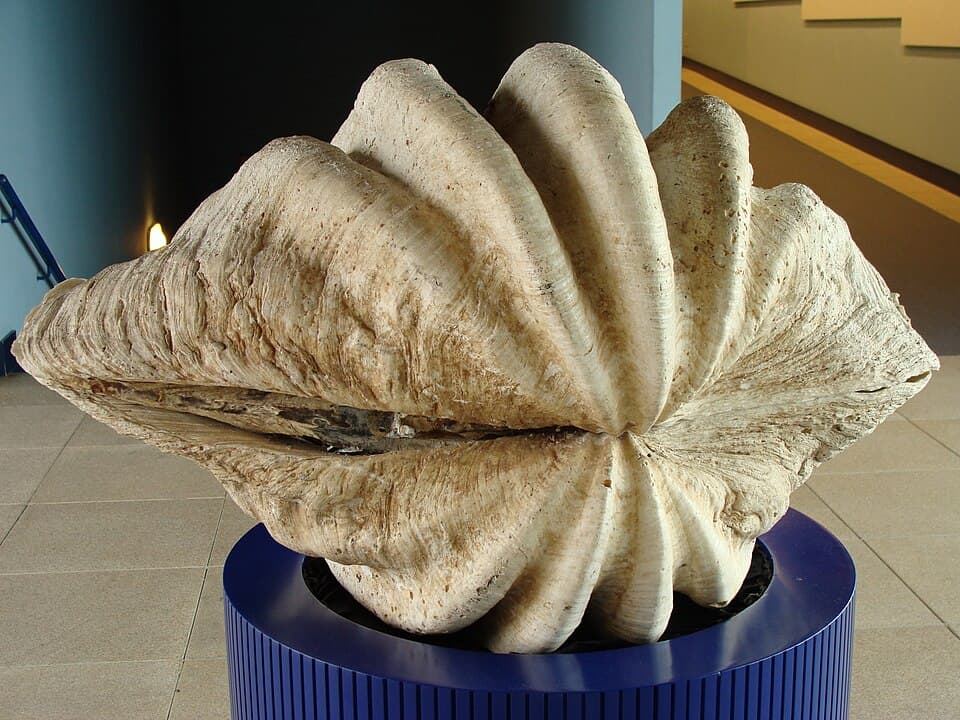
Giant Clam
Tridacna gigas
Marine AnimalThe giant clam is the largest living bivalve mollusk in the world, capable of growing shells over a meter across and living for a century or more anchored to the same spot on a coral reef. Rather than actively hunting for food, it hosts millions of photosynthetic algae within its colorful mantle tissue, drawing most of its energy from sugars the algae produce using sunlight.
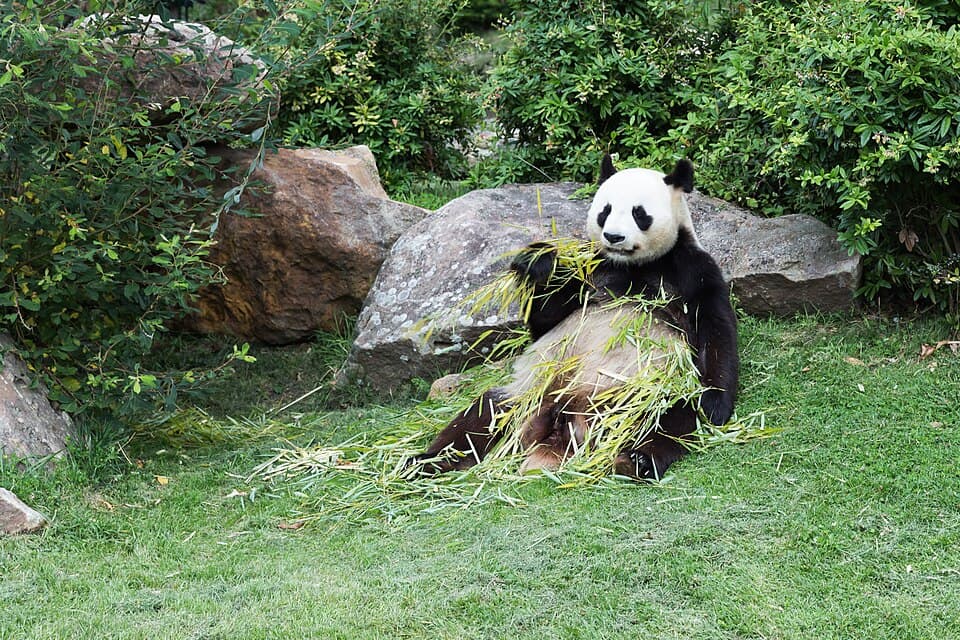
Giant Panda
Ailuropoda melanoleuca
MammalThe giant panda is a bear native to a handful of mountain forest ranges in central China, primarily in Sichuan province, famous worldwide for a diet made up almost entirely of bamboo despite retaining the short digestive tract of a carnivore. Because that digestive system extracts relatively little energy from tough, fibrous bamboo, pandas must eat enormous quantities to survive, spending up to 12 hours a day feeding and consuming as much as 38kg of bamboo in a single day. Long a symbol of Chinese culture and a fixture of international 'panda diplomacy,' the species was reclassified from Endangered to Vulnerable by the IUCN in 2016 after decades of habitat protection and captive-breeding programs helped stabilize its wild population — one of conservation's clearer recent success stories, even as bamboo forest fragmentation remains an ongoing threat.
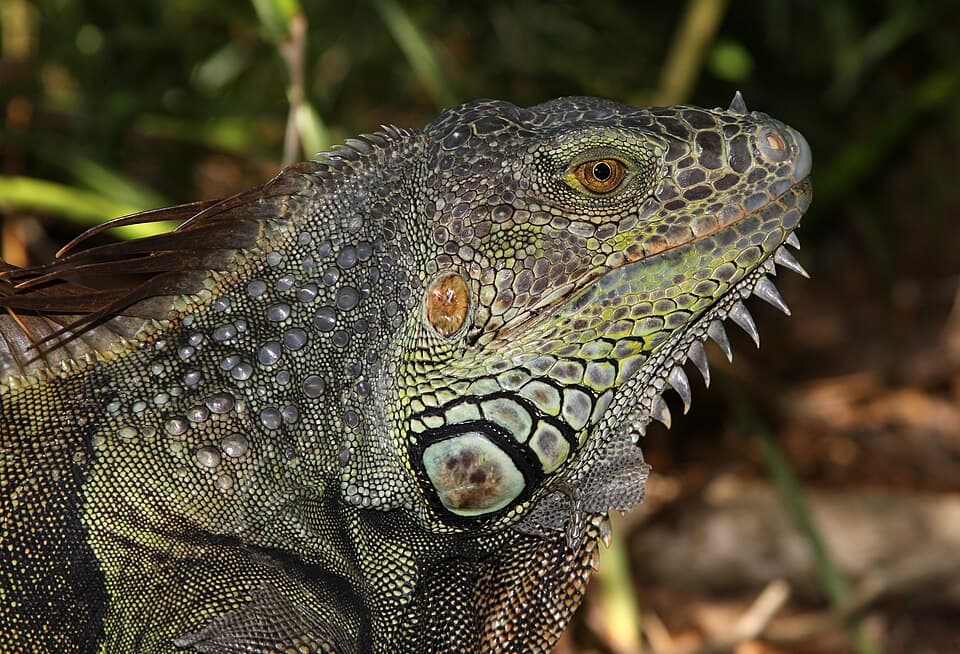
Green Iguana
Iguana iguana
ReptileThe green iguana is a large arboreal lizard native to Central and South America, often found basking on branches overhanging rivers and streams.
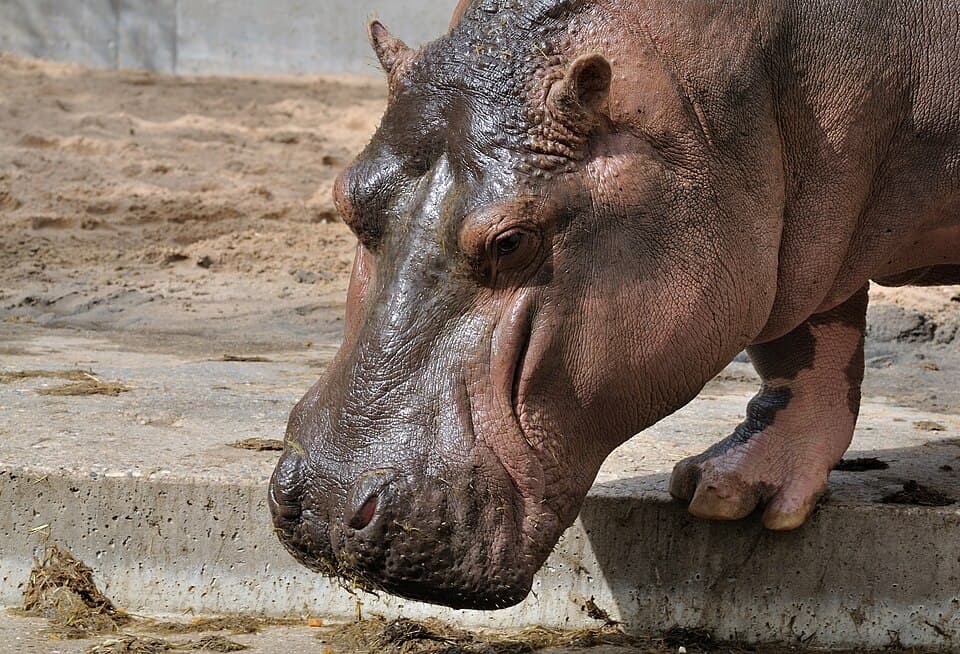
Hippopotamus
Hippopotamus amphibius
MammalThe hippopotamus is one of the largest land mammals, spending most of the day submerged in African rivers and lakes to keep its huge body cool.
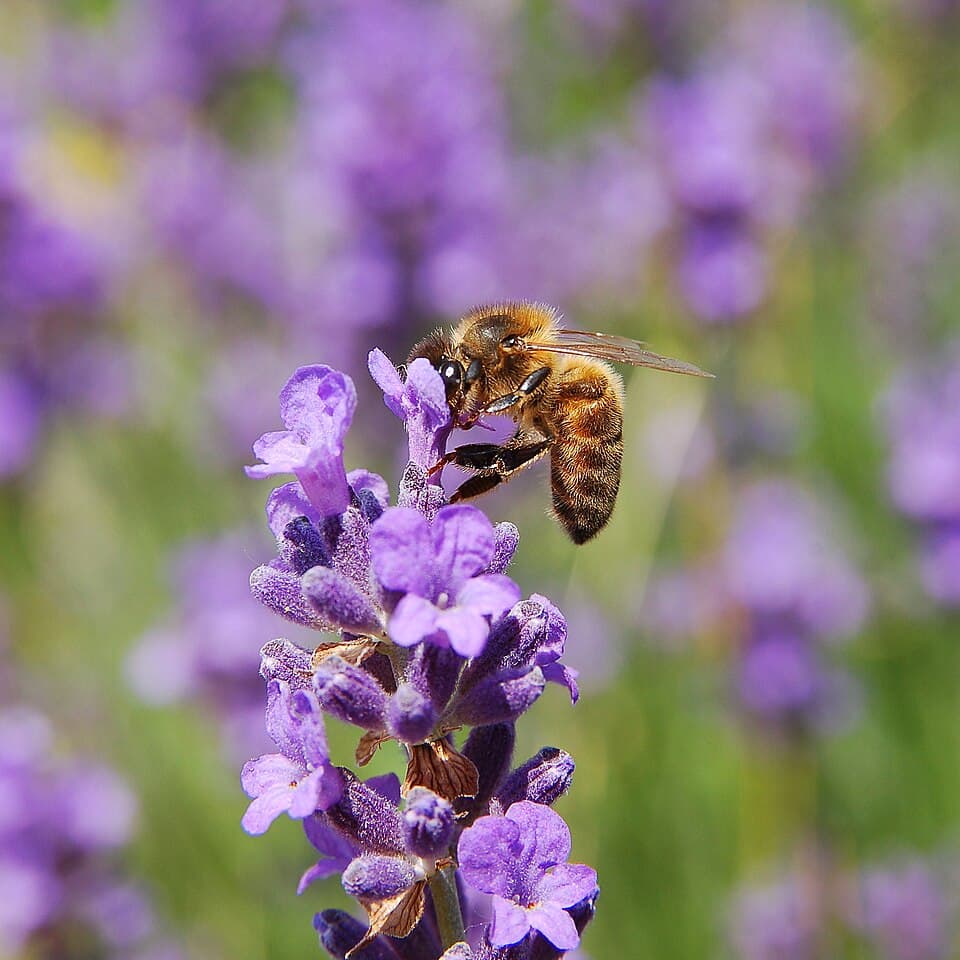
Honeybee
Apis mellifera
InsectThe honeybee is a highly social insect essential to global agriculture, pollinating a huge share of the crops humans depend on while producing honey and wax.
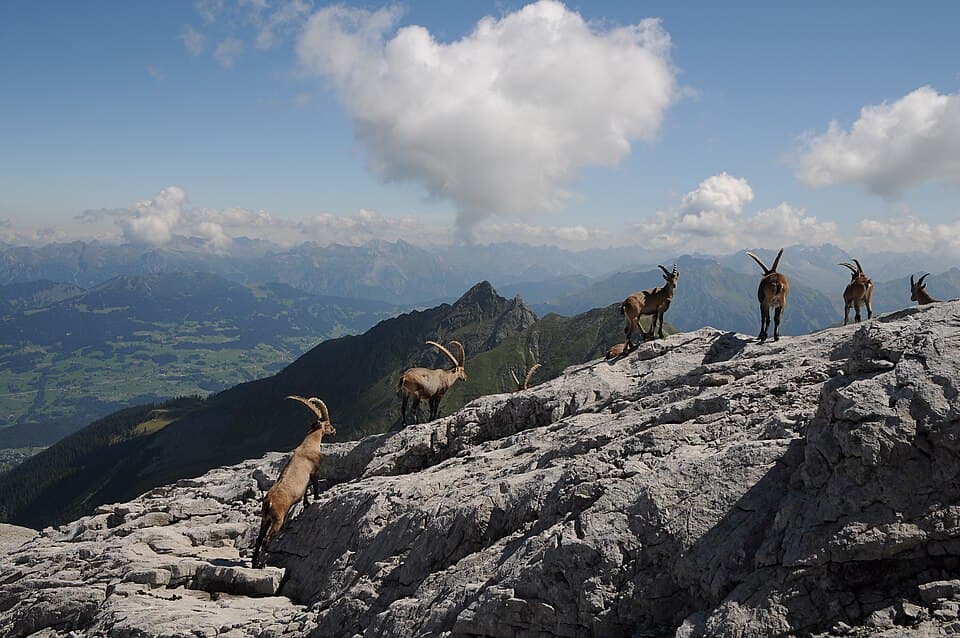
Ibex
Capra ibex
MammalThe Alpine ibex is a wild goat species famous for its massive, ridged, backward-curving horns and remarkable ability to scale near-vertical cliff faces in the mountains of the European Alps. Once hunted to near extinction, the entire modern population descends from a small group protected in a single Italian nature reserve in the 19th century.
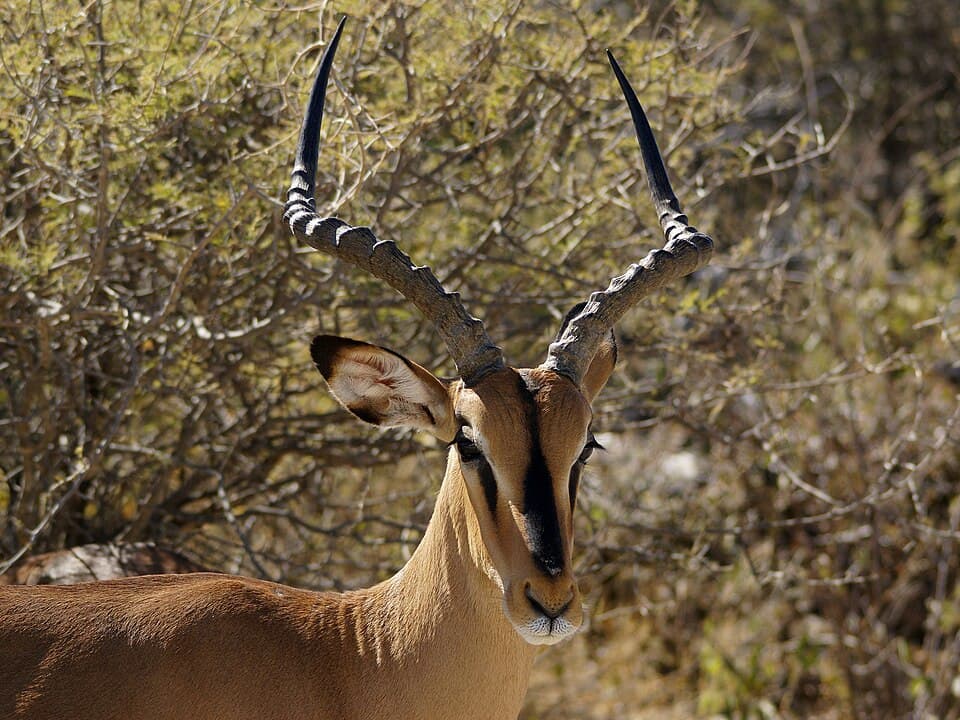
Impala
Aepyceros melampus
MammalThe impala is a medium-sized antelope found across eastern and southern African savannas, famous for its explosive leaping ability when startled.
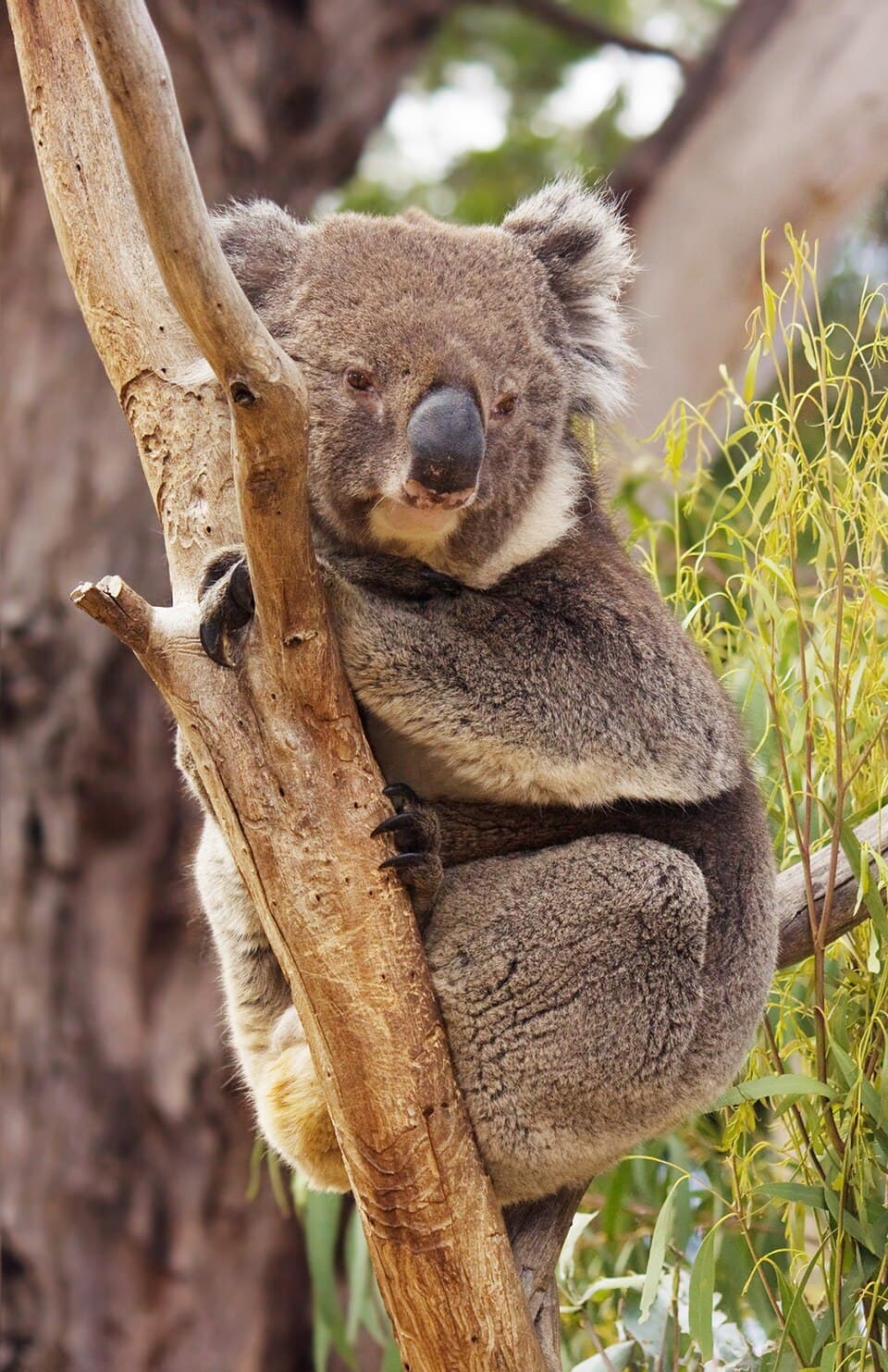
Koala
Phascolarctos cinereus
MammalThe koala is a tree-dwelling marsupial native to Australia, spending nearly its entire life in eucalyptus trees on a diet that would be toxic to most other mammals.
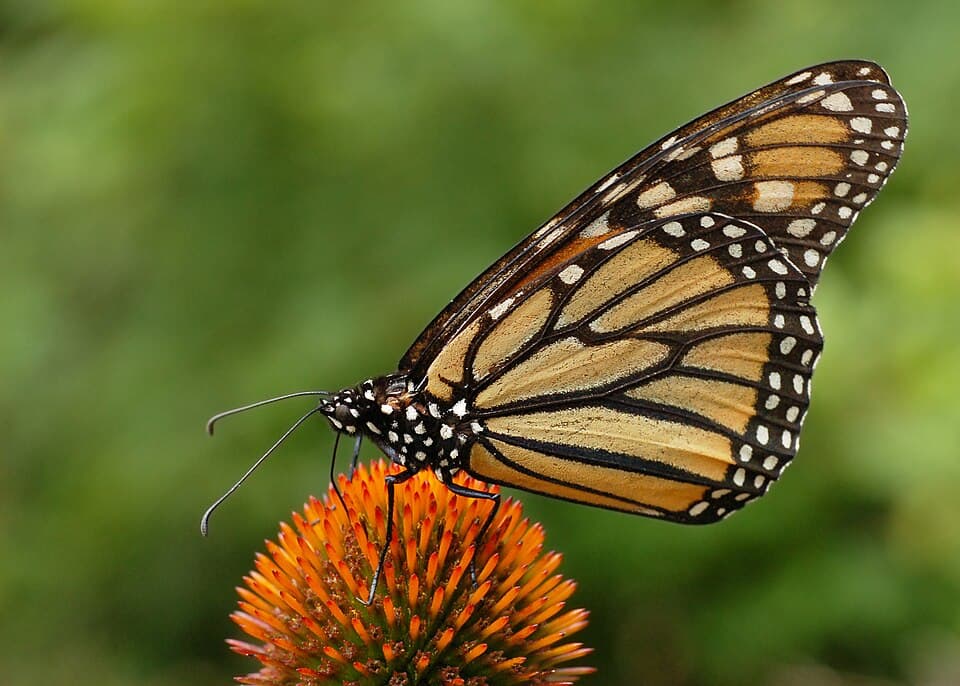
Monarch Butterfly
Danaus plexippus
InsectThe monarch butterfly is famous for an extraordinary multi-generational migration spanning thousands of kilometers between Canada, the United States, and central Mexico.
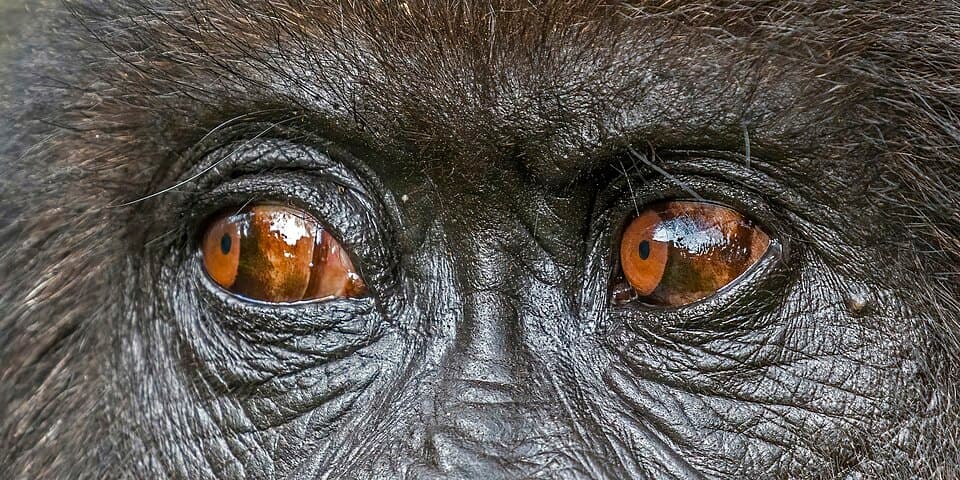
Mountain Gorilla
Gorilla beringei beringei
MammalThe mountain gorilla is a critically-studied great ape subspecies living in the misty forested slopes of the Virunga Mountains and Bwindi in central Africa, and one of conservation's most notable recovery stories.
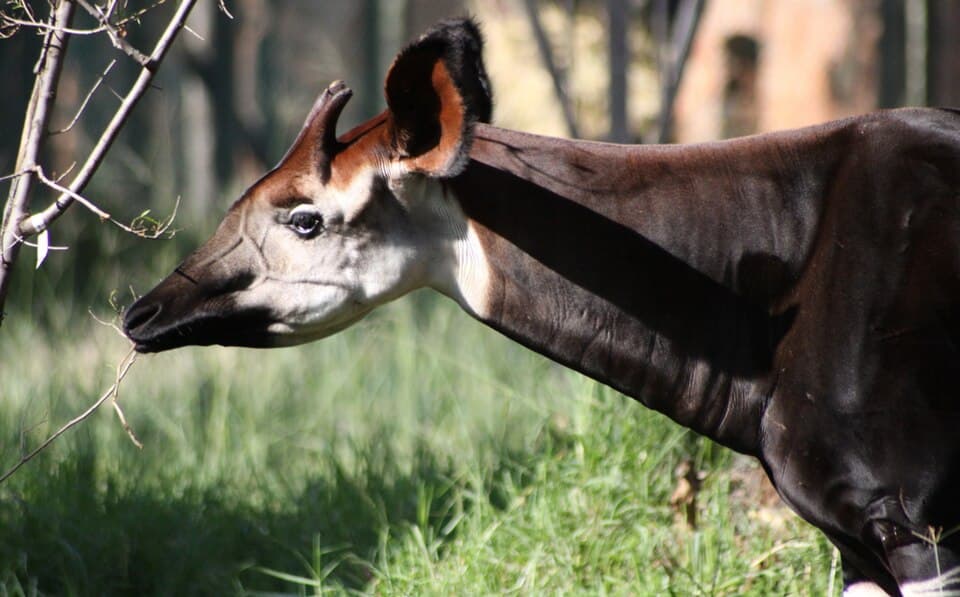
Okapi
Okapia johnstoni
MammalThe okapi is a shy, elusive relative of the giraffe found only in the dense rainforests of the Democratic Republic of the Congo. Despite its zebra-striped legs, it is not related to zebras at all -- the stripes are thought to help camouflage it in dappled forest light and help calves follow their mother through dense vegetation.
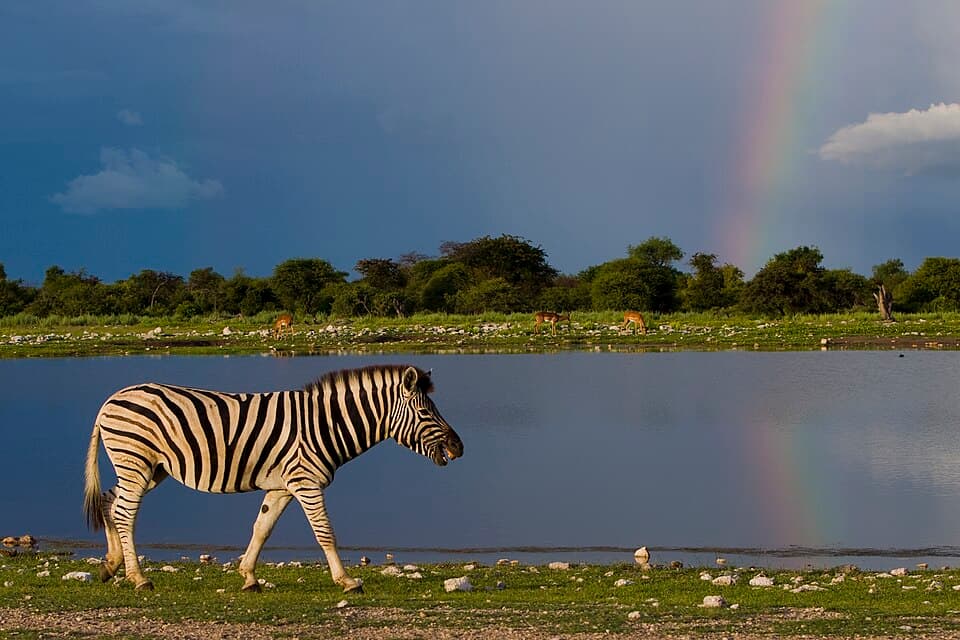
Plains Zebra
Equus quagga
MammalThe plains zebra is the most common and widespread zebra species, roaming the grasslands of eastern and southern Africa in large, ever-shifting herds.
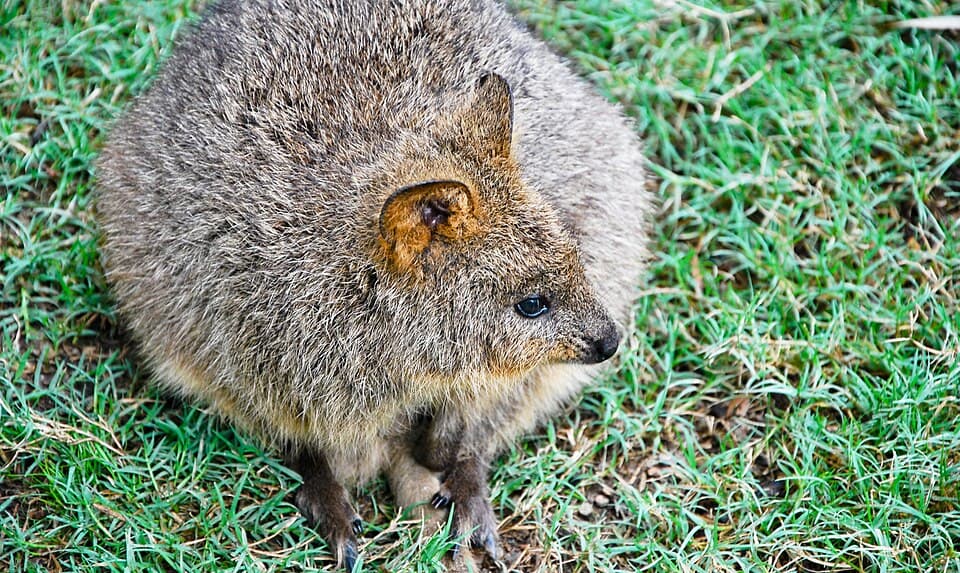
Quokka
Setonix brachyurus
MammalThe quokka is a small macropod, part of the same broad family as kangaroos and wallabies, found in a few fragmented pockets on mainland southwest Australia and, in far greater numbers, on a handful of predator-free islands off Western Australia. It is widely nicknamed 'the world's happiest animal' online for a permanent smile-like expression created by the shape of its mouth, which has made it a popular subject for tourist selfies on Rottnest Island, its best-known stronghold. Despite that island abundance, quokkas are classified as Vulnerable overall, since introduced predators like foxes and cats have devastated the harder-to-protect mainland population over the past century.
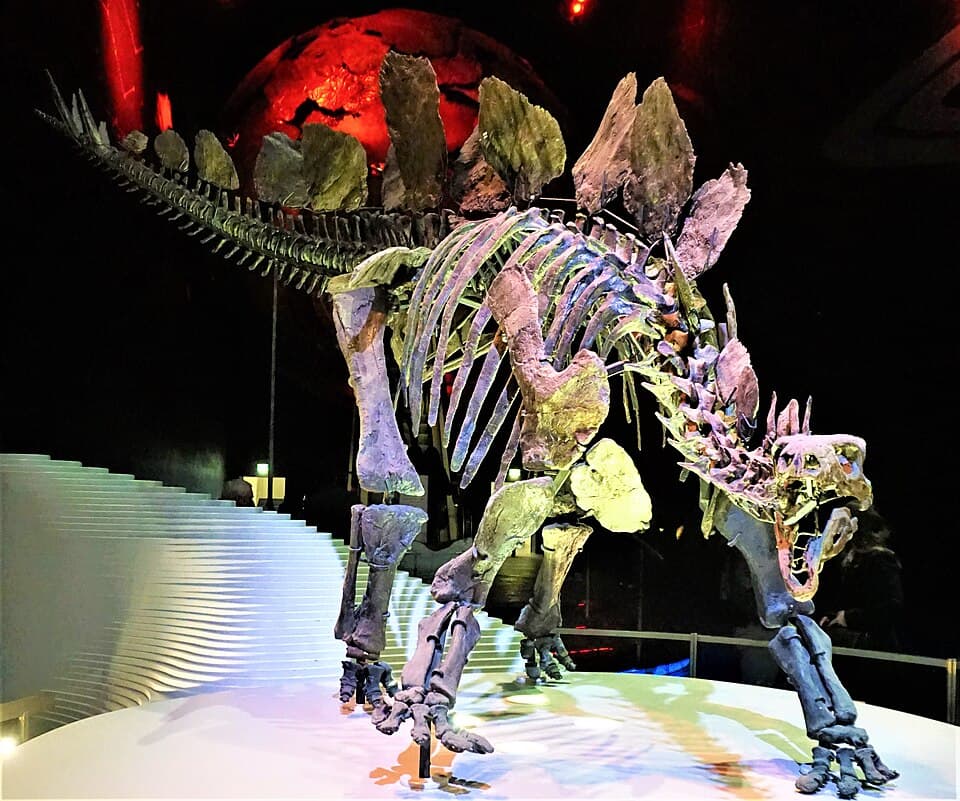
Stegosaurus
Stegosaurus stenops
DinosaurStegosaurus is one of the most recognizable dinosaurs ever discovered, instantly identifiable by the row of large, upright bony plates running along its back and the sharp spikes at the end of its tail. Despite its considerable size, it had a remarkably small, low-slung head with a brain roughly the size of a walnut relative to its huge body.
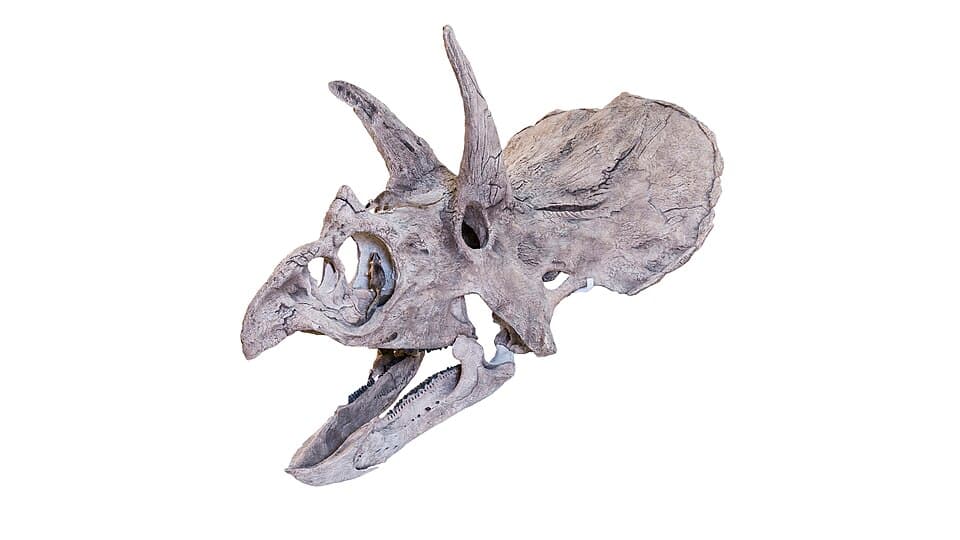
Triceratops
Triceratops horridus
DinosaurTriceratops was one of the last non-avian dinosaurs to exist before the mass extinction event 66 million years ago, instantly recognizable by the massive bony frill extending from the back of its skull and the three prominent horns on its face. It lived across what is now western North America, sharing its environment with predators like Tyrannosaurus rex.
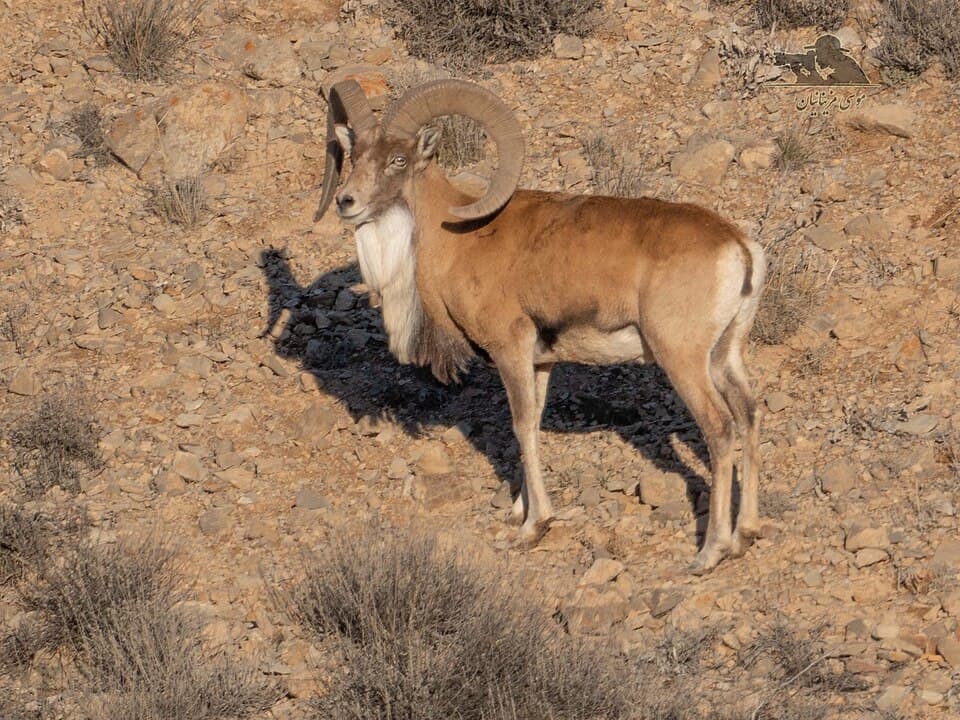
Urial
Ovis vignei
MammalThe urial is a wild sheep species native to the dry hills and mountains of Central and South Asia, recognized by the male's large curling horns.
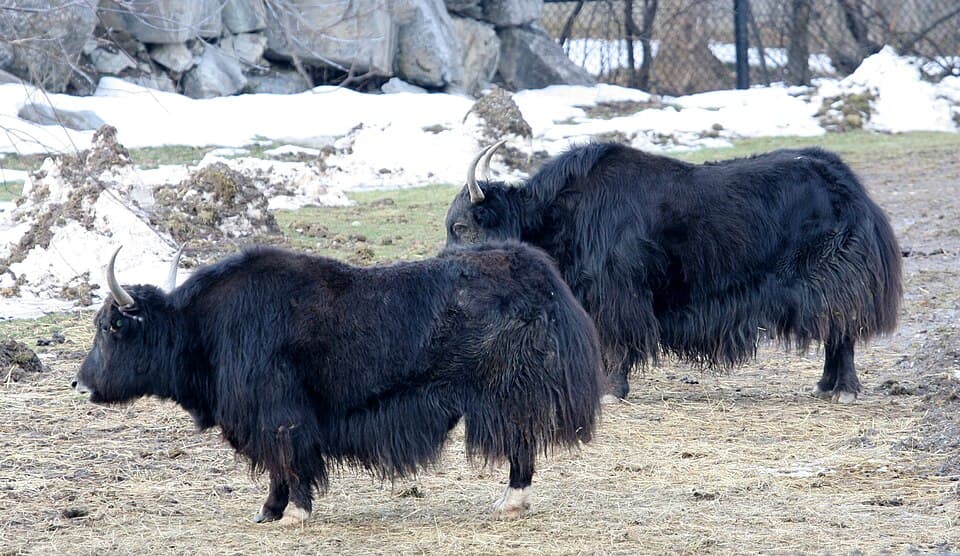
Yak
Bos grunniens
MammalThe yak is a large, long-haired bovine adapted to the extreme cold and thin air of the high Himalayan plateau, able to live at altitudes above 4,000 meters (13,000 feet) that few other large mammals can tolerate. Most yaks today are domesticated and have been kept for thousands of years across Tibet, Nepal, and the surrounding mountains as a source of milk, meat, wool, and transport, while small wild populations still survive on the remote Tibetan Plateau.
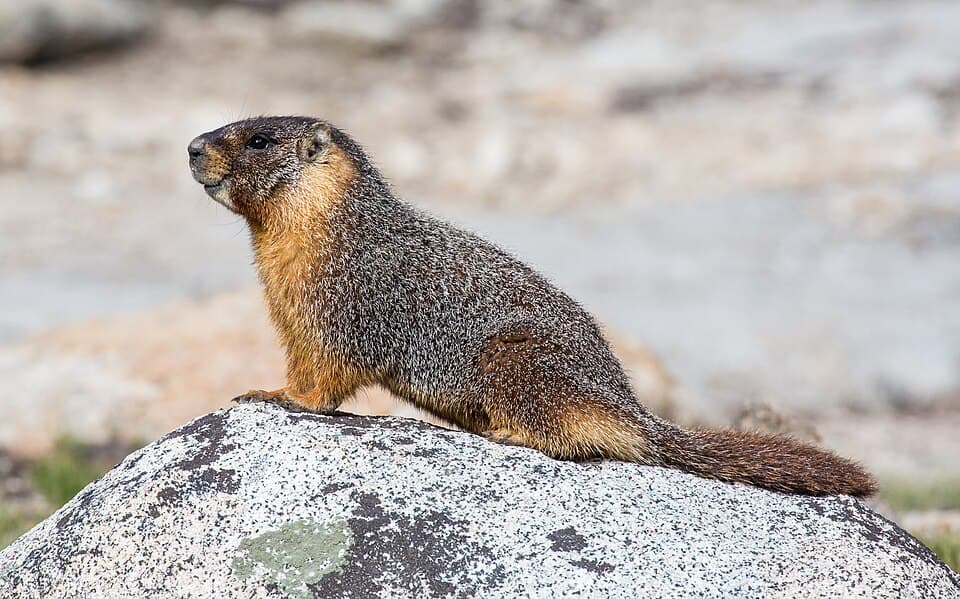
Yellow-bellied Marmot
Marmota flaviventris
MammalThe yellow-bellied marmot is a large ground squirrel found in the mountains of western North America, spending nearly eight months of the year in deep hibernation.
Herbivores FAQs
How many herbivores are listed here?
This page currently features 24 species, and more are added regularly as the dataset grows.
What is the most popular animal in this list?
African Elephant is currently the most popular animal in Herbivores.
Are any of these animals endangered?
Yes — 12 of the 24 species listed are classified as vulnerable, endangered, or critically endangered.