Omnivores
Omnivores occupy the middle ground of the animal kingdom's diet spectrum, eating both plant and animal matter rather than specializing in one or the other. That flexibility is a genuine survival advantage: an omnivore can shift its diet to whatever food is seasonally or locally abundant, making it far less vulnerable to the disappearance of any single food source than a specialist carnivore or herbivore would be. Omnivory has evolved independently across a huge range of unrelated animal groups — bears, pigs, raccoons, many birds, and primates including humans — rather than being confined to one branch of the animal family tree, a sign of just how effective a generalist diet can be across very different environments.
Why Being a Generalist Pays Off
An omnivore's biggest advantage over a dietary specialist is resilience: when a preferred food source becomes scarce, whether from a seasonal change, drought, or a shift in local prey or plant populations, an omnivore can simply shift toward whatever else is available rather than facing starvation. This flexibility often comes paired with behavioral adaptability — many omnivorous species, including raccoons, crows, and pigs, are known for above-average problem-solving skills, likely because recognizing and exploiting a wide range of unfamiliar food sources rewards a more flexible, exploratory approach to the world.
A Digestive System Built for Variety
Omnivores typically have a digestive system that sits in between a carnivore's short, simple gut and a herbivore's long, specialized one, since they need to break down both easily-digested meat and tougher plant fiber. This generalized gut isn't as efficient at extracting energy from meat as a dedicated carnivore's, nor as efficient at breaking down cellulose as a dedicated herbivore's, but it's versatile enough to handle a much wider range of foods overall — a tradeoff that favors flexibility over specialization.
Seasonal Diet Shifts in the Wild
Many wild omnivores change what they eat dramatically across the year rather than keeping a fixed diet. Bears are a well-known example: they graze heavily on grasses, berries, and roots for much of the year, then shift to intensive salmon feeding during a seasonal spawning run, and to almost any high-calorie food available in the weeks before hibernation as they build up fat reserves. This kind of seasonal flexibility lets omnivores track whatever food source offers the best return at a given time of year, rather than being locked into a single foraging strategy.
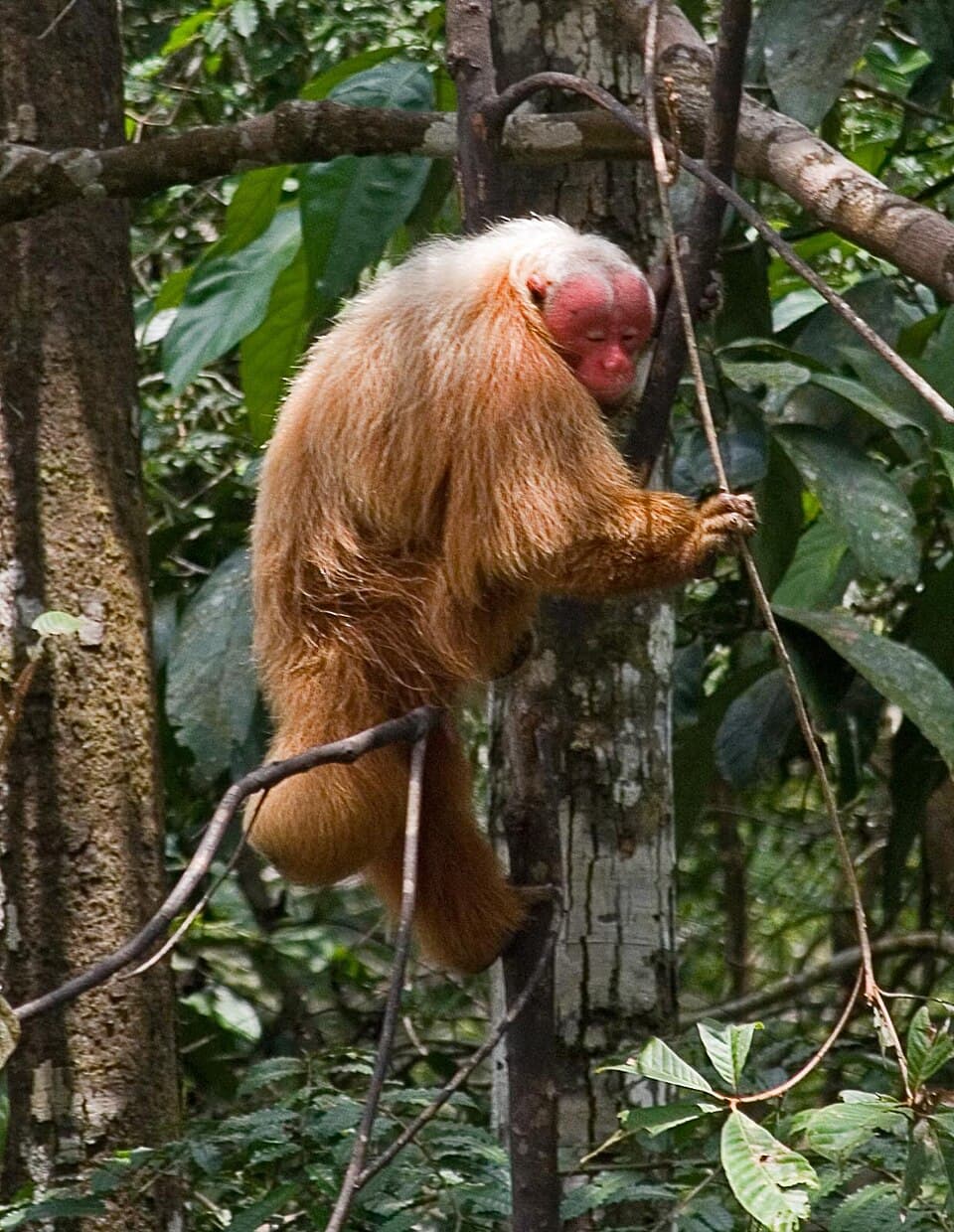
Bald Uakari
Cacajao calvus
MammalThe bald uakari is a small Amazonian monkey best known for its strikingly bare, bright red face, found in seasonally-flooded forests along the Amazon and its tributaries.
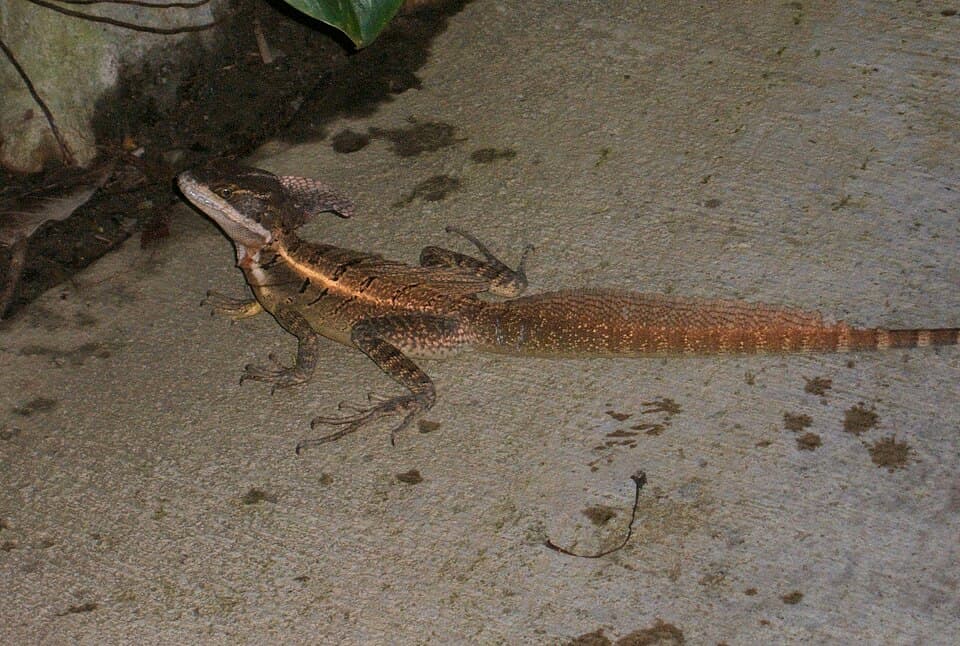
Basilisk Lizard
Basiliscus basiliscus
ReptileThe basilisk lizard, nicknamed the 'Jesus Christ lizard,' is famous for its remarkable ability to run upright across the surface of water for short distances without sinking. Native to the rainforests of Central and northern South America, it relies on this unusual skill primarily to escape predators.
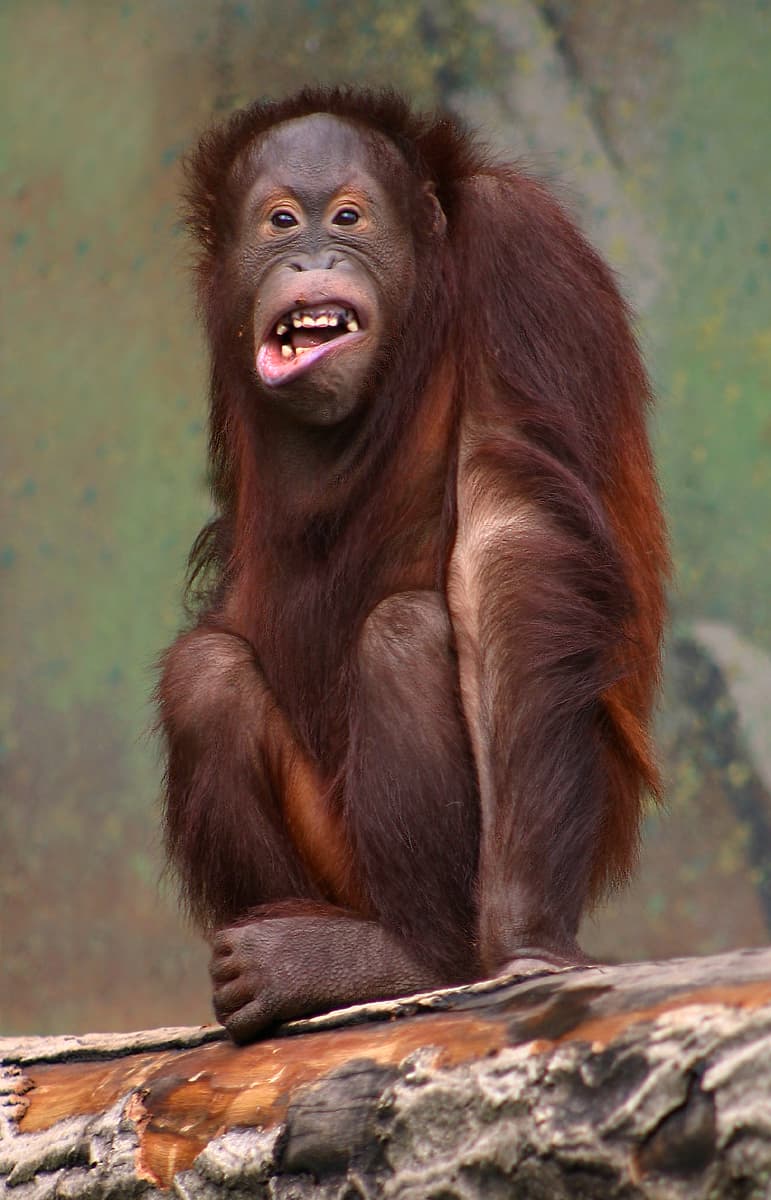
Bornean Orangutan
Pongo pygmaeus
MammalThe Bornean orangutan is a critically-endangered great ape found only on the island of Borneo, spending nearly its entire life moving through the rainforest canopy.
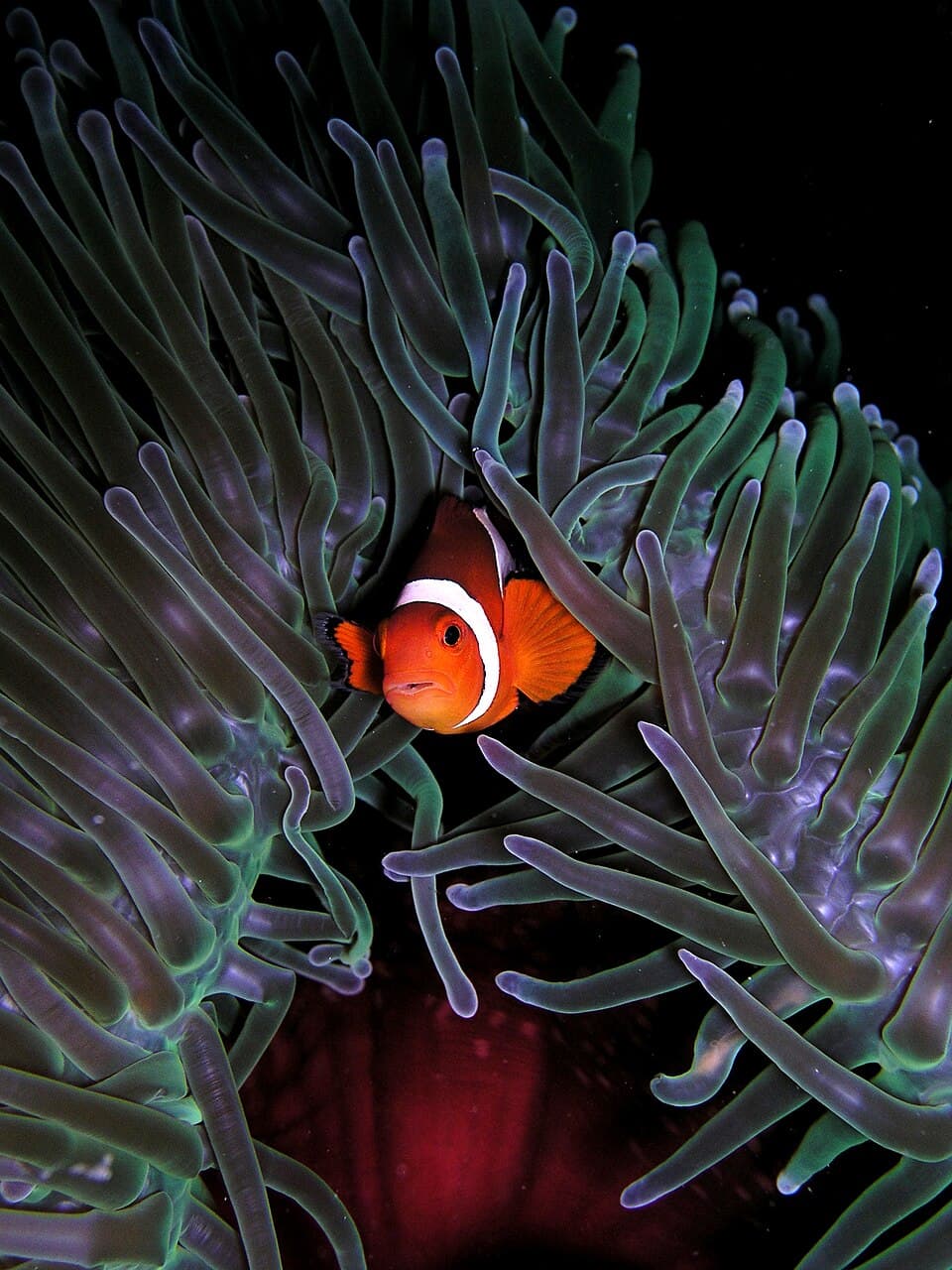
Clownfish
Amphiprion ocellaris
FishThe clownfish is a small, brightly-colored reef fish famous for its symbiotic relationship with sea anemones, whose stinging tentacles it is immune to.
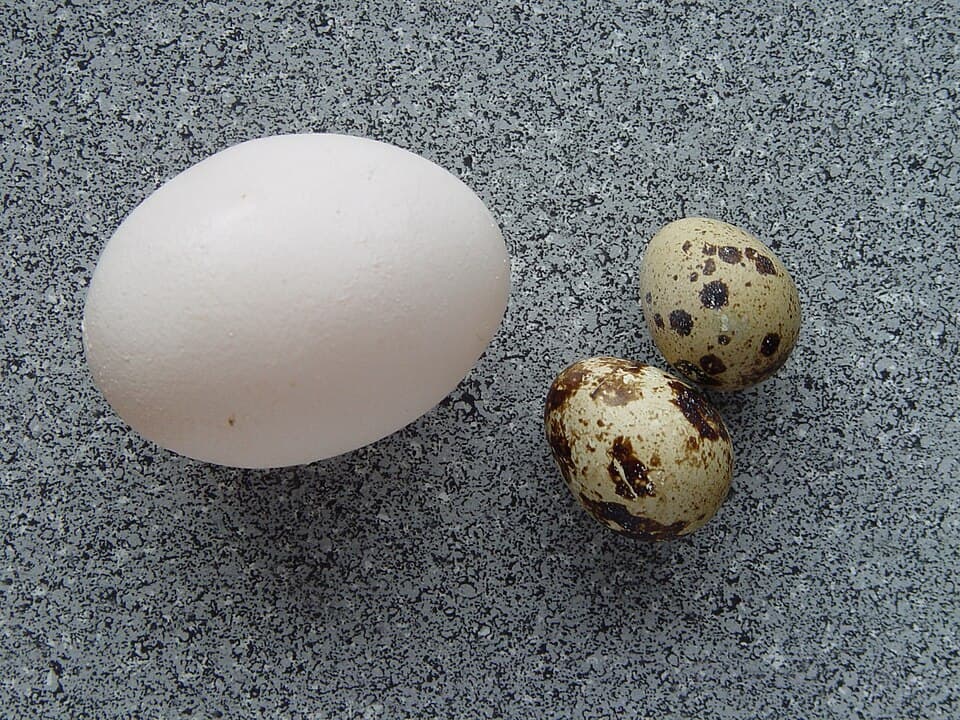
Common Quail
Coturnix coturnix
BirdThe common quail is a small, secretive ground-dwelling bird that migrates annually between Europe, Africa, and Asia, more often heard than seen in dense grassland.
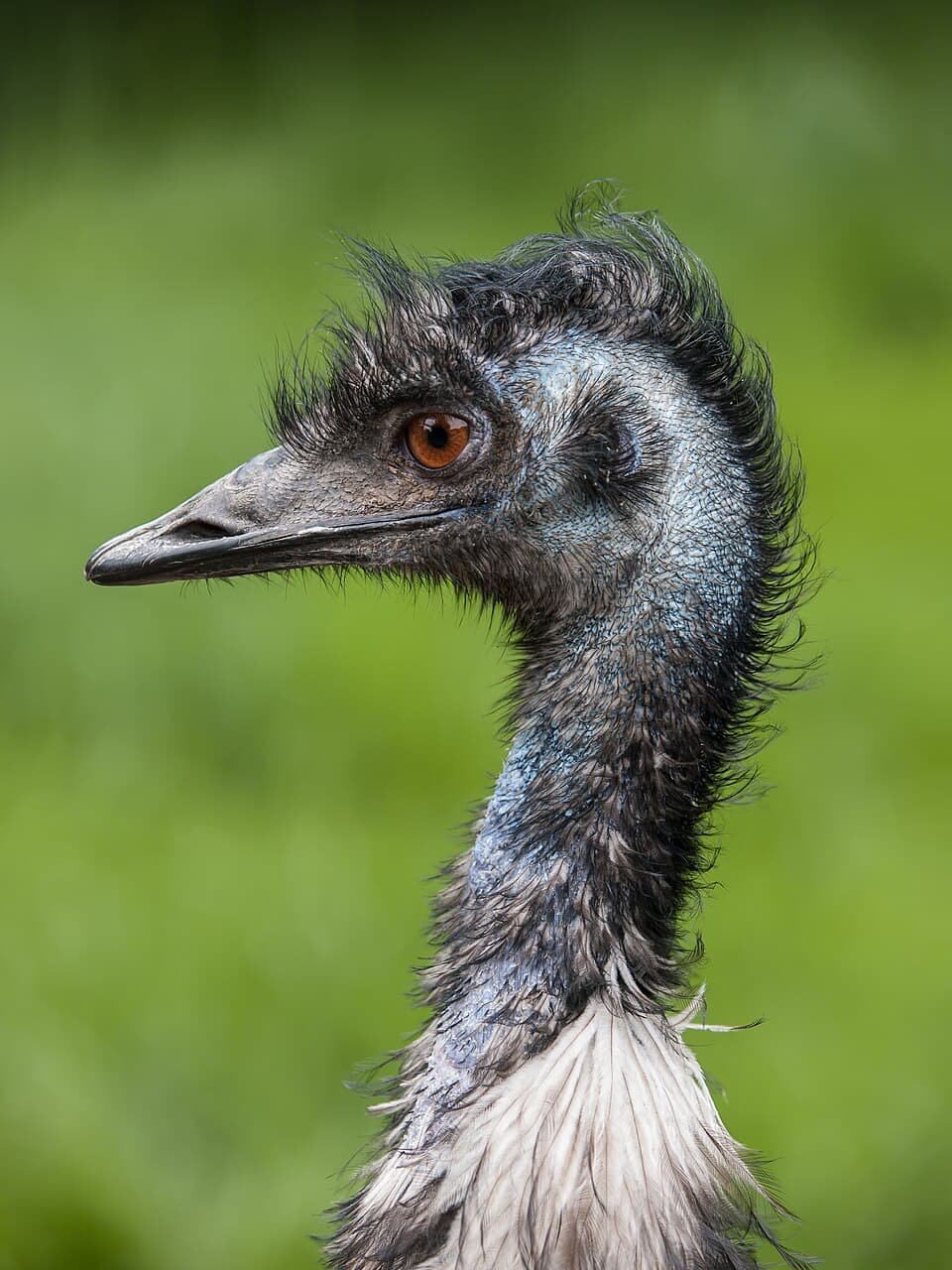
Emu
Dromaius novaehollandiae
BirdThe emu is the second-largest living bird in the world by height, a flightless giant native to the open plains and deserts of Australia. Despite being unable to fly, it's an exceptionally fast and powerful runner, capable of covering long distances across the outback in search of food and water.
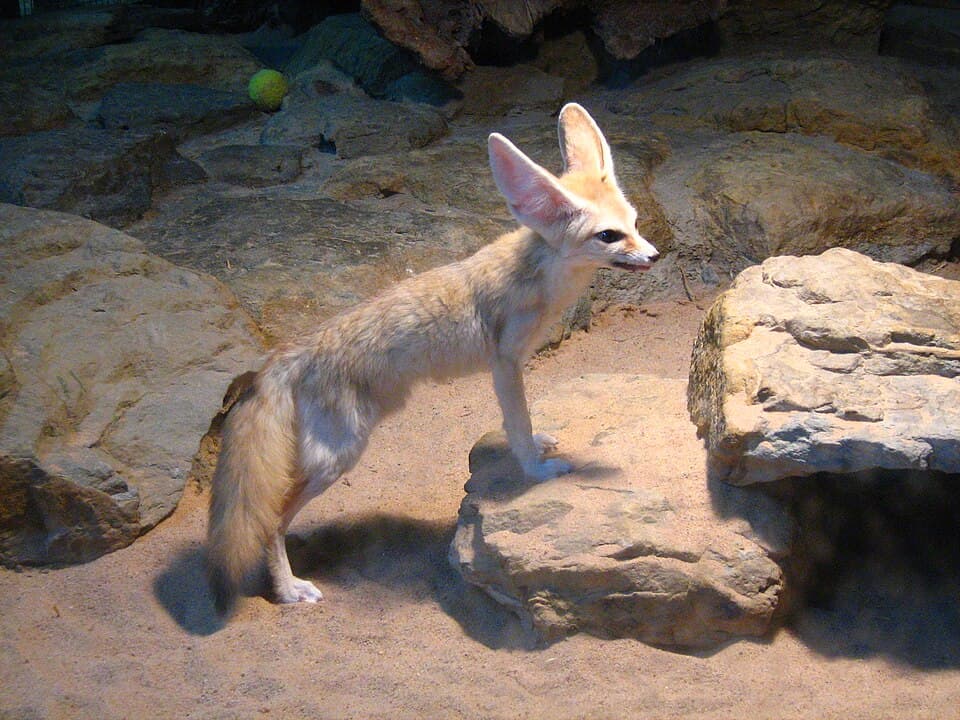
Fennec Fox
Vulpes zerda
MammalThe fennec fox is the smallest fox species in the world, adapted to the extreme heat of the Sahara Desert with famously oversized ears.
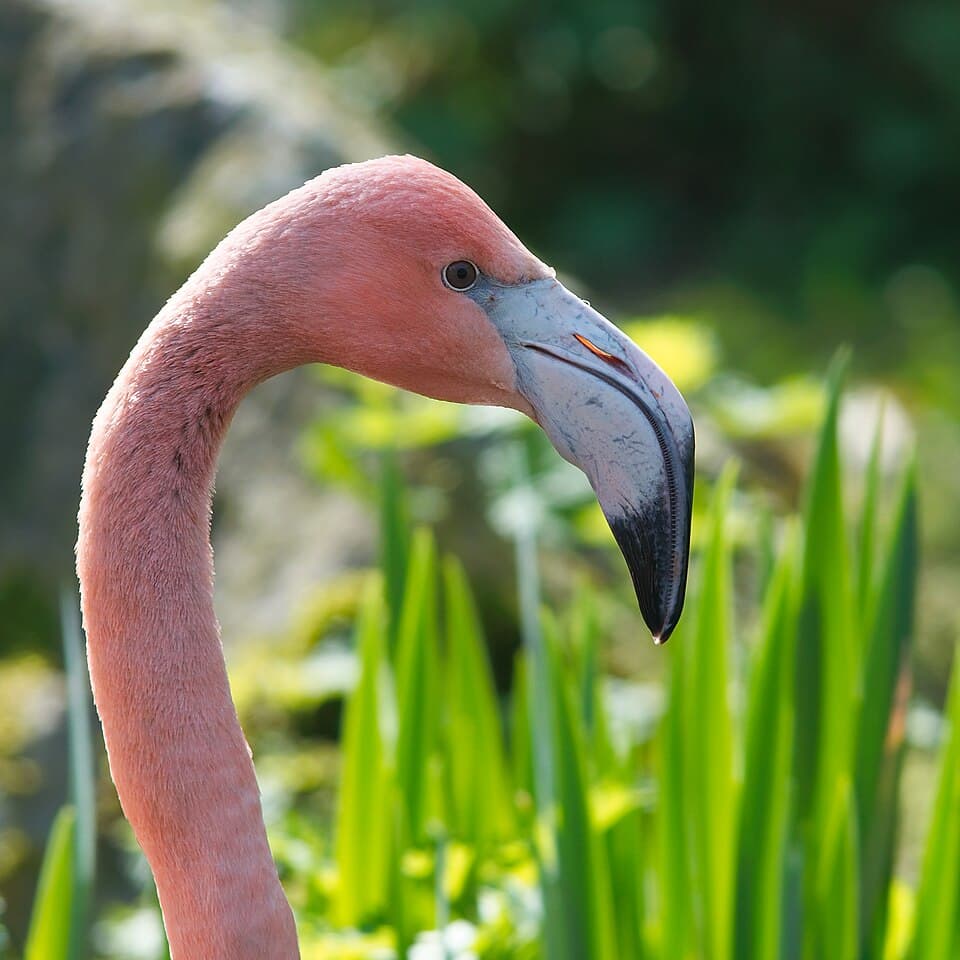
Greater Flamingo
Phoenicopterus roseus
BirdThe greater flamingo is the largest and most widespread flamingo species, found wading in large flocks through shallow saline lakes and lagoons.
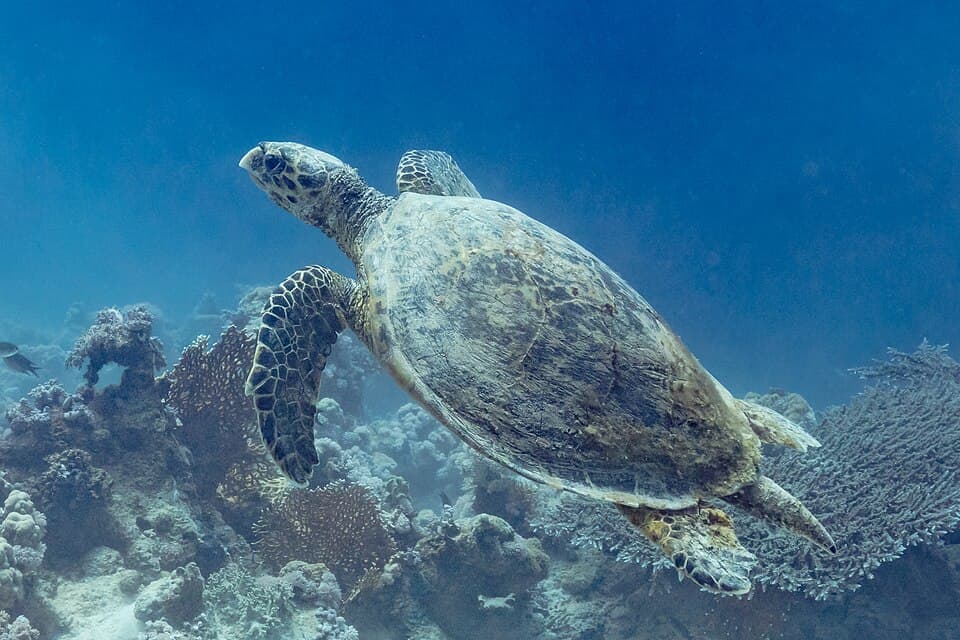
Hawksbill Sea Turtle
Eretmochelys imbricata
ReptileThe hawksbill sea turtle is a critically endangered marine reptile named for its narrow, pointed beak, which resembles a bird of prey's hooked bill. It plays a vital ecological role on coral reefs by feeding primarily on sponges, helping maintain the balance of reef ecosystems by preventing sponges from overgrowing and smothering coral.
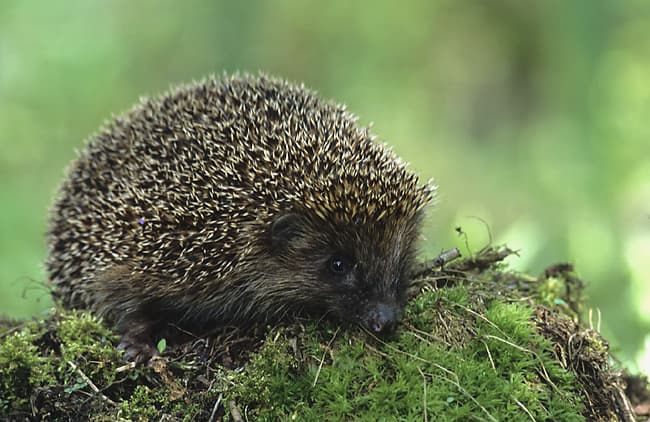
Hedgehog
Erinaceus europaeus
MammalThe hedgehog is a small, spine-covered mammal found across Europe, instantly recognizable for its defensive habit of rolling into a tight, spiky ball when threatened. Despite its tiny size, it's a surprisingly effective predator of garden pests, making it a welcome visitor in gardens across its range.
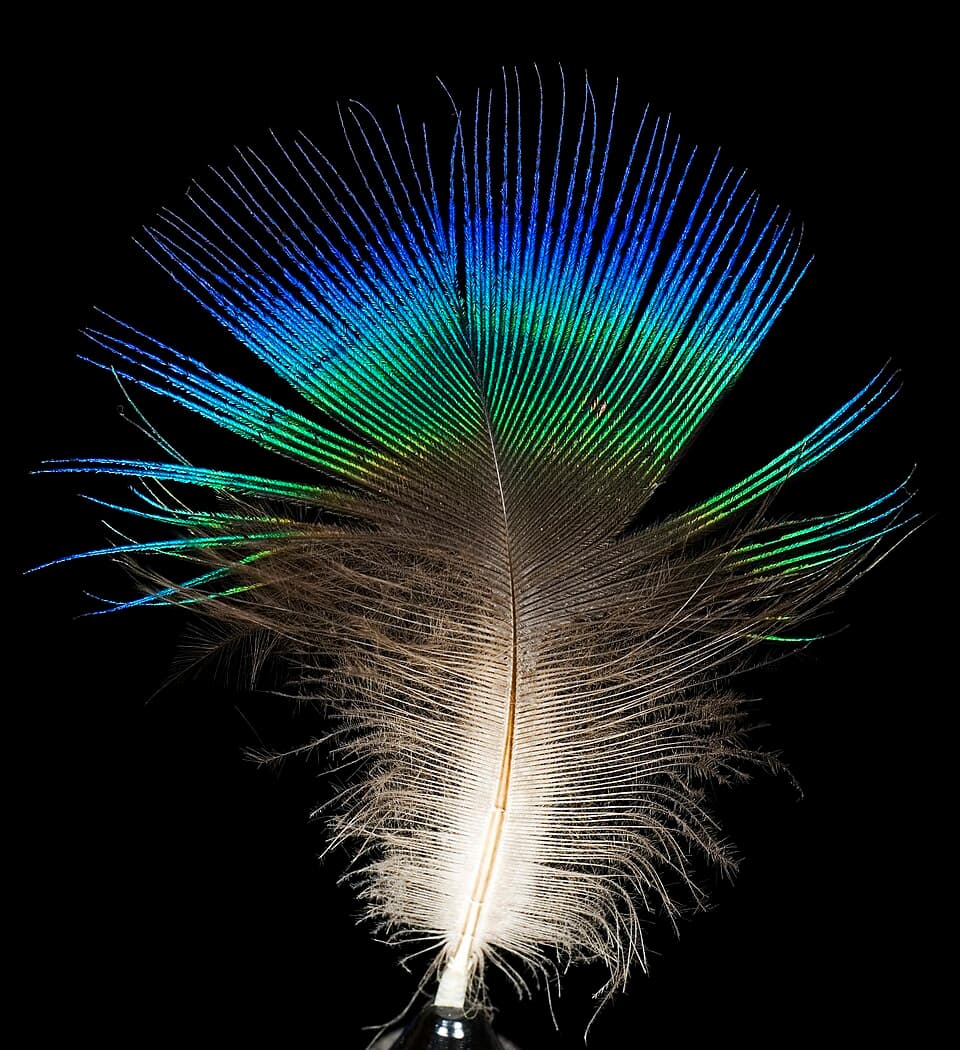
Indian Peafowl
Pavo cristatus
BirdThe Indian peafowl, commonly called a peacock, is a large ground-dwelling bird native to South Asia, world-famous for the male's spectacular iridescent tail display.
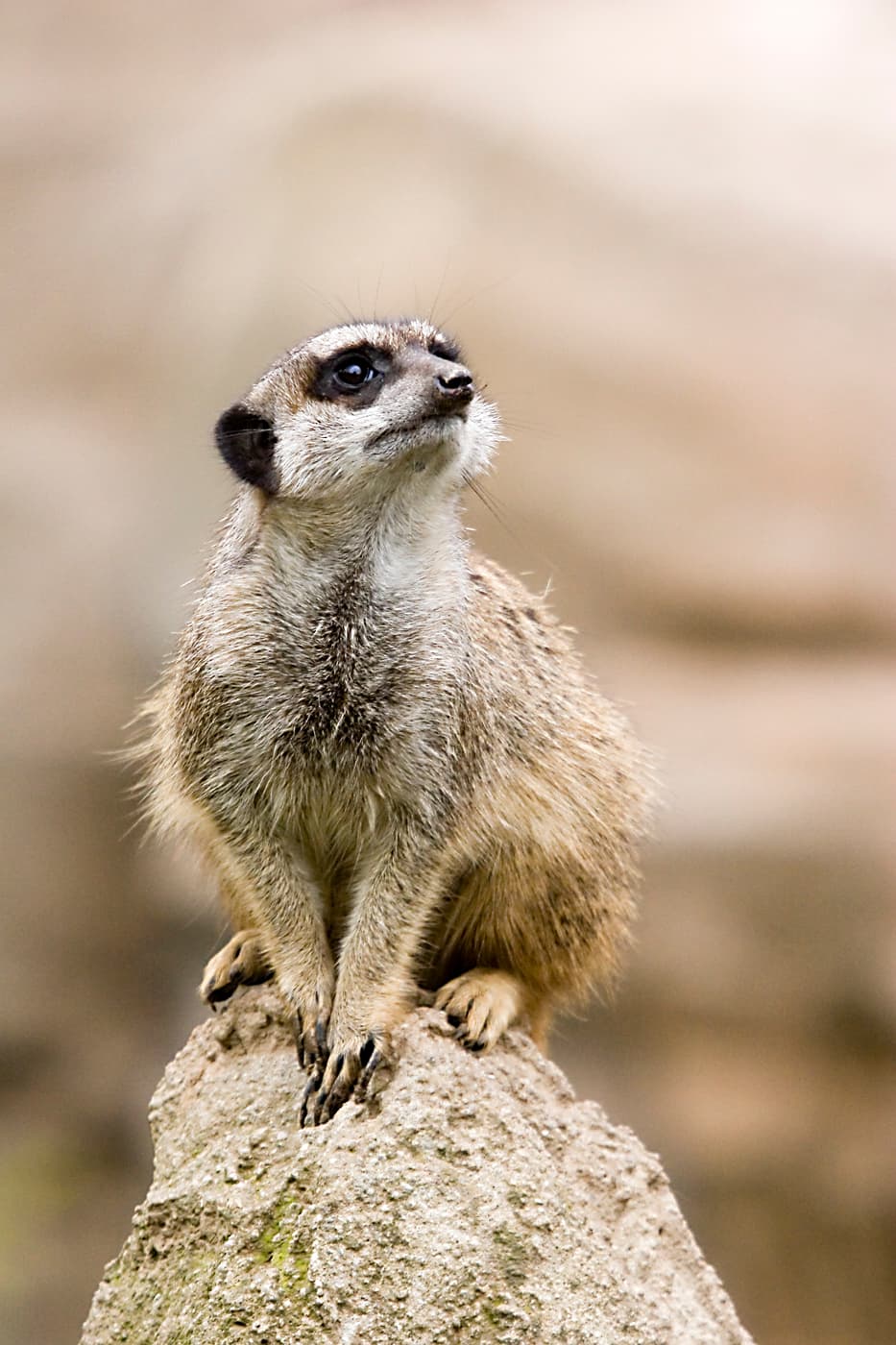
Meerkat
Suricata suricatta
MammalThe meerkat is a small, highly social mongoose relative native to the deserts and grasslands of southern Africa, famous for standing upright on its hind legs to scan the horizon for predators. Living in tightly bonded family groups called mobs, meerkats rely on constant cooperation and vigilance to survive in an environment full of danger from the air and ground alike.
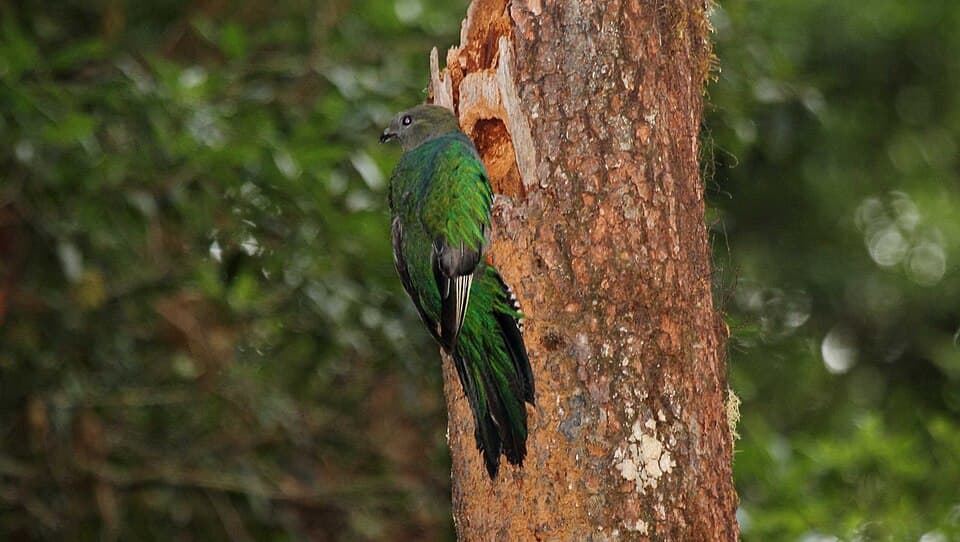
Quetzal
Pharomachrus mocinno
BirdKnown as the resplendent quetzal, this bird is widely considered one of the most beautiful in the world, revered by ancient Mesoamerican civilizations including the Maya and Aztec, who considered it sacred and associated it with the feathered serpent god Quetzalcoatl. Males grow spectacularly long, iridescent green tail streamers that can trail well beyond the length of their own body.
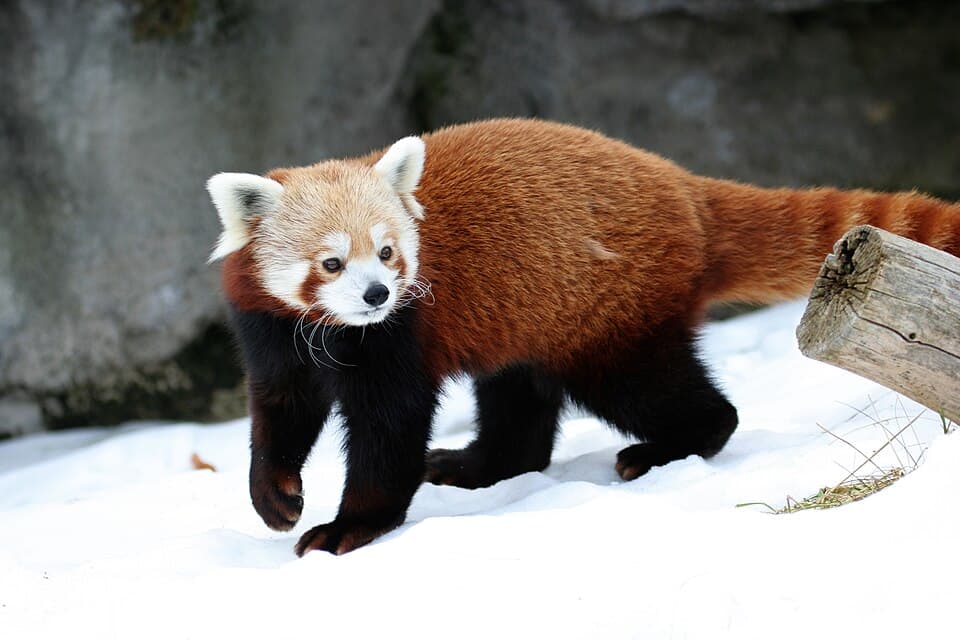
Red Panda
Ailurus fulgens
MammalThe red panda is a small, tree-dwelling mammal native to the temperate forests of the eastern Himalayas and southwestern China, spanning Nepal, Bhutan, India, and Myanmar. Despite the shared name and bamboo-heavy diet, it is unrelated to the giant panda — the two evolved their bamboo-eating habits and thumb-like wrist bone independently, a striking example of convergent evolution.
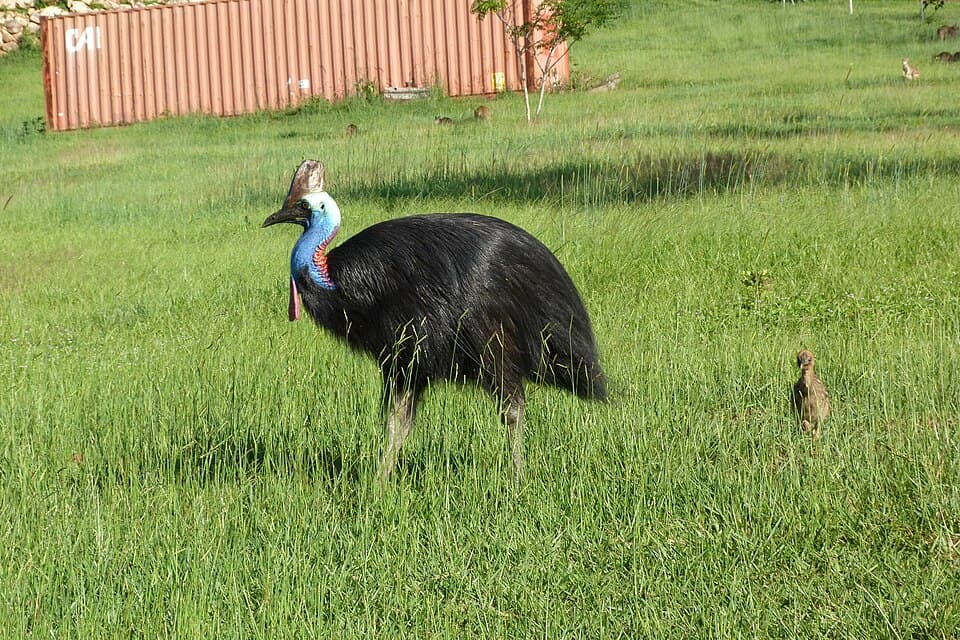
Southern Cassowary
Casuarius casuarius
BirdThe southern cassowary is one of the largest and most dangerous birds in the world, a flightless giant native to the tropical rainforests of northern Australia and New Guinea. Despite its bulk, it is an excellent swimmer and can sprint through dense forest at considerable speed, using a large bony helmet-like casque atop its head to push through thick vegetation.
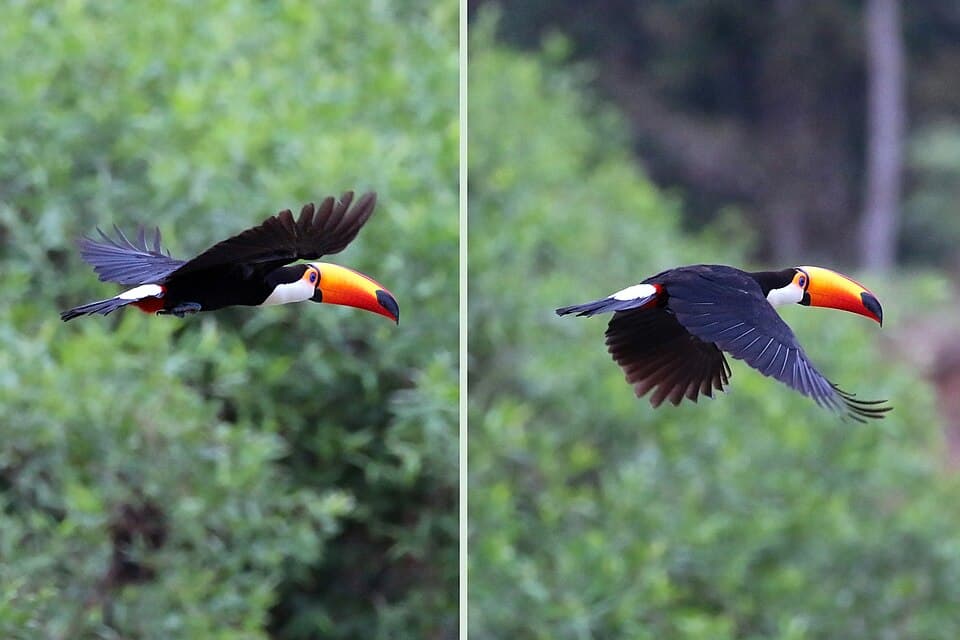
Toco Toucan
Ramphastos toco
BirdThe toco toucan is the largest toucan species, instantly recognizable by its enormous bright orange bill, native to the forests and savannas of South America.
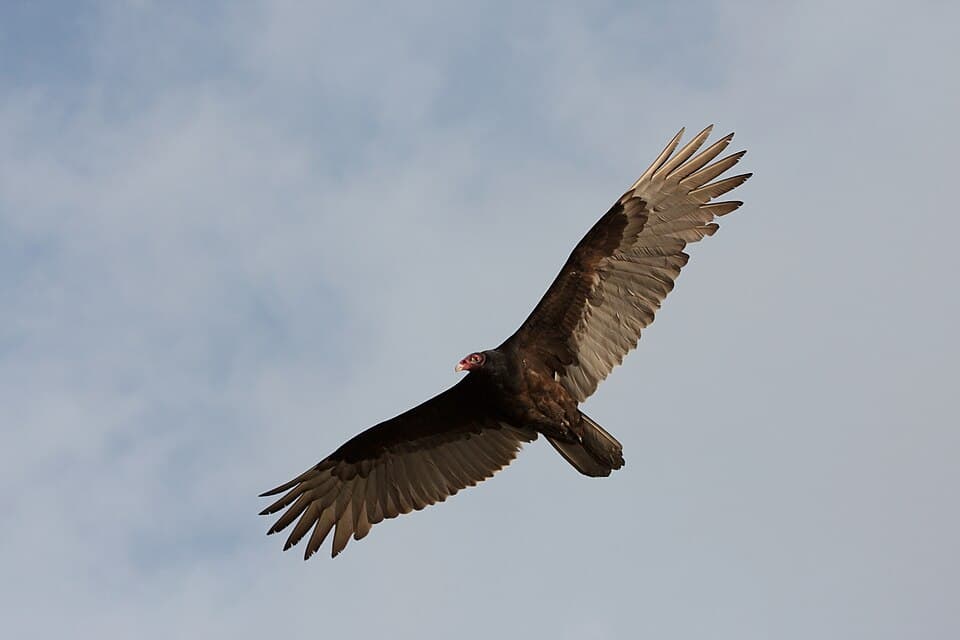
Turkey Vulture
Cathartes aura
BirdThe turkey vulture is a widespread scavenger found across the Americas, playing a critical ecological role by cleaning up carrion using one of the keenest senses of smell in the bird world.
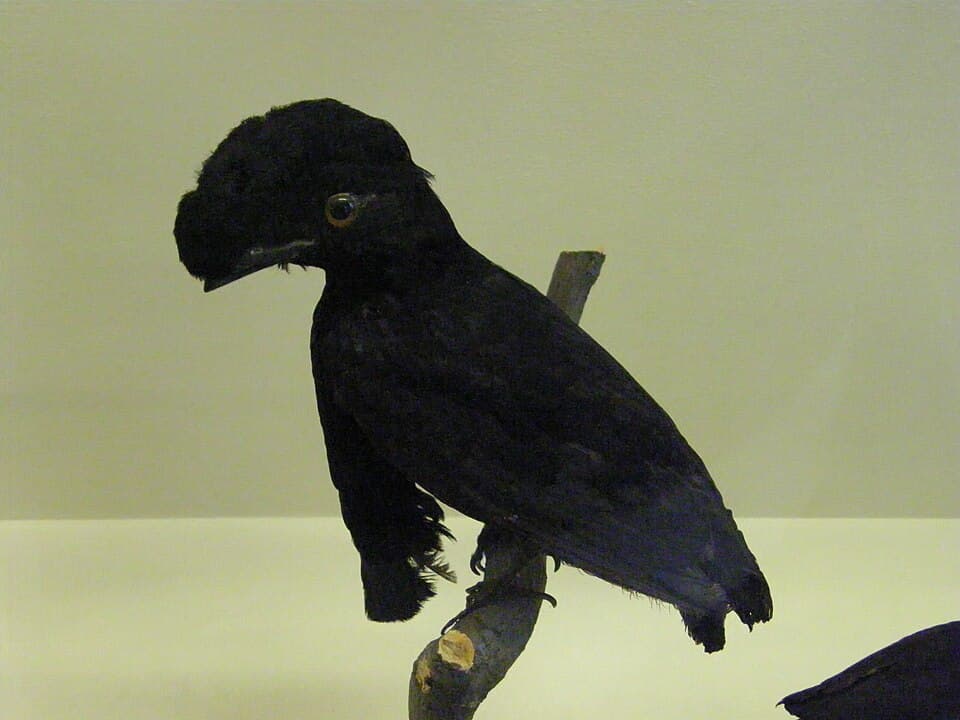
Umbrellabird
Cephalopterus penduliger
BirdThe umbrellabird is a striking rainforest bird named for the umbrella-like crest of feathers that arches forward over its head, along with a long, inflatable wattle of feathered skin hanging from its throat. Males use both features in elaborate courtship displays, along with deep, booming calls that can carry through dense forest.
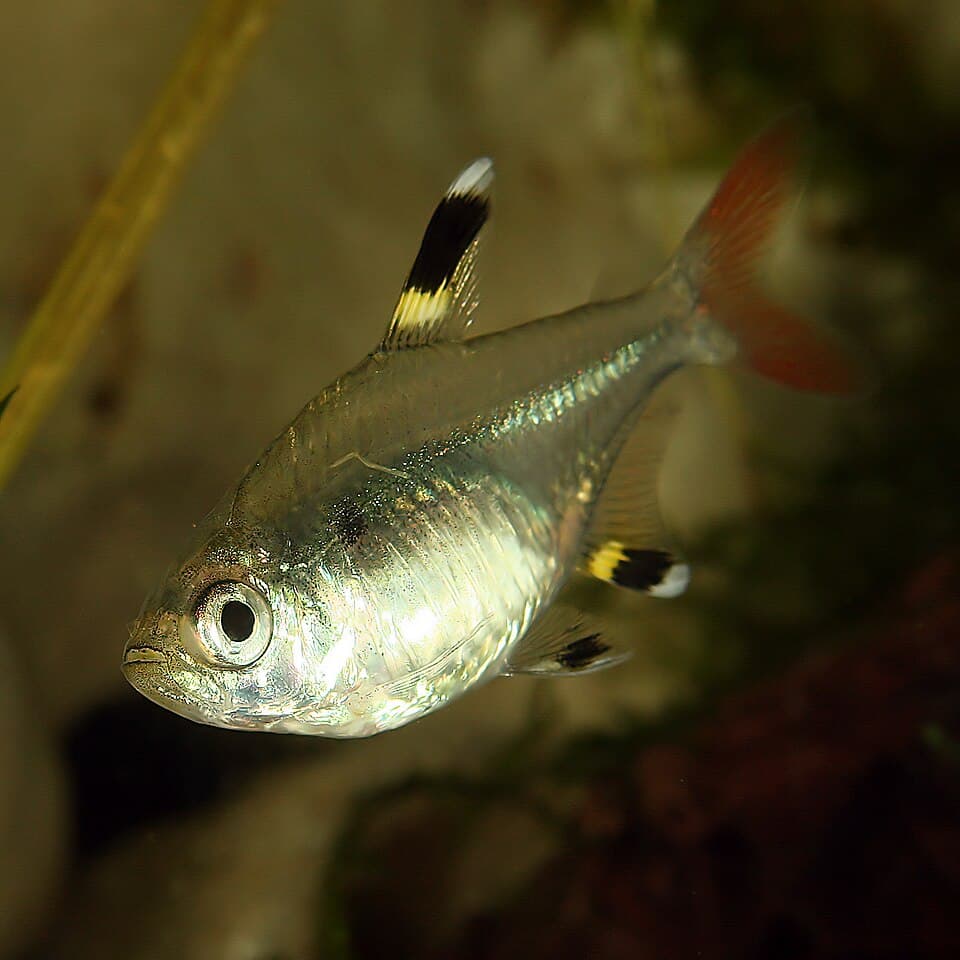
X-Ray Tetra
Pristella maxillaris
FishThe X-ray tetra is a small freshwater fish native to slow-moving rivers and streams in South America, named for its almost completely transparent body that reveals its skeleton and internal organs. Its see-through appearance has made it one of the most recognizable and popular small fish in the freshwater aquarium hobby worldwide.
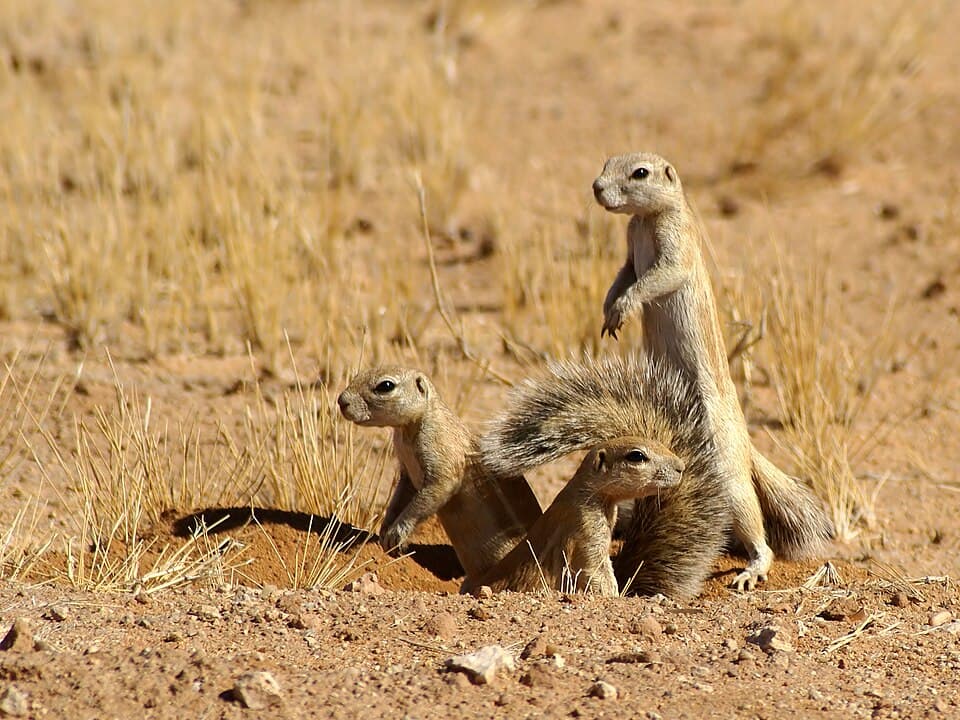
Xerus (African Ground Squirrel)
Xerus inauris
MammalThe Cape ground squirrel, or xerus, is a burrowing rodent of southern Africa's arid plains, easily recognized by holding its bushy tail overhead like a built-in parasol.
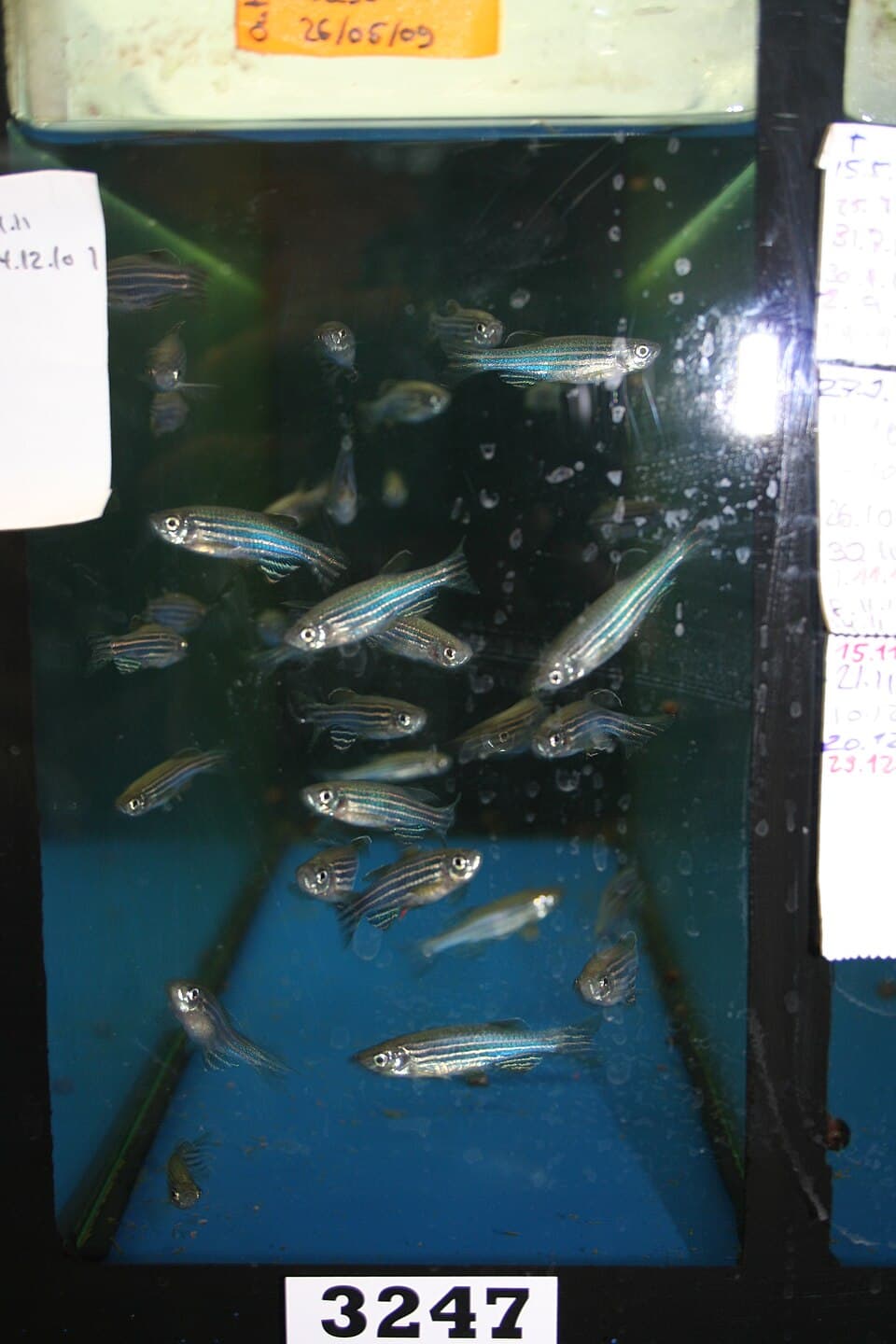
Zebra Danio
Danio rerio
FishThe zebra danio is a small freshwater fish native to streams and rice paddies across South Asia, named for the five uniform, horizontal blue stripes running along its silvery body. Beyond its popularity as an aquarium fish, it has become one of the most important model organisms in modern biological and medical research.
Omnivores FAQs
How many omnivores are listed here?
This page currently features 21 species, and more are added regularly as the dataset grows.
What is the most popular animal in this list?
Red Panda is currently the most popular animal in Omnivores.
Are any of these animals endangered?
Yes — 5 of the 21 species listed are classified as vulnerable, endangered, or critically endangered.