Dangerous Animals
Animals capable of seriously harming other animals — or humans.
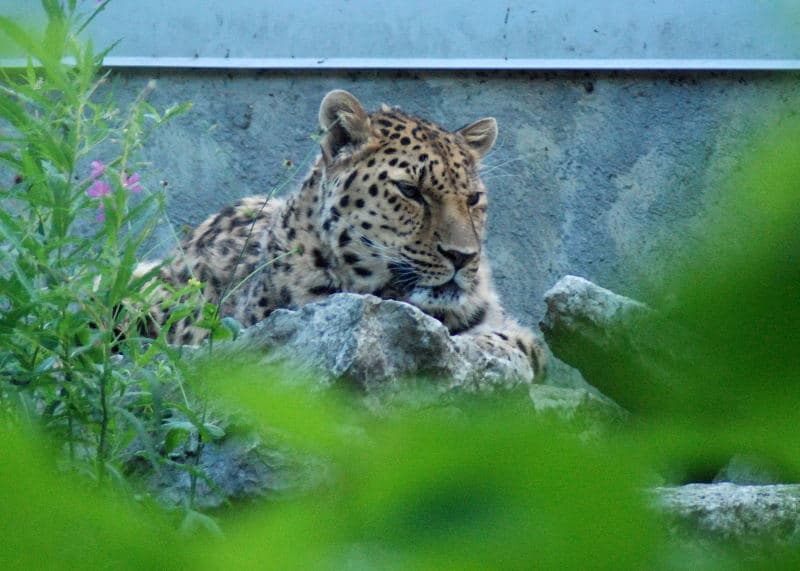
Amur Leopard
Panthera pardus orientalis
MammalThe Amur leopard is the rarest big cat in the world, a leopard subspecies adapted to the cold, snowy forests of the Russian Far East and northeastern China. Decades of poaching and habitat loss reduced the wild population to a critical low, though recent conservation efforts have helped numbers slowly recover from the brink.
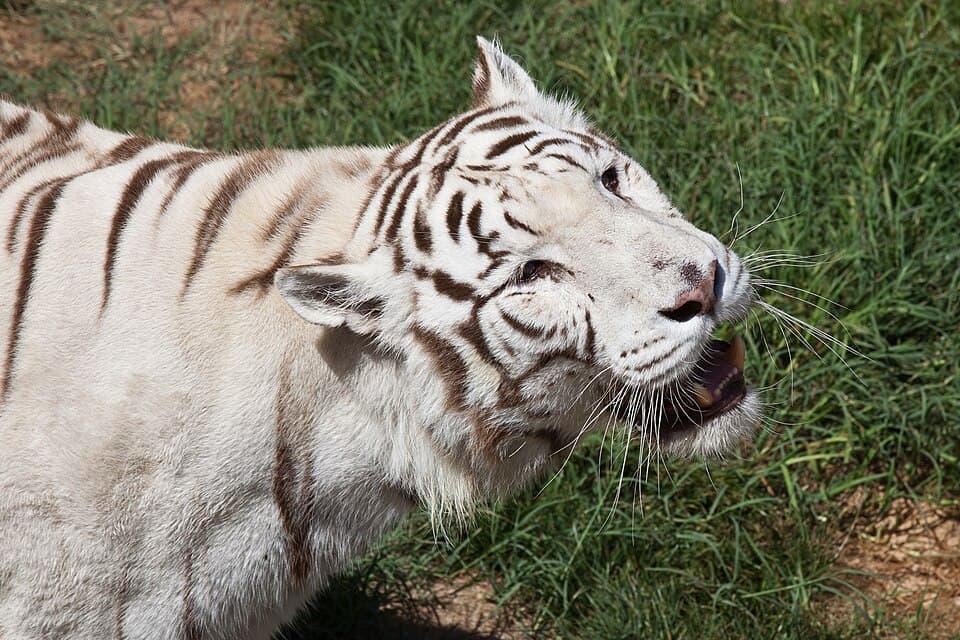
Bengal Tiger
Panthera tigris tigris
MammalThe Bengal tiger is the most numerous tiger subspecies, with India alone holding the large majority of the world's wild tiger population, and it is the largest wild cat native to Asia's forests, mangroves, and grasslands. Smaller populations also survive in Bangladesh, Nepal, and Bhutan, including in the Sundarbans, a vast mangrove delta shared by India and Bangladesh where tigers are unusually strong swimmers and sometimes hunt aquatic prey. India launched Project Tiger in 1973 to protect the subspecies through a network of dedicated reserves, and the country's wild tiger population has grown substantially since, even as poaching for the illegal wildlife trade and habitat fragmentation remain serious ongoing threats.
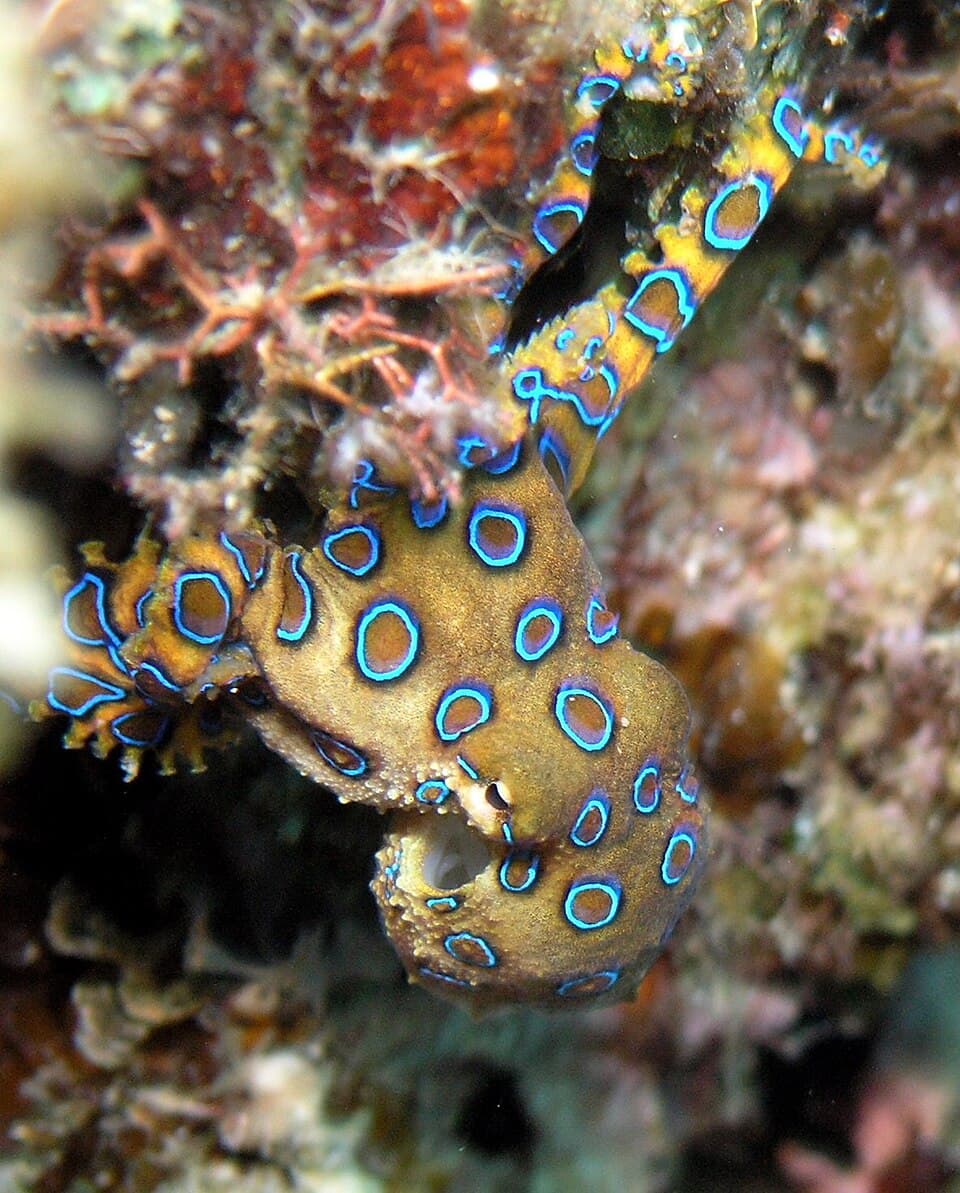
Blue-Ringed Octopus
Hapalochlaena lunulata
Marine AnimalThe blue-ringed octopus is one of the most venomous marine animals in the world despite being barely larger than a golf ball, found in tide pools and shallow reefs across the Indo-Pacific. Its venom contains tetrodotoxin, a toxin powerful enough to cause paralysis in humans, though the octopus itself is docile and only bites when directly provoked or handled.
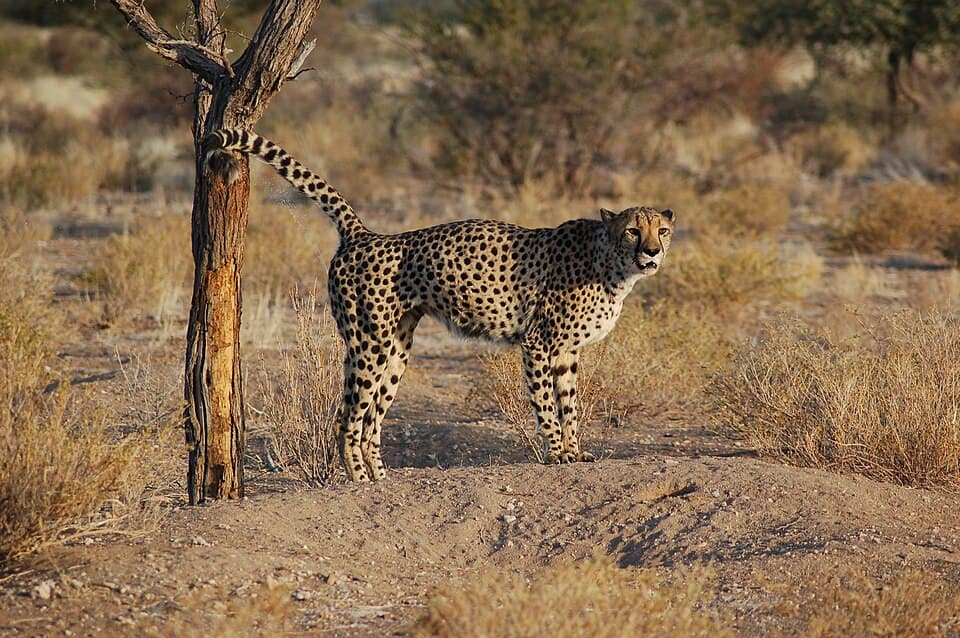
Cheetah
Acinonyx jubatus
MammalThe cheetah is the fastest land animal on Earth, built for explosive short sprints across the open grasslands and semi-desert of Africa, with a small, remnant population also surviving in Iran. Its speed comes at a genetic cost: cheetahs went through a severe population bottleneck thousands of years ago, leaving today's cheetahs with unusually low genetic diversity, which makes the species more vulnerable to disease on top of the threats it already faces from habitat loss and human-wildlife conflict.
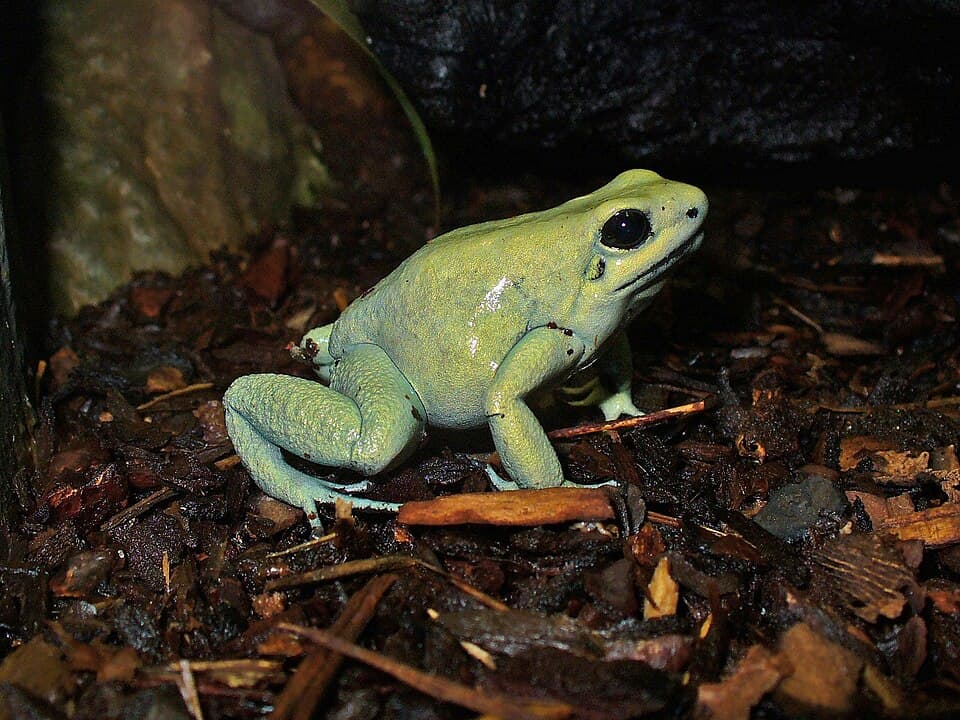
Golden Poison Frog
Phyllobates terribilis
AmphibianThe golden poison frog is widely regarded as the most toxic animal on Earth by weight, native to a small stretch of Colombian rainforest.
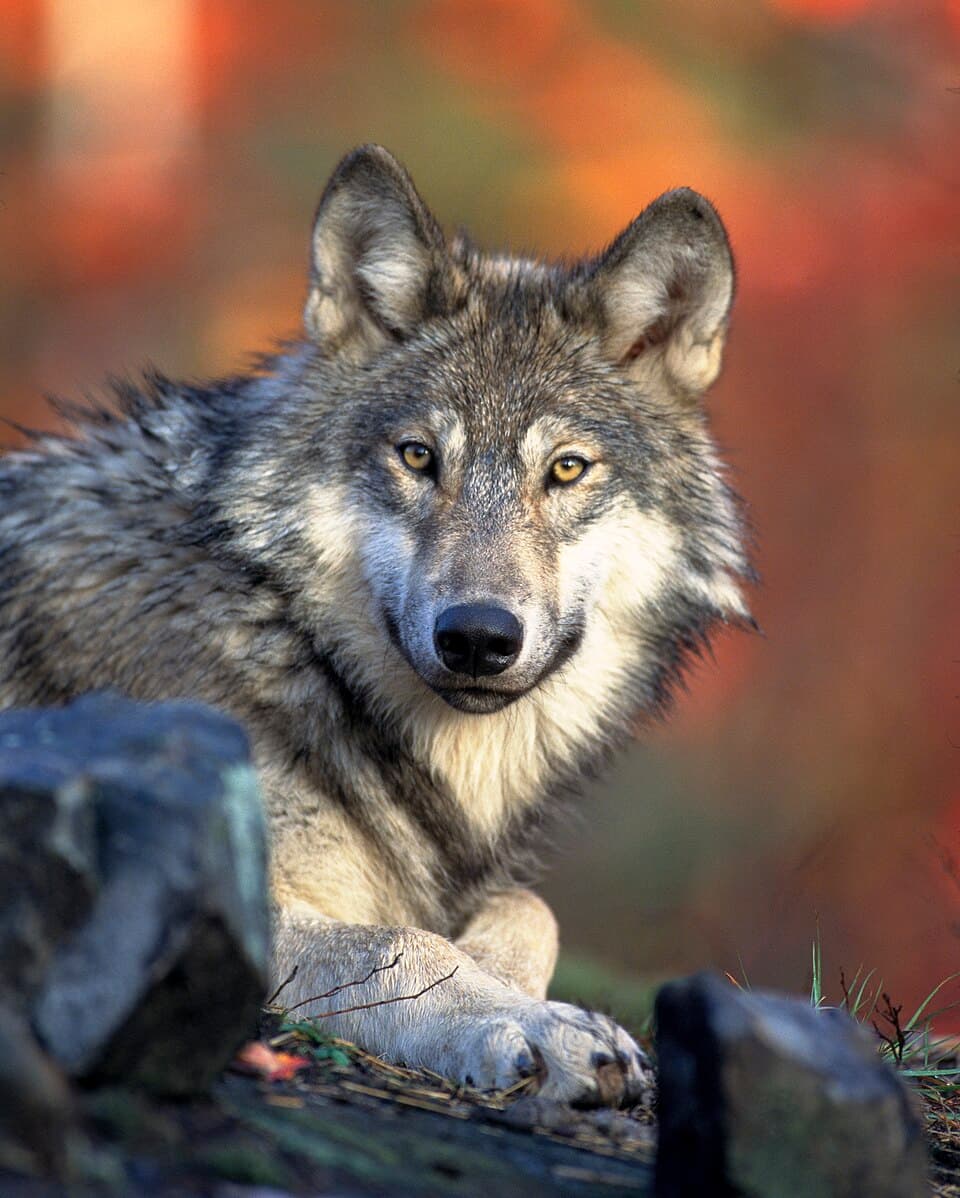
Gray Wolf
Canis lupus
MammalThe gray wolf is the largest wild member of the dog family, once ranging across nearly the entire Northern Hemisphere and living in tightly-coordinated family packs.
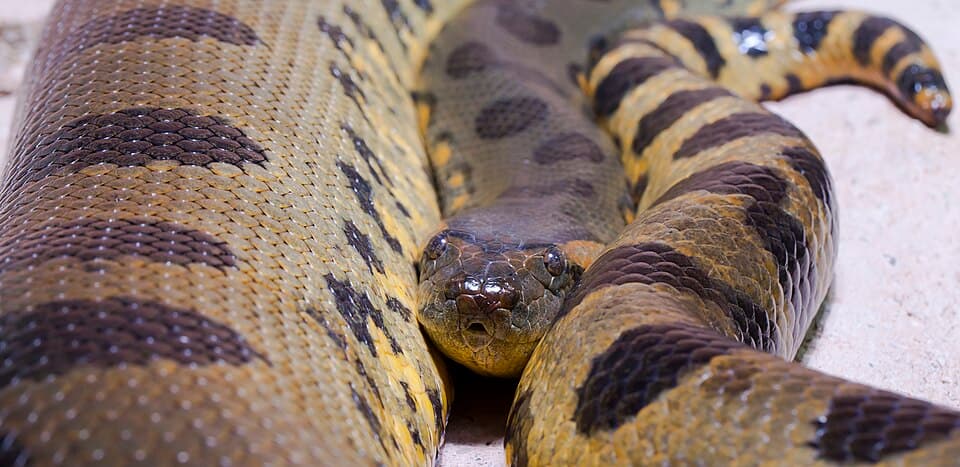
Green Anaconda
Eunectes murinus
ReptileThe green anaconda is the heaviest snake species in the world, a massive non-venomous constrictor found in the swamps, rivers, and flooded grasslands of South America. Unlike many large snakes, it spends much of its time submerged in water, where its bulk is supported and it can ambush prey coming to drink.
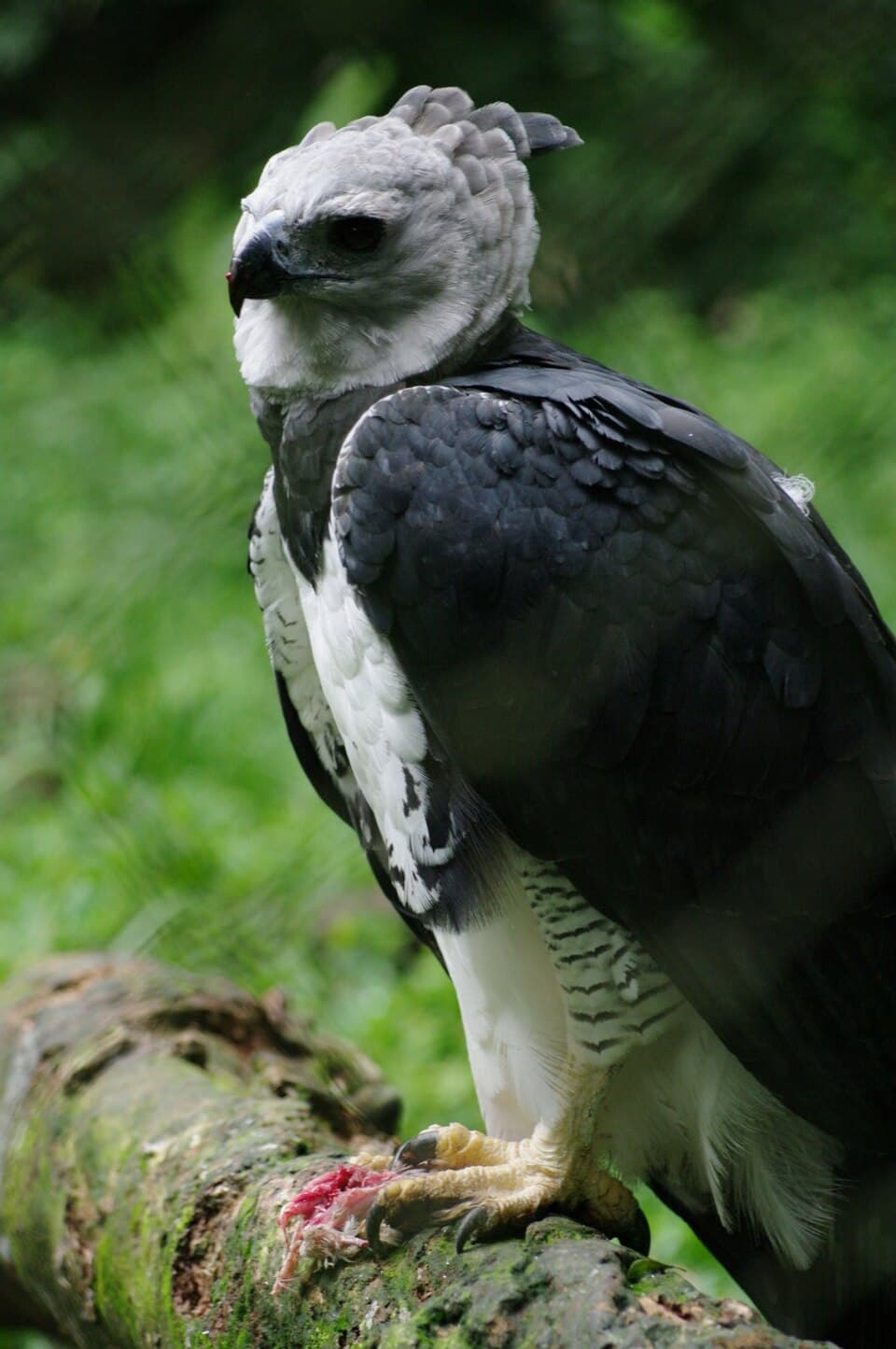
Harpy Eagle
Harpia harpyja
BirdThe harpy eagle is one of the largest and most powerful eagles in the world, a rainforest apex predator capable of snatching monkeys and sloths directly from the treetops. Its enormous talons can exert a grip strength far beyond a human hand's, making it one of the most formidable raptors on Earth.
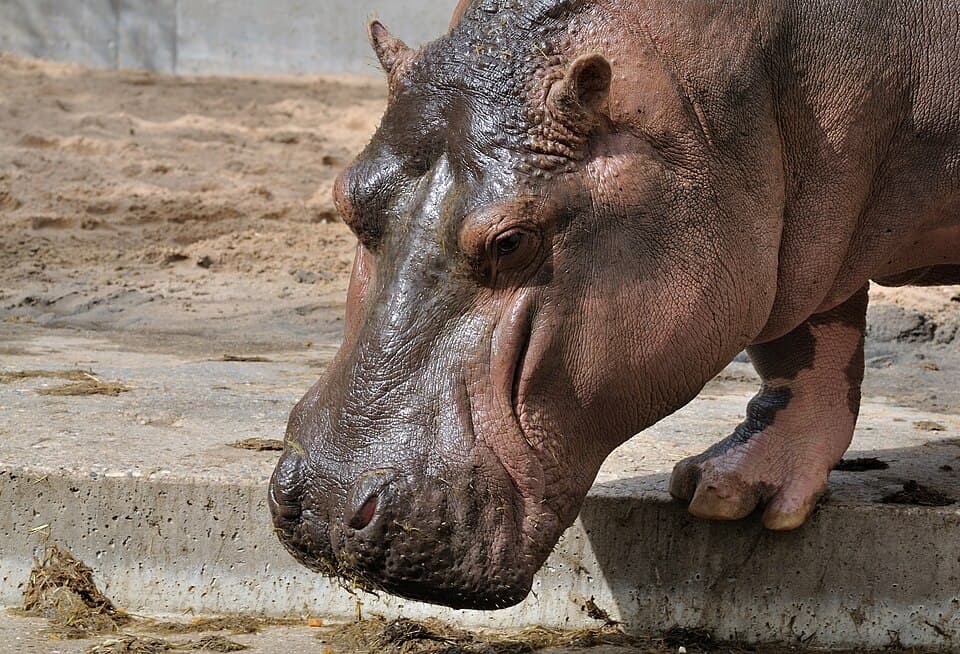
Hippopotamus
Hippopotamus amphibius
MammalThe hippopotamus is one of the largest land mammals, spending most of the day submerged in African rivers and lakes to keep its huge body cool.
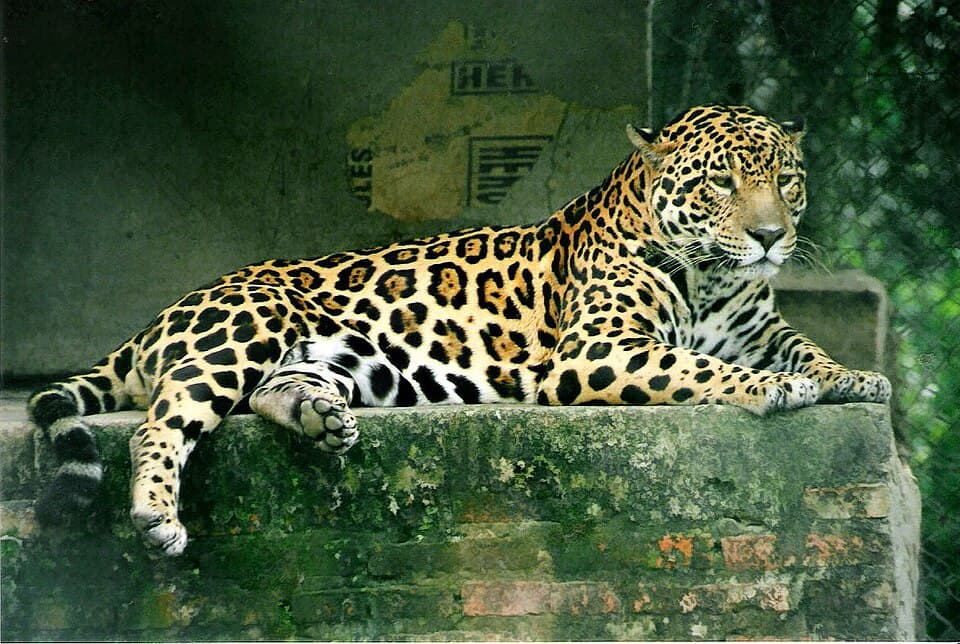
Jaguar
Panthera onca
MammalThe jaguar is the largest big cat in the Americas and the only living member of the genus Panthera found in the New World, prowling the rainforests of Central and South America.
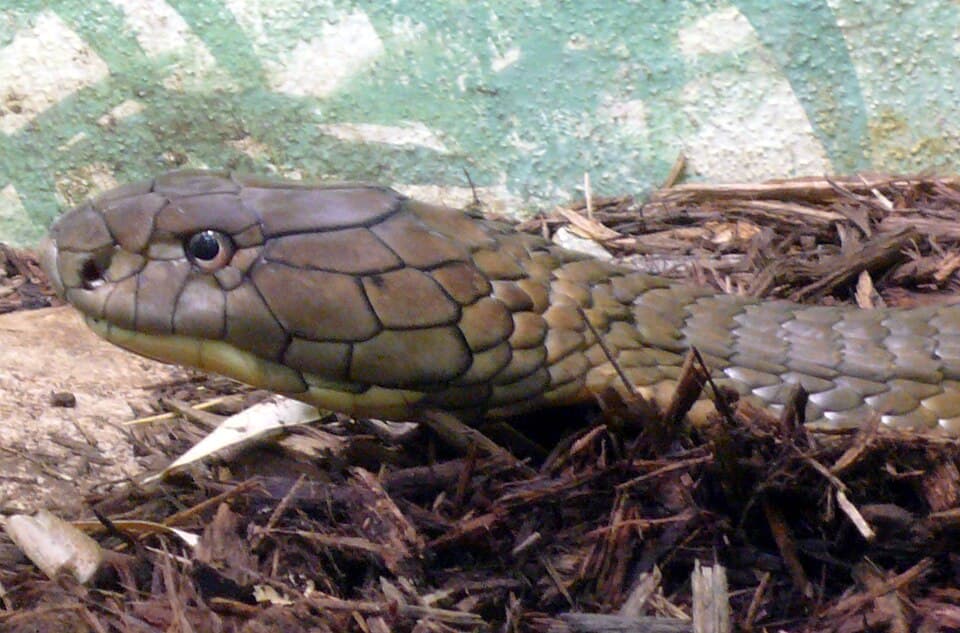
King Cobra
Ophiophagus hannah
ReptileThe king cobra is the world's longest venomous snake, found across the forests, bamboo thickets, and mangrove swamps of South and Southeast Asia, from India and southern China to the Philippines and Indonesia. It is unusual among snakes for building and guarding a nest for its eggs, and despite its size and reputation, it is a shy, diurnal hunter that generally avoids humans rather than confronting them.
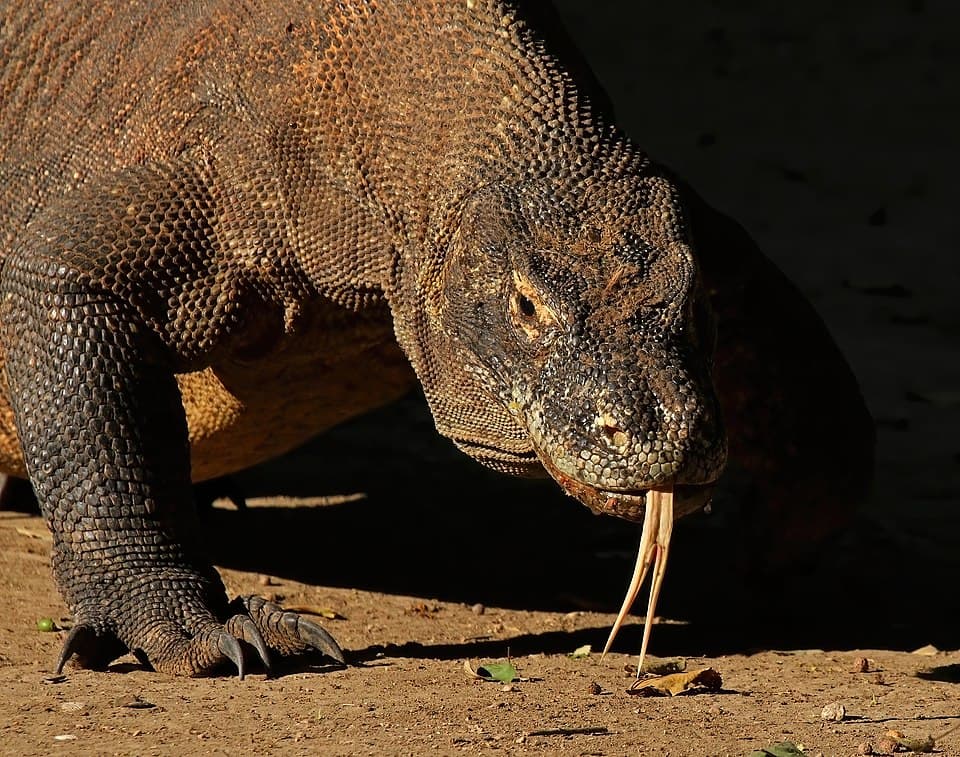
Komodo Dragon
Varanus komodoensis
ReptileThe Komodo dragon is the largest living lizard species in the world, found only on a handful of Indonesian islands including Komodo, Rinca, and Flores. A powerful apex predator, it can take down prey as large as water buffalo using a combination of a powerful bite, sharp serrated teeth, and a toxic bite that impairs its victim.
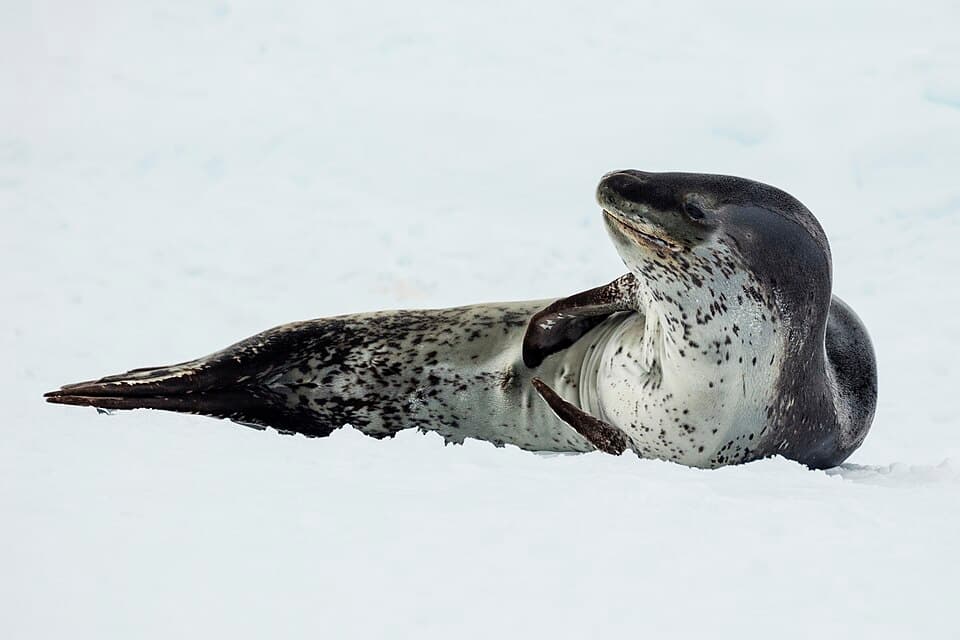
Leopard Seal
Hydrurga leptonyx
MammalThe leopard seal is one of Antarctica's top predators, named for the dark spotted pattern across its pale coat and a fierce reputation to match. Unlike most seals, which primarily eat fish, the leopard seal is a formidable hunter capable of taking down penguins and even other seal species.
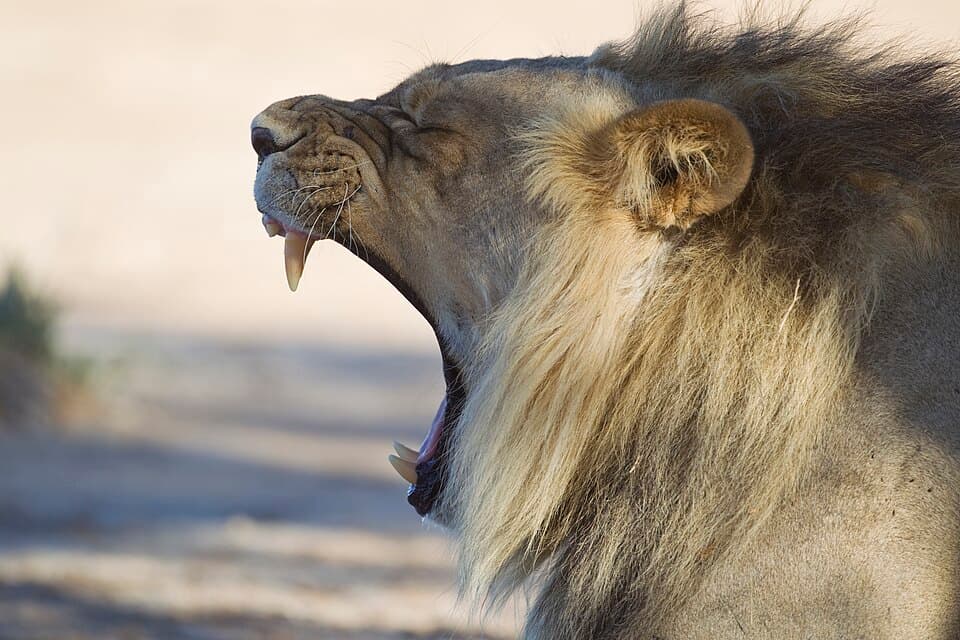
Lion
Panthera leo
MammalThe lion is one of the world's most recognizable big cats, known as the 'king of the jungle' despite living mainly on open savanna, and is the only cat species that lives in large social groups called prides.
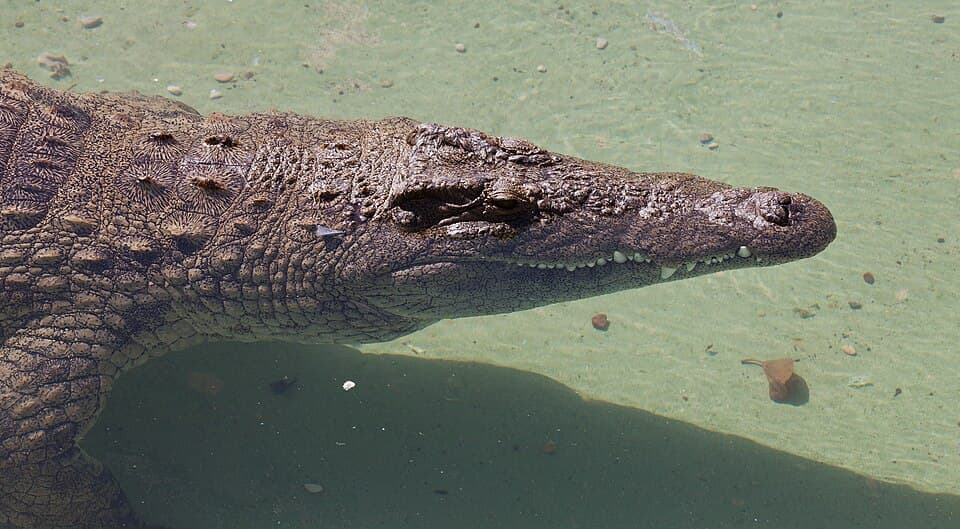
Nile Crocodile
Crocodylus niloticus
ReptileThe Nile crocodile is Africa's largest crocodilian and one of the continent's most feared apex predators, ambushing prey at the water's edge across rivers, lakes, and wetlands.
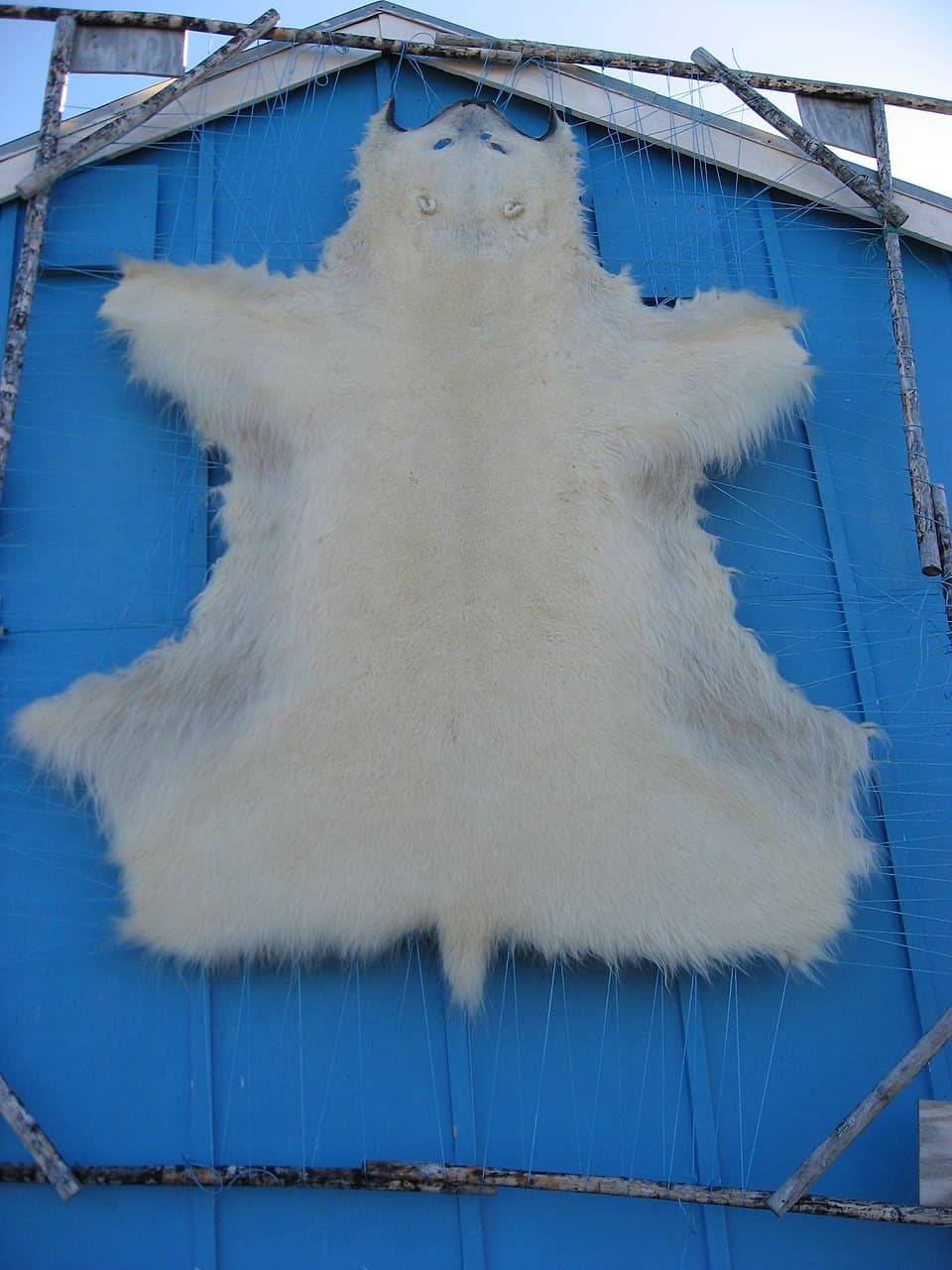
Polar Bear
Ursus maritimus
MammalThe polar bear is the largest land carnivore on Earth, superbly adapted to hunting seals across the sea ice of the Arctic Circle.
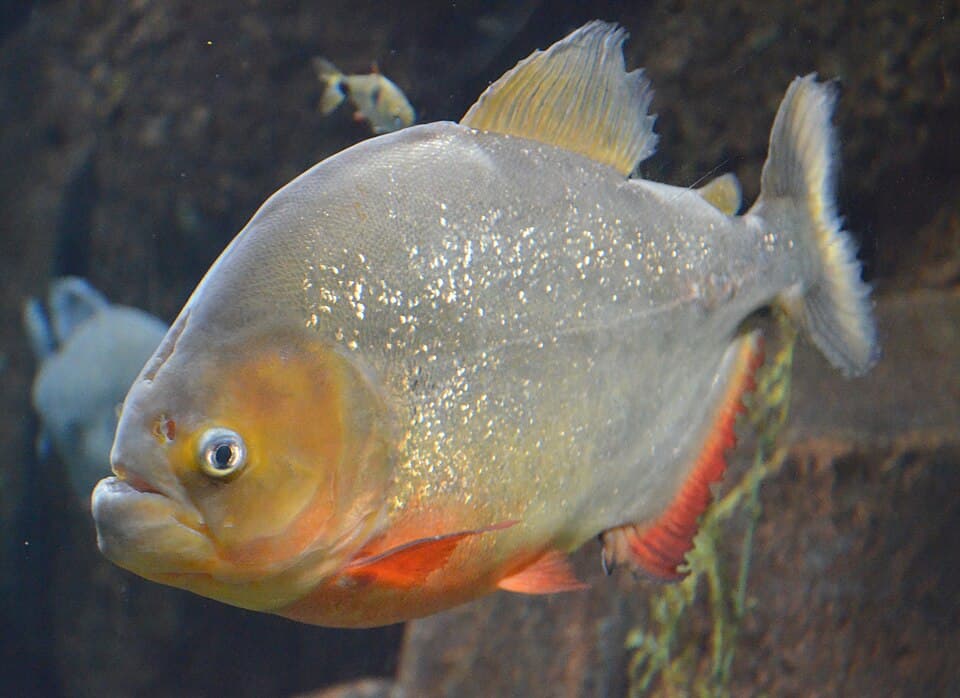
Red-Bellied Piranha
Pygocentrus nattereri
FishThe red-bellied piranha is one of the most notorious freshwater fish in the world, native to rivers and floodplains across the Amazon and Orinoco basins in South America. Despite its fearsome reputation, it is primarily a scavenger and opportunistic feeder, and unprovoked attacks on humans are extremely rare.
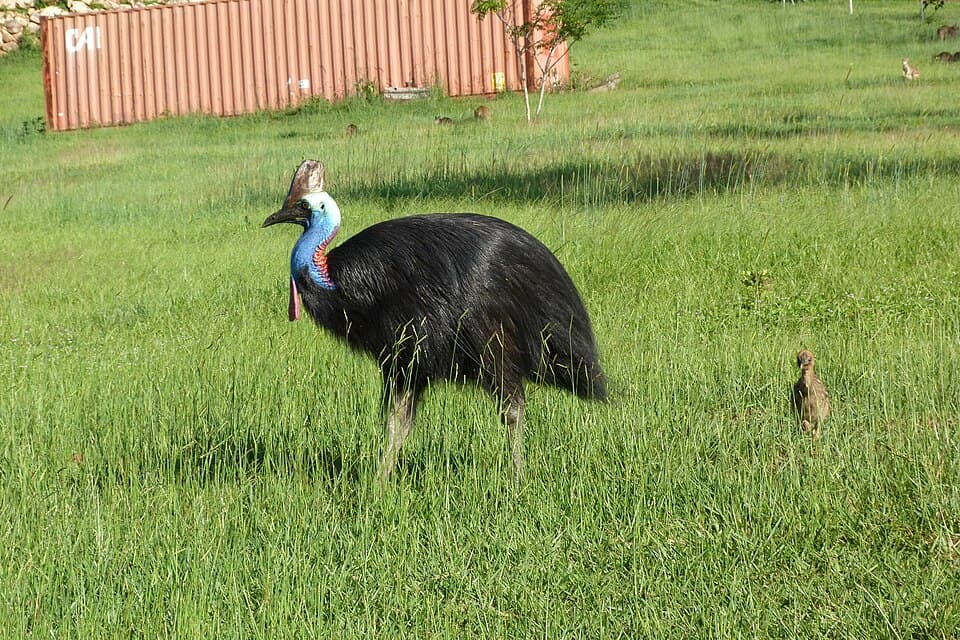
Southern Cassowary
Casuarius casuarius
BirdThe southern cassowary is one of the largest and most dangerous birds in the world, a flightless giant native to the tropical rainforests of northern Australia and New Guinea. Despite its bulk, it is an excellent swimmer and can sprint through dense forest at considerable speed, using a large bony helmet-like casque atop its head to push through thick vegetation.
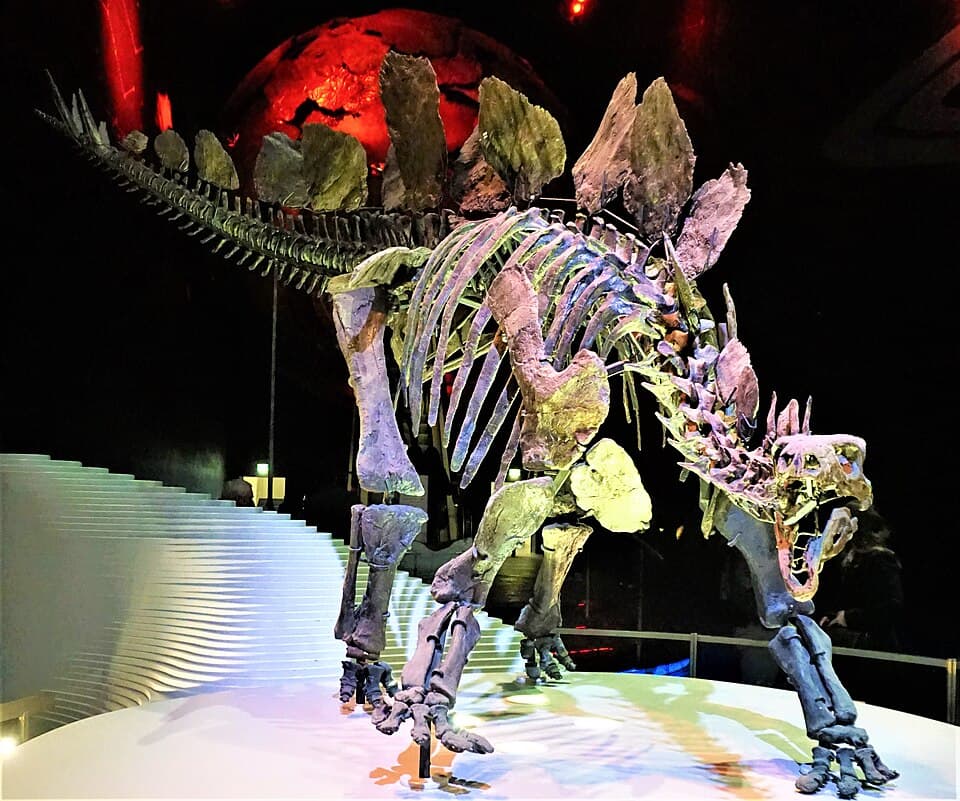
Stegosaurus
Stegosaurus stenops
DinosaurStegosaurus is one of the most recognizable dinosaurs ever discovered, instantly identifiable by the row of large, upright bony plates running along its back and the sharp spikes at the end of its tail. Despite its considerable size, it had a remarkably small, low-slung head with a brain roughly the size of a walnut relative to its huge body.
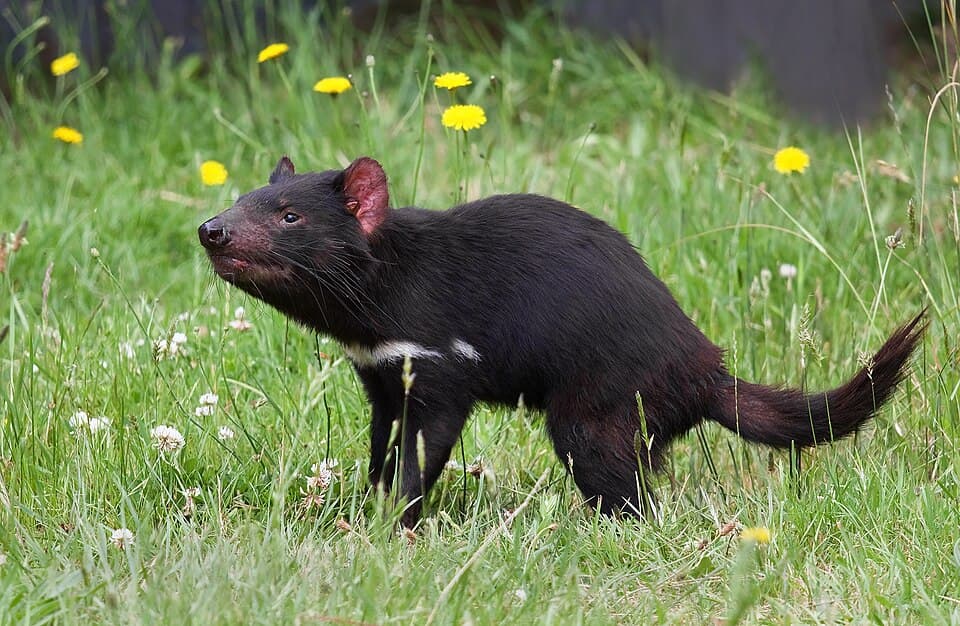
Tasmanian Devil
Sarcophilus harrisii
MammalThe Tasmanian devil is the largest surviving carnivorous marsupial in the world, now found only on the Australian island of Tasmania after going extinct on the mainland centuries ago. Despite its stocky, unassuming build, it has one of the strongest bites relative to body size of any living mammal, capable of crushing bone.
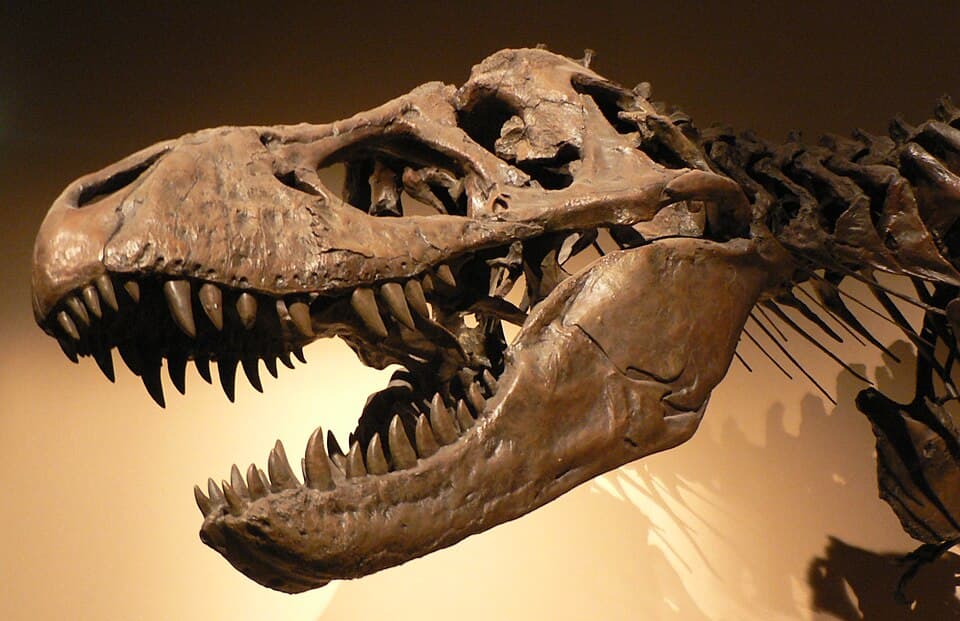
Tyrannosaurus Rex
Tyrannosaurus rex
DinosaurTyrannosaurus rex was one of the largest land predators to ever exist, dominating the ecosystems of western North America at the very end of the Cretaceous period roughly 66-68 million years ago.
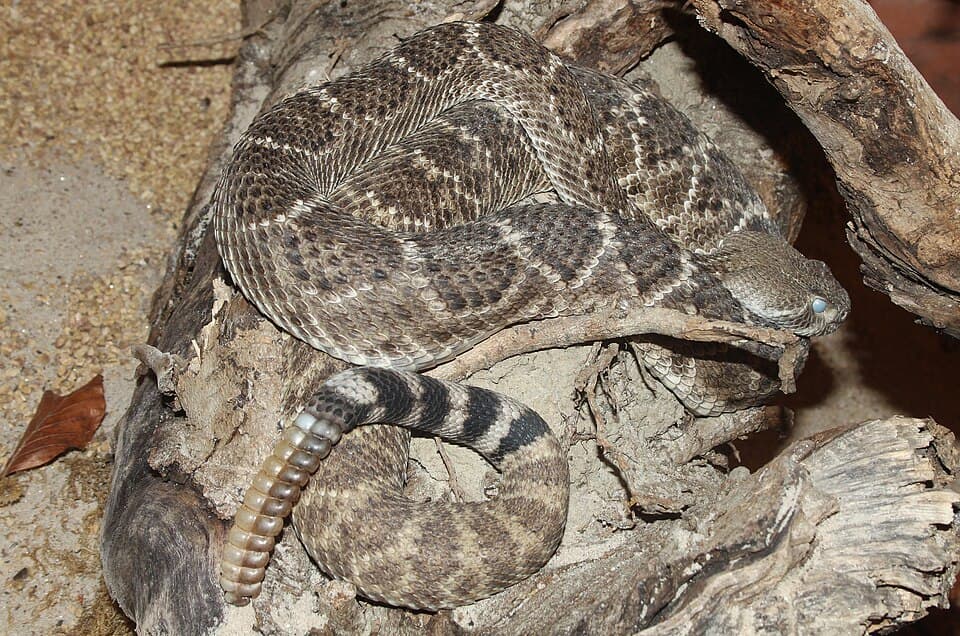
Western Diamondback Rattlesnake
Crotalus atrox
ReptileThe western diamondback rattlesnake is one of the most dangerous and widely-distributed venomous snakes in North America, easily identified by the diamond pattern along its back.
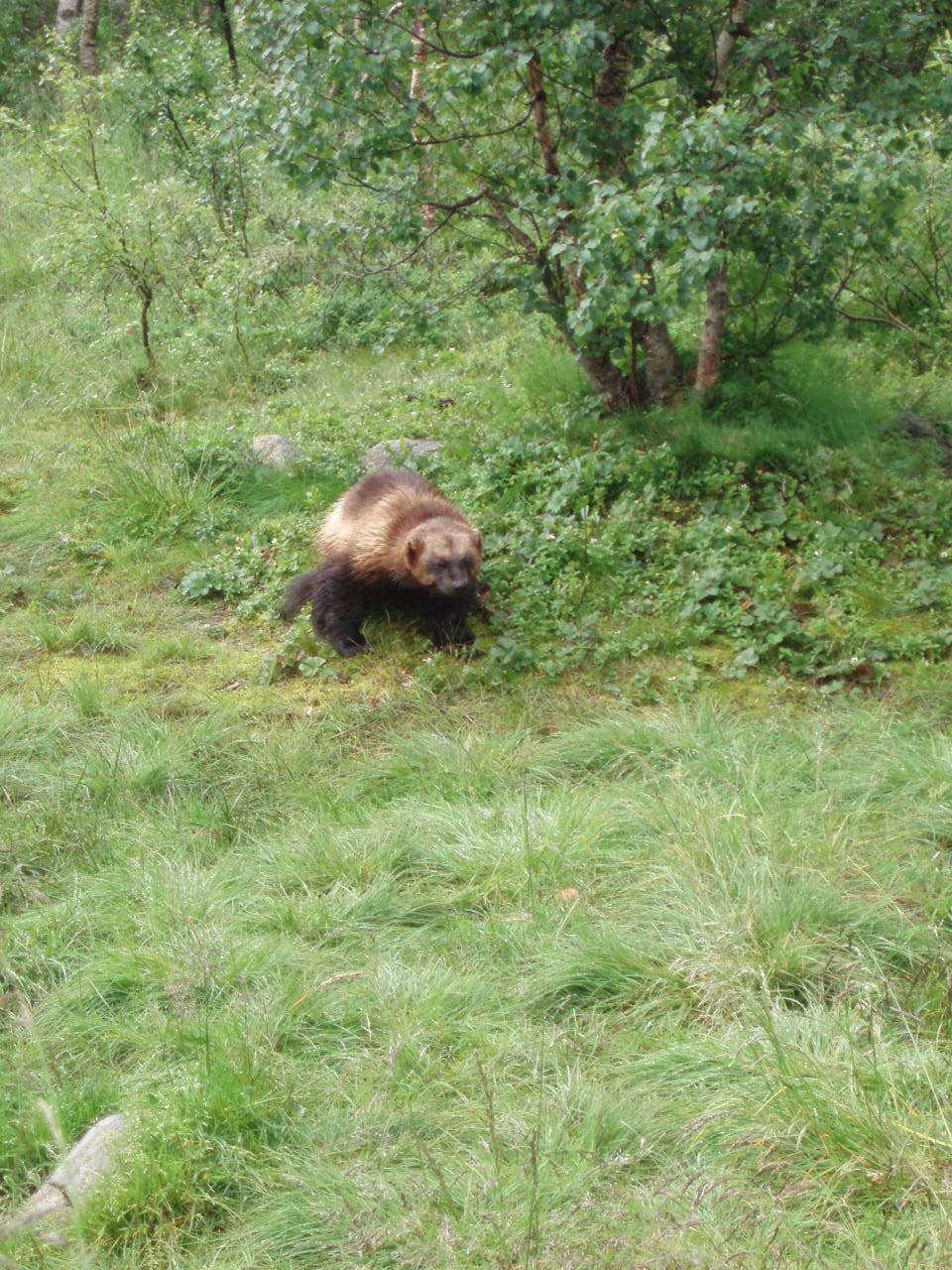
Wolverine
Gulo gulo
MammalThe wolverine is the largest land-dwelling member of the weasel family, a solitary and famously tenacious predator and scavenger of far northern forests and tundra. Despite its bear-like appearance, it is much smaller than its reputation suggests, roughly the size of a medium dog, but is capable of driving much larger animals like wolves away from a carcass.
Dangerous Animals FAQs
How many dangerous animals are listed here?
This page currently features 23 species, and more are added regularly as the dataset grows.
What is the most popular animal in this list?
Lion is currently the most popular animal in Dangerous Animals.
Are any of these animals endangered?
Yes — 10 of the 23 species listed are classified as vulnerable, endangered, or critically endangered.
Explore Other Collections
Cute Animals
The most undeniably adorable animals in our catalog.
Smart Animals
Animals known for problem-solving, tool use, and complex social behavior.
Fast Animals
Animals built for speed, whether sprinting, swimming, or flying.
Slow Animals
Animals that get by without needing to move quickly at all.
Flying Animals
Animals equipped with wings for powered flight.
Swimming Animals
Animals built for a life spent largely in the water.
Striped Animals
Animals patterned with bold stripes, from camouflage to warning coloration.
Spotted Animals
Animals with a distinctive spotted coat or skin pattern.