Fast Animals
Animals built for speed, whether sprinting, swimming, or flying.
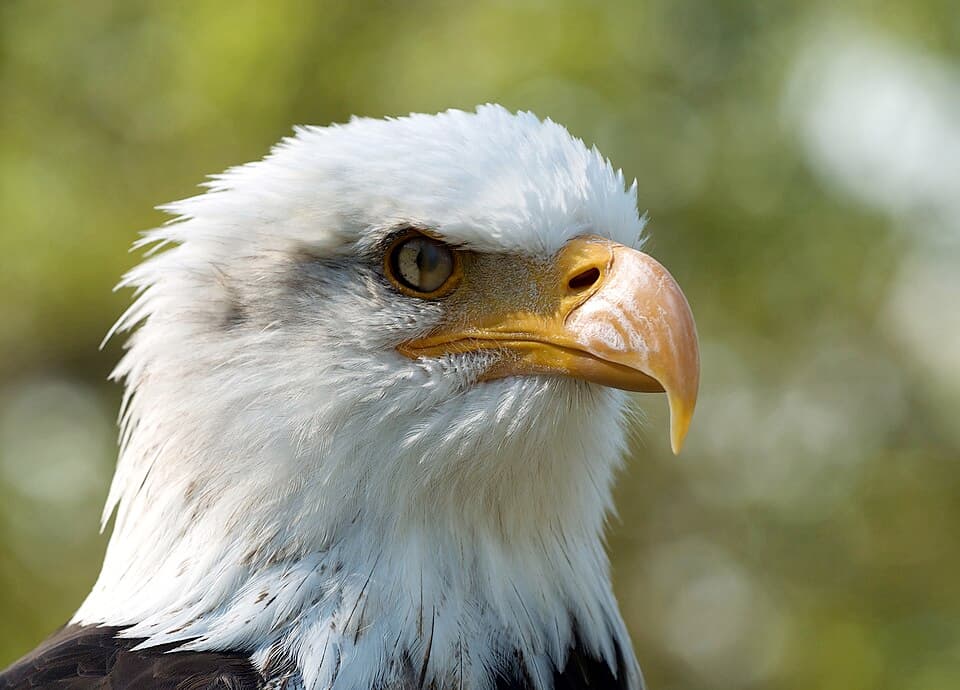
Bald Eagle
Haliaeetus leucocephalus
BirdThe bald eagle is a large bird of prey and the national bird of the United States, typically found near large bodies of open water with an abundant fish supply, from Alaska and Canada down through the contiguous United States. The species was once endangered in the U.S. due to hunting, habitat loss, and the pesticide DDT, which thinned its eggshells and caused widespread breeding failures; after DDT was banned and decades of conservation effort, bald eagle populations recovered enough for the species to be removed from the U.S. endangered species list in 2007.
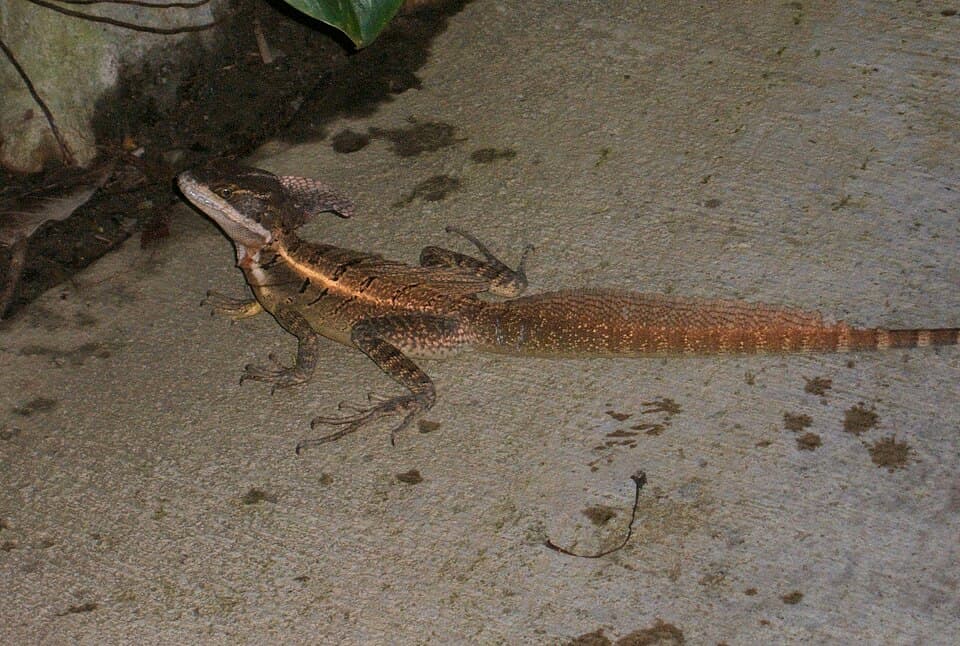
Basilisk Lizard
Basiliscus basiliscus
ReptileThe basilisk lizard, nicknamed the 'Jesus Christ lizard,' is famous for its remarkable ability to run upright across the surface of water for short distances without sinking. Native to the rainforests of Central and northern South America, it relies on this unusual skill primarily to escape predators.
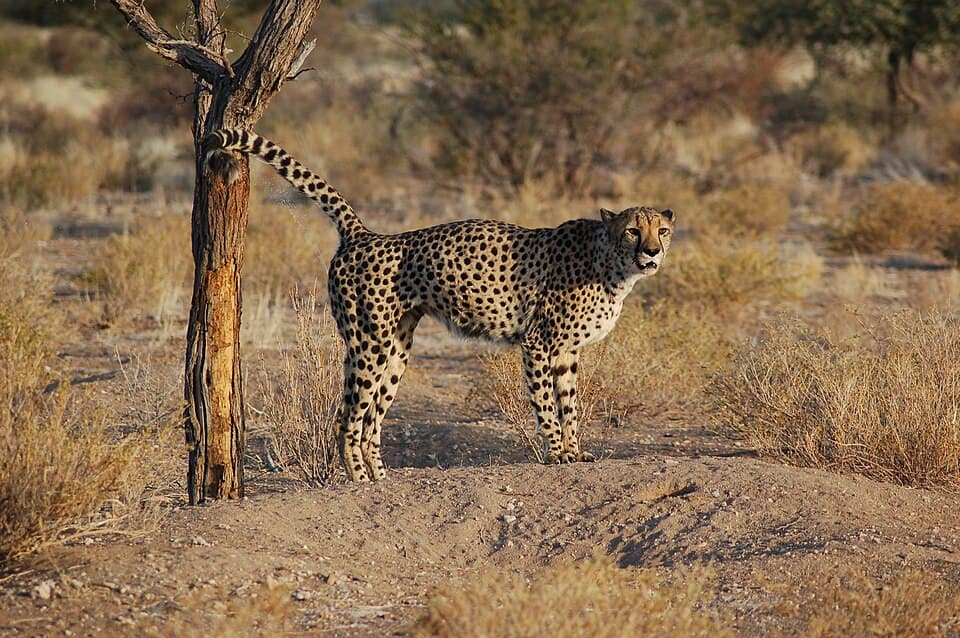
Cheetah
Acinonyx jubatus
MammalThe cheetah is the fastest land animal on Earth, built for explosive short sprints across the open grasslands and semi-desert of Africa, with a small, remnant population also surviving in Iran. Its speed comes at a genetic cost: cheetahs went through a severe population bottleneck thousands of years ago, leaving today's cheetahs with unusually low genetic diversity, which makes the species more vulnerable to disease on top of the threats it already faces from habitat loss and human-wildlife conflict.
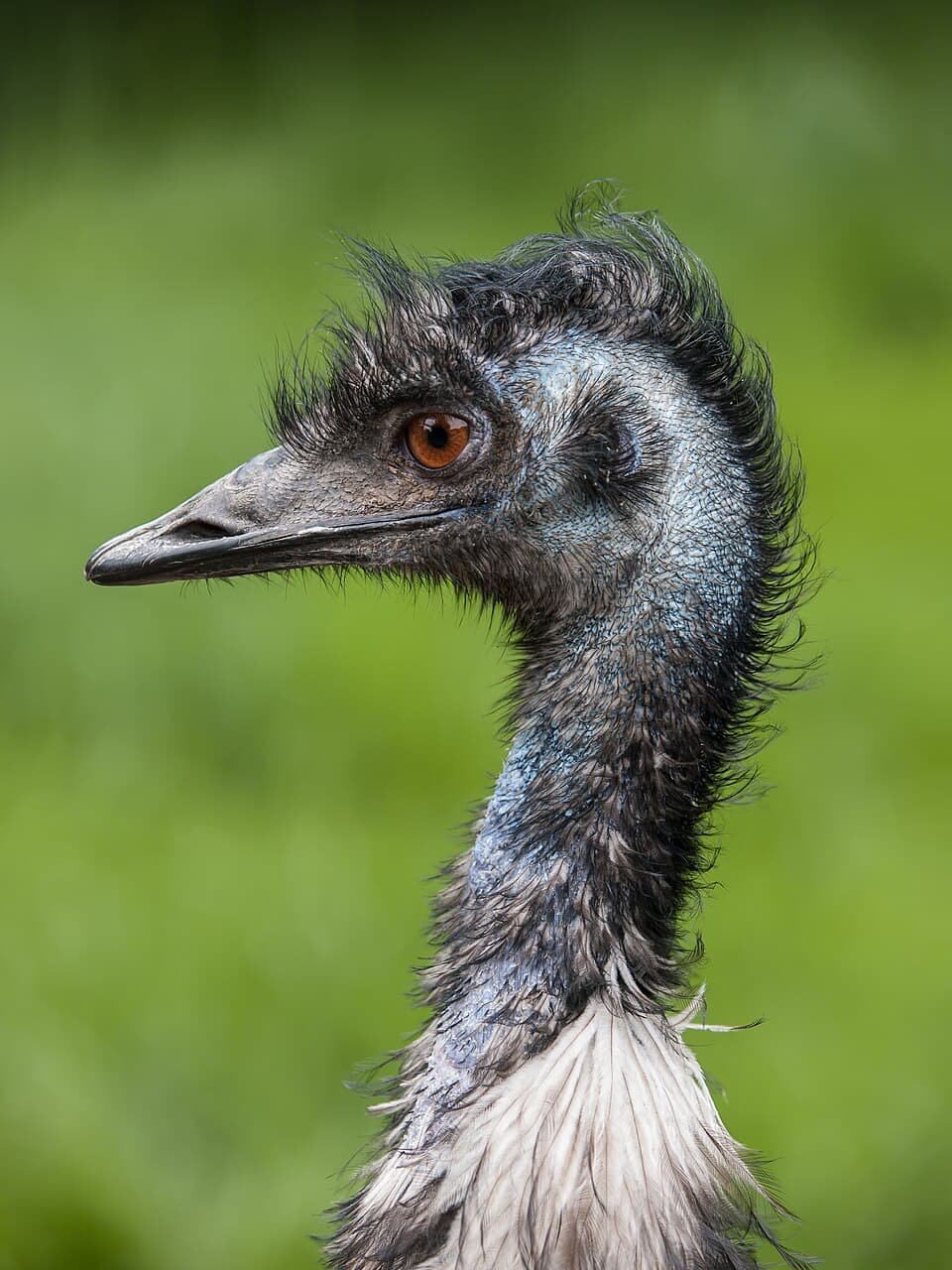
Emu
Dromaius novaehollandiae
BirdThe emu is the second-largest living bird in the world by height, a flightless giant native to the open plains and deserts of Australia. Despite being unable to fly, it's an exceptionally fast and powerful runner, capable of covering long distances across the outback in search of food and water.
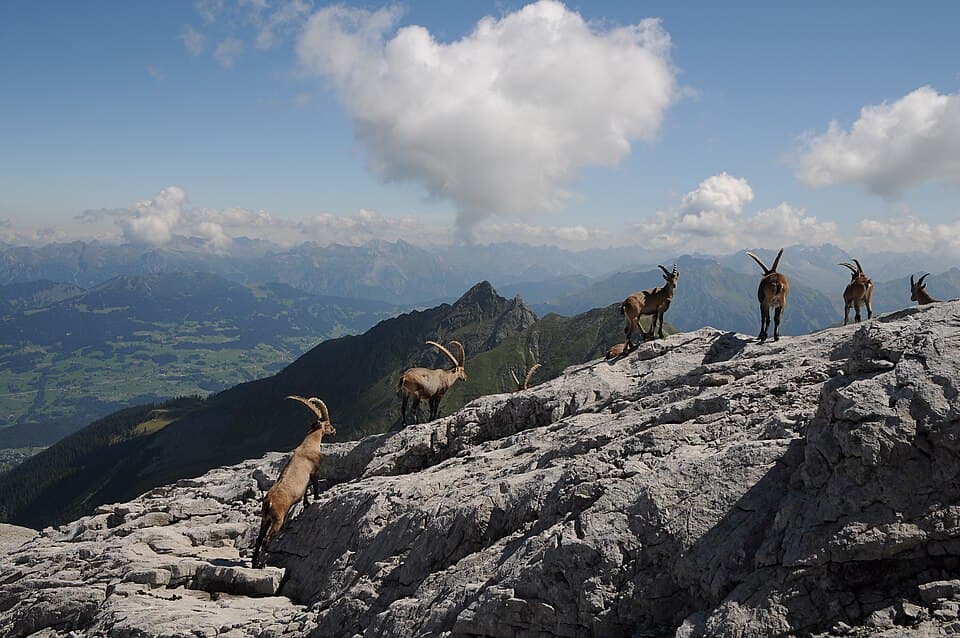
Ibex
Capra ibex
MammalThe Alpine ibex is a wild goat species famous for its massive, ridged, backward-curving horns and remarkable ability to scale near-vertical cliff faces in the mountains of the European Alps. Once hunted to near extinction, the entire modern population descends from a small group protected in a single Italian nature reserve in the 19th century.
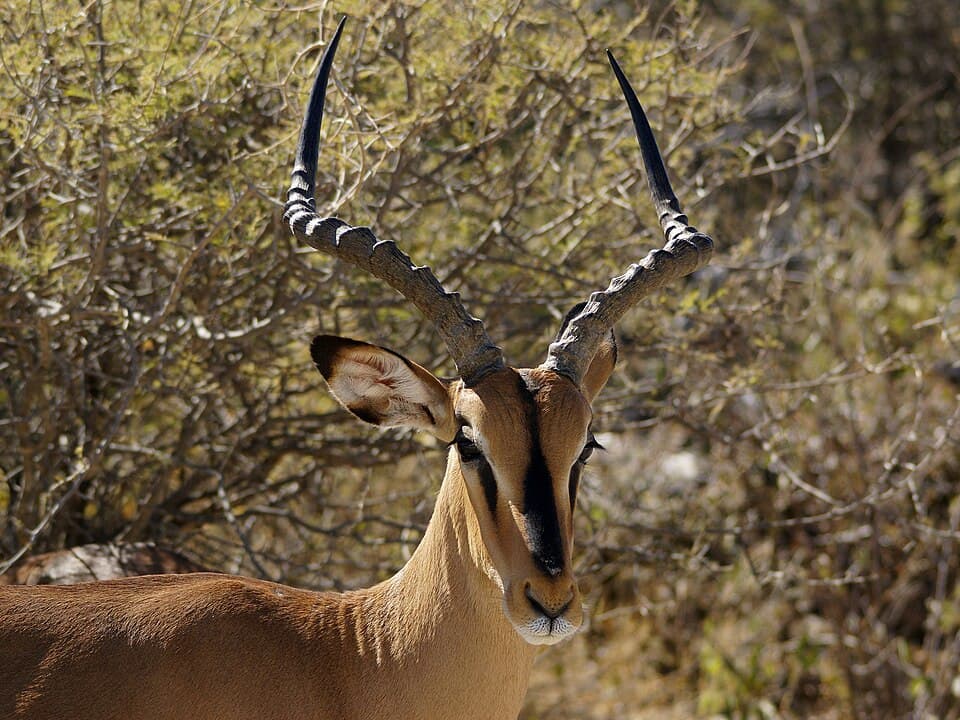
Impala
Aepyceros melampus
MammalThe impala is a medium-sized antelope found across eastern and southern African savannas, famous for its explosive leaping ability when startled.
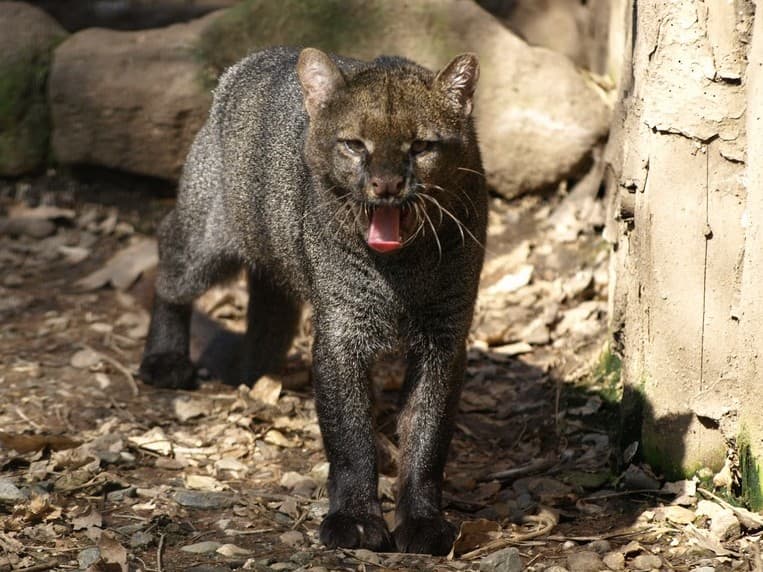
Jaguarundi
Herpailurus yagouaroundi
MammalThe jaguarundi is a small, elusive wildcat found from South America through Central America, notable for a long, slender, weasel-like body unlike the more compact build of most wild cats. Despite living alongside the much larger jaguar across parts of its range, the two are only distantly related within the cat family.
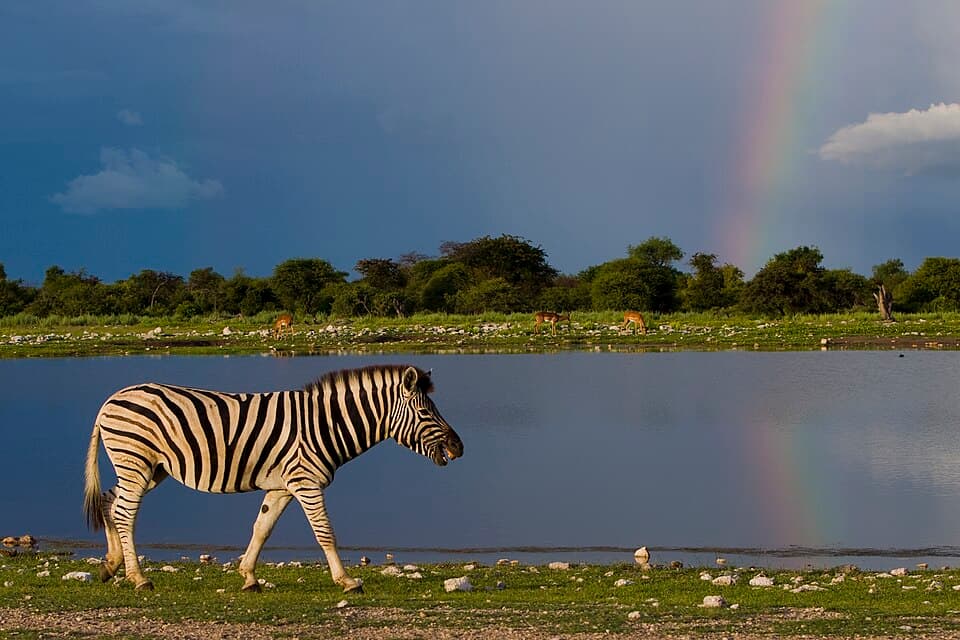
Plains Zebra
Equus quagga
MammalThe plains zebra is the most common and widespread zebra species, roaming the grasslands of eastern and southern Africa in large, ever-shifting herds.
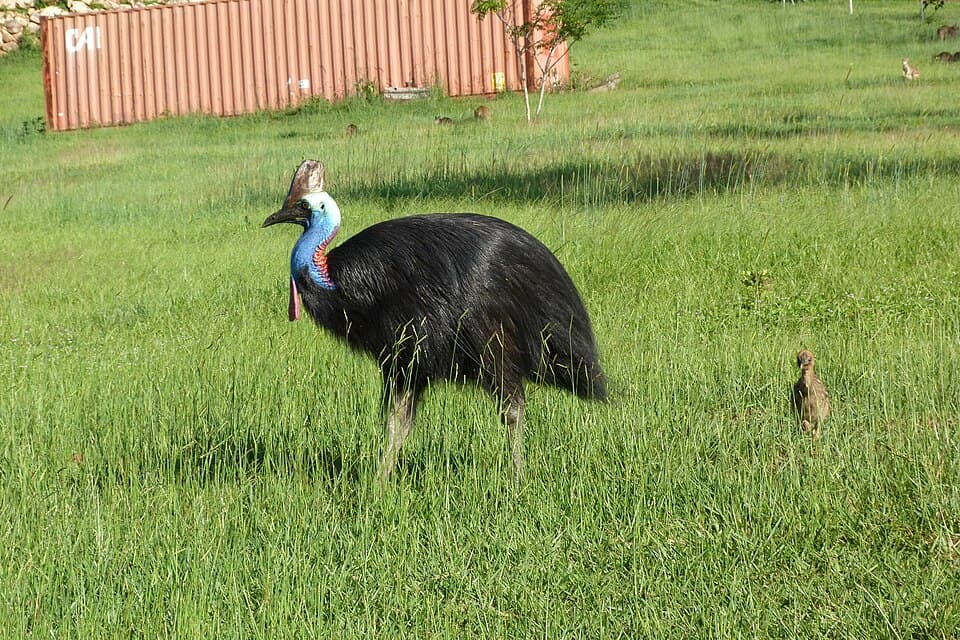
Southern Cassowary
Casuarius casuarius
BirdThe southern cassowary is one of the largest and most dangerous birds in the world, a flightless giant native to the tropical rainforests of northern Australia and New Guinea. Despite its bulk, it is an excellent swimmer and can sprint through dense forest at considerable speed, using a large bony helmet-like casque atop its head to push through thick vegetation.
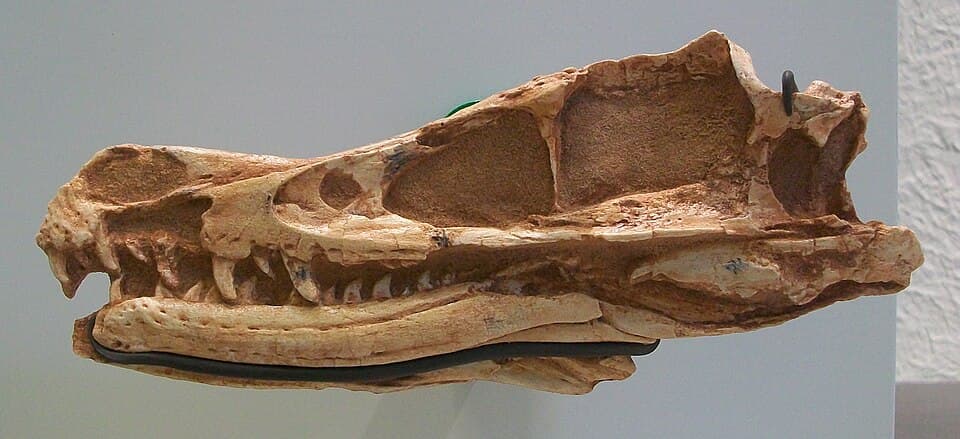
Velociraptor
Velociraptor mongoliensis
DinosaurVelociraptor was a small, fast, feathered predatory dinosaur that lived in the arid deserts of what is now Mongolia during the Late Cretaceous period, around 75 to 71 million years ago — far smaller than its famous Hollywood depiction. It belongs to the Dromaeosauridae, a family of small-to-medium theropod dinosaurs closely related to modern birds, and most of what scientists know about it comes from fossils recovered in Mongolia's Gobi Desert, including one of the most famous dinosaur fossils ever found: the 'Fighting Dinosaurs,' discovered in 1971, which captures a Velociraptor locked in combat with a Protoceratops at the moment both animals died.
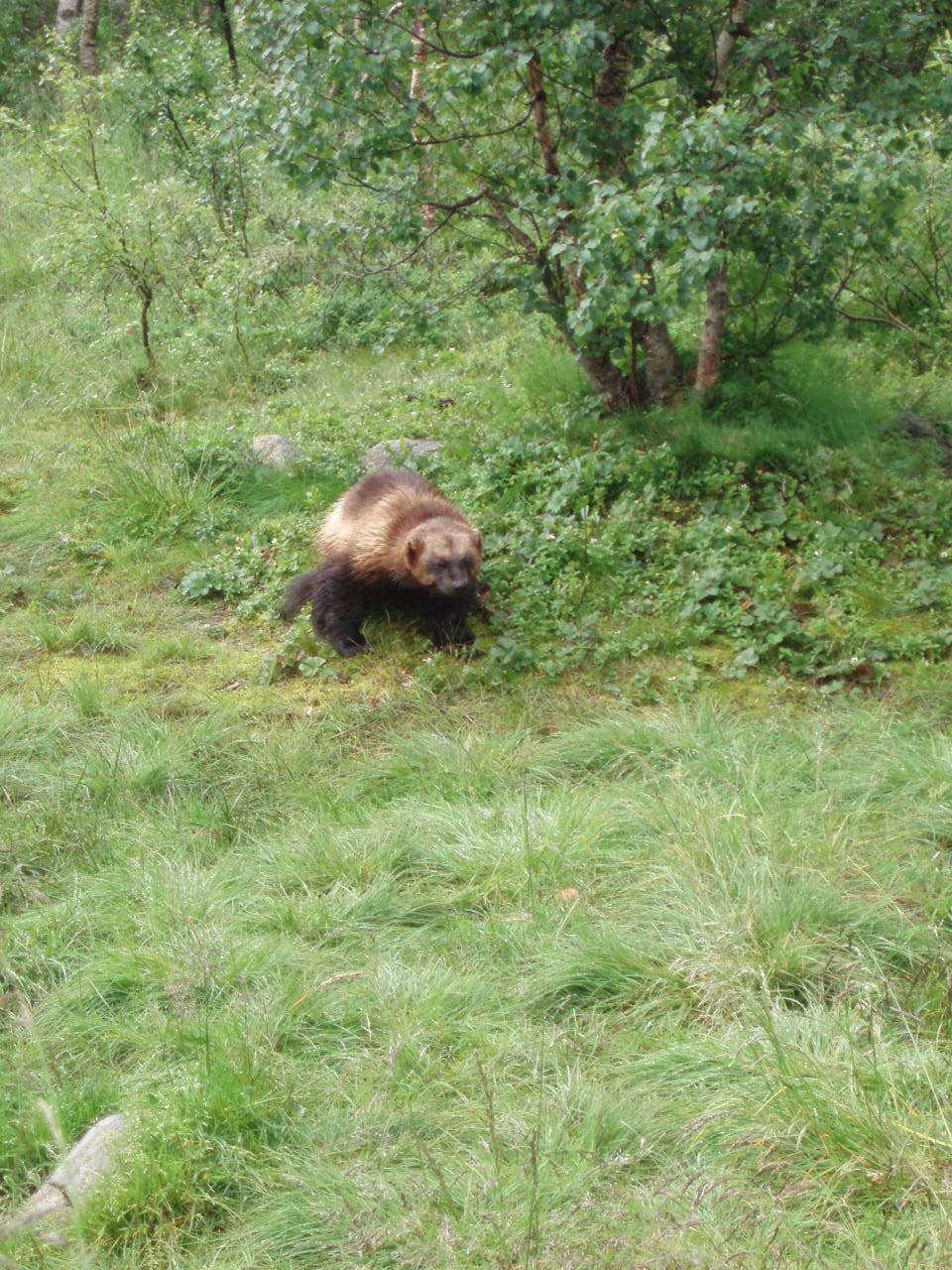
Wolverine
Gulo gulo
MammalThe wolverine is the largest land-dwelling member of the weasel family, a solitary and famously tenacious predator and scavenger of far northern forests and tundra. Despite its bear-like appearance, it is much smaller than its reputation suggests, roughly the size of a medium dog, but is capable of driving much larger animals like wolves away from a carcass.
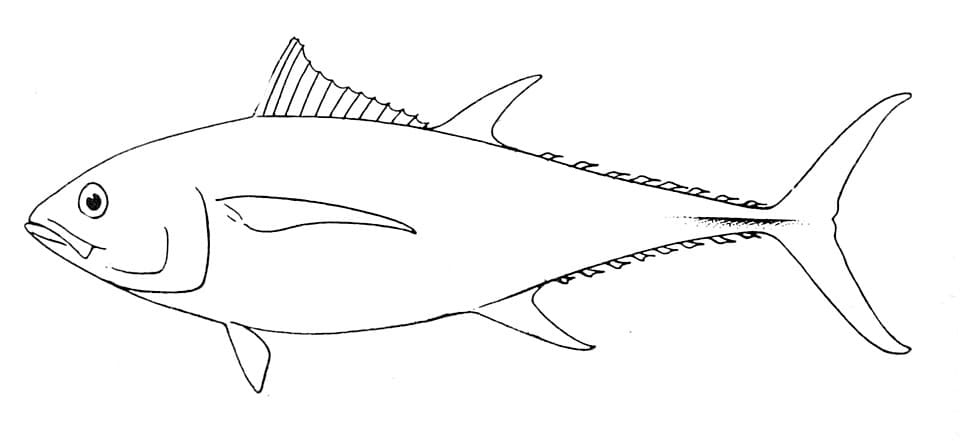
Yellowfin Tuna
Thunnus albacares
FishThe yellowfin tuna is a large, fast-swimming fish found in tropical and subtropical waters across the world's oceans, prized both as one of the ocean's most powerful predators and as one of the most commercially important fish species for human consumption. Its name comes from the bright yellow coloring of its dorsal and anal fins, which become especially long and dramatic in mature adults.
Fast Animals FAQs
How many fast animals are listed here?
This page currently features 12 species, and more are added regularly as the dataset grows.
What is the most popular animal in this list?
Cheetah is currently the most popular animal in Fast Animals.
Are any of these animals endangered?
Yes — 1 of the 12 species listed are classified as vulnerable, endangered, or critically endangered.
Explore Other Collections
Cute Animals
The most undeniably adorable animals in our catalog.
Smart Animals
Animals known for problem-solving, tool use, and complex social behavior.
Dangerous Animals
Animals capable of seriously harming other animals — or humans.
Slow Animals
Animals that get by without needing to move quickly at all.
Flying Animals
Animals equipped with wings for powered flight.
Swimming Animals
Animals built for a life spent largely in the water.
Striped Animals
Animals patterned with bold stripes, from camouflage to warning coloration.
Spotted Animals
Animals with a distinctive spotted coat or skin pattern.