Swimming Animals
Animals built for a life spent largely in the water.
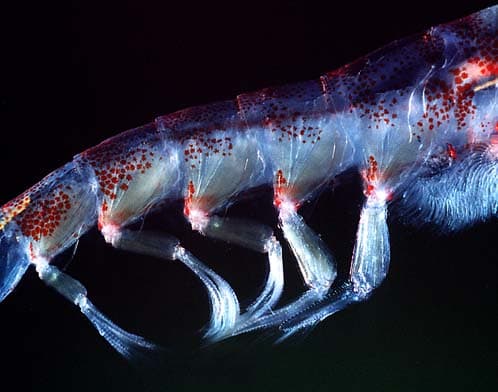
Antarctic Krill
Euphausia superba
Marine AnimalAntarctic krill is a small, shrimp-like crustacean that forms the foundation of the entire Antarctic food web, supporting whales, seals, penguins, and countless fish species. Despite its tiny individual size, its total biomass is estimated to be one of the largest of any animal species on Earth, gathering in massive swarms that can stretch for kilometers and be seen from space.
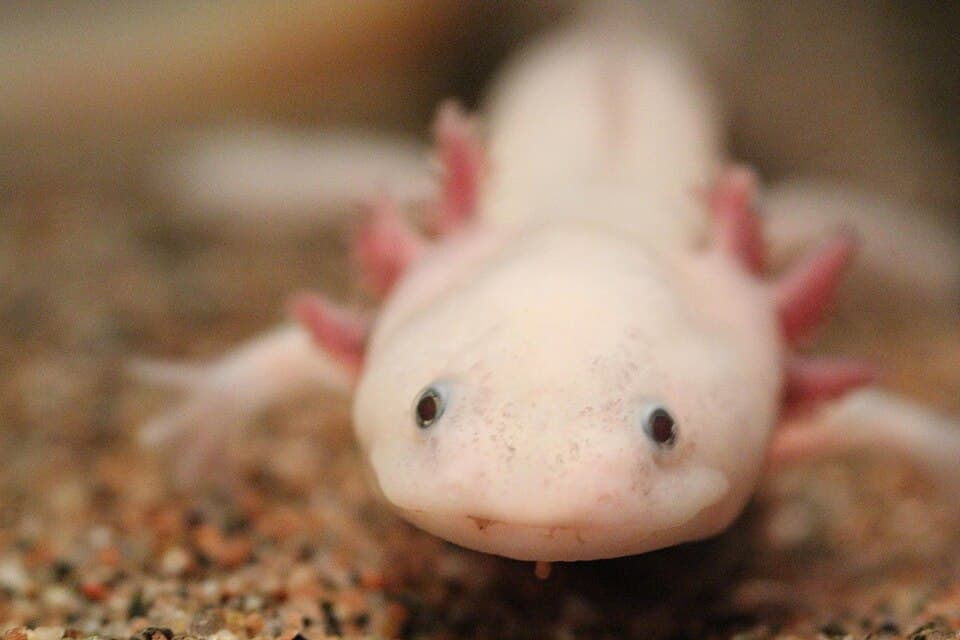
Axolotl
Ambystoma mexicanum
AmphibianThe axolotl is a remarkable salamander from a single lake system in Mexico that never fully undergoes metamorphosis, instead retaining its larval, gilled form and living its entire life underwater. This permanent juvenile state, called neoteny, along with its extraordinary ability to regrow lost limbs, organs, and even parts of its brain, has made it one of the most studied animals in modern regenerative biology research.
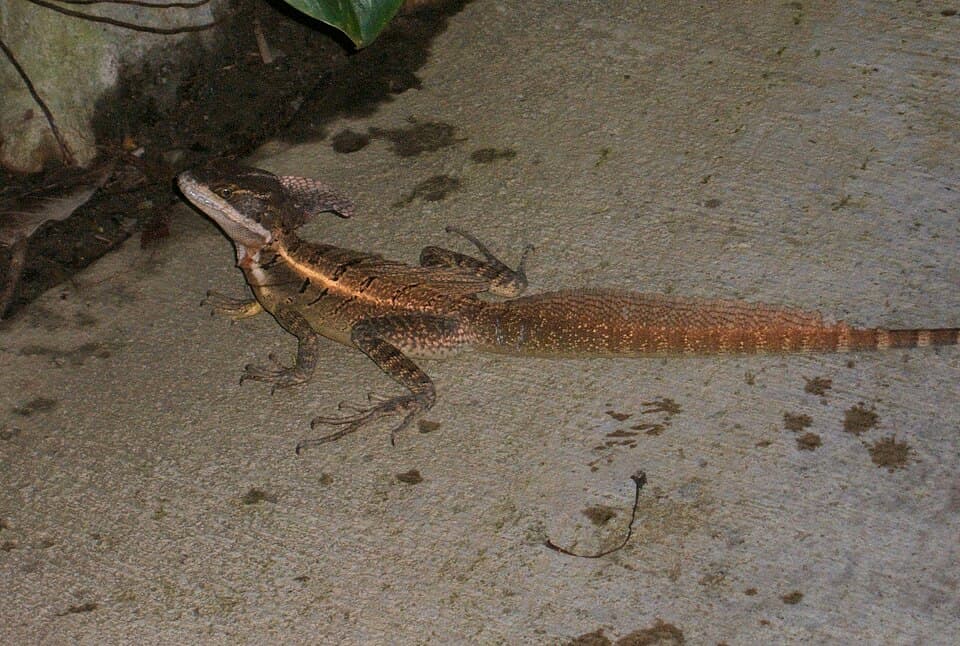
Basilisk Lizard
Basiliscus basiliscus
ReptileThe basilisk lizard, nicknamed the 'Jesus Christ lizard,' is famous for its remarkable ability to run upright across the surface of water for short distances without sinking. Native to the rainforests of Central and northern South America, it relies on this unusual skill primarily to escape predators.
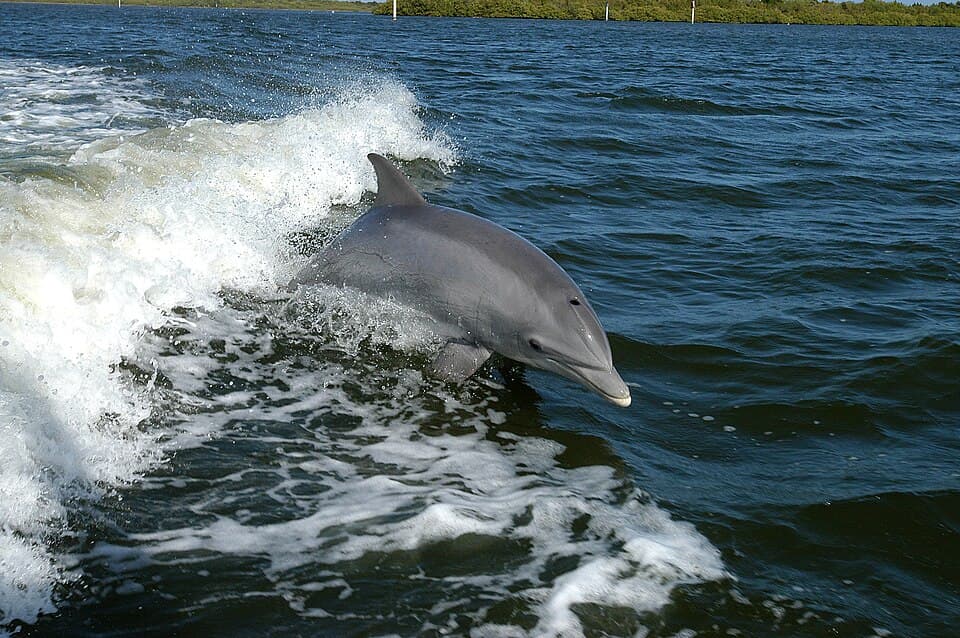
Bottlenose Dolphin
Tursiops truncatus
MammalThe bottlenose dolphin is one of the most widely-recognized and intelligent marine mammals, found in temperate and tropical oceans worldwide.
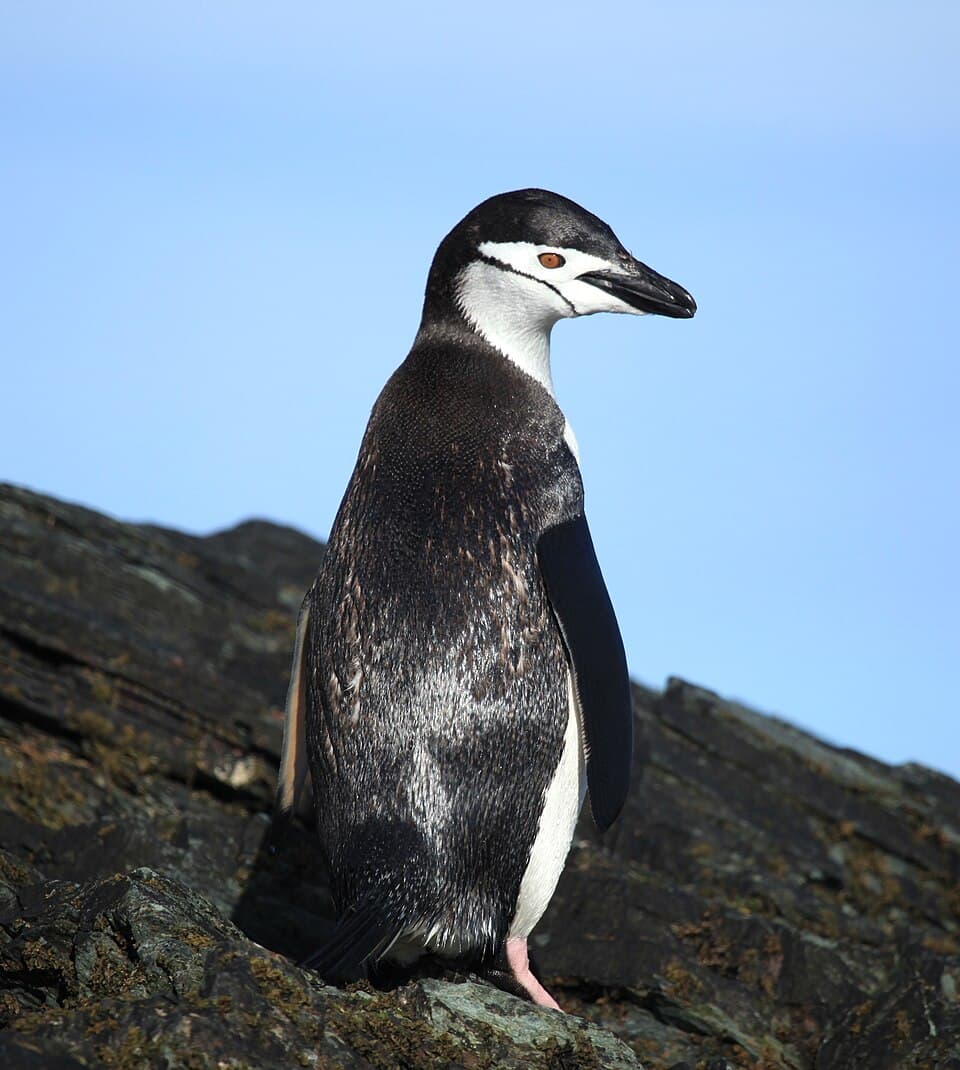
Chinstrap Penguin
Pygoscelis antarcticus
BirdThe chinstrap penguin is named for the narrow black band running under its chin, giving it the appearance of wearing a tiny helmet strap. Among the most numerous penguin species in the world, it breeds in enormous colonies across the Antarctic Peninsula and surrounding sub-Antarctic islands.
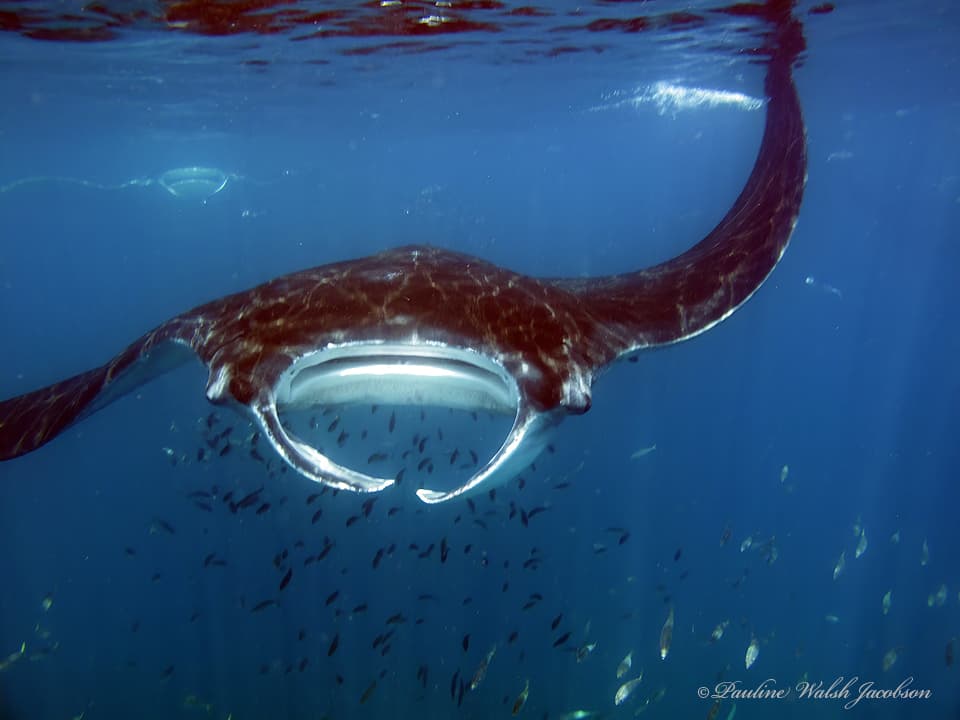
Giant Oceanic Manta Ray
Mobula birostris
FishThe giant oceanic manta ray is the largest ray species in the world, with a wingspan that can reach up to 7 meters across. Despite its enormous size, it feeds exclusively on some of the ocean's smallest organisms, filtering huge volumes of zooplankton through specialized gill plates as it swims.
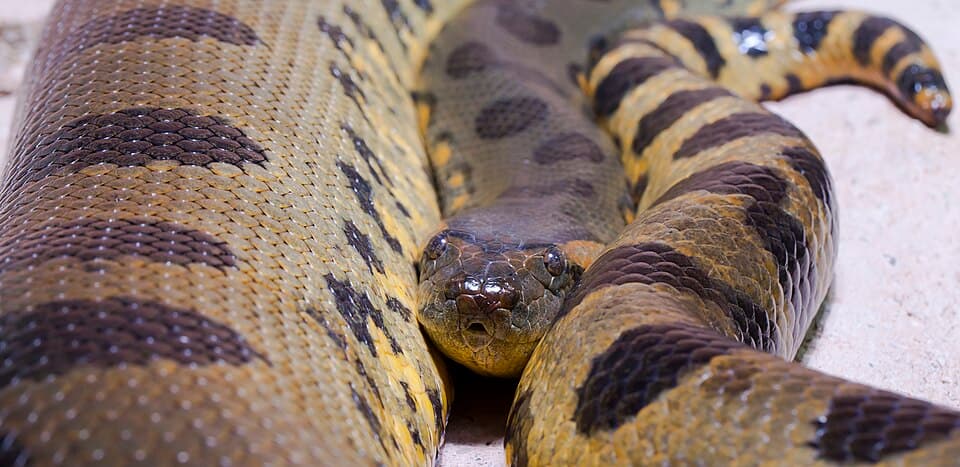
Green Anaconda
Eunectes murinus
ReptileThe green anaconda is the heaviest snake species in the world, a massive non-venomous constrictor found in the swamps, rivers, and flooded grasslands of South America. Unlike many large snakes, it spends much of its time submerged in water, where its bulk is supported and it can ambush prey coming to drink.
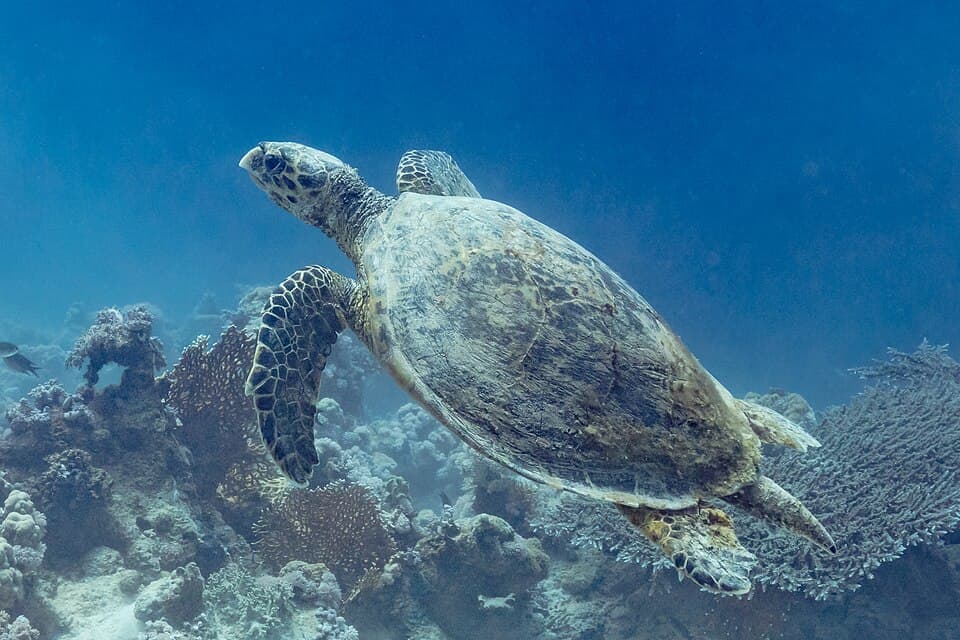
Hawksbill Sea Turtle
Eretmochelys imbricata
ReptileThe hawksbill sea turtle is a critically endangered marine reptile named for its narrow, pointed beak, which resembles a bird of prey's hooked bill. It plays a vital ecological role on coral reefs by feeding primarily on sponges, helping maintain the balance of reef ecosystems by preventing sponges from overgrowing and smothering coral.
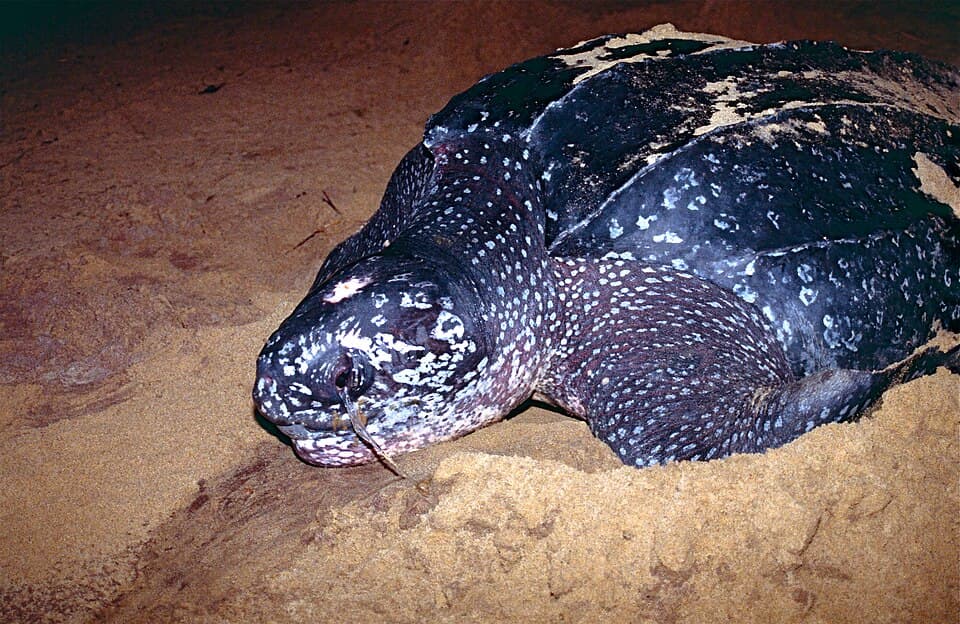
Leatherback Sea Turtle
Dermochelys coriacea
ReptileThe leatherback is the largest sea turtle species in the world and the only one without a hard bony shell, ranging farther into cold water than any other reptile.
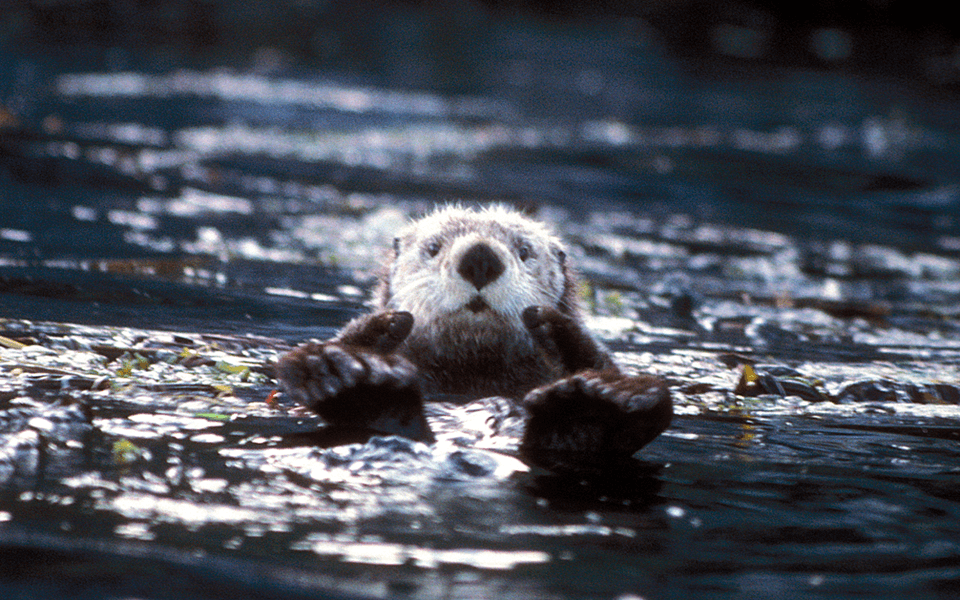
Sea Otter
Enhydra lutris
MammalThe sea otter is the heaviest member of the weasel family and one of the few mammals known to use tools, cracking open shellfish with rocks while floating on its back.
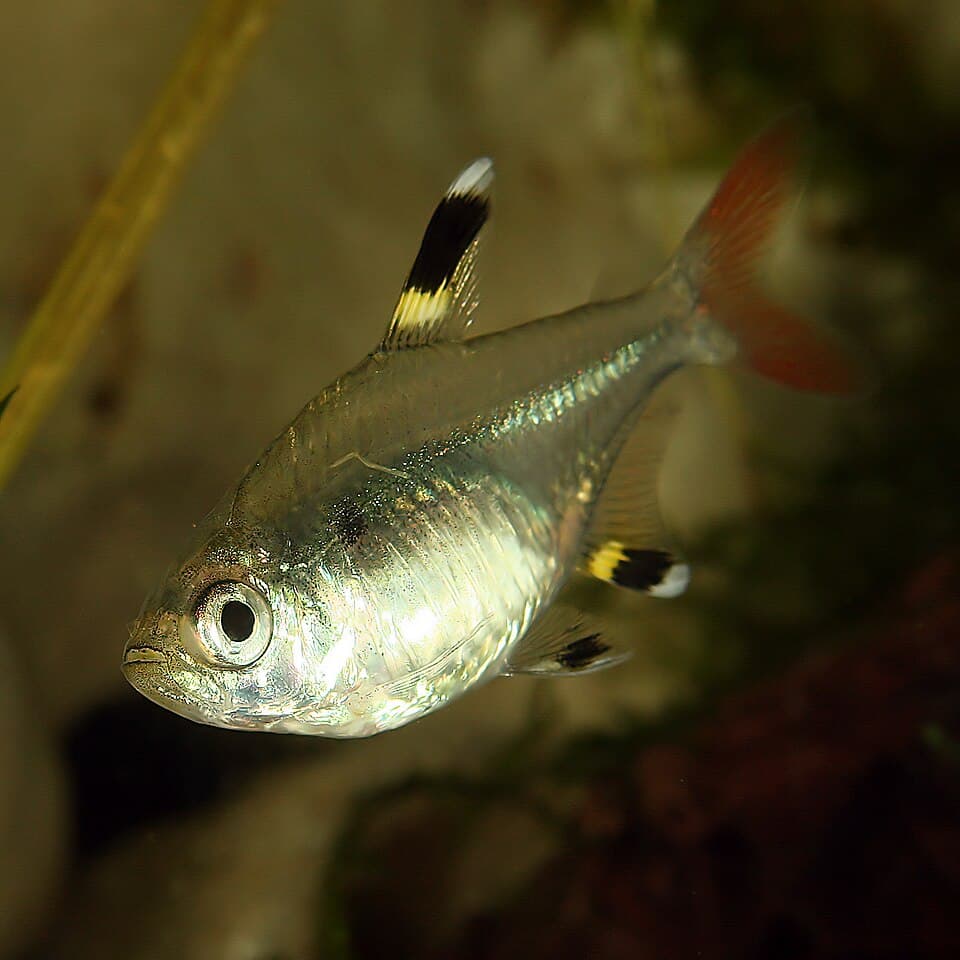
X-Ray Tetra
Pristella maxillaris
FishThe X-ray tetra is a small freshwater fish native to slow-moving rivers and streams in South America, named for its almost completely transparent body that reveals its skeleton and internal organs. Its see-through appearance has made it one of the most recognizable and popular small fish in the freshwater aquarium hobby worldwide.
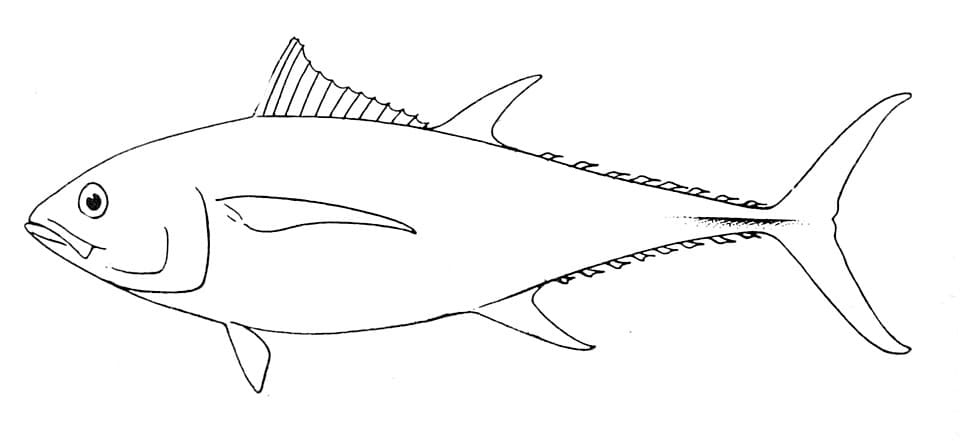
Yellowfin Tuna
Thunnus albacares
FishThe yellowfin tuna is a large, fast-swimming fish found in tropical and subtropical waters across the world's oceans, prized both as one of the ocean's most powerful predators and as one of the most commercially important fish species for human consumption. Its name comes from the bright yellow coloring of its dorsal and anal fins, which become especially long and dramatic in mature adults.
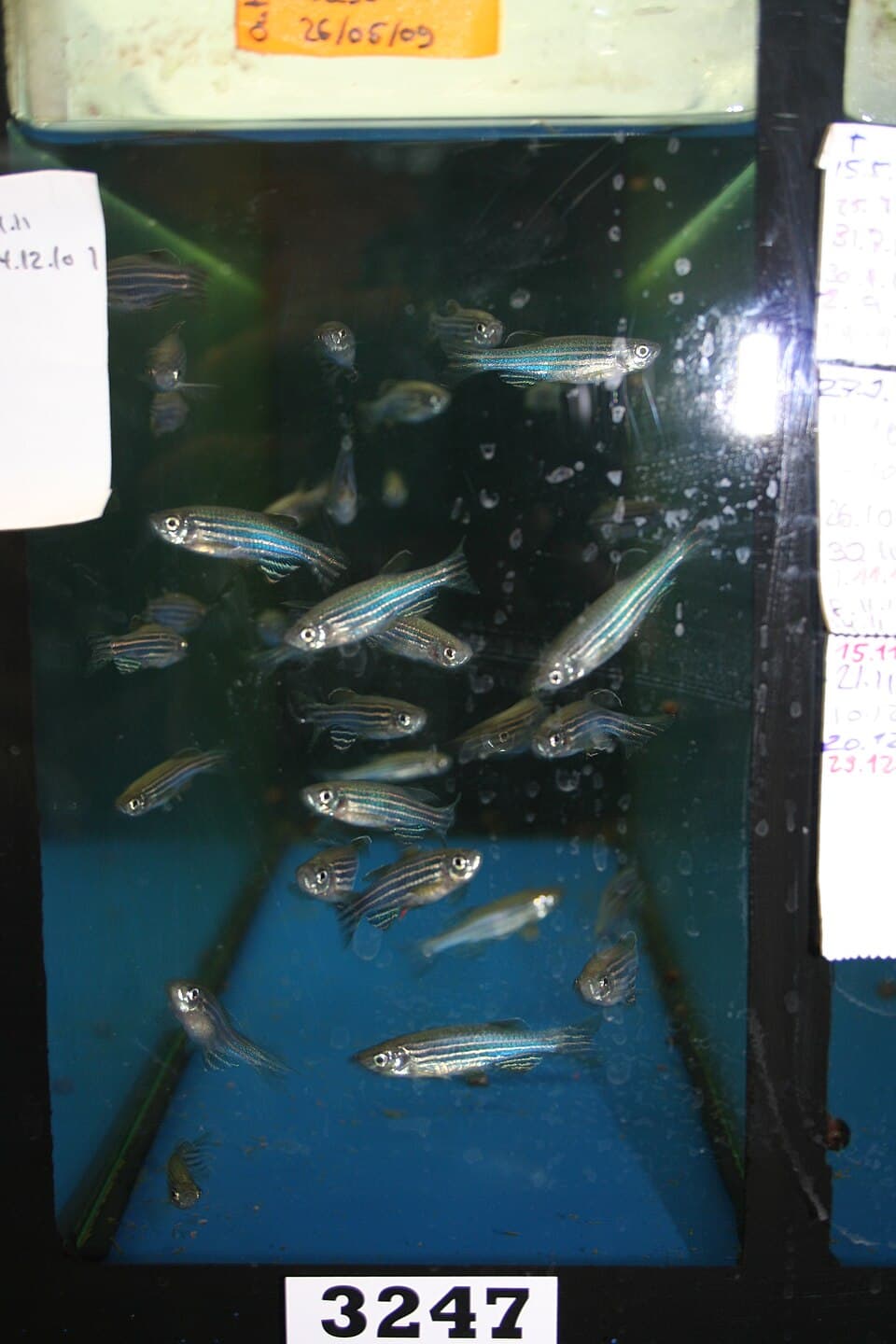
Zebra Danio
Danio rerio
FishThe zebra danio is a small freshwater fish native to streams and rice paddies across South Asia, named for the five uniform, horizontal blue stripes running along its silvery body. Beyond its popularity as an aquarium fish, it has become one of the most important model organisms in modern biological and medical research.
Swimming Animals FAQs
How many swimming animals are listed here?
This page currently features 13 species, and more are added regularly as the dataset grows.
What is the most popular animal in this list?
Sea Otter is currently the most popular animal in Swimming Animals.
Are any of these animals endangered?
Yes — 5 of the 13 species listed are classified as vulnerable, endangered, or critically endangered.
Explore Other Collections
Cute Animals
The most undeniably adorable animals in our catalog.
Smart Animals
Animals known for problem-solving, tool use, and complex social behavior.
Dangerous Animals
Animals capable of seriously harming other animals — or humans.
Fast Animals
Animals built for speed, whether sprinting, swimming, or flying.
Slow Animals
Animals that get by without needing to move quickly at all.
Flying Animals
Animals equipped with wings for powered flight.
Striped Animals
Animals patterned with bold stripes, from camouflage to warning coloration.
Spotted Animals
Animals with a distinctive spotted coat or skin pattern.