Fastest Animals
Different environments favor very different kinds of speed. In the air, the peregrine falcon is the fastest animal on Earth in any medium, reaching speeds over 320 km/h (200 mph) in a hunting dive called a stoop. On land, the cheetah holds the record among land animals, capable of accelerating to around 100-120 km/h (62-75 mph) in just a few seconds — though it can only sustain that pace for around 20 to 30 seconds before overheating. In the water, species like the sailfish and marlin rely on streamlined, torpedo-shaped bodies to cut through resistance far denser than air. Across all three environments, speed tends to come with real tradeoffs: it's typically fueled by short, explosive bursts of energy rather than sustained effort, and animals built for speed often sacrifice some strength or maneuverability to achieve it.
How Scientists Measure Animal Speed
Confirming a genuine top-speed record is harder than it sounds. Researchers use a mix of techniques depending on the animal and environment: radar guns and high-speed cameras for controlled sprints, GPS tracking collars for animals that cover long distances in open terrain, and, for diving birds like the peregrine falcon, specialized instruments that measure a bird's actual airspeed during a hunting dive rather than just its speed relative to the ground. Many older speed claims that circulated for decades, especially for underwater animals, have since been revised as measurement techniques improved, since drag and buoyancy make consistent aquatic speed tracking especially difficult.
Why Speed Evolved
Speed is rarely an end in itself — it's a solution to a specific survival problem. In predator-prey relationships, speed often escalates on both sides over evolutionary time in what biologists call an arms race: faster predators favor faster prey, and vice versa, since each incremental advantage improves survival odds. But speed comes at a real metabolic cost, which is why most of the fastest animals on this list are built for short, explosive bursts rather than sustained high-speed travel — a cheetah's sprint or a falcon's dive lasts only seconds, after which the animal must slow down and recover.
Fastest Isn't Always Biggest or Strongest
Top speed doesn't correlate neatly with size or raw strength. Some of the fastest animals relative to their own body length are actually quite small — certain insects and mites can cover many times their body length per second, far outpacing the equivalent relative speed of a cheetah or falcon, even though their absolute top speed in km/h is tiny by comparison. Body shape matters as much as size: long, narrow proportions reduce drag in water and air alike, which is why fast swimmers and fliers tend to converge on similarly streamlined forms despite having evolved that shape independently.
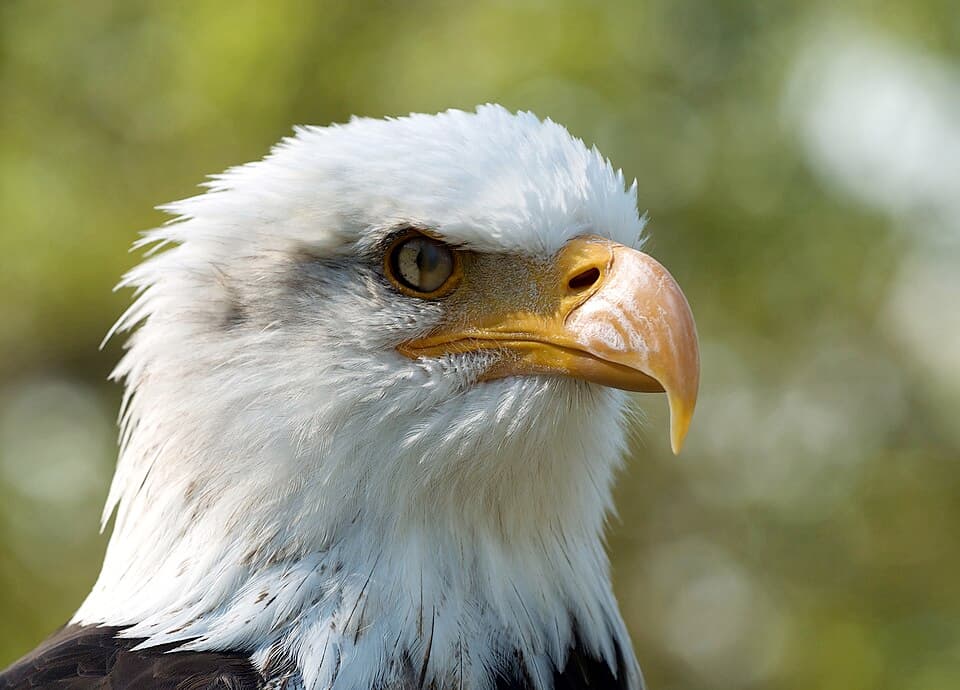
Bald Eagle
Haliaeetus leucocephalus
BirdThe bald eagle is a large bird of prey and the national bird of the United States, typically found near large bodies of open water with an abundant fish supply, from Alaska and Canada down through the contiguous United States. The species was once endangered in the U.S. due to hunting, habitat loss, and the pesticide DDT, which thinned its eggshells and caused widespread breeding failures; after DDT was banned and decades of conservation effort, bald eagle populations recovered enough for the species to be removed from the U.S. endangered species list in 2007.
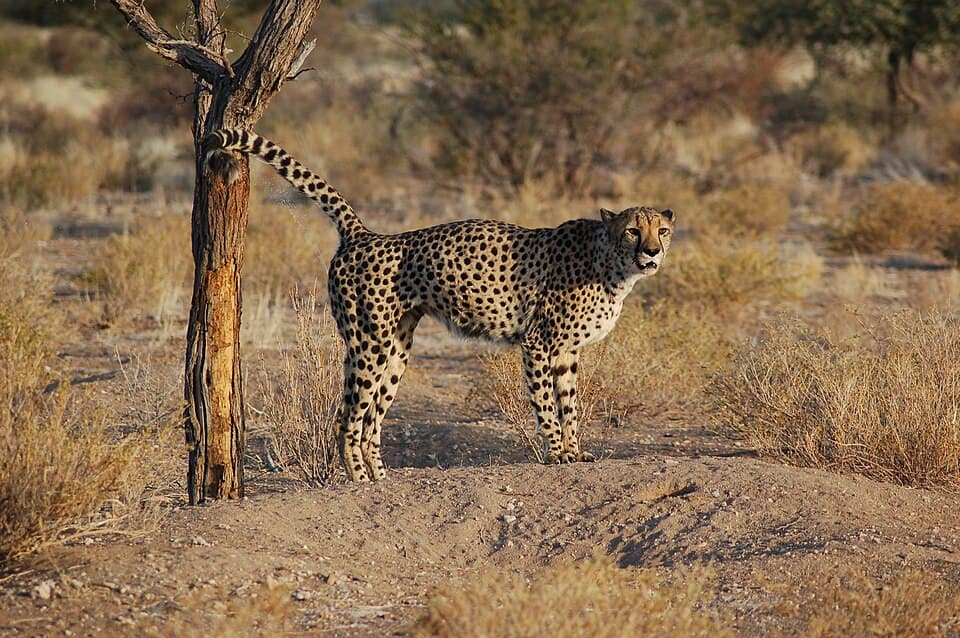
Cheetah
Acinonyx jubatus
MammalThe cheetah is the fastest land animal on Earth, built for explosive short sprints across the open grasslands and semi-desert of Africa, with a small, remnant population also surviving in Iran. Its speed comes at a genetic cost: cheetahs went through a severe population bottleneck thousands of years ago, leaving today's cheetahs with unusually low genetic diversity, which makes the species more vulnerable to disease on top of the threats it already faces from habitat loss and human-wildlife conflict.
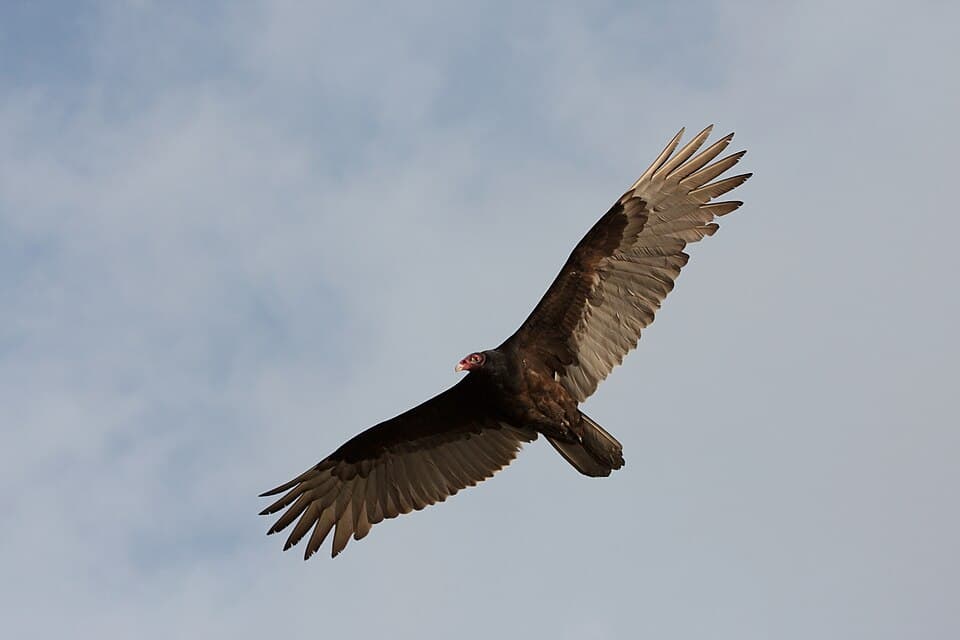
Turkey Vulture
Cathartes aura
BirdThe turkey vulture is a widespread scavenger found across the Americas, playing a critical ecological role by cleaning up carrion using one of the keenest senses of smell in the bird world.
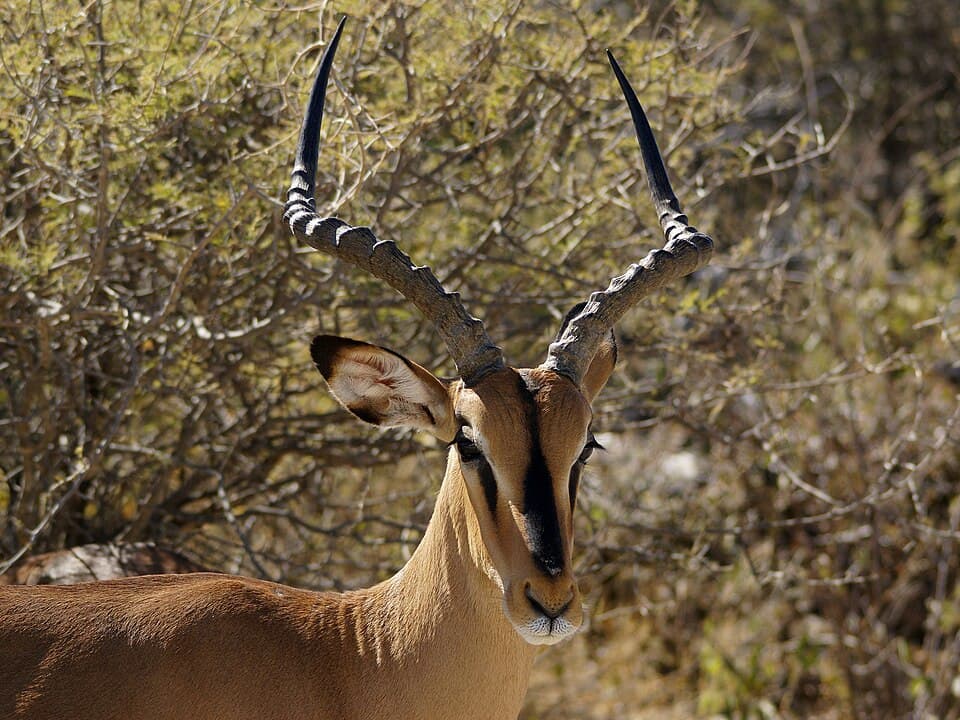
Impala
Aepyceros melampus
MammalThe impala is a medium-sized antelope found across eastern and southern African savannas, famous for its explosive leaping ability when startled.
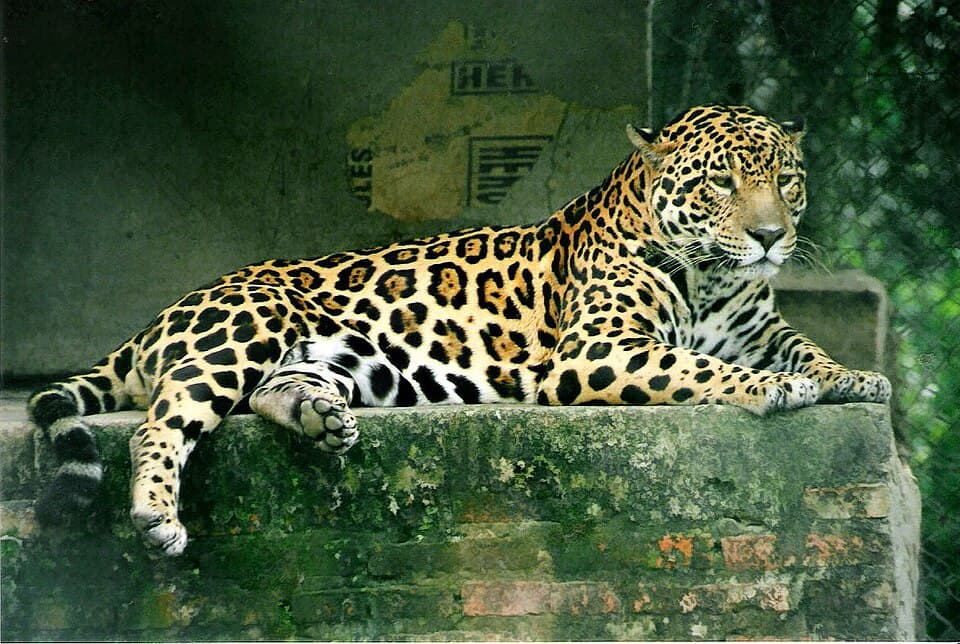
Jaguar
Panthera onca
MammalThe jaguar is the largest big cat in the Americas and the only living member of the genus Panthera found in the New World, prowling the rainforests of Central and South America.
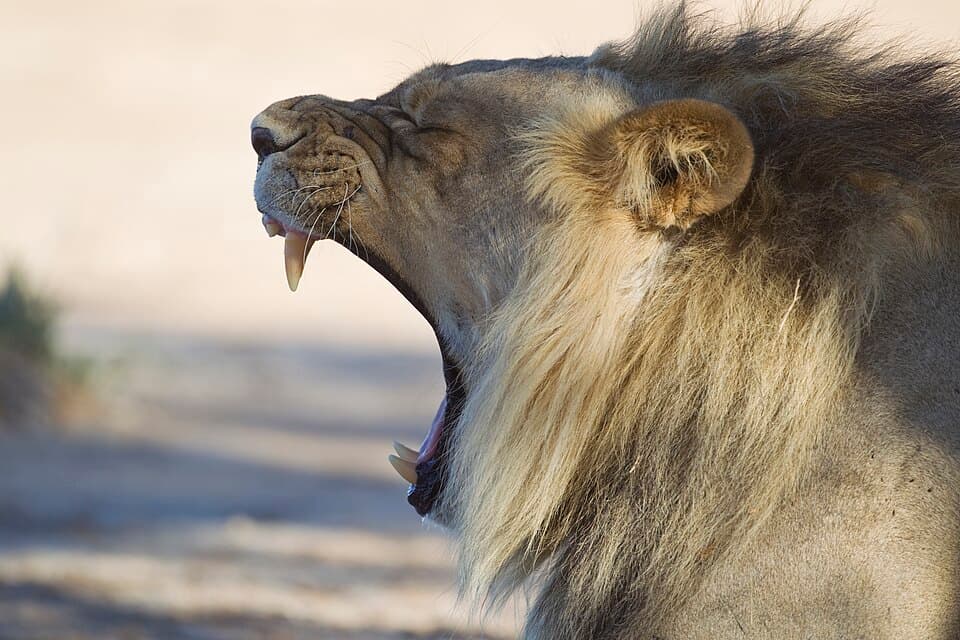
Lion
Panthera leo
MammalThe lion is one of the world's most recognizable big cats, known as the 'king of the jungle' despite living mainly on open savanna, and is the only cat species that lives in large social groups called prides.
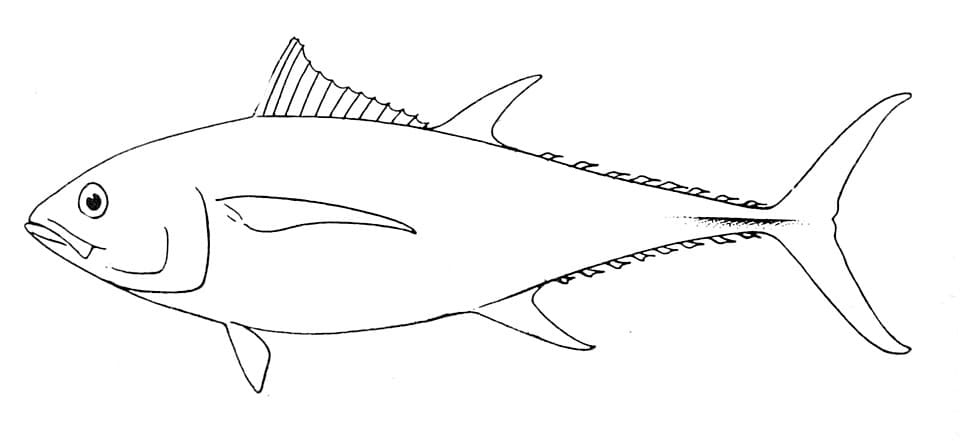
Yellowfin Tuna
Thunnus albacares
FishThe yellowfin tuna is a large, fast-swimming fish found in tropical and subtropical waters across the world's oceans, prized both as one of the ocean's most powerful predators and as one of the most commercially important fish species for human consumption. Its name comes from the bright yellow coloring of its dorsal and anal fins, which become especially long and dramatic in mature adults.
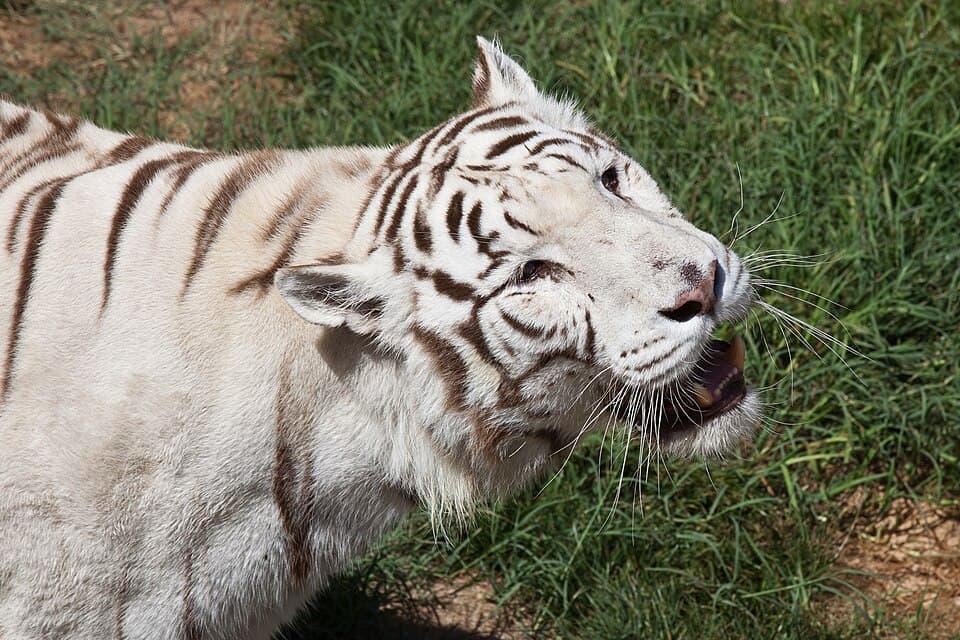
Bengal Tiger
Panthera tigris tigris
MammalThe Bengal tiger is the most numerous tiger subspecies, with India alone holding the large majority of the world's wild tiger population, and it is the largest wild cat native to Asia's forests, mangroves, and grasslands. Smaller populations also survive in Bangladesh, Nepal, and Bhutan, including in the Sundarbans, a vast mangrove delta shared by India and Bangladesh where tigers are unusually strong swimmers and sometimes hunt aquatic prey. India launched Project Tiger in 1973 to protect the subspecies through a network of dedicated reserves, and the country's wild tiger population has grown substantially since, even as poaching for the illegal wildlife trade and habitat fragmentation remain serious ongoing threats.
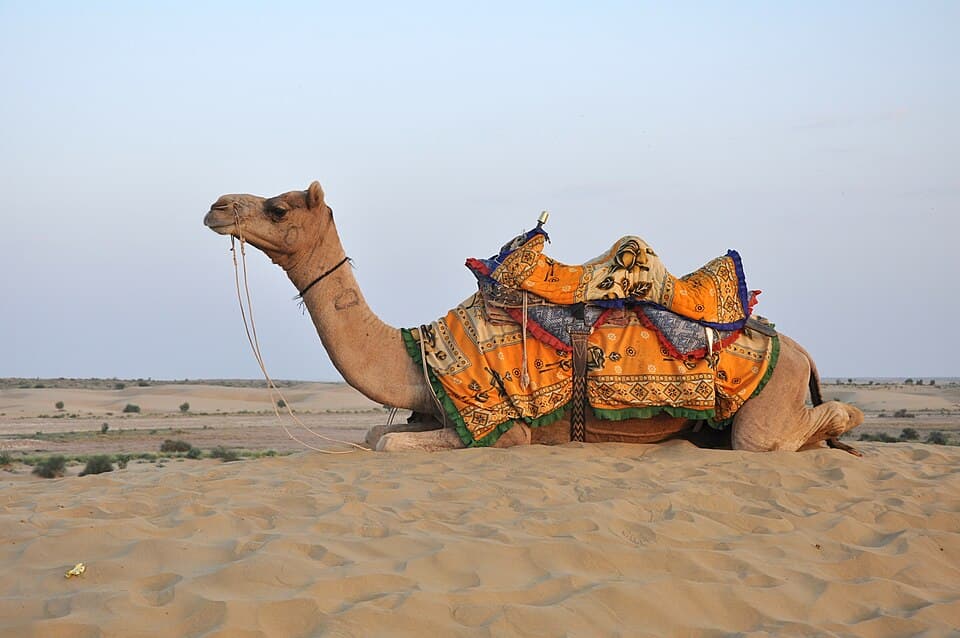
Dromedary Camel
Camelus dromedarius
MammalThe dromedary, or one-humped camel, is a large desert mammal domesticated thousands of years ago and superbly adapted to surviving extreme heat and long stretches without water.
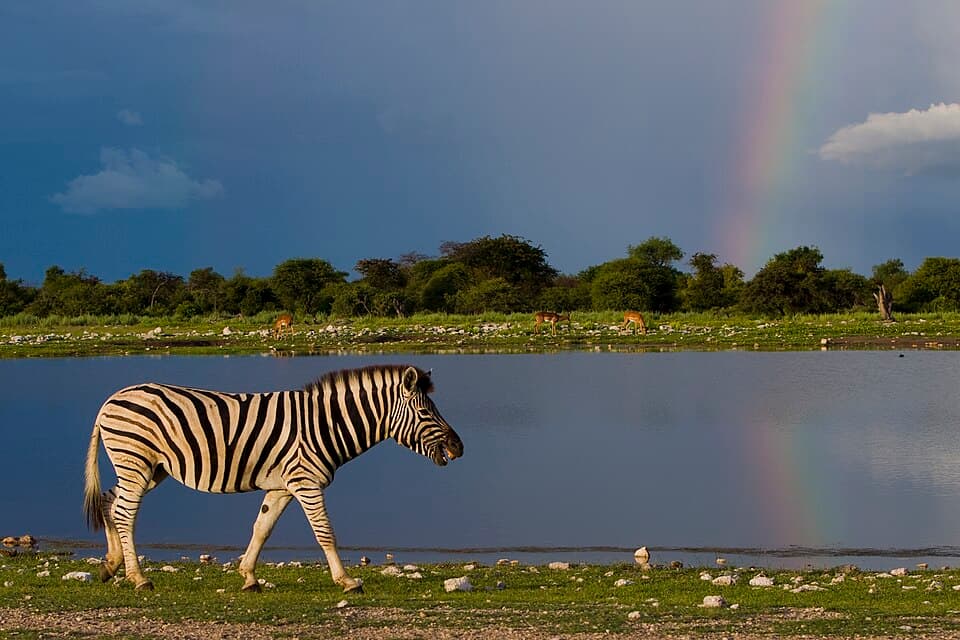
Plains Zebra
Equus quagga
MammalThe plains zebra is the most common and widespread zebra species, roaming the grasslands of eastern and southern Africa in large, ever-shifting herds.
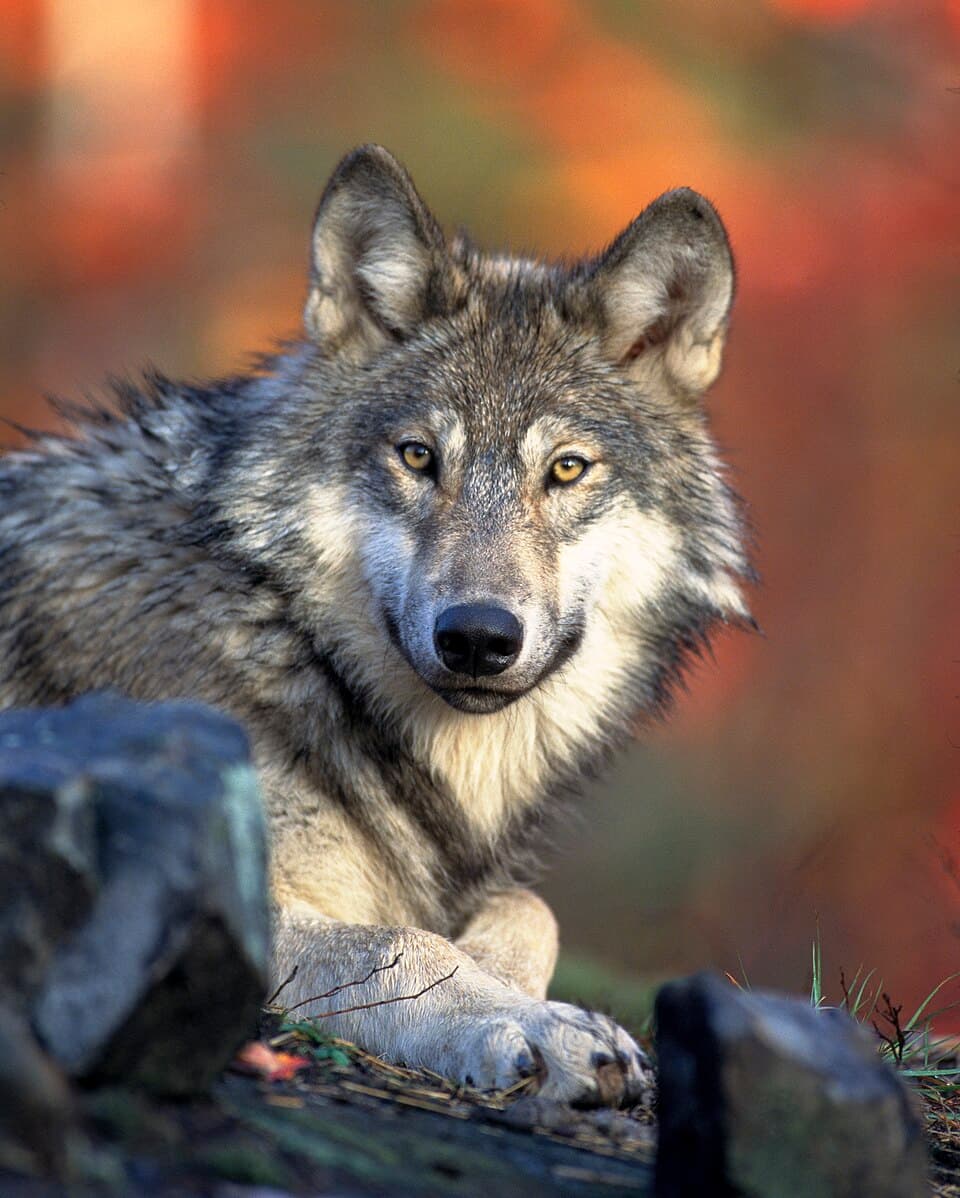
Gray Wolf
Canis lupus
MammalThe gray wolf is the largest wild member of the dog family, once ranging across nearly the entire Northern Hemisphere and living in tightly-coordinated family packs.
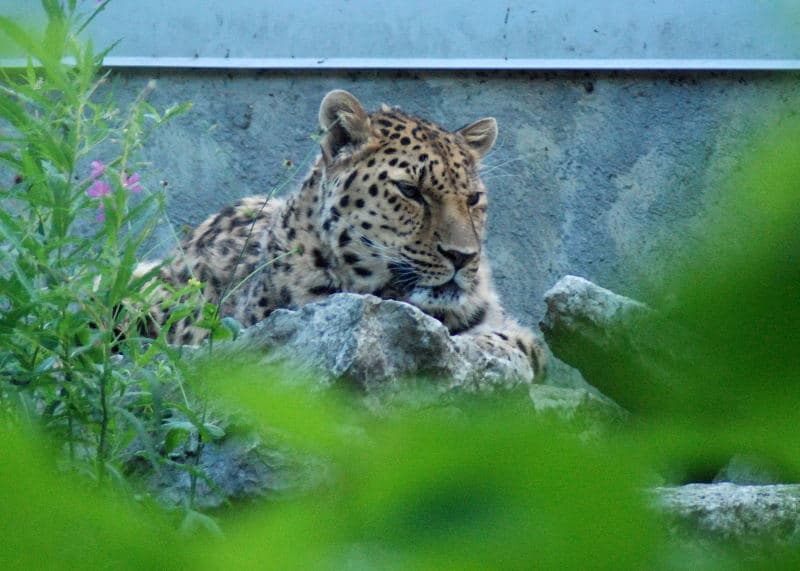
Amur Leopard
Panthera pardus orientalis
MammalThe Amur leopard is the rarest big cat in the world, a leopard subspecies adapted to the cold, snowy forests of the Russian Far East and northeastern China. Decades of poaching and habitat loss reduced the wild population to a critical low, though recent conservation efforts have helped numbers slowly recover from the brink.
Fastest Animals in This Collection, Ranked
| Rank | Animal | Recorded Top Speed |
|---|---|---|
| 1 | Bald Eagle | 160 km/h |
| 2 | Cheetah | 120 km/h |
| 3 | Turkey Vulture | 96 km/h |
| 4 | Impala | 90 km/h |
| 5 | Jaguar | 80 km/h |
| 6 | Lion | 80 km/h |
| 7 | Yellowfin Tuna | 70 km/h |
| 8 | Bengal Tiger | 65 km/h |
| 9 | Dromedary Camel | 65 km/h |
| 10 | Plains Zebra | 65 km/h |
| 11 | Gray Wolf | 60 km/h |
| 12 | Amur Leopard | 58 km/h |
Fastest Animals FAQs
How many fastest animals are listed here?
This page currently features 12 species, and more are added regularly as the dataset grows.
What is the most popular animal in this list?
Lion is currently the most popular animal in Fastest Animals.
Are any of these animals endangered?
Yes — 4 of the 12 species listed are classified as vulnerable, endangered, or critically endangered.
Explore Other Collections
Cute Animals
The most undeniably adorable animals in our catalog.
Smart Animals
Animals known for problem-solving, tool use, and complex social behavior.
Dangerous Animals
Animals capable of seriously harming other animals — or humans.
Fast Animals
Animals built for speed, whether sprinting, swimming, or flying.
Slow Animals
Animals that get by without needing to move quickly at all.
Flying Animals
Animals equipped with wings for powered flight.
Swimming Animals
Animals built for a life spent largely in the water.
Striped Animals
Animals patterned with bold stripes, from camouflage to warning coloration.