Largest Animals
The biggest animals in our catalog, ranked by maximum weight.
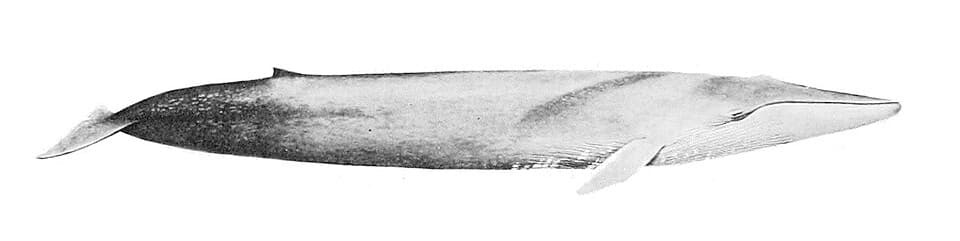
Blue Whale
Balaenoptera musculus
MammalThe blue whale is the largest animal known to have ever existed — larger than any dinosaur — filtering enormous quantities of tiny krill from the ocean through comb-like baleen plates as it roams nearly every ocean on Earth except the high Arctic. Populations were driven to the edge of extinction by 20th-century commercial whaling before international protections took hold; an estimated 10,000 to 25,000 remain today, a small fraction of pre-whaling numbers.
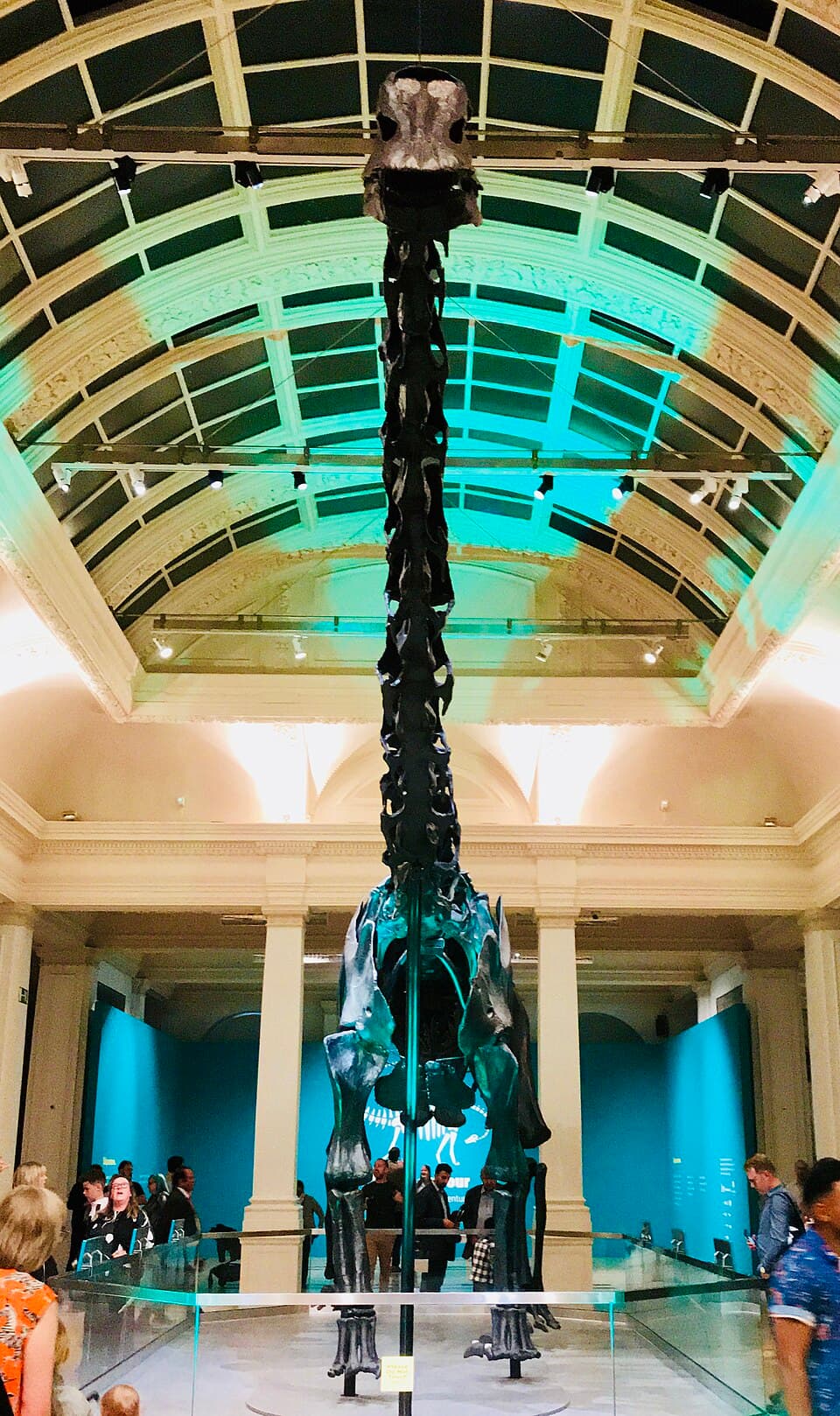
Diplodocus
Diplodocus carnegii
DinosaurDiplodocus was one of the longest dinosaurs to ever walk the Earth, an enormous long-necked, long-tailed herbivore that roamed what is now western North America during the Late Jurassic period. Despite its massive length, it was relatively lightly built for its size, with a skeleton adapted to minimize weight while still supporting its huge frame.
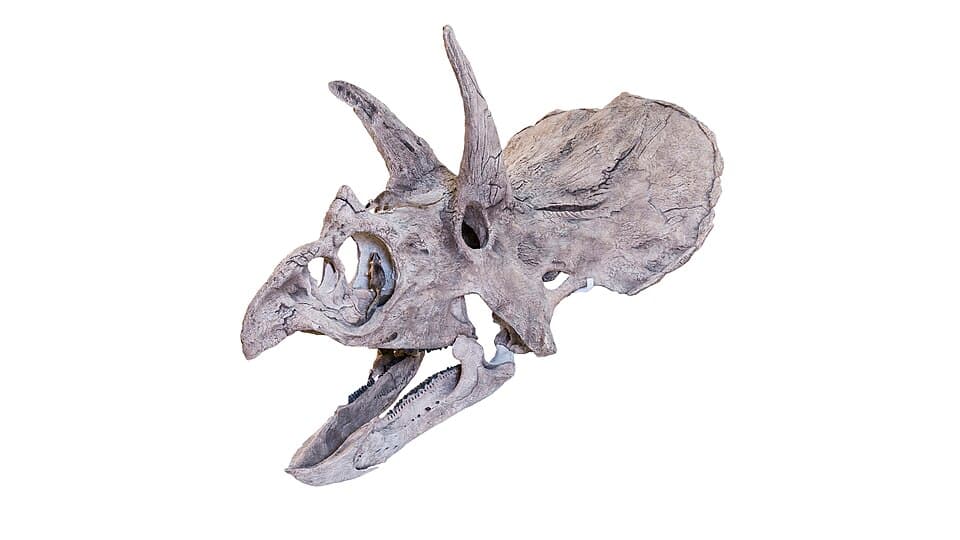
Triceratops
Triceratops horridus
DinosaurTriceratops was one of the last non-avian dinosaurs to exist before the mass extinction event 66 million years ago, instantly recognizable by the massive bony frill extending from the back of its skull and the three prominent horns on its face. It lived across what is now western North America, sharing its environment with predators like Tyrannosaurus rex.
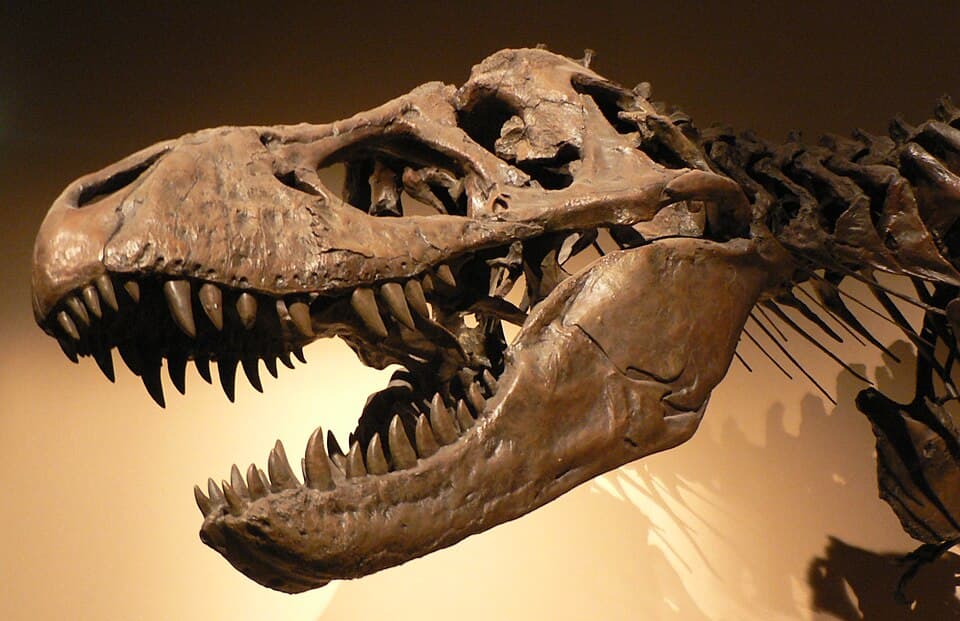
Tyrannosaurus Rex
Tyrannosaurus rex
DinosaurTyrannosaurus rex was one of the largest land predators to ever exist, dominating the ecosystems of western North America at the very end of the Cretaceous period roughly 66-68 million years ago.
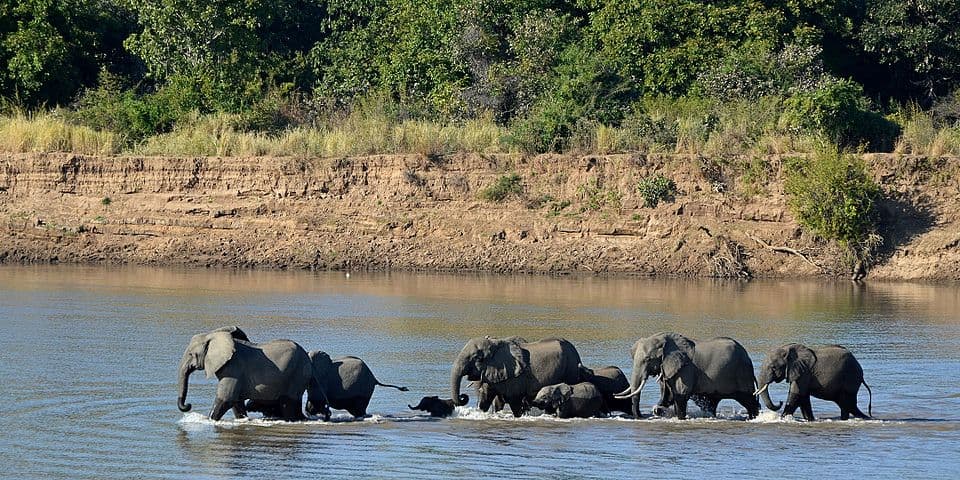
African Elephant
Loxodonta africana
MammalThe African elephant is the largest living land animal, roaming savannas, forests, and semi-arid regions across sub-Saharan Africa in tightly-bonded matriarchal herds. This entry refers specifically to the African bush elephant, the larger of two African species recognized by the IUCN since 2021 — the other, the African forest elephant, is smaller, has straighter tusks, and lives in the dense rainforests of Central and West Africa. Elephant populations were decimated by ivory poaching through the 20th century, and though international trade bans and anti-poaching efforts have slowed the decline in many regions, habitat loss and human-wildlife conflict continue to threaten the species today.
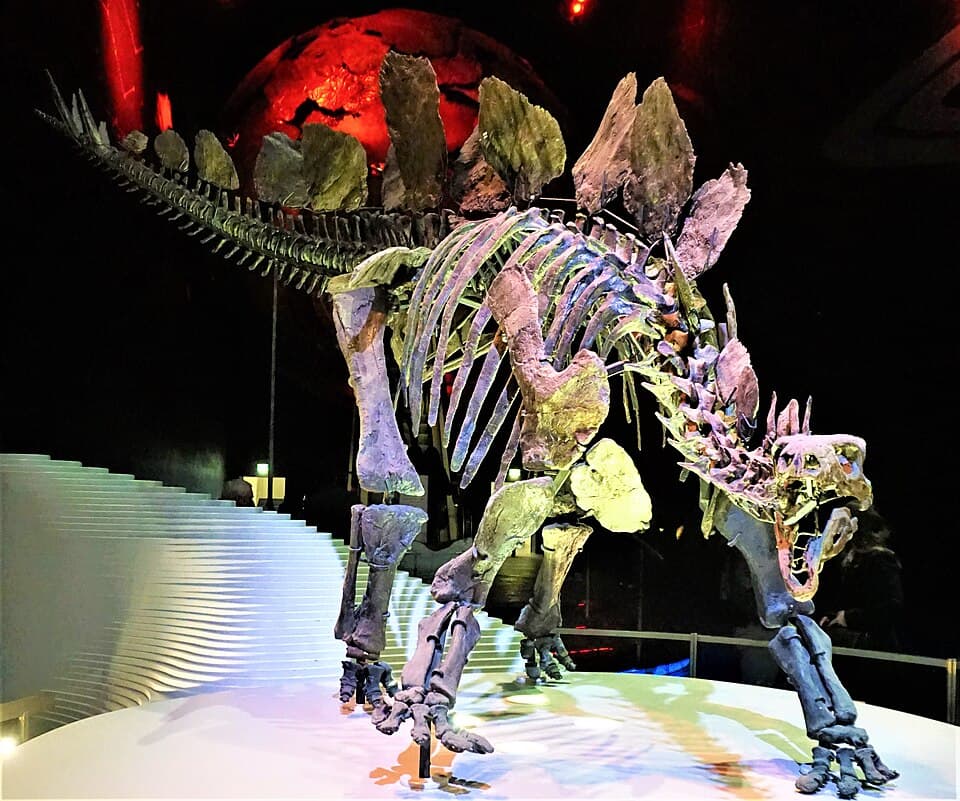
Stegosaurus
Stegosaurus stenops
DinosaurStegosaurus is one of the most recognizable dinosaurs ever discovered, instantly identifiable by the row of large, upright bony plates running along its back and the sharp spikes at the end of its tail. Despite its considerable size, it had a remarkably small, low-slung head with a brain roughly the size of a walnut relative to its huge body.
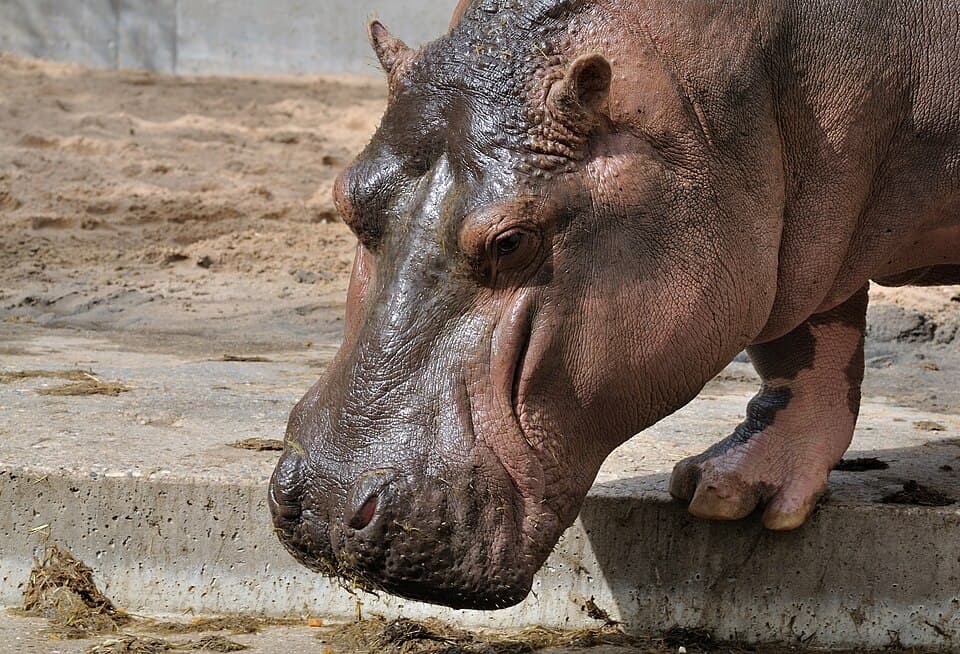
Hippopotamus
Hippopotamus amphibius
MammalThe hippopotamus is one of the largest land mammals, spending most of the day submerged in African rivers and lakes to keep its huge body cool.
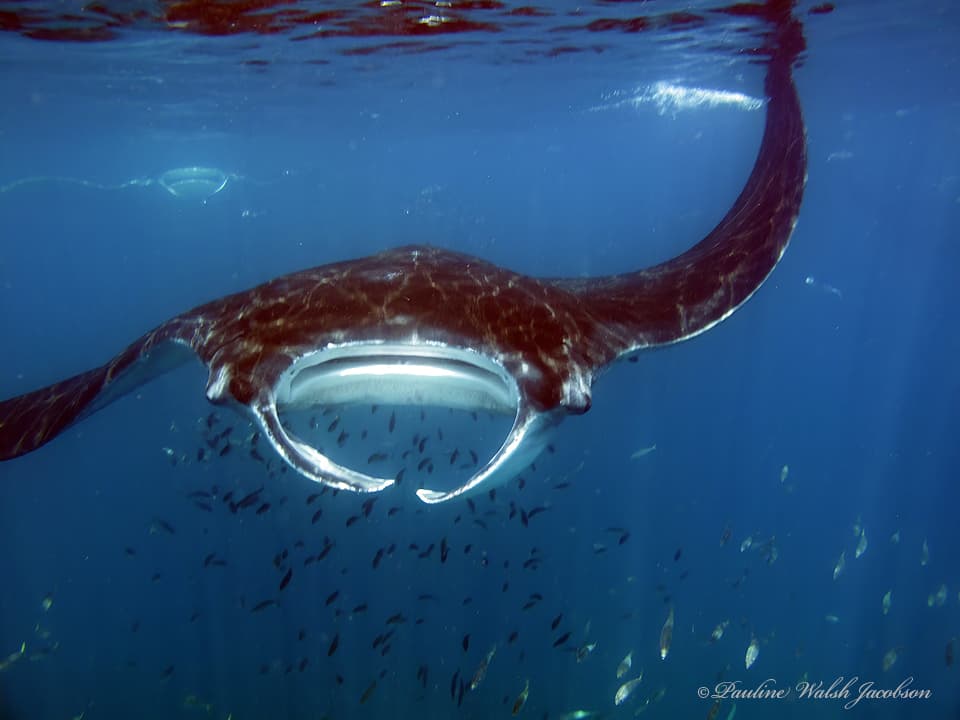
Giant Oceanic Manta Ray
Mobula birostris
FishThe giant oceanic manta ray is the largest ray species in the world, with a wingspan that can reach up to 7 meters across. Despite its enormous size, it feeds exclusively on some of the ocean's smallest organisms, filtering huge volumes of zooplankton through specialized gill plates as it swims.
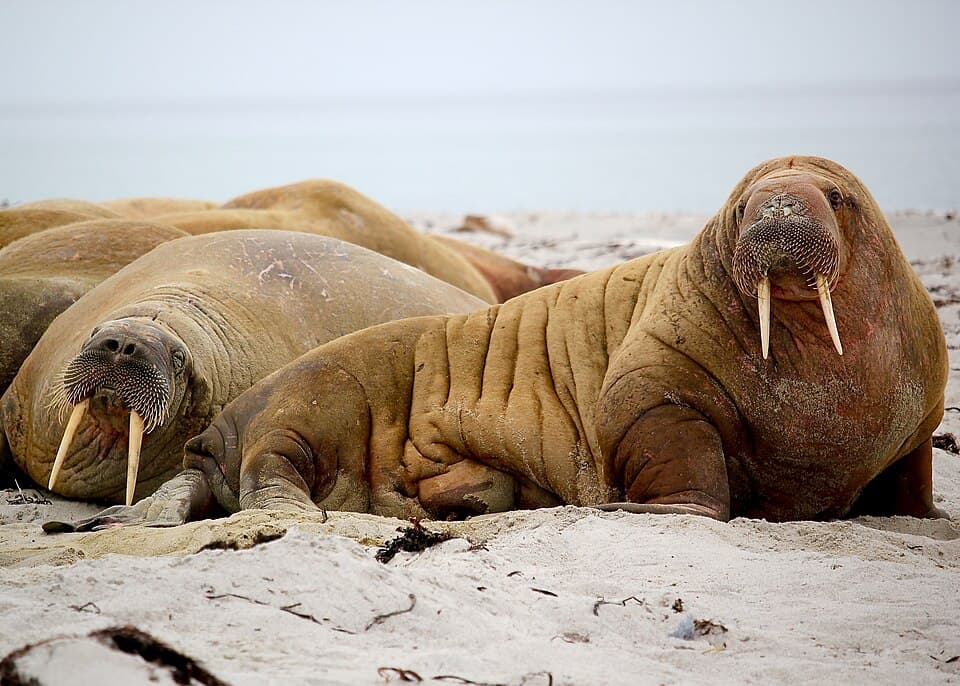
Walrus
Odobenus rosmarus
MammalThe walrus is a massive Arctic marine mammal easily identified by its long ivory tusks, thick blubber layer, and distinctive whiskered snout.
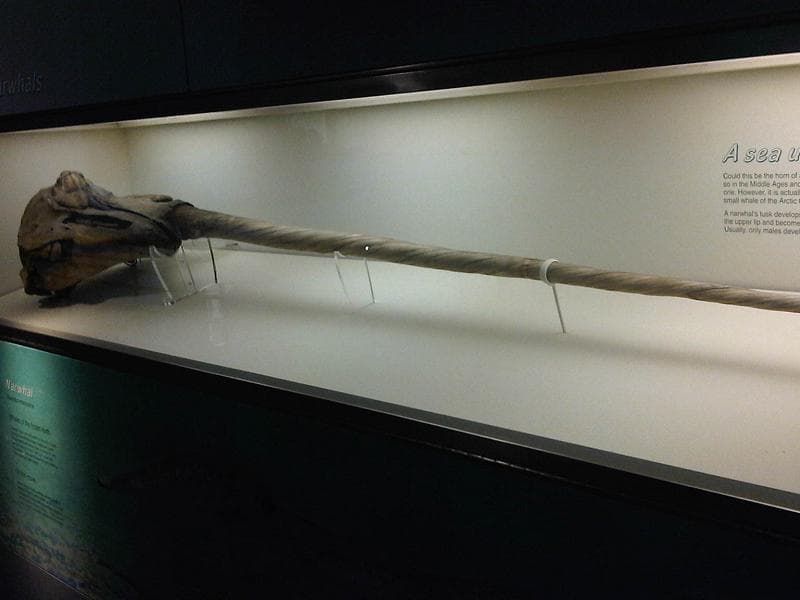
Narwhal
Monodon monoceros
MammalThe narwhal is an Arctic whale famous for the male's long spiraled tusk, which is actually an enormous protruding canine tooth, earning it the nickname 'unicorn of the sea'.
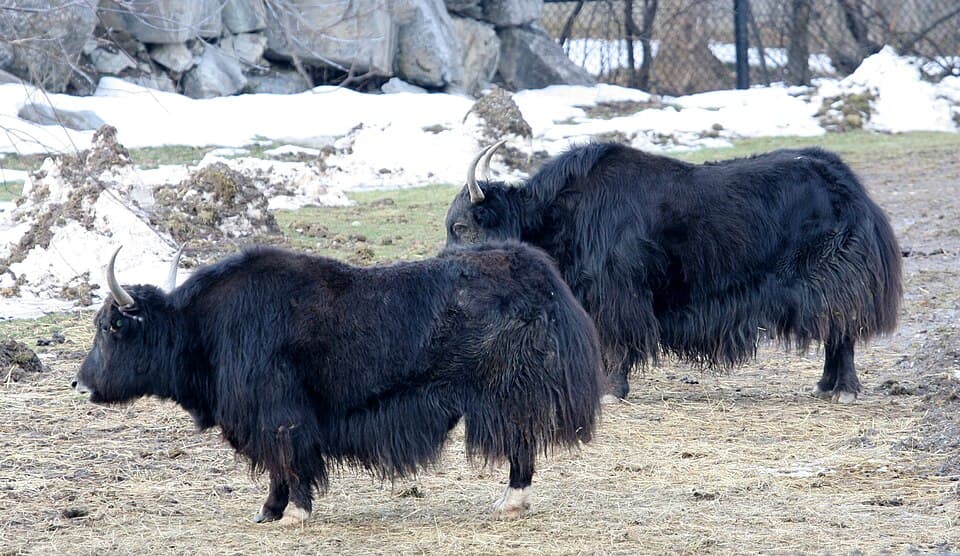
Yak
Bos grunniens
MammalThe yak is a large, long-haired bovine adapted to the extreme cold and thin air of the high Himalayan plateau, able to live at altitudes above 4,000 meters (13,000 feet) that few other large mammals can tolerate. Most yaks today are domesticated and have been kept for thousands of years across Tibet, Nepal, and the surrounding mountains as a source of milk, meat, wool, and transport, while small wild populations still survive on the remote Tibetan Plateau.
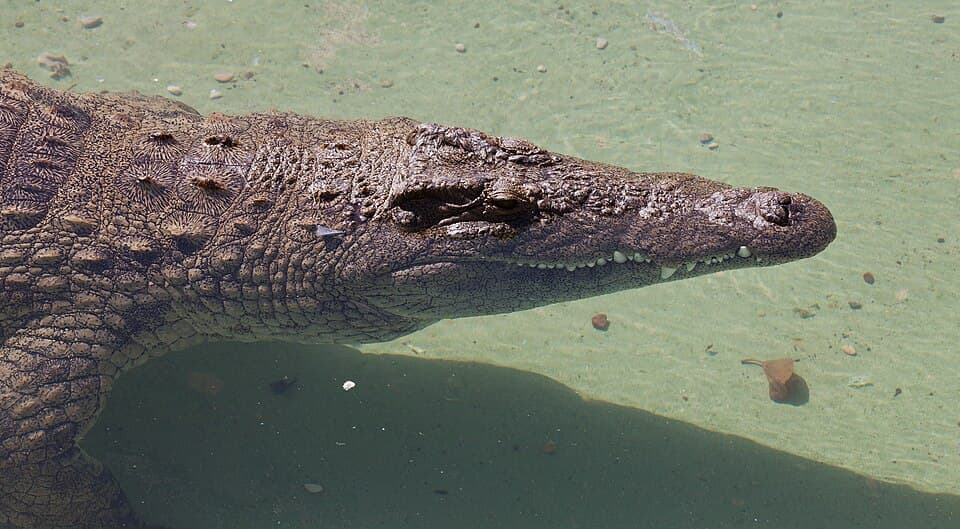
Nile Crocodile
Crocodylus niloticus
ReptileThe Nile crocodile is Africa's largest crocodilian and one of the continent's most feared apex predators, ambushing prey at the water's edge across rivers, lakes, and wetlands.
Largest Animals FAQs
How many largest animals are listed here?
This page currently features 12 species, and more are added regularly as the dataset grows.
What is the most popular animal in this list?
African Elephant is currently the most popular animal in Largest Animals.
Are any of these animals endangered?
Yes — 6 of the 12 species listed are classified as vulnerable, endangered, or critically endangered.
Explore Other Collections
Cute Animals
The most undeniably adorable animals in our catalog.
Smart Animals
Animals known for problem-solving, tool use, and complex social behavior.
Dangerous Animals
Animals capable of seriously harming other animals — or humans.
Fast Animals
Animals built for speed, whether sprinting, swimming, or flying.
Slow Animals
Animals that get by without needing to move quickly at all.
Flying Animals
Animals equipped with wings for powered flight.
Swimming Animals
Animals built for a life spent largely in the water.
Striped Animals
Animals patterned with bold stripes, from camouflage to warning coloration.