Common Animals
Widespread, frequently-encountered animals.
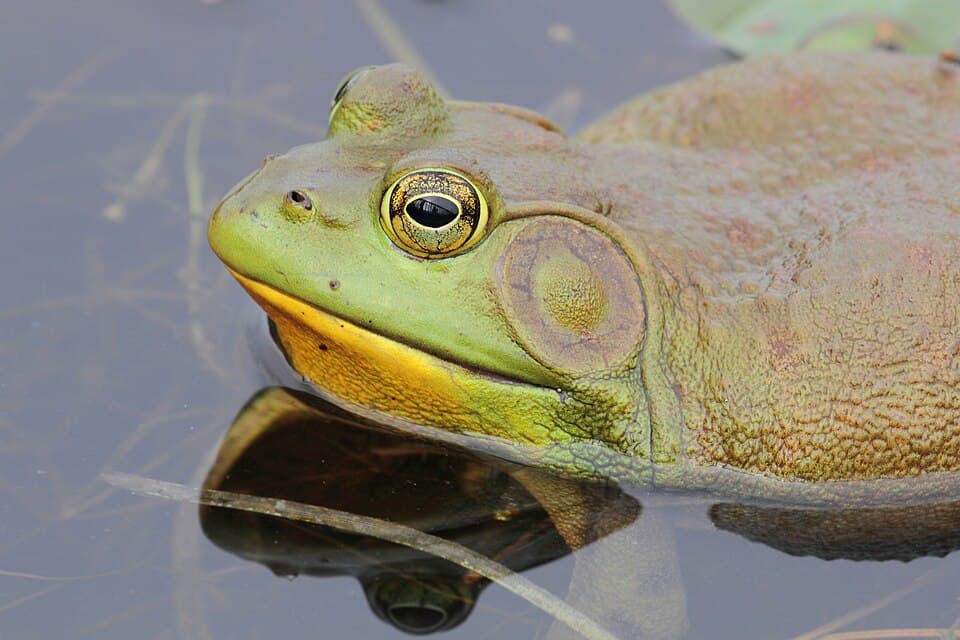
American Bullfrog
Lithobates catesbeianus
AmphibianThe American bullfrog is the largest true frog native to North America, named for its deep, resonant call that resembles a bull's bellow. Highly adaptable and voracious, it will eat almost any animal small enough to fit in its mouth, from insects to other frogs, and has become one of the world's most widely introduced invasive amphibians outside its native range.
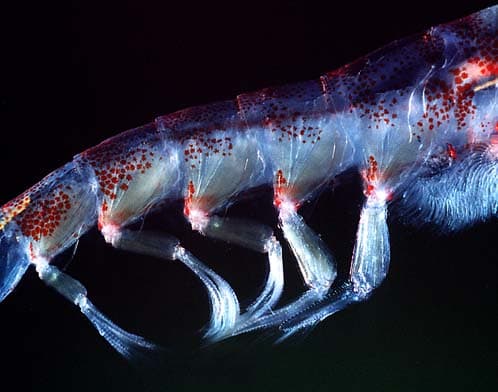
Antarctic Krill
Euphausia superba
Marine AnimalAntarctic krill is a small, shrimp-like crustacean that forms the foundation of the entire Antarctic food web, supporting whales, seals, penguins, and countless fish species. Despite its tiny individual size, its total biomass is estimated to be one of the largest of any animal species on Earth, gathering in massive swarms that can stretch for kilometers and be seen from space.
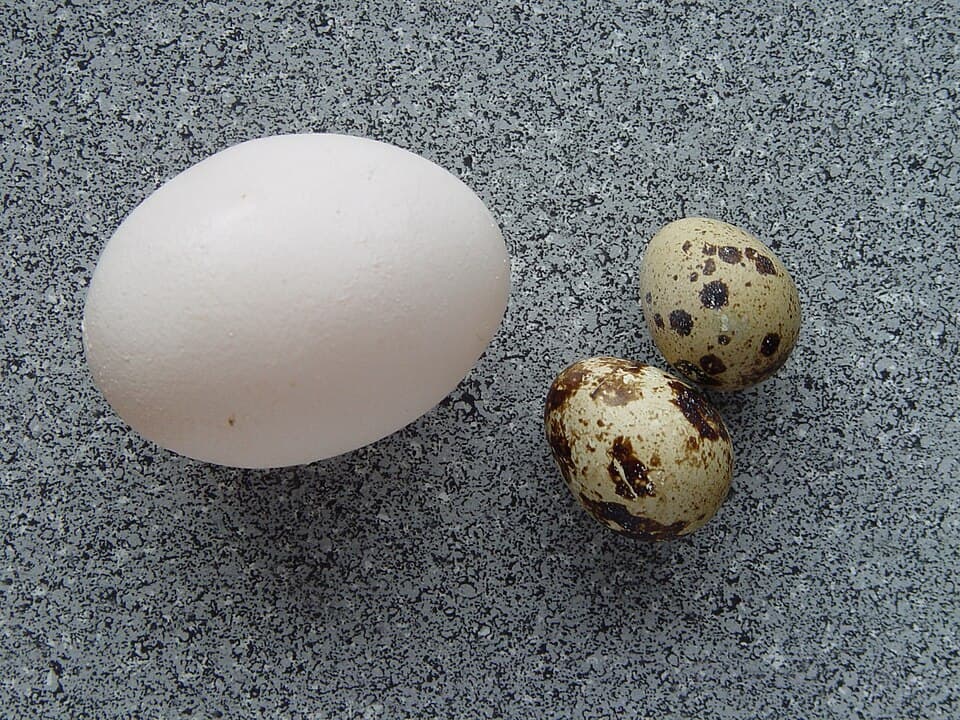
Common Quail
Coturnix coturnix
BirdThe common quail is a small, secretive ground-dwelling bird that migrates annually between Europe, Africa, and Asia, more often heard than seen in dense grassland.
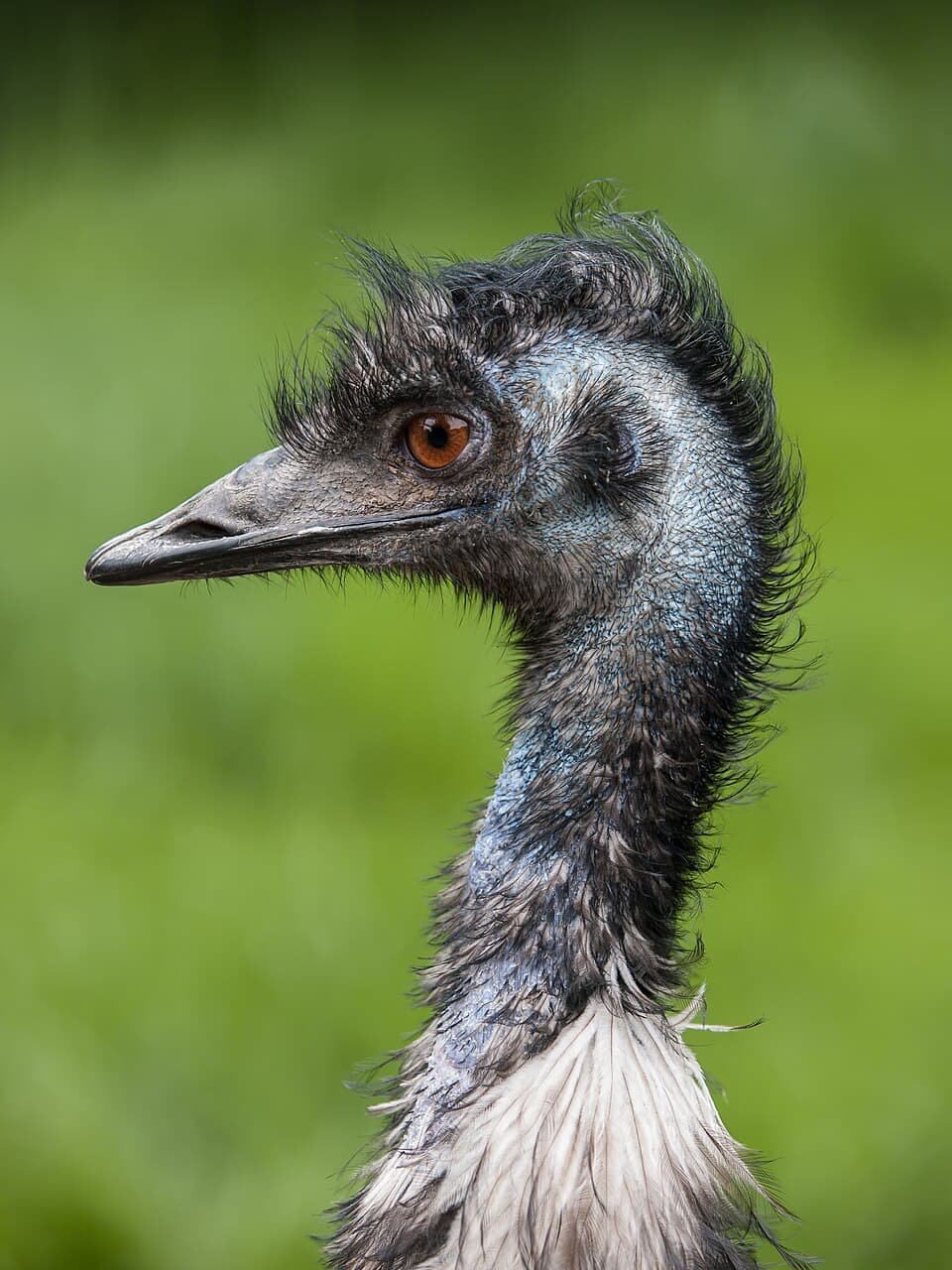
Emu
Dromaius novaehollandiae
BirdThe emu is the second-largest living bird in the world by height, a flightless giant native to the open plains and deserts of Australia. Despite being unable to fly, it's an exceptionally fast and powerful runner, capable of covering long distances across the outback in search of food and water.
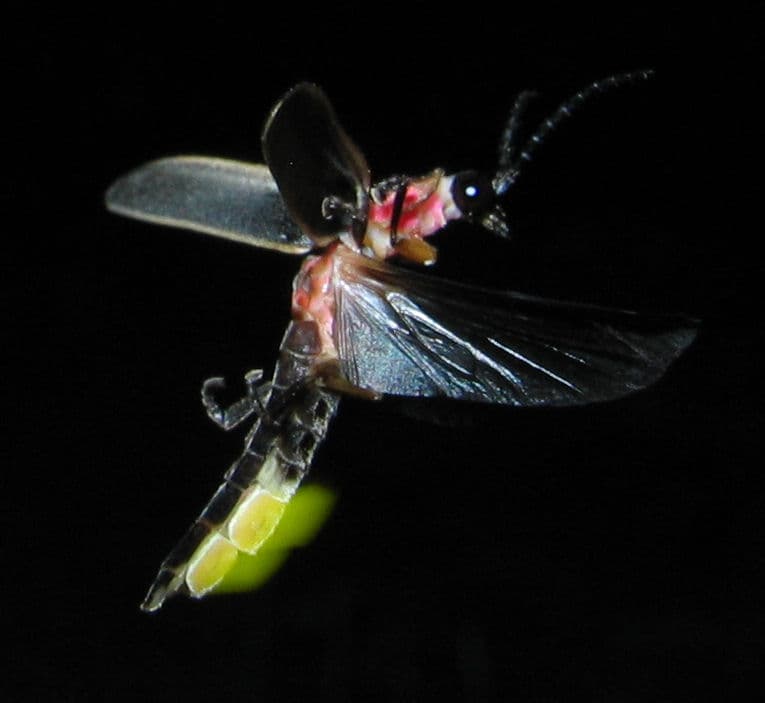
Firefly
Photinus pyralis
InsectThe firefly is a soft-bodied beetle famous for its ability to produce light through a chemical reaction in its abdomen, a phenomenon called bioluminescence used mainly to attract mates on warm summer evenings. Despite the name, it isn't a fly at all -- it's a beetle, most closely related to click beetles and other Coleoptera.
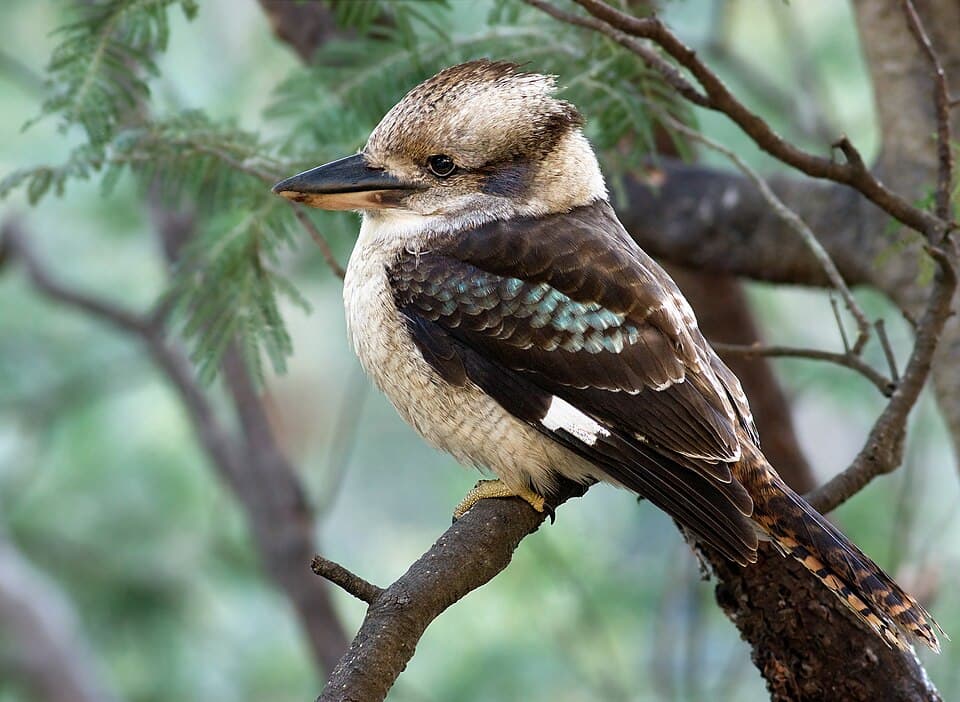
Laughing Kookaburra
Dacelo novaeguineae
BirdThe laughing kookaburra is the largest member of the kingfisher family, famous for a call that sounds remarkably like raucous human laughter, often used to establish territory at dawn and dusk. Native to eastern Australia, it's one of the country's most recognizable and culturally iconic birds.
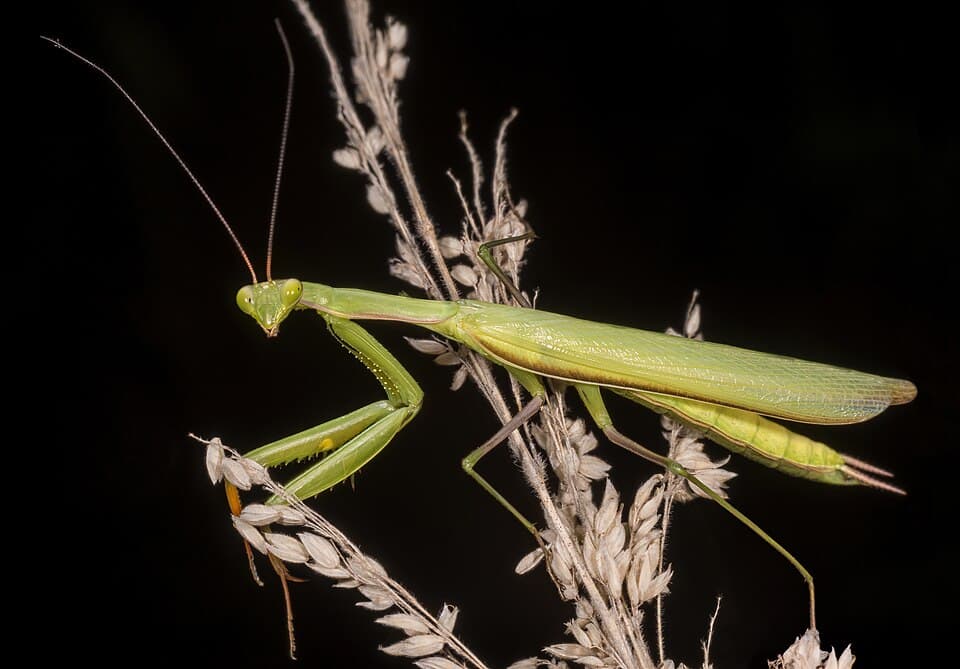
Praying Mantis
Mantis religiosa
InsectThe praying mantis is an ambush predator instantly recognizable by its front legs held together as if in prayer, folded and spiked for snatching prey in a lightning-fast strike. Its triangular head can rotate nearly 180 degrees, giving it an almost unmatched field of view among insects for spotting movement.
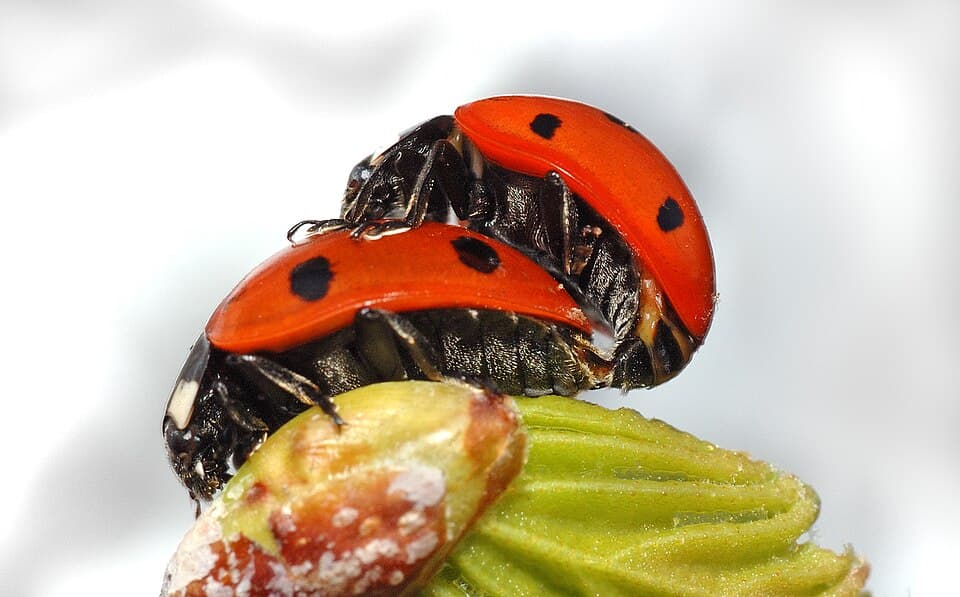
Seven-Spot Ladybird
Coccinella septempunctata
InsectThe seven-spot ladybird is one of the most recognizable beetles in the world, named for the seven black spots that mark its glossy red wing covers. Both adults and larvae are voracious predators of aphids, making the species a natural form of pest control long valued by farmers and gardeners.
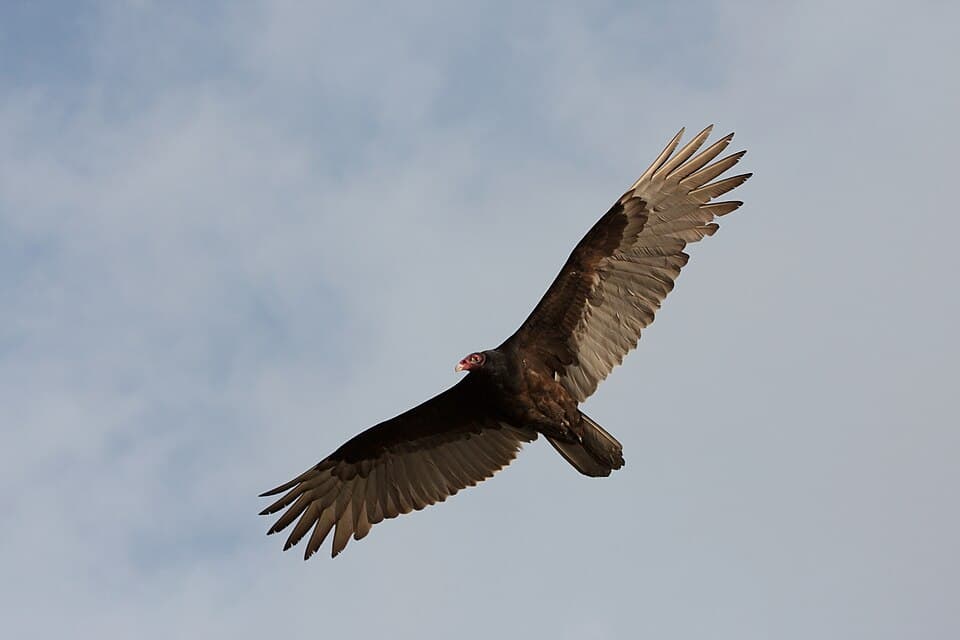
Turkey Vulture
Cathartes aura
BirdThe turkey vulture is a widespread scavenger found across the Americas, playing a critical ecological role by cleaning up carrion using one of the keenest senses of smell in the bird world.
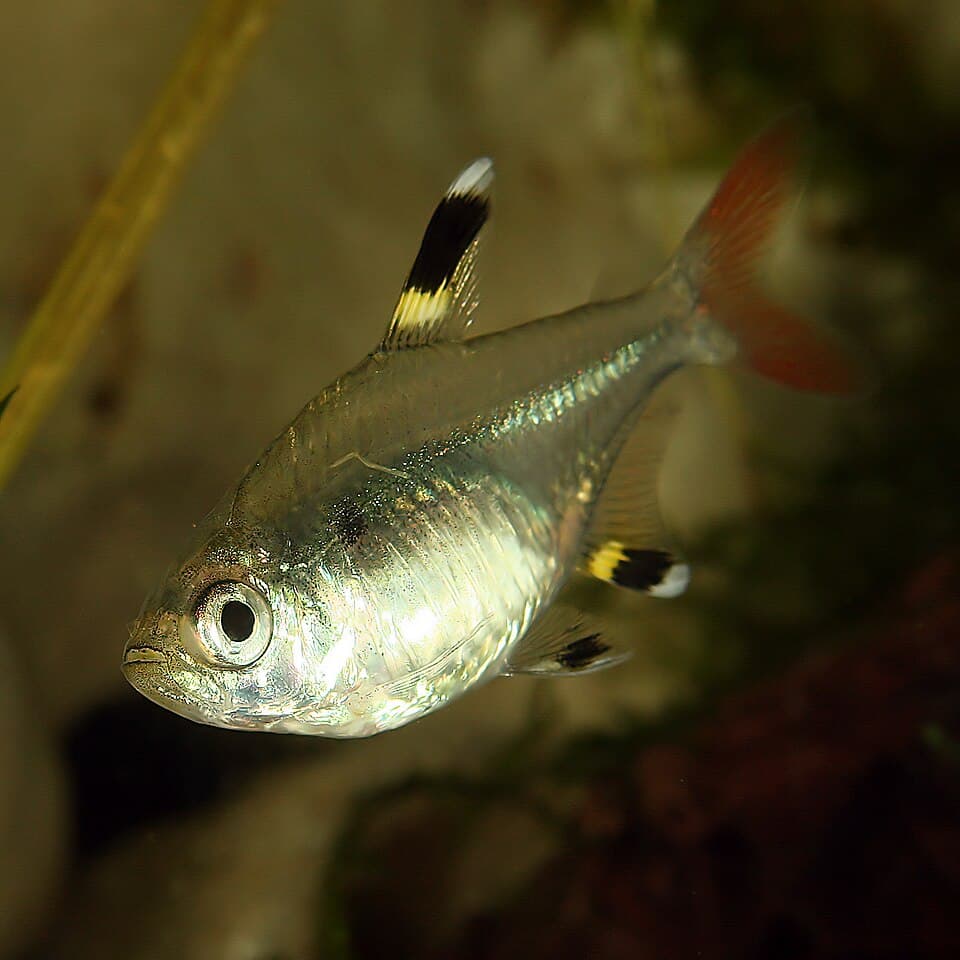
X-Ray Tetra
Pristella maxillaris
FishThe X-ray tetra is a small freshwater fish native to slow-moving rivers and streams in South America, named for its almost completely transparent body that reveals its skeleton and internal organs. Its see-through appearance has made it one of the most recognizable and popular small fish in the freshwater aquarium hobby worldwide.
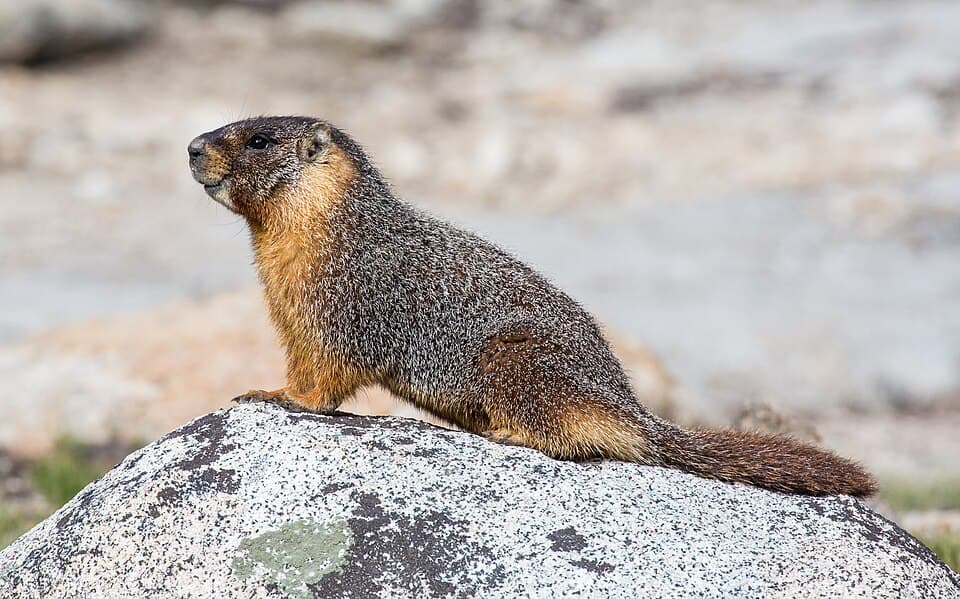
Yellow-bellied Marmot
Marmota flaviventris
MammalThe yellow-bellied marmot is a large ground squirrel found in the mountains of western North America, spending nearly eight months of the year in deep hibernation.
Common Animals FAQs
How many common animals are listed here?
This page currently features 11 species, and more are added regularly as the dataset grows.
What is the most popular animal in this list?
Firefly is currently the most popular animal in Common Animals.
Are any of these animals endangered?
None of the species currently listed are classified as threatened, though conservation status can change over time.
Explore Other Collections
Cute Animals
The most undeniably adorable animals in our catalog.
Smart Animals
Animals known for problem-solving, tool use, and complex social behavior.
Dangerous Animals
Animals capable of seriously harming other animals — or humans.
Fast Animals
Animals built for speed, whether sprinting, swimming, or flying.
Slow Animals
Animals that get by without needing to move quickly at all.
Flying Animals
Animals equipped with wings for powered flight.
Swimming Animals
Animals built for a life spent largely in the water.
Striped Animals
Animals patterned with bold stripes, from camouflage to warning coloration.