Walrus vs Narwhal
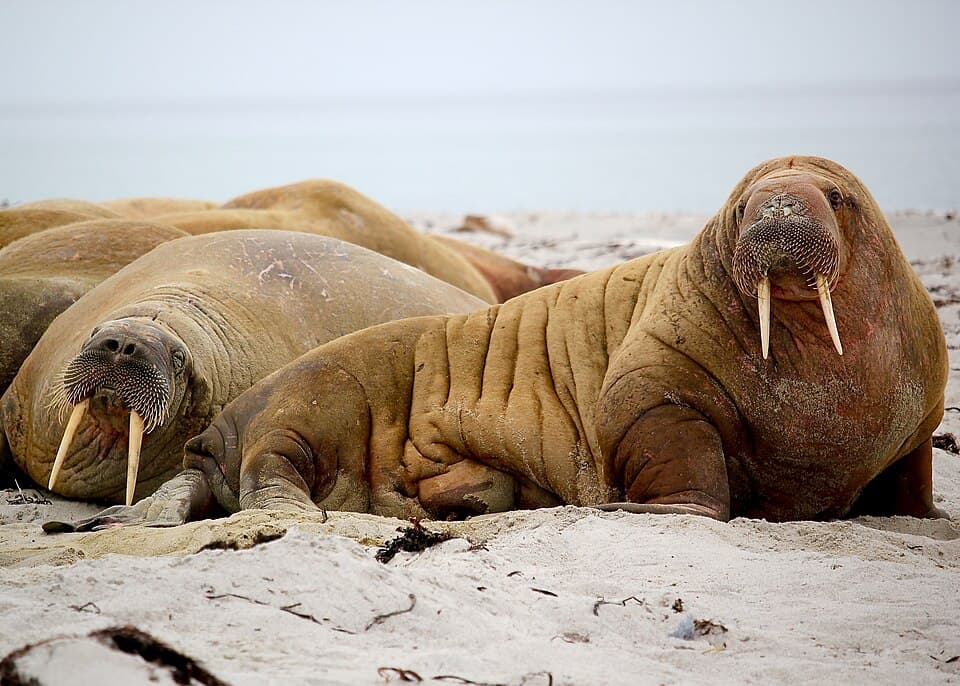
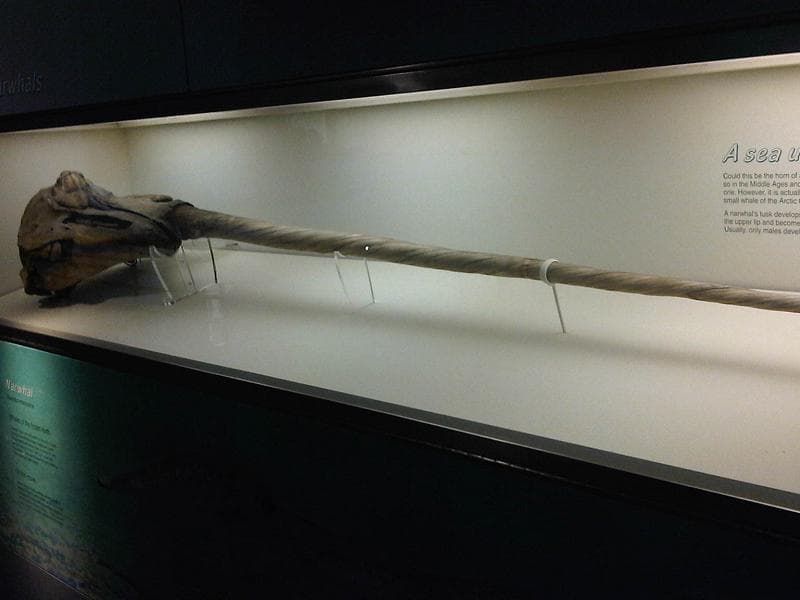
The walrus and narwhal are both Arctic marine mammals famous for a single striking feature — the walrus's long tusks and the narwhal's spiraled 'unicorn' horn — but they live very different lives beneath the ice.
| Mammal | Category | Mammal |
|---|---|---|
| Carnivore | Diet | Carnivore |
| Arctic, Ocean | Habitat | Arctic, Ocean |
| 800–1,700 kg | Weight | 800–1,600 kg |
| 270–360 cm | Length | 400–500 cm |
| N/A | Top Speed | N/A |
| 20–30 years | Lifespan | 30–50 years |
| Vulnerable | Conservation Status | Near Threatened |
Key Differences
- 1Both male and female walruses grow tusks; only male narwhals typically grow their long spiraled tusk.
- 2Walruses use their tusks to haul out onto ice and in social displays; a narwhal's tusk is an overgrown canine tooth whose exact purpose is still debated.
- 3Walruses feed on the seafloor using sensitive whiskers to find shellfish; narwhals hunt fish and squid in open water and dive far deeper.
- 4Walruses are highly social and haul out in large, noisy groups; narwhals travel in smaller pods.
- 5Walruses have a bulky, blubbery body built for hauling onto ice; narwhals have a sleek, streamlined body built for deep diving.
Walrus vs Narwhal FAQs
What is a narwhal's tusk actually for?
Researchers still debate its exact purpose — leading theories include sensing changes in the water, male competition and display, and possibly stunning prey, though it's not primarily a weapon.
Do walruses and narwhals live in the same waters?
Both are Arctic species and their ranges overlap in places like the waters around Greenland and northern Canada, though they occupy different depths and feeding niches.