Giant Panda vs Red Panda
Despite sharing a name and a taste for bamboo, the giant panda and red panda are not closely related — the giant panda is a bear, while the red panda belongs to its own unique family.
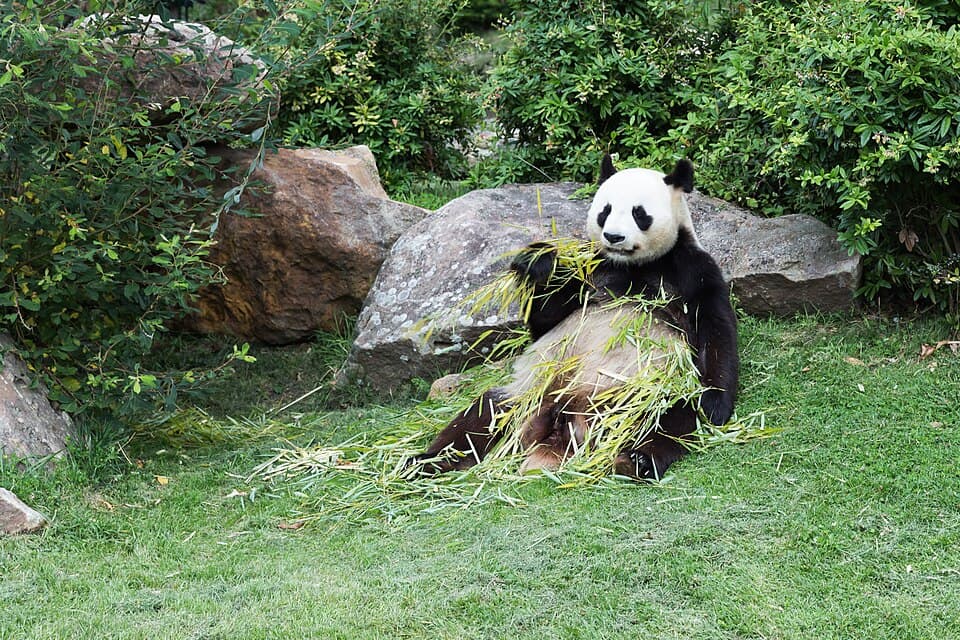
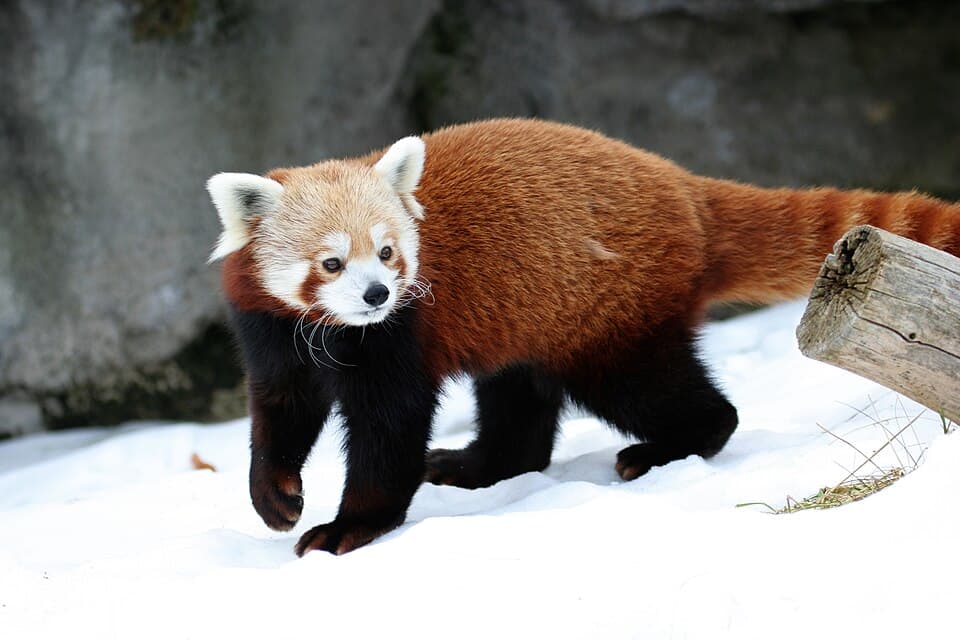
| Mammal | Category | Mammal |
|---|---|---|
| Herbivore | Diet | Omnivore |
| Forest, Mountain | Habitat | Forest, Mountain |
| 70–125 kg | Weight | 3–6.2 kg |
| 120–190 cm | Length | 50–64 cm |
| N/A | Top Speed | N/A |
| 20–30 years | Lifespan | 8–12 years |
| Vulnerable | Conservation Status | Endangered |
Key Differences
- 1The giant panda is a bear (family Ursidae); the red panda belongs to its own family, Ailuridae.
- 2Giant pandas can weigh over 100kg; red pandas are much smaller, usually under 6kg.
- 3Giant pandas eat almost nothing but bamboo; red pandas are omnivores that also eat fruit, eggs, and insects.
- 4Red pandas are largely tree-dwelling and nocturnal/crepuscular; giant pandas spend more time on the ground and are active by day.
- 5Giant pandas are native to central China's mountain forests; red pandas range across the eastern Himalayas.
Giant Panda vs Red Panda FAQs
Are red pandas related to giant pandas?
Not closely. Giant pandas are true bears, while red pandas are the only living member of their own family, Ailuridae. Both evolved a similar wrist adaptation for gripping bamboo independently.
Which panda is more endangered?
Both face real conservation concerns — giant pandas are classified Vulnerable while red pandas are classified Endangered, meaning red pandas currently face a higher extinction risk.