King Cobra vs Western Diamondback Rattlesnake
The king cobra and western diamondback rattlesnake are two of the world's most recognizable venomous snakes, but they come from different families with very different venom, hunting styles, and warning displays.
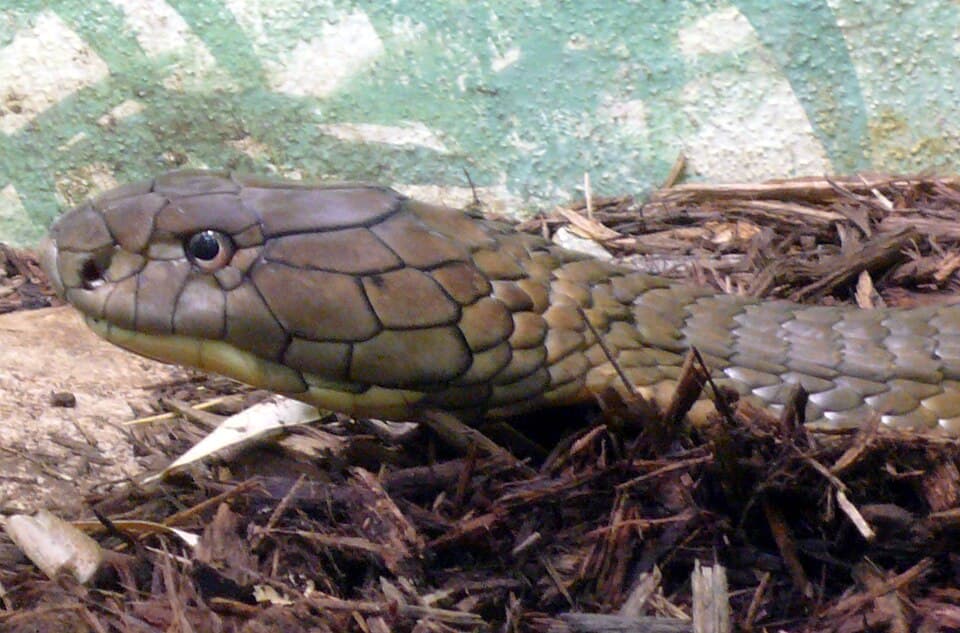
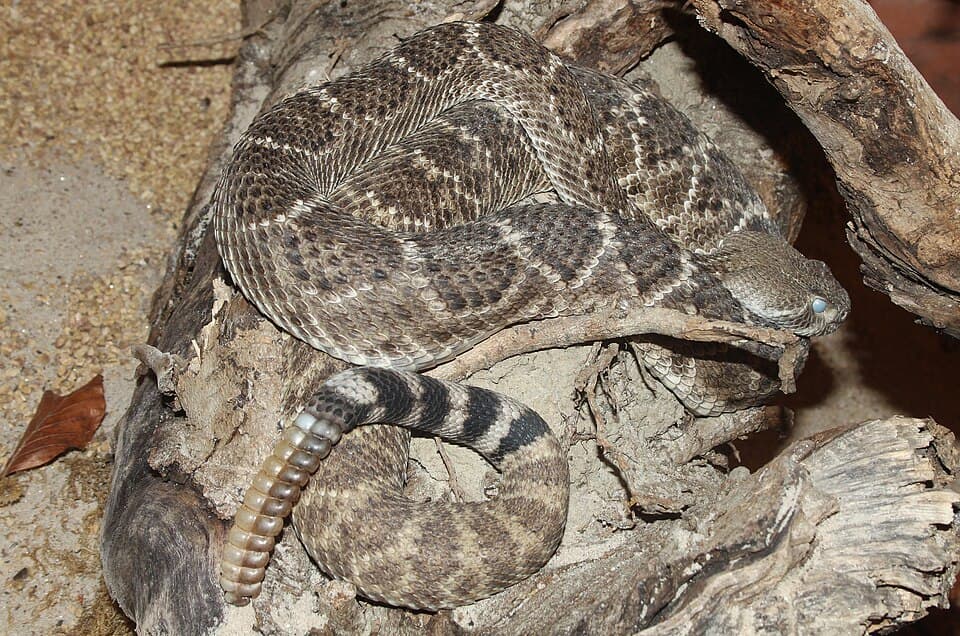
| Reptile | Category | Reptile |
|---|---|---|
| Carnivore | Diet | Carnivore |
| Rainforest, Forest | Habitat | Desert |
| 6–9 kg | Weight | 1.5–4.5 kg |
| 300–550 cm | Length | 90–180 cm |
| 19 km/h | Top Speed | N/A |
| 17–20 years | Lifespan | 15–20 years |
| Vulnerable | Conservation Status | Least Concern |
Key Differences
- 1The king cobra is the world's longest venomous snake, reaching up to 5.5m; the diamondback rarely exceeds 1.8m.
- 2King cobra venom is neurotoxic, affecting the nervous system; rattlesnake venom is primarily hemotoxic, damaging tissue and blood.
- 3Rattlesnakes warn with a rattling tail; king cobras warn by raising a third of their body and flaring a hood.
- 4King cobras mainly eat other snakes; diamondbacks mainly eat small mammals like rodents and rabbits.
- 5King cobras live in South and Southeast Asian forests; western diamondbacks live in North American deserts.
King Cobra vs Western Diamondback Rattlesnake FAQs
Which is more venomous, a king cobra or a rattlesnake?
A king cobra delivers a much larger volume of venom per bite and its neurotoxins act differently from a rattlesnake's hemotoxic venom, making direct comparison difficult — both are considered medically significant and dangerous.
Do king cobras and rattlesnakes live in the same region?
No — king cobras are native to South and Southeast Asia, while western diamondback rattlesnakes are native to the southwestern United States and northern Mexico.