Polar Bear vs Mountain Gorilla
The polar bear and mountain gorilla are both large, powerful mammals and conservation icons, but they've adapted to almost opposite environments — arctic ice versus tropical mountain forest.
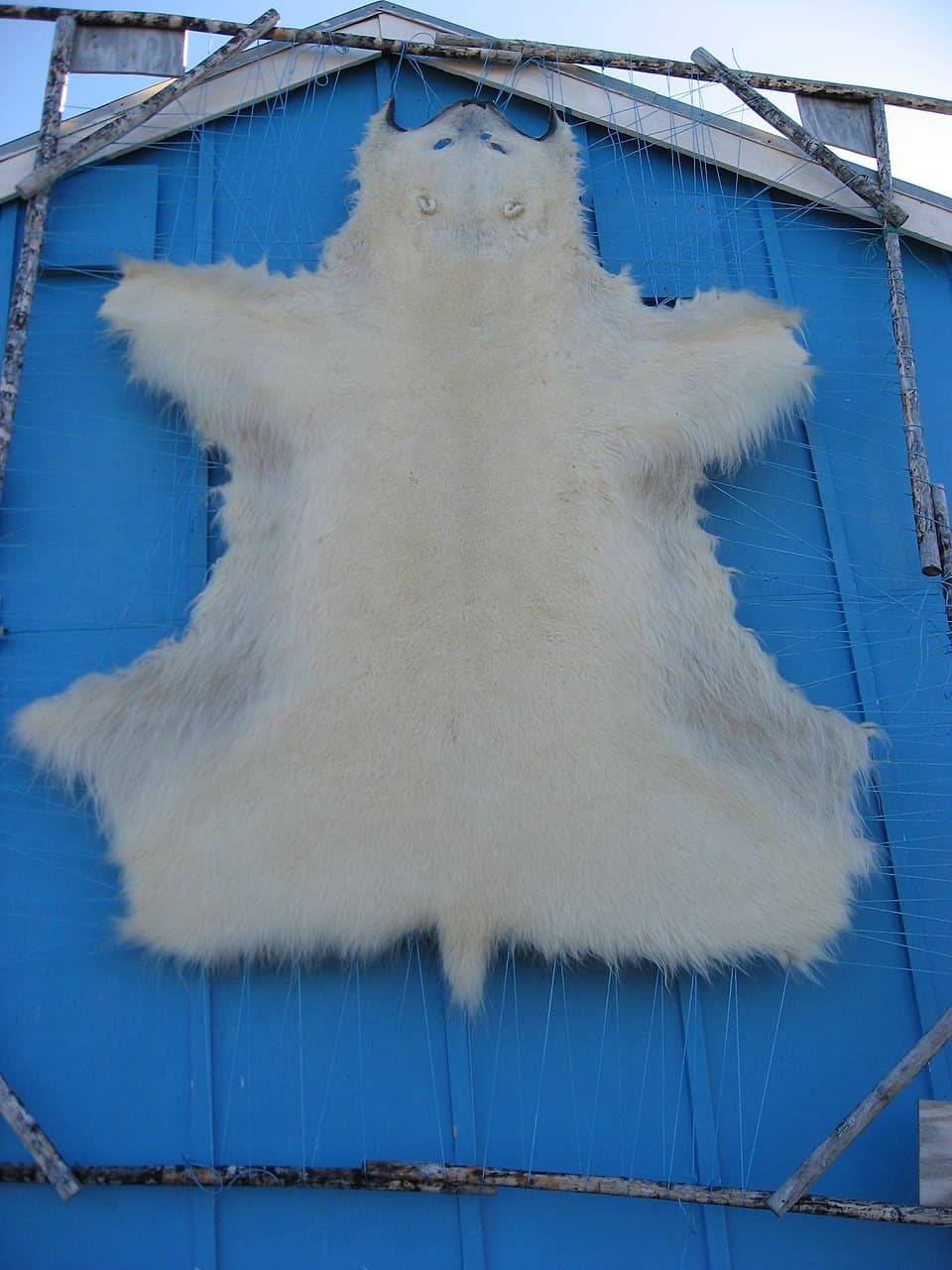
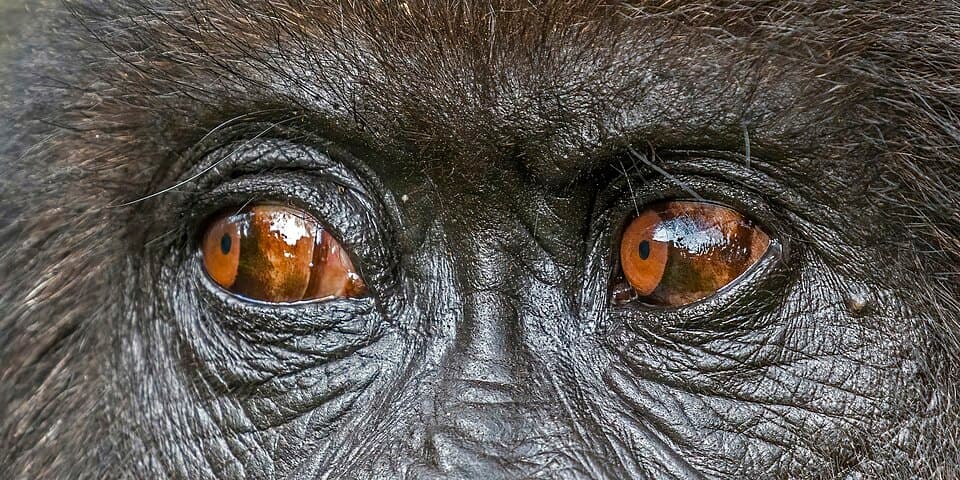
| Mammal | Category | Mammal |
|---|---|---|
| Carnivore | Diet | Herbivore |
| Arctic, Ocean | Habitat | Mountain, Rainforest |
| 300–700 kg | Weight | 70–220 kg |
| 200–260 cm | Length | 125–180 cm |
| 40 km/h | Top Speed | N/A |
| 20–30 years | Lifespan | 35–40 years |
| Vulnerable | Conservation Status | Endangered |
Key Differences
- 1Polar bears are the largest land carnivores and hunt seals on sea ice; mountain gorillas are herbivorous and forage on leaves, stems, and fruit.
- 2Polar bears are largely solitary; mountain gorillas live in stable family troops led by a silverback male.
- 3Polar bears have a thick insulating coat and layer of fat for arctic cold; mountain gorillas have dense fur adapted to cool mountain forest temperatures.
- 4Polar bears are powerful swimmers that can cover long distances in open water; gorillas generally avoid deep water.
- 5Polar bears live across the Arctic Circle; mountain gorillas live only in a small range of central African mountain forests.
Polar Bear vs Mountain Gorilla FAQs
Which is bigger, a polar bear or a gorilla?
Polar bears are significantly larger and heavier — an adult male polar bear can weigh up to 700kg, compared to a large male mountain gorilla at around 220kg.
Are polar bears or mountain gorillas more endangered?
Both are at risk: polar bears are classified Vulnerable due to sea ice loss from climate change, while mountain gorillas are classified Endangered, though their numbers have slowly recovered thanks to sustained conservation efforts.