Gray Wolf vs Fennec Fox
Both members of the dog family, the gray wolf and fennec fox show just how differently canids can evolve — one built for endurance hunting across cold northern forests, the other for surviving alone in a scorching desert.
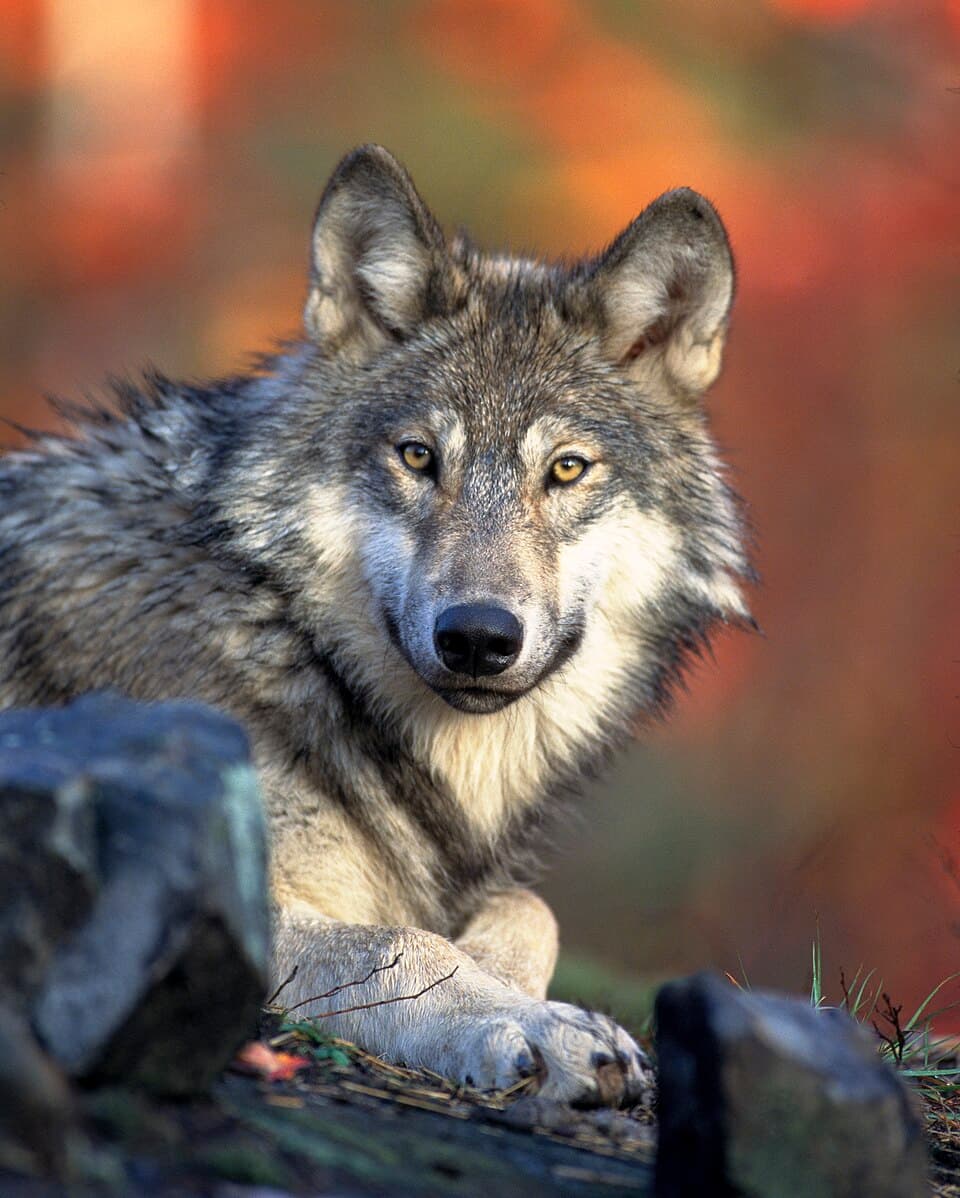
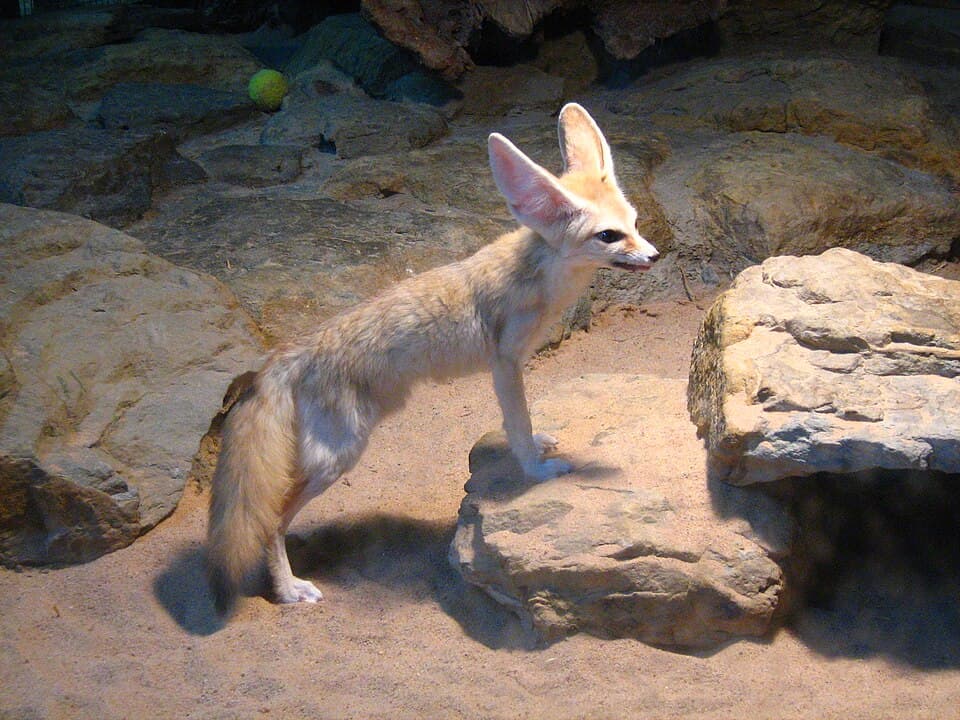
| Mammal | Category | Mammal |
|---|---|---|
| Carnivore | Diet | Omnivore |
| Forest, Arctic, Grassland | Habitat | Desert |
| 30–80 kg | Weight | 0.68–1.6 kg |
| 105–160 cm | Length | 24–41 cm |
| 60 km/h | Top Speed | 32 km/h |
| 6–13 years | Lifespan | 10–13 years |
| Least Concern | Conservation Status | Least Concern |
Key Differences
- 1The gray wolf is the largest wild canid, weighing up to 80kg; the fennec fox is the smallest fox species, often under 1.5kg.
- 2Wolves live and hunt in cooperative packs; fennec foxes are largely solitary or live in small family groups.
- 3Fennec foxes have oversized ears that radiate heat in the desert; wolves have proportionally small, rounded ears suited to cold climates.
- 4Wolves hunt large prey like deer and elk as a group; fennec foxes forage alone for insects, rodents, and plants.
- 5Wolves range across forests, tundra, and grassland in the Northern Hemisphere; fennec foxes are restricted to the Sahara Desert.
Gray Wolf vs Fennec Fox FAQs
Are fennec foxes related to wolves?
Yes — both belong to the dog family, Canidae, though they sit in different genera and are adapted to opposite climate extremes.
Why do fennec foxes have such large ears?
Their oversized ears radiate excess body heat, helping them stay cool in the desert, and also give them excellent hearing for detecting prey moving underground.